
Canna Lily Seed
Cannas are often grown for their foliage alone. The large, paddle-like leaves resemble banana leaves and come in greens, blue-greens, variegations and stripes. Much hybridizing has been done to create more attractive flowers. Somewhat tubular and lily like, Canna flowers come in shades and combinations of yellow, orange, red and pink and are borne on tall stalks coming out of the foliage. Because most Cannas sold today are the result of many crosses, Cannas are rarely classified.
Cannas prefers rich, moist soil and full sun. Generally grown from rhizomes. Plant rhizomes 4-5 inches deep, after all danger of frost, or start indoors in pots. Keep the rhizomes moist, but not wet. Emerged plants can receive more water. Can also be grown in poorly drained areas and in shallow ponds.
Plants should be deadheaded for continual bloom. Cannas like to be fed. Fertilize in early spring and mid-summer. In zones 7 and below, rhizomes can be overwintered. Allow foliage to be killed by a frost. Dig plants, leaving soil attached to rhizomes. Allow to dry, then pack in plastic bags with some moisture. Keep in a cool location for the winter. Potted cannas can be brought inside and treated as houseplants.
Not often bothered by problems. Canna leaves are covered with a waxy substance, so water is repelled and fungus doesn't usually take hold. Grasshoppers and caterpillars may munch the leaves. Water stress will cause tearing or cracking in the leaves.
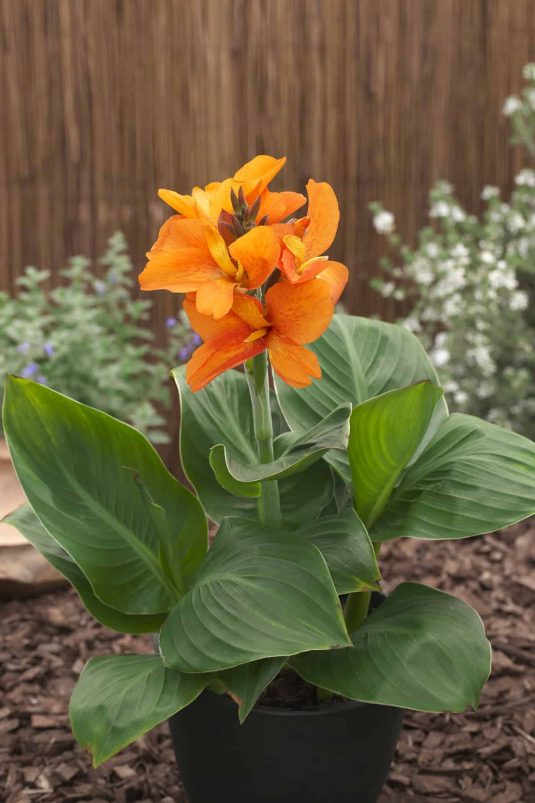
South Pacific Orange F1 Canna is a revolutionary seed-grown canna that brings tropical beauty to gardens much faster than traditional rhizome-grown varieties. Producing large, brilliant orange flowers above lush green foliage, this award-winning F1 hybrid creates a bold tropical display from seed in a single season. Compact, vigorous, and exceptionally floriferous, South Pacific Orange combines the exotic appearance of large cannas with a manageable size perfect for flower beds, containers, and patio plantings.
Garden Uses
South Pacific Orange F1 Canna is ideal for tropical-themed gardens, mixed flower borders, patio containers, poolside plantings, and large decorative pots. The vivid orange flowers provide a dramatic contrast against the broad green leaves, creating an eye-catching focal point wherever it is planted.
Its compact growth habit makes it especially useful for gardeners who want the tropical look of traditional cannas without the excessive height. It performs beautifully in mass plantings and combines well with elephant ears, coleus, ornamental grasses, salvias, and other bold summer flowers.
Growing Information
Start seeds indoors 8 to 10 weeks before the last expected frost. Scarifying the seed coat and soaking seeds overnight can improve germination. Seeds generally germinate within 10 to 21 days when maintained at temperatures between 70° and 85°F.
Transplant outdoors after all danger of frost has passed and soil temperatures have warmed. Plants thrive in full sun and fertile, well-drained soil with regular moisture. Cannas appreciate consistent watering and occasional feeding during active growth.
South Pacific Orange typically reaches 3 to 5 feet in height, significantly shorter than many traditional cannas while still producing abundant blooms throughout summer and into fall.
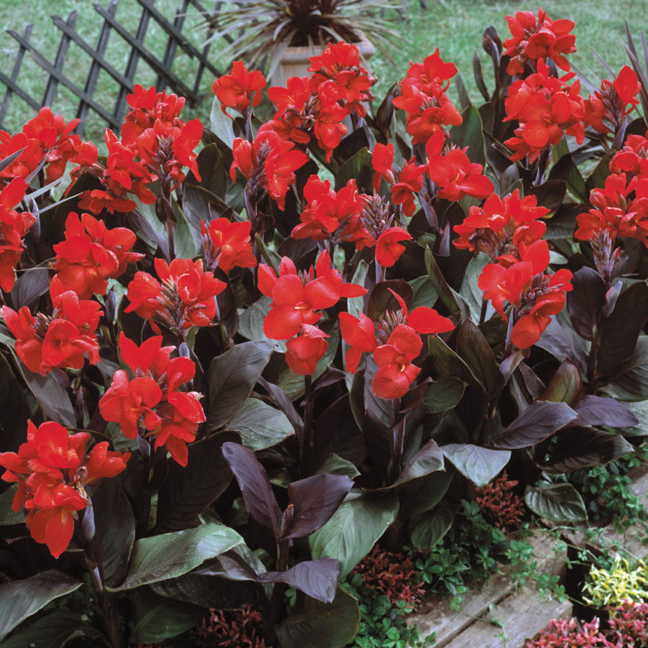
Tropical Bronze Scarlet Canna is a bold and colorful canna variety prized for its brilliant scarlet-red flowers and dramatic bronze-purple foliage. The combination of fiery blooms and dark tropical leaves creates a powerful landscape statement, giving gardens, containers, and patio plantings an instant exotic appearance. Vigorous, heat-loving, and long blooming, this canna brings rich color and lush texture to summer displays from midsummer until frost.
Garden Uses
Tropical Bronze Scarlet Canna is ideal for tropical-themed gardens, mixed borders, poolside plantings, large containers, patio gardens, and dramatic landscape focal points. The deep bronze foliage provides strong contrast even before the flowers appear, making the plant highly ornamental throughout the season.
This variety is especially effective when planted in groups or used as a centerpiece in large containers. It combines beautifully with coleus, elephant ears, sweet potato vine, ornamental grasses, lantana, salvias, and other heat-loving annuals.
Growing Information
Start seeds indoors 8 to 10 weeks before the last expected frost. Canna seeds have a very hard seed coat, so lightly scarifying the seed and soaking it overnight in warm water can improve germination. Seeds usually germinate within 10 to 21 days when kept warm at 70° to 85°F.
Transplant outdoors after all danger of frost has passed and the soil has warmed. Plants perform best in full sun and rich, well-drained soil with consistent moisture. Regular feeding during the growing season encourages lush foliage and heavy flowering.
Tropical Bronze Scarlet typically grows 3 to 4 1/2 feet tall with a spread of about 18 to 24 inches. In warm climates, plants may be grown as tender perennials; in colder regions, they are commonly grown as annuals or overwintered indoors.
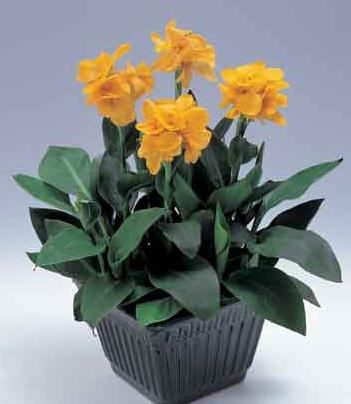
Tropical Yellow Canna is a bright and cheerful canna variety that produces vivid yellow flowers above lush green tropical foliage. Its compact growth habit and bold flower color make it an excellent choice for adding a warm, sunny accent to gardens, containers, patios, and mixed summer plantings. With its large leaves, sturdy stems, and long-lasting blooms, Tropical Yellow brings the look of the tropics to the garden in an easy and dependable form.
Garden Uses
Tropical Yellow Canna is ideal for flower beds, tropical-themed gardens, patio containers, poolside plantings, borders, and large decorative pots. The glowing yellow flowers create a fresh, sunny appearance and combine beautifully with red, orange, purple, blue, and bronze-foliaged companion plants.
This variety is especially useful where a bold focal point is needed without overwhelming the garden. It works well in mass plantings, mixed containers, and entryway displays, and its handsome foliage remains attractive even between flowering flushes.
Growing Information
Start seeds indoors 8 to 10 weeks before the last expected frost. Canna seeds have a very hard seed coat, so lightly scarifying the seed and soaking it overnight in warm water can help improve germination. Seeds usually germinate within 10 to 21 days when kept warm at 70° to 85°F.
Transplant outdoors after all danger of frost has passed and the soil has warmed. Plants grow best in full sun and rich, well-drained soil with consistent moisture. Regular feeding during the growing season encourages strong foliage growth and steady blooming.
Tropical Yellow generally grows 3 to 4 feet tall with a spread of about 18 to 24 inches. In warm climates, plants may be grown as tender perennials; in colder areas, they are commonly grown as annuals or lifted and overwintered indoors.
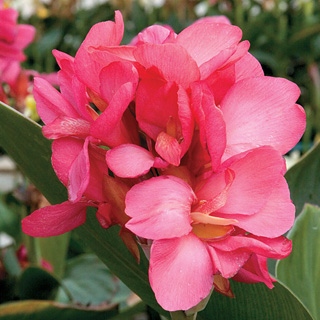
Tropical Rose Canna is a beautiful tropical flowering plant that produces large, elegant blooms in soft rose-pink shades above lush green foliage. The graceful flowers provide a softer, more refined look than the fiery reds and oranges often associated with cannas, while still delivering the dramatic tropical presence that makes these plants so popular. Blooming continuously throughout the summer months, Tropical Rose creates a stunning display in gardens, containers, and landscape plantings.
Garden Uses
Tropical Rose Canna is ideal for tropical gardens, mixed flower borders, patio containers, poolside plantings, and landscape focal points. The delicate rose-pink flowers blend beautifully with white, purple, blue, and silver-foliaged plants, creating elegant garden combinations.
This variety works especially well in cottage-style tropical gardens where softer flower colors are desired. It also performs beautifully as a centerpiece in large containers and mixed patio plantings where its flowers and lush foliage can be appreciated up close.
Growing Information
Start seeds indoors 8 to 10 weeks before the last expected frost. Because canna seeds have a hard outer coating, lightly scarifying the seed and soaking it overnight in warm water can improve germination rates. Seeds generally germinate within 10 to 21 days when maintained at temperatures between 70° and 85°F.
Transplant outdoors after all danger of frost has passed and the soil has warmed. Cannas thrive in full sun, fertile soil, and regular moisture. Consistent watering and occasional feeding promote vigorous growth and abundant flowering throughout the season.
Tropical Rose typically grows 3 to 5 feet tall with a spread of approximately 18 to 24 inches. Plants continue blooming from midsummer until frost under favorable conditions.
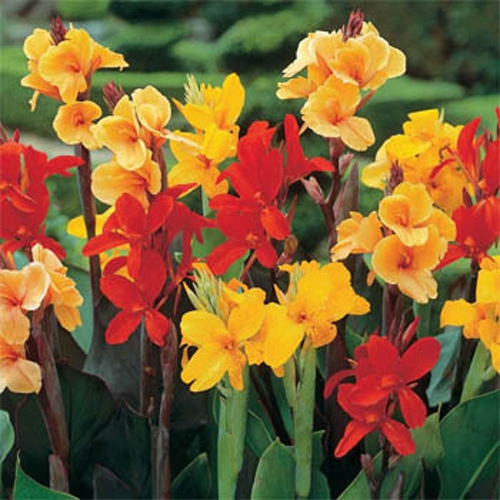
Large Flowered Hybrids Canna is a spectacular mixture of giant-flowered cannas that produces an exciting range of brilliant colors including scarlet red, golden yellow, orange, peach, salmon, and bi-colored blooms. These impressive plants combine massive tropical foliage with exceptionally large orchid-like flowers, creating a dramatic display that transforms ordinary gardens into lush tropical landscapes. Blooming continuously from midsummer until frost, this hybrid mixture offers both stunning diversity and reliable garden performance.
Garden Uses
Large Flowered Hybrids Canna is ideal for tropical gardens, landscape focal points, mixed borders, poolside plantings, large containers, and public display gardens. The combination of bold foliage and oversized flowers creates a dramatic architectural effect that few other flowering plants can match.
These cannas are particularly effective when planted in groups, where the mixture of flower colors creates a vibrant tropical display. They pair beautifully with elephant ears, ornamental bananas, coleus, salvias, ornamental grasses, and other heat-loving plants.
Growing Information
Start seeds indoors 8 to 10 weeks before the last expected frost date. Because canna seeds possess an extremely hard outer coating, lightly scarifying the seed coat and soaking seeds overnight in warm water can improve germination rates. Germination typically occurs within 10 to 21 days at temperatures between 70° and 85°F.
Transplant seedlings outdoors after all danger of frost has passed and the soil has thoroughly warmed. Plants perform best in full sun and fertile, moisture-retentive but well-drained soil. Regular watering and feeding promote vigorous growth and continuous flowering.
Plants typically reach 4 to 6 feet in height, depending upon growing conditions and individual hybrid genetics. The large flowers continue appearing throughout summer and into autumn until frost ends the season.

Contact Us | Privacy Policy | About Us
Serving gardeners since 1992
State of Mississippi Seedmen's Permit #C-391, Ohio 90152, Minnesota 20086777