
Roman and German Chamomile Seeds
USDA Zones: 4 - 8
Height: 18 - 24 inches
Bloom Season: Summer
Bloom Color: White
Environment: Full sun
Soil Type: Moist, well-drained, pH 6.1 - 7.5
Planting Directions
Temperature: 65 - 80F
Average Germ Time: 10 - 14 days
Light Required: Yes
Depth: Press into soil but do not cover
Sowing Rate: 1 seed per inch
Moisture: Keep moist until germination
Plant Spacing: Rows 18 inches a part; thin seedlings 10 inches
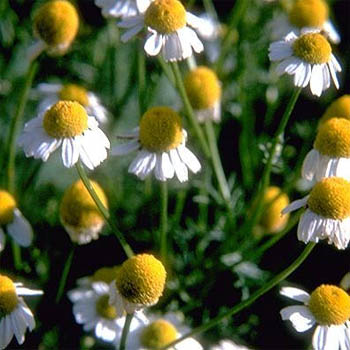
German Chamomile is one of the world's most beloved medicinal and culinary herbs, treasured for its sweet apple-like fragrance, delicate daisy-like flowers, and centuries of traditional use. This charming annual produces masses of cheerful white flowers with golden-yellow centers that sway gracefully above finely divided fern-like foliage, creating a beautiful display in herb gardens, containers, cottage gardens, and pollinator plantings.
For generations, German Chamomile has been cultivated as a tea herb, with the fragrant blossoms harvested and dried for soothing herbal infusions. The flowers are also valued in potpourris, sachets, floral crafts, and traditional herbal preparations. Their pleasant aroma and attractive appearance make them a favorite among gardeners and herbal enthusiasts alike.
Beyond its herbal uses, Chamomile is an outstanding garden plant. The nectar-rich flowers attract bees, butterflies, hoverflies, and other beneficial insects throughout the growing season. Many gardeners grow Chamomile as a companion plant in vegetable and herb gardens because of its ability to attract pollinators and beneficial insects.
German Chamomile is remarkably easy to grow and often self-sows, providing years of enjoyment with minimal effort. Its airy foliage and abundance of flowers make it equally valuable as an ornamental and useful herb.
Uses and Benefits- Produces masses of fragrant daisy-like flowers.
- Traditional herb for herbal tea blends.
- Excellent pollinator plant for bees and butterflies.
- Useful companion plant in vegetable and herb gardens.
- Flowers can be harvested fresh or dried.
- Popular for potpourris and sachets.
- Attractive cut flower and craft plant.
- Pleasant apple-like fragrance.
- Beautiful addition to cottage gardens.
- Excellent container and patio plant.
- Often self-sows for future seasons.
- Easy to grow and suitable for beginning gardeners.
German Chamomile is grown as an annual in all USDA Zones, completing its life cycle in a single growing season.
Germination Instructions- Sow seeds indoors 4-6 weeks before the last frost or directly outdoors after danger of frost has passed.
- Press seeds lightly into the soil surface.
- Do not cover deeply, as light aids germination.
- Maintain temperatures between 60-70°F (16-21°C).
- Keep soil evenly moist during germination.
- Seeds typically germinate in 7-14 days.
- Provide bright light after germination.
- Plant in full sun to light shade.
- Prefers average, well-drained soil.
- Harvest flowers regularly to encourage continued blooming.
- Allow some flowers to mature if reseeding is desired.
- Excellent for containers, herb gardens, and pollinator borders.
- Water during extended dry periods.
Combining ornamental beauty, fragrant flowers, pollinator value, companion planting benefits, and a long history of traditional use, German Chamomile remains one of the most rewarding herbs for the home garden. Whether grown for tea, beneficial insects, cottage garden charm, or simply its abundance of cheerful blooms, this classic herb is sure to become a favorite.
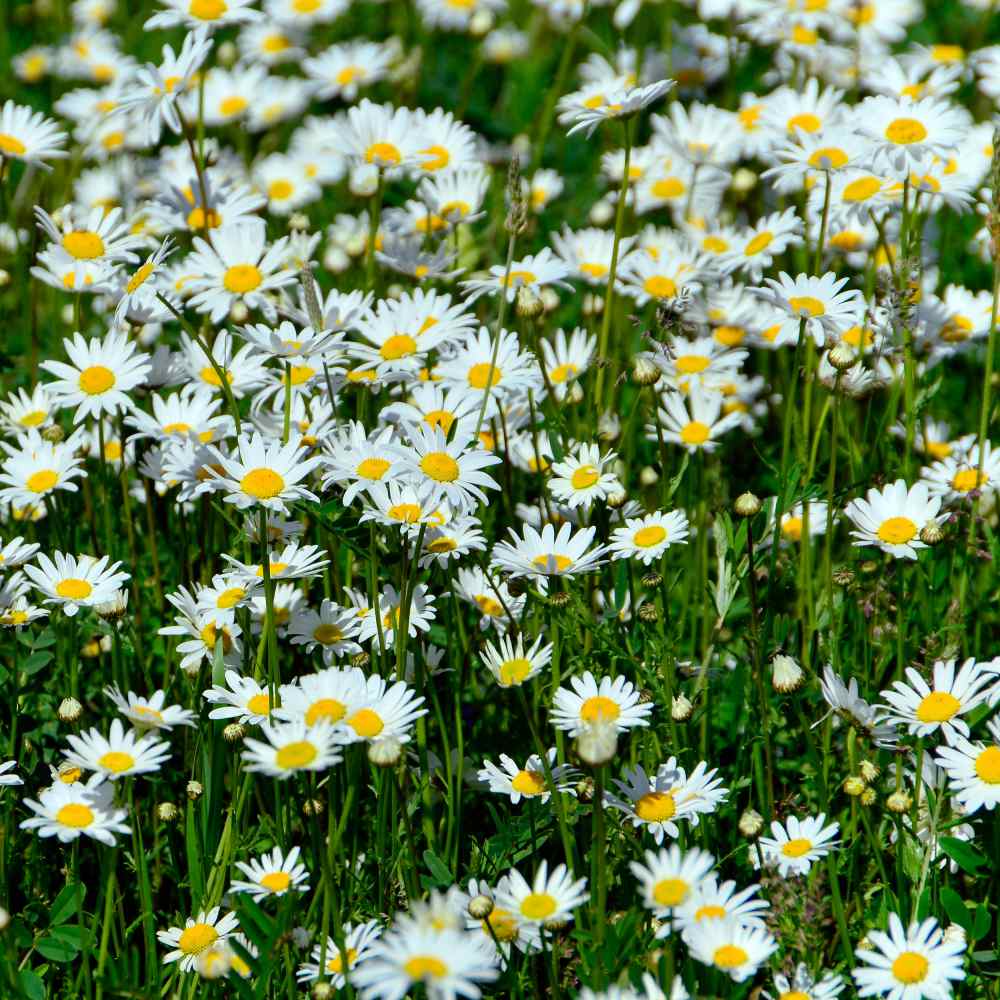
Roman Chamomile is a fragrant, low-growing perennial herb prized for its sweet apple-scented foliage, charming daisy-like flowers, and centuries of use in herbal gardens. Unlike German Chamomile, which is grown as an annual, Roman Chamomile forms a spreading perennial mat of finely textured evergreen foliage that returns year after year, making it both a beautiful ornamental plant and a valuable herb.
Throughout summer, the plants produce masses of cheerful white flowers with golden centers that float above the fragrant foliage. The blossoms attract bees, butterflies, and other beneficial pollinators while adding a delicate charm to borders, herb gardens, pathways, rock gardens, and containers.
Roman Chamomile has long been cultivated as a tea herb, with the flowers harvested for soothing herbal infusions. The fragrant blooms are also used in potpourris, sachets, floral crafts, and traditional herbal preparations. When brushed or walked upon, the foliage releases a pleasant apple-like fragrance that has made Roman Chamomile a favorite for centuries.
Because of its low-growing habit, Roman Chamomile is often used as a groundcover, edging plant, or even as a fragrant lawn substitute in suitable climates. It is equally at home in cottage gardens, pollinator gardens, and decorative patio containers.
Uses and Benefits- Produces fragrant white daisy-like flowers.
- Sweet apple-scented foliage.
- Traditional herb for herbal tea blends.
- Excellent pollinator plant for bees and butterflies.
- Long-lived perennial herb.
- Useful as a groundcover or edging plant.
- Suitable for fragrant lawns and pathways.
- Excellent container and patio plant.
- Flowers may be harvested fresh or dried.
- Popular for potpourris and sachets.
- Beautiful addition to herb and cottage gardens.
- Low maintenance and easy to grow.
Roman Chamomile is a hardy perennial in USDA Zones 4-9.
Germination Instructions- Start seeds indoors 6-8 weeks before the last frost or sow outdoors after danger of frost has passed.
- Press seeds lightly onto the soil surface.
- Do not cover deeply, as light aids germination.
- Maintain temperatures between 60-70°F (16-21°C).
- Keep soil evenly moist during germination.
- Seeds typically germinate in 10-21 days.
- Provide bright light after seedlings emerge.
- Plant in full sun to partial shade.
- Prefers well-drained soil.
- Tolerates poor soils once established.
- Water during prolonged dry periods.
- Harvest flowers regularly for teas and drying.
- Trim lightly after flowering to maintain a compact appearance.
Combining fragrant foliage, charming flowers, pollinator appeal, and traditional herbal uses, Roman Chamomile remains one of the most versatile and beloved herbs for the home garden. Whether grown for tea, fragrance, groundcover, or ornamental beauty, this classic perennial herb provides years of enjoyment with very little maintenance.