
Seedman Children's Garden Project
12 Garden Adventures to Grow Together
A child's first garden does not need to be large or perfect. It needs to be interesting. The Seedman Children's Garden Project brings together twelve seeds chosen because each offers a different reason to run outside and see what changed since yesterday. One plant can grow taller than the gardener, another moves when touched, vegetables hide colorful surprises underground, a vine can become a living hideaway, and a seed planted in spring can eventually become popcorn, a spinning toy or even a home for a bird.
This is not intended as a rigid garden plan. Families can grow all twelve selections, choose a few favorites, tuck them into an existing vegetable or flower garden, or use containers where appropriate. The goal is to give children ownership of something living: planting seeds, watching for sprouts, measuring growth, noticing insects and flowers, harvesting what they grew and discovering where food and useful natural materials really come from.
A good children's garden grows curiosity along with plants. Encourage questions, guesses, drawings, photographs and small experiments. Adults should handle fertilizers and garden chemicals, build sturdy climbing structures, supervise tools and craft work, and identify anything that will be eaten. Then let the child do as much of the safe planting, watering, observing and harvesting as possible.
Choose an Adventure: Grow something taller than you • Touch a plant that moves • Grow a natural spinning toy • Hunt for tiny “watermelons” • Dig for colorful radishes and carrots • Discover peanuts underground • Build a living bean teepee • Taste an edible flower • Grow your own popcorn • Watch a balloon-shaped flower open • Grow a birdhouse.
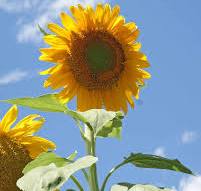
Adventure: Grow a Flower Taller Than You. Few plants make a child feel the magic of gardening as quickly as a giant sunflower. Mammoth Grey Stripe can soar 8–12 feet tall and produce enormous golden flower heads filled with large striped seeds. Mark the child’s height on a garden stake at planting time, then measure the sunflower every week and see how long it takes the plant to pass them.
Sow outdoors in full sun after frost danger has passed, about 1 inch deep in fertile, well-drained soil. Give the plants room, regular moisture while young, and support in very windy locations. As the flower matures, children can watch bees visit, observe the seeds forming, and later leave a head for birds or—with adult help—harvest mature seed.
Try This: Keep a sunflower growth chart with the date and height each week. It turns a spectacular plant into a simple lesson in measurement, pollination, seed formation and the life cycle of a plant.
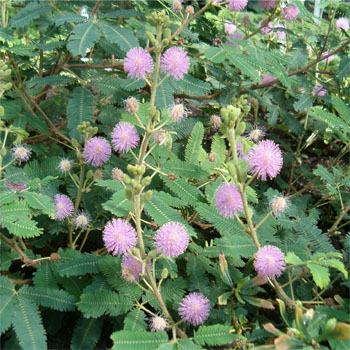
Adventure: Meet a Plant That Moves. Sensitive Plant is one of the great “wow” plants for children. A gentle touch causes its delicate fern-like leaflets to fold inward, demonstrating in seconds that plants can sense and respond to their surroundings. Pink puffball flowers add another layer of interest as the plant matures.
Start seed in warm conditions and grow in bright light, either outdoors in warm weather or in a container that can be enjoyed up close. The plant likes warmth, well-drained soil and regular moisture without waterlogging. Let children touch it gently and occasionally rather than repeatedly stressing the same leaves.
Try This: Ask the child to predict how long the leaves will take to reopen after being touched, then time them. Try light touch versus no touch and record what happens. It is an easy first experiment in plant behavior.
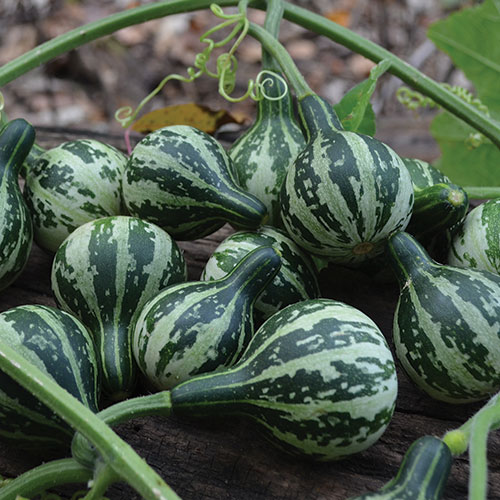
Adventure: Grow Your Own Natural Toy. Tennessee Dancing Gourds are tiny ornamental gourds traditionally prized because the mature fruits can be spun like little tops. Their varied shapes and markings make harvest especially entertaining—no two are quite alike, and children can choose favorites for spinning, sorting and fall decorations.
Plant after frost when the soil is warm, in full sun with room for the vigorous vines to spread or climb. Gourds appreciate fertile soil and regular moisture while developing. Allow fruits to mature fully on the vine, then cure them in a dry, airy location before using them for crafts or spinning games. These are ornamental gourds, not a children’s snack crop.
Try This: After curing, hold a family “Dancing Gourd Derby.” Number the gourds, spin each one, and record which spins longest. Children can compare size and shape and decide why some balance better than others.
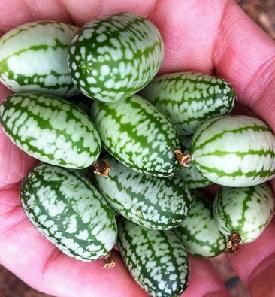
Adventure: Grow a Tiny “Watermelon.” Cucamelons produce dozens of grape-sized green fruits striped like miniature watermelons. Their crisp texture and cucumber-like flavor with a light tang make them a delightful garden snack, while searching through the vines for ripe fruits turns harvest into a treasure hunt.
Grow in full sun after frost danger has passed. Give the vigorous vines a trellis or fence so children can easily see and pick the fruits. Keep the soil evenly moist, especially while flowering and fruiting. Harvest when fruits are firm and about grape size; leaving them too long can make them less tender.
Try This: Count the fruits picked from one vine each week and keep a running harvest total. Wash harvested cucamelons before eating, and compare their flavor and texture with a regular cucumber.
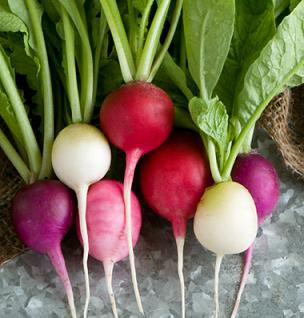
Adventure: Dig for Buried Easter Eggs. Easter Egg Radish is a cheerful mix of round roots in red, pink, purple, white and lavender. Because the color is hidden underground until harvest, pulling each radish feels like uncovering a surprise. Better yet, this is one of the fastest projects on the page, with roots often ready in only 25–30 days.
Sow directly in loose garden soil during cool spring or fall weather, about 1/4–1/2 inch deep. Keep the seedbed evenly moist and thin seedlings so the roots have room to round out. Harvest promptly at about 1–1½ inches across for the crispest texture and mildest flavor.
Try This: Before pulling each radish, have the child guess what color is hiding below. Sort the harvest by color, count each group, then taste-test the colors together. It combines anticipation, counting and a very quick garden reward.
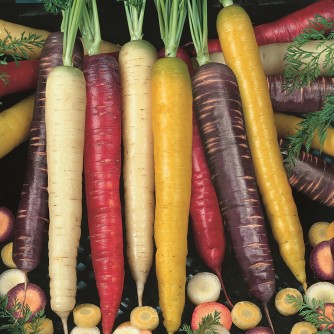
Adventure: Discover What Color Carrot You Grew. Rainbow Mix turns an ordinary carrot row into another underground surprise. The blend produces roots in shades of orange, yellow, white, purple and red, giving children a colorful introduction to the diversity that can exist within one familiar vegetable.
Sow the tiny seed shallowly in finely prepared, loose soil and keep the surface consistently moist during germination. Once seedlings are established, thin them so individual roots have room to develop. Carrots prefer cool growing weather and full sun; loose, stone-free soil produces the straightest roots.
Try This: Make a “carrot rainbow” after harvest. Wash the roots, arrange them by color and compare their appearance and flavor. Children can also draw what they think is underground before pulling the carrots and see how close their guesses were.
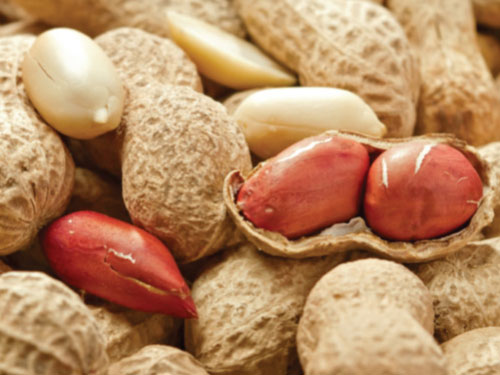
Adventure: Find a Crop That Hides Underground. Peanuts perform one of the most fascinating tricks in the vegetable garden. Yellow flowers bloom above ground, but after pollination a “peg” grows downward into the soil and the peanut pod develops beneath the surface. At harvest, lifting the whole plant reveals a crop that seemed to appear underground.
Plant after frost in warm, loose, well-drained soil and full sun. Shell peanuts carefully before planting without damaging the seed coat, and give plants a long warm season. Avoid cultivating deeply around established plants because the developing pegs need undisturbed soil. Mature plants are lifted and cured in a warm, dry, well-ventilated place.
Try This: Watch for the first flower, then look for pegs entering the soil. At harvest, count how many pods developed on one plant. Adult Note: Peanuts are a major food allergen; this project is not appropriate where a child has a peanut allergy, and eating or preparing harvested peanuts should be supervised by an adult.
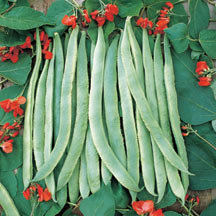
Adventure: Build a Living Bean Teepee. Scarlet Runner Bean can transform a few sturdy poles into a leafy garden hideaway. Fast-growing vines climb upward and produce brilliant scarlet flowers that attract hummingbirds, bees and butterflies, followed by edible bean pods. For a child, it is part garden, part wildlife station and part fort.
After frost, sow beans about 1 inch deep in full sun near a strong trellis or a teepee made from firmly anchored poles. Keep plants watered during dry spells and guide young vines toward their supports if needed. Because mature vines become heavy, an adult should build and check the support before children play around it.
Try This: Plant several seeds around each pole and watch the vines spiral upward. Measure how far a runner grows in a week, sit quietly inside the leafy teepee to watch pollinators, and harvest young pods with an adult for the kitchen.
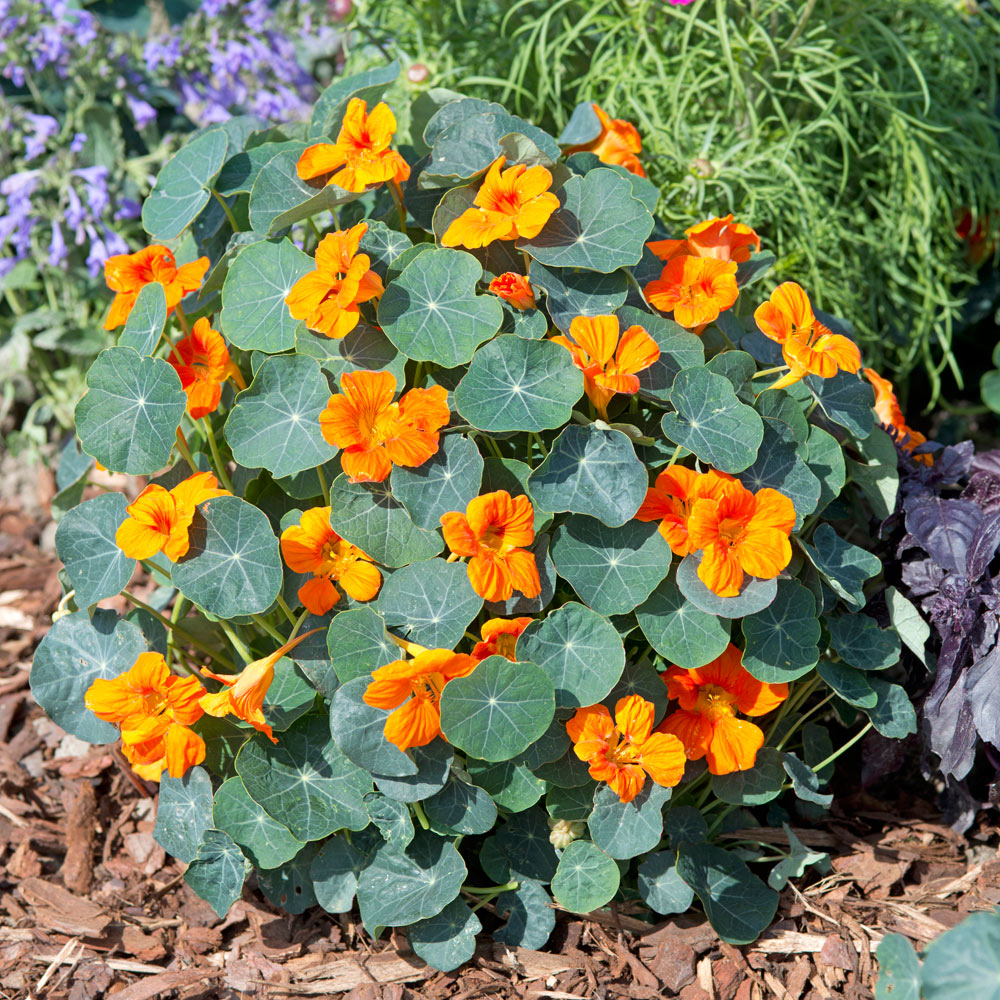
Adventure: Grow a Flower You Can Eat. Baby Orange Nasturtium combines cheerful orange blooms, rounded leaves and large easy-to-handle seeds. Both the flowers and leaves are edible and have a pleasantly peppery flavor, making this an excellent supervised introduction to the idea that some garden flowers can also be food.
Sow after frost in full sun to light shade and well-drained soil. Nasturtiums generally perform best without heavy fertilizing; overly rich soil can encourage leaves at the expense of flowers. They work beautifully along garden edges and in containers where children can watch flowers open and pollinators visit.
Try This: Pick a clean, pesticide-free flower together, wash it and add the petals to a salad. Teach an important garden rule at the same time: children should eat only plants that a knowledgeable adult has specifically identified as edible—never taste an unfamiliar flower simply because it is growing in the garden.
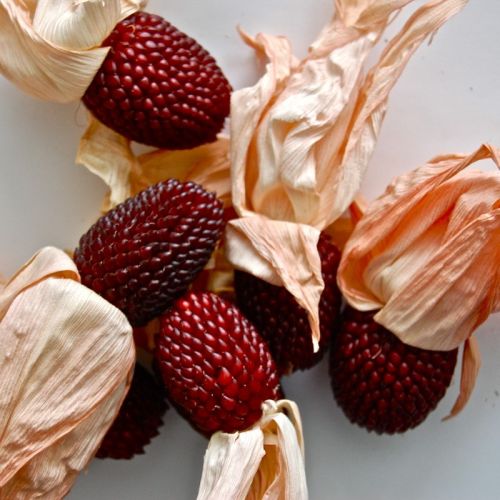
Adventure: Grow Your Own Movie-Night Popcorn. Strawberry Popcorn produces charming little ears packed with deep ruby-red kernels, giving children a crop that is beautiful at harvest and useful afterward. From sowing a kernel to watching tall corn plants grow, harvesting the ears, drying them and finally popping the mature kernels, this project follows food through an entire garden cycle.
Plant in full sun after the soil has warmed, preferably in a small block rather than one long row so wind pollination is more effective. Corn needs fertile soil, regular moisture during active growth and enough room for good light. Let ears mature and dry thoroughly before shelling kernels intended for popping.
Try This: Save one beautiful ear for display and use another for a supervised popping experiment after it is fully dry. Count kernels on part of an ear, compare popped and unpopped kernels, and talk about how a seed can be both next year’s plant and this year’s food.
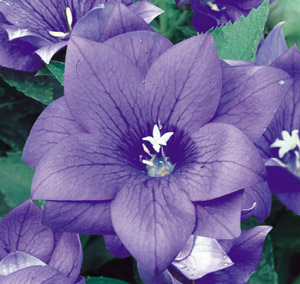
Adventure: Watch a Flower “Inflate.” Before Double Blue Balloon Flower opens, each bud swells into a plump little balloon. Then it unfolds into a rich violet-blue, star-like double flower. The transformation makes this hardy perennial especially appealing to children who enjoy checking the garden every day for changes.
Grow in full sun to partial shade and fertile, well-drained soil. Seeds are very small and should be surface-sown or barely covered because light aids germination. Established plants are hardy perennials in roughly USDA Zones 3–8 and can return for years, providing a useful lesson that some garden plants live far longer than one season.
Try This: Choose one unopened bud and photograph or sketch it every day until the flower opens. Put the pictures in order afterward to create a simple time-lapse record of a flower developing.
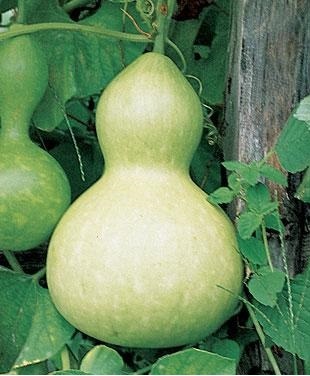
Adventure: Grow a Home for a Bird. Birdhouse Gourd may be the ultimate garden craft project. Vigorous vines produce large pear-shaped fruits that mature into hard, durable shells. Once completely cured, a gourd can—with adult help—be cleaned, drilled and transformed into a functional nesting house for suitable cavity-nesting birds.
Plant outdoors only after frost danger has passed and the soil is warm. Give the vigorous vines full sun, fertile soil and a very strong trellis, arbor or fence, or allow them ample room to ramble. Fruits need a long warm season and must mature fully before curing in a dry, well-ventilated location. Complete drying can take considerable time, so this project rewards patience.
Try This: Let the child follow one gourd from flower to finished birdhouse, taking pictures along the way. Adult Help Required: Cutting, drilling, cleaning and hanging a dried gourd should be handled or closely supervised by an adult, and the entrance-hole size and placement should be chosen for the bird species you hope to attract.
The Grown-Ups' Guide to Gardening With Children
Start small enough to succeed. A child's garden can be a corner of the family garden, one raised bed, several large containers or a few carefully chosen projects scattered around the yard. Sun-loving vegetables and flowers generally perform best with six or more hours of direct sun. Put frequently harvested crops where children can reach them easily, while giant sunflowers, corn and vigorous vines belong where their height and spread will not overwhelm smaller plants.
Give the child real ownership. A simple sign with the child's name, a small watering can and a few child-sized tools can turn “helping in the garden” into “my garden.” Let children press large seeds into the soil, make labels, water seedlings and decide which ripe radish or cucamelon to pick. Perfect rows matter much less than participation.
Use a garden journal. Write the planting date, draw the first seedling, measure the sunflower, count cucamelons, sketch a balloon-flower bud, record the first hummingbird at the runner beans and photograph the birdhouse gourd as it grows. Younger children can draw pictures; older children can record dates, heights, weather and harvest totals. The garden quietly becomes practice in science, math, writing and observation.
Expect different clocks. Easter Egg Radishes can provide a quick reward in about a month, while carrots, beans and cucamelons take longer. Sunflowers and popcorn become summer projects, and Birdhouse Gourds continue after harvest while the fruits cure. Mixing fast and slow crops keeps something interesting happening throughout the season.
Make room for wildlife. Sunflowers, nasturtiums, runner beans and other flowering plants invite bees, butterflies and sometimes hummingbirds. Watch them without disturbing them and explain that pollinators help flowers make seeds and fruits. Leave a mature sunflower head for birds if desired, and the Birdhouse Gourd project can extend the lesson into nesting habitat.
Teach garden food safety early. Children should learn a simple rule: never taste a plant, berry, seed or mushroom unless a knowledgeable adult says it is safe to eat. Wash edible harvests before eating. Peanuts are a major allergen and should be omitted entirely where allergy is a concern. Ornamental Tennessee Dancing Gourds and mature Birdhouse Gourds are included here for crafts and observation, not as children's snack crops.
Adults handle the risky jobs. Secure trellises and bean-teepee poles firmly before children play nearby. Adults should supervise pruning tools and handle knives, drills and other tools used to turn cured gourds into crafts or birdhouses. Follow all label directions for any garden product and keep pesticides, fertilizers and treated materials out of children's reach.
Save something from the season. A dried sunflower head, a favorite spinning gourd, a colorful ear of Strawberry Popcorn, photographs, drawings or a finished gourd birdhouse gives the child a tangible reminder of what began as a handful of seeds. Where seed saving is practical, it can also introduce the idea that one gardening season can provide the beginning of the next.
Most important: let the garden be fun. Seeds will sometimes fail, insects will nibble leaves and carrots will occasionally grow crooked. Those are not failures in a children's garden; they are things to investigate. The best harvest may be a vegetable the child proudly eats, but it may just as easily be the first bee they notice, the first seedling they recognize, or the moment they realize that they grew something themselves.
For over a thousand more unique seed varieties, all in stock and ready to ship, visit our Seed Catalog Index Page.

Contact Us | Privacy Policy | About Us
Serving gardeners since 1992
State of Mississippi Seedmen's Permit #C-391, Ohio 90152, Minnesota 20086777