
Chrysanthemum Seed ( Perennial/Annual )
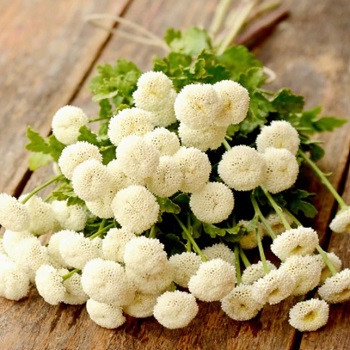
Vegmo Snow Ball (Tanacetum parthenium) is a charming heirloom perennial that produces masses of perfectly double, snow-white button flowers resembling miniature pompons. Blooming continuously from early summer until frost, the cheerful blossoms rise above fragrant, finely divided bright green foliage, creating a crisp, clean display in cottage gardens, borders, and cutting gardens. This improved selection is prized for its uniform habit, abundant flowering, and exceptional vase life.
Garden Uses:
Vegmo Snow Ball is ideal for cottage gardens, perennial borders, cutting gardens, pollinator plantings, herb gardens, and patio containers. The neat plants provide a bright contrast to colorful summer flowers and make excellent companions for roses, lavender, salvia, coneflowers, yarrow, and ornamental grasses. The long-lasting blooms are highly valued in fresh bouquets and dried flower arrangements.
Growing Information:
Sow seeds indoors 6-8 weeks before the last frost or directly outdoors after danger of frost has passed. Since seeds require light for best germination, press them gently onto the soil surface without covering. Germination usually occurs within 10-21 days at temperatures between 65-70°F. Plants thrive in full sun and well-drained soil and tolerate average to poor soils once established. Deadheading spent blooms encourages continuous flowering throughout the growing season. Mature plants are drought tolerant and often self-seed lightly under favorable conditions.
| Botanical Name: | Tanacetum parthenium |
| Common Name: | Vegmo Snow Ball Feverfew |
| Variety: | Vegmo Snow Ball |
| Plant Type: | Hardy perennial |
| Height: | 18-24 inches |
| Spread: | 12-18 inches |
| Bloom Color: | Double pure white |
| Bloom Season: | Early summer until frost |
| Light Requirements: | Full sun |
| Soil Requirements: | Well-drained, average soil |
| USDA Zones: | 5-9 |
| Uses: | Cottage gardens, cutting gardens, borders, pollinator gardens, containers, dried flowers |
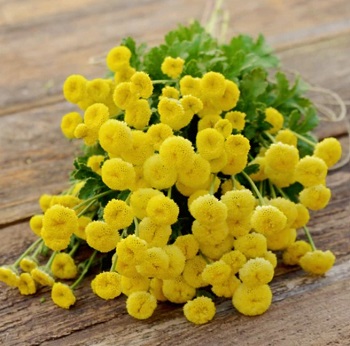
Vegmo Sunny Ball (Tanacetum parthenium) is a delightful perennial that produces hundreds of fully double, golden-yellow button flowers resembling tiny sunshine-filled pompons. Blooming continuously from early summer until frost, the cheerful blossoms rise above aromatic, finely divided bright green foliage to create a vibrant display in cottage gardens, borders, and cutting gardens. This improved Feverfew variety offers excellent uniformity, abundant flowering, and outstanding performance in both the garden and floral arrangements.
Garden Uses:
Vegmo Sunny Ball is perfect for cottage gardens, cutting gardens, perennial borders, pollinator plantings, herb gardens, patio containers, and informal flower beds. The bright golden blooms provide a striking contrast against blue, purple, and white flowers while adding warmth to mixed plantings. The sturdy stems make excellent cut flowers and are equally attractive in fresh or dried floral arrangements.
Growing Information:
Sow seeds indoors 6-8 weeks before the last frost or directly outdoors after danger of frost has passed. Since seeds require light for best germination, gently press them onto the soil surface without covering. Germination usually occurs within 10-21 days at temperatures between 65-70°F. Plants thrive in full sun and well-drained soil while tolerating average or even poor garden soils. Once established, Vegmo Sunny Ball is moderately drought tolerant and flowers continuously when faded blooms are removed.
| Botanical Name: | Tanacetum parthenium |
| Common Name: | Vegmo Sunny Ball Feverfew |
| Variety: | Vegmo Sunny Ball |
| Plant Type: | Hardy perennial |
| Height: | 18-24 inches |
| Spread: | 12-18 inches |
| Bloom Color: | Double golden yellow |
| Bloom Season: | Early summer until frost |
| Light Requirements: | Full sun |
| Soil Requirements: | Well-drained, average soil |
| USDA Zones: | 5-9 |
| Uses: | Cottage gardens, cutting gardens, borders, pollinator gardens, containers, dried flowers |

Shasta Crazy Daisy (Leucanthemum × superbum 'Crazy Daisy') is a spectacular perennial that transforms the classic Shasta Daisy into a showpiece with its fully double, frilly white blooms surrounding bright golden centers. Each flower features beautifully twisted and ruffled petals, giving the blossoms a delightfully shaggy appearance unlike any ordinary daisy. Blooming from early summer through midsummer, Crazy Daisy brings elegance, texture, and long-lasting beauty to perennial borders, cottage gardens, and cutting gardens while attracting a wide variety of beneficial pollinators.
Garden Uses:
Shasta Crazy Daisy is perfect for perennial borders, cottage gardens, cutting gardens, pollinator gardens, foundation plantings, and mixed flower beds. Its unusual double blooms create an eye-catching focal point and blend beautifully with coneflowers, salvias, phlox, delphiniums, lavender, yarrow, ornamental grasses, and other summer-flowering perennials. The sturdy stems also produce excellent long-lasting cut flowers.
Growing Information:
Sow seeds indoors 8-10 weeks before the last frost or outdoors after danger of frost has passed. Press seeds lightly into the soil surface, as light improves germination. Germination generally occurs within 10-20 days at temperatures between 65-70°F. Plants thrive in full sun with fertile, well-drained soil and benefit from regular watering during extended dry periods. Remove faded blooms to encourage additional flowering and divide mature clumps every 3-4 years to maintain vigor and abundant blooming.
| Botanical Name: | Leucanthemum × superbum 'Crazy Daisy' |
| Common Name: | Shasta Crazy Daisy |
| Plant Type: | Hardy perennial |
| Height: | 24-30 inches |
| Spread: | 18-24 inches |
| Bloom Color: | Double white with golden yellow centers |
| Bloom Season: | Early summer through midsummer |
| Light Requirements: | Full sun |
| Soil Requirements: | Fertile, well-drained soil |
| USDA Zones: | 5-9 |
| Uses: | Borders, cottage gardens, cutting gardens, pollinator gardens, mixed perennial beds |
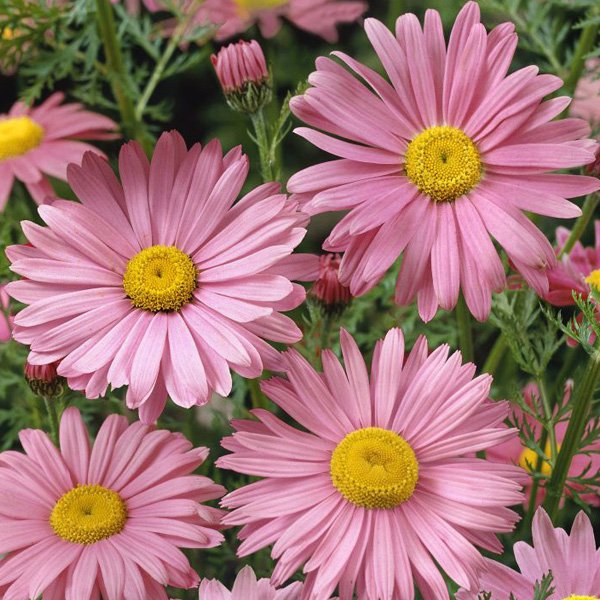
Robinson's Rose (Chrysanthemum coccineum) is a striking painted daisy that produces large, brilliant rose-pink flowers with bright golden centers above finely divided, fern-like foliage. Blooming from late spring into early summer, this classic perennial creates a spectacular display of vibrant color while attracting butterflies, bees, and other beneficial pollinators. Its sturdy stems and long-lasting flowers make Robinson's Rose equally valuable in the garden and as an exceptional cut flower.
Garden Uses:
Robinson's Rose is an excellent addition to perennial borders, cottage gardens, pollinator gardens, cutting gardens, and naturalized landscapes. The tall flower stems create beautiful vertical accents among lower-growing perennials, while the vibrant rose blooms blend beautifully with delphiniums, lupines, foxgloves, salvias, Shasta daisies, yarrow, and ornamental grasses. It is also highly prized for fresh floral arrangements.
Growing Information:
Sow seeds indoors 8-10 weeks before the last frost or directly outdoors after danger of frost has passed. Lightly press seeds into the surface of the growing medium, as light aids germination. Germination typically occurs within 10-20 days at temperatures between 65-70°F. Plants thrive in full sun with fertile, well-drained soil and appreciate regular watering during prolonged dry periods. Removing spent flowers encourages additional blooms, while dividing mature clumps every few years helps maintain vigorous growth.
| Botanical Name: | Chrysanthemum coccineum (also known as Tanacetum coccineum) |
| Common Name: | Robinson's Rose Painted Daisy |
| Plant Type: | Hardy perennial |
| Height: | 24-36 inches |
| Spread: | 18-24 inches |
| Bloom Color: | Rich rose-pink with golden yellow centers |
| Bloom Season: | Late spring through early summer |
| Light Requirements: | Full sun |
| Soil Requirements: | Fertile, well-drained soil |
| USDA Zones: | 3-7 |
| Uses: | Borders, cottage gardens, pollinator gardens, cutting gardens, mixed perennial beds |
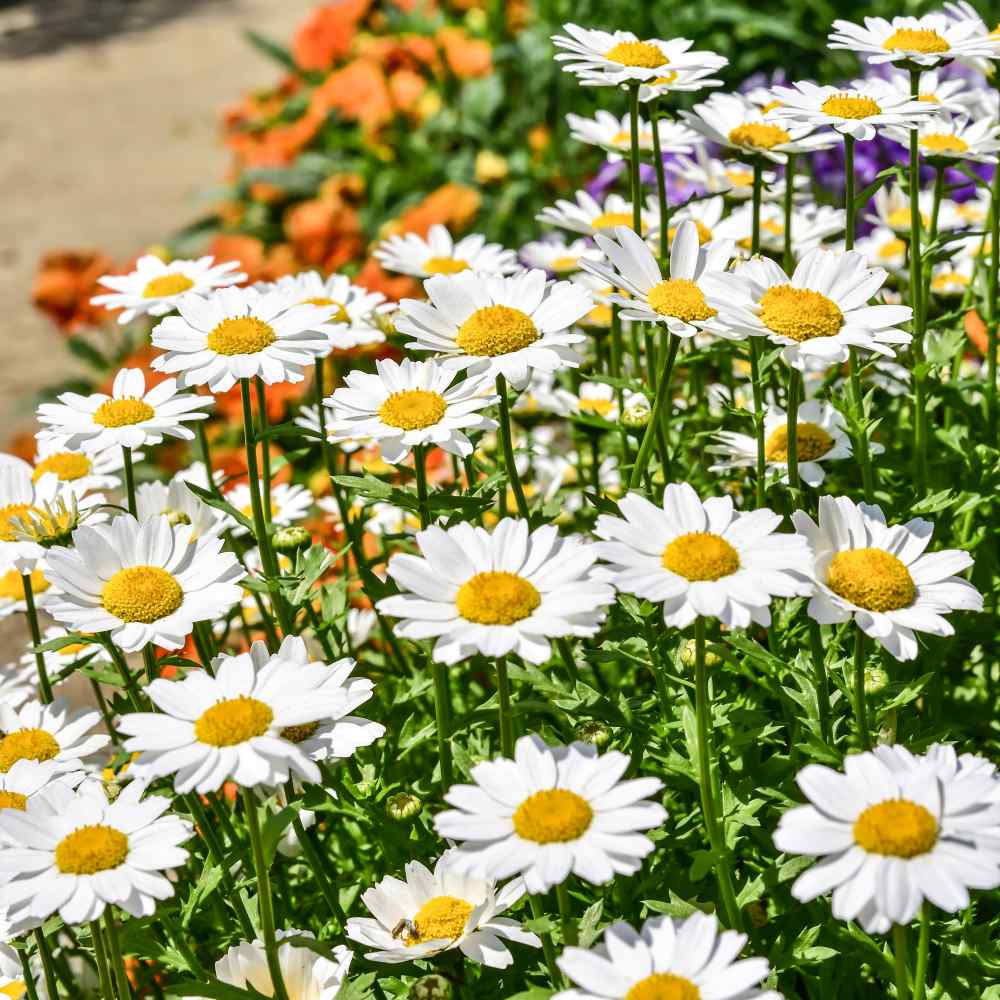
Creeping Daisy (Chrysanthemum paludosum) is a delightful low-growing perennial that quickly forms a dense carpet of finely textured green foliage covered with masses of cheerful white daisy flowers surrounding bright golden-yellow centers. Blooming continuously from late spring through summer, this charming groundcover provides months of color while attracting butterflies, bees, and other beneficial pollinators. Its compact spreading habit makes it one of the finest flowering plants for edging, rock gardens, pathways, and containers.
Garden Uses:
Creeping Daisy is an excellent choice for rock gardens, edging, borders, pathways, alpine gardens, containers, hanging baskets, raised beds, and as a flowering groundcover. Its naturally spreading habit softens the edges of walls and pathways while creating brilliant carpets of blooms in sunny locations. It combines beautifully with alyssum, creeping phlox, dianthus, aubrieta, candytuft, sedums, and other low-growing perennials.
Growing Information:
Sow seeds indoors 6-8 weeks before the last frost or directly outdoors after danger of frost has passed. Cover seeds lightly with fine soil and maintain temperatures of 65-70°F during germination, which usually occurs within 10-14 days. Plants thrive in full sun with fertile, well-drained soil and perform best with moderate watering during extended dry periods. Deadheading encourages continuous flowering, although plants naturally bloom over a very long season with minimal maintenance.
| Botanical Name: | Chrysanthemum paludosum (also known as Coleostephus myconis) |
| Common Name: | Creeping Daisy |
| Plant Type: | Low-growing perennial |
| Height: | 6-10 inches |
| Spread: | 12-18 inches |
| Bloom Color: | White with golden yellow centers |
| Bloom Season: | Late spring through summer |
| Light Requirements: | Full sun |
| Soil Requirements: | Fertile, well-drained soil |
| USDA Zones: | 4-9 |
| Uses: | Groundcover, edging, rock gardens, containers, hanging baskets, alpine gardens, borders |
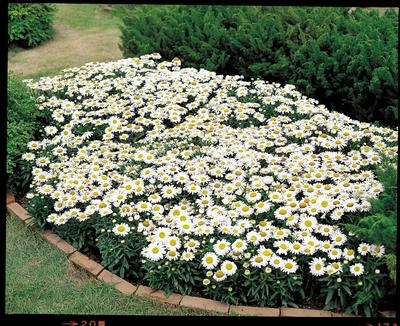
Snow Lady (Chrysanthemum × superbum) is an outstanding compact Shasta Daisy that flowers much earlier than traditional varieties, producing large, brilliant white daisies with sunny golden-yellow centers during its very first season from seed. Its neat, dwarf habit, exceptional uniformity, and long bloom period make Snow Lady an excellent choice for borders, containers, cottage gardens, and pollinator plantings where dependable summer color is desired.
Garden Uses:
Snow Lady is ideal for perennial borders, edging, cottage gardens, patio containers, pollinator gardens, cutting gardens, and foundation plantings. Its compact growth allows it to fit beautifully into smaller gardens while still producing an abundance of large flowers. It combines wonderfully with coreopsis, salvia, lavender, coneflowers, gaillardia, yarrow, and ornamental grasses for a colorful summer display.
Growing Information:
Sow seeds indoors 8-10 weeks before the last frost or directly outdoors after danger of frost has passed. Lightly press seeds onto the soil surface without covering heavily, as light improves germination. Germination generally occurs within 10-20 days at temperatures between 65-70°F. Plants thrive in full sun with fertile, well-drained soil and appreciate moderate watering during prolonged dry periods. Deadheading spent blooms encourages continuous flowering, while dividing mature clumps every 3-4 years maintains vigorous growth and abundant flowering.
| Botanical Name: | Chrysanthemum × superbum (also known as Leucanthemum × superbum) |
| Common Name: | Snow Lady Shasta Daisy |
| Plant Type: | Hardy perennial |
| Height: | 12-18 inches |
| Spread: | 12-18 inches |
| Bloom Color: | Pure white with golden yellow centers |
| Bloom Season: | Early summer through midsummer |
| Light Requirements: | Full sun |
| Soil Requirements: | Fertile, well-drained soil |
| USDA Zones: | 4-9 |
| Uses: | Borders, containers, cottage gardens, pollinator gardens, cutting gardens, edging |
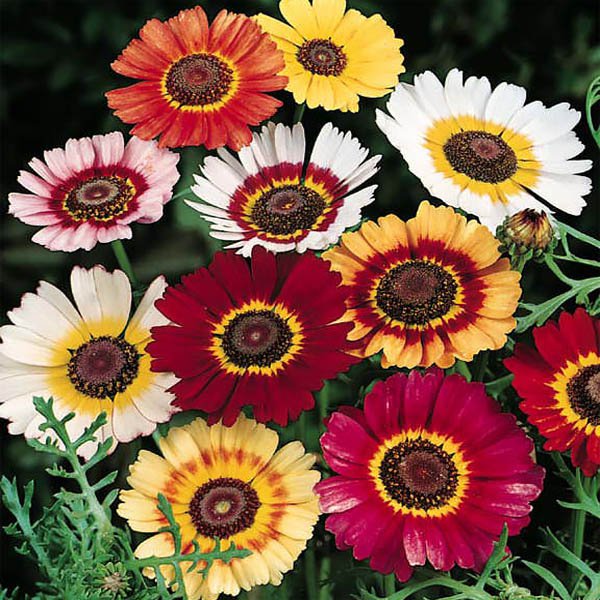
Rainbow Mix (Chrysanthemum carinatum) is a spectacular Painted Daisy that produces large, vividly colored blooms featuring striking concentric rings of crimson, rose, gold, yellow, white, mahogany, and bronze. Each flower resembles a hand-painted work of art, with bold color bands surrounding a rich central disk. Blooming generously from early summer until frost, Rainbow Mix brings dazzling color to borders, cutting gardens, cottage gardens, and pollinator plantings while remaining remarkably easy to grow.
Garden Uses:
Rainbow Mix is perfect for cottage gardens, cutting gardens, perennial borders, wildflower gardens, pollinator plantings, and large containers. Its brightly colored flowers create dramatic focal points among summer annuals and perennials while blending beautifully with cosmos, cornflowers, bachelor's buttons, zinnias, larkspur, coreopsis, and ornamental grasses. The long stems also make outstanding cut flowers for fresh bouquets.
Growing Information:
Sow seeds directly outdoors after danger of frost has passed or start indoors 6-8 weeks before transplanting. Cover seeds lightly with soil and keep evenly moist until germination, which generally occurs within 7-14 days at temperatures of 65-70°F. Plants thrive in full sun and well-drained soil and tolerate average garden conditions with ease. Once established, Rainbow Mix is moderately drought tolerant and flowers continuously when spent blooms are removed regularly.
| Botanical Name: | Chrysanthemum carinatum (also known as Glebionis carinata) |
| Common Name: | Painted Daisy Rainbow Mix |
| Plant Type: | Hardy annual often grown with perennial plantings |
| Height: | 24-36 inches |
| Spread: | 12-18 inches |
| Bloom Color: | Mixed rings of crimson, rose, yellow, gold, bronze, mahogany, and white |
| Bloom Season: | Early summer until frost |
| Light Requirements: | Full sun |
| Soil Requirements: | Average, well-drained soil |
| USDA Zones: | Grown as an annual in all zones |
| Uses: | Borders, cutting gardens, cottage gardens, pollinator gardens, containers, wildflower plantings |
Marconi Shasta Daisy (Leucanthemum × superbum 'Marconi') is a vigorous, free-flowering perennial that produces an abundance of large, brilliant white daisy blooms with rich golden-yellow centers from early summer well into late summer. Supported by sturdy, upright stems and attractive deep green foliage, Marconi offers outstanding garden performance, excellent weather resistance, and exceptional cut flower quality. Its classic daisy appearance and dependable flowering make it a favorite for cottage gardens, perennial borders, and pollinator landscapes.
Garden Uses:
Marconi Shasta Daisy is an excellent choice for perennial borders, cottage gardens, cutting gardens, pollinator gardens, foundation plantings, and mixed flower beds. Its tall stems add vertical interest while the crisp white flowers brighten the landscape throughout the summer. It pairs beautifully with purple coneflowers, salvias, delphiniums, phlox, yarrow, coreopsis, Russian sage, and ornamental grasses.
Growing Information:
Sow seeds indoors 8-10 weeks before the last expected frost or directly outdoors after danger of frost has passed. Lightly press seeds onto the surface of the growing medium, as light promotes germination. Germination generally occurs within 10-20 days at temperatures between 65-70°F. Plants thrive in full sun and fertile, well-drained soil. Water regularly during establishment and during extended dry periods. Removing faded blooms encourages repeat flowering, while dividing mature clumps every 3-4 years helps maintain vigorous growth and heavy flowering.
| Botanical Name: | Leucanthemum × superbum |
| Common Name: | Marconi Shasta Daisy |
| Variety: | Marconi |
| Plant Type: | Hardy perennial |
| Height: | 24-36 inches |
| Spread: | 18-24 inches |
| Bloom Color: | Pure white with golden yellow centers |
| Bloom Season: | Early summer through late summer |
| Light Requirements: | Full sun |
| Soil Requirements: | Fertile, well-drained soil |
| USDA Zones: | 4-9 |
| Uses: | Borders, cottage gardens, cutting gardens, pollinator gardens, foundation plantings |
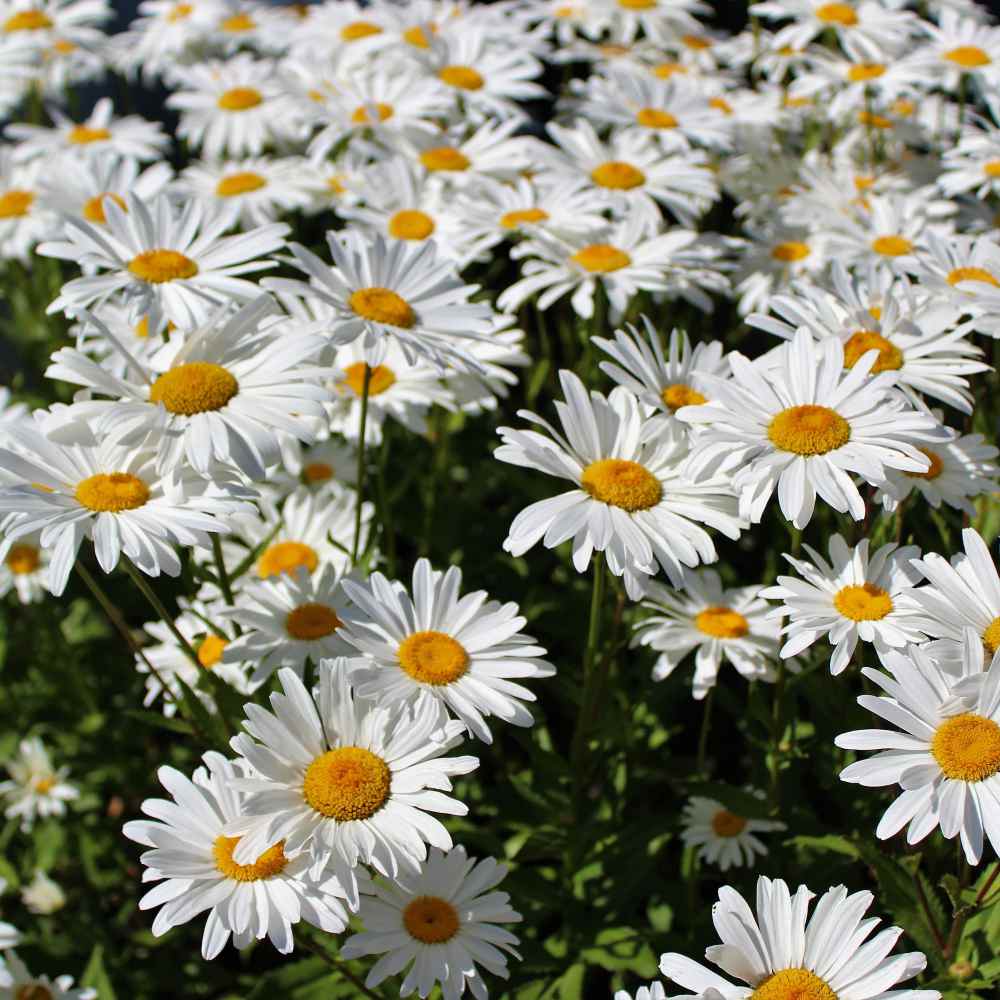
Shasta Daisy (Chrysanthemum maximum) is the classic white daisy that has delighted gardeners for generations with its large snow-white petals surrounding bright golden-yellow centers. Blooming freely from early summer through late summer, this hardy perennial forms vigorous clumps of deep green foliage topped with sturdy flower stems that sway gracefully in the breeze. Its timeless beauty, dependable performance, and outstanding cut flower quality have made the Shasta Daisy one of the world's most beloved perennial garden flowers.
Garden Uses:
Shasta Daisy is perfect for perennial borders, cottage gardens, cutting gardens, pollinator gardens, meadow plantings, foundation beds, and mixed flower borders. The bright white flowers create beautiful contrast with colorful summer perennials such as coneflowers, delphiniums, salvias, phlox, yarrow, coreopsis, and ornamental grasses. The long-lasting blooms are also among the finest cut flowers for fresh bouquets.
Growing Information:
Sow seeds indoors 8-10 weeks before the last expected frost or directly outdoors after danger of frost has passed. Lightly press seeds onto the soil surface, as light aids germination. Germination generally occurs within 10-20 days at temperatures of 65-70°F. Plants perform best in full sun and fertile, well-drained soil. Water regularly during establishment and during extended periods of drought. Remove spent blooms to encourage continued flowering, and divide mature clumps every 3-4 years to maintain vigor and abundant blooms.
| Botanical Name: | Chrysanthemum maximum (now commonly classified as Leucanthemum × superbum) |
| Common Name: | Shasta Daisy |
| Plant Type: | Hardy perennial |
| Height: | 24-36 inches |
| Spread: | 18-24 inches |
| Bloom Color: | Pure white with golden yellow centers |
| Bloom Season: | Early summer through late summer |
| Light Requirements: | Full sun |
| Soil Requirements: | Fertile, well-drained soil |
| USDA Zones: | 4-9 |
| Uses: | Borders, cottage gardens, cutting gardens, pollinator gardens, foundation plantings, meadow gardens |
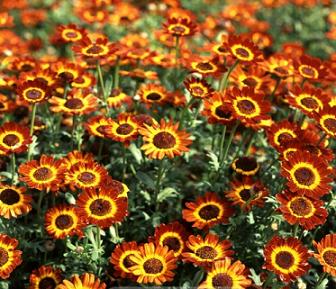
German Flag (Chrysanthemum segetum) is a striking heirloom flowering daisy that produces large golden-yellow blooms boldly marked with deep mahogany-red rings around the central disk, creating a dramatic "painted" appearance. Blooming continuously from early summer until frost, this colorful annual has long been treasured in European cottage gardens for its cheerful flowers, easy culture, and outstanding performance in borders and cutting gardens. Its vivid two-tone blossoms also attract butterflies, bees, and other beneficial pollinators throughout the growing season.
Garden Uses:
German Flag is ideal for cottage gardens, cutting gardens, annual borders, pollinator gardens, wildflower meadows, and mixed flower beds. Its vibrant blooms create eye-catching displays when planted in masses and combine beautifully with cornflowers, cosmos, bachelor's buttons, larkspur, calendulas, zinnias, and ornamental grasses. The long-lasting flowers are excellent for fresh bouquets and add bright color to floral arrangements.
Growing Information:
Sow seeds directly outdoors after danger of frost has passed or start indoors 4-6 weeks before transplanting. Cover seeds lightly with fine soil and keep evenly moist until germination, which generally occurs within 7-14 days at temperatures between 65-70°F. Plants thrive in full sun and average, well-drained soil. Once established, they are moderately drought tolerant and bloom continuously when spent flowers are removed regularly.
| Botanical Name: | Chrysanthemum segetum (also known as Glebionis segetum) |
| Common Name: | German Flag Corn Marigold |
| Plant Type: | Hardy annual |
| Height: | 18-30 inches |
| Spread: | 12-18 inches |
| Bloom Color: | Golden yellow with deep mahogany-red rings |
| Bloom Season: | Early summer until frost |
| Light Requirements: | Full sun |
| Soil Requirements: | Average, well-drained soil |
| USDA Zones: | Grown as an annual in all zones |
| Uses: | Cottage gardens, cutting gardens, borders, pollinator gardens, wildflower plantings |
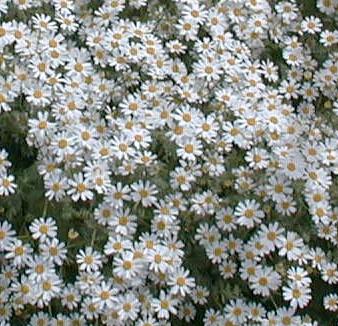
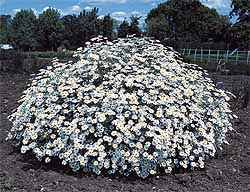
Jackpot Tansy (Tanacetum niveum) is a beautiful, finely textured perennial that produces clouds of delicate, daisy-like white flowers with bright golden-yellow centers above aromatic, silvery-green fern-like foliage. Blooming from early summer well into late summer, this elegant plant combines ornamental beauty with exceptional drought tolerance and outstanding pollinator appeal. Its airy flower clusters and soft foliage make Jackpot Tansy a wonderful addition to cottage gardens, pollinator plantings, herb gardens, and perennial borders.
Garden Uses:
Jackpot Tansy is ideal for cottage gardens, perennial borders, pollinator gardens, herb gardens, Mediterranean landscapes, gravel gardens, and cutting gardens. The finely divided foliage provides beautiful texture even when plants are not in bloom, while the graceful flower sprays blend beautifully with lavender, salvia, yarrow, coneflowers, Russian sage, ornamental grasses, and other drought-tolerant perennials. The blooms also make attractive fresh and dried cut flowers.
Growing Information:
Sow seeds indoors 6-8 weeks before the last frost or directly outdoors after danger of frost has passed. Since light aids germination, gently press the seeds onto the soil surface without covering deeply. Germination generally occurs within 10-20 days at temperatures of 65-70°F. Plants thrive in full sun and well-drained soil, including sandy or rocky locations. Once established, Jackpot Tansy is highly drought tolerant and requires little supplemental watering. Removing spent flower heads encourages a tidy appearance and may prolong blooming.
| Botanical Name: | Tanacetum niveum |
| Common Name: | Jackpot Tansy |
| Plant Type: | Hardy perennial |
| Height: | 18-30 inches |
| Spread: | 18-24 inches |
| Bloom Color: | White with golden yellow centers |
| Bloom Season: | Early summer through late summer |
| Light Requirements: | Full sun |
| Soil Requirements: | Well-drained, average to sandy soil |
| USDA Zones: | 4-8 |
| Uses: | Pollinator gardens, cottage gardens, herb gardens, borders, gravel gardens, cut flowers |
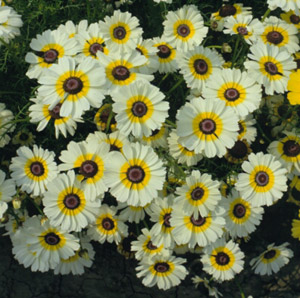
Polar Star (Chrysanthemum carinatum) is a stunning heirloom Painted Daisy that produces large, brilliant ivory-white flowers accented by rich golden-yellow centers and dramatic contrasting rings of deep maroon surrounding the central disk. The striking color pattern gives each bloom an elegant hand-painted appearance that stands out beautifully in borders and cutting gardens. Blooming continuously from early summer until frost, Polar Star combines classic beauty with exceptional garden performance while attracting butterflies, bees, and numerous beneficial pollinators.
Garden Uses:
Polar Star is ideal for cottage gardens, cutting gardens, annual borders, pollinator gardens, meadow plantings, and mixed flower beds. Its elegant white blooms provide a beautiful contrast with brightly colored annuals and perennials while complementing blue cornflowers, larkspur, cosmos, salvias, bachelor's buttons, ornamental grasses, and yarrow. The long, sturdy stems make outstanding cut flowers for fresh bouquets.
Growing Information:
Sow seeds directly outdoors after the last frost or start indoors 4-6 weeks before transplanting. Cover seeds lightly with fine soil and maintain even moisture during germination, which usually occurs within 7-14 days at temperatures between 65-70°F. Plants thrive in full sun and well-drained soil and tolerate average garden conditions with ease. Once established, Polar Star is moderately drought tolerant and blooms continuously when faded flowers are removed.
| Botanical Name: | Chrysanthemum carinatum (also known as Glebionis carinata) |
| Common Name: | Polar Star Painted Daisy |
| Plant Type: | Hardy annual often grown with perennial plantings |
| Height: | 24-36 inches |
| Spread: | 12-18 inches |
| Bloom Color: | Ivory-white with golden centers and maroon rings |
| Bloom Season: | Early summer until frost |
| Light Requirements: | Full sun |
| Soil Requirements: | Average, well-drained soil |
| USDA Zones: | Grown as an annual in all zones |
| Uses: | Cottage gardens, cutting gardens, borders, pollinator gardens, meadow plantings |
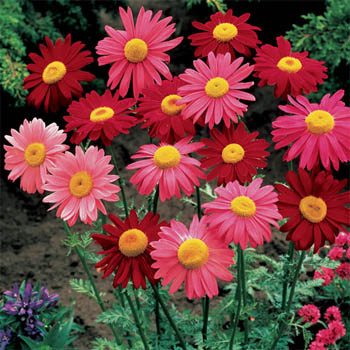
Giant Painted Daisies (Tanacetum coccineum) produce spectacular, oversized daisy flowers in a brilliant mixture of crimson, scarlet, rose, pink, salmon, and white, all surrounding bright golden-yellow centers. Rising on tall, sturdy stems above finely divided fern-like foliage, these elegant perennials create breathtaking displays from late spring through early summer. Their large blossoms, exceptional cut flower quality, and outstanding pollinator value have made Giant Painted Daisies treasured favorites in cottage gardens and perennial borders for well over a century.
Garden Uses:
Giant Painted Daisies are ideal for perennial borders, cottage gardens, cutting gardens, pollinator gardens, meadow plantings, and mixed flower beds. Their tall flower stems create beautiful vertical accents while the colorful blooms blend perfectly with delphiniums, lupines, foxgloves, salvias, Shasta daisies, peonies, yarrow, and ornamental grasses. The large flowers are exceptional for fresh-cut bouquets and floral arrangements.
Growing Information:
Sow seeds indoors 8-10 weeks before the last expected frost or directly outdoors after danger of frost has passed. Press seeds lightly into the surface of the growing medium, as light encourages germination. Germination generally occurs within 10-20 days at temperatures between 65-70°F. Plants thrive in full sun with fertile, well-drained soil and appreciate regular watering during prolonged dry periods. Remove faded flowers to encourage additional blooms and divide mature clumps every 3-4 years to maintain vigor and abundant flowering.
Although admired primarily for their spectacular flowers, Giant Painted Daisies belong to the same botanical group that gave rise to natural pyrethrum insecticides. The finely divided foliage resembles delicate ferns, creating beautiful texture even before flowering begins. Mature plants often produce dozens of blooms each season, with individual flowers remaining fresh for many days both in the garden and in cut arrangements.
| Botanical Name: | Tanacetum coccineum (formerly Chrysanthemum coccineum) |
| Common Name: | Giant Painted Daisies |
| Plant Type: | Hardy perennial |
| Height: | 24-36 inches |
| Spread: | 18-24 inches |
| Bloom Colors: | Crimson, scarlet, rose, pink, salmon, and white mix with golden centers |
| Bloom Season: | Late spring through early summer |
| Light Requirements: | Full sun |
| Soil Requirements: | Fertile, well-drained soil |
| USDA Zones: | 3-7 |
| Uses: | Borders, cottage gardens, cutting gardens, pollinator gardens, meadow plantings |
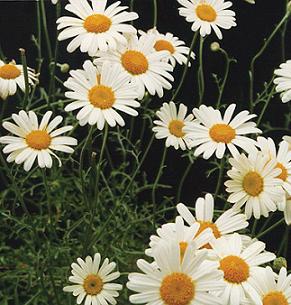
Pyrethrum Plant (Chrysanthemum cinerariifolium) is a beautiful flowering perennial valued both for its cheerful white daisy blossoms and its historic importance as the world's primary natural source of pyrethrins—plant-derived compounds widely used in botanical insect control. Graceful white flowers with bright golden-yellow centers rise above finely divided silvery-green foliage from late spring through early summer, making this attractive plant equally at home in ornamental gardens, pollinator landscapes, and traditional herb gardens.
Garden Uses:
Pyrethrum Plant is an excellent choice for perennial borders, cottage gardens, pollinator gardens, herb gardens, cutting gardens, and naturalized landscapes. Its bright white flowers blend beautifully with lavender, salvias, yarrow, coneflowers, Shasta daisies, foxgloves, and ornamental grasses. The attractive fern-like foliage provides fine texture even when the plant is not in bloom, while the flowers make excellent additions to fresh bouquets.
Growing Information:
Sow seeds indoors 8-10 weeks before the last expected frost or directly outdoors after danger of frost has passed. Lightly press seeds onto the soil surface, as light encourages germination. Germination typically occurs within 10-20 days at temperatures between 65-70°F. Plants perform best in full sun and well-drained, moderately fertile soil. Once established, Pyrethrum Plant is reasonably drought tolerant and requires only occasional watering during prolonged dry periods. Removing spent flowers helps maintain a tidy appearance and may encourage additional blooms.
| Botanical Name: | Chrysanthemum cinerariifolium (also known as Tanacetum cinerariifolium) |
| Common Name: | Pyrethrum Plant |
| Plant Type: | Hardy perennial |
| Height: | 18-30 inches |
| Spread: | 18-24 inches |
| Bloom Color: | White with golden yellow centers |
| Bloom Season: | Late spring through early summer |
| Light Requirements: | Full sun |
| Soil Requirements: | Well-drained, moderately fertile soil |
| USDA Zones: | 3-7 |
| Uses: | Herb gardens, cottage gardens, pollinator gardens, borders, educational gardens, cut flowers |
An on-line resource for making your own pyrethrum at home. It is so easy to do!
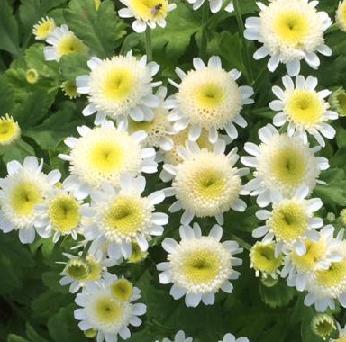
White Star (Tanacetum) is an elegant flowering perennial that produces a dazzling display of crisp white daisy-like blooms with bright golden-yellow centers held above finely divided, aromatic fern-like foliage. Flowering generously from late spring through much of the summer, White Star combines classic cottage garden charm with outstanding pollinator value and exceptional garden reliability. Its pure white blossoms brighten perennial borders while the attractive foliage adds fine texture throughout the growing season.
Garden Uses:
White Star is an excellent choice for cottage gardens, perennial borders, cutting gardens, pollinator gardens, herb gardens, naturalized landscapes, and mixed flower beds. Its brilliant white flowers provide a striking contrast against colorful summer perennials such as coneflowers, salvias, lavender, delphiniums, yarrow, Shasta daisies, and ornamental grasses. The long stems make excellent cut flowers for fresh bouquets and informal floral arrangements.
Growing Information:
Sow seeds indoors 6-8 weeks before the last frost or directly outdoors after danger of frost has passed. Since light encourages germination, gently press the seeds onto the soil surface without covering deeply. Germination generally occurs within 10-20 days at temperatures between 65-70°F. Plants perform best in full sun and well-drained, moderately fertile soil. Once established, White Star is drought tolerant and requires only occasional watering during extended dry periods. Deadheading spent flowers encourages a longer blooming season and keeps plants looking neat.
| Botanical Name: | Tanacetum species |
| Common Name: | White Star Tansy |
| Plant Type: | Hardy perennial |
| Height: | 18-30 inches |
| Spread: | 18-24 inches |
| Bloom Color: | Pure white with golden yellow centers |
| Bloom Season: | Late spring through summer |
| Light Requirements: | Full sun |
| Soil Requirements: | Well-drained, average to moderately fertile soil |
| USDA Zones: | 4-8 |
| Uses: | Cottage gardens, borders, pollinator gardens, herb gardens, cutting gardens, naturalized landscapes |
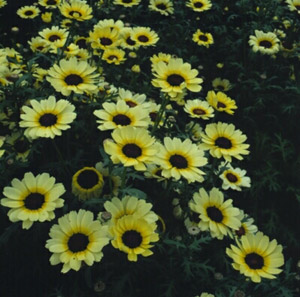
Eastern Star (Chrysanthemum segetum) is a beautiful heirloom Corn Marigold selection producing soft creamy-yellow daisy flowers with rich dark brown centers. The warm, glowing blooms rise above finely cut green foliage and create a cheerful, natural garden display from early summer until frost. Easy to grow and long blooming, Eastern Star is excellent for borders, cottage gardens, cutting gardens, wildflower plantings, and pollinator-friendly landscapes.
Garden Uses:
Eastern Star is ideal for cottage gardens, annual borders, pollinator gardens, cutting gardens, meadow-style plantings, and informal flower beds. Its creamy yellow flowers blend beautifully with blue cornflowers, purple larkspur, cosmos, calendulas, bachelor buttons, ornamental grasses, and other old-fashioned garden flowers. The long stems also make attractive cut flowers for fresh summer bouquets.
Growing Information:
Sow seeds directly outdoors after danger of frost has passed or start indoors 4-6 weeks before transplanting. Cover seeds lightly with fine soil and keep evenly moist until germination, which usually occurs within 7-14 days at temperatures of 65-70°F. Plants grow best in full sun and average, well-drained soil. Once established, Eastern Star is easy to maintain and moderately drought tolerant. Removing faded blooms encourages continued flowering throughout the season.
| Botanical Name: | Chrysanthemum segetum (also known as Glebionis segetum) |
| Common Name: | Eastern Star Corn Marigold |
| Plant Type: | Hardy annual often grown with perennial plantings |
| Height: | 18-30 inches |
| Spread: | 12-18 inches |
| Bloom Color: | Creamy yellow petals with dark brown centers |
| Bloom Season: | Early summer until frost |
| Light Requirements: | Full sun |
| Soil Requirements: | Average, well-drained soil |
| USDA Zones: | Grown as an annual in all zones |
| Uses: | Cottage gardens, borders, cutting gardens, pollinator gardens, meadow plantings, wildflower gardens |
Seedman Star Ratings:

Contact Us | Privacy Policy | About Us
Serving gardeners since 1992
State of Mississippi Seedmen's Permit #C-391, Ohio 90152, Minnesota 20086777