
Cold Hardy Palms
Check out Our Favorite Palm Tree Seeds for more palm tree seeds
Check out Our Favorite Bananas for more banana seeds
Find your zone using your zipcode at Garden Web's Zone Finder.
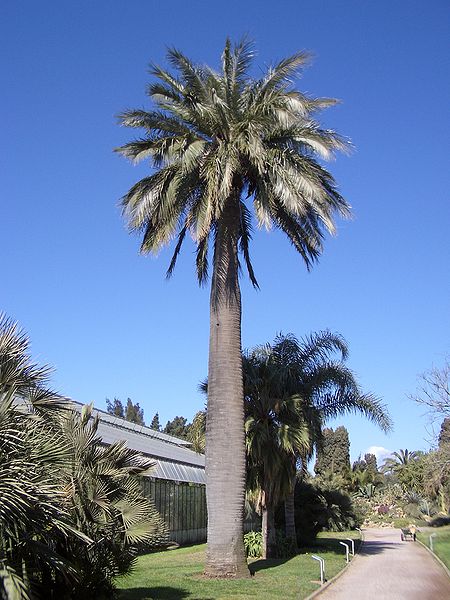
Chilean Wine Palm is one of the most remarkable palms in the world and is often considered the giant of all feather palms. Native to central Chile, this magnificent species is famous for its enormous trunk, exceptional longevity, and surprising cold hardiness. With a massive gray columnar trunk supporting a crown of elegant feather-like fronds, Jubaea chilensis combines tropical beauty with a rugged character rarely found in palms.
Unlike many fast-growing tropical palms, Chilean Wine Palm grows slowly but rewards patience with a majestic presence that can endure for centuries. Mature specimens are among the most impressive landscape palms on Earth.
Plant CharacteristicsChilean Wine Palm develops one of the thickest trunks in the entire palm family. Mature trunks may exceed 4 to 5 feet in diameter, giving the tree an appearance unlike any other palm.
Plants commonly reach 50 to 80 feet in height over time and develop a broad crown of graceful blue-green to dark green feather leaves. The overall appearance is both massive and elegant.
Landscape UsesThis species is best used as a specimen palm in parks, estates, botanical gardens, and large residential landscapes. It is particularly valuable in Mediterranean and subtropical climates where tropical-looking plants are desired but occasional cold weather occurs.
Its immense trunk and stately appearance make it an unforgettable focal point.
Cold HardinessOne of the most cold-hardy feather palms in cultivation, Chilean Wine Palm is generally suitable for USDA Zones 8b-10.
Mature specimens have survived temperatures well below those tolerated by many tropical palms, making this species highly prized in cooler palm-growing regions.
Container GrowingYoung plants can be maintained in containers for many years due to their relatively slow growth rate. Use a well-drained growing medium and provide regular watering during active growth.
Because of the palm's eventual size, permanent landscape planting is recommended for mature specimens.
GerminationSow seeds in a warm, moist growing medium and maintain temperatures between 75°F and 90°F. Fresh seed generally provides the best germination results.
Germination can be slow and may require several months, but seedlings are typically vigorous once established.
Growing InformationChilean Wine Palm prefers full sun and well-drained soil. It adapts well to a variety of soil types and demonstrates excellent drought tolerance once established.
Although slow-growing, it is exceptionally durable and often outlives many surrounding landscape plants.
Growing TipGive this palm plenty of space. Although growth is slow, mature specimens eventually become some of the largest and most impressive palms in cultivation.
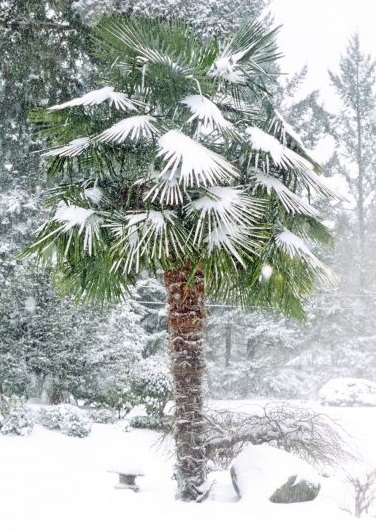
The Chinese Windmill Palm is widely regarded as the world's most cold-hardy trunk-forming palm and is famous for bringing a tropical appearance to regions where few other palms can survive. Native to mountainous regions of China, Myanmar, and northern India, this remarkably adaptable palm has become a favorite of gardeners from the Deep South to parts of Europe, the Pacific Northwest, and even protected locations much farther north.
Its fan-shaped leaves, distinctive fiber-covered trunk, and exceptional cold tolerance have earned it a reputation as one of the most reliable landscape palms ever introduced into cultivation.
Plant Characteristics- Botanical Name: Trachycarpus fortunei
- Common Names: Chinese Windmill Palm, Chusan Palm, Windmill Palm
- Mature Height: 20 to 40 feet
- Mature Spread: 8 to 12 feet
- Growth Rate: Moderate
- USDA Zones: 7a to 11
- Cold Hardiness: Approximately 0°F to 5°F (-18°C to -15°C)
- Sun Exposure: Full Sun to Partial Shade
- Soil Requirements: Well-drained soils of most types
Chinese Windmill Palm is often the palm of choice for gardeners living outside traditional palm-growing regions. Its compact size and cold tolerance make it suitable for a wide variety of landscapes.
- Tropical-themed gardens
- Courtyard plantings
- Poolside landscapes
- Japanese gardens
- Protected urban landscapes
- Cold-climate palm collections
- Container specimens
It is particularly striking when planted near stone walls, entryways, or other structures that help showcase its textured trunk and graceful fan-shaped leaves.
Important Palm NoteFew palms can match the cold tolerance of Trachycarpus fortunei. Mature specimens have survived heavy snowfalls, ice storms, and temperatures well below freezing, making it one of the most successful palms grown in temperate climates.
Germination Information- Soak seeds in warm water for 24 to 48 hours.
- Plant in a well-draining germination medium.
- Maintain temperatures between 75°F and 90°F.
- Keep consistently moist.
- Germination usually occurs within 1 to 3 months.
Fresh seed generally germinates faster and more uniformly than older seed.
Growing Information- Plant in full sun or partial shade.
- Water regularly during establishment.
- Provide good drainage, especially in colder climates.
- Apply palm fertilizer during the growing season.
- Protect young plants during extreme cold events.
- Remove only dead or damaged fronds.
Once established, Windmill Palm is remarkably easy to maintain and adapts well to a wide range of growing conditions.
Snow and Cold ToleranceOne of the most remarkable features of Chinese Windmill Palm is its ability to withstand snow. Mature specimens are frequently photographed carrying substantial snow loads on their leaves, creating one of the most unusual and beautiful sights in the gardening world—a tropical-looking palm standing proudly in a winter landscape.
Unlike many palms, snow itself rarely harms healthy plants. Extended periods of severe cold are generally more challenging than snow accumulation.
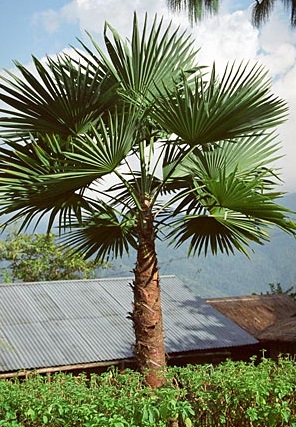
It is commonly known as Windamere palm, for the locality where its first botanical description was made, the garden of the famous Windamere Hotel in Darjeeling, India. It was formally photographed and collected for the first time only in 1992 during the Royal Botanic Garden Edinburgh Sikkim Expedition. It is considered a temperate palm, and has been reported to withstand a wide range of climates, from tropical, subtropical to cold and wet conditions. It is native to Sikkim in the Himalayas, where it has been reported from a range of elevation between 3500 to 7000 feet. It remains in the wild in just one tiny, heavily altered location which is immediately threatened by deforestation. Cold hardy to about 28 degrees.
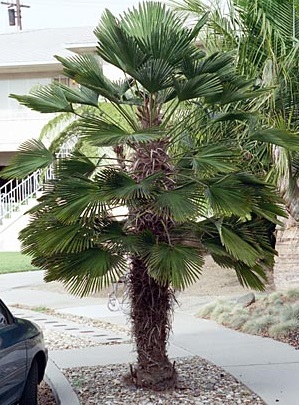
Waggie Palm is one of the toughest, most wind-resistant, and most desirable cold-hardy palms in cultivation. Closely related to the famous Windmill Palm, this remarkable species is prized for its compact crown, stiff fan-shaped leaves, and exceptional ability to withstand weather conditions that damage many other palms.
Often considered a premium version of the Windmill Palm, Trachycarpus wagnerianus combines elegance, durability, and manageable size, making it a favorite among collectors, landscape designers, and gardeners in cooler climates.
Its reputation for reliability has earned it a place among the finest cold-hardy palms available.
Plant CharacteristicsWaggie Palm develops a stout trunk covered with coarse brown fibers and topped by a dense crown of compact fan-shaped leaves. Mature specimens generally reach 10 to 20 feet in height, making them smaller and more manageable than many landscape palms.
The leaves are noticeably smaller, thicker, and stiffer than those of the common Windmill Palm.
This distinctive foliage gives the palm a neat, orderly appearance even during strong winds.
Landscape UsesThis species is ideal for courtyards, foundation plantings, Japanese gardens, patio landscapes, collector gardens, and cold-climate tropical plantings.
Its compact proportions make it particularly valuable in residential settings where larger palms may be impractical.
Waggie Palm serves equally well as a specimen plant or focal point.
Cold HardinessWaggie Palm is among the most cold-hardy trunk-forming palms available and is generally suitable for USDA Zones 7-10.
Established specimens tolerate winter conditions that would severely damage many tropical species.
This exceptional hardiness has made it highly sought after in temperate climates.
Container GrowingWaggie Palm performs exceptionally well in large containers and can remain an attractive patio specimen for many years.
Its moderate growth rate and compact habit make it one of the best palms for long-term container culture.
Provide a well-drained growing medium and adequate sunlight.
GerminationSow fresh seeds in a warm, moist growing medium and maintain temperatures between 75°F and 90°F.
Consistent warmth and moisture encourage reliable germination.
Seedlings establish steadily and develop attractive fan leaves at an early age.
Growing InformationWaggie Palm thrives in full sun to partial shade and adapts to a wide range of soil conditions provided drainage is adequate.
Once established, it demonstrates good drought tolerance and remarkable resistance to wind, snow, and cold weather.
It is one of the easiest palms to maintain.
Growing TipIf your area experiences strong winds, snow, or winter storms, Waggie Palm is often a better choice than standard Windmill Palm because of its sturdier foliage.
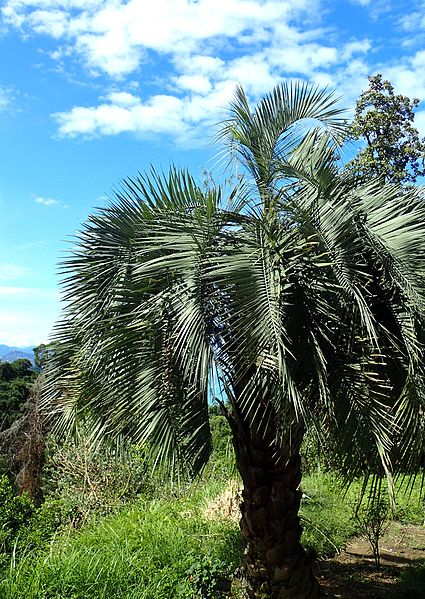
Jelly Palm is one of the most beautiful and useful cold-hardy feather palms in cultivation. Native to South America, this graceful species is prized for its arching blue-green to gray-green fronds, rugged trunk, edible fruit, and surprising tolerance of cool weather. It brings a soft, tropical appearance to landscapes while remaining far tougher than many palms with a similar ornamental look.
The common name "Jelly Palm" comes from its sweet, aromatic fruits, which have traditionally been used to make jelly, jams, wine, and other preserves. Few palms combine ornamental beauty and edible value as successfully as Butia capitata.
Plant CharacteristicsJelly Palm develops a stout trunk topped by a broad crown of long, gracefully arching feather-like fronds. Mature specimens typically reach 10 to 20 feet in height, making them large enough to create landscape impact while still remaining manageable for many gardens.
The foliage often displays attractive blue-green, gray-green, or silvery tones, giving the palm a refined and distinctive appearance.
The curved fronds create a fountain-like effect that softens the landscape beautifully.
Landscape UsesJelly Palm is ideal for coastal gardens, Mediterranean landscapes, subtropical gardens, specimen plantings, courtyards, parks, and large container displays.
Its moderate size and graceful canopy make it especially useful in residential landscapes where taller palms may be impractical.
It pairs beautifully with agaves, yuccas, ornamental grasses, flowering shrubs, and drought-tolerant perennials.
Cold HardinessJelly Palm is one of the hardier feather palms and is generally suitable for USDA Zones 8b-11.
Established specimens tolerate brief freezes better than many tropical palms, making this species valuable in cooler palm-growing regions.
Good drainage and protection from severe winter wetness improve cold-weather performance.
Container GrowingYoung Jelly Palms can be grown in large containers for patios, courtyards, and tropical displays.
Use a well-drained potting mix and provide full sun for the strongest growth and best foliage color.
Because the palm eventually develops a sturdy trunk and broad crown, landscape planting is usually best for long-term growth.
GerminationSow fresh seeds in a warm, moist growing medium and maintain temperatures between 80°F and 95°F.
Germination can be slow and irregular, often requiring several months. Patience is important with this species.
Fresh seed and consistent warmth provide the best results.
Growing InformationJelly Palm thrives in full sun and well-drained soil. Once established, it demonstrates good drought tolerance and performs well in hot, sunny climates.
Regular watering during establishment helps develop a strong root system and fuller crown.
It is generally low-maintenance once established.
Fruit and Edible UsesThe fruits are round to oval and ripen to yellow, orange, or reddish-orange. They have a sweet-tart flavor often compared to pineapple, apricot, or tropical fruit punch.
Traditionally, the fruits have been used to make jelly, syrup, wine, and preserves. The fruit pulp can also be eaten fresh when fully ripe.
Flavor varies from plant to plant, making seed-grown Jelly Palms interesting and somewhat variable.
Growing TipAllow ripe fruit to fully color and soften before harvesting. The best flavor usually develops when the fruit drops naturally or releases easily from the cluster.
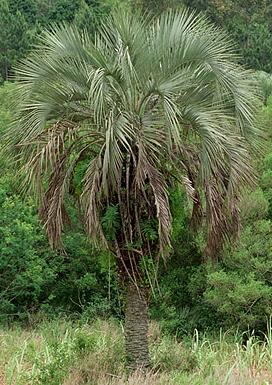
It produces bright orange fruit, called pindo dates in the US, and as Jelly is made from these it accounts for the common European name,'Jelly Palm'. Although the fruit is supposed to be delicious, there seems little evidence of it being grown commercially as a fruiting palm. The flowers are numerous, very small, creamy yellow and are borne on 3-4 feet long inflorescences bearing separate male and female flowers. Pollination is by wind and insects.
The 1" yellow to orange fruits are round or oval shaped, and hang in large bunches. Each fruit contains a single large seed which looks like a tiny Coconut, with the characteristic 3 pores at one end. The sweet, but tart, flavour is a mixture of apricot, pineapple and banana. Fruits are harvested as they ripen, or if the whole bunch is harvested they tend to ripen all at once. They can be eaten fresh or puree'd, and make excellent jelly as well as wine. They can be stored for about a week refrigerated.
Cold hardy to about 10 degrees for short periods of time.
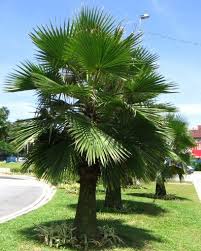

Small black colored fruit with a taste resembling a date in clusters.
Endangered in its own habitat on the Guadalupe Islands, this palm is becoming popular in other parts of the world. The sweet pulp from the fruit adds to its attraction, along with its bluish-green fan leaves. It grows to 30 feet tall and drops its dead leaves forming scars on the trunk where the leaves once were. It takes full sun with occasional summer water and does well along the coast.
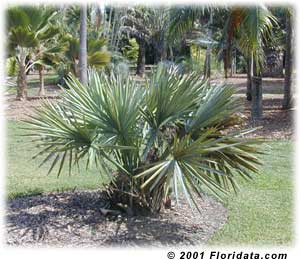
This species is best suited for subtropical and warm temperate climates, but it has been successfully cultivated in areas such as central Tennessee and the greater Washington, DC Metropolitan area. Sabal minor is a recommended horticultural plant and is a popular choice for coastal resort areas from Virginia Beach to southern Texas. Get your Sabal minor Dwarf Palmetto today and bring a unique touch of nature to your landscape.
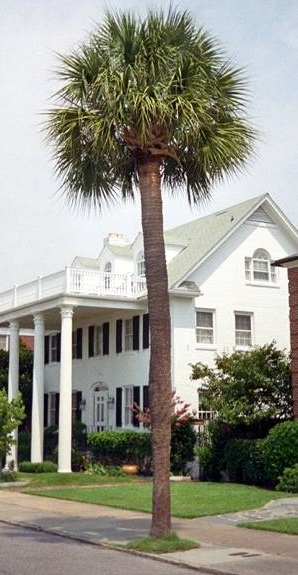
The large leaves have a dull finish and are a medium green, sometimes yellow-green, in color depending on the individual and situation. Each leaf is up to 12 feet long overall including the spineless petioles (leaf stems) which measure about 5-6 feet in length. They are up to 6 feet in width with drooping leaf segments about 3 ft (0.9 m) long and 2-3 in (5.1-7.6 cm) wide. These segments are split to about half the width of the leaf and typically slough off tan fibers at the edges. Cabbage palm leaves are said to be costapalmate meaning that the leaflets are arranged on the stem in a pattern that is midway between palmate (leaflets arranged like the fingers on the palm of your hand) and pinnate (feather shaped).
Unlike the royal palm, the cabbage palm has no crownshaft. Leaves emerge directly from the trunk which is often covered with old leaf stem bases that are arranged in an interesting criss-cross pattern. Depending on the individual these may persist to the ground even in very old palms. Other trees in the same vicinity may shed their leaf attachments or "boots" as they are sometimes called very early in life revealing a rough fibrous brown trunk. Eventually the trunk will age to gray and the surface will become smooth.
The cabbage palm's creamy white flowers are arranged on a long branched inflorescence that appears in summer. In mid-summer the cabbage palm bears creamy white flowers on a long branched inflorescence that is held completely within the crown. Flowers are followed in late fall or early winter by black spherical fruit that is about one third of an inch in diameter. Inside is a shiney brown seed that is about one quarter of an inch in diameter. Squirrels, raccoon and many other species of mammal and bird enjoy visiting the cabbage palm for dinner feasts of fruit and seed.
This southeastern U.S. native palm occurs near the coast, from the North Carolina barrier islands to South Carolina, to Georgia, down to the Florida Keys and then up the Gulf Coast to the northwestern Florida panhandle. Sabal palmetto is also native to Cuba and the Bahamas. It is often planted all along the Gulf Coast. Cabbage palm occurs along beaches, sandy bay and estuary shores. It inhabits the margins of tidal flats and marshlands where it often crowds into extensive groves. It's also encountered inland in hardwood hammocks and pine flatwoods.
Sabal palmetto is very salt and drought tolerant and can be used in beachside plantings. It is able to adapt to most types of soil. Cabbage palms are easy to transplant if they have at least six feet of trunk.
Requires Full sunlight to some shade. Trunk development is suppressed in heavily shaded specimens. Average moisture will do. Tolerates drought, standing water and brackish water. Hardy to USDA Zones 8-10. This is a hardy frost tolerant palm that can survive many degrees below freezing.
Two cabbage palmettos shade a bayside picnic area while framing Tampa Bay's Sunshine Skyway Bridge. The cabbage palm is used as an ornamental and street tree, well adapted for group, specimen or avenue plantings. This palm is very salt tolerant and can be grown on the beach or directly at the water's edge of bays and inlets. The state of Florida has been planting cabbage palmettos by the hundreds along the state's freeways. The palm groves refresh the eye and absorb the road noise providing a calming influence for both motorists and the environment. Cabbage palm is very low maintenance and drought resistant making if a perfect choice for urban plantings.
Young potted cabbage palms will take up to ten years before they begin to form a trunk. They grow slowly these first years as root system and the crown forms. Once the trunk does begin to develop the growth rate increases somewhat. The growth rate of cabbage palm can be significantly increased with regular watering and feeding.
Cabbage palm is the state tree of Florida and is displayed on the state flag of South Carolina whose nickname is the "Palmetto State". The durable trunks are sometimes used for wharf pilings, docks and poles. Brushes and brooms can be made from young leaves, and the large fan shaped leaves have been used by the Seminole Indians in Florida as thatch for traditional pavilions, called chickees.
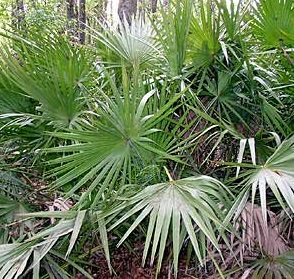
Saw palmetto occurs naturally on the coastal plain from
South Carolina to southeastern Louisiana. It grows in a wide
range of habitats from seaside sand dunes and dry scrub to
moist forests, pine flatwoods and even wetlands. Saw palmetto
can be the dominant ground cover in certain southeastern pine
forests, sometimes covering hundreds of acres. Culture: Once
established, saw palmetto is virtually maintenance-free.
Light: Prefers full sun, but can tolerate partial sun.
Moisture: Tolerates drought but can also tolerate moderately
moist soils.
Hardiness: Fully hardy to zone 7, this palm has been seen
growing in zone 6, but does suffer foliage damage at 10 degrees
F. and complete foliage loss at 3-5 degrees F.
Saw palmetto is a beautiful little palm and richly deserves a place in the ornamental landscape. Plant saw palmettos in front of clumps of larger palms, or even underneath large palms. They look good massed in clumps in mixed borders, or as framing hedges. Use as accents to trees or in foundation plantings.
Features: The berries of saw palmetto are used as a treatment for Benign Prostatic Hyperplasia or enlarged prostate gland. They are also used as a diuretic to tone the bladder, improve urinary flow, and decrease urinary frequency. They may help prevent prostate cancer.
.jpg)
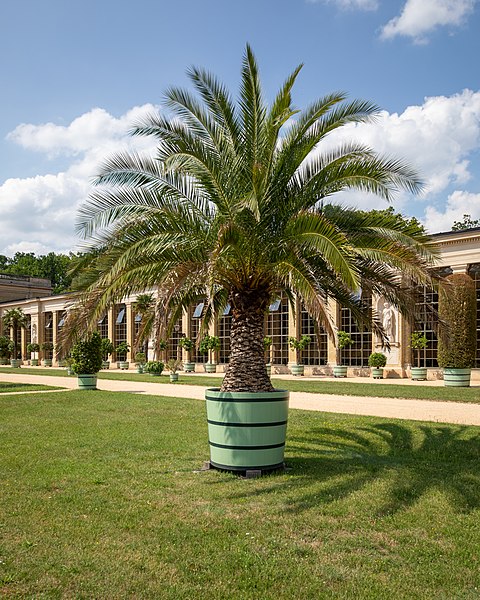
The Canary Island Date Palm is widely regarded as one of the most magnificent ornamental palms in the world. With its massive trunk, enormous crown of arching feather-like fronds, and stately presence, this palm has become a symbol of elegance in parks, estates, resorts, and grand landscapes. Native to Spain's Canary Islands off the northwest coast of Africa, it has been cultivated worldwide for more than a century and remains one of the most recognizable palms in existence.
Its impressive size and classic tropical appearance make it a favorite specimen palm wherever climates allow outdoor cultivation.
Plant Characteristics- Botanical Name: Phoenix canariensis
- Common Names: Canary Island Date Palm, Canary Date Palm
- Mature Height: 40 to 60 feet
- Mature Spread: 25 to 40 feet
- Growth Rate: Moderate
- USDA Zones: 9 to 11
- Cold Hardiness: Approximately 15°F (-9°C)
- Sun Exposure: Full Sun
- Soil Requirements: Well-drained soils of most types
Because of its eventual size, this palm performs best when given plenty of space to showcase its full beauty.
Important Palm NoteA mature Canary Island Date Palm may develop a trunk exceeding three feet in diameter and a crown containing more than one hundred gracefully arching fronds. Few landscape plants create such a commanding architectural presence.
Germination Information- Soak seeds in warm water for 24 to 48 hours.
- Plant in a well-draining germination medium.
- Maintain temperatures between 80°F and 95°F.
- Keep evenly moist but not saturated.
- Germination generally occurs within 1 to 3 months.
Fresh seed germinates readily when warmth and moisture are consistently maintained.
Growing Information- Plant in full sun.
- Provide regular watering during establishment.
- Once mature, the palm is quite drought tolerant.
- Tolerates coastal conditions and salt spray.
- Benefits from periodic feeding with a quality palm fertilizer.
- Remove dead fronds only as needed.
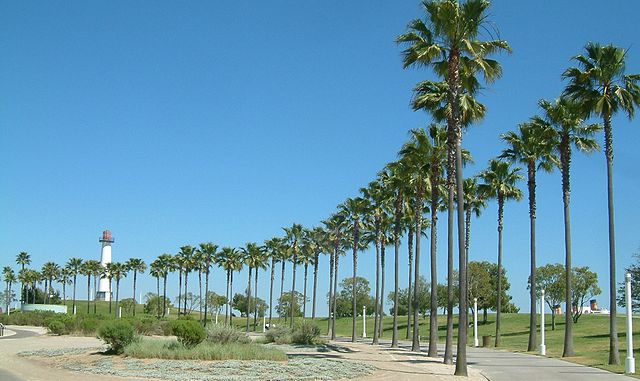
The Mexican Fan Palm is one of the most recognizable palms in the world, famous for its towering height, slender trunk, and magnificent crown of fan-shaped leaves. Native to northwestern Mexico's Baja California Peninsula, this fast-growing palm has become a symbol of warm climates and is commonly seen lining boulevards, resorts, parks, and coastal landscapes throughout the American Southwest and beyond.
With its impressive stature and rapid growth, Washingtonia robusta creates an instant tropical effect and remains one of the most widely planted landscape palms in warm regions.
Plant Characteristics- Botanical Name: Washingtonia robusta
- Common Names: Mexican Fan Palm, Skyduster Palm
- Mature Height: 60 to 100 feet
- Mature Spread: 10 to 15 feet
- Growth Rate: Fast
- USDA Zones: 9a to 11
- Cold Hardiness: Approximately 20°F (-6°C)
- Sun Exposure: Full Sun
- Soil Requirements: Well-drained soils of most types
Mexican Fan Palm is ideal for creating dramatic vertical accents in the landscape. Its narrow trunk allows it to fit into surprisingly small spaces while still providing tremendous visual impact.
When planted in rows, these palms create the iconic skyline effect seen throughout Southern California, Arizona, Florida, and Mediterranean climates around the world. Important Palm NoteFew palms can match the growth rate of Mexican Fan Palm. Under favorable conditions, young plants may add several feet of trunk growth per year, eventually becoming some of the tallest palms grown in cultivation.
Germination Information- Soak seeds in warm water for 24 to 48 hours before sowing.
- Plant in a well-draining germination mix.
- Maintain temperatures between 80°F and 95°F.
- Keep evenly moist but not saturated.
- Germination generally occurs within 30 to 90 days.
Fresh seed germinates readily and often produces excellent results when provided with consistent warmth.
Growing Information- Plant in full sun.
- Water regularly during establishment.
- Extremely drought tolerant once mature.
- Tolerates heat, wind, and urban conditions.
- Benefits from occasional fertilization during active growth.
- Remove dead fronds as desired for a clean appearance.
This species thrives in hot climates and is particularly well adapted to desert regions where many other palms struggle.
Many of the famous palm-lined streets featured in Hollywood films and postcards are planted with Mexican Fan Palms. Their distinctive silhouettes have become synonymous with the Southern California lifestyle.
The species was extensively planted during the land development boom of the early 1900s because of its fast growth and dramatic appearance.
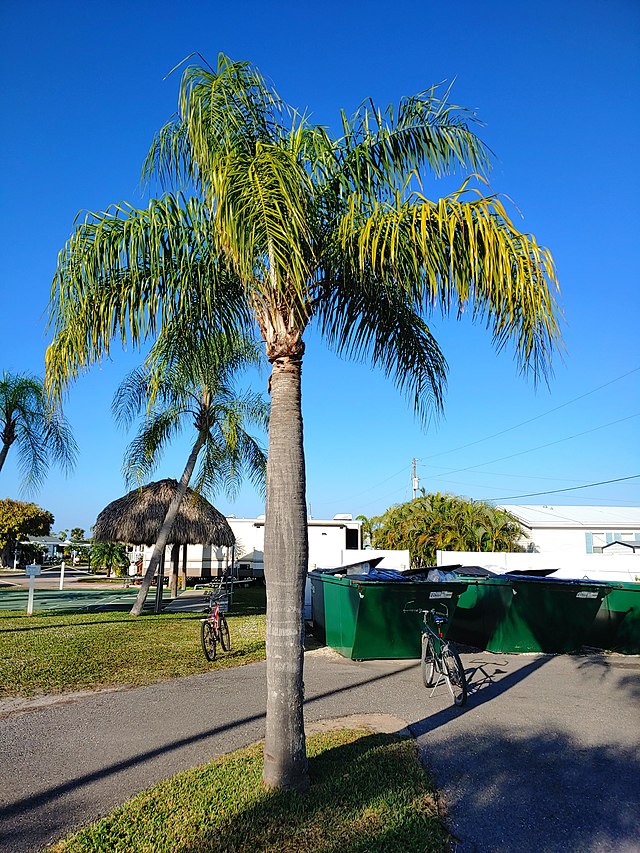
Queen Palm is one of the most widely planted and beloved ornamental palms in the world. Native to Brazil, Argentina, Paraguay, and Uruguay, this graceful feather palm is admired for its elegant arching fronds, smooth trunk, rapid growth, and stately appearance.
With its classic tropical silhouette and adaptability to a wide range of climates, Syagrus romanzoffiana has become a signature feature of parks, resorts, golf courses, boulevards, and residential landscapes throughout warm regions of the world.
Few palms combine beauty, affordability, and landscape performance as successfully as the Queen Palm.
Plant CharacteristicsQueen Palm develops a smooth gray trunk topped by a large crown of gracefully arching feather-like fronds. Mature specimens commonly reach 30 to 50 feet in height, creating an elegant and distinctly tropical appearance.
The long, plumose leaflets give the canopy a soft, flowing texture that moves beautifully in the breeze.
Its symmetrical form and rapid growth make it one of the most popular landscape palms available.
Landscape UsesThis species is ideal for avenue plantings, golf courses, parks, tropical gardens, resort landscapes, poolside settings, and large residential properties.
Queen Palm is especially impressive when planted in rows along roads, driveways, and walkways.
Its graceful appearance complements both formal and informal landscape designs.
Cold HardinessQueen Palm is generally suitable for USDA Zones 9a-11.
It tolerates light frosts and occasional cool weather better than many tropical palms.
This adaptability contributes significantly to its popularity.
Container GrowingYoung plants may be grown in large containers for several years, but their eventual size makes landscape planting preferable for long-term growth.
Provide good drainage and adequate nutrition for best results.
GerminationSow fresh seeds in a warm, moist growing medium and maintain temperatures between 80°F and 95°F.
Fresh seed generally germinates readily when warmth and moisture remain consistent.
Seedlings establish quickly and often display vigorous growth.
Growing InformationQueen Palm thrives in full sun and fertile, well-drained soils. Regular watering during establishment encourages rapid growth.
Once established, it demonstrates moderate drought tolerance but performs best when provided with occasional deep watering during dry periods.
Supplemental nutrition helps maintain lush green foliage.
Wildlife ValueThe bright orange fruits attract birds, squirrels, and other wildlife.
Flower clusters provide nectar and pollen for pollinating insects.
In many landscapes, Queen Palm contributes both beauty and ecological value.
<Cold Hardy Bananas
Note: All banana leaves, even of the most cold hardy species, will be damaged by frost and killed outright by a hard freeze. But many underground rhizomes are much cold hardier than people realize. This means that that the underground root will sprout new growth in the Spring.
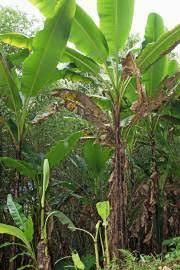
A beautiful, high altitude banana from China's Yunnan Province and Arunachal Pradesh in India that has proven to be a very interesting cold tolerant species that will thrive under similar conditions as the legendary Musa basjoo and M. sikkimensis, even though not quite as hardy. It is a slender stemmed, extremely fast growing plant with large leaves supported by waxy white leaf stalks. Some confusion surrounds the introduction of this banana into cultivation: and it now turns out to be a new species, described in 2007 by Markku Hakkinen as Musa yunnanensis.
Considered hardy to zone 5. Exact hardiness is unknown. It may be close to as hardy as Musa basjoo, and has reportedly tolerated temperatures down to 10F. Upon freezing weather the plant will die back to its base, but quickly grows back once weather warms up.
Cold Hardy Yuccas
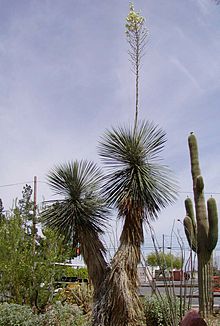
Soaptree Yucca is one of the most iconic plants of the American Southwest. Native to the deserts and grasslands of Texas, New Mexico, Arizona, and northern Mexico, this striking species is prized for its elegant blue-green foliage, towering flower stalks, extreme drought tolerance, and rich history of practical uses. Its tall trunk crowned with a fountain of narrow leaves creates a dramatic silhouette that instantly evokes the beauty of the desert landscape.
During flowering season, mature plants produce spectacular flower spikes that may reach 10 to 20 feet tall and are covered with hundreds of creamy-white bell-shaped blossoms. These impressive floral displays attract pollinators and can often be seen from great distances across open desert terrain.
Plant Characteristics- Botanical Name: Yucca elata
- Common Names: Soaptree Yucca, Soapweed Yucca, Palmilla
- Plant Type: Evergreen desert tree-like succulent
- Mature Height: 10 to 20 feet including trunk
- Flower Spike Height: Up to 20 feet
- Growth Rate: Slow to moderate
- USDA Zones: 5 to 10
- Flower Color: Creamy white
- Foliage: Narrow blue-green sword-shaped leaves
Soaptree Yucca is an outstanding choice for xeriscapes, desert gardens, rock gardens, drought-tolerant landscapes, Southwestern-themed plantings, and specimen plantings. Its architectural form makes it particularly valuable as a focal point in low-water landscapes.
The plant pairs beautifully with agaves, cacti, desert grasses, and other drought-tolerant species.
Germination InformationSeeds are generally easy to germinate when provided warmth and moisture.
- Soak seeds in warm water for 24 hours before planting.
- Sow approximately 1/4 to 1/2 inch deep.
- Use a well-drained cactus or succulent mix.
- Maintain temperatures between 70 and 85°F.
- Keep lightly moist until germination.
- Germination usually occurs within 2 to 8 weeks.
Soaptree Yucca thrives in full sun and well-drained soils. It tolerates sandy, rocky, alkaline, and poor soils exceptionally well.
Once established, it is among the most drought-tolerant landscape plants available and requires very little supplemental irrigation. Overwatering and poorly drained soils are the primary causes of failure.
Mature plants develop a sturdy trunk topped by a graceful crown of leaves that remains attractive year-round.
Container GrowingYoung plants adapt well to container culture and make attractive patio specimens. Use deep containers with excellent drainage and a gritty soil mix.
Container-grown plants require very little water and should be allowed to dry between waterings.
As plants mature, landscape planting is recommended to allow full development of the trunk and flowering stalk.
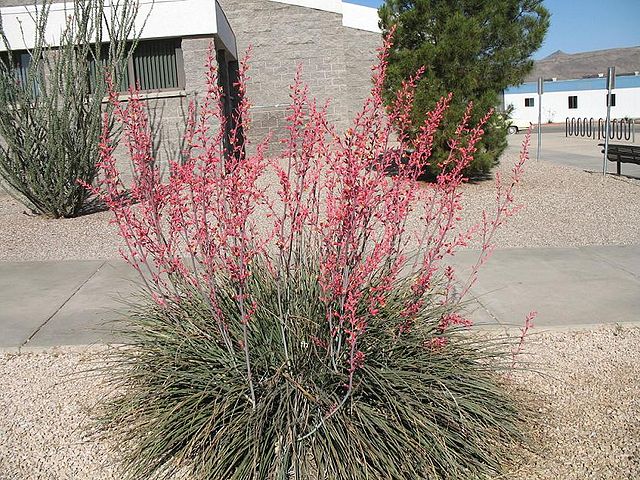
Red Yucca is one of the most valuable flowering plants for drought-tolerant landscapes. Despite its common name, it is not a true yucca but a close relative that shares the same rugged durability. Native to Texas and northern Mexico, this evergreen succulent forms graceful clumps of narrow arching foliage and produces spectacular flower spikes covered with coral-red, pink, or salmon-colored tubular blooms.
The flowering stalks rise well above the foliage and can bloom continuously from late spring through fall, attracting hummingbirds in remarkable numbers. Its combination of beauty, toughness, and long bloom period has made Red Yucca one of the most widely planted xeriscape plants in the American Southwest.
Plant Characteristics- Botanical Name: Hesperaloe parviflora
- Common Names: Red Yucca, Red Hesperaloe, Coral Yucca
- Plant Type: Evergreen succulent perennial
- Mature Height: 2 to 4 feet
- Mature Spread: 3 to 5 feet
- Flower Stalk Height: 4 to 8 feet
- Growth Rate: Moderate
- USDA Zones: 5 to 11
- Flower Color: Coral-red, salmon, pink, occasionally yellow
- Foliage: Narrow blue-green arching leaves
Red Yucca is an outstanding choice for xeriscapes, rock gardens, Southwestern landscapes, median plantings, commercial landscapes, wildlife gardens, and water-wise borders.
Its graceful fountain-like habit softens hardscape features and contrasts beautifully with agaves, cacti, ornamental grasses, and native wildflowers.
Germination InformationSeeds germinate readily under warm conditions.
- Soak seeds in warm water for 12 to 24 hours.
- Sow approximately 1/4 inch deep.
- Use a well-drained cactus or succulent mix.
- Maintain temperatures between 70 and 85°F.
- Keep lightly moist until germination.
- Germination typically occurs within 2 to 6 weeks.
Red Yucca thrives in full sun and well-drained soils. Once established, it is exceptionally drought tolerant and requires very little supplemental irrigation.
The plant tolerates extreme heat, reflected sunlight, poor soils, and periods of drought that would challenge many other landscape plants.
Removing spent flower stalks can encourage additional blooming and maintain a tidy appearance.
Container GrowingRed Yucca performs exceptionally well in containers and large decorative planters. Its graceful foliage and prolonged flowering season make it an excellent choice for patios, courtyards, and entryways.
Use a fast-draining soil mix and allow the soil to dry between waterings.
Please check out our Complete Cold Hardy Palm Growing Guide

Contact Us | Privacy Policy | About Us
Serving gardeners since 1992
State of Mississippi Seedmen's Permit #C-391, Ohio 90152, Minnesota 20086777