
Costmary Seeds
Costmary has a pleasant balsam-like fragrance and though it was once used medicinally it is now rarely found in the garden or apothecary of modern herbalists. Costmary does have mild astringent properties making it a good addition to ointments, scented potpourri, and herbal baths. Costmary is an herb of many names. Its principal common name shows it to be an herb dedicated to the Virgin Mary. The alternate name, sweet Mary, likely refers to the Virgin Mary, too, or it could refer to Mary Magdalene: the early herbalists Gerard and Culpeper mentioned an herb called maudlin (Magdalene) which was identical or very similar to costmary. Other common names for costmary allude to its uses. As a flavoring of ales and spiced wine, it was called alecost. The name allspice applied to this herb may be a variant spelling for ale-spice, or perhaps the herb’s scent reminded someone of the spice allspice. Sweet tongue, a common name in Maine, refers to both the taste and the shape of the leaves.
For much of history, people have used costmary for its fragrance. It has been deemed useful for everything from washing linens to giving ale a sweet smell, which is how it got the name alecost. The nickname Bible leaf comes from the practice of churchgoers using leaves of the herb as Bible bookmarks. The herb was said to discourage silverfish. Supposedly, drowsy churchgoers would also sniff the leaf or chew it during long services and the strong smell/flavor kept them awake.
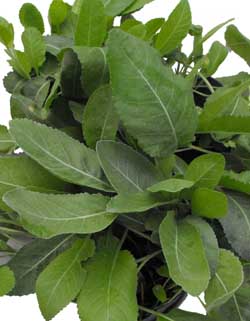
Costmary (Tanacetum balsamita), sometimes known as Bible Leaf, Sweet Mary, Mint Geranium, or Alecost, is a charming old-world perennial herb that was once a staple in monastery gardens, colonial herb gardens, and Victorian landscapes. Grown for its attractive silver-green foliage and pleasantly sweet balsam-like fragrance, Costmary has been cultivated for well over a thousand years for culinary, medicinal, aromatic, and ornamental purposes. The long, softly textured leaves release a refreshing scent with hints of mint, eucalyptus, and balsam when gently crushed. Although less common today, Costmary is enjoying renewed popularity among herb enthusiasts, pollinator gardeners, and those interested in preserving historic herbs.
Why Grow This Variety?
Costmary is an easy-to-grow perennial that rewards gardeners with fragrant foliage from spring through autumn. It thrives with minimal care, tolerates a wide range of growing conditions, and returns reliably year after year. Beyond its beauty, Costmary has a fascinating history that connects today's gardeners with centuries of herbal traditions. Its aromatic leaves make delightful additions to potpourri, herbal sachets, and historic herb gardens, while its cheerful yellow flower clusters attract numerous beneficial insects during summer.
Flavor & Aroma Profile
The leaves possess a pleasantly mild herbal flavor with subtle notes of mint, balsam, eucalyptus, and camphor. Historically they were used sparingly to flavor beverages, salads, desserts, and ales. Today Costmary is appreciated more for its delightful fragrance than as a culinary herb, although young leaves can still be used in moderation to add unique herbal notes to certain recipes.
Culinary Uses
- Flavoring herbal teas
- Historic ale and beer brewing
- Fresh herb salads (used sparingly)
- Flavoring cakes and desserts
- Herbal vinegars
- Infused syrups
- Garnishes for historic recipes
- Fragrant herb blends
Nutritional & Traditional Herbal Uses
Historically, Costmary was valued in traditional European herbal practices for its aromatic essential oils and soothing properties. While modern gardeners primarily grow it as an ornamental and fragrant herb, historical herbal texts describe its use in teas, tonics, and digestive preparations. As with many traditional herbs, it should be enjoyed responsibly and in moderation.
Growing Information
- Botanical Name: Tanacetum balsamita
- Plant Type: Hardy perennial herb
- USDA Zones: 4-9
- Sun Exposure: Full sun to partial shade
- Soil: Well-drained average garden soil
- Soil pH: 6.0-7.5
- Plant Height: 24-48 inches
- Plant Spread: 18-36 inches
- Bloom Time: Mid to late summer
- Water: Moderate; drought tolerant once established
Costmary is remarkably easy to grow and forms attractive clumps that gradually expand over time. Plants tolerate drought well after becoming established and require very little maintenance beyond occasional division every few years. Removing flower stalks after blooming encourages continued production of fresh aromatic foliage.
Harvest & Storage
Harvest leaves throughout the growing season whenever needed. Young foliage contains the finest fragrance and flavor. Leaves may be used fresh or dried for long-term storage in airtight containers. Dried Costmary retains much of its distinctive aroma and is excellent for sachets, potpourri, herbal wreaths, and historical craft projects.

Contact Us | Privacy Policy | About Us
Serving gardeners since 1992
State of Mississippi Seedmen's Permit #C-391, Ohio 90152, Minnesota 20086777