
The Seedman Seed-to-Cup Project
Grow, Harvest, Process & Brew Your Own Coffee and Tea
Most of us meet coffee and tea only after the difficult work has already been done: roasted coffee beans in a bag, dried tea leaves in a tin, or a finished drink in a cup. The Seedman Seed-to-Cup Project starts much earlier—with a seed. It follows four fascinating beverage plants from germination and growth through harvest, processing and finally brewing, giving home gardeners the opportunity to understand where these familiar drinks really come from.
Plant → Grow → Harvest → Process → Dry or Roast → Brew → Drink
This is deliberately a small collection. Camellia sinensis is the source of true green, black, white and oolong teas. Standard Arabica and compact Arabica Nana show how a fragrant white coffee flower becomes a red cherry and eventually a roasted bean. Yaupon Holly adds a uniquely North American story as a native plant whose leaves naturally contain caffeine. These are long-term plants rather than instant crops, but that is part of the project: the reward is learning the complete journey from living plant to cup.
A realistic home project: Home-grown tea and coffee should be approached as small-batch experiments, not as a way to replace commercial production. Climate, plant age, indoor light, harvest size and processing skill all affect the result. A few ounces—or even a single experimental cup—from plants you raised yourself can still make the project worthwhile.
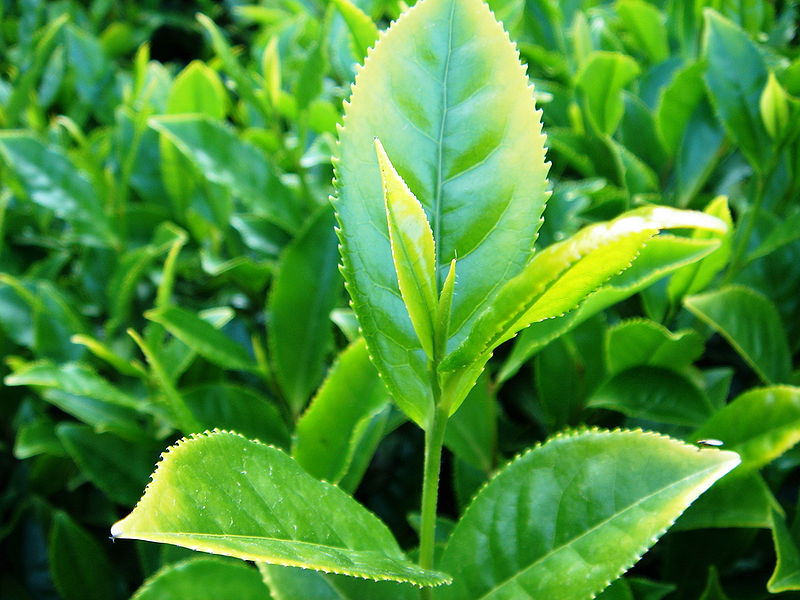

True Tea From Your Own Garden: Camellia sinensis is the evergreen shrub behind green, black, white and oolong tea. These familiar teas do not require four different plants—the character of the finished cup comes largely from which young leaves are harvested and what happens to them afterward. The plant itself is attractive, with glossy foliage and small white flowers with golden stamens.
Tea plants prefer acidic, organic-rich, well-drained soil, regular moisture and full sun to partial shade. They are generally suited to Zones 7–10 and also adapt well to large containers. Once established, regular tip-pruning encourages branching and a steady supply of tender new shoots. For tea making, harvest the tender growing tip and youngest leaves rather than old, coarse foliage.
Seed-to-Cup Notes: White tea receives minimal handling before drying; green tea is heated soon after harvest to limit oxidation; oolong is partially oxidized; and black tea is allowed to oxidize much more fully before drying. Small home batches let you divide one harvest, process portions differently and taste the results side by side.
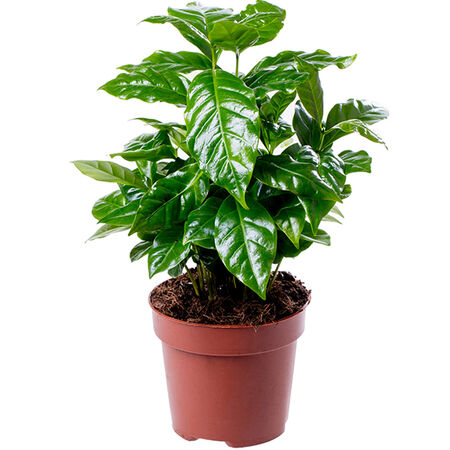
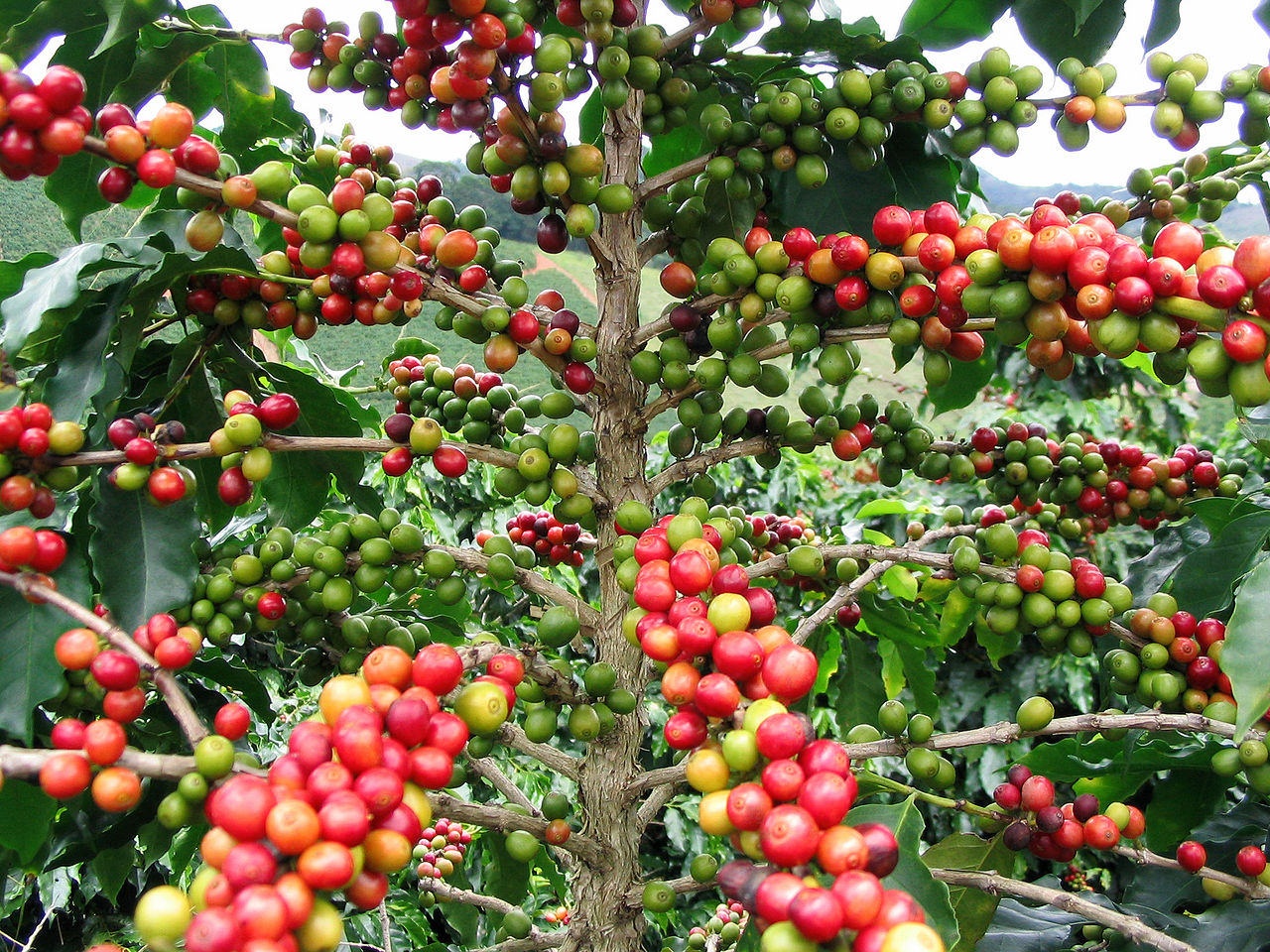
The Classic Coffee Plant: Coffea arabica is a tropical evergreen with glossy foliage, fragrant white flowers and red coffee cherries on mature plants. Each ripe cherry commonly contains two seeds—the familiar “coffee beans” that are processed, dried, roasted, ground and brewed. Even before fruiting, Arabica makes an excellent houseplant or greenhouse specimen.
Coffee prefers warmth, bright filtered light, slightly acidic well-drained soil and steady moisture without waterlogging. It is tropical outdoors but can be grown for years in containers. Seed-grown plants require patience: flowering and useful crops take years rather than months, and indoor yields may be modest. Fresh seed, warmth and consistent moisture are especially important during germination.
Seed-to-Cup Notes: The home coffee experiment begins when cherries ripen fully red. The fruit must be removed, the seeds processed and thoroughly dried, and only then are the green coffee beans ready to roast. A few homegrown beans will not replace the household coffee supply, but following even a small crop from flower to roasted bean is a fascinating edible-plant project.
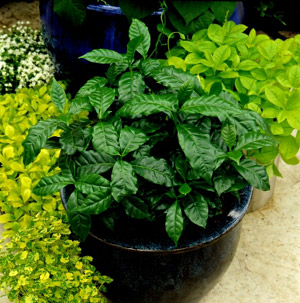
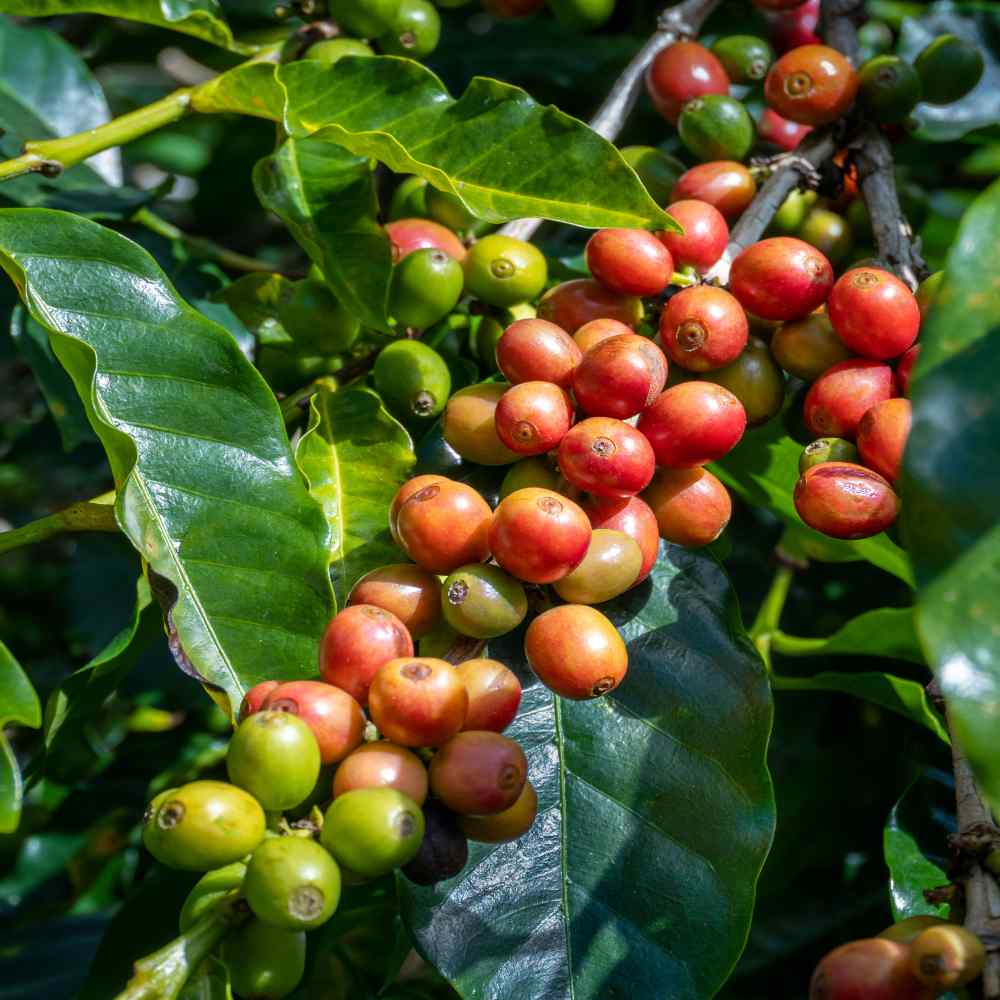
Coffee for Smaller Spaces: Arabica Nana is a compact form of Coffea arabica offering glossy foliage, fragrant white flowers and potential red coffee cherries in a plant better suited to containers, patios, sunrooms and indoor collections. Its smaller stature makes it appealing to gardeners who want the Seed-to-Cup experience without accommodating a full-size tropical coffee shrub.
Grow Arabica Nana warm with bright filtered light, rich slightly acidic soil and even moisture. Good drainage is essential, and container plants appreciate humidity and protection from harsh afternoon sun. Like standard coffee, it is a long-term project: plants must mature before flowering and fruiting.
Seed-to-Cup Notes: The compact plant follows the same cherry-to-bean journey as standard Arabica. Fully ripe cherries can be harvested and processed in tiny experimental batches, making Nana a practical choice when the goal is to experience the complete coffee cycle rather than produce coffee in quantity.
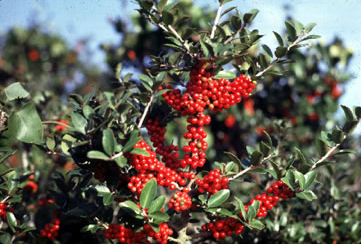
America's Native Caffeinated Beverage Plant: Yaupon Holly (Ilex vomitoria) is an evergreen shrub or small tree native to the southeastern United States. Its small glossy leaves naturally contain caffeine and have a long history of beverage use among Indigenous peoples of the Southeast. The plant is also an excellent landscape subject, with spring flowers valuable to pollinators and bright red berries on pollinated female plants.
Yaupon is adaptable in Zones 7–10, tolerating heat, humidity, pruning and a wide range of soils once established. It grows in full sun to partial shade and can be maintained as a hedge, shrub or small tree. Seed germination is naturally slow and irregular because of significant dormancy, so this is another Seed-to-Cup crop for the patient gardener.
Seed-to-Cup Notes: The beverage is made from the leaves and small leafy twigs—not the berries. Harvest clean foliage from positively identified, unsprayed plants, then dry or carefully roast the material before brewing. Roasting changes the aroma and flavor. Because yaupon contains caffeine, treat the finished drink as a caffeinated beverage rather than an ordinary caffeine-free herbal tea.
THE SEED-TO-CUP REFERENCE GUIDE
From Tea Plant to Cup: One Plant, Several Teas
Green, black, white and oolong tea all begin with Camellia sinensis. What changes is the harvest and processing. For small home batches, pick healthy tender shoot tips—often a bud with the youngest leaves—on a dry day after surface moisture has evaporated. Work only with clean foliage from plants that have not been treated with products unsuitable for food crops.
White Tea: Harvest very young leaves and buds, spread them loosely in a clean shaded place with good airflow, allow them to wither, and then dry them thoroughly at gentle heat or with a food dehydrator until no residual moisture remains. The goal is minimal handling.
Green Tea: Harvest tender leaves and allow them to soften briefly. Heat the leaves soon after picking—small batches can be carefully steamed or dry-heated—to limit enzymatic oxidation. Cool, gently roll or shape, then dry completely. Avoid scorching.
Oolong Tea: Allow harvested leaves to wither until pliable, then gently bruise or toss them to encourage controlled oxidation. Let them oxidize only partway before applying heat to stop the process, then dry thoroughly. Oolong is highly variable, so keeping notes on time, temperature and flavor is worthwhile.
Black Tea: Wither the leaves until soft, then roll or bruise them enough to rupture leaf cells. Spread them in a thin layer in a humid, ventilated place and watch as the leaves darken and develop their characteristic aroma. When the desired oxidation has developed, dry the leaves thoroughly with controlled heat. In tea terminology this browning step is traditionally called oxidation, not fermentation.
Brewing Homegrown Tea: Begin with a small amount and adjust by taste. Water below a full boil works well for delicate green and white teas, while hotter water generally suits black tea. Because home processing varies, short test infusions are preferable to assuming a commercial tea's exact brewing time.
From Coffee Cherry to Roasted Bean
Coffee requires more patience. A seed-grown Arabica must first become a mature flowering plant. Fragrant white flowers are followed by green cherries that slowly ripen, usually turning deep red when mature. Harvest only fully ripe, sound cherries for a small-batch experiment.
1 — Remove the Fruit: Squeeze or pulp ripe cherries to separate the seeds from the outer skin and most of the fruit. Each cherry commonly contains two seeds.
2 — Clean the Seeds: For a simple small-batch wet process, place freshly pulped seeds in a clean container for a short controlled fermentation until the slippery mucilage loosens, then wash thoroughly with clean water. Time varies greatly with temperature and batch conditions, so inspect frequently. Discard moldy or foul-smelling material.
3 — Dry Thoroughly: Spread washed coffee in a thin layer with good airflow and turn frequently. Commercial coffee is dried to a controlled moisture level; the home grower should likewise avoid roasting beans that remain damp internally. A suitable moisture meter is useful if processing more than a token batch.
4 — Remove the Parchment: Once thoroughly dry, remove the papery parchment surrounding each seed. For a tiny batch this can be done carefully by hand. The pale seed inside is the green coffee bean ready for roasting.
5 — Roast: Coffee roasting produces smoke, chaff and extremely hot beans. Use equipment intended for roasting, provide excellent ventilation and follow the roaster manufacturer's directions rather than improvising with unsafe equipment. Cool roasted beans promptly.
6 — Grind & Brew: After the roasted beans have cooled and rested, grind them for your chosen brewing method. A homegrown harvest may make only a cup or two—and that is perfectly appropriate for this project. The accomplishment is experiencing every stage yourself.
From Yaupon Leaf to Cup
Yaupon (Ilex vomitoria) offers a very different path. Harvest healthy leaves and small leafy twigs from a positively identified, unsprayed plant. Do not use the berries for tea. For a lighter beverage, foliage can be dried with good airflow or in a food dehydrator at a gentle setting. For a darker, toastier character, clean leaves may be carefully roasted before final drying. Work in small batches, watch constantly and avoid burning. Store completely dried material airtight away from heat, light and humidity.
To brew, crumble the dried leaves, cover with hot water and begin with a modest infusion, adjusting strength and steeping time to taste. Yaupon naturally contains caffeine, so anyone limiting caffeine should treat it accordingly.
Planning Your Seed-to-Cup Garden
- Warm-climate garden: Tea, coffee and yaupon may all be possibilities where local temperatures and soils are suitable.
- Cold climate: Coffee is best treated as an indoor, greenhouse or seasonal container plant. Tea can also be container-grown where winters exceed its hardiness.
- Southeastern gardens: Yaupon is especially at home in its native region and can serve double duty as an evergreen landscape plant.
- Small spaces: Arabica Nana is the most compact coffee choice, while tea responds well to pruning and container culture.
- Think in years, not weeks: All four selections reward patience. Coffee in particular may take several years before providing cherries.
Keep a Seed-to-Cup Notebook
Record harvest date, leaf or cherry maturity, withering time, oxidation time, drying method, roasting conditions and brewing proportions. The next harvest can then be adjusted deliberately. Two batches from the same plant can taste surprisingly different simply because they were processed differently.
Food & Beverage Safety
Correct plant identification is essential. Use only the plant parts described for beverage preparation and only material grown without pesticides or other treatments that make the harvest unsuitable for consumption. Discard moldy, spoiled or contaminated material. Tea, coffee and yaupon all contain caffeine; caffeine sensitivity varies, and people who need to restrict caffeine should take that into account. Home processing is educational and experimental and does not provide the process controls used by commercial beverage producers.
Seedman Notes: Seed-to-Cup is not about producing a year's supply of coffee or competing with a professional tea maker. It is about discovering what happens between the plant and the package on the grocery shelf. Growing even one tea shrub, watching a coffee cherry ripen, or roasting a handful of yaupon leaves can permanently change the way you look at an everyday cup.
For over a thousand more unique seed varieties, all in stock and ready to ship, visit our Seed Catalog Index Page .

Contact Us | Privacy Policy | About Us
Serving gardeners since 1992
State of Mississippi Seedmen's Permit #C-391, Ohio 90152, Minnesota 20086777