
Seeds for growing Cutflowers
Homemade cutflower preservative
And check out our
Complete Cut Flower Growing Guide
Moon Lagoon Eucalyptus is one of the most sought-after foliage plants for fresh floral arrangements, producing an abundance of rounded, silver-blue leaves carried on long, elegant stems. The distinctive foliage adds exceptional texture, color, and fragrance to bouquets, wreaths, centerpieces, and wedding arrangements. Its cool blue tones blend beautifully with virtually every flower color, making it a favorite among professional florists and home gardeners alike. Long, sturdy stems and outstanding vase life make Moon Lagoon an exceptional cut foliage variety. Freshly harvested branches remain attractive for weeks in water while releasing a pleasant eucalyptus fragrance throughout the home. The silvery foliage also dries beautifully, retaining much of its color and form for everlasting arrangements, wreaths, and decorative crafts, making it equally valuable for both fresh and dried floral design. Growing 4 to 8 feet during a single season, Moon Lagoon thrives in full sun and well-drained soil, tolerating heat, drought, and poor soils once established. Regular harvesting encourages vigorous new growth and provides a continual supply of premium florist-quality stems throughout the season. Ideal for cutting gardens, landscape accents, and container production, this fast-growing eucalyptus is one of the most rewarding foliage plants for gardeners who enjoy creating their own floral arrangements. Specifications Seedman Notes Silver Dollar Gum is one of the world's premier foliage plants for floral design, prized for its large, perfectly rounded silvery-blue leaves that add elegance, texture, and year-round beauty to fresh bouquets. The broad juvenile foliage creates a soft, sophisticated appearance that complements virtually every flower, making it a favorite among professional florists, wedding designers, and home gardeners alike. Its graceful stems and distinctive color bring a fresh, contemporary touch to bouquets, centerpieces, and decorative arrangements. Long, straight stems and exceptional vase life make Silver Dollar Gum one of the finest cut foliage selections available. Fresh branches remain attractive for several weeks in water while filling the room with the clean, refreshing fragrance of eucalyptus. The foliage also dries exceptionally well, maintaining its beautiful silver-blue color and rounded leaf shape for everlasting bouquets, wreaths, garlands, swags, and seasonal decorations, making it equally valuable for fresh and dried floral work. Growing 6 to 10 feet during a single growing season, Silver Dollar Gum thrives in full sun and well-drained soil, tolerating heat, drought, and poor soils once established. Regular cutting encourages vigorous new shoots with the large juvenile foliage most desired by florists, providing an abundant harvest throughout the growing season. Easy to grow and remarkably productive, it is an outstanding addition to cutting gardens, landscape borders, and specialty flower production. Specifications Seedman Notes Bleeding Hearts Heliopsis (Heliopsis helianthoides var. scabra 'Bleeding Hearts') is a remarkable perennial false sunflower that replaces the familiar golden-yellow Heliopsis flower with a much richer and more dramatic palette. Flowers open an intense fiery red to red-orange and gradually mature through orange and bronze tones, creating several shades on the plant at the same time. The colorful blooms are beautifully contrasted by dark purple-bronze foliage and nearly black stems, giving the entire plant ornamental value even before flowering begins. Plants develop into sturdy, upright clumps approximately 3 to 4 feet tall and bloom from midsummer well into fall, making Bleeding Hearts outstanding for perennial borders, prairie-style gardens, mass plantings and cutting gardens. Grow Bleeding Hearts in full sun and average, well-drained soil. Plants are adaptable to a surprisingly broad range of soils and, once established, tolerate heat and periods of dry weather while flowering most heavily with reasonable moisture during prolonged drought. Hardy in approximately USDA Zones 3-9, this is a dependable perennial for gardeners across a wide climatic range. The long stems make excellent cut flowers, while the abundant summer and fall blooms attract bees, butterflies and other beneficial pollinators. Removing faded flowers can encourage continued bloom, or some mature seed heads may be left later in the season to provide food for birds and additional winter interest. Sow seeds in a moist, well-drained seed-starting medium, covering them only thinly, and maintain temperatures around 68°F with consistent moisture until germination. The seed is considered relatively quick and straightforward to germinate, and established seedlings should be moved into cooler, bright conditions for sturdy growth. Plants can flower during their first year when started sufficiently early. Seedman Notes: Bleeding Hearts is one of those varieties that makes gardeners look twice because it does not resemble the traditional yellow Heliopsis they may already know. The combination of fiery red-orange flowers, bronze-purple foliage and black stems is exceptional, and the flowers continue changing color as they mature. Introduced by Jelitto Perennial Seeds in 2018, it combines the toughness and pollinator value of Heliopsis with an entirely different garden color palette. Dizzy Mix Dianthus is a delightful blend of fragrant carnations that produces masses of fully double blooms in brilliant shades of crimson, scarlet, rose, pink, salmon, lavender, and white. Blooming from late spring through summer, the ruffled flowers are carried on long, sturdy stems above attractive blue-green foliage, creating a colorful display that is equally at home in cutting gardens, cottage borders, and perennial landscapes. The spicy clove fragrance adds another dimension of beauty that has made Dianthus a florist favorite for generations. Long, straight stems and exceptional vase life make Dizzy Mix an outstanding cut flower for both professional floral designers and home gardeners. The blooms remain fresh for up to two weeks in floral arrangements while filling the room with their sweet, spicy fragrance. Their wide range of colors makes them perfect for hand-tied bouquets, wedding arrangements, mixed centerpieces, and traditional cottage-style displays, while continual harvesting encourages even more flowers throughout the season. Growing 18 to 24 inches tall, Dizzy Mix thrives in full sun and fertile, well-drained soil, tolerating heat and moderate drought once established. Easy to grow and remarkably productive, the plants produce a steady supply of florist-quality blooms throughout the growing season. Ideal for cutting gardens, borders, containers, and perennial beds, they reward gardeners with months of beautiful flowers for both the landscape and the vase. Specifications Seedman Notes Goldsturm Rudbeckia is one of the world's most celebrated perennial cut flowers, producing an abundance of brilliant golden-yellow blooms with rich chocolate-brown centers from midsummer until frost. The cheerful daisy-like flowers are borne on long, sturdy stems above compact dark green foliage, bringing vibrant color and classic beauty to cutting gardens, perennial borders, and cottage landscapes. Few perennials combine such dependable flowering with such outstanding bouquet quality. Strong stems, excellent substance, and exceptional vase life make Goldsturm a favorite among professional florists and home flower gardeners alike. The long-lasting blooms remain fresh for one to two weeks in floral arrangements, where their rich golden color blends beautifully with sunflowers, zinnias, asters, ornamental grasses, eucalyptus, and many late-season flowers. Frequent harvesting encourages additional flowering, providing a continuous supply of fresh bouquets well into autumn. Growing 24 to 36 inches tall, Goldsturm thrives in full sun and well-drained soil, tolerating heat, humidity, drought, and a wide range of growing conditions once established. Easy to grow and remarkably dependable, it returns year after year with little maintenance while producing armloads of florist-quality stems. Perfect for cutting gardens, perennial borders, pollinator plantings, and naturalized landscapes, it is one of the finest perennial flowers for extending the cutting season into fall. Specifications Seedman Notes Ammi 'Dara' is one of the most elegant and sought-after cut flowers grown today, producing large, airy umbels that mature through rich shades of burgundy, wine-red, dusty mauve, blush pink, and finally creamy white. The lacy flower heads are held on long, graceful stems above delicate fern-like foliage, creating a light, natural appearance prized by floral designers around the world. Its ever-changing colors and delicate texture bring movement, sophistication, and romance to bouquets, wedding arrangements, and garden borders alike. Long, sturdy stems and exceptional vase life have made Ammi 'Dara' a favorite among professional flower growers and home cutting gardeners. The intricate flower heads blend beautifully with nearly every type of cut flower, adding softness and texture without overwhelming an arrangement. Perfect for wedding bouquets, hand-tied bouquets, centerpieces, and large floral installations, the blooms remain fresh for up to two weeks while providing outstanding versatility in floral design. Growing 36 to 48 inches tall, Ammi 'Dara' thrives in full sun and fertile, well-drained soil, producing an abundance of florist-quality stems throughout the growing season. Easy to grow and remarkably productive, it performs beautifully in dedicated cutting gardens, cottage landscapes, and mixed borders. Regular harvesting encourages continued flowering, rewarding gardeners with an extended supply of graceful blooms for both the garden and the vase. Specifications Seedman Notes Cherry Caramel Phlox is an extraordinary annual prized for its sophisticated antique color palette, producing fragrant flower clusters in warm shades of cherry rose, caramel, dusty peach, blush pink, and creamy buff. Blooming continuously from early summer until frost, the elegant blossoms are carried on long, sturdy stems that add a soft romantic touch to cutting gardens and floral arrangements. Its unique vintage tones have made it a favorite among flower farmers and floral designers seeking something truly distinctive. Strong stems, abundant branching, and excellent vase life make Cherry Caramel an exceptional cut flower for both professional florists and home gardeners. The fragrant flower clusters remain fresh for over a week in bouquets while blending effortlessly with cottage garden favorites, airy fillers, and silvery foliage. Perfect for wedding bouquets, hand-tied arrangements, centerpieces, and farmhouse-style floral displays, its muted colors create a refined elegance rarely found in annual flowers. Growing 18 to 30 inches tall, Cherry Caramel thrives in full sun and fertile, well-drained soil, producing a continual succession of blooms throughout the growing season. Regular harvesting encourages even more flowering, ensuring a dependable supply of florist-quality stems from summer until frost. Easy to grow and remarkably productive, it is equally beautiful in dedicated cutting gardens, borders, and cottage-style landscapes. Specifications Seedman Notes Purple-Red Bracteantha, commonly known as Strawflower, produces an abundance of large, fully double blooms in rich shades of deep purple-red with bright golden centers. The papery, everlasting flowers are held on long, sturdy stems above attractive gray-green foliage, creating a spectacular display from early summer until frost. Their brilliant color and unique texture make them favorites for cutting gardens, cottage landscapes, and professional flower production. Strong stems, outstanding vase life, and remarkable durability have made Purple-Red Strawflower one of the world's premier cut flowers. The blooms retain their vibrant color and crisp texture for weeks in fresh arrangements while adding striking contrast to bouquets, centerpieces, and floral displays. Harvested just before the flowers fully open, they also dry beautifully, maintaining their rich color and form for months or even years in everlasting bouquets, wreaths, garlands, and decorative crafts. Growing 30 to 40 inches tall, Purple-Red Bracteantha thrives in full sun and well-drained soil, tolerating heat, drought, and poor soils with ease once established. Regular harvesting encourages continual flowering, providing an abundant supply of florist-quality stems throughout the growing season. Easy to grow and exceptionally productive, it is an essential addition to cutting gardens, flower farms, and home landscapes where fresh and dried flowers are equally appreciated. Specifications Seedman Notes Snow Maiden Scabiosa is an elegant cutting flower that produces exquisite pincushion-shaped blossoms of pure white atop long, slender stems from early summer until frost. The delicately textured blooms float gracefully above attractive gray-green foliage, bringing refinement and timeless beauty to cutting gardens, cottage landscapes, and professional flower production. Their soft, airy appearance complements both formal and natural-style arrangements, making them a favorite among floral designers worldwide. Long, wiry stems and exceptional vase life make Snow Maiden one of the finest flowers for fresh bouquets. The pristine white blooms remain attractive for 7 to 10 days after cutting while adding texture, movement, and sophistication to wedding bouquets, centerpiece arrangements, and hand-tied floral designs. Their neutral color blends effortlessly with roses, snapdragons, larkspur, eucalyptus, zinnias, and countless other cutting flowers, while continual harvesting encourages a steady supply of new blooms throughout the season. Growing 24 to 36 inches tall, Snow Maiden thrives in full sun and fertile, well-drained soil, producing abundant florist-quality stems over many months. Easy to grow and remarkably productive, it performs beautifully in dedicated cutting gardens, perennial borders, and cottage plantings. Its extended bloom season ensures a dependable harvest of elegant flowers from early summer well into autumn. Specifications Seedman Notes Black Knight Ornamental Carrot produces magnificent lacy flower heads in rich shades of deep burgundy, wine-purple, and nearly black, creating one of the most dramatic accents available for fresh floral arrangements. The broad, intricate umbels are carried on tall, graceful stems above finely divided fern-like foliage, adding exceptional texture, movement, and striking contrast to cutting gardens, cottage landscapes, and flower farm plantings. Its unique coloring makes it a standout companion for both vibrant and pastel blooms. Long, sturdy stems and outstanding vase life have made Black Knight a favorite among professional florists and floral designers. The richly colored flower heads remain fresh for 10 to 14 days, lending depth and elegance to wedding bouquets, hand-tied arrangements, centerpieces, and contemporary floral designs. Beautiful when paired with scabiosa, Dara Ammi, snapdragons, larkspur, zinnias, eucalyptus, and ornamental grasses, it serves as one of the finest textural filler flowers available for cutting gardens. Growing 36 to 48 inches tall, Black Knight thrives in full sun and fertile, well-drained soil, producing an abundance of florist-quality stems throughout the summer. Easy to grow and highly productive, it performs beautifully in dedicated cutting gardens, cottage borders, and specialty flower production. Regular harvesting encourages continued blooming, providing a dependable supply of elegant stems for weeks of fresh bouquets. Specifications Seedman Notes Column Apricot Stock is an elegant florist favorite, producing densely packed flower spikes in warm shades of soft apricot, peach, blush, and creamy pastel tones. The fully double blooms are carried on strong, upright stems above attractive gray-green foliage, creating a refined display that brings romance and sophistication to cutting gardens and floral arrangements. Their rich clove-like fragrance and soft coloring have made Stocks one of the most cherished flowers for bouquets, weddings, and specialty flower production. Long, sturdy stems, exceptional fragrance, and excellent vase life make Column Apricot one of the finest cut flowers available. The blooms remain fresh for 8 to 12 days while filling rooms with their sweet, spicy perfume. Their warm pastel coloring blends beautifully with roses, snapdragons, scabiosa, larkspur, lisianthus, eucalyptus, and countless cottage garden favorites, making them indispensable for wedding bouquets, hand-tied arrangements, elegant centerpieces, and spring floral displays. Growing 24 to 36 inches tall, Column Apricot thrives in full sun and fertile, well-drained soil, producing premium florist-quality stems on strong, upright plants. Bred specifically for cut flower production, the Column series develops a single robust flowering spike of exceptional quality, making harvesting easy and uniform. Ideal for cutting gardens, flower farms, and home gardeners who enjoy fresh bouquets, it provides both outstanding beauty and unforgettable fragrance throughout the blooming season. Specifications Seedman Notes Red Plume Orach, also known as Mountain Spinach, is a striking ornamental foliage plant that produces towering plumes of rich burgundy-red seed heads above vibrant wine-colored foliage. The graceful stems add height, texture, and dramatic color to cutting gardens from midsummer through fall, creating a bold architectural presence in both the landscape and floral arrangements. Its unique appearance makes it a favorite among designers seeking natural, garden-inspired bouquets with rich seasonal color. Long, sturdy stems and exceptional versatility make Red Plume Orach an outstanding addition to fresh floral arrangements. The colorful foliage and feathery plumes remain attractive for 10 to 14 days in the vase, providing beautiful contrast alongside sunflowers, zinnias, celosia, amaranthus, eucalyptus, ornamental grasses, and other late-season flowers. The stems also dry exceptionally well, retaining much of their rich burgundy coloration for everlasting bouquets, wreaths, and rustic floral displays. Growing 48 to 72 inches tall, Red Plume Orach thrives in full sun and fertile, well-drained soil, producing an abundance of long florist-quality stems throughout the growing season. Easy to grow and remarkably productive, it tolerates heat and moderate drought while providing continual harvests for cutting gardens and flower farms. Its bold foliage and dramatic plumes make it equally valuable as a landscape specimen and an indispensable floral design accent. Specifications Seedman Notes Delft Blue Nigella is an elegant heirloom cutting flower that produces intricate, star-shaped blossoms in soft shades of porcelain blue and white, beautifully framed by delicate fern-like foliage. Blooming from late spring through early summer, the airy flowers float gracefully above slender stems, creating an enchanting display that brings old-world charm to cutting gardens, cottage borders, and flower farm plantings. Its refined beauty and delicate texture have made it a favorite among floral designers seeking a romantic, natural look. Graceful stems, unique blooms, and exceptional versatility make Delft Blue one of the finest flowers for fresh floral arrangements. The blossoms remain attractive for 7 to 10 days and blend effortlessly with larkspur, scabiosa, snapdragons, stocks, Dara Ammi, and garden roses in hand-tied bouquets and wedding arrangements. As the flowers mature, they develop beautiful inflated seed pods that are equally prized by florists, extending the harvest season well beyond the flowering period and providing outstanding material for both fresh and dried arrangements. Growing 24 to 36 inches tall, Delft Blue thrives in full sun and fertile, well-drained soil, producing abundant florist-quality stems with very little maintenance. Easy to grow from seed and highly productive, it is an outstanding addition to dedicated cutting gardens, cottage landscapes, and specialty flower farms. Gardeners are rewarded with two harvests from a single planting—first the delicate flowers, then the highly decorative seed pods that continue adding beauty long after the blooms have faded. Specifications Seedman Notes Chinese Forget-me-nots produce graceful sprays of brilliant sky-blue blossoms with tiny golden centers, creating clouds of delicate color from late spring through early summer. Held on long, branching stems above soft green foliage, the airy blooms bring freshness, movement, and timeless charm to cutting gardens, cottage landscapes, and flower farm plantings. Their light, natural appearance makes them an ideal companion for both traditional and contemporary floral designs. Long, slender stems and excellent vase life make Chinese Forget-me-nots one of the finest filler flowers for fresh bouquets. The delicate flower sprays remain attractive for 7 to 10 days while blending beautifully with roses, larkspur, snapdragons, scabiosa, stocks, nigella, and countless other cutting garden favorites. Their soft blue coloring provides a cool, refreshing contrast in mixed arrangements, while the airy branching stems add natural texture and visual depth without overwhelming larger blooms. Growing 18 to 30 inches tall, Chinese Forget-me-nots thrive in full sun to partial shade and fertile, well-drained soil. Easy to grow and highly productive, they provide an abundance of florist-quality stems during the spring cutting season. Perfect for dedicated cutting gardens, cottage borders, and natural-style plantings, they reward gardeners with armloads of elegant flowers that are equally beautiful in the garden and arranged indoors. Specifications Seedman Notes Royal Family Sweet Peas produce magnificent long-stemmed blossoms in a dazzling range of rich colors, each flower carrying the unforgettable sweet fragrance that has made Sweet Peas beloved for generations. The large, gracefully ruffled blooms are borne in elegant clusters along vigorous climbing vines, creating an endless display of color from late spring through early summer. Their delicate beauty, refined form, and intoxicating perfume have made them one of the world's most treasured flowers for cutting gardens and floral design. Exceptional stem length, exquisite fragrance, and outstanding vase life have established Royal Family Sweet Peas as one of the finest florist flowers available. The elegant blooms remain fresh for 5 to 7 days while filling rooms with their delightful perfume, making them indispensable for wedding bouquets, hand-tied arrangements, vintage floral displays, and elegant spring centerpieces. Frequent harvesting encourages continuous flowering, rewarding gardeners with a steady supply of premium blooms throughout the season. Growing 6 to 8 feet tall with proper support, Royal Family Sweet Peas thrive in full sun and fertile, well-drained soil while preferring the cool temperatures of spring and early summer. Easy to train on trellises, fences, or netting, they produce an abundance of long florist-quality stems ideal for cutting. Perfect for dedicated cutting gardens, cottage landscapes, and flower farms, they remain one of the most rewarding flowers for gardeners who appreciate both beauty and fragrance. Specifications Seedman Notes Cactus Snowman Zinnia produces magnificent fully double blooms of brilliant snow-white, each composed of long, gracefully quilled petals that create an elegant, almost chrysanthemum-like appearance. Blooming continuously from early summer until frost, the large blossoms are carried on long, sturdy stems above vigorous branching plants, bringing timeless beauty and sophistication to cutting gardens, cottage landscapes, and flower farm plantings. Its pure white blooms provide a striking contrast to colorful companion flowers while adding refinement to every bouquet. Long, strong stems and exceptional vase life make Cactus Snowman one of the finest white zinnias for fresh floral arrangements. The impressive blooms remain beautiful for 7 to 10 days and are prized for wedding bouquets, elegant centerpieces, hand-tied arrangements, and market bouquets. Regular cutting encourages the plants to produce an even greater abundance of florist-quality stems, ensuring a continuous harvest of pristine white flowers from summer until frost. Growing 30 to 40 inches tall, Cactus Snowman thrives in full sun and well-drained soil, tolerating heat, humidity, and drought once established. The vigorous plants branch freely and produce a remarkable number of long cutting stems throughout the season. Perfect for cutting gardens, cottage borders, flower farms, and pollinator plantings, this outstanding heirloom rewards gardeners with armloads of elegant blooms that are equally beautiful in the landscape and arranged indoors. Specifications Seedman Notes Mrs. Bradshaw Avens is a classic cottage garden perennial that produces brilliant semi-double scarlet flowers held gracefully on long, slender stems above attractive clumps of rich green foliage. Blooming from late spring into midsummer, the vibrant blossoms dance above the garden with remarkable elegance, bringing vivid color and timeless charm to cutting gardens, perennial borders, and naturalistic plantings. Their bright, cheerful appearance makes them an eye-catching addition to both the landscape and fresh floral arrangements. Long, graceful stems and dependable vase life make Mrs. Bradshaw an excellent choice for fresh-cut bouquets. The brilliant scarlet flowers remain attractive for 7 to 10 days and combine beautifully with larkspur, foxgloves, scabiosa, campanulas, sweet peas, dianthus, and other cottage garden favorites. Their airy habit adds movement and natural beauty to hand-tied bouquets, spring arrangements, and informal floral displays, while regular harvesting encourages additional flowering. Growing 18 to 24 inches tall, Mrs. Bradshaw thrives in full sun to partial shade and fertile, well-drained soil. Easy to grow and reliably perennial, it returns each year with increasing vigor while producing an abundance of florist-quality stems during the late spring and early summer cutting season. Ideal for cutting gardens, cottage borders, and perennial landscapes, it provides weeks of colorful blooms for both the garden and the vase. Specifications Seedman Notes Dwarf Tom Pouce White Cornflower produces an abundance of pristine snow-white, fully fringed blooms that brighten the cutting garden from late spring through midsummer. The elegant flowers are carried on sturdy, branching stems above attractive silvery-green foliage, creating a classic cottage garden display filled with timeless beauty. Their crisp white color and delicate texture make them an ideal addition to bouquets, small floral arrangements, and charming garden posies. Strong branching stems and dependable vase life make Dwarf Tom Pouce White an excellent cut flower for home gardeners. The brilliant white blossoms remain fresh for 7 to 10 days and pair beautifully with larkspur, sweet peas, scabiosa, nigella, snapdragons, and colorful zinnias. Their compact flower size adds refinement and balance to hand-tied bouquets, wedding flowers, mason jar arrangements, and traditional cottage-style floral displays. Frequent cutting encourages additional blooms throughout the flowering season. Growing 18 to 24 inches tall, Dwarf Tom Pouce White thrives in full sun and well-drained soil, performing well even in average garden conditions. Easy to grow and highly productive, the plants provide a continual harvest of florist-quality blooms with minimal care. Ideal for cutting gardens, borders, containers, and cottage landscapes, this delightful heirloom combines dependable garden performance with outstanding bouquet quality. Specifications Seedman Notes Mauve Queen Cleome is a magnificent cutting flower that produces large, airy flower clusters in beautiful shades of soft mauve, lavender-pink, and rosy lilac atop tall, elegant stems. The unique spider-like blossoms bloom continuously from early summer until frost, adding height, texture, and graceful movement to cutting gardens, cottage landscapes, and flower farm plantings. Their distinctive form and delicate coloring bring a fresh, natural elegance to bouquets that few flowers can equal. Long, sturdy stems and excellent vase life make Mauve Queen an outstanding choice for fresh floral arrangements. The large flower clusters remain attractive for 7 to 10 days and provide beautiful height and airy texture in hand-tied bouquets, cottage arrangements, wedding displays, and dramatic centerpieces. The unusual blooms pair especially well with zinnias, cosmos, snapdragons, scabiosa, sunflowers, eucalyptus, and ornamental grasses, creating relaxed garden-inspired bouquets filled with color and movement. Growing 48 to 60 inches tall, Mauve Queen thrives in full sun and well-drained soil, tolerating heat, humidity, and summer drought with ease once established. The vigorous plants produce an abundance of long florist-quality stems throughout the growing season, with regular harvesting encouraging continuous flowering. Perfect for cutting gardens, borders, and flower farm production, this elegant annual rewards gardeners with months of beautiful blooms for both the landscape and the vase. Specifications Seedman Notes Blue Lace Flower is one of the most elegant filler flowers available for cutting gardens, producing large, delicate umbrella-shaped flower heads in beautiful shades of soft lavender-blue. Suspended on long, graceful stems above finely divided fern-like foliage, the airy blooms lend movement, texture, and sophistication to bouquets from early summer until frost. Its refined appearance makes it a favorite among professional florists, wedding designers, and home flower gardeners seeking a naturally graceful accent flower. Long, sturdy stems and exceptional vase life have made Blue Lace Flower a florist favorite for generations. The intricate flower clusters remain fresh for 10 to 14 days and blend beautifully with roses, snapdragons, zinnias, cosmos, scabiosa, eucalyptus, larkspur, and countless other cutting garden flowers. Equally at home in elegant wedding bouquets, hand-tied arrangements, and loose cottage-style designs, its delicate texture softens arrangements while adding depth and visual interest. Growing 24 to 36 inches tall, Blue Lace Flower thrives in full sun and fertile, well-drained soil, producing an abundance of florist-quality stems throughout the growing season. Regular harvesting encourages continual flowering, providing a dependable supply of fresh blooms for weeks. Easy to grow and remarkably productive, it is an indispensable addition to dedicated cutting gardens, cottage borders, and flower farm plantings. Specifications Seedman Notes Queen Mix Cleome is a spectacular blend of tall, elegant spider flowers that produces large clusters of blooms in beautiful shades of white, blush pink, rose, lavender, and soft mauve. Rising on graceful stems well above the foliage, the distinctive blossoms bloom continuously from early summer until frost, creating an impressive display of height, color, and movement. Their unique airy form brings dramatic beauty to cutting gardens while adding a relaxed, natural elegance to every bouquet. Long, sturdy stems and dependable vase life make Queen Mix an outstanding cut flower for fresh floral arrangements. The colorful flower clusters remain attractive for 7 to 10 days and provide graceful height and texture in cottage bouquets, wedding arrangements, hand-tied bouquets, and large centerpiece displays. The soft blend of colors combines beautifully with zinnias, cosmos, snapdragons, scabiosa, eucalyptus, ornamental grasses, and many other summer flowers, while continual harvesting encourages an even greater abundance of blooms throughout the season. Growing 48 to 60 inches tall, Queen Mix thrives in full sun and well-drained soil, tolerating heat, humidity, and drought once established. The vigorous plants branch freely and produce an abundance of florist-quality stems over many months, making them ideal for dedicated cutting gardens and flower farm production. Easy to grow and remarkably productive, they provide armloads of elegant blooms from summer until the first frost. Specifications Seedman Notes White Strawflower is one of the most elegant everlasting flowers grown for cutting gardens, producing large, crisp papery blooms of brilliant pure white surrounding bright golden centers. The pristine flowers are borne on long, sturdy stems above attractive gray-green foliage, creating a clean, sophisticated appearance that complements virtually every floral arrangement. Blooming continuously from early summer until frost, this florist favorite provides an endless supply of beautiful stems for fresh bouquets and everlasting displays. Long, straight stems and exceptional vase life make White Strawflower one of the finest flowers for fresh floral design. The brilliant white blooms remain attractive for up to two weeks in the vase, adding texture and brightness to wedding bouquets, centerpieces, mixed arrangements, and elegant monochromatic displays. Harvested just before the flowers fully open, they dry perfectly while retaining their crisp form and snowy-white color, making them indispensable for wreaths, dried bouquets, garlands, and holiday decorations. Growing 30 to 40 inches tall, White Strawflower thrives in full sun and well-drained soil, tolerating heat, drought, and poor soils with remarkable ease. Regular harvesting stimulates continuous flowering, producing a dependable supply of florist-quality stems throughout the growing season. Easy to grow and exceptionally productive, it is an essential flower for cutting gardens, flower farms, and home gardeners who enjoy both fresh and dried floral arrangements. Specifications Seedman Notes Vegmo Snow Ball Feverfew produces an abundance of charming, fully double snow-white button-like blooms that blanket the plants from early summer well into late summer. The neat, pompon-shaped flowers are carried in large sprays on long, branching stems above finely divided aromatic foliage, creating a light and cheerful display in cutting gardens, cottage borders, and flower farm plantings. Their timeless beauty and exceptional productivity have made Feverfew one of the most dependable flowers for fresh bouquets. Long, branching stems and outstanding vase life make Vegmo Snow Ball one of the finest filler flowers available for floral design. The crisp white blooms remain fresh for 10 to 14 days and blend beautifully with roses, snapdragons, scabiosa, zinnias, sweet peas, larkspur, and virtually every other cutting flower. Their airy sprays add texture, brightness, and natural movement to hand-tied bouquets, wedding flowers, market bouquets, and elegant centerpiece arrangements while providing exceptional volume from a single stem. Growing 24 to 36 inches tall, Vegmo Snow Ball thrives in full sun and fertile, well-drained soil, producing an abundance of florist-quality stems throughout the blooming season. Easy to grow and remarkably productive, regular harvesting encourages continuous flowering and ensures a steady supply of fresh blooms for weeks. Ideal for cutting gardens, cottage landscapes, and commercial flower production, it is one of the most rewarding white flowers for gardeners who love creating beautiful bouquets. Specifications Seedman Notes Vegmo Sunny Ball Feverfew produces hundreds of cheerful fully double golden-yellow button flowers that brighten the cutting garden from early summer through late summer. The perfectly rounded blooms are carried in abundant sprays on sturdy branching stems above attractive fern-like foliage, creating a sunny display that adds warmth and charm to both the landscape and floral arrangements. Their compact form and vibrant color make them outstanding accent flowers for fresh bouquets. Long, branching stems and exceptional vase life have made Vegmo Sunny Ball a favorite among flower farmers and floral designers. The brilliant yellow blooms remain fresh for 10 to 14 days while providing texture, color, and natural movement to hand-tied bouquets, market bouquets, wedding flowers, and rustic farmhouse arrangements. Their warm golden color pairs beautifully with white feverfew, blue larkspur, purple scabiosa, snapdragons, zinnias, sunflowers, eucalyptus, and ornamental grasses, creating lively summer bouquets filled with contrast and texture. Growing 24 to 36 inches tall, Vegmo Sunny Ball thrives in full sun and fertile, well-drained soil, producing an abundance of florist-quality stems throughout the season. Easy to grow and highly productive, regular harvesting encourages continual flowering and provides a dependable supply of fresh blooms for weeks. Ideal for cutting gardens, cottage landscapes, and flower farm production, this outstanding variety rewards gardeners with armloads of cheerful bouquets all summer long. Specifications Seedman Notes Snow White Marguerite Daisy is a classic cutting flower that produces an abundance of pristine white daisy blossoms surrounding bright golden centers from late spring until frost. The cheerful flowers are borne on long, slender stems above finely divided green foliage, creating a timeless display that brings freshness and elegance to cutting gardens, cottage borders, and patio containers. Its pure white blooms blend effortlessly with almost every flower, making it one of the most versatile additions to any bouquet. Long, graceful stems and dependable vase life make Snow White an excellent choice for fresh floral arrangements. The crisp white blossoms remain attractive for 7 to 10 days after cutting and are widely used in hand-tied bouquets, wedding arrangements, centerpiece designs, and country-style floral displays. Their clean color provides the perfect complement to vibrant summer flowers such as zinnias, snapdragons, larkspur, dianthus, and eucalyptus, while continual harvesting encourages an even greater flush of blooms throughout the season. Growing 18 to 30 inches tall, Snow White thrives in full sun and fertile, well-drained soil, producing an abundance of florist-quality stems from early summer until autumn. Easy to grow and remarkably free flowering, it performs beautifully in dedicated cutting gardens, perennial borders, and cottage landscapes. Its nonstop bloom production ensures a steady supply of fresh flowers for both the garden and the vase. Specifications Seedman Notes Robinson's Rose Painted Daisy produces large, daisy-like blossoms in rich shades of rosy pink with brilliant golden centers, creating a spectacular display from late spring into early summer. The vibrant flowers are borne on long, sturdy stems above finely divided fern-like foliage, bringing cheerful color and timeless cottage garden charm to cutting gardens, perennial borders, and flower farm plantings. Their bright, classic beauty makes them equally impressive in the landscape and fresh floral arrangements. Long, straight stems and dependable vase life make Robinson's Rose an outstanding perennial cut flower. The colorful blooms remain fresh for 7 to 10 days and combine beautifully with larkspur, foxgloves, sweet peas, geum, scabiosa, dianthus, and other traditional cottage garden favorites. Their large daisy flowers provide excellent focal points in hand-tied bouquets, market bouquets, spring centerpieces, and informal floral arrangements, while regular harvesting encourages an extended display of blooms. Growing 24 to 36 inches tall, Robinson's Rose thrives in full sun and fertile, well-drained soil, returning each year with increasing vigor. Easy to grow and highly dependable, the plants produce an abundance of florist-quality stems during the late spring and early summer cutting season. Ideal for cutting gardens, perennial borders, and cottage landscapes, they reward gardeners with beautiful bouquets year after year. Specifications Seedman Notes Rainbow Mix Tricolor Daisy produces a dazzling display of large daisy-like blooms in brilliant combinations of crimson, mahogany, scarlet, rose, white, yellow, and gold, each highlighted by striking concentric rings surrounding a rich dark center. Blooming continuously from late spring through midsummer, the colorful flowers are carried on long, sturdy stems that bring vibrant beauty to cutting gardens, cottage landscapes, and flower farm plantings. Their unique patterns and vivid colors create eye-catching bouquets filled with old-fashioned charm. Strong stems and dependable vase life make Rainbow Mix an excellent choice for fresh floral arrangements. The bold, brightly colored blooms remain attractive for 7 to 10 days and provide outstanding focal flowers for hand-tied bouquets, market bouquets, cheerful centerpieces, and cottage-style arrangements. Their vibrant colors combine beautifully with cornflowers, larkspur, feverfew, snapdragons, sweet peas, and other classic annual flowers, while regular harvesting encourages continued bloom production. Growing 24 to 36 inches tall, Rainbow Mix thrives in full sun and well-drained soil, producing an abundance of florist-quality stems with very little maintenance. Easy to grow and highly productive, the vigorous plants provide weeks of colorful blooms for both the garden and the vase. Ideal for cutting gardens, annual borders, and cottage landscapes, they reward gardeners with armloads of brilliant flowers throughout the early summer season. Specifications Seedman Notes Sea Foam is an exceptional ornamental filler plant that produces masses of airy, finely branched stems resembling soft green clouds floating above the garden. Its delicate, feathery growth adds remarkable texture and movement to cutting gardens from midsummer through fall, providing a graceful complement to both colorful blooms and foliage. The fresh green sprays bring a light, natural elegance to bouquets, making Sea Foam a favorite among flower farmers and floral designers seeking unique textural accents. Long, branching stems and excellent vase life make Sea Foam an outstanding companion for fresh floral arrangements. The finely textured foliage remains attractive for 10 to 14 days and blends beautifully with zinnias, snapdragons, scabiosa, strawflowers, cosmos, sunflowers, eucalyptus, and countless other cutting flowers. Its airy habit softens bouquets, fills empty spaces naturally, and creates the loose, garden-inspired style that is so popular in modern floral design. Growing 30 to 48 inches tall, Sea Foam thrives in full sun and well-drained soil, producing abundant florist-quality stems throughout the growing season. Easy to grow and highly productive, it responds well to regular harvesting and provides a continual supply of fresh greenery for bouquets and arrangements. It is equally valuable in dedicated cutting gardens, flower farm production, and mixed borders where texture is as important as color. Specifications Seedman Notes German Flag, also known as Corn Marigold, produces brilliant daisy-like blooms in striking shades of golden yellow accented with rich mahogany-red rings surrounding deep golden centers. Flowering profusely from late spring through midsummer, the colorful blossoms are carried on long, sturdy stems above attractive blue-green foliage, creating a vibrant display that brings old-fashioned charm and cheerful color to cutting gardens, cottage landscapes, and flower farm plantings. Strong stems and dependable vase life make German Flag an excellent choice for fresh floral arrangements. The vivid blooms remain attractive for 7 to 10 days, adding bold color and classic simplicity to hand-tied bouquets, market bouquets, farmhouse arrangements, and summer centerpieces. Their warm golden and mahogany tones pair beautifully with cornflowers, feverfew, larkspur, snapdragons, yarrow, rudbeckias, and ornamental grasses, creating lively cottage-style bouquets filled with seasonal color. Growing 24 to 36 inches tall, German Flag thrives in full sun and well-drained soil, producing an abundance of florist-quality stems with very little maintenance. Easy to grow and highly productive, the vigorous plants bloom generously over an extended season while providing a dependable harvest for fresh bouquets. Perfect for cutting gardens, annual borders, and naturalized plantings, this heirloom favorite delivers both outstanding garden performance and beautiful flowers for the vase. Specifications Seedman Notes Rose Angel Viscaria produces graceful sprays of satiny rose-pink blossoms that seem to float above slender, upright stems from late spring through early summer. The delicate five-petaled flowers create an airy cloud of soft color that brings movement, elegance, and old-fashioned charm to cutting gardens, cottage landscapes, and flower farm plantings. Their light, open habit makes them especially valuable for adding a natural, meadow-like appearance to fresh floral arrangements. Long, graceful stems and dependable vase life make Rose Angel an excellent cut flower for hand-tied bouquets and cottage-style arrangements. The delicate blooms remain attractive for 7 to 10 days and blend beautifully with larkspur, sweet peas, scabiosa, nigella, cornflowers, feverfew, and other traditional garden flowers. Their airy sprays soften bold floral displays while adding height, texture, and romantic color to wedding bouquets, market bouquets, and elegant centerpiece arrangements. Growing 24 to 30 inches tall, Rose Angel thrives in full sun and well-drained soil, producing abundant florist-quality stems with very little maintenance. Easy to grow and quick to flower, the plants provide weeks of beautiful blooms during the late spring and early summer cutting season. Perfect for cutting gardens, cottage borders, and naturalized plantings, this charming annual rewards gardeners with an abundance of graceful flowers for both the garden and the vase. Specifications Seedman Notes Blue Sea Holly is an extraordinary perennial prized for its striking steel-blue flower heads surrounded by spiny, metallic blue bracts that create unmatched texture and architectural beauty. Blooming from midsummer through early fall, the dramatic flowers rise on long, sturdy stems above attractive blue-green foliage, adding bold contrast and modern elegance to cutting gardens, perennial borders, and cottage landscapes. Few flowers command attention in a bouquet quite like Sea Holly. Long, rigid stems and exceptional vase life have made Blue Sea Holly a favorite among professional florists and floral designers. The unusual blooms remain fresh for up to two weeks while providing outstanding texture and rich blue color to wedding bouquets, contemporary arrangements, rustic farmhouse displays, and mixed floral designs. Equally impressive when dried, the flowers retain both their striking color and sculptural form, making them indispensable for everlasting bouquets, wreaths, and seasonal decorations. Growing 24 to 36 inches tall, Blue Sea Holly thrives in full sun and well-drained soil, tolerating drought, heat, sandy soils, and poor growing conditions once established. Easy to grow and remarkably long-lived, it produces an abundance of florist-quality stems year after year with minimal maintenance. Ideal for cutting gardens, xeriscapes, perennial borders, and flower farms, it offers beauty in the landscape while supplying premium stems for both fresh and dried arrangements. Specifications Seedman Notes Grande Astilbe produces magnificent feathery plumes in a beautiful blend of soft pink, rose, lavender, crimson, and creamy white that rise gracefully above lush fern-like foliage. Blooming in early to midsummer, the elegant flower spikes create an airy display of color and texture that brightens shaded cutting gardens, woodland borders, and perennial landscapes. Their graceful form and refined beauty have made Astilbes a favorite among florists and gardeners for generations. Strong, upright stems and exceptional vase life make Grande Astilbe one of the finest perennial cut flowers. The soft, plume-like blooms remain attractive for 7 to 14 days in fresh arrangements, lending texture, height, and elegance to wedding bouquets, centerpiece arrangements, and cottage-style floral displays. The flowers also dry beautifully, retaining much of their graceful form and subtle color, making them equally valuable for everlasting bouquets and decorative arrangements. Growing 24 to 36 inches tall, Grande Astilbe thrives in partial shade and consistently moist, fertile soil where few other premium cut flowers perform as well. The vigorous plants return reliably each year, producing abundant florist-quality stems with minimal maintenance. Ideal for shaded cutting gardens, woodland plantings, perennial borders, and flower farms, Grande Astilbe provides a dependable harvest of elegant blooms that bring beauty to both fresh and dried floral designs. Specifications Seedman Notes Honeywort is one of the most distinctive plants in the cutting garden, producing elegant arching stems adorned with powdery blue-gray foliage and clusters of nodding violet-blue flowers nestled beneath deep purple bracts. Blooming from late spring through summer, the unique stems create an unforgettable combination of color, texture, and movement that brings a sophisticated, contemporary look to bouquets. Its striking foliage is as valuable as its flowers, making Honeywort a favorite among flower farmers and floral designers alike. Long, branching stems and exceptional vase life make Honeywort one of the finest specialty filler flowers for fresh arrangements. The unusual blue-gray foliage and rich purple-blue blooms remain attractive for 10 to 14 days, blending beautifully with roses, scabiosa, snapdragons, sweet peas, Dara Ammi, zinnias, eucalyptus, and ornamental grasses. Its cool, muted tones provide outstanding contrast while adding the natural, garden-inspired character that has become a hallmark of modern floral design. Growing 24 to 36 inches tall, Honeywort thrives in full sun to light partial shade and well-drained soil, producing an abundance of florist-quality stems throughout the season. Easy to grow and remarkably productive, it self-sows gently in favorable conditions, providing dependable harvests year after year. Perfect for cutting gardens, cottage landscapes, and flower farm production, it rewards gardeners with elegant stems that are equally stunning in the garden and arranged indoors. Specifications Seedman Notes Rattlesnake Master is one of the most distinctive native cut flowers available, producing fascinating globe-shaped flower heads of silvery white surrounded by dramatic yucca-like foliage. Blooming from midsummer into early fall, the unusual blossoms are held on tall, sturdy stems that bring bold texture and architectural interest to cutting gardens, prairie plantings, and naturalized landscapes. Its sculptural beauty makes it a favorite among floral designers seeking unique accents for contemporary and meadow-inspired arrangements. Long, rigid stems and exceptional durability make Rattlesnake Master an outstanding specialty cut flower. The unusual flower heads remain attractive for up to two weeks in fresh arrangements, where they provide striking texture and visual contrast alongside sunflowers, coneflowers, scabiosa, sea holly, ornamental grasses, and eucalyptus. The blooms also dry exceptionally well, maintaining their intricate form for everlasting bouquets, wreaths, and natural decorative displays. Growing 36 to 60 inches tall, Rattlesnake Master thrives in full sun and well-drained soil, tolerating drought, heat, clay, sandy soils, and poor growing conditions with ease once established. This rugged North American native requires little maintenance while producing an abundance of florist-quality stems year after year. Perfect for cutting gardens, prairie landscapes, wildlife gardens, and specialty flower production, it offers exceptional beauty in both fresh and dried arrangements. Specifications Seedman Notes Double Blue Balloon Flower is a beautiful perennial that produces fully double violet-blue blossoms that emerge from distinctive balloon-shaped buds before unfolding into elegant star-like flowers. Blooming from early summer through midsummer, the richly colored blooms are held on sturdy upright stems above attractive blue-green foliage, creating a striking display in cutting gardens, perennial borders, and cottage landscapes. The unique balloon buds add an extra touch of interest long before the flowers open. Strong, straight stems and excellent vase life make Double Blue Balloon Flower an outstanding perennial for fresh floral arrangements. The flowers continue opening from their inflated buds after being cut, extending the beauty of bouquets for 7 to 10 days. Their rich blue color combines beautifully with scabiosa, larkspur, snapdragons, feverfew, daisies, and ornamental grasses, adding graceful form and cool color to hand-tied bouquets, centerpiece arrangements, and cottage-style floral displays. Growing 20 to 30 inches tall, Double Blue Balloon Flower thrives in full sun to partial shade and fertile, well-drained soil. Once established, the long-lived plants return reliably each year, producing abundant florist-quality stems with very little maintenance. Perfect for cutting gardens, perennial borders, and cottage landscapes, this dependable perennial provides years of elegant blooms for both the garden and the vase. Specifications Seedman Notes Double Mix Breadseed Poppy produces magnificent fully double, peony-like blooms in a brilliant blend of scarlet, rose, pink, salmon, lavender, mauve, and pure white. The large, silky flowers rise above attractive blue-green foliage on long, sturdy stems, creating a spectacular display in cutting gardens from late spring into early summer. Their ruffled petals and rich colors bring classic cottage garden beauty and old-world elegance to every bouquet. Harvested just as the flower buds begin to crack and reveal their color, the blooms open beautifully indoors and remain fresh for 5 to 7 days. Their lush, double flowers make dramatic focal points in hand-tied bouquets, cottage arrangements, and spring centerpieces. After flowering, the plants develop handsome ornamental seed pods that are equally prized by florists for fresh and dried arrangements, extending the harvest well beyond the blooming season. Growing 30 to 42 inches tall, Double Mix thrives in full sun and well-drained soil, producing long florist-quality stems with very little maintenance. Easy to grow and well suited to cottage gardens and dedicated cutting gardens, the plants provide a rewarding succession of flowers followed by decorative seed capsules that add lasting interest to bouquets and everlasting displays. This dual-purpose nature makes Double Mix one of the most versatile annuals for floral design. Specifications Seedman Notes Hare's Ear Bupleurum is one of the finest foliage and filler plants for cutting gardens, producing elegant branching stems adorned with distinctive blue-green leaves and airy clusters of lime-green flowers. The graceful stems create a light, natural appearance that adds freshness, texture, and movement to bouquets throughout the growing season. Its refined beauty and versatility have made Bupleurum an indispensable favorite among professional florists, flower farmers, and home floral designers. Long, slender stems and exceptional vase life make Hare's Ear one of the premier filler flowers for fresh floral arrangements. The graceful sprays remain fresh for 10 to 14 days, blending beautifully with roses, snapdragons, scabiosa, larkspur, stocks, nigella, sunflowers, and countless other cutting garden favorites. The fresh green color softens bold floral displays while providing the natural, garden-inspired style that has become a hallmark of modern bouquet design. Growing 30 to 48 inches tall, Hare's Ear thrives in full sun and fertile, well-drained soil, producing an abundance of florist-quality stems with very little maintenance. Easy to grow and remarkably productive, it provides continuous harvests throughout the season, making it an outstanding addition to cutting gardens, flower farms, and cottage landscapes. Regular harvesting encourages vigorous new growth, ensuring a dependable supply of elegant foliage for weeks of beautiful bouquets. Specifications Seedman Notes Blue Globe Thistle produces striking spherical flower heads in brilliant steel-blue that rise above silvery-green foliage on long, sturdy stems. Blooming from midsummer into early fall, the perfectly rounded blossoms add bold architectural form, vivid color, and exceptional texture to cutting gardens, perennial borders, and flower farm plantings. Their distinctive appearance creates an unforgettable focal point in both the landscape and floral arrangements, making them one of the most recognizable flowers in the cutting garden. Strong, rigid stems and exceptional vase life have made Blue Globe Thistle a favorite among professional florists and flower farmers. The unique globe-shaped blooms remain attractive for up to two weeks in fresh arrangements, pairing beautifully with roses, sunflowers, scabiosa, sea holly, eucalyptus, ornamental grasses, and other cottage garden favorites. Harvested at full color, the flowers also dry exceptionally well, retaining their brilliant blue color and sculptural form for everlasting bouquets, wreaths, and seasonal decorative displays. Growing 36 to 48 inches tall, Blue Globe Thistle thrives in full sun and well-drained soil, tolerating heat, drought, poor soils, and challenging growing conditions with ease once established. This hardy perennial returns year after year, producing an abundance of florist-quality stems with minimal maintenance. Perfect for cutting gardens, pollinator plantings, perennial borders, and flower farms, it offers outstanding beauty in both fresh and dried floral arrangements while attracting bees and butterflies throughout the blooming season. Specifications Seedman Notes Cut and Come Again Zinnia is one of the world's most productive cutting flowers, producing an endless succession of large, fully double blooms in a brilliant mixture of scarlet, crimson, orange, pink, rose, yellow, white, and lavender. The sturdy plants bloom continuously from early summer until frost, with each harvest stimulating even more flowering. Their vibrant colors, perfectly formed blossoms, and exceptional productivity have made this heirloom favorite a cornerstone of cutting gardens for generations. Long, strong stems and outstanding vase life make Cut and Come Again one of the finest flowers for fresh bouquets. The colorful blooms remain beautiful for 7 to 10 days after cutting and are ideal for hand-tied bouquets, market bouquets, wedding arrangements, centerpieces, and cheerful summer displays. True to its name, frequent harvesting encourages the plants to produce an even greater abundance of florist-quality stems, providing armloads of fresh flowers throughout the growing season. Growing 30 to 40 inches tall, Cut and Come Again thrives in full sun and well-drained soil, tolerating heat, humidity, and drought once established. Easy to grow and remarkably vigorous, it performs beautifully in dedicated cutting gardens, cottage borders, flower farms, and pollinator plantings. Few annuals equal its combination of nonstop bloom production, ease of culture, and dependable garden performance, making it one of the most rewarding flowers for gardeners who love bringing fresh bouquets indoors. Specifications Seedman Notes Orange Monarch of the Veldt produces spectacular daisy-like blooms in brilliant sunset orange highlighted by striking dark centers surrounded with a rich golden halo. The large flowers are carried on long, sturdy stems above attractive silvery-green foliage, creating a bold display from late spring through summer. Their vivid colors and dramatic markings bring warmth and excitement to cutting gardens, cottage landscapes, and flower farm plantings while making unforgettable focal flowers in fresh bouquets. Long, straight stems and dependable vase life make Orange Monarch of the Veldt an excellent choice for fresh floral arrangements. The impressive blooms remain attractive for 7 to 10 days and combine beautifully with blue cornflowers, larkspur, feverfew, snapdragons, ornamental grasses, eucalyptus, and other summer flowers. Their brilliant orange coloring adds vibrant contrast to mixed bouquets while the bold dark centers create eye-catching depth and visual interest. Growing 24 to 36 inches tall, Orange Monarch of the Veldt thrives in full sun and well-drained soil, tolerating heat, drought, and poor soils once established. Easy to grow and highly productive, the vigorous plants provide a continual harvest of florist-quality stems throughout the blooming season. Perfect for cutting gardens, annual borders, and sunny cottage landscapes, this striking South African native delivers weeks of colorful blooms for both the garden and the vase. Specifications Seedman Notes Immortelle Mix produces an abundance of papery, daisy-like blooms in a brilliant blend of white, pink, rose, lavender, purple, crimson, and soft yellow. Blooming freely from early summer through late summer, the colorful flowers are carried on long, wiry stems that create an elegant display in cutting gardens, cottage landscapes, and everlasting flower plantings. Their crisp papery texture and vibrant colors have made Immortelles treasured by gardeners and florists for centuries. Long, slender stems and remarkable longevity make Immortelle Mix one of the finest flowers for both fresh and dried arrangements. The blooms remain attractive for 7 to 10 days in fresh bouquets, adding delicate texture and bright color to hand-tied bouquets, cottage arrangements, and mixed floral displays. Harvested just before the flowers fully open, they dry beautifully while preserving their brilliant colors and graceful form, making them ideal for everlasting bouquets, wreaths, garlands, floral crafts, and holiday decorations that can be enjoyed for months. Growing 24 to 36 inches tall, Immortelle Mix thrives in full sun and well-drained soil, tolerating heat and dry conditions with ease once established. Easy to grow and highly productive, the plants provide an abundance of florist-quality stems throughout the blooming season. Perfect for cutting gardens, flower farms, cottage borders, and everlasting flower gardens, they reward gardeners with flowers that remain beautiful long after summer has passed. Specifications Seedman Notes Lilliput Orange Zinnia produces masses of perfectly formed, fully double blooms in glowing shades of brilliant orange that light up the cutting garden from early summer until frost. The compact, pompon-like flowers are carried on long, sturdy stems above vigorous branching plants, creating an endless display of cheerful color. Their uniform size and vibrant hue make them ideal for bouquets, table arrangements, and mixed floral displays where smaller flowers are desired. Strong stems, excellent branching, and dependable vase life make Lilliput Orange an outstanding cut flower. The bright blooms remain fresh for 7 to 10 days and are perfect for hand-tied bouquets, mason jar arrangements, wedding flowers, and colorful centerpieces. Frequent harvesting stimulates continuous flowering, allowing gardeners to gather armloads of florist-quality blooms throughout the entire summer while encouraging even greater flower production. Growing 24 to 30 inches tall, Lilliput Orange thrives in full sun and well-drained soil, tolerating heat, humidity, and summer drought once established. Easy to grow and exceptionally productive, the plants branch freely to produce dozens of long cutting stems over the season. Ideal for cutting gardens, cottage borders, flower farms, and containers, this classic heirloom delivers months of dependable blooms for both the landscape and the vase. Specifications Seedman Notes Painted Tongue is an exotic-looking annual that produces large, velvety trumpet-shaped blooms intricately veined and marbled in brilliant shades of gold, crimson, purple, blue, rose, mahogany, and cream. Flowering continuously from early summer until frost, the richly colored blossoms are carried on long, upright stems above attractive green foliage, creating a spectacular display in cutting gardens, cottage borders, and flower farm plantings. Their remarkable color patterns and luxurious texture make every flower appear hand-painted. Long, sturdy stems and dependable vase life make Painted Tongue an outstanding cut flower for elegant floral arrangements. The richly patterned blooms remain fresh for 7 to 10 days and provide striking focal flowers for hand-tied bouquets, market bouquets, wedding arrangements, and dramatic centerpiece displays. Their jewel-like colors blend beautifully with snapdragons, scabiosa, larkspur, feverfew, sweet peas, and ornamental grasses, bringing rich texture and vibrant color to every bouquet. Growing 24 to 36 inches tall, Painted Tongue thrives in full sun with afternoon shade in warmer climates and fertile, well-drained soil. The vigorous plants branch freely, producing an abundance of florist-quality stems throughout the growing season. Easy to grow and exceptionally rewarding, they are ideal for cutting gardens, cottage landscapes, and flower farm production, where their unique blooms provide an endless supply of extraordinary flowers for the vase. Specifications Seedman Notes Globosa Mix Gomphrena produces masses of perfectly rounded clover-like blooms in brilliant shades of purple, rose, crimson, pink, lavender, white, and magenta from early summer until frost. Held on long, wiry stems above neat branching plants, the colorful flower heads provide continuous beauty in the garden while supplying an endless harvest of florist-quality stems. Their cheerful colors and unique globe-shaped flowers have made Gomphrena a favorite of cutting gardeners and flower farmers for generations. Long, slender stems and exceptional longevity make Globosa Mix one of the finest flowers for both fresh and dried floral arrangements. The vibrant blooms remain attractive for 10 to 14 days in fresh bouquets, where they add playful texture and rich color to hand-tied arrangements, wedding bouquets, and market bouquets. Harvested at full color, the flowers dry beautifully without losing their brilliant hues, making them ideal for everlasting bouquets, wreaths, garlands, floral crafts, and decorative arrangements that can be enjoyed for many months. Growing 18 to 24 inches tall, Globosa Mix thrives in full sun and well-drained soil, flourishing in hot weather and tolerating drought once established. The vigorous plants bloom continuously until frost, with regular harvesting encouraging even greater flower production. Easy to grow and exceptionally productive, Gomphrena is a dependable choice for cutting gardens, flower farms, cottage borders, and everlasting flower collections, providing months of colorful blooms for both fresh and preserved arrangements. Specifications Seedman Notes Very White Gomphrena produces an abundance of perfectly rounded, snow-white flower heads that bloom continuously from early summer until frost. The crisp white blossoms are carried on long, wiry stems above vigorous branching plants, creating a clean, elegant display in cutting gardens, cottage borders, and flower farm plantings. Their bright color and distinctive globe-shaped form provide a beautiful contrast to richly colored flowers while adding timeless beauty to every bouquet. Strong, slender stems and exceptional vase life have made Very White Gomphrena a favorite among florists and home gardeners alike. The brilliant white blooms remain fresh for 10 to 14 days, complementing virtually every flower in hand-tied bouquets, wedding arrangements, market bouquets, and elegant centerpiece displays. Harvested at full maturity, the flowers dry beautifully while maintaining their crisp white color and rounded form, making them indispensable for everlasting bouquets, wreaths, floral crafts, and decorative arrangements throughout the year. Growing 18 to 24 inches tall, Very White Gomphrena thrives in full sun and well-drained soil, flourishing in hot summer weather and tolerating drought once established. Easy to grow and exceptionally productive, the vigorous plants bloom continuously until frost, with regular harvesting encouraging even greater flower production. Perfect for cutting gardens, flower farms, and everlasting flower collections, they provide months of dependable blooms for both fresh and dried floral designs. Specifications Seedman Notes QIS Mix Gomphrena is a premium florist-quality selection that produces perfectly rounded blooms in an outstanding blend of rich purple, magenta, rose, crimson, pink, lavender, white, and soft bicolors. Borne on long, sturdy stems above vigorous branching plants, the colorful flower heads bloom continuously from early summer until frost, providing an abundant harvest of professional-quality stems for both fresh and dried floral arrangements. The QIS series is renowned for its exceptional uniformity, larger blooms, and superior stem length. Developed specifically for the cut flower industry, QIS Mix offers outstanding vase life and remarkable versatility. The vibrant blooms remain fresh for 10 to 14 days in bouquets, where they add rich color, unique texture, and lasting beauty to wedding arrangements, market bouquets, centerpieces, and cottage-style floral displays. When harvested at full color, the flowers dry perfectly while retaining their brilliant hues and rounded form, making them indispensable for everlasting bouquets, wreaths, garlands, and decorative crafts. Growing 24 to 30 inches tall, QIS Mix thrives in full sun and well-drained soil, flourishing in hot summer weather and continuing to bloom until frost. The vigorous plants branch freely, producing an abundance of long florist-quality stems throughout the growing season. Easy to grow and remarkably productive, this premium selection is ideal for cutting gardens, flower farms, and everlasting flower collections where exceptional stem quality and dependable performance are essential. Specifications Seedman Notes Peach Cobbler Zinnia Mix is a breathtaking blend of fully double blooms in warm shades of peach, apricot, coral, salmon, soft orange, buttery yellow, cream, and blush. Flowering continuously from early summer until frost, the large blossoms are carried on long, sturdy stems above vigorous branching plants, creating an endless harvest of florist-quality blooms. The soft sunset-inspired color palette brings warmth and elegance to cutting gardens while complementing both modern and traditional floral designs. Exceptional stem length, outstanding vase life, and nonstop bloom production make Peach Cobbler one of the finest zinnias for fresh bouquets. The richly colored flowers remain beautiful for 7 to 10 days and are especially prized for wedding bouquets, hand-tied arrangements, market bouquets, and elegant centerpieces. Their warm pastel tones blend beautifully with scabiosa, eucalyptus, Dara Ammi, bupleurum, snapdragons, cosmos, and ornamental grasses, creating the natural garden-inspired bouquets that are so popular today. Regular harvesting encourages even greater flower production throughout the season. Growing 30 to 40 inches tall, Peach Cobbler thrives in full sun and well-drained soil, tolerating heat, humidity, and drought once established. The vigorous plants produce abundant branching stems that provide continuous harvests from summer until frost. Easy to grow and remarkably productive, this outstanding zinnia is an essential addition to cutting gardens, flower farms, and cottage landscapes where beautiful bouquets are always in demand. Specifications Seedman Notes Safflower produces striking thistle-like blooms in brilliant shades of golden yellow, orange, and fiery red-orange atop strong, branching stems. Flowering from midsummer into late summer, the bold blossoms emerge above attractive blue-green foliage, bringing vibrant color and unique texture to cutting gardens, cottage landscapes, and flower farm plantings. The dramatic flowers create eye-catching focal points in bouquets while adding an exotic touch that has been admired for centuries. Long, sturdy stems and excellent vase life make Safflower a valuable cut flower for fresh arrangements. The colorful blooms remain attractive for 10 to 14 days, pairing beautifully with sunflowers, gomphrena, eucalyptus, ornamental grasses, globe thistle, strawflowers, and other late-season flowers. Harvested at full color, the blooms also dry exceptionally well, retaining much of their brilliant color and distinctive form for everlasting bouquets, wreaths, floral crafts, and decorative displays throughout the year. Growing 30 to 48 inches tall, Safflower thrives in full sun and well-drained soil, tolerating heat, drought, and poor soils with remarkable ease. The vigorous plants require very little maintenance while producing an abundance of florist-quality stems over a long blooming season. Ideal for cutting gardens, flower farms, prairie plantings, and everlasting flower collections, Safflower rewards gardeners with dependable harvests of unique blooms for both fresh and dried floral designs. Specifications Seedman Notes Lemon Cutie F1 Sunflower is an outstanding branching hybrid producing an abundance of soft lemon-yellow blooms with rich dark centers that bring a cheerful, elegant appearance to fresh-cut flower bouquets. Unlike single-stem sunflowers, this F1 hybrid continues producing multiple stems over an extended season, providing growers with numerous florist-quality blooms from each plant. The gentle pastel coloring blends beautifully with nearly every flower combination and is especially popular for weddings, spring arrangements, and farmhouse-style bouquets. Plants reach approximately 5 to 6 feet in height with sturdy stems that support flowers measuring 4 to 6 inches across. Successive blooms open over many weeks, allowing repeated harvests throughout summer and into early autumn. Cutting flowers regularly encourages continued branching and additional bloom production, making Lemon Cutie one of the most productive cut flower sunflowers available. The pollen-light flowers remain clean and attractive in indoor arrangements while also drawing bees and butterflies throughout the growing season. Easy to grow from seed, Lemon Cutie performs best in full sun and fertile, well-drained soil. It tolerates summer heat well and quickly develops into vigorous plants requiring little maintenance beyond occasional watering during dry periods. The soft yellow petals provide an excellent contrast to darker flowers while complementing white, lavender, blue, and pastel blooms in professional floral designs. Its extended harvest period, dependable branching habit, and refined color have made Lemon Cutie a favorite among market growers, home gardeners, and specialty cut flower producers. Specifications Seedman Notes Sunrich Gold Summer Sunflower is a premium florist-quality sunflower developed specifically for professional cut flower production. Producing large, perfectly formed golden-yellow blooms with rich chocolate-brown centers, this pollen-free hybrid delivers exceptional uniformity and outstanding vase life. Its clean flowers eliminate pollen drop, making them especially desirable for indoor floral arrangements, weddings, and upscale bouquet work where cleanliness and longevity are essential. Plants grow approximately 5 to 6 feet tall with a strong single stem that supports one impressive flower measuring 5 to 7 inches across. Unlike branching sunflowers, every plant flowers at nearly the same time, allowing growers to harvest an entire planting at once for market sales or florist orders. Thick, sturdy stems and consistent bloom size make harvesting and bunching easy while producing a highly professional appearance. Sunrich Gold Summer performs best in full sun and fertile, well-drained soil where it grows rapidly during warm weather. Successive sowings every one to two weeks provide a continuous supply of premium cut flowers throughout summer and into early autumn. Its brilliant golden petals pair beautifully with virtually every cut flower, making it one of the most versatile and dependable sunflowers available for market growers, home gardeners, and commercial floral designers alike. Specifications Seedman Notes Winged Everlasting is a timeless cutting flower prized for its brilliant white papery blooms with bright golden centers that seem to last forever. The cheerful daisy-like flowers are carried on long, stiffly branched stems above distinctive winged foliage, creating an elegant display from early summer through late summer. Their crisp white blossoms bring brightness, texture, and classic beauty to cutting gardens while providing an abundant harvest for both fresh and everlasting floral arrangements. Strong stems, outstanding vase life, and remarkable drying qualities have made Winged Everlasting a favorite among florists and home gardeners for generations. Fresh flowers remain attractive for 10 to 14 days in bouquets, where they pair beautifully with strawflowers, statice, gomphrena, sea holly, eucalyptus, and ornamental grasses. Harvested just before the flowers fully open, they dry perfectly while retaining their snowy-white petals and golden centers, making them ideal for wreaths, everlasting bouquets, garlands, and decorative crafts that can be enjoyed for months. Growing 24 to 36 inches tall, Winged Everlasting thrives in full sun and well-drained soil, tolerating heat and dry conditions with ease once established. Easy to grow and exceptionally productive, the plants provide an abundance of florist-quality stems throughout the growing season. Perfect for cutting gardens, flower farms, cottage landscapes, and everlasting flower production, this heirloom favorite offers beauty that continues long after the growing season has ended. Specifications Seedman Notes Antique Rose Verbascum produces elegant spires lined with soft antique rose-pink blossoms that bring graceful height and delicate texture to fresh-cut flower arrangements. The airy flower spikes create a refined, natural appearance that blends beautifully with cottage garden favorites, making them especially popular in romantic bouquets and garden-inspired floral designs. Their gentle color complements both pastel and vibrant flowers while adding vertical movement to mixed arrangements. Plants grow approximately 24 to 36 inches tall, producing numerous flowering stems throughout late spring and summer. Individual blossoms open gradually from the base upward, extending the harvest season and allowing multiple cuttings from established plants. The slender stems combine exceptionally well with delphiniums, foxgloves, larkspur, snapdragons, cosmos, and garden roses, providing height without overwhelming surrounding flowers. The blooms also attract bees, butterflies, and other beneficial pollinators when left in the garden. Easy to grow in full sun, Antique Rose thrives in well-drained soil and tolerates heat, drought, and a wide range of growing conditions once established. Deadheading encourages continued bloom production, while regular harvesting stimulates additional flowering stems. Its long-lasting spikes, understated elegance, and reliable performance make Antique Rose Verbascum a favorite for cutting gardens, perennial borders, and market flower production. Specifications Seedman Notes Ping Pong Scabiosa is an extraordinary heirloom flower prized for both its delicate blossoms and its remarkable ornamental seed heads. Soft lavender-blue flowers bloom atop slender stems before transforming into perfectly rounded, lacy seed pods that resemble miniature ping pong balls. These unusual seed heads have become favorites among professional florists and dried flower artists, adding texture and architectural interest that few other flowers can provide. Plants grow approximately 24 to 36 inches tall, producing an abundance of long, graceful stems throughout the summer months. The attractive flowers are excellent in fresh bouquets, while the decorative seed heads become even more valuable as they mature. Fresh or dried, the stems combine beautifully with statice, gomphrena, strawflowers, celosia, grasses, nigella pods, and other everlasting flowers. Their distinctive shape makes them ideal for rustic bouquets, autumn arrangements, wedding work, and permanent dried floral displays. Easy to grow in full sun and well-drained soil, Ping Pong Scabiosa performs reliably in both garden beds and dedicated cutting gardens. Regular harvesting encourages additional flowering stems, while allowing selected blooms to mature provides an abundant harvest of the highly sought-after seed pods. The plants are also excellent pollinator attractors, drawing bees and butterflies throughout the blooming season before producing their uniquely decorative seed heads. Specifications Seedman Notes Mexican Hat is a distinctive North American wildflower that produces unique, sombrero-shaped blooms with drooping mahogany-red petals surrounding tall, cone-shaped brown centers. The unusual flower form adds movement, texture, and a touch of prairie charm to fresh-cut bouquets, making it a favorite for rustic floral arrangements, native garden displays, and wildflower-inspired designs. Few flowers bring such an unmistakable natural character to the cutting garden. Plants typically grow 24 to 36 inches tall, producing numerous wiry stems that continue blooming from early summer well into autumn. The flowers hold well after cutting and pair beautifully with coneflowers, black-eyed Susans, gaillardia, yarrow, ornamental grasses, gomphrena, and other native wildflowers. As the blooms mature, the elongated seed heads provide additional texture, extending the usefulness of harvested stems in both fresh and dried arrangements. Exceptionally easy to grow, Mexican Hat thrives in full sun and well-drained soils, performing remarkably well under heat, drought, and challenging growing conditions. Once established, the plants require very little maintenance while producing a continuous display of blooms that attract butterflies, bees, and other beneficial pollinators. Its dependable performance, extended flowering season, and unmistakable prairie elegance make Mexican Hat an outstanding addition to cutting gardens and native landscape plantings alike. Specifications Seedman Notes Rosy Red Pierrot Paper Daisy produces masses of vibrant rosy-red blooms with bright golden-yellow centers that bring cheerful color and delicate texture to both fresh and dried floral arrangements. The papery blossoms shimmer in the sunlight and retain their rich color remarkably well after drying, making this heirloom favorite one of the finest everlasting flowers available. Its elegant appearance blends beautifully into cottage gardens while providing an abundant supply of long-lasting cut flowers throughout the growing season. Plants reach approximately 18 to 24 inches tall and produce numerous slender, upright stems that are ideal for harvesting. The flowers are attractive when freshly cut, pairing beautifully with statice, strawflowers, gomphrena, baby's breath, and ornamental grasses. Harvested just before the blooms fully open, they dry with excellent color retention and maintain their crisp texture for months or even years, making them especially valuable for wreaths, dried bouquets, and decorative arrangements. Easy to grow in full sun and well-drained soil, Rosy Red Pierrot thrives during warm summer weather while requiring very little maintenance. Regular cutting encourages continuous flowering, providing a steady supply of blooms for fresh bouquets and drying alike. In addition to its ornamental value, the flowers attract bees, butterflies, and other beneficial pollinators, making this variety as useful in the garden as it is in the vase. Specifications Seedman Notes Rosy Mix Pierrot Paper Daisy produces an enchanting blend of papery blooms in shades of rose, soft pink, crimson, blush, and white, each accented by a brilliant golden-yellow center. The delicate flowers shimmer in the garden while adding cheerful color and light texture to fresh-cut bouquets. As one of the classic everlasting flowers, the blooms maintain their vibrant appearance long after harvest, making this colorful mixture equally valuable for fresh floral designs and permanent dried arrangements. Plants grow approximately 18 to 24 inches tall and produce an abundance of slender, upright stems that are easy to harvest throughout the summer months. The varied flower colors create naturally balanced bouquets without requiring additional varieties, while also blending beautifully with statice, strawflowers, gomphrena, baby's breath, larkspur, and ornamental grasses. When harvested just before the flowers fully open, the blooms dry exceptionally well, retaining both their brilliant colors and crisp papery texture for wreaths, floral crafts, and decorative displays. Rosy Mix Pierrot thrives in full sun and well-drained soil, rewarding gardeners with continuous blooms over a long growing season. The plants are drought tolerant once established and require very little maintenance beyond regular cutting to encourage additional flowering. Their nectar-rich blossoms also attract bees and butterflies, making them a welcome addition to pollinator gardens while supplying an abundant harvest of long-lasting flowers for both fresh and dried use. Specifications Seedman Notes Achillea Colorado produces broad, flattened flower clusters in a beautiful blend of golden yellow, soft cream, salmon, coral, rose, pink, and rich red shades that bring warmth and natural beauty to both fresh and dried floral arrangements. The sturdy stems and finely textured, fern-like foliage provide an ideal backdrop for the colorful blooms, making this perennial one of the most dependable and versatile flowers in the cutting garden. Its wide range of sunset-inspired colors allows gardeners to create striking bouquets from a single planting. Plants typically grow 24 to 36 inches tall, producing an abundance of long, straight stems topped with large flower heads that are easy to harvest throughout the summer. Fresh blooms combine beautifully with sunflowers, rudbeckias, zinnias, larkspur, cosmos, snapdragons, and ornamental grasses, adding both texture and broad color accents to mixed arrangements. When harvested at their peak, the flower heads dry exceptionally well, maintaining much of their color and shape for wreaths, everlasting bouquets, and decorative floral crafts. Achillea Colorado thrives in full sun and well-drained soil, where it demonstrates excellent heat tolerance, drought resistance, and long-lasting garden performance. Regular cutting or deadheading encourages repeat blooming while attracting butterflies, bees, and other beneficial pollinators throughout the season. Its dependable nature, extended bloom period, and outstanding fresh and dried flower qualities have made it a favorite among home gardeners, flower farmers, and professional floral designers alike. Specifications Seedman Notes Lady's Mantle is a timeless cottage garden perennial treasured for its graceful sprays of tiny chartreuse-yellow flowers and beautifully scalloped, soft green foliage. Rather than serving as a focal flower, it excels as one of the finest bouquet fillers available, adding delicate texture, airy movement, and a fresh, natural appearance to floral arrangements. Its subtle coloring blends effortlessly with virtually every flower, making it a favorite among professional florists and home gardeners alike. Plants form attractive mounds of velvety foliage reaching 18 to 24 inches tall, with branching flower stems rising above the leaves from late spring into early summer. The long-lasting flower sprays combine beautifully with roses, peonies, foxgloves, delphiniums, larkspur, snapdragons, yarrow, and virtually any cottage garden flower. Even after the blooms fade, the handsome foliage remains useful for adding soft texture and elegant greenery to fresh-cut bouquets. The leaves are also famous for collecting sparkling droplets of morning dew, creating one of the garden's most enchanting displays. Lady's Mantle thrives in full sun to partial shade and prefers fertile, well-drained soil with consistent moisture. Once established, it is dependable, hardy, and easy to maintain, often producing fresh growth after trimming following its first flush of bloom. In addition to its value as a cutting garden perennial, the nectar-rich flowers attract bees and other beneficial pollinators, making it an excellent addition to borders, cottage gardens, and naturalistic landscapes. Specifications Seedman Notes Autumn Lollipop Helenium is a cheerful late-season perennial that produces masses of daisy-like blooms in glowing shades of golden yellow with rich chocolate-brown centers. Flowering from midsummer well into autumn, the blossoms are carried on long, wiry stems that sway gracefully above attractive green foliage, bringing brilliant color and movement to cutting gardens, perennial borders, and cottage landscapes. Its prolific bloom habit makes it one of the finest flowers for extending the cutting season into fall. Long, slender stems and excellent vase life make Autumn Lollipop a wonderful choice for fresh floral arrangements. The bright blooms remain attractive for 7 to 10 days after cutting and pair beautifully with Rudbeckias, ornamental grasses, asters, sunflowers, eucalyptus, celosia, and late-season garden flowers. Their airy branching habit lends a natural, meadow-inspired appearance to bouquets, while regular harvesting encourages continued blooming throughout the season. Growing 36 to 48 inches tall, Autumn Lollipop thrives in full sun and fertile, well-drained soil with moderate moisture. Easy to grow and highly productive, it produces an abundance of florist-quality stems during the latter part of summer when many earlier flowers have faded. Perfect for cutting gardens, cottage gardens, pollinator borders, and perennial plantings, it provides weeks of colorful bouquets while adding vibrant beauty to the landscape. Specifications Seedman Notes African Daisy produces elegant, daisy-like flowers with shimmering silvery-white petals surrounding vivid blue to violet centers accented by golden stamens. The striking contrast creates one of the most eye-catching blooms in the cutting garden, adding brightness and sophistication to both casual and formal floral arrangements. The long, clean stems and large blossoms make this South African native an excellent choice for gardeners seeking something both unusual and beautiful. Plants typically grow 24 to 36 inches tall, producing sturdy stems that carry blooms measuring 3 to 4 inches across. The flowers open fully in bright sunshine, where their satiny petals seem to glow against the rich blue centers. Fresh-cut stems combine beautifully with larkspur, statice, snapdragons, cosmos, baby's breath, yarrow, and ornamental grasses, providing a crisp focal point in mixed bouquets. Regular harvesting encourages continued blooming throughout the growing season while supplying a steady succession of florist-quality flowers. Easy to grow in full sun and well-drained soil, African Daisy thrives in warm, dry conditions and performs exceptionally well during periods of summer heat. Once established, the plants are remarkably drought tolerant while continuing to produce abundant blooms that attract bees and butterflies. Their dependable flowering habit, refined appearance, and outstanding garden performance make African Daisy an excellent addition to cutting gardens, cottage plantings, and market flower production. Specifications Seedman Notes Billy Buttons produces perfectly spherical, bright golden-yellow flower heads perched atop long, slender, leafless stems that create one of the most distinctive silhouettes in the cutting garden. The cheerful globe-shaped blooms bring bold texture, architectural interest, and vibrant color to fresh bouquets while maintaining a clean, modern appearance. Their unique form complements both traditional and contemporary floral designs, making Billy Buttons a favorite among professional florists and home gardeners alike. Plants grow approximately 24 to 36 inches tall and produce an abundance of sturdy stems topped with one-inch golden flower balls that remain attractive for weeks after cutting. The blooms combine beautifully with sunflowers, gomphrena, statice, strawflowers, eucalyptus, ornamental grasses, yarrow, and baby's breath, adding both contrast and structure to mixed arrangements. Harvested at full color, Billy Buttons dry naturally while retaining their bright yellow appearance, making them one of the finest everlasting flowers available for wreaths, bouquets, and decorative crafts. Easy to grow in full sun and well-drained soil, Billy Buttons thrive in warm weather and tolerate drought once established. Regular harvesting encourages continued flowering throughout the summer months while attracting bees and other beneficial pollinators to the garden. Their dependable performance, remarkable versatility, and unmistakable appearance have made Billy Buttons a staple of cutting gardens, flower farms, and specialty floral production around the world. Specifications Seedman Notes Blue Woodruff is a charming annual that produces clouds of delicate sky-blue flowers carried on finely branched stems, creating an airy, almost mist-like effect in both the garden and floral arrangements. Its soft color and graceful habit make it an outstanding companion plant for larger blooms, adding texture and lightness without overpowering neighboring flowers. The abundant blossoms bring a fresh, natural elegance that is especially prized in cottage garden and wildflower-inspired bouquets. Plants typically grow 18 to 24 inches tall and develop numerous slender stems that are easy to harvest throughout the summer months. The tiny star-shaped flowers combine beautifully with larkspur, cosmos, yarrow, scabiosa, snapdragons, paper daisies, and other cutting garden favorites. Used as a filler, Blue Woodruff softens arrangements while adding subtle color and fine texture, creating the balanced appearance often seen in professionally designed bouquets. Blue Woodruff thrives in full sun to light partial shade and prefers well-drained soil with moderate moisture. It grows quickly from seed and flowers freely over an extended season, rewarding gardeners with continuous harvests of delicate stems. The nectar-rich blossoms also attract bees, butterflies, and other beneficial pollinators, making it an attractive addition to cutting gardens, borders, and pollinator plantings while providing an abundance of elegant bouquet material. Specifications Seedman Notes Cherokee Sunset Mix Rudbeckia produces spectacular fully double and semi-double blooms in a rich blend of golden yellow, bronze, mahogany, rust, orange, and striking bicolor shades. Resembling miniature chrysanthemums with their densely layered petals, these long-lasting flowers bring warmth, texture, and vibrant autumn color to fresh-cut bouquets. Their bold appearance makes them exceptional focal flowers for both rustic and elegant floral arrangements. Plants grow approximately 24 to 30 inches tall, producing sturdy stems that support blooms measuring 3 to 5 inches across. The flowers continue blooming from midsummer well into fall, providing an extended harvest season when many other annuals begin to fade. Cherokee Sunset combines beautifully with sunflowers, celosia, ornamental grasses, gomphrena, yarrow, zinnias, asters, and chrysanthemums, creating rich late-season bouquets filled with warm, harvest-inspired colors. The blooms also offer excellent vase life, making them favorites for both home gardeners and market growers. Easy to grow in full sun and well-drained soil, Cherokee Sunset thrives during hot summer weather and continues flowering until frost with regular harvesting or deadheading. The nectar-rich blooms attract bees, butterflies, and other beneficial pollinators, while the mature seed heads provide food for songbirds later in the season if left in the garden. Combining outstanding garden performance with exceptional cut flower quality, Cherokee Sunset remains one of the finest Rudbeckias available for cutting gardens. Specifications Seedman Notes Common Black-Eyed Susan produces brilliant golden-yellow, daisy-like blooms surrounding rich chocolate-brown centers that bring warmth and cheerful color to fresh floral arrangements. Its classic wildflower appearance makes it equally at home in rustic bouquets, cottage garden displays, and professional market arrangements. Simple yet elegant, this timeless native flower has remained a favorite of gardeners and florists for generations. Plants typically grow 24 to 36 inches tall, producing sturdy, straight stems topped with blooms measuring 3 to 4 inches across. Flowering continuously from midsummer until frost, the plants provide an abundant harvest of long-lasting cut flowers throughout the season. The blooms pair beautifully with purple coneflowers, sunflowers, yarrow, gaillardia, asters, celosia, ornamental grasses, and zinnias, creating colorful bouquets that capture the beauty of late summer and early autumn. Easy to grow in full sun and adaptable to a wide variety of soil conditions, Common Black-Eyed Susan thrives in heat, humidity, and periods of drought once established. Regular harvesting encourages continued blooming while attracting bees, butterflies, and other beneficial pollinators to the garden. As the season ends, the seed heads become an important food source for songbirds, extending the plant's value well beyond its flowering period. Dependable, carefree, and exceptionally productive, it is one of the finest foundation plants for any cutting garden. Specifications Seedman Notes Florist Blue Ageratum produces dense clusters of soft, fluffy lavender-blue flowers atop long, sturdy stems that are ideal for fresh-cut bouquets. Unlike compact bedding ageratums, this florist strain has been selected for taller growth, stronger stems, and abundant flower production, making it an exceptional cutting garden variety. The rich blue blooms provide a beautiful contrast to warm-colored flowers while adding soft texture and fullness to floral arrangements. Plants typically grow 24 to 36 inches tall and produce numerous branching stems that bloom continuously from early summer until frost. The long-lasting flowers combine beautifully with sunflowers, zinnias, celosia, rudbeckias, snapdragons, cosmos, dahlias, and ornamental grasses. Florist Blue is especially valuable as a bouquet filler, helping to blend larger focal flowers while adding one of the most sought-after colors in floral design. Easy to grow in full sun and fertile, well-drained soil, Florist Blue Ageratum thrives during the heat of summer and responds well to regular harvesting. Frequent cutting encourages additional branching and continuous flower production throughout the season. The nectar-rich blooms are also highly attractive to butterflies, bees, and other beneficial pollinators, making this variety equally valuable in cutting gardens, borders, and pollinator plantings. Specifications Seedman Notes Florist Blue Boy Bachelor's Button produces an abundance of brilliant, deep azure-blue blooms on long, sturdy stems that have made it a favorite of florists and cutting garden enthusiasts for decades. Selected specifically for professional flower production, this improved strain offers larger blossoms, stronger stems, and more uniform growth than ordinary cornflowers. Its intense blue color adds striking contrast to mixed bouquets and remains one of the most sought-after shades in floral design. Plants typically reach 30 to 40 inches in height, producing numerous branching stems that provide continuous harvests from late spring through midsummer. The fully double flowers combine beautifully with larkspur, snapdragons, cosmos, yarrow, baby's breath, poppies, and other cottage garden favorites. Regular harvesting encourages additional blooms, while the long-lasting flowers maintain excellent color and freshness in the vase, making them ideal for market bouquets and home arrangements alike. Florist Blue Boy thrives in full sun and well-drained soil, growing quickly from seed and performing best during the cooler temperatures of spring and early summer. The nectar-rich blooms attract bees, butterflies, and other beneficial pollinators, adding ecological value to the cutting garden. Easy to grow and exceptionally productive, this classic annual continues to earn its reputation as one of the finest blue flowers available for fresh-cut bouquets. Specifications Seedman Notes Sunset Mix Statice produces abundant clusters of papery flowers in rich shades of golden yellow, apricot, peach, rose, salmon, orange, lavender, and soft purple that capture the warm colors of a summer sunset. The colorful blooms are carried on strong, branching stems that provide excellent volume and texture in fresh bouquets while drying beautifully for everlasting arrangements. Their brilliant colors remain vibrant for months after harvest, making statice one of the world's most popular dual-purpose flowers. Plants typically grow 24 to 36 inches tall and produce an abundance of sturdy flowering stems throughout the summer months. Fresh-cut stems pair beautifully with sunflowers, gomphrena, strawflowers, yarrow, celosia, zinnias, Billy Buttons, and ornamental grasses, adding both color and texture to mixed bouquets. When harvested as the flowers begin to fully color, the stems dry naturally with exceptional color retention, creating long-lasting wreaths, bouquets, and decorative displays. Sunset Mix thrives in full sun and well-drained soil where it performs exceptionally well during hot, dry summer weather. Once established, the plants require very little maintenance while producing continuous harvests over an extended blooming season. The nectar-rich flowers also attract bees, butterflies, and other beneficial pollinators, making this dependable annual as valuable in the garden as it is in the vase. Specifications Seedman Notes White Finch Orlaya produces elegant, lace-like white flower clusters that seem to float above finely divided ferny foliage, bringing lightness and sophistication to fresh floral arrangements. Often compared to an improved Queen Anne's Lace, its delicate blooms provide exceptional texture while blending effortlessly with nearly every flower in the cutting garden. The graceful flower heads are especially prized for wedding bouquets, cottage-style arrangements, and naturalistic floral designs. Plants typically reach 24 to 30 inches in height, producing numerous long, slender stems topped with intricate blooms measuring 2 to 4 inches across. Flowering over an extended period, White Finch supplies a generous harvest of fresh stems that pair beautifully with roses, snapdragons, larkspur, delphiniums, scabiosa, cosmos, zinnias, and virtually any focal flower. The airy blossoms serve as an exceptional bouquet filler, adding depth and movement while allowing larger flowers to stand out. White Finch thrives in full sun and well-drained soil, growing quickly from seed and performing best during the cooler temperatures of spring and early summer. The nectar-rich flowers attract bees, butterflies, hoverflies, and other beneficial insects, making it an excellent addition to pollinator gardens as well as cutting gardens. Easy to grow and remarkably productive, this refined annual has become one of the most sought-after filler flowers among professional flower farmers and home gardeners alike. Specifications Seedman Notes Oscar Balloon Plant produces attractive clusters of creamy white flowers followed by remarkable inflated green seed pods covered with soft, hair-like projections. These unique balloon-shaped pods create striking texture and architectural interest in floral arrangements, making the plant a favorite among professional florists and specialty flower growers. The unusual seed pods are unlike those of almost any other ornamental, bringing conversation-worthy character to both fresh and dried bouquets. Plants typically grow 36 to 48 inches tall, producing long, sturdy stems suitable for cutting throughout the growing season. While the delicate flowers are attractive, it is the decorative seed pods that make Oscar truly exceptional. The pods combine beautifully with sunflowers, celosia, statice, gomphrena, ornamental grasses, eucalyptus, Billy Buttons, and other specialty flowers, adding bold texture to rustic, contemporary, and autumn-inspired arrangements. Harvested while green or allowed to mature, the pods remain valuable in floral design for weeks. Oscar thrives in full sun and well-drained soil, growing rapidly from seed during warm weather. The plants are easy to cultivate and attract butterflies, bees, and other beneficial pollinators while serving as a host plant for monarch butterfly caterpillars. Whether grown for its fascinating ornamental pods, pollinator value, or distinctive appearance in floral arrangements, Oscar remains one of the most unique and rewarding specialty plants for the cutting garden. Specifications Seedman Notes Red Spike Amaranthus produces bold, upright plumes of deep crimson flowers that add dramatic height, rich color, and striking texture to fresh floral arrangements. The dense flower spikes stand proudly above lush green foliage, creating an architectural element that complements both traditional and contemporary bouquet designs. Its vibrant appearance makes it an outstanding focal accent in cutting gardens and a favorite among flower farmers seeking unique stems for market bouquets. Plants typically reach 36 to 60 inches tall, producing numerous sturdy stems topped with densely packed flower spikes throughout the summer. The long-lasting blooms pair beautifully with sunflowers, celosia, zinnias, rudbeckias, statice, gomphrena, ornamental grasses, and dahlias, providing strong vertical lines that give bouquets depth and structure. Harvested at peak color, the flower spikes also dry exceptionally well, retaining much of their rich crimson hue for everlasting arrangements, wreaths, and decorative displays. Easy to grow in full sun and fertile, well-drained soil, Red Spike Amaranthus thrives during hot summer weather and continues producing abundant flowering stems until frost. Regular harvesting encourages additional side shoots and extended bloom production. The nectar-rich flowers also attract beneficial pollinators, making this vigorous annual equally valuable in cutting gardens, pollinator plantings, and ornamental borders. Specifications Seedman Notes Hot Biscuits Amaranthus produces magnificent upright plumes in rich shades of cinnamon, bronze, copper, caramel, and warm biscuit-brown that bring exceptional texture and earthy elegance to fresh floral arrangements. The unique coloring is unlike that of almost any other cut flower, making this variety especially prized for autumn bouquets, rustic wedding designs, and harvest-themed floral displays. Its bold vertical flower spikes provide striking architectural interest while blending beautifully with both vibrant and muted flower colors. Plants typically grow 42 to 60 inches tall, producing strong, upright stems topped with densely packed flower plumes throughout the summer and into early fall. The blooms combine beautifully with sunflowers, rudbeckias, celosia, ornamental grasses, gomphrena, statice, dahlias, and zinnias, adding height, warmth, and rich texture to mixed bouquets. Harvested at full color, the plumes also dry exceptionally well, retaining much of their distinctive bronze coloring for everlasting arrangements, wreaths, and seasonal decorations. Hot Biscuits thrives in full sun and fertile, well-drained soil, growing rapidly during warm summer weather and continuing to produce abundant flowering stems until frost. Regular harvesting encourages additional branching and prolongs the cutting season, while the nectar-rich blooms attract bees and other beneficial pollinators to the garden. Vigorous, dependable, and remarkably productive, this outstanding amaranthus has become a favorite among flower farmers, florists, and home gardeners seeking unusual colors and long-lasting cut flowers. Specifications Seedman Notes Green Plume produces graceful, feathery chartreuse-green plumes and attractive foliage that add fresh color, height, and soft texture to floral arrangements. The airy stems provide a natural, garden-inspired appearance that blends beautifully with both vibrant and pastel flowers, making this unusual ornamental an outstanding filler for bouquets. Its distinctive lime-green coloring brings a refreshing contrast that few other cutting garden plants can match. Plants typically grow 36 to 60 inches tall, producing numerous sturdy stems that are easy to harvest throughout the summer. The elegant plumes combine beautifully with amaranthus, celosia, sunflowers, zinnias, rudbeckias, cosmos, statice, ornamental grasses, and many other cutting garden favorites. Used fresh, the stems provide fullness and movement within bouquets, while harvested stems also dry well for everlasting arrangements and seasonal decorations. Green Plume thrives in full sun and fertile, well-drained soil where it grows rapidly and produces an abundance of harvestable stems. The vigorous plants tolerate summer heat well and require very little maintenance beyond occasional watering during extended dry periods. Easy to grow and highly productive, Green Plume is an excellent choice for cutting gardens, flower farms, and cottage-style landscapes where unique foliage and textural accents are desired. Specifications Seedman Notes Tetra Mix Snapdragon produces magnificent flower spikes in a vibrant blend of white, yellow, pink, rose, crimson, bronze, lavender, and bicolor shades that bring height, elegance, and brilliant color to fresh floral arrangements. Selected for vigorous growth and large, densely packed flower spikes, this premium strain delivers florist-quality stems that are equally impressive in the garden and the vase. The wide range of colors allows gardeners to create beautiful mixed bouquets from a single planting. Plants typically grow 30 to 42 inches tall, producing long, straight stems topped with closely packed blossoms that open gradually from the bottom upward, extending their beauty in fresh arrangements. The flowers combine beautifully with larkspur, stock, bachelor's buttons, yarrow, statice, zinnias, sunflowers, and ornamental grasses. Regular harvesting encourages additional flowering stems, providing a continuous supply of premium cut flowers from late spring through summer. Tetra Mix thrives in full sun and fertile, well-drained soil where cool temperatures encourage the finest flower spikes and most vivid colors. The nectar-rich blooms are highly attractive to bees, butterflies, and hummingbirds, adding wildlife value to the cutting garden while producing abundant harvests for bouquets. Easy to grow and exceptionally productive, Tetra Mix remains one of the finest snapdragon selections for flower farmers, market growers, and home gardeners alike. Specifications Seedman Notes Bells of Ireland produces tall, stately spikes lined with vibrant apple-green bell-shaped calyces that bring elegance, height, and distinctive texture to fresh floral arrangements. The unique emerald-green stems provide a dramatic vertical accent that complements virtually every flower color, making this classic annual one of the most recognizable and sought-after flowers in the cutting garden. Its fresh green tones symbolize good luck and prosperity, making it especially popular in wedding bouquets and formal floral designs. Plants typically grow 30 to 42 inches tall, producing strong, upright stems that are ideal for cutting throughout the summer. The long-lasting flower spikes combine beautifully with roses, snapdragons, larkspur, delphiniums, lilies, sunflowers, stock, and virtually every major cut flower, adding structure and architectural interest to bouquets. Fresh stems have excellent vase life, while mature spikes also dry well for everlasting arrangements and decorative displays. Bells of Ireland thrives in full sun and fertile, well-drained soil, performing best in the cooler temperatures of late spring and early summer. Regular harvesting encourages additional flowering stems while helping maintain vigorous plant growth. The unusual green blooms attract bees and other beneficial pollinators, making this elegant annual equally valuable in cutting gardens, cottage gardens, and market flower production. Its unique appearance and dependable performance have secured its place as one of the world's premier florist flowers. Specifications Seedman Notes White Star Tanacetum produces abundant sprays of bright white, daisy-like flowers with cheerful golden-yellow centers that bring freshness, texture, and classic beauty to floral arrangements. The branching stems carry numerous blooms that create fullness and movement within bouquets, making this variety equally valuable as a filler flower or as a charming feature in its own right. Its timeless appearance complements everything from cottage garden bouquets to elegant wedding arrangements. Plants typically grow 24 to 36 inches tall, producing sturdy, freely branching stems that yield an abundance of long-lasting flowers throughout the summer. The crisp white blooms combine beautifully with roses, snapdragons, larkspur, statice, yarrow, bachelor's buttons, cosmos, and nearly every cutting garden favorite. Their excellent vase life and clean, bright appearance make them especially popular with flower farmers and market growers seeking dependable bouquet material. White Star thrives in full sun and well-drained soil, where it produces continuous flushes of blooms with regular harvesting or deadheading. The nectar-rich flowers attract bees, butterflies, and other beneficial pollinators while providing an extended harvest season for fresh bouquets. Easy to grow and remarkably productive, this dependable variety performs equally well in cutting gardens, perennial borders, and cottage-style landscapes. Specifications Seedman Notes Tree Fern Asparagus produces elegant sprays of finely textured, feathery foliage that add softness, movement, and rich green color to fresh floral arrangements. The graceful stems resemble delicate fern fronds, creating a light, airy appearance that complements both bold focal flowers and delicate fillers. Its refined texture has made it a favorite greenery among florists for bouquets, centerpieces, and wedding designs. Plants typically grow 36 to 48 inches tall, producing numerous long, branching stems that can be harvested repeatedly throughout the growing season. The attractive foliage pairs beautifully with roses, snapdragons, lilies, sunflowers, zinnias, statice, gomphrena, and virtually every major cut flower. Used as a bouquet filler, the soft green stems provide depth and balance while allowing colorful blooms to stand out naturally. The foliage also maintains excellent freshness after cutting, giving arrangements lasting beauty. Tree Fern Asparagus thrives in full sun to partial shade and grows best in fertile, well-drained soil with regular moisture. Vigorous and easy to grow, the plants produce a continuous supply of harvestable stems from summer until frost. Whether planted in cutting gardens, ornamental borders, or flower farm production beds, this dependable foliage plant provides professional-quality greenery that enhances floral arrangements throughout the season. Specifications Seedman Notes Early Sunrise Coreopsis produces cheerful, semi-double golden-yellow blooms that bring bright, sunlit color to fresh floral arrangements. The flowers sit atop long, slender stems and create a soft, airy texture that blends beautifully with both bold and delicate cut flowers. Its classic daisy-like form and continuous bloom production make it a favorite for cottage-style bouquets and naturalistic floral designs. Plants typically grow 18 to 24 inches tall, forming neat, bushy clumps that produce an abundance of flower stems throughout the growing season. The blooms pair beautifully with zinnias, cosmos, rudbeckias, gaillardia, larkspur, snapdragons, and ornamental grasses. Regular harvesting encourages even more flowering, ensuring a steady supply of fresh stems for cutting gardens and market bouquets from early summer through fall. Early Sunrise Coreopsis thrives in full sun and well-drained soil, performing exceptionally well in heat, humidity, and dry conditions once established. It requires very little maintenance while providing months of continuous bloom. The nectar-rich flowers attract bees, butterflies, and other beneficial pollinators, adding ecological value alongside its ornamental and cut flower performance. Specifications Seedman Notes Sea Star China Asters produce striking, fully double blooms with finely quilled petals that radiate outward in a dramatic starburst form. Available in a rich range of colors including white, pink, rose, lavender, purple, red, and bicolors, these asters bring bold texture and vibrant color to fresh floral arrangements. Their unique flower form makes them stand out in both formal bouquets and naturalistic designs. Plants typically grow 24 to 30 inches tall, producing strong, upright stems ideal for cutting throughout late summer and early fall. Each plant yields multiple high-quality blooms that open in succession, ensuring a steady supply of florist-grade flowers. Sea Star asters combine beautifully with sunflowers, zinnias, dahlias, celosia, rudbeckia, snapdragons, and ornamental grasses, making them especially valuable for seasonal market bouquets and wedding work. Sea Star China Asters thrive in full sun and fertile, well-drained soil with consistent moisture. Regular harvesting encourages additional flowering and helps maintain strong stem production. While they prefer cooler conditions for best performance, they provide excellent late-season color when many earlier annuals begin to fade. Their nectar-rich blooms also attract bees and beneficial pollinators, adding ecological value to their ornamental and cut flower appeal. Specifications Seedman Notes Matsumoto Blue Tipped White Aster produces elegant daisy-like blooms with crisp white petals delicately tipped in soft blue-lavender, creating a refined and sophisticated color effect. The flowers have a clean, professional appearance that makes them especially popular in wedding arrangements, pastel-themed bouquets, and formal floral designs. Their uniform shape and strong stems make them highly dependable for cutting gardens and market production. Plants typically grow 24 to 30 inches tall, producing multiple sturdy stems that yield a steady succession of blooms throughout late summer and early fall. Each plant offers excellent productivity, with flowers opening in sequence to provide a long harvest window. Matsumoto asters combine beautifully with roses, snapdragons, lisianthus, zinnias, dahlias, rudbeckias, and ornamental grasses, adding softness and elegance to mixed bouquets. This variety thrives in full sun and fertile, well-drained soil with consistent moisture for best performance. It prefers cooler growing conditions but provides reliable late-season color when many summer annuals begin to decline. Regular harvesting encourages continued flowering and helps maintain strong stem quality. The nectar-rich blooms also attract bees and beneficial pollinators, adding ecological value to its ornamental appeal. Specifications Seedman Notes Gremlin Yellow Aster produces abundant, bright golden-yellow blooms with a classic daisy-like form that brings strong color and cheerful warmth to fresh floral arrangements. The flowers are full and well-formed, standing out clearly in bouquets and adding a bold focal accent or bright filler depending on design use. Its vivid yellow tone is especially valuable for autumn-themed arrangements and mixed seasonal bouquets. Plants typically grow 24 to 30 inches tall, producing multiple sturdy stems that yield a continuous succession of blooms through late summer and early fall. The flowers open in sequence, ensuring a steady harvest window for cutting gardens and market growers. Gremlin Yellow combines beautifully with sunflowers, zinnias, rudbeckias, celosia, snapdragons, and ornamental grasses, adding strong color contrast and seasonal richness to floral designs. This variety performs best in full sun and fertile, well-drained soil with consistent moisture during active growth. While it prefers cooler conditions for optimal flowering, it remains a dependable late-season performer. Regular harvesting encourages continued bloom production and helps maintain strong stem quality for cutting. The flowers also attract bees and other beneficial pollinators, adding ecological value to its ornamental appeal. Specifications Seedman Notes Gremlin Light Rose Aster produces abundant soft rose-pink blooms with a classic daisy-like form that brings gentle color and elegant texture to fresh floral arrangements. The flowers are well-shaped and uniform, making them especially useful in mixed bouquets where a soft pastel focal or filler flower is desired. Its light rose tones blend beautifully with both bold and delicate color palettes. Plants typically grow 24 to 30 inches tall, producing multiple sturdy stems that yield a steady succession of blooms from late summer into fall. The flowers open sequentially, ensuring a reliable harvest window for cutting gardens and market production. Gremlin Light Rose combines beautifully with zinnias, snapdragons, rudbeckias, cosmos, dahlias, and ornamental grasses, adding softness and balance to seasonal bouquet designs. This variety performs best in full sun and fertile, well-drained soil with consistent moisture during active growth. While it prefers cooler conditions for peak flowering, it remains a dependable late-season performer. Regular harvesting encourages continued blooming and supports strong stem quality. The flowers also attract bees and beneficial pollinators, enhancing the ecological value of the planting. Specifications Seedman Notes Duchess Pink Aster produces large, well-formed blooms in a soft, elegant pink shade that brings a refined and romantic quality to fresh floral arrangements. The flowers have a classic daisy-like structure with full petals and a clean, professional appearance, making them especially desirable for wedding work, pastel bouquets, and mixed seasonal designs. Its consistent color and form make it a standout among cut flower asters. Plants typically grow 24 to 30 inches tall, producing strong, upright stems that yield multiple high-quality blooms throughout late summer and into fall. The flowers open in succession, providing a steady harvest window for cutting gardens and commercial flower production. Duchess Pink combines beautifully with roses, snapdragons, dahlias, zinnias, cosmos, and ornamental grasses, adding softness and balance to bouquet compositions. This variety performs best in full sun and fertile, well-drained soil with consistent moisture during active growth. It prefers cooler temperatures for optimal flowering but remains a dependable late-season producer when many summer annuals are fading. Regular harvesting encourages continued blooming and helps maintain strong, straight stems. The flowers also attract bees and other beneficial pollinators, contributing ecological value to their ornamental use. Specifications Seedman Notes Gremlin Lavender Blue Aster produces abundant, well-formed daisy-like blooms in a soft lavender-blue shade that brings cool elegance and gentle contrast to fresh floral arrangements. The flowers are uniform and sturdy, making them especially useful in mixed bouquets where a calming pastel tone is needed to balance brighter focal flowers. Its unique coloration makes it a standout among cut flower asters. Plants typically grow 24 to 30 inches tall, producing multiple strong, upright stems that yield a steady succession of blooms from late summer into fall. The flowers open in sequence, ensuring a reliable harvest period for cutting gardens and market growers. Gremlin Lavender Blue combines beautifully with roses, snapdragons, zinnias, dahlias, cosmos, and ornamental grasses, adding softness and color harmony to seasonal bouquet designs. This variety performs best in full sun and fertile, well-drained soil with consistent moisture during active growth. While it prefers cooler conditions for peak performance, it remains a dependable late-season bloomer. Regular harvesting encourages continued flowering and helps maintain strong stem quality. The blossoms also attract bees and beneficial pollinators, contributing ecological value alongside their ornamental use. Specifications Seedman Notes Chief Persimmon Celosia cristata produces large, deeply crested, velvety flower heads in rich persimmon-orange tones with hints of red and gold. The unique brain-like form creates a bold sculptural effect that immediately draws attention in floral arrangements. Its intense warm coloration makes it especially valuable for autumn bouquets, rustic designs, and statement focal work in both fresh and dried floral applications. Plants typically grow 24 to 36 inches tall, producing strong upright stems that support heavy crested blooms throughout the summer and into fall. Each plant yields multiple harvestable heads when well maintained, providing a steady supply of premium cut stems. Chief Persimmon combines beautifully with amaranthus, sunflowers, zinnias, rudbeckia, statice, gomphrena, and ornamental grasses, adding rich texture and strong focal contrast to mixed bouquets. This variety thrives in full sun and warm conditions, performing best in fertile, well-drained soil. It is highly heat tolerant and continues producing vibrant blooms until frost. Regular harvesting encourages additional side stems and prolongs the flowering season. The crested heads also dry exceptionally well, retaining both form and color for everlasting arrangements, wreaths, and craft use. Specifications Seedman Notes Jessica Orange Celosia cristata produces large, deeply crested flower heads with a rich, glowing orange color that intensifies with maturity. The velvety, brain-like texture of the blooms creates a bold sculptural effect that adds dramatic focal interest to fresh floral arrangements. Its strong coloration makes it especially valuable for autumn-themed bouquets, rustic designs, and high-impact focal work in both garden and floral design use. Plants typically grow 24 to 36 inches tall, forming sturdy upright stems capable of supporting heavy crested blooms throughout the growing season. Each plant produces multiple harvestable flower heads, providing a steady supply of premium cut stems when regularly harvested. Jessica Orange combines beautifully with sunflowers, amaranthus, zinnias, rudbeckia, statice, gomphrena, and ornamental grasses, adding strong texture and vibrant color contrast to mixed arrangements. This variety thrives in full sun and warm conditions, performing best in fertile, well-drained soil. It is highly heat tolerant and continues blooming reliably until frost. Regular cutting encourages additional side shoots and extends the productive season. The crested heads also dry exceptionally well, retaining both shape and rich color for everlasting arrangements, wreaths, and craft use. Specifications Seedman Notes Pampas Plume Mix Celosia argentea var. plumosa produces large, feathery flower plumes in a vibrant mix of colors including scarlet, crimson, gold, orange, rose, pink, and soft cream. The airy, flame-like flower spikes create dynamic movement and rich texture in floral arrangements, making them one of the most visually striking elements in both fresh and dried bouquets. Their soft plume structure contrasts beautifully with bold focal flowers and structured line flowers. Plants typically grow 24 to 48 inches tall, forming strong upright stems topped with dense, velvety plumes that continue producing blooms throughout the summer and into fall. Each plant yields multiple harvestable stems, making it highly productive for cutting gardens and flower farms. Pampas Plume combines beautifully with sunflowers, amaranthus, zinnias, rudbeckia, statice, gomphrena, ornamental grasses, and snapdragons, adding height, color, and softness to mixed floral designs. This variety thrives in full sun and warm conditions, performing best in fertile, well-drained soil. It is extremely heat tolerant and continues blooming reliably until frost. Regular harvesting encourages branching and additional plume production, extending the harvest season. The flower spikes also dry exceptionally well, retaining both color and structure for everlasting arrangements, wreaths, and craft use. Specifications Seedman Notes Champion Pro Pink Campanula F1 Hybrid produces elegant upright stems lined with soft pink, bell-shaped flowers that open sequentially, creating a long-lasting display of delicate color and texture. The refined pastel blooms are especially valuable in wedding bouquets, romantic floral designs, and high-end mixed arrangements where soft tones and vertical form are desired. Its uniformity and florist-quality appearance make it one of the most dependable campanulas for cut flower production. Plants typically grow 24 to 36 inches tall, producing strong, straight stems that carry multiple blooms along each spike. The flowers open gradually from bottom to top, extending harvest life and improving usability in both field and greenhouse production. Champion Pro Pink combines beautifully with roses, snapdragons, stock, lisianthus, delphinium, and other premium cut flowers, adding softness and elegant vertical structure to arrangements. This F1 hybrid performs best in full sun to light partial shade and prefers fertile, well-drained soil with consistent moisture. It benefits from cooler growing conditions, which enhance stem quality and flower color. With proper care, it produces highly uniform stems ideal for commercial cutting, offering excellent yield and predictable timing. Its blooms also attract pollinators when left in the garden. Specifications Seedman Notes Giant Painted Daisies produce large, showy daisy-like blooms in bright, cheerful colors with prominent golden centers. The flowers are held on tall, sturdy stems that make them ideal for cutting and arranging in fresh floral designs. Their bold yet simple form adds a classic cottage-garden feel to bouquets while providing strong visual impact in both field plantings and vase arrangements. Plants typically grow 24 to 36 inches tall, producing multiple upright stems that yield a steady succession of blooms throughout the summer. Each stem carries a single large flower, making them excellent focal accents in bouquets. Giant Painted Daisies combine beautifully with snapdragons, larkspur, cosmos, zinnias, rudbeckia, statice, and ornamental grasses, adding brightness and structure to mixed arrangements. This Tanacetum type thrives in full sun and well-drained soil, performing best in cooler conditions but still providing reliable production through summer. Regular harvesting encourages continued bloom production and helps maintain strong stem quality. The flowers also attract bees and other beneficial pollinators, making them valuable in both cutting gardens and ecological plantings. Specifications Seedman Notes Russell’s Mix Lupine produces tall, dramatic flower spikes in a vibrant mix of colors including deep blue, purple, pink, rose, red, yellow, and bi-color combinations. The tightly packed pea-like blossoms create strong vertical accents that add height, structure, and rich color to fresh floral arrangements. Its classic cottage-garden appearance makes it a favorite for naturalistic bouquets and wildflower-style designs. Plants typically grow 36 to 48 inches tall, producing strong upright stems topped with dense flower spikes that bloom in succession during late spring and early summer. Each plant can produce multiple flowering stems, especially when spent blooms are removed. Russell’s Mix combines beautifully with snapdragons, larkspur, delphinium, foxglove, daisies, and ornamental grasses, making it a strong structural component in mixed bouquets. This lupine performs best in full sun to light shade and prefers cool conditions with well-drained, slightly acidic soil. It is more reliable in cooler climates, where it produces stronger spikes and better flowering. While not as long-lasting in the vase as some commercial cut flowers, it offers excellent garden performance and strong pollinator value, attracting bees and beneficial insects throughout the blooming period. Specifications Seedman Notes Carpathian White Bellflower produces charming cup-shaped white blooms that sit neatly above low, mounded foliage. The pure white flowers provide a clean, elegant accent in floral arrangements and are especially valued in wedding bouquets and soft pastel designs. Its simple, refined appearance makes it a versatile filler that blends easily with both bold and delicate flowers. Plants typically grow 8 to 12 inches tall, forming compact clumps that produce numerous upright flowering stems throughout the summer. Although shorter than many cut flower species, the stems are still useful for small bouquets and accent work. Carpathian White combines beautifully with roses, lisianthus, snapdragons, scabiosa, baby’s breath, and other cottage garden favorites, adding soft white highlights and balance to arrangements. This Campanula performs best in full sun to partial shade and prefers well-drained soil with moderate moisture. It is a long-blooming perennial that will flower repeatedly when spent blooms are removed. While not a primary commercial cut flower due to its shorter stems, it remains useful for specialty bouquet work and garden-cut arrangements where smaller stems are acceptable. Specifications Seedman Notes Teasel produces tall, architectural stems topped with distinctive cylindrical flower heads covered in spiny bracts. The unusual structure creates strong vertical interest and adds a bold, sculptural element to both fresh and dried floral arrangements. When harvested green, the seed heads provide texture in bouquets, and when dried, they become one of the most durable and visually striking everlasting floral components available. Plants typically grow 4 to 6 feet tall, forming strong upright stems that carry multiple spiny flower heads throughout late summer. The blooms begin as pale green to lavender-tinged flowers encircling the cone, gradually maturing into rigid seed heads that retain their shape long after drying. Teasel pairs beautifully with ornamental grasses, amaranthus, statice, celosia, eryngium, and other structural or dried flowers, adding height and dramatic contrast to arrangements. This biennial thrives in full sun and well-drained soil, often forming a basal rosette in the first year before sending up flowering stalks in the second. It is extremely hardy and adaptable once established, tolerating poor soils and dry conditions. While not a traditional vase flower due to its coarse texture and spines, it excels in dried arrangements, winter bouquets, and naturalistic floral design where strong structure is desired. Specifications Seedman Notes Kilimanjaro Euphorbia marginata produces striking upright stems with green leaves edged in bright white variegation that intensifies as the plant matures. The upper foliage transitions into showy white bracts that resemble delicate flowers, creating a clean, frosted appearance that adds brightness and contrast to floral arrangements. Its unique coloring makes it especially valuable for modern bouquets and wedding designs where neutral tones and structural foliage are desired. Plants typically grow 24 to 36 inches tall, forming strong upright stems that are easy to harvest throughout the summer. The upper portions of the plant provide the most ornamental value, with white-edged bracts that hold exceptionally well in both fresh and dried arrangements. Kilimanjaro pairs beautifully with sunflowers, roses, snapdragons, zinnias, celosia, ornamental grasses, and other structural cut flowers, adding crisp contrast and visual lightness to mixed bouquets. This Euphorbia thrives in full sun and well-drained soil, performing reliably in hot, dry conditions with minimal care. Once established, it requires little maintenance and continues to provide attractive stems throughout the growing season. Like all Euphorbia species, it produces a milky sap that can be irritating to skin, so care should be taken during harvesting and handling. Despite this, its ornamental value and versatility make it a popular choice for cutting gardens and landscape plantings. Specifications Seedman Notes Korean Mint Agastache rugosa produces tall, elegant spikes of lavender-purple flowers that bring soft color, vertical movement, and a light, airy texture to fresh floral arrangements. The aromatic foliage adds an additional sensory element, releasing a pleasant mint-anise fragrance when brushed or cut. Its spires blend beautifully into cottage-style and meadow-inspired bouquets, where subtle color and natural form are desired. Plants typically grow 30 to 48 inches tall, forming upright, branching stems that produce continuous flower spikes from midsummer through early fall. Each stem provides multiple usable cuts, making it highly productive for cutting gardens. Korean Mint combines beautifully with sunflowers, zinnias, cosmos, rudbeckia, celosia, statice, ornamental grasses, and other structural flowers, adding softness and vertical rhythm to mixed arrangements. This hardy perennial thrives in full sun and well-drained soil, performing exceptionally well in heat, humidity, and drought once established. It is highly attractive to bees, butterflies, and hummingbirds, making it one of the best pollinator-supporting cut flowers available. Regular deadheading encourages extended bloom production, ensuring a steady supply of stems for cutting throughout the growing season. Specifications Seedman Notes Bishop’s Flower Ammi majus produces delicate, cloud-like clusters of tiny white flowers arranged in intricate lace-style umbels that bring lightness, texture, and elegance to fresh floral arrangements. Its airy structure softens bold focal flowers while adding a natural, meadow-inspired aesthetic that is highly prized in modern floral design and wedding work. The clean white color makes it one of the most versatile filler flowers available. Plants typically grow 36 to 48 inches tall, producing strong, branching stems topped with multiple lace-like flower heads throughout the summer. Each plant yields a large number of usable stems, making it highly productive for cutting gardens and commercial flower production. Bishop’s Flower pairs beautifully with roses, snapdragons, delphinium, larkspur, scabiosa, cosmos, zinnias, and virtually any focal flower, adding softness and professional balance to bouquets. This annual thrives in full sun and well-drained soil, performing best in cool to moderate temperatures. It grows quickly from seed and responds well to regular harvesting, which encourages continued flowering. The nectar-rich blooms attract bees, butterflies, and other beneficial insects, making it valuable not only as a cut flower but also as a pollinator-supporting garden plant. Its long stems and excellent vase life make it indispensable for both fresh and dried floral arrangements. Specifications Seedman Notes Marie Yellow Carnation produces elegant, fully double blooms in a rich buttery-yellow shade that brings warmth, brightness, and refined texture to fresh floral arrangements. The flowers are classic carnation form—frilled, layered petals that hold their shape beautifully in both garden and vase. Its clean color and uniform blooms make it especially valuable for wedding work, formal arrangements, and mixed bouquet production. Plants typically grow 24 to 36 inches tall, producing strong, upright stems that support multiple high-quality blooms per plant over an extended flowering period. The flowers open sequentially, providing a steady harvest of florist-grade stems. Marie Yellow combines beautifully with roses, snapdragons, stock, lisianthus, delphinium, and ornamental grasses, adding both structure and warm color to professional bouquet designs. This carnation thrives in full sun and well-drained soil, performing best in cooler conditions where it produces the highest quality stems and blooms. It responds well to regular harvesting, which encourages continued flowering and improves stem production. Known for its exceptional vase life, Marie Yellow remains one of the most reliable cut flowers for both commercial growers and home cutting gardens. Specifications Seedman Notes Chabaud Avranchin Carnation produces richly fragrant, fully double blooms in soft shades of pink, rose, salmon, and occasionally creamy blush tones. The flowers have a classic old-world carnation form with ruffled, layered petals that create fullness and elegance in fresh floral arrangements. Its strong spicy-sweet fragrance is one of its most desirable traits, making it especially prized for romantic bouquets and heirloom-style floral designs. Plants typically grow 18 to 30 inches tall, forming upright, branching stems that produce multiple blooms over an extended flowering period. Each plant can yield a steady supply of florist-quality stems when regularly harvested. Chabaud Avranchin combines beautifully with roses, snapdragons, stock, larkspur, delphinium, scabiosa, and cottage garden flowers, adding fragrance and soft pastel color to mixed arrangements. This heirloom carnation thrives in full sun and well-drained soil, performing best in cool to moderate temperatures where bloom quality and fragrance are strongest. Regular deadheading or cutting encourages continued flowering. Known for its excellent vase life and strong perfume, it remains a favorite among gardeners who value both beauty and scent in their cut flower selections. Specifications Seedman Notes Chabaud Magenta Carnation produces richly scented, fully double blooms in deep magenta to vibrant cerise tones that bring intensity and elegance to fresh floral arrangements. The ruffled, heirloom-style petals create a lush, old-world appearance that is highly prized in romantic bouquets, wedding work, and cottage garden floral design. Its strong fragrance adds an additional sensory dimension that sets it apart from many modern carnations. Plants typically grow 18 to 30 inches tall, forming upright, branching stems that produce multiple high-quality blooms throughout the growing season. Each plant provides a steady harvest of florist-grade stems when regularly cut, making it a productive choice for cutting gardens. Chabaud Magenta pairs beautifully with roses, snapdragons, stock, delphinium, scabiosa, and other cottage garden favorites, adding rich color and fragrance to mixed arrangements. This heirloom carnation thrives in full sun and well-drained soil, performing best in cool to moderate temperatures where flower quality and fragrance are strongest. Regular harvesting encourages continued blooming and extends the production season. Known for its excellent vase life and intense perfume, it remains one of the most desirable carnations for both home gardeners and floral designers. Specifications Seedman Notes Sweet William produces dense, flattened clusters of small, fragrant flowers in a wide range of colors including red, pink, rose, white, purple, and bicolors. The tightly packed florets create rich color masses that bring texture, fragrance, and classic cottage-garden charm to fresh floral arrangements. Its nostalgic appearance and spicy clove-like scent make it a long-standing favorite among gardeners and florists alike. Plants typically grow 18 to 24 inches tall, forming upright stems topped with rounded flower clusters that bloom in succession from late spring into early summer. Each plant produces multiple flowering stems when regularly harvested or deadheaded, making it a productive choice for cutting gardens. Sweet William combines beautifully with roses, snapdragons, delphinium, larkspur, foxglove, and other cottage garden favorites, adding both color and fragrance to bouquets. This biennial or short-lived perennial thrives in full sun to light partial shade and prefers well-drained, fertile soil. It performs best in cool conditions, producing its strongest bloom display in spring and early summer. Regular cutting encourages continued flowering and improves stem quality. Sweet William is also highly attractive to bees and butterflies, adding ecological value to its ornamental use. Specifications Seedman Notes Nora Barlow Pink Columbine produces exquisite double, spurless blooms in soft shades of blush pink, rose, and green-tinged antique tones. The intricate, layered petals form delicate pompon-like flowers that add a refined, old-fashioned charm to fresh floral arrangements. Its unusual form makes it a standout accent flower, especially in romantic, cottage-style, and spring garden bouquets. Plants typically grow 24 to 30 inches tall, producing graceful, branching stems that carry nodding blooms above finely divided, blue-green foliage. Each plant offers a moderate number of stems per season, best harvested selectively for specialty cut flower use. Nora Barlow Pink combines beautifully with foxglove, campanula, sweet william, delphinium, roses, and other spring garden flowers, adding texture and soft pastel contrast to arrangements. This hardy perennial thrives in full sun to light shade and prefers well-drained soil with moderate moisture. It performs best in cooler spring conditions and often benefits from light self-seeding in the garden. While individual blooms are shorter-lived than many commercial cut flowers, their unique structure and elegant form make them highly desirable for specialty floral design work. Specifications Seedman Notes Sweet Annie Artemisia annua produces tall, airy sprays of finely divided, fern-like foliage that bring softness, movement, and a light green haze to floral arrangements. The delicate structure of the plant creates an elegant filler effect that blends seamlessly with both bold focal flowers and other airy bouquet elements. Its fresh, herbal fragrance adds another layer of sensory appeal, making it especially popular in cottage-style and naturalistic floral designs. Plants typically grow 4 to 6 feet tall, forming branching stems that can be harvested throughout the summer and into early fall. The foliage is highly valued in both fresh and dried arrangements, where it maintains its shape and aromatic quality. Sweet Annie pairs beautifully with sunflowers, amaranthus, celosia, statice, gomphrena, ornamental grasses, and other structural flowers, adding volume, softness, and transitional texture in bouquets. This vigorous annual thrives in full sun and well-drained soil, growing quickly and reaching impressive height in a single season. It is extremely easy to grow and often self-seeds in favorable climates. Once harvested and dried, the stems retain their aromatic, airy quality for long-lasting use in wreaths, arrangements, and herbal crafts. Its resilience, productivity, and versatility make it a favorite among flower farmers and floral designers. Specifications Seedman Notes Silver Tip Wheat produces elegant, upright stems topped with soft, elongated seed heads that mature into warm golden-beige tones with subtle silvery highlights. The gentle arching form and fine texture bring natural movement and rustic elegance to floral arrangements. Its neutral coloring makes it one of the most versatile structural elements in both fresh and dried bouquet design. Plants typically grow 24 to 48 inches tall, producing strong, straight stems ideal for cutting and bundling. The seed heads can be harvested at various stages—fresh green for softer arrangements or fully mature for dried work where they develop warm wheat tones. Silver Tip Wheat combines beautifully with amaranthus, statice, celosia, billy buttons, ornamental grasses, sunflowers, and other dried flower staples, adding height, rhythm, and natural flow to arrangements. This cool-season grass thrives in full sun and well-drained soil, performing best in mild spring or fall conditions. It is easy to grow and highly productive, often yielding large quantities of usable stems per planting. Once dried, the seed heads retain their structure and color exceptionally well, making them a long-lasting component for wreaths, dried bouquets, and seasonal décor. It also provides food and shelter value for wildlife when left standing in the garden. Specifications Seedman Notes Contact Us | Privacy Policy | About Us
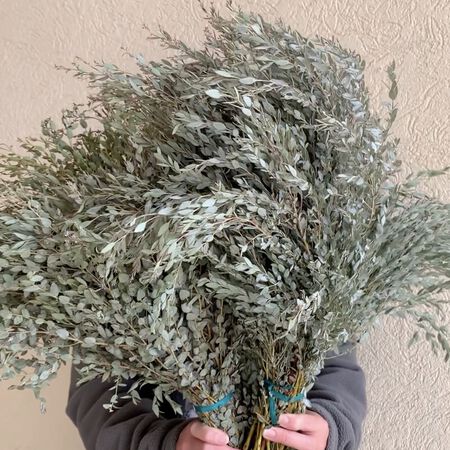
Botanical Name: Eucalyptus latens 'Moon Lagoon'
Plant Type: Tender perennial (commonly grown as an annual for cut foliage)
Height: 4–8 feet in one growing season
Spread: 3–5 feet
Foliage Color: Silvery blue-gray
Harvest Season: Summer through frost
Sun Requirements: Full sun
Soil Requirements: Well-drained soil; adaptable to sandy and average garden soils
Water Needs: Moderate during establishment; drought tolerant once established
Hardiness: USDA Zones 8–11
Cut Flower Quality: Outstanding Foliage
Vase Life: 2–4 weeks
Stem Length: 24–48 inches
Fresh Bouquet Use: Outstanding
Dry Flower Use: Outstanding
Moon Lagoon has become one of the most desirable eucalyptus selections for floral designers thanks to its beautiful silver-blue foliage, long stems, exceptional vase life, and fresh eucalyptus fragrance. Whether used as a graceful accent in bouquets or dried for everlasting arrangements and wreaths, Eucalyptus latens 'Moon Lagoon' is an indispensable addition to any cutting garden and one of the finest foliage plants available for home florists.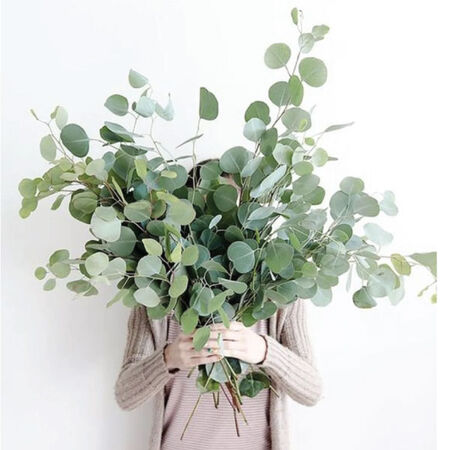
Botanical Name: Eucalyptus polyanthemos
Plant Type: Tender perennial (commonly grown as an annual for cut foliage)
Height: 6–10 feet in one growing season
Spread: 4–6 feet
Foliage Color: Silvery blue-gray
Harvest Season: Summer through frost
Sun Requirements: Full sun
Soil Requirements: Well-drained soil; adaptable to sandy, rocky, and average garden soils
Water Needs: Moderate during establishment; drought tolerant once established
Hardiness: USDA Zones 8–11
Cut Flower Quality: Outstanding Foliage
Vase Life: 2–4 weeks
Stem Length: 24–48 inches
Fresh Bouquet Use: Outstanding
Dry Flower Use: Outstanding
Silver Dollar Gum has become an indispensable foliage plant in the floral industry, admired for its perfectly rounded silver-blue leaves, exceptional vase life, and refreshing fragrance. Whether enhancing elegant wedding bouquets, rustic farmhouse arrangements, or everlasting wreaths, Eucalyptus polyanthemos delivers professional-quality foliage that is as beautiful dried as it is fresh, making it one of the finest cut foliage plants any gardener can grow.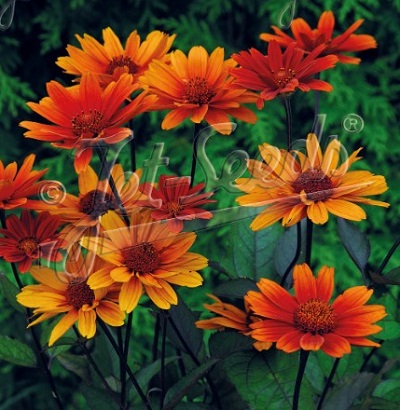
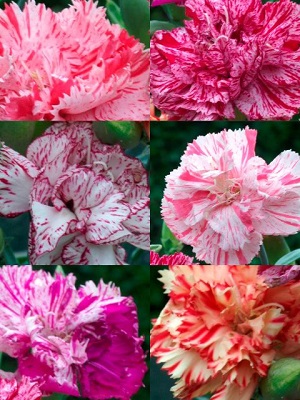
Botanical Name: Dianthus caryophyllus 'Dizzy Mix'
Plant Type: Tender perennial (commonly grown as an annual)
Height: 18–24 inches
Spread: 10–15 inches
Flower Color: Mixed shades of crimson, scarlet, rose, pink, salmon, lavender, and white
Bloom Season: Late spring through summer
Sun Requirements: Full sun
Soil Requirements: Fertile, well-drained soil
Water Needs: Moderate; prefers evenly moist, well-drained soil
Hardiness: USDA Zones 6–9
Cut Flower Quality: Outstanding
Vase Life: 10–14 days
Stem Length: 18–24 inches
Fresh Bouquet Use: Outstanding
Dry Flower Use: Fair
Dizzy Mix combines everything gardeners love about traditional carnations—rich fragrance, brilliant colors, and exceptional vase life—into one outstanding mixture. Its long stems, abundant blooms, and classic florist appeal make Dianthus caryophyllus 'Dizzy Mix' an indispensable addition to any cutting garden, providing armloads of fragrant bouquets from late spring through summer.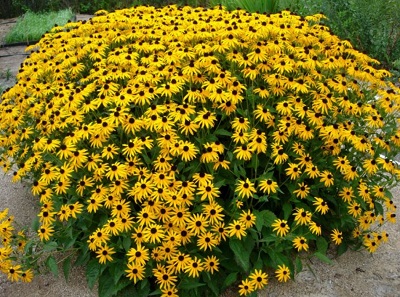
Botanical Name: Rudbeckia fulgida var. sullivantii 'Goldsturm'
Plant Type: Hardy perennial
Height: 24–36 inches
Spread: 18–24 inches
Flower Color: Golden yellow with dark brown centers
Bloom Season: Midsummer until frost
Sun Requirements: Full sun
Soil Requirements: Well-drained soil; adaptable to most garden soils
Water Needs: Moderate; drought tolerant once established
Hardiness: USDA Zones 3–9
Cut Flower Quality: Outstanding
Vase Life: 7–14 days
Stem Length: 18–30 inches
Fresh Bouquet Use: Outstanding
Dry Flower Use: Fair
Goldsturm has earned its reputation as one of the finest perennial cut flowers ever introduced. Its nonstop production of brilliant golden blooms, exceptional vase life, and dependable garden performance make Rudbeckia fulgida var. sullivantii 'Goldsturm' an essential addition to every cutting garden, where it provides weeks of cheerful bouquets from the height of summer well into autumn.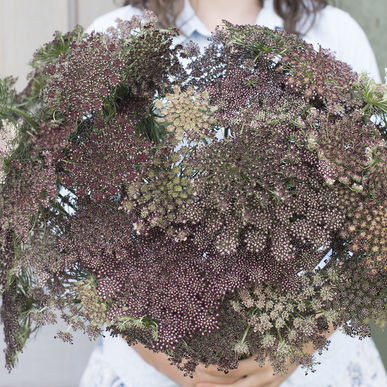
Botanical Name: Ammi majus 'Dara'
Plant Type: Annual
Height: 36–48 inches
Spread: 18–24 inches
Flower Color: Burgundy, wine-red, mauve, blush pink, aging to creamy white
Bloom Season: Early summer through late summer
Sun Requirements: Full sun
Soil Requirements: Fertile, well-drained soil
Water Needs: Moderate; prefers evenly moist soil
Hardiness: Grown as an annual
Cut Flower Quality: Outstanding
Vase Life: 10–14 days
Stem Length: 30–48 inches
Fresh Bouquet Use: Outstanding
Dry Flower Use: Good
Ammi 'Dara' has become one of the signature flowers of modern cutting gardens, admired for its graceful lace-like blooms, extraordinary color progression, and exceptional versatility in floral arrangements. Whether featured in elegant wedding bouquets or mixed with garden favorites for casual farmhouse displays, Ammi majus 'Dara' brings professional florist quality to every cutting garden and is an indispensable choice for gardeners who love creating beautiful bouquets.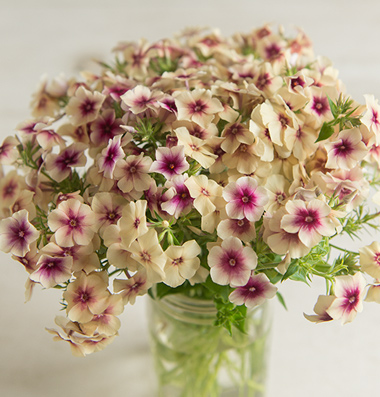
Botanical Name: Phlox drummondii 'Cherry Caramel'
Plant Type: Annual
Height: 18–30 inches
Spread: 12–18 inches
Flower Color: Cherry rose, caramel, dusty peach, blush pink, and creamy buff
Bloom Season: Early summer until frost
Sun Requirements: Full sun
Soil Requirements: Fertile, well-drained soil
Water Needs: Moderate; prefers evenly moist soil
Hardiness: Grown as an annual
Cut Flower Quality: Outstanding
Vase Life: 7–10 days
Stem Length: 18–24 inches
Fresh Bouquet Use: Outstanding
Dry Flower Use: Poor
Cherry Caramel represents the new generation of designer cut flowers, celebrated for its romantic vintage colors, sweet fragrance, and exceptional bouquet performance. Its continual production of long, florist-quality stems and beautifully muted blooms makes Phlox drummondii 'Cherry Caramel' an outstanding choice for cutting gardens, wedding flowers, and elegant floral arrangements where subtle color and timeless beauty are the goal.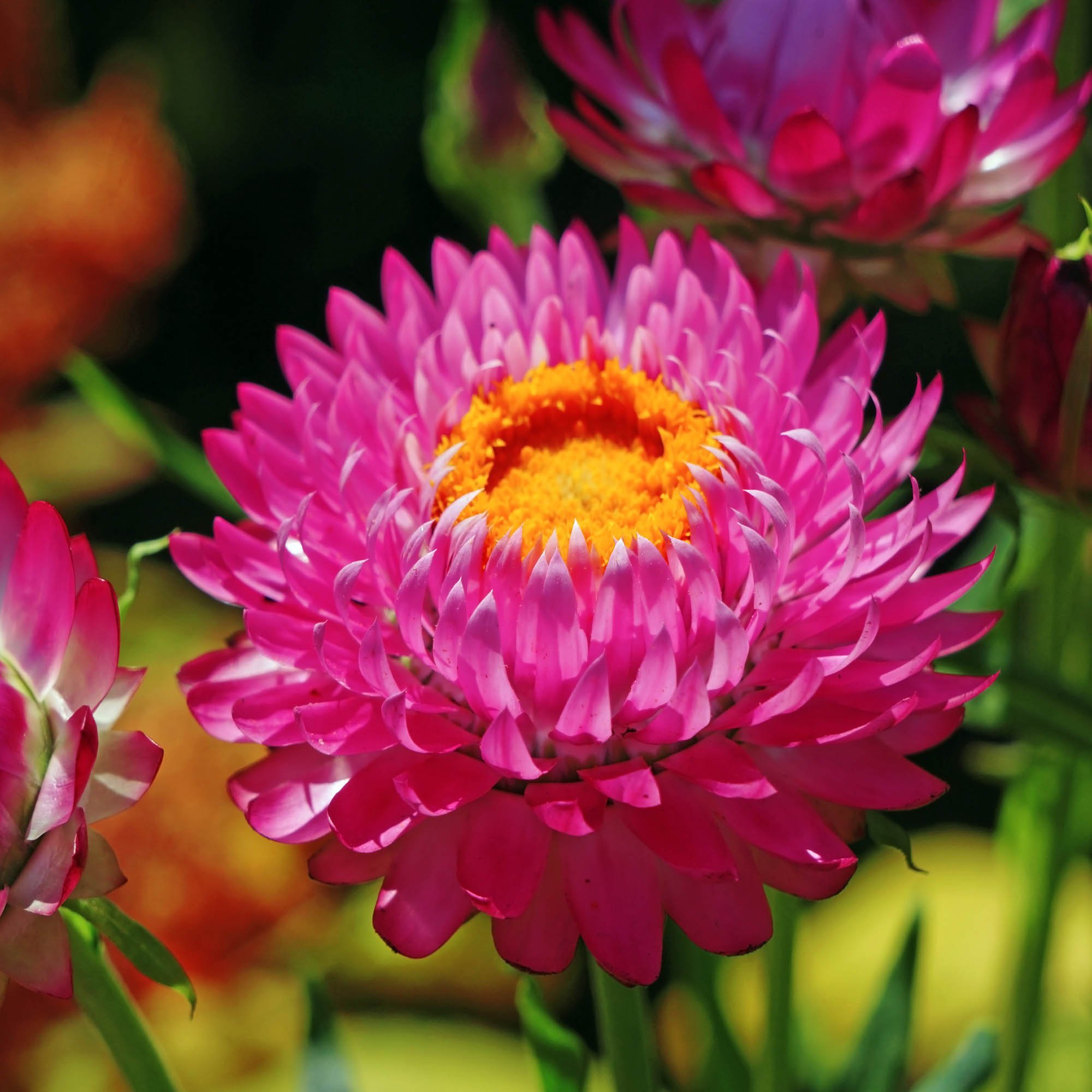
Botanical Name: Bracteantha bracteata (syn. Xerochrysum bracteatum)
Plant Type: Annual
Height: 30–40 inches
Spread: 12–18 inches
Flower Color: Deep purple-red with golden centers
Bloom Season: Early summer until frost
Sun Requirements: Full sun
Soil Requirements: Well-drained soil; adaptable to most garden soils
Water Needs: Low to moderate; drought tolerant once established
Hardiness: Grown as an annual
Cut Flower Quality: Outstanding
Vase Life: 10–14 days
Stem Length: 24–36 inches
Fresh Bouquet Use: Outstanding
Dry Flower Use: Outstanding
Purple-Red Bracteantha is one of the indispensable flowers for any serious cutting garden, prized for its brilliant everlasting blooms, exceptional vase life, and unmatched drying qualities. Whether showcased in fresh bouquets or preserved for beautiful everlasting arrangements, Bracteantha bracteata remains one of the finest flowers available for gardeners who appreciate lasting beauty throughout every season.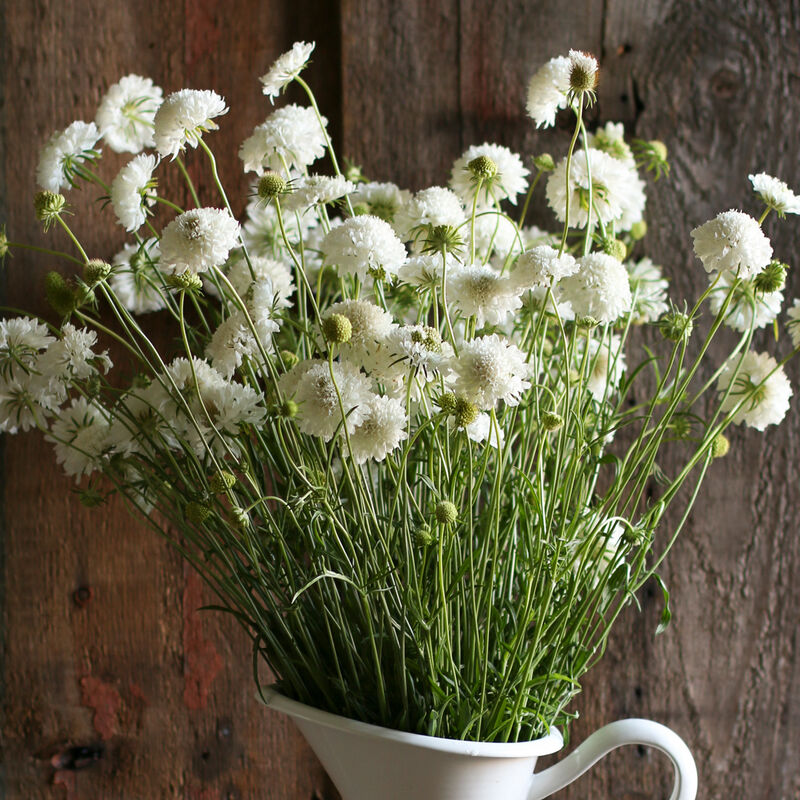
Botanical Name: Scabiosa atropurpurea 'Snow Maiden'
Plant Type: Annual
Height: 24–36 inches
Spread: 12–18 inches
Flower Color: Pure white
Bloom Season: Early summer until frost
Sun Requirements: Full sun
Soil Requirements: Fertile, well-drained soil
Water Needs: Moderate; prefers evenly moist soil
Hardiness: Grown as an annual
Cut Flower Quality: Outstanding
Vase Life: 7–10 days
Stem Length: 24–36 inches
Fresh Bouquet Use: Outstanding
Dry Flower Use: Good (seed heads are also decorative)
Snow Maiden is one of the finest white flowers for cutting, prized for its graceful pincushion blooms, exceptional stem quality, and remarkable versatility in floral design. Equally beautiful in romantic wedding bouquets, elegant centerpieces, or relaxed cottage arrangements, Scabiosa atropurpurea 'Snow Maiden' is an indispensable flower for gardeners who appreciate professional florist-quality bouquets throughout the summer.
Botanical Name: Daucus carota var. sativus 'Black Knight'
Plant Type: Annual
Height: 36–48 inches
Spread: 18–24 inches
Flower Color: Deep burgundy to wine-purple, aging with dark centers
Bloom Season: Early summer through late summer
Sun Requirements: Full sun
Soil Requirements: Fertile, well-drained soil
Water Needs: Moderate; prefers evenly moist soil
Hardiness: Grown as an annual
Cut Flower Quality: Outstanding
Vase Life: 10–14 days
Stem Length: 24–40 inches
Fresh Bouquet Use: Outstanding
Dry Flower Use: Good (decorative seed heads)
Black Knight has quickly become one of the signature flowers of today's cutting gardens, admired for its richly colored lace-like blooms, exceptional stem quality, and remarkable versatility in floral design. Whether featured in elegant wedding bouquets, dramatic seasonal arrangements, or natural meadow-style displays, Daucus carota var. sativus 'Black Knight' brings professional florist quality and unforgettable color to every bouquet.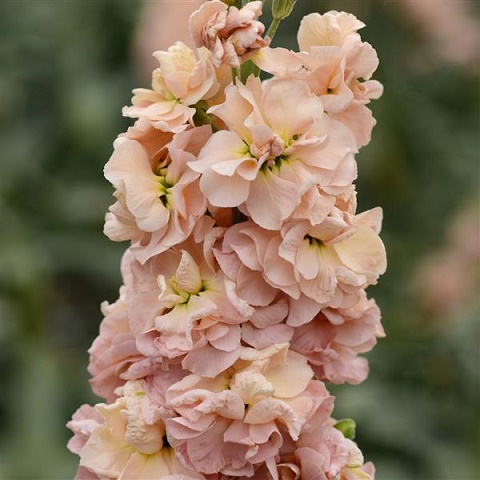
Botanical Name: Matthiola incana 'Column Apricot'
Plant Type: Annual
Height: 24–36 inches
Spread: 10–12 inches
Flower Color: Soft apricot, peach, blush, and creamy pastel tones
Bloom Season: Late spring through early summer
Sun Requirements: Full sun
Soil Requirements: Fertile, well-drained soil
Water Needs: Moderate; prefers evenly moist soil
Hardiness: Grown as an annual
Cut Flower Quality: Outstanding
Vase Life: 8–12 days
Stem Length: 24–36 inches
Fresh Bouquet Use: Outstanding
Dry Flower Use: Poor
Column Apricot represents the finest qualities of traditional florist Stocks, combining long, perfectly straight stems with richly fragrant double blooms in beautiful pastel shades. Developed specifically for premium cut flower production, Matthiola incana 'Column Apricot' is an essential addition to every cutting garden, producing elegant bouquets that are as wonderfully fragrant as they are beautiful.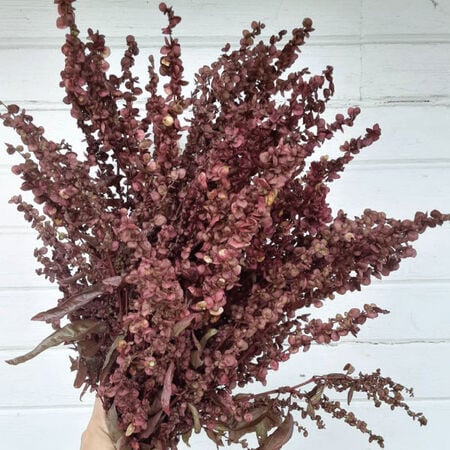
Botanical Name: Atriplex hortensis var. rubra
Common Name: Red Plume Orach (Mountain Spinach)
Plant Type: Annual
Height: 48–72 inches
Spread: 18–24 inches
Foliage/Plume Color: Burgundy-red to deep wine-red
Harvest Season: Midsummer through fall
Sun Requirements: Full sun
Soil Requirements: Fertile, well-drained soil
Water Needs: Moderate; drought tolerant once established
Hardiness: Grown as an annual
Cut Flower Quality: Excellent Foliage Accent
Vase Life: 10–14 days
Stem Length: 30–48 inches
Fresh Bouquet Use: Outstanding Accent
Dry Flower Use: Excellent
Red Plume Orach has become a favorite among modern flower farmers for its dramatic burgundy foliage, graceful seed plumes, and exceptional versatility in floral design. Whether adding rich color to fresh bouquets or preserved in everlasting arrangements, Atriplex hortensis var. rubra brings bold texture and sophisticated contrast to every cutting garden.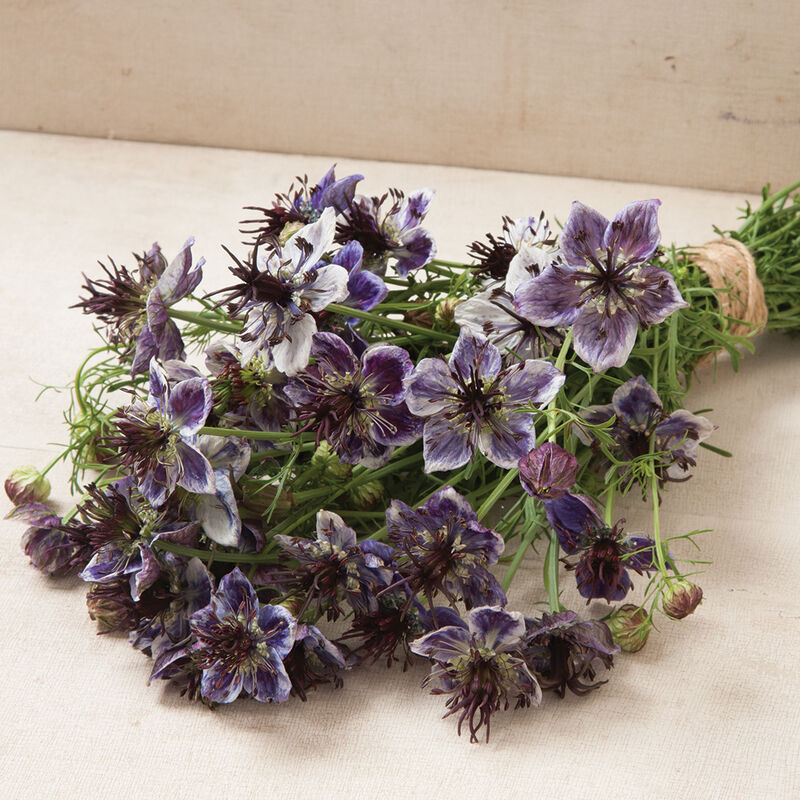
Botanical Name: Nigella papillosa 'Delft Blue'
Plant Type: Annual
Height: 24–36 inches
Spread: 10–15 inches
Flower Color: Soft porcelain blue and white
Bloom Season: Late spring through early summer
Sun Requirements: Full sun
Soil Requirements: Fertile, well-drained soil
Water Needs: Moderate; prefers evenly moist soil
Hardiness: Grown as an annual
Cut Flower Quality: Outstanding
Vase Life: 7–10 days
Stem Length: 18–30 inches
Fresh Bouquet Use: Outstanding
Dry Flower Use: Outstanding (decorative seed pods)
Delft Blue Nigella is one of the most versatile flowers in the cutting garden, offering exquisite blue-and-white blossoms followed by ornamental seed pods that are equally prized in floral design. Its graceful stems, delicate texture, and dual-purpose harvest make Nigella papillosa 'Delft Blue' an essential choice for gardeners who appreciate both fresh bouquets and everlasting arrangements.
Botanical Name: Cynoglossum amabile
Plant Type: Annual
Height: 18–30 inches
Spread: 10–15 inches
Flower Color: Brilliant sky blue with golden centers
Bloom Season: Late spring through early summer
Sun Requirements: Full sun to partial shade
Soil Requirements: Fertile, well-drained soil
Water Needs: Moderate; prefers evenly moist soil
Hardiness: Grown as an annual
Cut Flower Quality: Outstanding
Vase Life: 7–10 days
Stem Length: 18–30 inches
Fresh Bouquet Use: Outstanding
Dry Flower Use: Fair
Chinese Forget-me-nots have long been treasured by gardeners and florists for their graceful sprays of brilliant blue flowers and exceptional versatility in bouquets. Their delicate texture, dependable vase life, and timeless cottage garden charm make Cynoglossum amabile one of the essential flowers for spring cutting gardens, where they provide beautiful companion blooms for countless floral arrangements.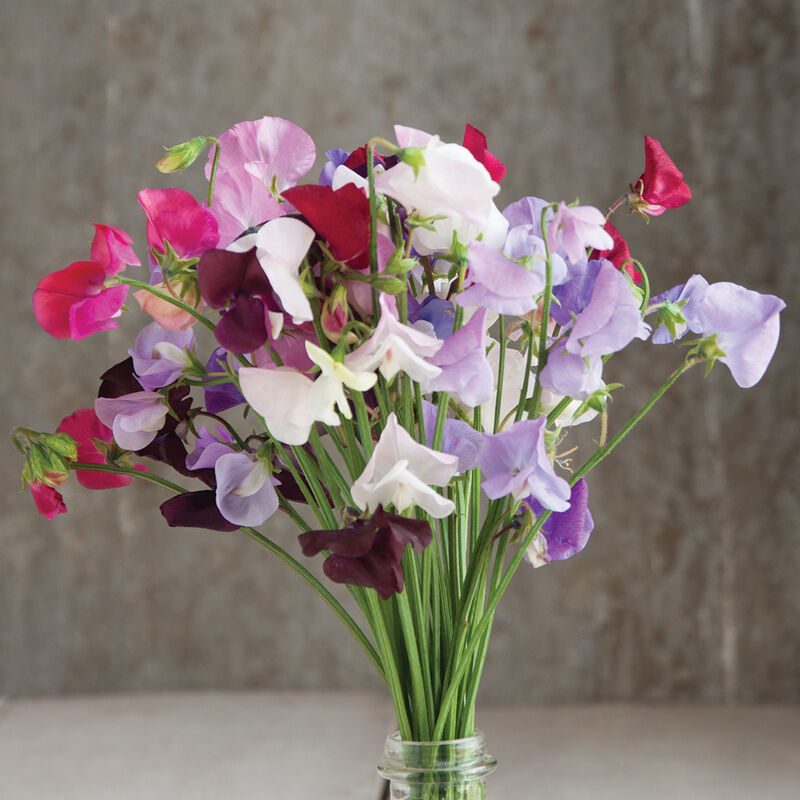
Botanical Name: Lathyrus odoratus 'Royal Family Mix'
Plant Type: Annual climbing vine
Height: 6–8 feet
Spread: 12–18 inches
Flower Color: Mixed shades of pink, rose, lavender, blue, crimson, white, and bicolors
Bloom Season: Late spring through early summer
Sun Requirements: Full sun
Soil Requirements: Fertile, well-drained soil enriched with organic matter
Water Needs: Moderate; prefers consistently moist soil
Hardiness: Grown as an annual
Cut Flower Quality: Outstanding
Vase Life: 5–7 days
Stem Length: 12–18 inches
Fresh Bouquet Use: Outstanding
Dry Flower Use: Poor
Royal Family Sweet Peas represent the pinnacle of fragrant cut flowers, combining elegant ruffled blooms, long florist-quality stems, and one of the sweetest perfumes found in any garden flower. Their continual production of beautiful blossoms makes Lathyrus odoratus 'Royal Family Mix' an essential choice for cutting gardens, where armloads of fragrant bouquets can be enjoyed throughout the spring season.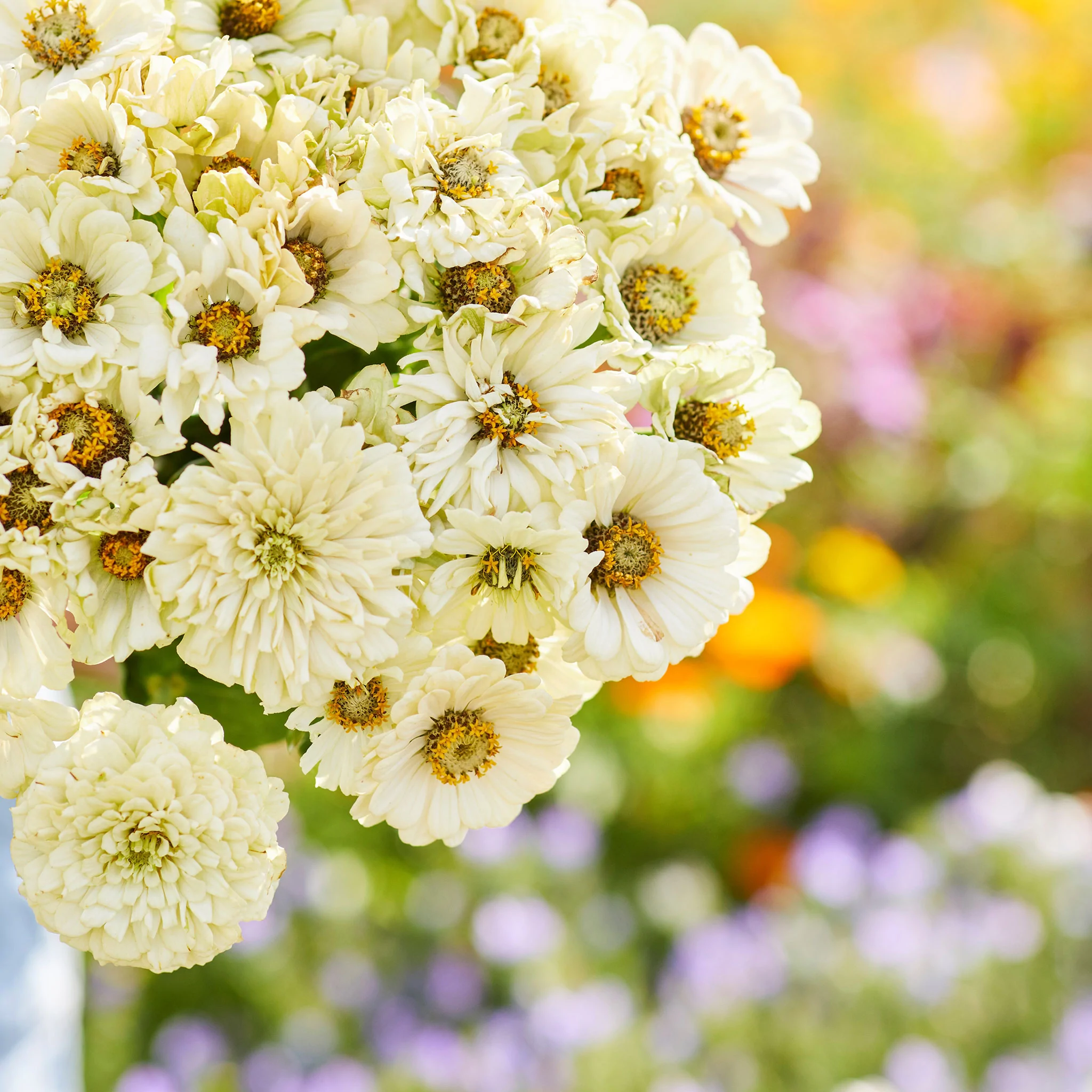
Botanical Name: Zinnia elegans 'Cactus Snowman'
Plant Type: Annual
Height: 30–40 inches
Spread: 18–24 inches
Flower Color: Pure snow white
Bloom Season: Early summer until frost
Sun Requirements: Full sun
Soil Requirements: Well-drained soil; adaptable to most garden soils
Water Needs: Moderate; drought tolerant once established
Hardiness: Grown as an annual
Cut Flower Quality: Outstanding
Vase Life: 7–10 days
Stem Length: 24–36 inches
Fresh Bouquet Use: Outstanding
Dry Flower Use: Fair
Cactus Snowman is one of the most elegant white zinnias available for cutting, admired for its large quilled blooms, exceptional stem quality, and dependable garden performance. Its pure white flowers brighten mixed bouquets, complement every color palette, and add classic beauty to wedding arrangements, making Zinnia elegans 'Cactus Snowman' an essential addition to every cutting garden.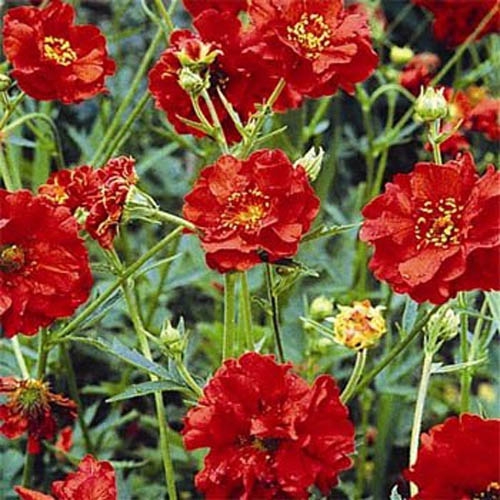
Botanical Name: Geum chiloense 'Mrs. Bradshaw'
Plant Type: Hardy perennial
Height: 18–24 inches
Spread: 18–24 inches
Flower Color: Brilliant scarlet red
Bloom Season: Late spring through midsummer
Sun Requirements: Full sun to partial shade
Soil Requirements: Fertile, well-drained soil
Water Needs: Moderate; prefers evenly moist soil
Hardiness: USDA Zones 5–7
Cut Flower Quality: Excellent
Vase Life: 7–10 days
Stem Length: 18–24 inches
Fresh Bouquet Use: Excellent
Dry Flower Use: Poor
Mrs. Bradshaw has remained a cottage garden favorite for well over a century thanks to its brilliant scarlet blooms, graceful stems, and dependable cutting qualities. Its long-lasting flowers and reliable perennial nature make Geum chiloense 'Mrs. Bradshaw' an excellent addition to cutting gardens, where it provides elegant bouquets filled with classic old-fashioned charm every spring.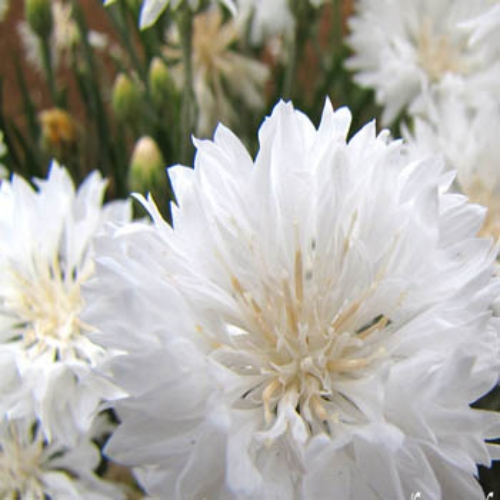
Botanical Name: Centaurea cyanus 'Tom Pouce White'
Plant Type: Annual
Height: 18–24 inches
Spread: 10–12 inches
Flower Color: Pure white
Bloom Season: Late spring through midsummer
Sun Requirements: Full sun
Soil Requirements: Well-drained soil; adaptable to most garden soils
Water Needs: Moderate; drought tolerant once established
Hardiness: Grown as an annual
Cut Flower Quality: Excellent
Vase Life: 7–10 days
Stem Length: 16–22 inches
Fresh Bouquet Use: Excellent
Dry Flower Use: Good
Dwarf Tom Pouce White offers all the charm of traditional bachelor's buttons in a more compact plant while still producing excellent cutting stems. Its brilliant white fringed flowers, dependable vase life, and continual bloom production make Centaurea cyanus 'Tom Pouce White' an outstanding choice for cottage gardens, cutting gardens, and elegant bouquets filled with classic old-fashioned beauty.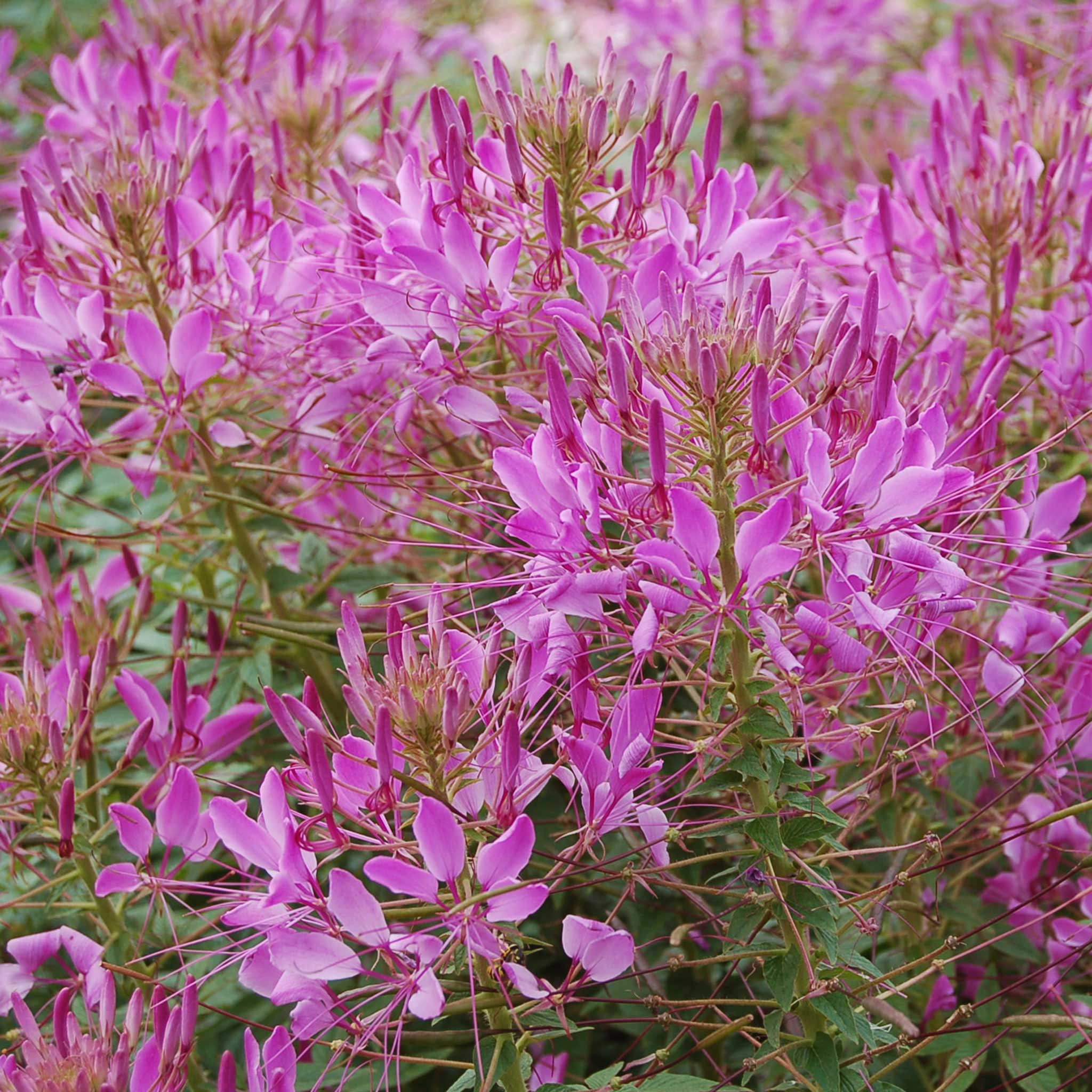
Botanical Name: Cleome hassleriana 'Mauve Queen'
Plant Type: Annual
Height: 48–60 inches
Spread: 18–24 inches
Flower Color: Soft mauve, lavender-pink, and rosy lilac
Bloom Season: Early summer until frost
Sun Requirements: Full sun
Soil Requirements: Well-drained soil; adaptable to most garden soils
Water Needs: Moderate; drought tolerant once established
Hardiness: Grown as an annual
Cut Flower Quality: Excellent
Vase Life: 7–10 days
Stem Length: 24–40 inches
Fresh Bouquet Use: Excellent
Dry Flower Use: Fair (decorative seed pods may also be used)
Mauve Queen brings graceful height, soft color, and distinctive spider-like blooms to the cutting garden, producing elegant stems that are equally at home in casual cottage bouquets and sophisticated floral arrangements. With its long flowering season, excellent stem quality, and unique architectural beauty, Cleome hassleriana 'Mauve Queen' is an outstanding choice for gardeners seeking something a little different in their summer bouquets.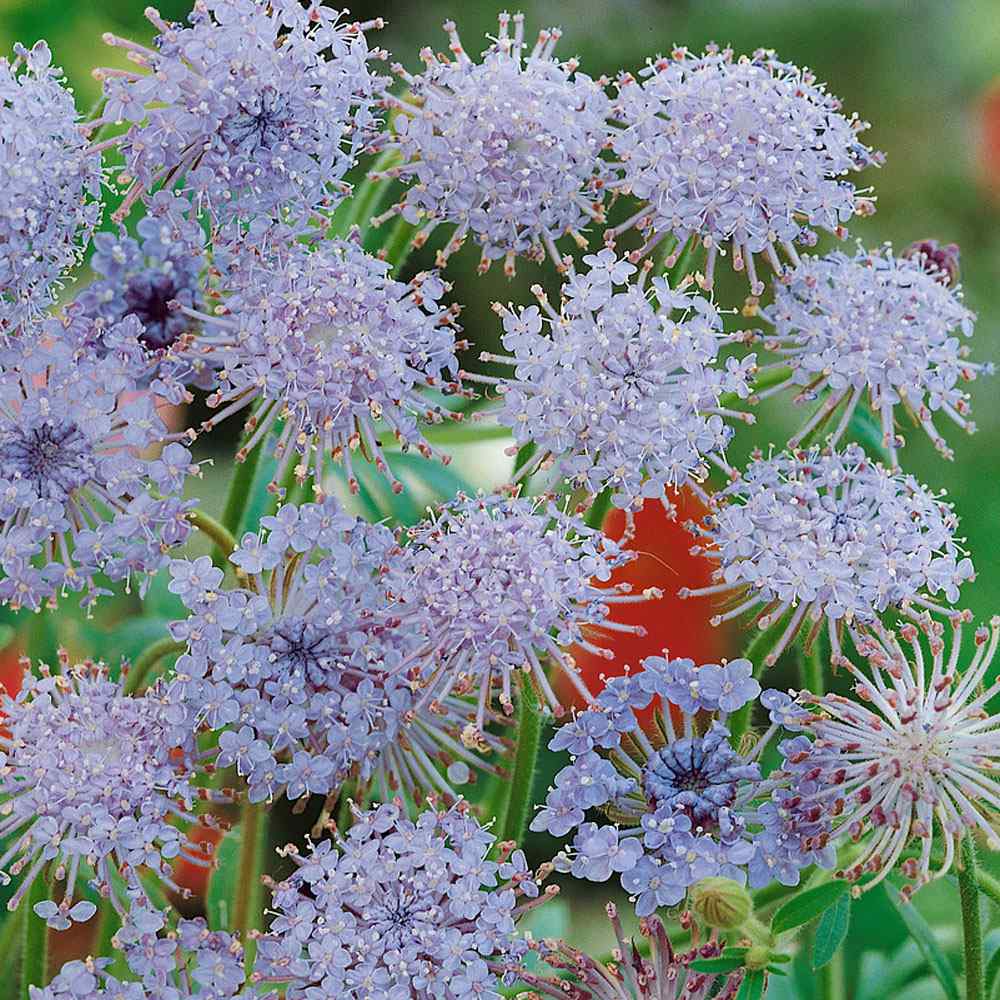
Botanical Name: Trachymene caerulea (formerly Didiscus caeruleus)
Plant Type: Annual
Height: 24–36 inches
Spread: 12–18 inches
Flower Color: Soft lavender-blue
Bloom Season: Early summer until frost
Sun Requirements: Full sun
Soil Requirements: Fertile, well-drained soil
Water Needs: Moderate; prefers evenly moist soil
Hardiness: Grown as an annual
Cut Flower Quality: Outstanding
Vase Life: 10–14 days
Stem Length: 24–36 inches
Fresh Bouquet Use: Outstanding
Dry Flower Use: Fair
Blue Lace Flower has become one of the signature filler flowers of today's cutting gardens, prized for its graceful lavender blooms, exceptional vase life, and remarkable versatility in floral design. Whether enhancing romantic wedding bouquets, elegant centerpieces, or casual cottage arrangements, Trachymene caerulea brings timeless beauty and professional florist quality to every bouquet.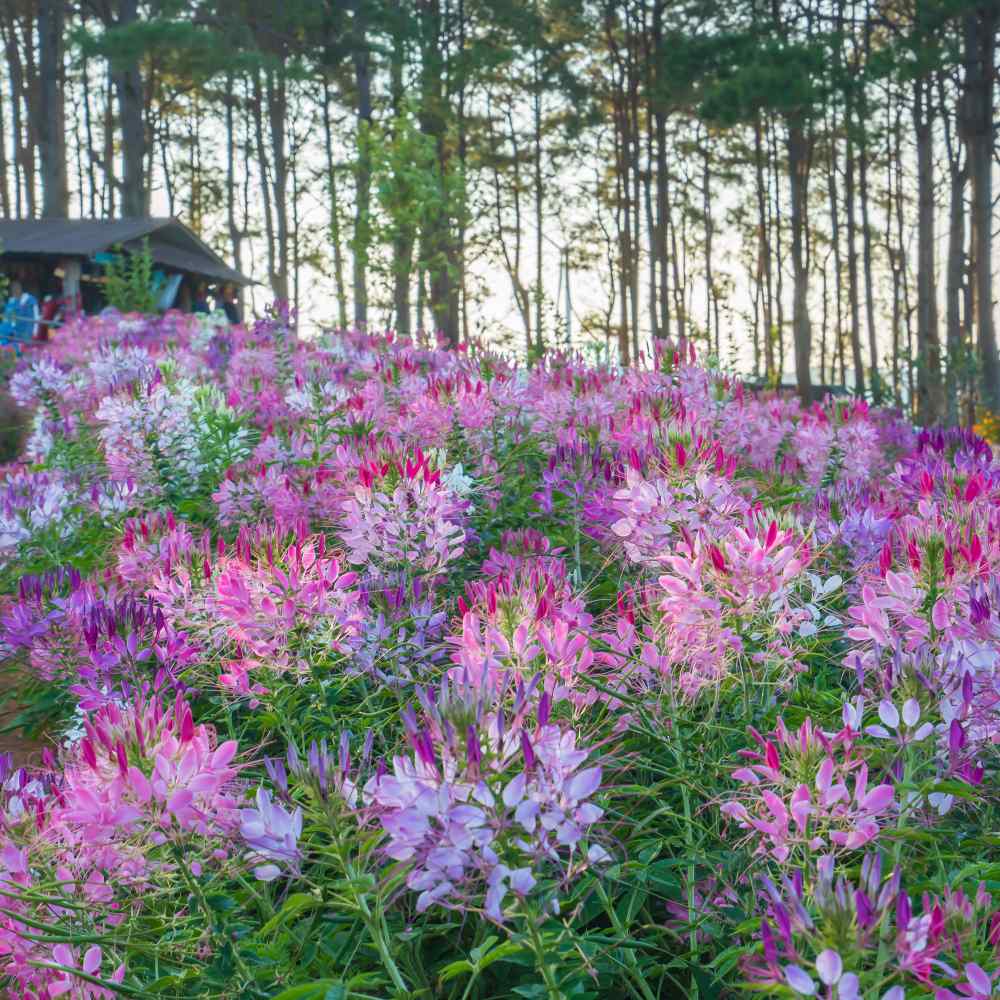
Botanical Name: Cleome hassleriana 'Queen Mix'
Plant Type: Annual
Height: 48–60 inches
Spread: 18–24 inches
Flower Color: White, blush pink, rose, lavender, and soft mauve
Bloom Season: Early summer until frost
Sun Requirements: Full sun
Soil Requirements: Well-drained soil; adaptable to most garden soils
Water Needs: Moderate; drought tolerant once established
Hardiness: Grown as an annual
Cut Flower Quality: Excellent
Vase Life: 7–10 days
Stem Length: 24–40 inches
Fresh Bouquet Use: Excellent
Dry Flower Use: Fair (decorative seed pods may also be used)
Queen Mix combines the graceful stature and distinctive spider-like blooms of Cleome with a beautiful blend of soft pastel colors that complement virtually every summer bouquet. Its exceptional height, continual flowering, and reliable stem production make Cleome hassleriana 'Queen Mix' an excellent addition to cutting gardens, producing elegant florist-quality bouquets from early summer until frost.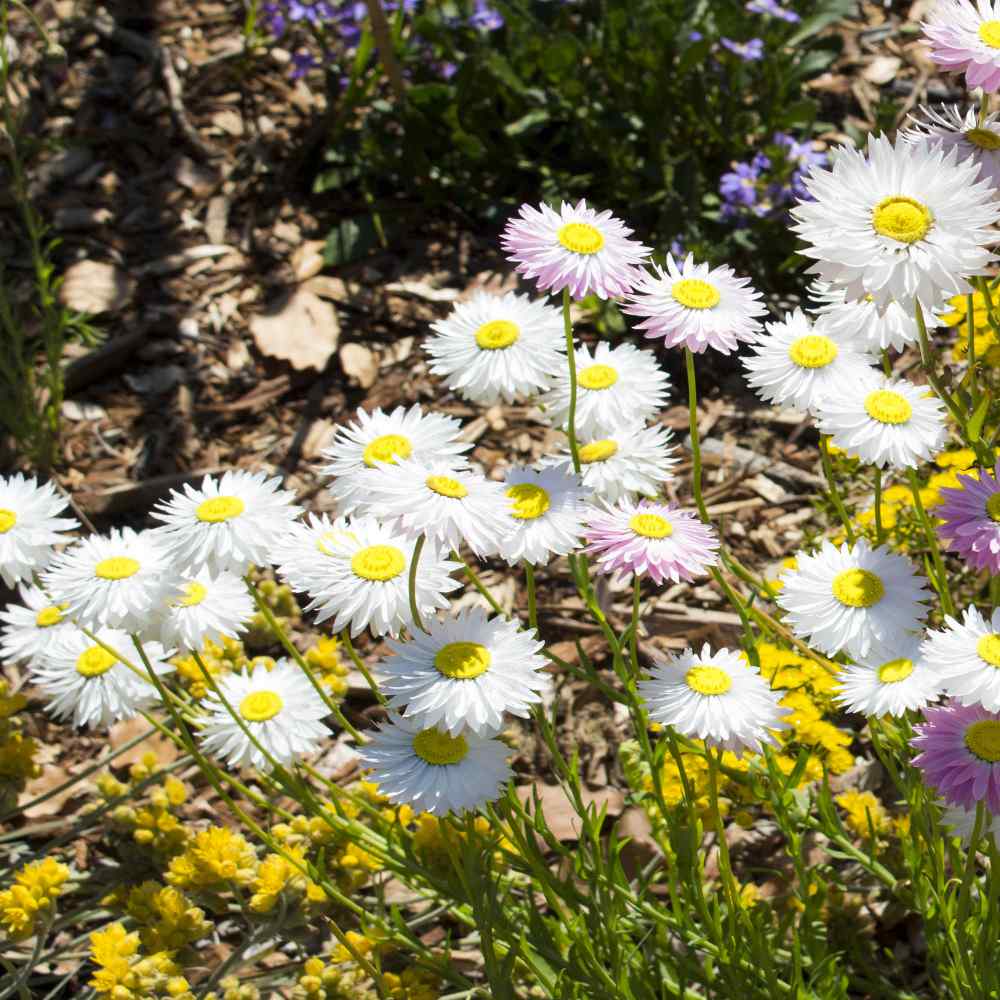
Botanical Name: Bracteantha bracteata (syn. Xerochrysum bracteatum)
Plant Type: Annual
Height: 30–40 inches
Spread: 12–18 inches
Flower Color: Pure white with golden centers
Bloom Season: Early summer until frost
Sun Requirements: Full sun
Soil Requirements: Well-drained soil; adaptable to most garden soils
Water Needs: Low to moderate; drought tolerant once established
Hardiness: Grown as an annual
Cut Flower Quality: Outstanding
Vase Life: 10–14 days
Stem Length: 24–36 inches
Fresh Bouquet Use: Outstanding
Dry Flower Use: Outstanding
White Strawflower is one of the finest flowers available for both fresh and everlasting floral design, prized for its luminous white blooms, outstanding vase life, and remarkable drying qualities. Whether featured in elegant wedding bouquets, classic garden arrangements, or preserved in everlasting wreaths and dried centerpieces, Bracteantha bracteata is an indispensable addition to every cutting garden and flower farm.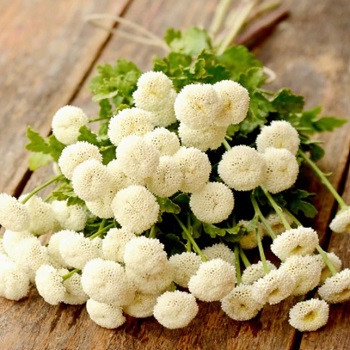
Botanical Name: Tanacetum parthenium 'Vegmo Snow Ball'
Plant Type: Annual or short-lived perennial (often grown as an annual for cutting)
Height: 24–36 inches
Spread: 18–24 inches
Flower Color: Pure white
Bloom Season: Early summer through late summer
Sun Requirements: Full sun
Soil Requirements: Fertile, well-drained soil
Water Needs: Moderate; prefers evenly moist soil
Hardiness: USDA Zones 5–9
Cut Flower Quality: Outstanding
Vase Life: 10–14 days
Stem Length: 18–30 inches
Fresh Bouquet Use: Outstanding
Dry Flower Use: Good
Vegmo Snow Ball has become one of the indispensable white filler flowers of today's cutting gardens, admired for its masses of double blooms, exceptional stem production, and remarkable versatility in floral arrangements. Whether brightening elegant wedding bouquets or adding soft texture to cottage-style arrangements, Tanacetum parthenium 'Vegmo Snow Ball' delivers professional florist quality throughout the cutting season.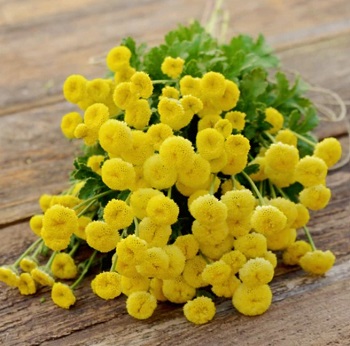
Botanical Name: Tanacetum parthenium 'Vegmo Sunny Ball'
Plant Type: Annual or short-lived perennial (commonly grown as an annual for cutting)
Height: 24–36 inches
Spread: 18–24 inches
Flower Color: Bright golden yellow
Bloom Season: Early summer through late summer
Sun Requirements: Full sun
Soil Requirements: Fertile, well-drained soil
Water Needs: Moderate; prefers evenly moist soil
Hardiness: USDA Zones 5–9
Cut Flower Quality: Outstanding
Vase Life: 10–14 days
Stem Length: 18–30 inches
Fresh Bouquet Use: Outstanding
Dry Flower Use: Good
Vegmo Sunny Ball combines nonstop flowering, outstanding stem production, and brilliant golden color into one exceptional cutting flower. Its cheerful button blooms provide beautiful texture and lasting freshness in bouquets, making Tanacetum parthenium 'Vegmo Sunny Ball' an indispensable choice for gardeners who enjoy creating bright, professional-quality floral arrangements throughout the summer.
Botanical Name: Argyranthemum frutescens 'Snow White'
Plant Type: Tender perennial (commonly grown as an annual)
Height: 18–30 inches
Spread: 18–24 inches
Flower Color: Pure white with golden centers
Bloom Season: Late spring until frost
Sun Requirements: Full sun
Soil Requirements: Fertile, well-drained soil
Water Needs: Moderate; prefers evenly moist soil
Hardiness: USDA Zones 9–11 (grown as an annual in colder climates)
Cut Flower Quality: Excellent
Vase Life: 7–10 days
Stem Length: 18–24 inches
Fresh Bouquet Use: Excellent
Dry Flower Use: Poor
Snow White Marguerite Daisy is one of the finest white flowers for cutting gardens, prized for its nonstop bloom production, graceful stems, and timeless beauty. Its versatile blossoms brighten everything from rustic country bouquets to elegant wedding arrangements, making Argyranthemum frutescens 'Snow White' an outstanding choice for gardeners who enjoy bringing armloads of fresh flowers indoors all season long.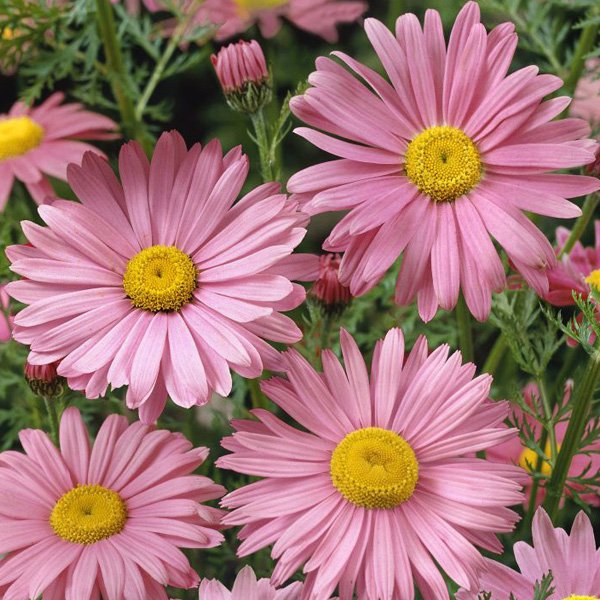
Botanical Name: Tanacetum coccineum 'Robinson's Rose'
Plant Type: Hardy perennial
Height: 24–36 inches
Spread: 18–24 inches
Flower Color: Rich rose pink with golden centers
Bloom Season: Late spring through early summer
Sun Requirements: Full sun
Soil Requirements: Fertile, well-drained soil
Water Needs: Moderate; prefers evenly moist soil
Hardiness: USDA Zones 3–7
Cut Flower Quality: Excellent
Vase Life: 7–10 days
Stem Length: 20–30 inches
Fresh Bouquet Use: Excellent
Dry Flower Use: Poor
Robinson's Rose has remained a beloved cutting garden perennial for generations thanks to its brilliant rose-pink blooms, sturdy stems, and dependable vase life. Its cheerful flowers bring classic cottage garden beauty to every bouquet, making Tanacetum coccineum 'Robinson's Rose' an excellent choice for gardeners who enjoy harvesting colorful perennial flowers each spring and early summer.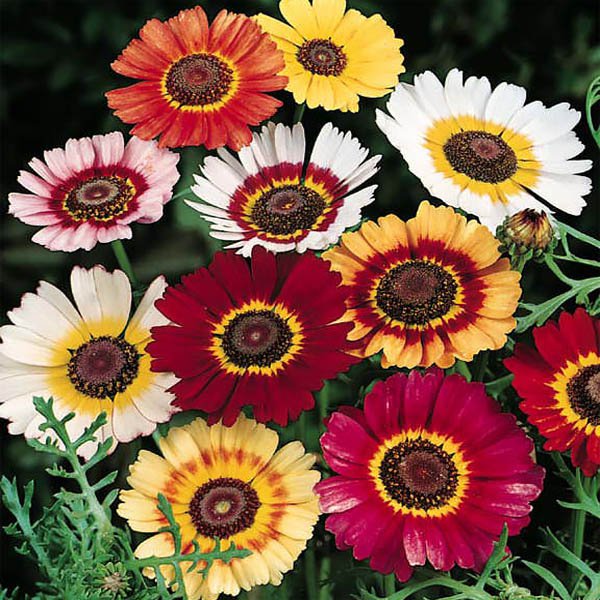
Botanical Name: Glebionis carinata (formerly Chrysanthemum carinatum)
Plant Type: Annual
Height: 24–36 inches
Spread: 12–18 inches
Flower Color: Mixed shades of crimson, scarlet, rose, white, yellow, gold, and mahogany with contrasting rings
Bloom Season: Late spring through midsummer
Sun Requirements: Full sun
Soil Requirements: Well-drained soil; adaptable to most garden soils
Water Needs: Moderate; drought tolerant once established
Hardiness: Grown as an annual
Cut Flower Quality: Excellent
Vase Life: 7–10 days
Stem Length: 20–30 inches
Fresh Bouquet Use: Excellent
Dry Flower Use: Poor
Rainbow Mix Tricolor Daisy has delighted gardeners for generations with its spectacular concentric color patterns, sturdy stems, and dependable bouquet performance. Its brilliant blooms bring classic cottage garden charm and vibrant color to fresh arrangements, making Glebionis carinata an excellent addition to any cutting garden where cheerful, long-lasting flowers are always in demand.
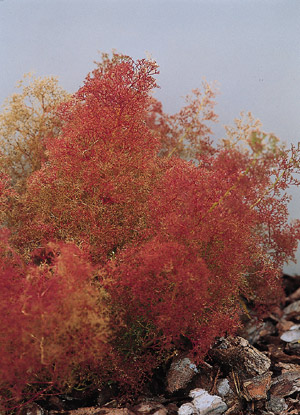
Botanical Name: Teloxys aristata
Plant Type: Annual
Height: 30–48 inches
Spread: 18–24 inches
Foliage Color: Bright green
Harvest Season: Midsummer through fall
Sun Requirements: Full sun
Soil Requirements: Well-drained soil; adaptable to most garden soils
Water Needs: Low to moderate; drought tolerant once established
Hardiness: Grown as an annual
Cut Flower Quality: Excellent Filler
Vase Life: 10–14 days
Stem Length: 24–40 inches
Fresh Bouquet Use: Outstanding Filler
Dry Flower Use: Good
Sea Foam has become a favorite among specialty flower growers for its cloud-like sprays of finely textured foliage that bring softness, movement, and natural elegance to floral arrangements. Whether used to frame colorful blooms or create airy, meadow-inspired bouquets, Teloxys aristata is an outstanding cutting garden plant that adds professional florist style to every arrangement.
Botanical Name: Glebionis segetum (formerly Chrysanthemum segetum)
Plant Type: Annual
Height: 24–36 inches
Spread: 12–18 inches
Flower Color: Golden yellow with mahogany-red rings and golden centers
Bloom Season: Late spring through midsummer
Sun Requirements: Full sun
Soil Requirements: Well-drained soil; adaptable to most garden soils
Water Needs: Moderate; drought tolerant once established
Hardiness: Grown as an annual
Cut Flower Quality: Excellent
Vase Life: 7–10 days
Stem Length: 20–30 inches
Fresh Bouquet Use: Excellent
Dry Flower Use: Poor
German Flag combines bold heirloom colors with sturdy stems and dependable vase life, making it a wonderful addition to any cutting garden. Its cheerful blooms bring warmth and cottage garden charm to fresh bouquets, while its ease of cultivation and abundant flowering make Glebionis segetum a rewarding choice for gardeners who enjoy harvesting colorful arrangements throughout the summer.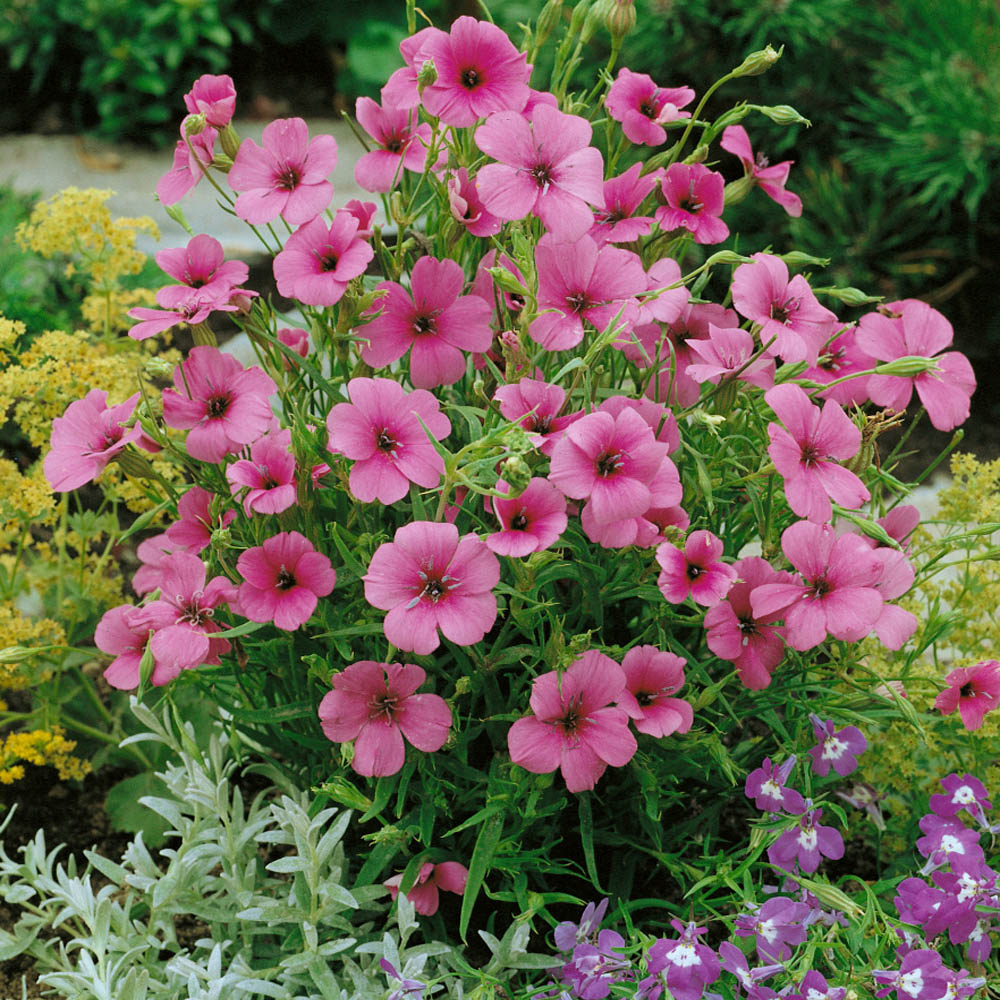
Botanical Name: Viscaria oculata 'Rose Angel'
Plant Type: Annual
Height: 24–30 inches
Spread: 10–15 inches
Flower Color: Soft rose pink
Bloom Season: Late spring through early summer
Sun Requirements: Full sun
Soil Requirements: Well-drained soil; adaptable to most garden soils
Water Needs: Moderate; drought tolerant once established
Hardiness: Grown as an annual
Cut Flower Quality: Excellent
Vase Life: 7–10 days
Stem Length: 20–28 inches
Fresh Bouquet Use: Excellent
Dry Flower Use: Fair
Rose Angel Viscaria is treasured for its graceful sprays of soft pink flowers, dependable stem quality, and effortless cottage garden charm. Its delicate blooms bring lightness and movement to floral arrangements, making Viscaria oculata 'Rose Angel' an excellent choice for gardeners who enjoy creating elegant, natural-looking bouquets filled with old-fashioned beauty.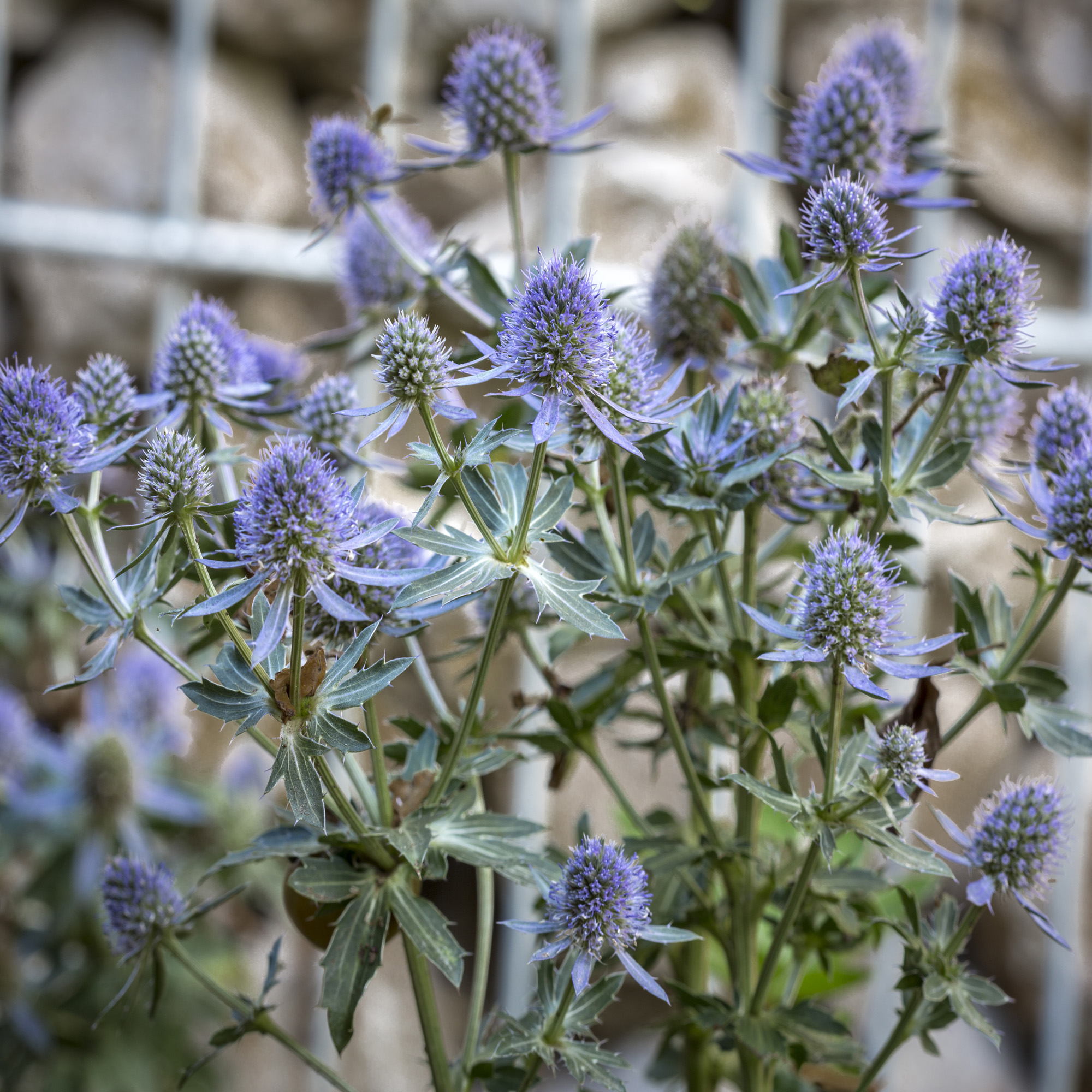
Botanical Name: Eryngium planum
Plant Type: Hardy perennial
Height: 24–36 inches
Spread: 18–24 inches
Flower Color: Metallic steel-blue
Bloom Season: Midsummer through early fall
Sun Requirements: Full sun
Soil Requirements: Well-drained soil; thrives in sandy, rocky, and average garden soils
Water Needs: Low; highly drought tolerant once established
Hardiness: USDA Zones 4–8
Cut Flower Quality: Outstanding
Vase Life: 10–14 days
Stem Length: 24–36 inches
Fresh Bouquet Use: Outstanding
Dry Flower Use: Outstanding
Blue Sea Holly is one of the most distinctive flowers available for cutting gardens, admired for its metallic blue color, sculptural beauty, and exceptional longevity in both fresh and dried arrangements. Whether featured in elegant wedding bouquets, contemporary floral designs, or everlasting wreaths, Eryngium planum remains an indispensable florist favorite that delivers dramatic beauty throughout every season.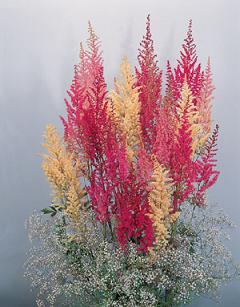
Botanical Name: Astilbe × arendsii 'Grande'
Plant Type: Hardy perennial
Height: 24–36 inches
Spread: 18–24 inches
Flower Color: Mixed shades of pink, rose, lavender, crimson, and white
Bloom Season: Early to midsummer
Sun Requirements: Partial shade to filtered sun
Soil Requirements: Fertile, humus-rich, consistently moist, well-drained soil
Water Needs: Moderate to high; prefers evenly moist soil
Hardiness: USDA Zones 4–8
Cut Flower Quality: Outstanding
Vase Life: 7–14 days
Stem Length: 18–30 inches
Fresh Bouquet Use: Outstanding
Dry Flower Use: Excellent
Grande Astilbe is one of the finest perennial flowers for cutting, admired for its elegant feathery plumes, dependable stem production, and exceptional versatility in both fresh and dried arrangements. Its ability to thrive in partial shade while producing florist-quality blooms makes Astilbe × arendsii 'Grande' an indispensable addition to cutting gardens where beauty is desired even in areas with limited sunlight.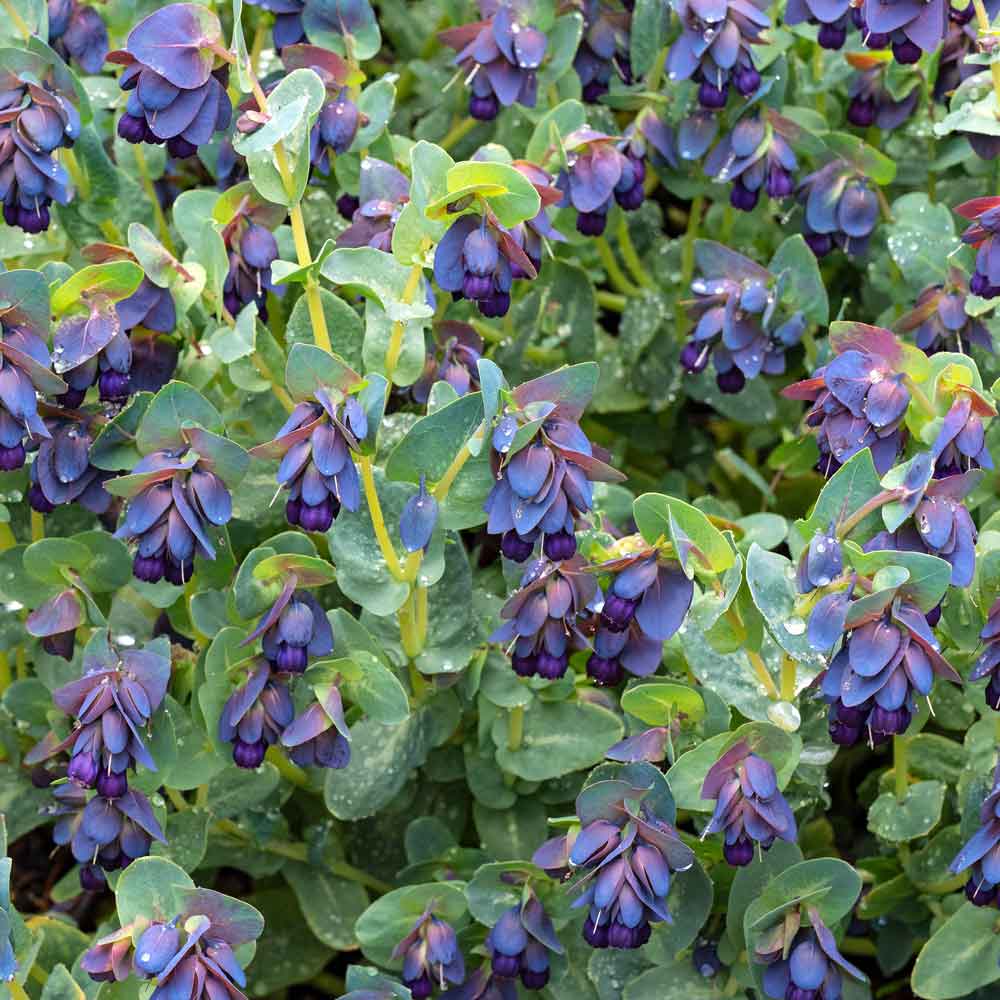
Botanical Name: Cerinthe major 'Purpurascens'
Plant Type: Hardy annual (occasionally short-lived perennial in mild climates)
Height: 24–36 inches
Spread: 18–24 inches
Flower Color: Violet-blue flowers with deep purple bracts and blue-gray foliage
Bloom Season: Late spring through summer
Sun Requirements: Full sun to partial shade
Soil Requirements: Well-drained soil; adaptable to most garden soils
Water Needs: Moderate; drought tolerant once established
Hardiness: USDA Zones 7–10 (grown as an annual elsewhere)
Cut Flower Quality: Outstanding
Vase Life: 10–14 days
Stem Length: 20–32 inches
Fresh Bouquet Use: Outstanding
Dry Flower Use: Fair
Honeywort has become one of today's signature cutting garden plants, prized for its extraordinary blue-gray foliage, jewel-like purple blooms, and graceful branching stems. Its unique coloring and exceptional versatility make Cerinthe major 'Purpurascens' an indispensable addition to modern cutting gardens, where it provides the perfect balance of texture, foliage, and floral beauty in every bouquet.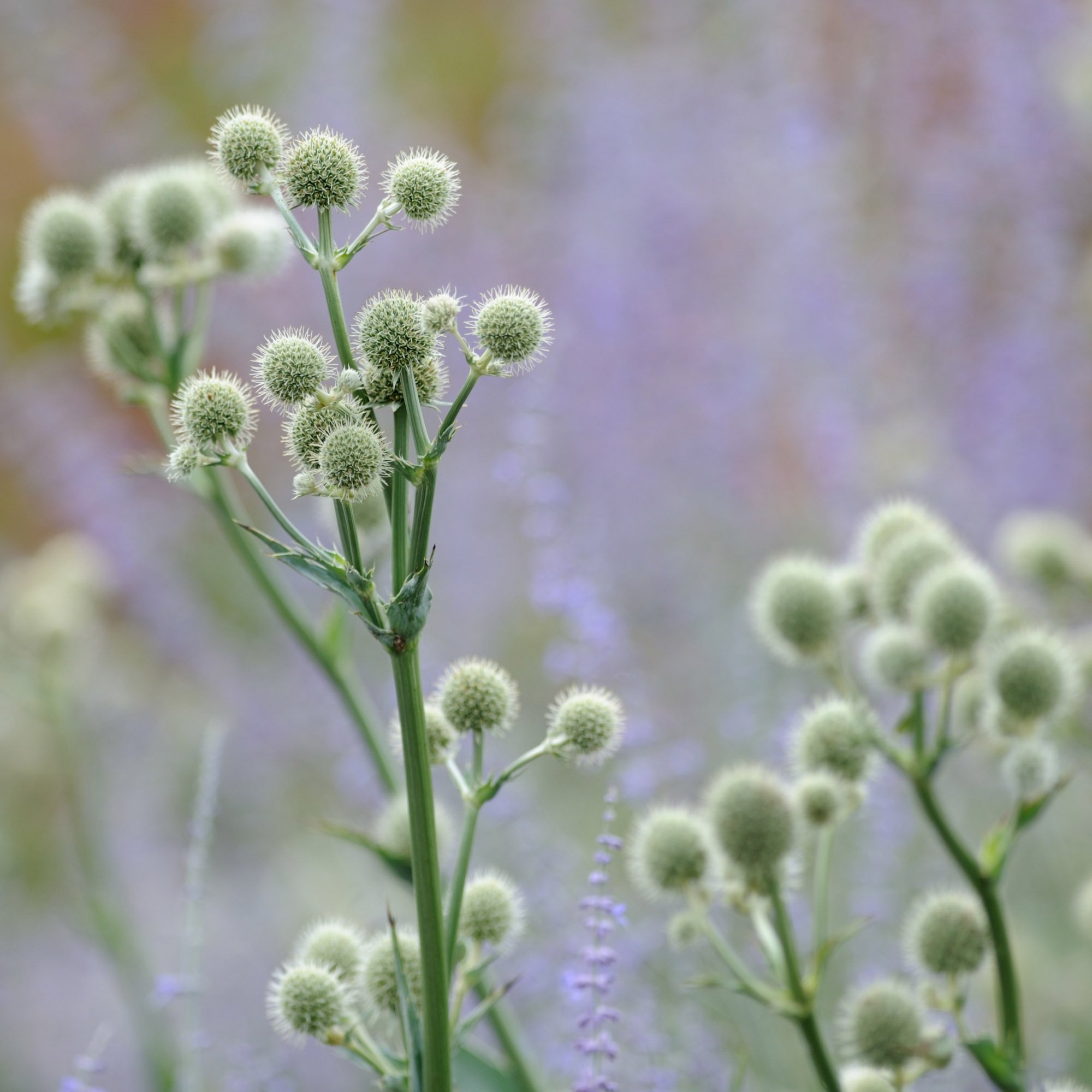
Botanical Name: Eryngium yuccifolium
Plant Type: Hardy native perennial
Height: 36–60 inches
Spread: 18–24 inches
Flower Color: Silvery white with green highlights
Bloom Season: Midsummer through early fall
Sun Requirements: Full sun
Soil Requirements: Well-drained soil; adaptable to sandy, rocky, clay, and average garden soils
Water Needs: Low; highly drought tolerant once established
Hardiness: USDA Zones 3–9
Cut Flower Quality: Excellent
Vase Life: 10–14 days
Stem Length: 24–40 inches
Fresh Bouquet Use: Excellent
Dry Flower Use: Outstanding
Rattlesnake Master has become a favorite among today's specialty flower growers for its distinctive sculptural flower heads, exceptional stem quality, and remarkable versatility in both fresh and dried floral designs. Its bold architectural form and rugged prairie heritage make Eryngium yuccifolium an outstanding addition to cutting gardens, where it provides unforgettable texture and lasting beauty throughout the floral season.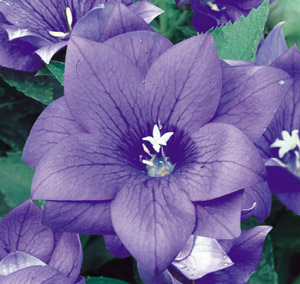
Botanical Name: Platycodon grandiflorus 'Double Blue'
Plant Type: Hardy perennial
Height: 20–30 inches
Spread: 15–20 inches
Flower Color: Double violet-blue
Bloom Season: Early summer through midsummer
Sun Requirements: Full sun to partial shade
Soil Requirements: Fertile, well-drained soil
Water Needs: Moderate; prefers evenly moist soil
Hardiness: USDA Zones 3–8
Cut Flower Quality: Excellent
Vase Life: 7–10 days
Stem Length: 18–28 inches
Fresh Bouquet Use: Excellent
Dry Flower Use: Poor
Double Blue Balloon Flower combines unusual balloon-like buds, richly colored double blooms, and dependable perennial performance into one outstanding garden flower. Its sturdy stems, excellent vase life, and elegant blossoms make Platycodon grandiflorus 'Double Blue' an excellent addition to cutting gardens, providing years of beautiful bouquets with very little maintenance.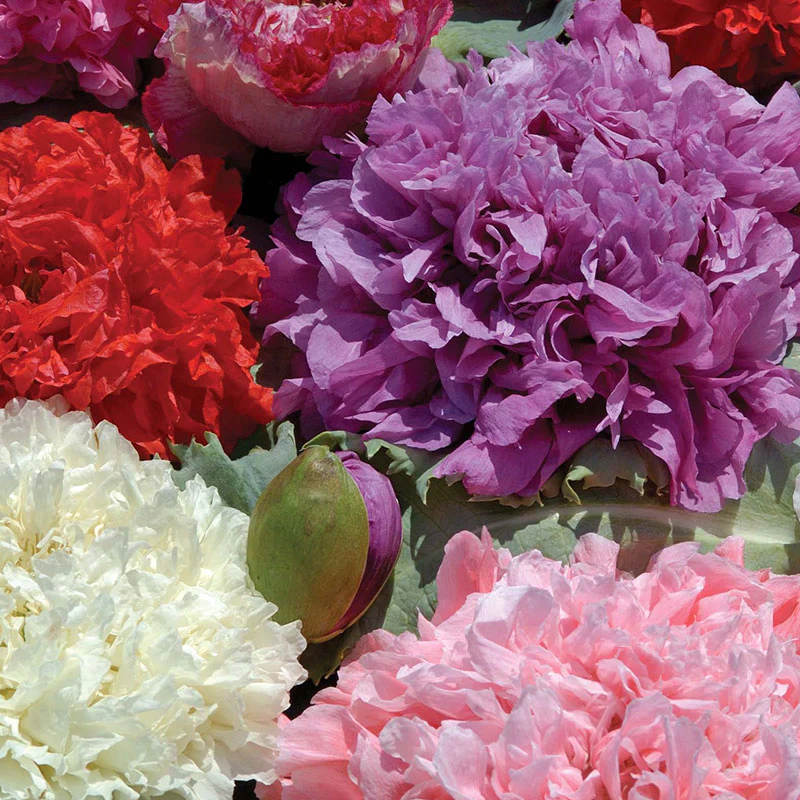
Botanical Name: Papaver somniferum 'Double Mix'
Plant Type: Annual
Height: 30–42 inches
Spread: 12–18 inches
Flower Color: Mixed shades of scarlet, rose, pink, salmon, lavender, mauve, and white
Bloom Season: Late spring through early summer
Sun Requirements: Full sun
Soil Requirements: Well-drained soil; adaptable to most garden soils
Water Needs: Moderate; drought tolerant once established
Hardiness: Grown as an annual
Cut Flower Quality: Excellent
Vase Life: 5–7 days (flowers); seed pods are long lasting
Stem Length: 24–36 inches
Fresh Bouquet Use: Excellent
Dry Flower Use: Outstanding (seed pods)
Double Mix Breadseed Poppy offers exceptional value to cutting gardeners by providing two distinct harvests from a single planting. The luxurious double blooms create unforgettable spring bouquets, while the sculptural seed pods remain favorites for fresh and everlasting floral arrangements. Papaver somniferum 'Double Mix' is a classic choice for gardeners who appreciate flowers that continue providing beauty long after the petals have fallen.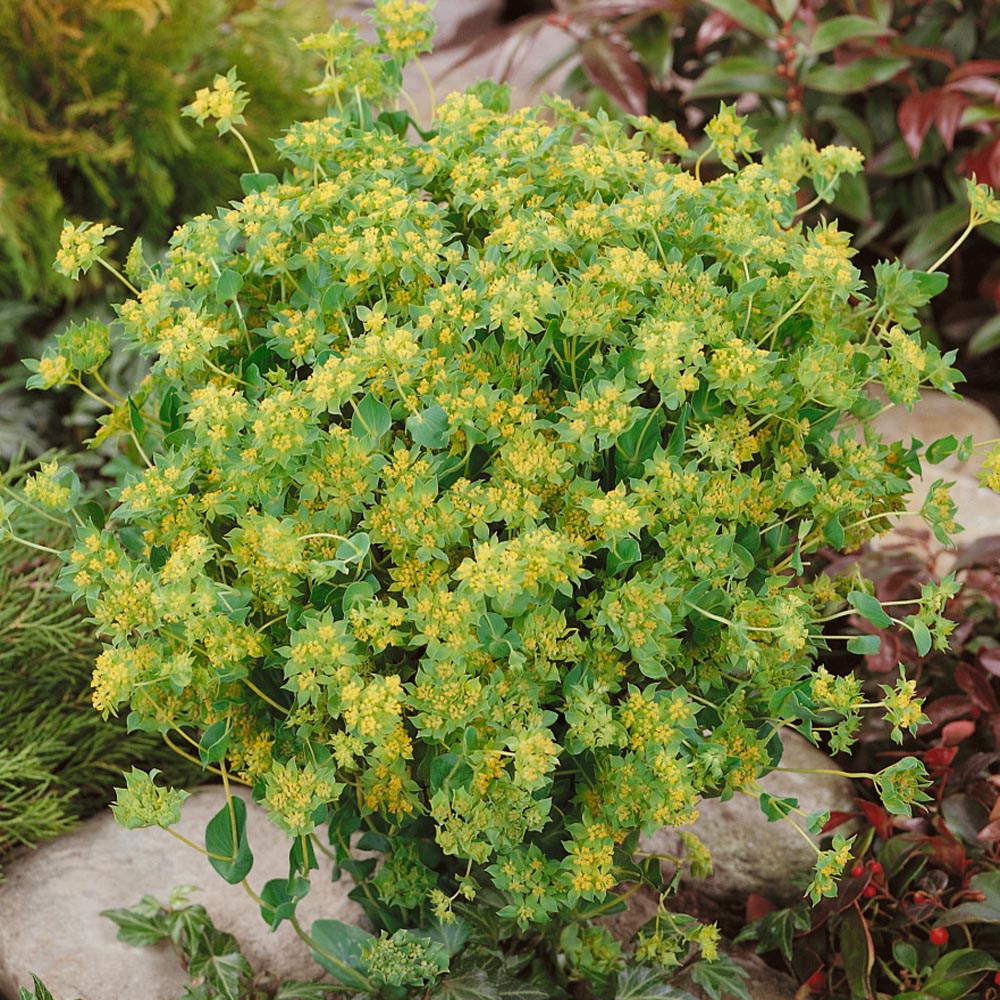
Botanical Name: Bupleurum griffithii
Plant Type: Annual
Height: 30–48 inches
Spread: 12–18 inches
Flower/Foliage Color: Lime green with blue-green foliage
Harvest Season: Early summer through late summer
Sun Requirements: Full sun
Soil Requirements: Fertile, well-drained soil
Water Needs: Moderate; prefers evenly moist soil
Hardiness: Grown as an annual
Cut Flower Quality: Outstanding Filler
Vase Life: 10–14 days
Stem Length: 24–40 inches
Fresh Bouquet Use: Outstanding
Dry Flower Use: Good
Hare's Ear Bupleurum has earned its reputation as one of the indispensable foliage plants of the floral industry, prized for its graceful branching stems, fresh green color, and exceptional versatility in bouquet design. Whether softening romantic wedding arrangements or adding natural texture to garden-inspired bouquets, Bupleurum griffithii is an essential addition to every cutting garden and one of the finest florist fillers available.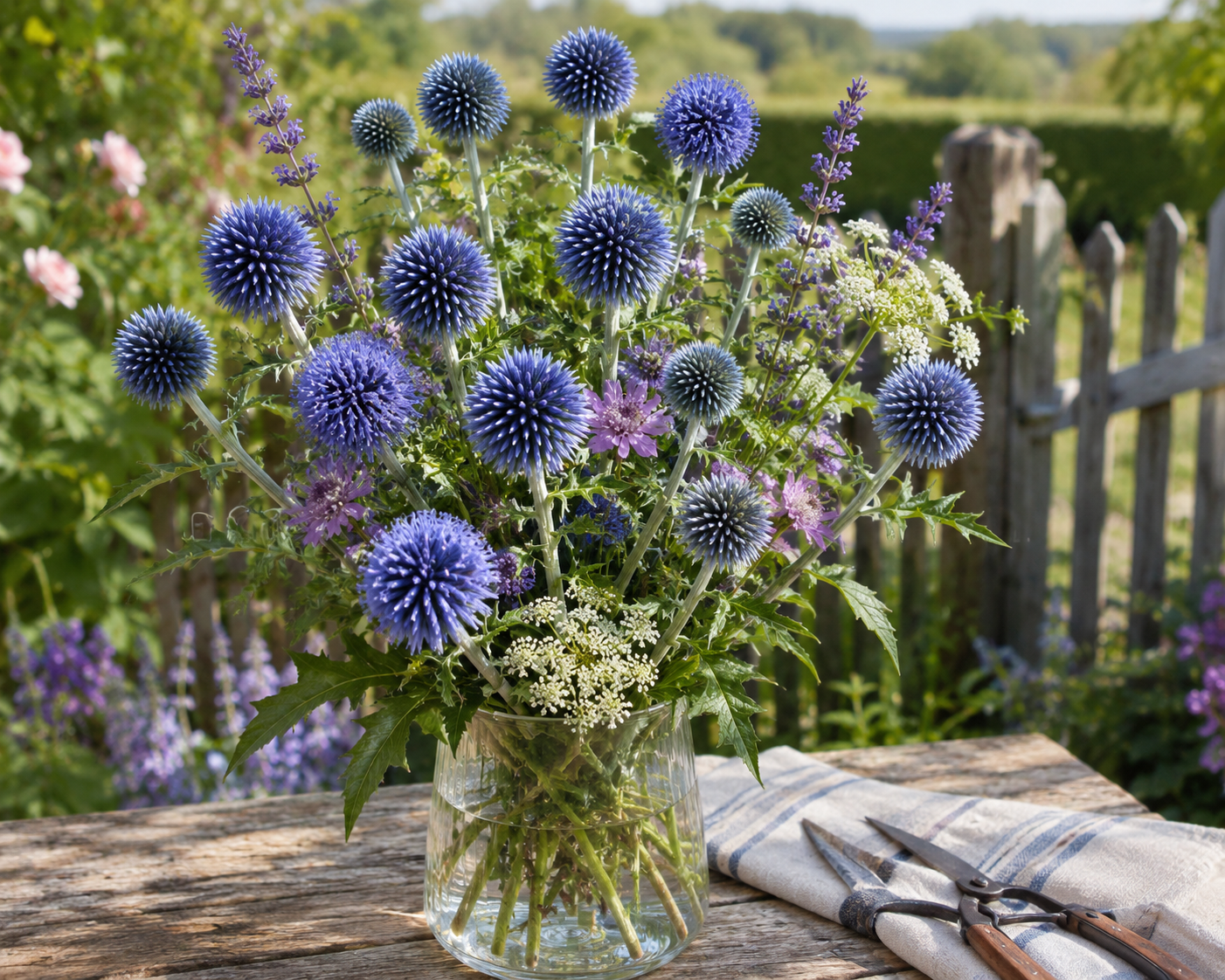
Botanical Name: Echinops ritro
Plant Type: Hardy perennial
Height: 36–48 inches
Spread: 18–24 inches
Flower Color: Metallic steel-blue
Bloom Season: Midsummer through early fall
Sun Requirements: Full sun
Soil Requirements: Well-drained soil; thrives in average, sandy, and rocky soils
Water Needs: Low; highly drought tolerant once established
Hardiness: USDA Zones 3–8
Cut Flower Quality: Outstanding
Vase Life: 10–14 days
Stem Length: 24–40 inches
Fresh Bouquet Use: Outstanding
Dry Flower Use: Outstanding
Blue Globe Thistle is one of the signature architectural flowers of the cutting garden, admired for its perfectly rounded blue blooms, exceptional stem quality, and remarkable versatility in both fresh and dried arrangements. Whether featured in contemporary floral designs, rustic farmhouse bouquets, or everlasting wreaths, Echinops ritro remains an indispensable choice for gardeners seeking professional florist-quality flowers with lasting beauty.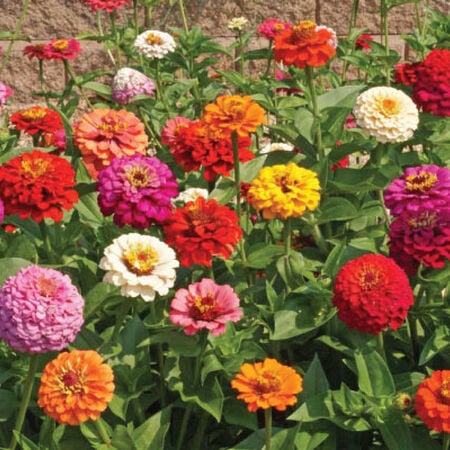
Botanical Name: Zinnia elegans 'Cut and Come Again'
Plant Type: Annual
Height: 30–40 inches
Spread: 18–24 inches
Flower Color: Mixed shades of scarlet, crimson, orange, pink, rose, yellow, white, lavender, and purple
Bloom Season: Early summer until frost
Sun Requirements: Full sun
Soil Requirements: Well-drained soil; adaptable to most garden soils
Water Needs: Moderate; drought tolerant once established
Hardiness: Grown as an annual
Cut Flower Quality: Outstanding
Vase Life: 7–10 days
Stem Length: 24–36 inches
Fresh Bouquet Use: Outstanding
Dry Flower Use: Fair
Cut and Come Again has earned its place as one of the legendary flowers of the cutting garden. Its remarkable ability to produce even more blooms after each harvest, combined with brilliant colors, sturdy stems, and dependable vase life, makes Zinnia elegans 'Cut and Come Again' an essential variety for gardeners seeking continuous bouquets from summer until frost. Few flowers offer more beauty or greater value in the cutting garden.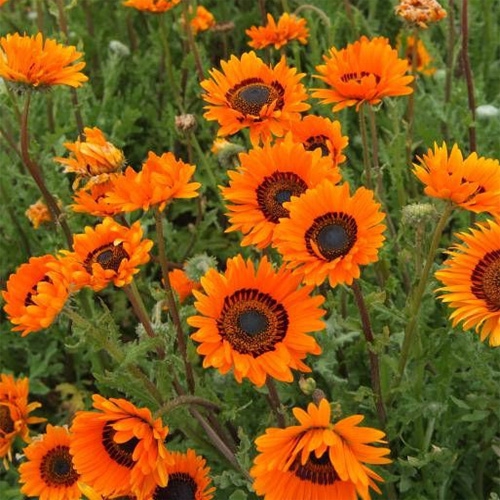
Botanical Name: Venidium fastuosum 'Orange'
Plant Type: Annual
Height: 24–36 inches
Spread: 12–18 inches
Flower Color: Brilliant orange with dark centers and golden halo
Bloom Season: Late spring through summer
Sun Requirements: Full sun
Soil Requirements: Well-drained soil; adaptable to most garden soils
Water Needs: Low to moderate; drought tolerant once established
Hardiness: Grown as an annual
Cut Flower Quality: Excellent
Vase Life: 7–10 days
Stem Length: 20–30 inches
Fresh Bouquet Use: Excellent
Dry Flower Use: Poor
Orange Monarch of the Veldt combines brilliant color, sturdy stems, and dependable vase life into one outstanding cutting flower. Its dramatic blooms bring bold South African beauty to bouquets and garden borders alike, making Venidium fastuosum an excellent choice for gardeners who enjoy harvesting vibrant, long-lasting flowers throughout the summer.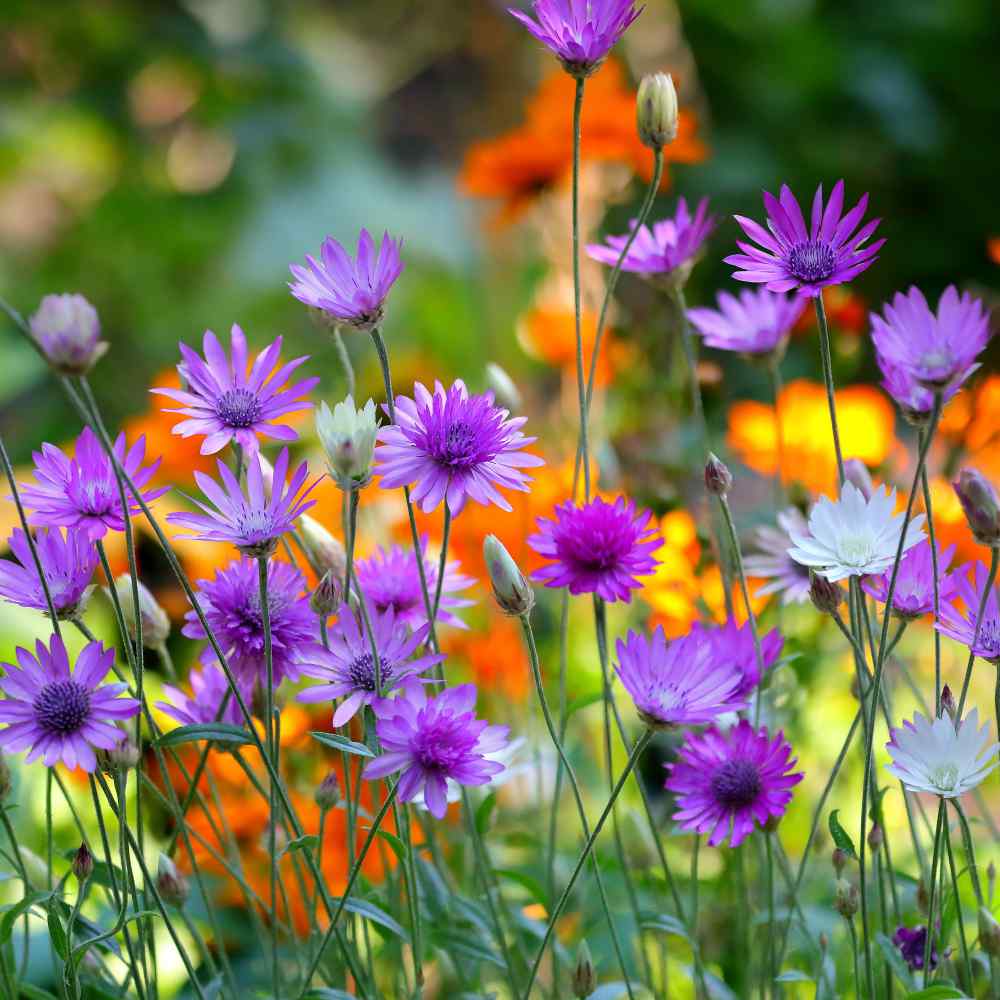
Botanical Name: Xeranthemum annuum
Plant Type: Annual
Height: 24–36 inches
Spread: 10–15 inches
Flower Color: Mixed shades of white, pink, rose, lavender, purple, crimson, and yellow
Bloom Season: Early summer through late summer
Sun Requirements: Full sun
Soil Requirements: Well-drained soil; thrives in average to sandy soils
Water Needs: Low to moderate; drought tolerant once established
Hardiness: Grown as an annual
Cut Flower Quality: Outstanding
Vase Life: 7–10 days (fresh)
Stem Length: 20–30 inches
Fresh Bouquet Use: Outstanding
Dry Flower Use: Outstanding
Immortelle Mix has been cherished for generations as one of the world's finest everlasting flowers, combining brilliant color, graceful stems, and exceptional drying qualities. Whether enjoyed fresh in summer bouquets or preserved for everlasting wreaths and floral arrangements, Xeranthemum annuum remains an indispensable flower for gardeners who appreciate beauty that lasts well beyond the growing season.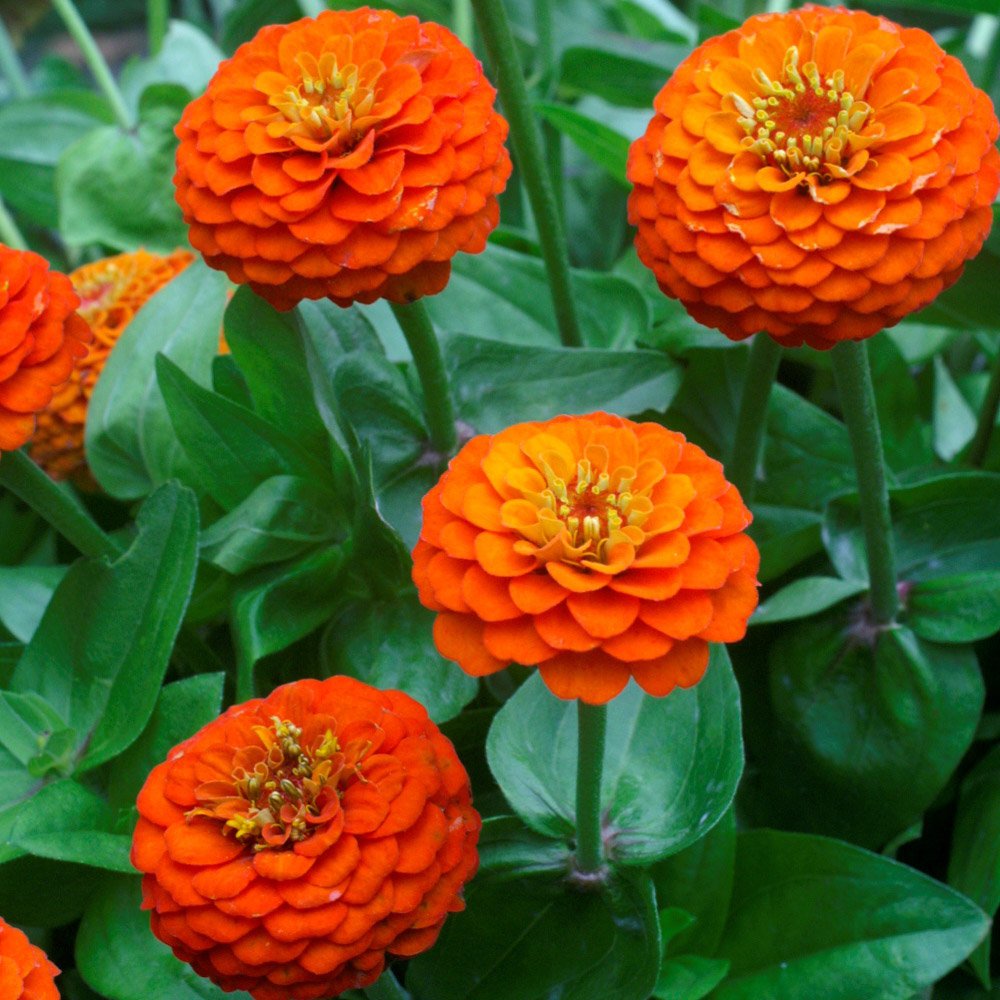
Botanical Name: Zinnia elegans 'Lilliput Orange'
Plant Type: Annual
Height: 24–30 inches
Spread: 12–18 inches
Flower Color: Brilliant orange
Bloom Season: Early summer until frost
Sun Requirements: Full sun
Soil Requirements: Well-drained soil; adaptable to most garden soils
Water Needs: Moderate; drought tolerant once established
Hardiness: Grown as an annual
Cut Flower Quality: Excellent
Vase Life: 7–10 days
Stem Length: 18–24 inches
Fresh Bouquet Use: Excellent
Dry Flower Use: Fair
Lilliput Orange proves that outstanding cut flowers don't have to be giant blooms. Its perfectly rounded double flowers, brilliant color, exceptional branching habit, and continuous flowering make Zinnia elegans 'Lilliput Orange' an excellent choice for gardeners who appreciate abundant bouquets filled with vibrant, long-lasting blooms from summer until frost.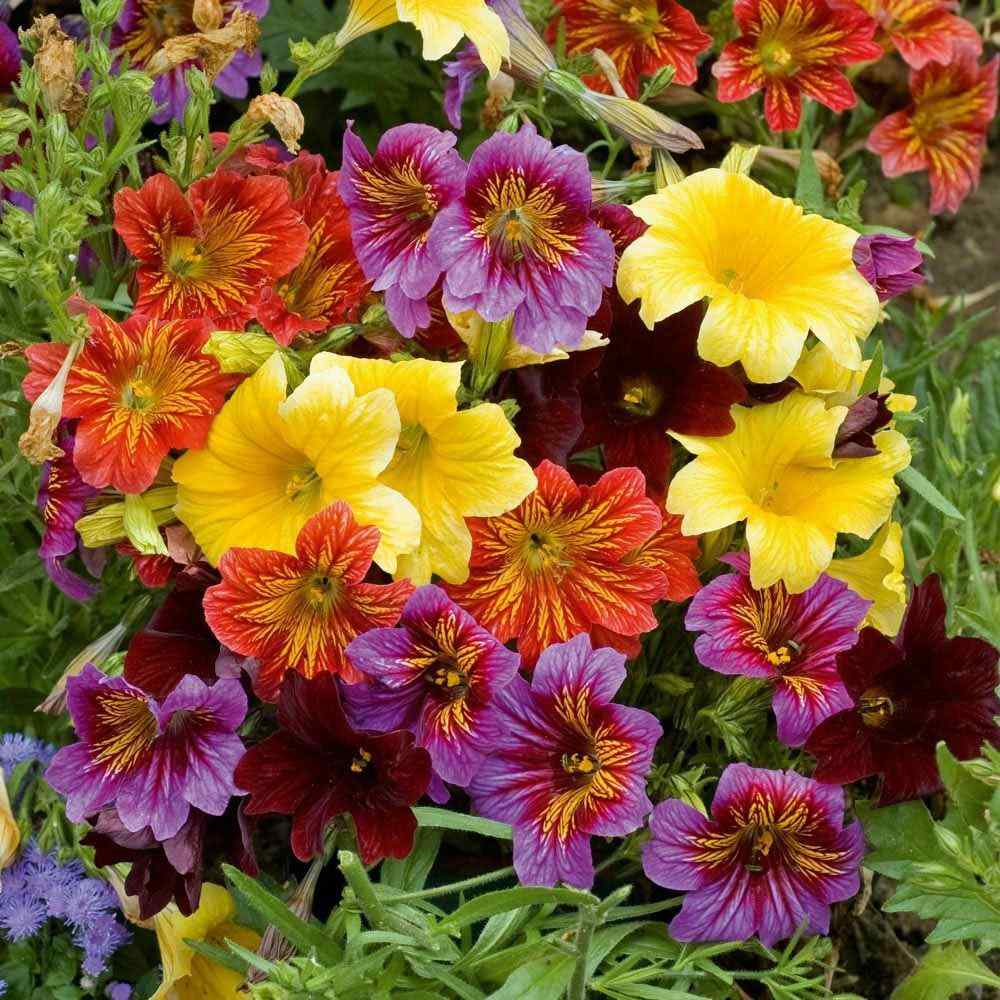
Botanical Name: Salpiglossis sinuata
Plant Type: Annual
Height: 24–36 inches
Spread: 12–18 inches
Flower Color: Mixed shades of crimson, purple, blue, gold, rose, mahogany, cream, and yellow with intricate veining
Bloom Season: Early summer until frost
Sun Requirements: Full sun to light afternoon shade in hot climates
Soil Requirements: Fertile, well-drained soil
Water Needs: Moderate; prefers evenly moist soil
Hardiness: Grown as an annual
Cut Flower Quality: Excellent
Vase Life: 7–10 days
Stem Length: 20–30 inches
Fresh Bouquet Use: Excellent
Dry Flower Use: Poor
Painted Tongue is one of the most distinctive flowers in the cutting garden, admired for its luxurious velvet-like petals, intricate hand-painted patterns, and exceptional bouquet quality. Its long stems and jewel-toned blossoms make Salpiglossis sinuata an outstanding choice for gardeners who enjoy creating elegant floral arrangements filled with unusual color, texture, and old-fashioned charm.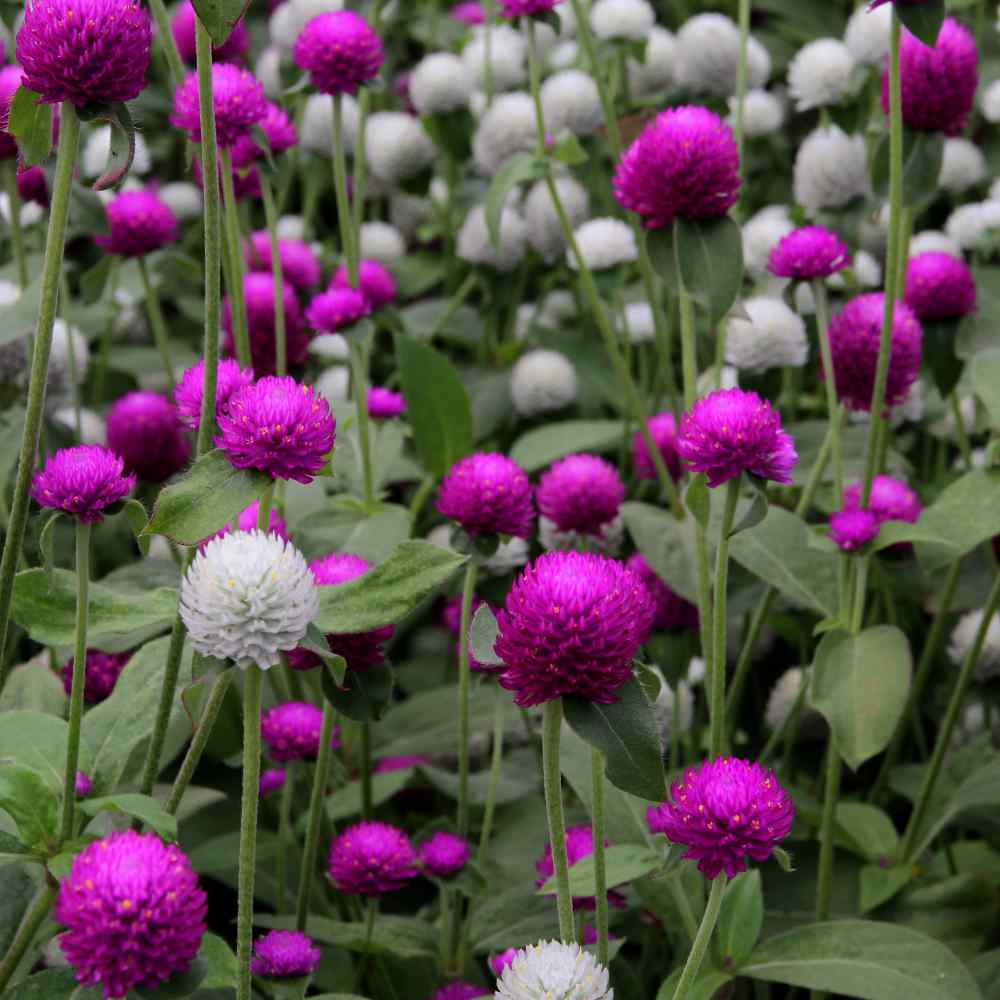
Botanical Name: Gomphrena globosa 'Globosa Mix'
Plant Type: Annual
Height: 18–24 inches
Spread: 12–18 inches
Flower Color: Purple, rose, crimson, pink, lavender, white, magenta, and bicolors
Bloom Season: Early summer until frost
Sun Requirements: Full sun
Soil Requirements: Well-drained soil; adaptable to most garden soils
Water Needs: Low to moderate; drought tolerant once established
Hardiness: Grown as an annual
Cut Flower Quality: Outstanding
Vase Life: 10–14 days
Stem Length: 16–24 inches
Fresh Bouquet Use: Outstanding
Dry Flower Use: Outstanding
Globosa Mix Gomphrena has earned its reputation as one of the finest everlasting flowers available, admired for its nonstop bloom production, exceptional color retention, and remarkable versatility in both fresh and dried arrangements. Whether brightening cheerful summer bouquets or preserved in everlasting wreaths and floral displays, Gomphrena globosa 'Globosa Mix' is an essential addition to every cutting garden and one of the most rewarding flowers a gardener can grow.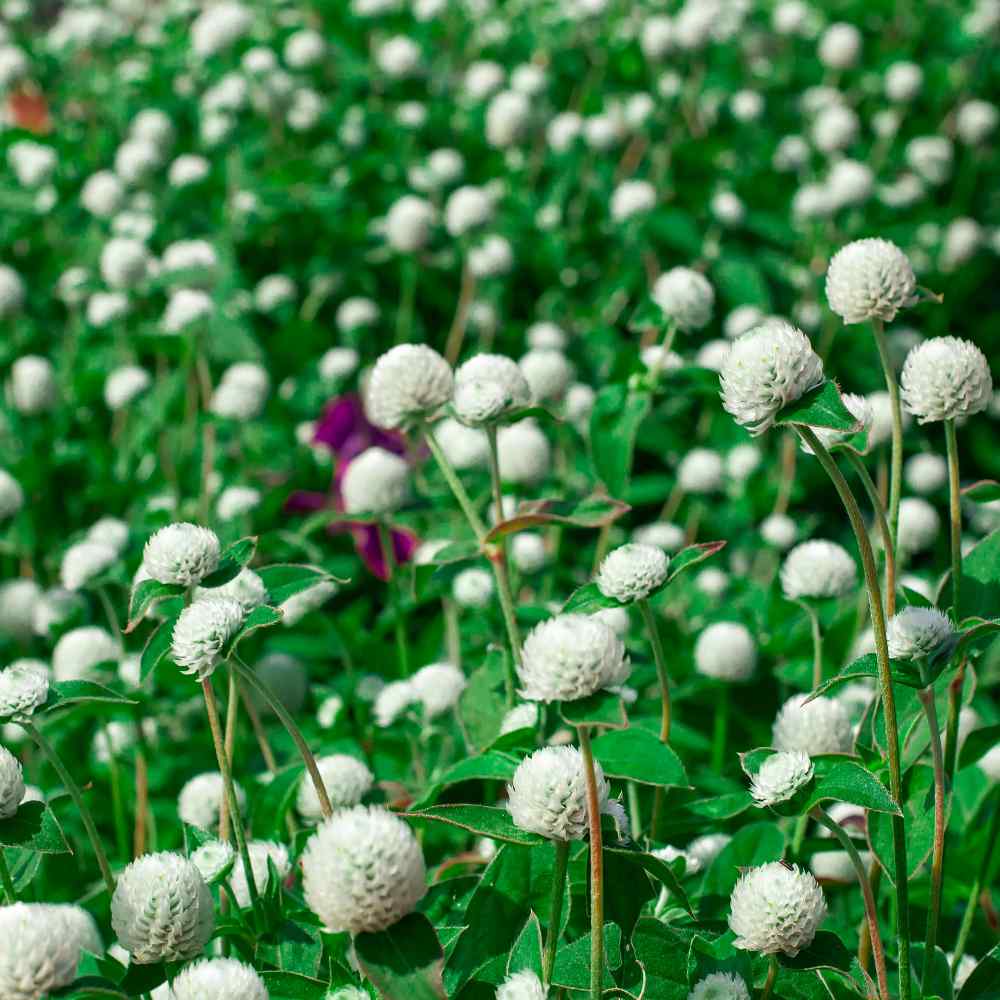
Botanical Name: Gomphrena globosa 'Very White'
Plant Type: Annual
Height: 18–24 inches
Spread: 12–18 inches
Flower Color: Pure white
Bloom Season: Early summer until frost
Sun Requirements: Full sun
Soil Requirements: Well-drained soil; adaptable to most garden soils
Water Needs: Low to moderate; drought tolerant once established
Hardiness: Grown as an annual
Cut Flower Quality: Outstanding
Vase Life: 10–14 days
Stem Length: 18–24 inches
Fresh Bouquet Use: Outstanding
Dry Flower Use: Outstanding
Very White Gomphrena combines nonstop flowering, exceptional stem production, and brilliant white everlasting blooms into one outstanding cutting flower. Its remarkable ability to retain both color and form after drying makes Gomphrena globosa 'Very White' an essential addition to every cutting garden, providing elegant bouquets and everlasting floral displays that can be enjoyed long after the growing season has ended.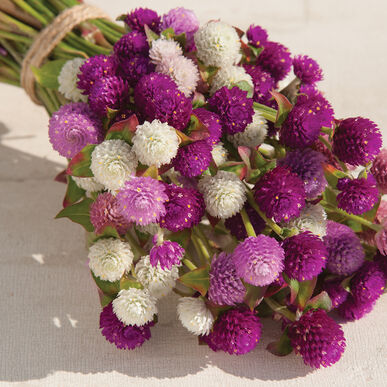
Botanical Name: Gomphrena globosa 'QIS Mix'
Plant Type: Annual
Height: 24–30 inches
Spread: 12–18 inches
Flower Color: Mixed shades of purple, magenta, rose, crimson, pink, lavender, white, and bicolors
Bloom Season: Early summer until frost
Sun Requirements: Full sun
Soil Requirements: Well-drained soil; adaptable to most garden soils
Water Needs: Low to moderate; drought tolerant once established
Hardiness: Grown as an annual
Cut Flower Quality: Outstanding
Vase Life: 10–14 days
Stem Length: 20–28 inches
Fresh Bouquet Use: Outstanding
Dry Flower Use: Outstanding
QIS Mix represents the professional standard for cut flower Gomphrena, combining superior stem length, exceptional bloom quality, and remarkable color retention in both fresh and dried arrangements. Bred specifically for flower farmers and florists, Gomphrena globosa 'QIS Mix' is an indispensable choice for gardeners seeking premium everlasting flowers with professional bouquet performance.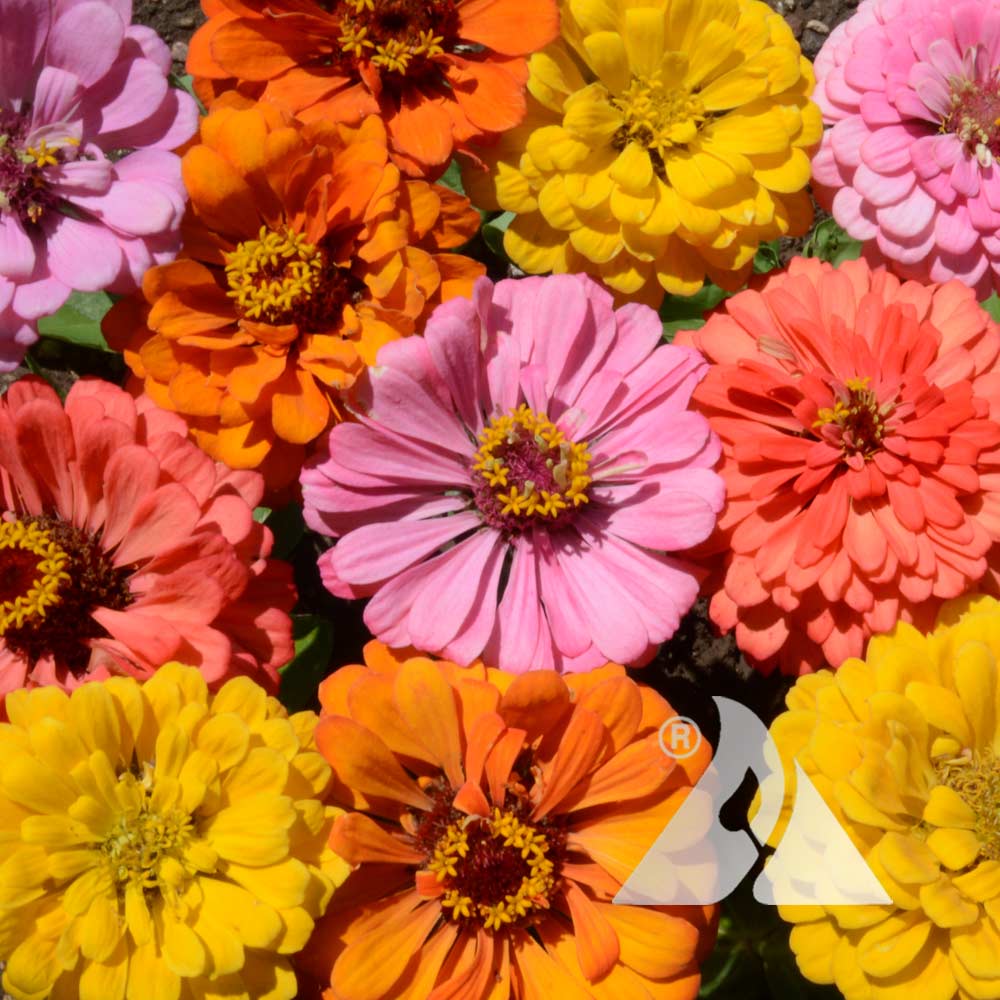
Botanical Name: Zinnia elegans 'Peach Cobbler Mix'
Plant Type: Annual
Height: 30–40 inches
Spread: 18–24 inches
Flower Color: Peach, apricot, coral, salmon, soft orange, cream, buttery yellow, and blush
Bloom Season: Early summer until frost
Sun Requirements: Full sun
Soil Requirements: Well-drained soil; adaptable to most garden soils
Water Needs: Moderate; drought tolerant once established
Hardiness: Grown as an annual
Cut Flower Quality: Outstanding
Vase Life: 7–10 days
Stem Length: 24–36 inches
Fresh Bouquet Use: Outstanding
Dry Flower Use: Fair
Peach Cobbler Mix captures the warm, romantic colors that have become the hallmark of today's cutting gardens. Its premium florist-quality blooms, outstanding productivity, and beautiful sunset-inspired palette make Zinnia elegans 'Peach Cobbler Mix' an exceptional choice for gardeners who enjoy harvesting armloads of elegant bouquets from summer until frost.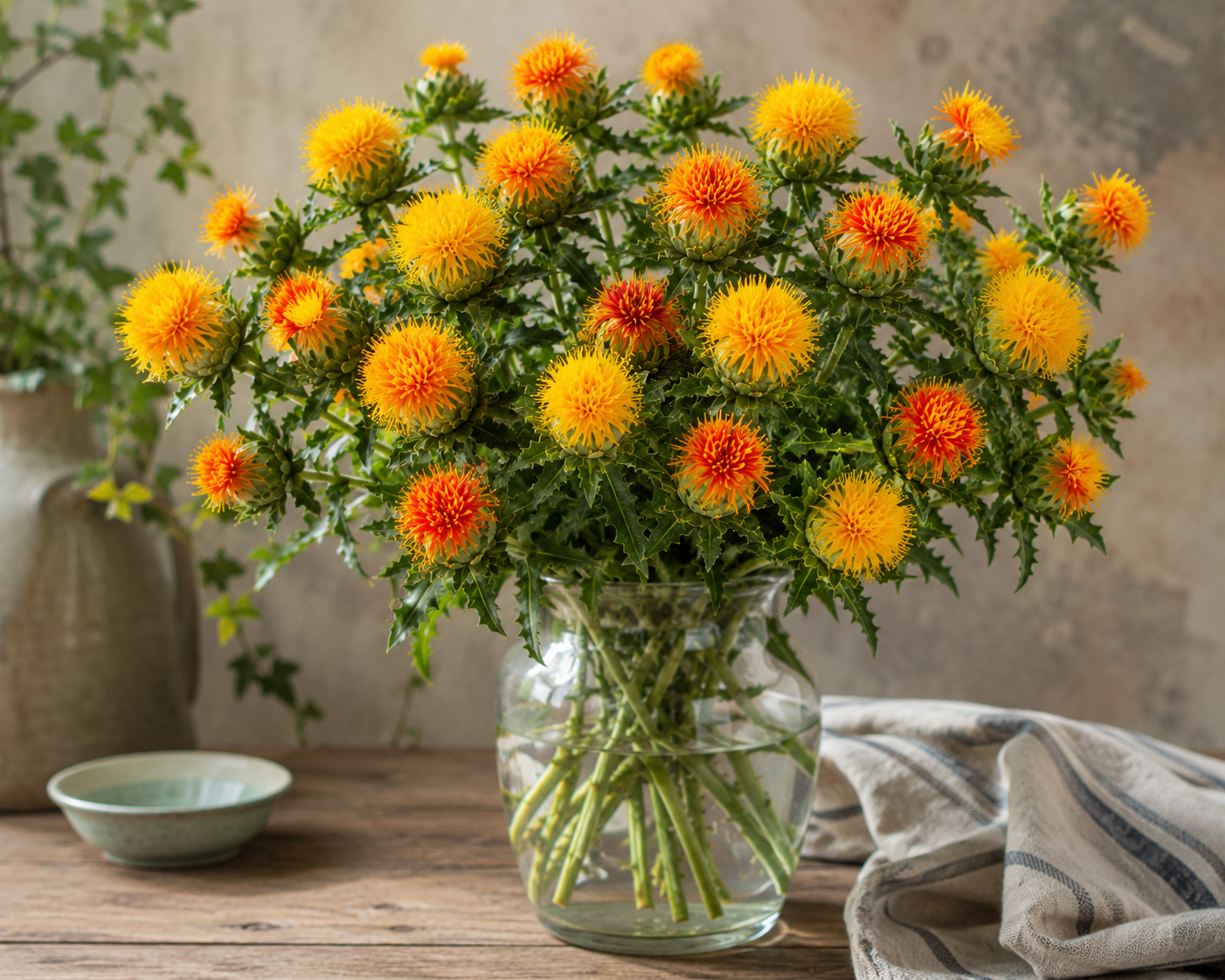
Botanical Name: Carthamus tinctorius
Plant Type: Annual
Height: 30–48 inches
Spread: 12–18 inches
Flower Color: Golden yellow, orange, and fiery orange-red
Bloom Season: Midsummer through late summer
Sun Requirements: Full sun
Soil Requirements: Well-drained soil; thrives in average, sandy, and poor soils
Water Needs: Low; highly drought tolerant once established
Hardiness: Grown as an annual
Cut Flower Quality: Outstanding
Vase Life: 10–14 days
Stem Length: 24–40 inches
Fresh Bouquet Use: Outstanding
Dry Flower Use: Outstanding
Safflower has been cultivated for more than 4,000 years as both an ornamental and useful plant, prized for its brilliant blooms, exceptional drought tolerance, and outstanding performance in fresh and dried arrangements. Its distinctive flowers and remarkable versatility make Carthamus tinctorius an essential addition to cutting gardens, where it provides professional-quality stems and lasting beauty throughout the floral season.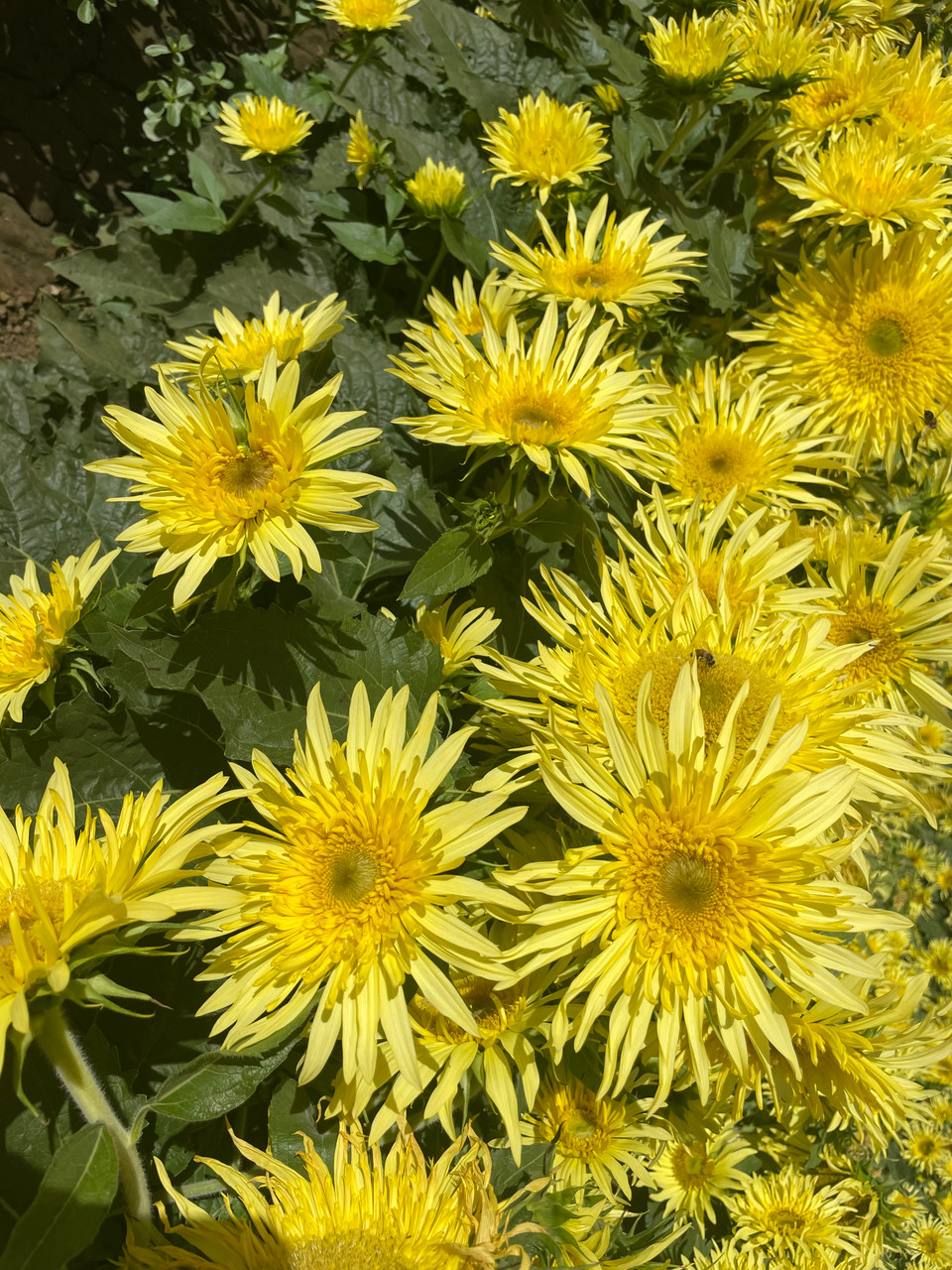
Botanical Name: Helianthus annuus
Plant Type: Annual
Height: 5–6 feet
Spread: 18–24 inches
Flower Size: 4–6 inches
Flower Color: Soft lemon yellow with dark chocolate center
Bloom Season: Summer through early fall
Sun Requirements: Full sun
Growing Difficulty: Easy
Uses: Fresh cut flowers, bouquets, borders, pollinator gardens, market farming, wedding arrangements
Lemon Cutie F1 is one of the finest branching sunflowers for premium cut flower production. The soft pastel yellow blooms combine exceptionally well with nearly every flower color, making them highly desirable for florist work and mixed bouquet production. Regular harvesting encourages continuous blooming, allowing each plant to produce an impressive succession of elegant stems throughout the growing season.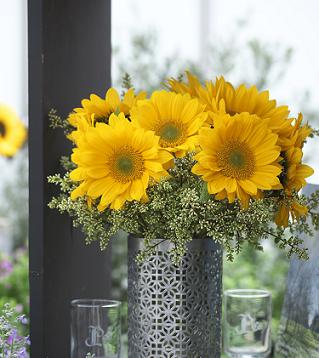
Botanical Name: Helianthus annuus
Plant Type: Annual
Height: 5–6 feet
Spread: 12–18 inches
Flower Size: 5–7 inches
Flower Color: Golden yellow with dark brown center
Bloom Season: Summer through early fall
Sun Requirements: Full sun
Growing Difficulty: Easy
Uses: Fresh cut flowers, florist production, bouquets, wedding flowers, market farming, cutting gardens
Sunrich Gold Summer has become a worldwide standard for professional cut flower sunflower production. Its pollen-free blooms, remarkable uniformity, and excellent vase life make it one of the finest florist sunflowers available. For growers seeking premium-quality stems with dependable performance and brilliant color, few varieties can match the consistent excellence of Sunrich Gold Summer.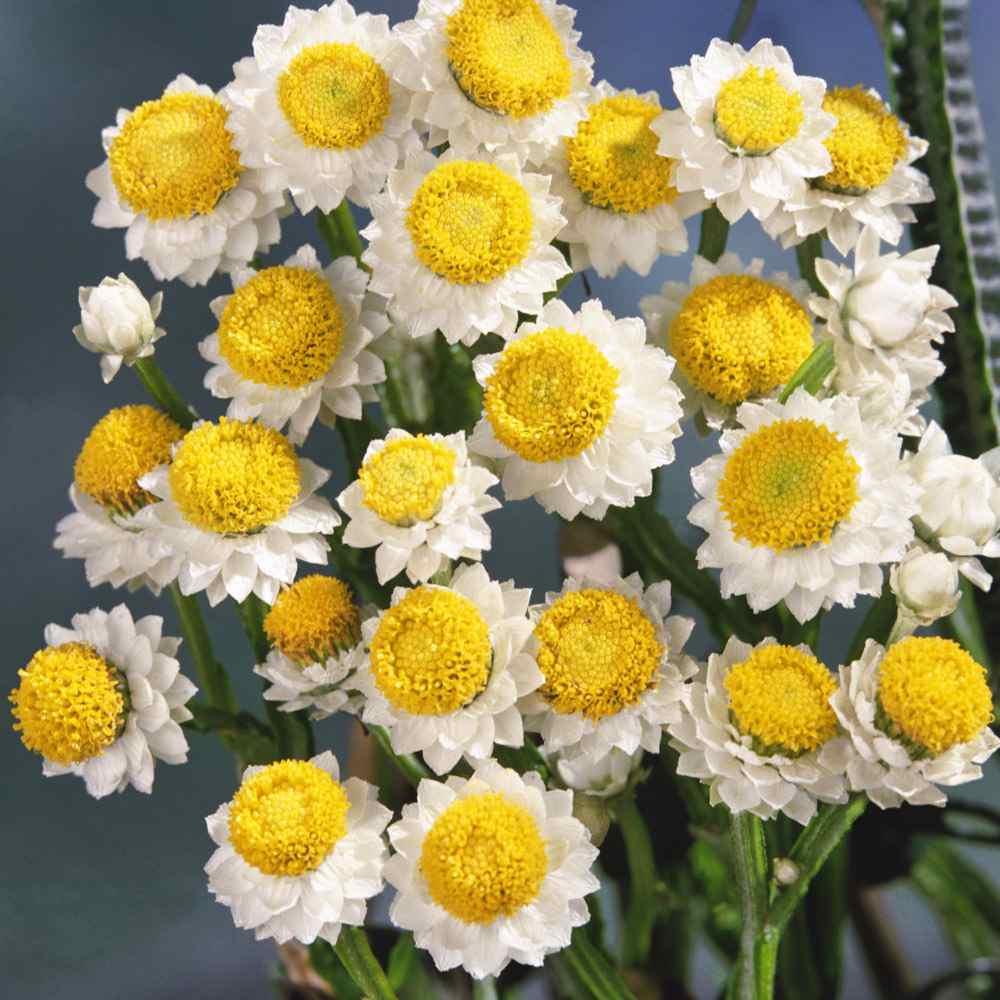
Botanical Name: Ammobium alatum 'Grandiflorum'
Plant Type: Annual
Height: 24–36 inches
Spread: 12–18 inches
Flower Color: Pure white with golden yellow centers
Bloom Season: Early summer through late summer
Sun Requirements: Full sun
Soil Requirements: Well-drained soil; adaptable to most garden soils
Water Needs: Low to moderate; drought tolerant once established
Hardiness: Grown as an annual
Cut Flower Quality: Outstanding
Vase Life: 10–14 days
Stem Length: 24–36 inches
Fresh Bouquet Use: Outstanding
Dry Flower Use: Outstanding
Winged Everlasting has remained one of the classic flowers of the cutting garden for generations, admired for its crisp white blooms, exceptional vase life, and unmatched drying qualities. Whether enjoyed in fresh summer bouquets or preserved in everlasting wreaths and arrangements, Ammobium alatum 'Grandiflorum' is an indispensable addition to every cutting garden and one of the finest everlasting flowers a gardener can grow.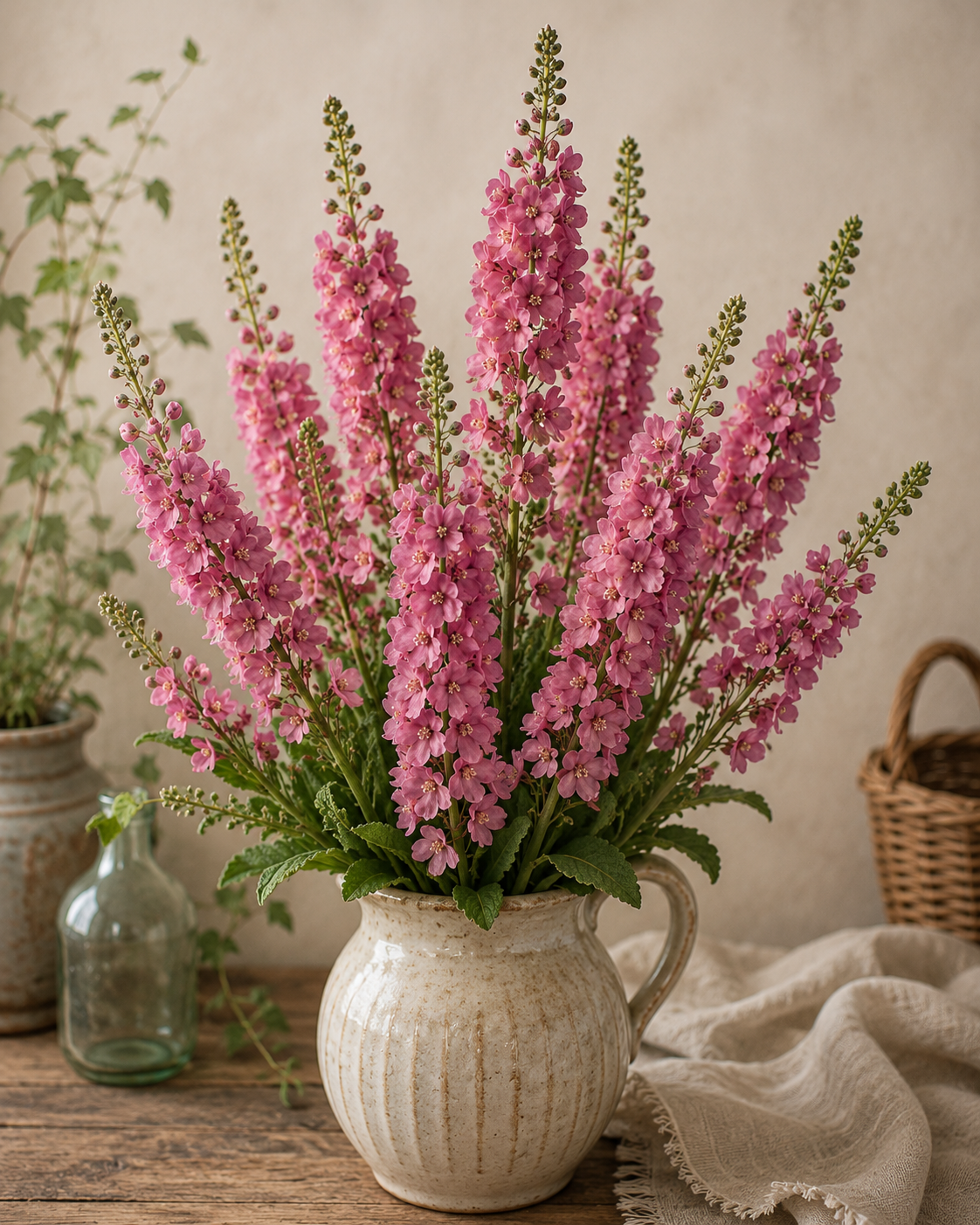
Botanical Name: Verbascum phoeniceum
Plant Type: Hardy Perennial
Height: 24–36 inches
Spread: 12–18 inches
Flower Color: Soft antique rose-pink
Bloom Season: Late spring through summer
Sun Requirements: Full sun
Growing Difficulty: Easy
Uses: Fresh cut flowers, cottage gardens, perennial borders, pollinator gardens, market bouquets, naturalistic floral arrangements
Antique Rose is one of the finest perennial verbascums for specialty cut flower production. Its graceful flower spikes add height, texture, and soft color to bouquets without dominating the arrangement. Combined with its extended bloom period, dependable garden performance, and strong pollinator value, it is an outstanding choice for both home cutting gardens and professional flower growers seeking elegant vertical accents.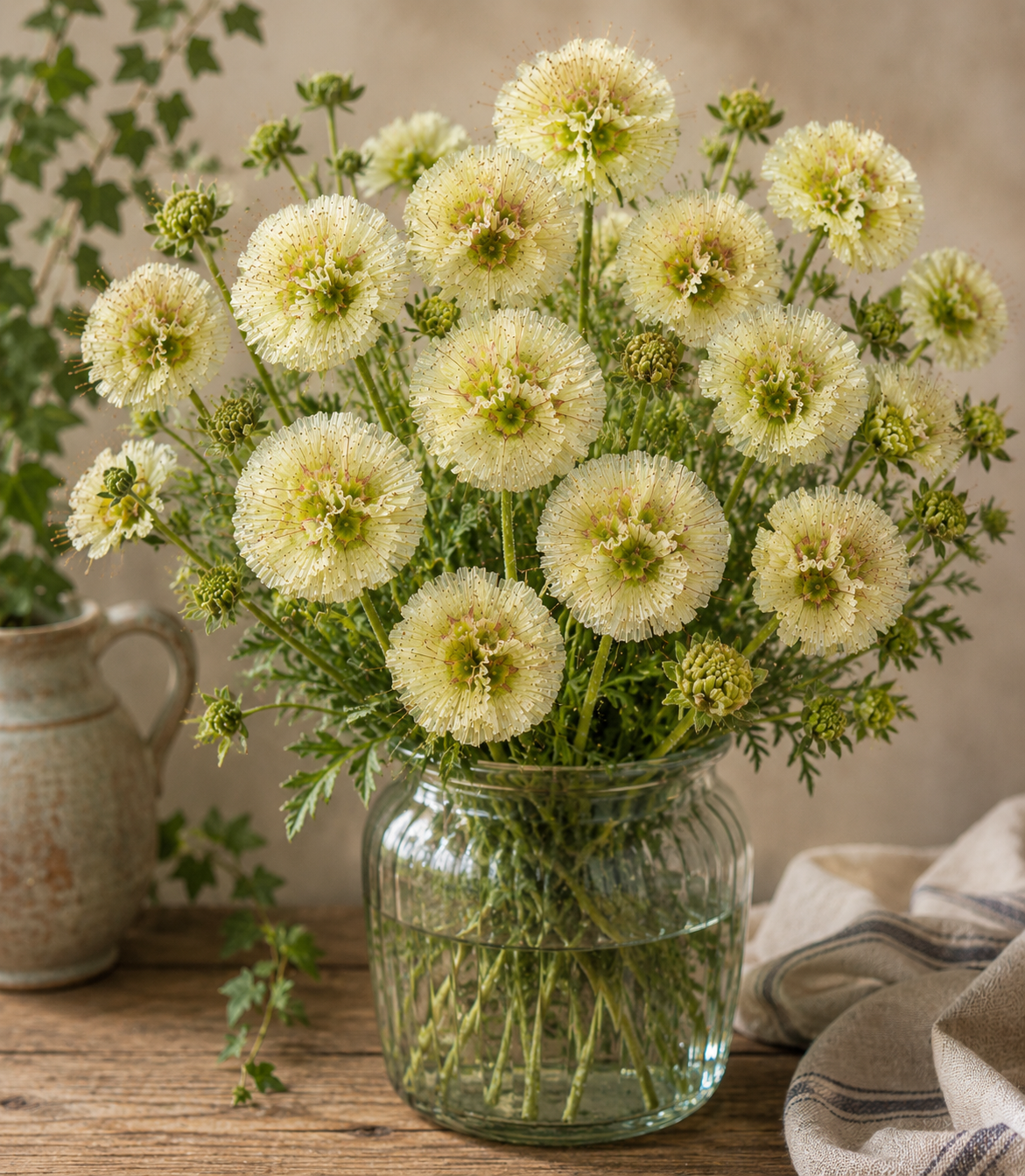
Botanical Name: Scabiosa stellata
Plant Type: Annual
Height: 24–36 inches
Spread: 12–18 inches
Flower Color: Lavender-blue followed by tan to silvery ornamental seed heads
Bloom Season: Summer through early fall
Sun Requirements: Full sun
Growing Difficulty: Easy
Uses: Fresh cut flowers, dried flowers, ornamental seed pods, everlasting arrangements, wedding bouquets, market farming, pollinator gardens
Ping Pong Scabiosa offers two harvests from a single planting—beautiful flowers followed by some of the most distinctive ornamental seed heads available for floral design. Few plants provide such versatility for both fresh and dried arrangements, making this variety an indispensable addition to any serious cutting garden and one of the premier selections for the Seedman Dry Flower Collection.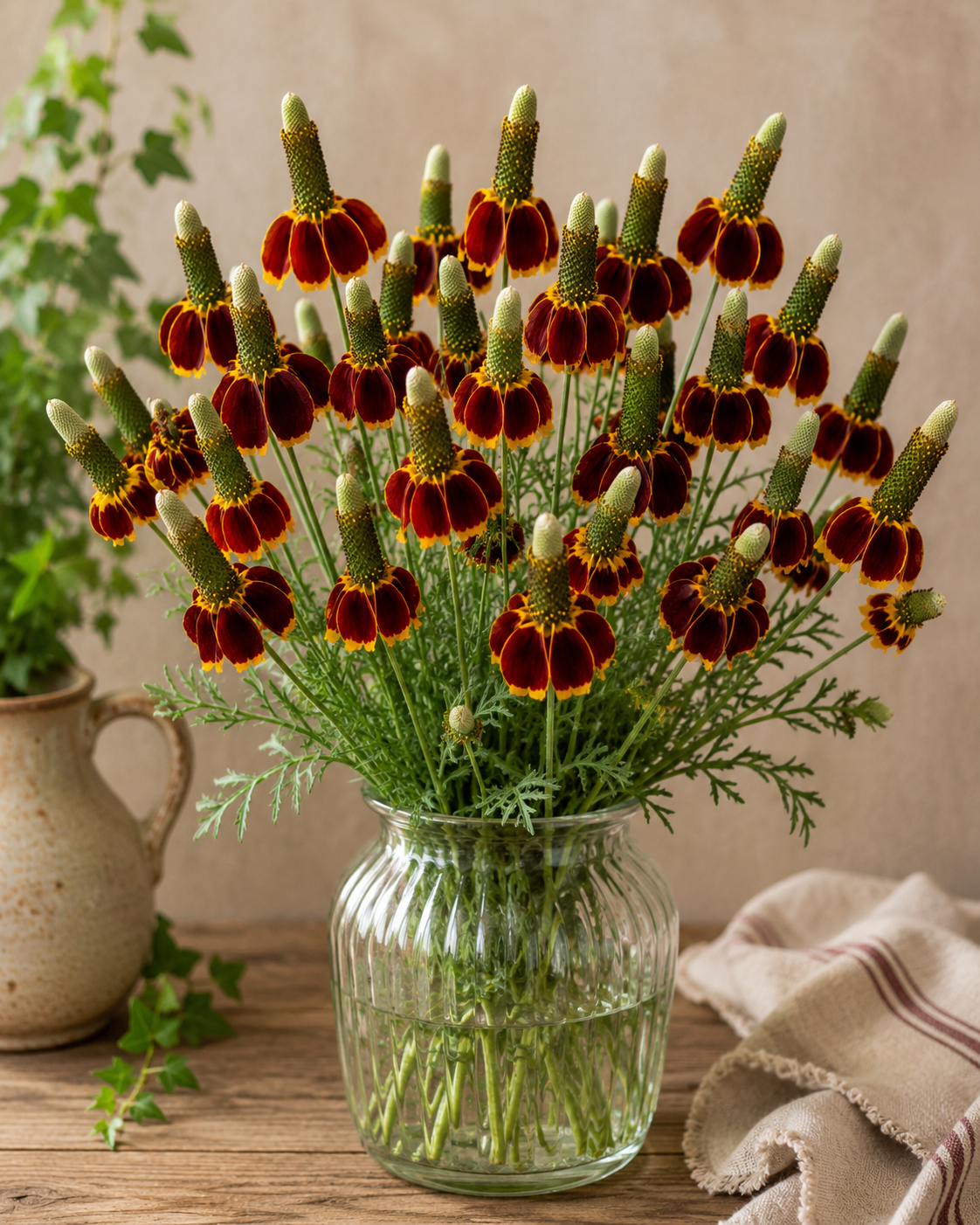
Botanical Name: Ratibida columnifera
Plant Type: Hardy Perennial (often grown as a self-seeding perennial or short-lived perennial depending on climate)
Height: 24–36 inches
Spread: 12–18 inches
Flower Color: Mahogany-red petals with yellow edges surrounding a prominent brown central cone
Bloom Season: Early summer through fall
Sun Requirements: Full sun
Growing Difficulty: Easy
Uses: Fresh cut flowers, prairie bouquets, native gardens, pollinator gardens, rustic floral arrangements, dried seed heads, xeriscaping
Mexican Hat is one of North America's finest native wildflowers for naturalistic bouquet work. Its whimsical flower shape, long blooming season, and exceptional tolerance of heat and drought make it a dependable producer of unique cut stems throughout the summer. The decorative seed heads add further interest after flowering, making this variety equally valuable for fresh arrangements and late-season dried floral creations.
Botanical Name: Helipterum roseum
Plant Type: Annual
Height: 18–24 inches
Spread: 10–12 inches
Flower Size: 1–2 inches
Flower Color: Rosy-red with bright golden-yellow center
Bloom Season: Summer through early fall
Sun Requirements: Full sun
Growing Difficulty: Easy
Uses: Fresh cut flowers, dried flowers, everlasting bouquets, wreaths, floral crafts, cottage gardens, pollinator gardens
Rosy Red Pierrot is one of the classic everlasting flowers that has remained popular with gardeners and florists for generations. Its brilliant rosy-red blooms dry beautifully while retaining their shape and color, making it one of the finest choices for permanent floral arrangements. Whether enjoyed fresh in bouquets or preserved for years in dried displays, this dependable paper daisy is an indispensable addition to any cutting or everlasting flower garden.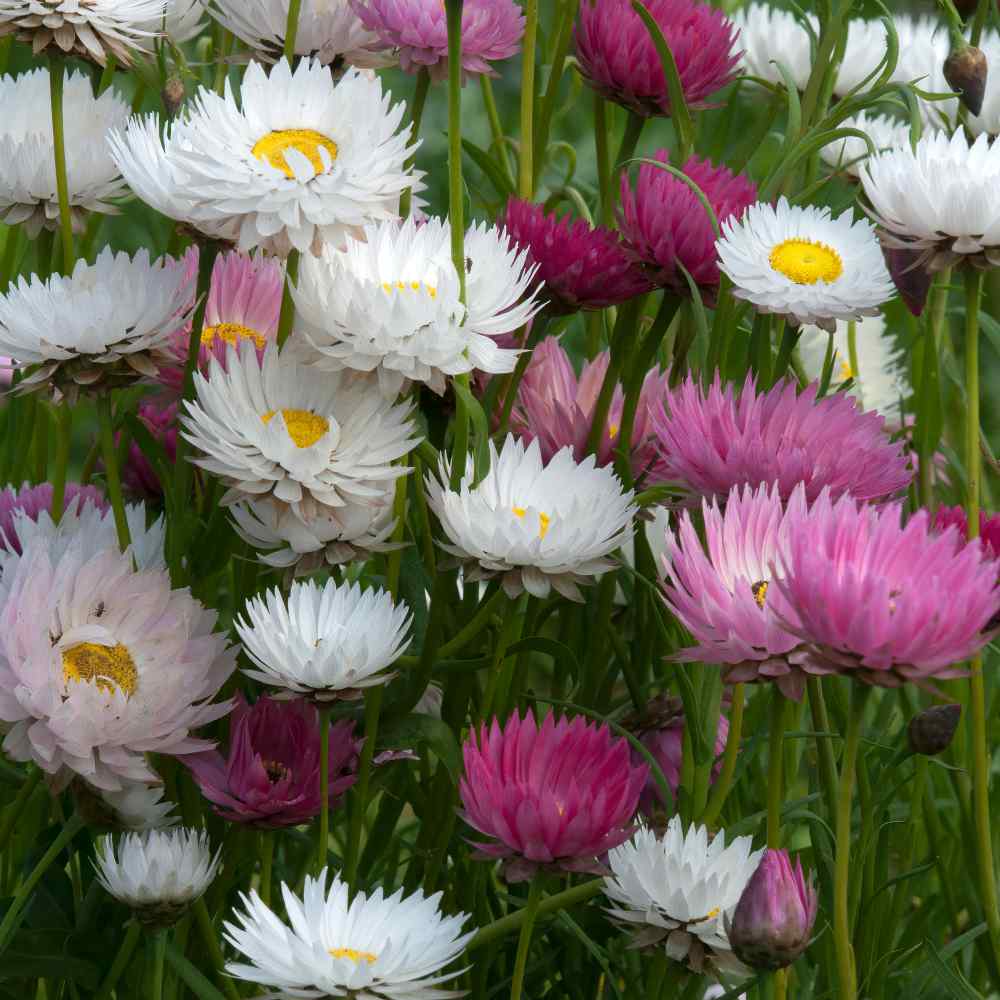
Botanical Name: Helipterum roseum
Plant Type: Annual
Height: 18–24 inches
Spread: 10–12 inches
Flower Size: 1–2 inches
Flower Color: Mixed shades of rose, pink, crimson, blush, and white with golden-yellow centers
Bloom Season: Summer through early fall
Sun Requirements: Full sun
Growing Difficulty: Easy
Uses: Fresh cut flowers, dried flowers, everlasting bouquets, wreaths, floral crafts, cottage gardens, pollinator gardens
Rosy Mix Pierrot offers the versatility of multiple flower colors from a single planting while maintaining the exceptional drying qualities that have made paper daisies favorites for generations. Whether displayed fresh in colorful summer bouquets or preserved for long-lasting dried arrangements, this mixture delivers dependable performance, abundant blooms, and timeless beauty throughout the growing season.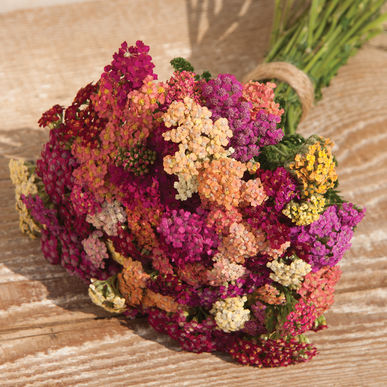
Botanical Name: Achillea millefolium
Plant Type: Hardy Perennial
Height: 24–36 inches
Spread: 18–24 inches
Flower Size: 3–5 inch flattened flower clusters
Flower Color: Blend of yellow, cream, salmon, coral, rose, pink, and red
Bloom Season: Early summer through late summer
Sun Requirements: Full sun
Growing Difficulty: Easy
Uses: Fresh cut flowers, dried flowers, everlasting arrangements, cottage gardens, pollinator gardens, perennial borders, market bouquets
Achillea Colorado is one of the finest modern yarrows for cut flower production. The sturdy stems, broad colorful flower clusters, and excellent drying qualities make it a dual-purpose favorite for both fresh bouquets and everlasting arrangements. Its exceptional drought tolerance and long blooming season ensure a dependable harvest year after year, making it an indispensable addition to any serious cutting or drying garden.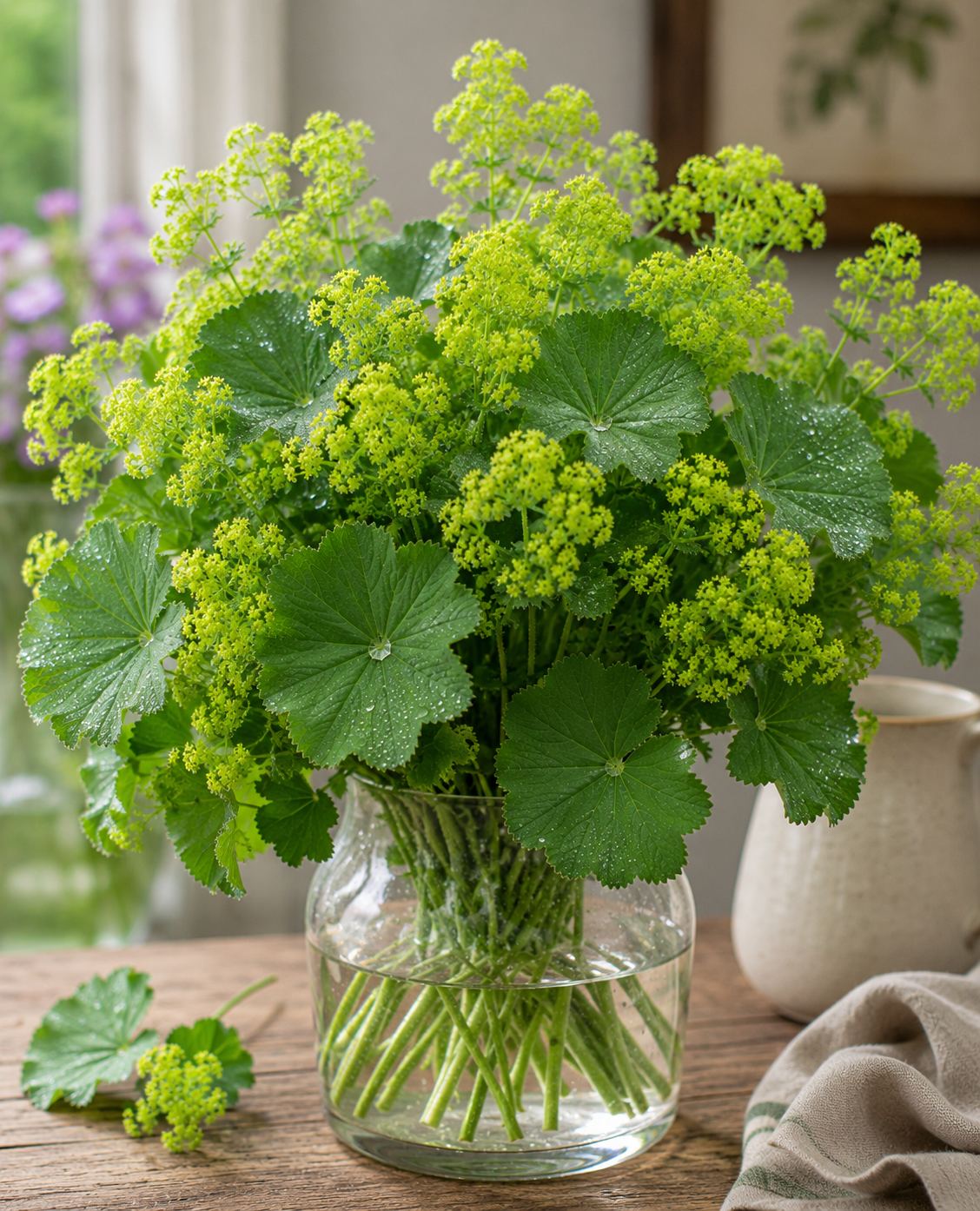
Botanical Name: Alchemilla mollis
Plant Type: Hardy Perennial
Height: 18–24 inches
Spread: 18–30 inches
Flower Color: Chartreuse-yellow
Bloom Season: Late spring through early summer
Sun Requirements: Full sun to partial shade
Growing Difficulty: Easy
Uses: Fresh cut flowers, bouquet filler, floral greenery, cottage gardens, perennial borders, wedding arrangements, pollinator gardens
Lady's Mantle has earned its reputation as one of the indispensable filler plants of the cutting garden. Its airy sprays of chartreuse blossoms provide softness and balance that enhance almost any bouquet, while the attractive foliage remains useful throughout the growing season. Elegant, dependable, and remarkably versatile, it is an excellent choice for gardeners seeking to elevate their floral arrangements with professional-quality texture and natural charm.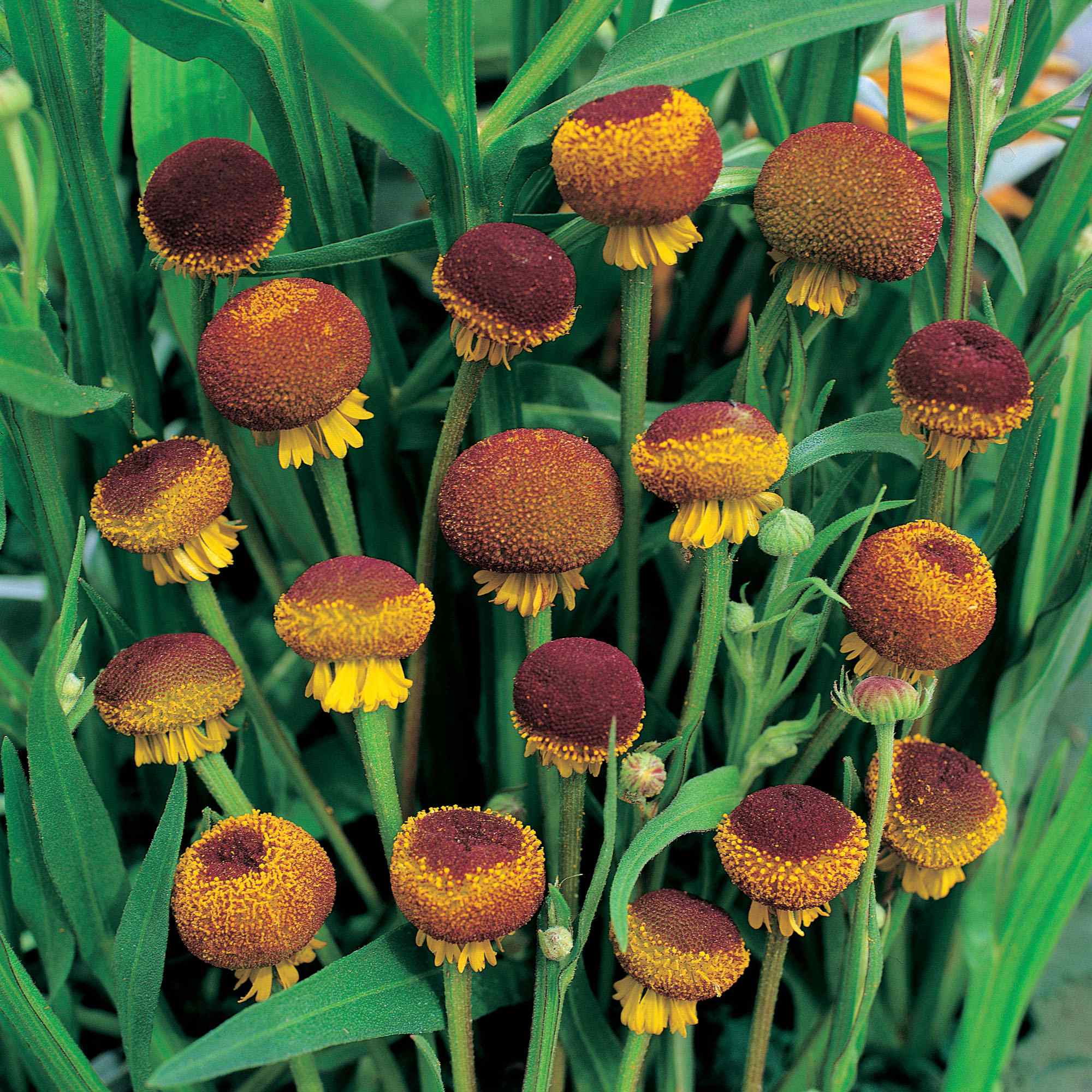
Botanical Name: Helenium puberulum 'Autumn Lollipop'
Plant Type: Hardy perennial
Height: 36–48 inches
Spread: 18–24 inches
Flower Color: Golden yellow with dark brown centers
Bloom Season: Midsummer through fall
Sun Requirements: Full sun
Soil Requirements: Fertile, well-drained soil
Water Needs: Moderate; prefers evenly moist soil
Hardiness: USDA Zones 3–8
Cut Flower Quality: Excellent
Vase Life: 7–10 days
Stem Length: 24–36 inches
Fresh Bouquet Use: Excellent
Dry Flower Use: Poor
Autumn Lollipop is an outstanding choice for gardeners who enjoy fresh bouquets well into autumn. Its graceful branching stems, cheerful golden blooms, and dependable vase life make Helenium puberulum 'Autumn Lollipop' an excellent addition to any cutting garden, providing a welcome burst of late-season color when many other flowers have finished blooming.
Botanical Name: Arctotis grandis
Plant Type: Annual (short-lived perennial in frost-free climates)
Height: 24–36 inches
Spread: 18–24 inches
Flower Size: 3–4 inches
Flower Color: Silvery-white petals with blue to violet centers and golden stamens
Bloom Season: Late spring through summer
Sun Requirements: Full sun
Growing Difficulty: Easy
Uses: Fresh cut flowers, cottage gardens, borders, pollinator gardens, market bouquets, specialty floral arrangements
African Daisy is one of the hidden gems of the cutting garden. Its luminous white petals and striking blue centers create a sophisticated color combination rarely found among annual flowers. With sturdy stems, excellent vase performance, and dependable blooming throughout the season, it is a superb specialty cut flower that brings elegance and originality to fresh floral designs.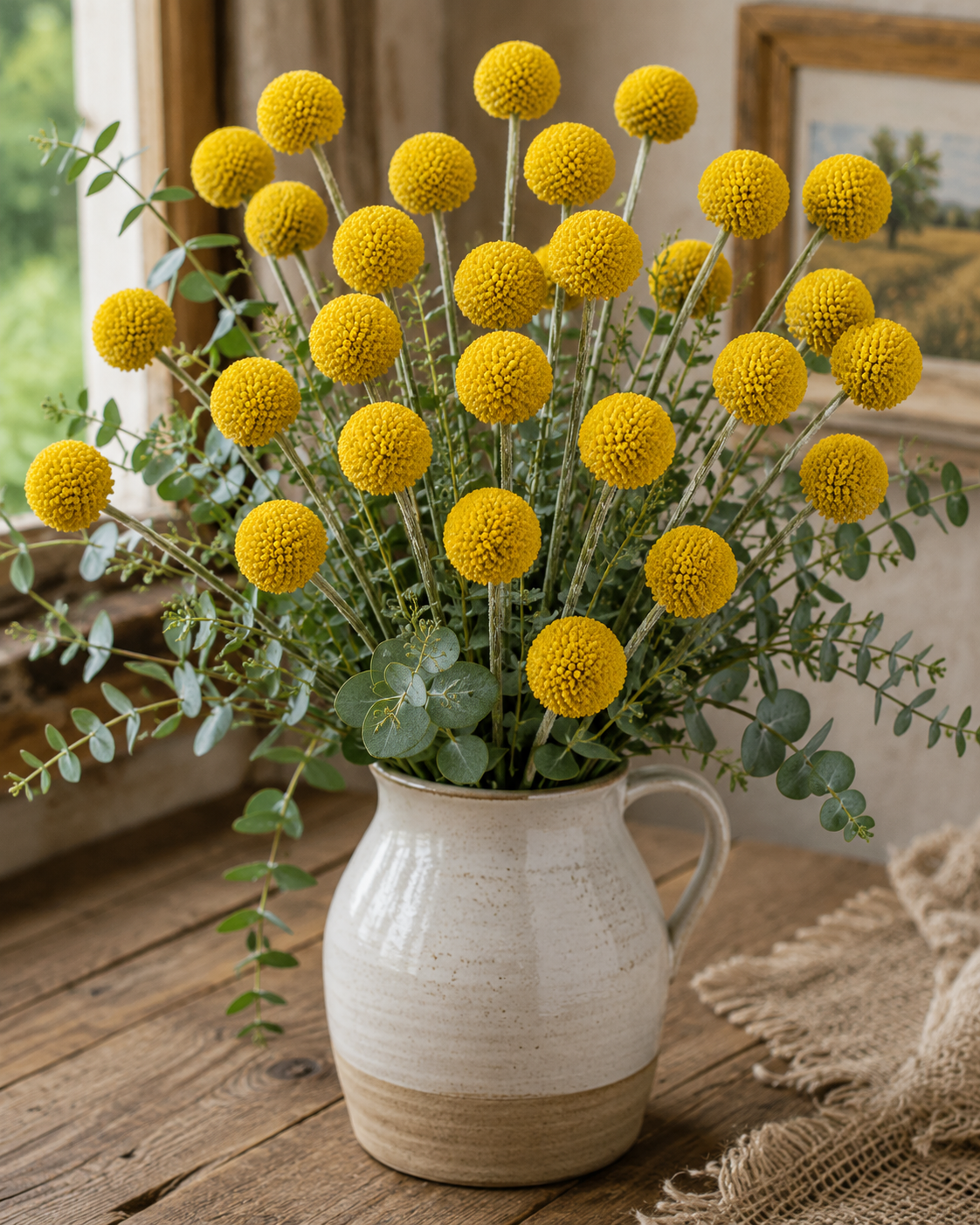
Botanical Name: Craspedia globosa
Plant Type: Tender Perennial (commonly grown as an annual)
Height: 24–36 inches
Spread: 12–18 inches
Flower Size: Approximately 1 inch diameter
Flower Color: Bright golden yellow
Bloom Season: Summer through early fall
Sun Requirements: Full sun
Growing Difficulty: Easy
Uses: Fresh cut flowers, dried flowers, everlasting arrangements, wedding bouquets, floral crafts, market farming, pollinator gardens
Billy Buttons have become one of the world's most recognizable specialty cut flowers thanks to their perfectly round golden blooms and exceptional longevity. Few flowers transition so effortlessly from fresh bouquets to dried arrangements while retaining their brilliant color and sculptural form. For gardeners seeking a dependable, dual-purpose flower that offers season-long harvests and lasting beauty, Billy Buttons are an outstanding choice and a cornerstone of any serious cutting or everlasting flower garden.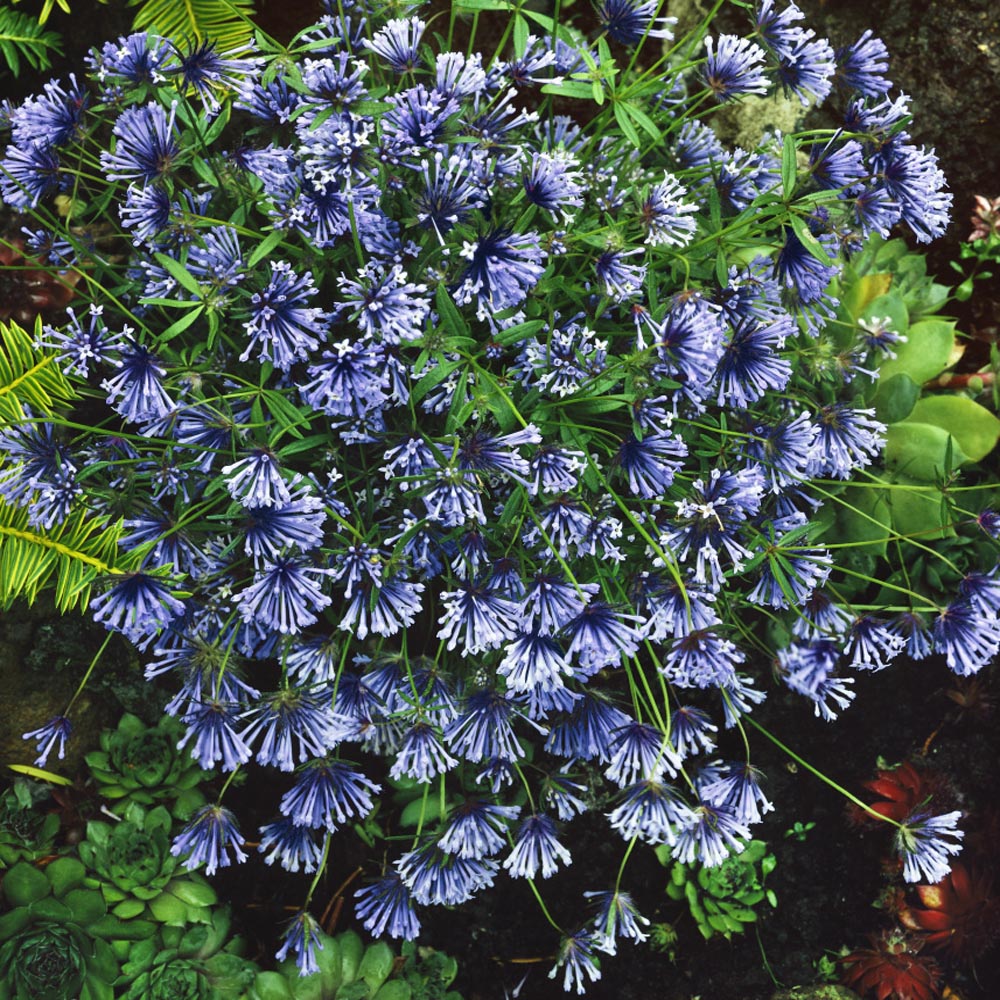
Botanical Name: Asperula azurea
Plant Type: Annual
Height: 18–24 inches
Spread: 10–15 inches
Flower Color: Sky blue
Bloom Season: Late spring through summer
Sun Requirements: Full sun to partial shade
Growing Difficulty: Easy
Uses: Fresh cut flowers, bouquet filler, cottage gardens, borders, pollinator gardens, market bouquets
Blue Woodruff is one of those understated flowers that quietly elevates floral arrangements through its delicate texture and soft blue coloring. While it may not command attention on its own, it beautifully complements larger blooms and provides the finishing touch that gives bouquets a natural, professionally arranged appearance. Its long flowering season, ease of cultivation, and versatility make it an excellent specialty filler for any cutting garden.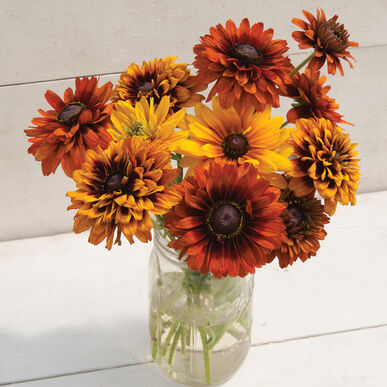
Botanical Name: Rudbeckia hirta
Plant Type: Annual (occasionally short-lived perennial in mild climates)
Height: 24–30 inches
Spread: 15–18 inches
Flower Size: 3–5 inches
Flower Color: Mixed shades of golden yellow, bronze, mahogany, rust, orange, and bicolors
Bloom Season: Midsummer through frost
Sun Requirements: Full sun
Growing Difficulty: Easy
Uses: Fresh cut flowers, market bouquets, cottage gardens, pollinator gardens, borders, late-season floral arrangements
Cherokee Sunset Mix is widely regarded as one of the premier Rudbeckias for cutting gardens thanks to its large double blooms, remarkable color range, and long flowering season. The richly colored flowers provide outstanding focal points in bouquets while continuing to produce fresh stems for weeks. For gardeners seeking dependable late-season cut flowers with exceptional visual impact, Cherokee Sunset is an outstanding choice.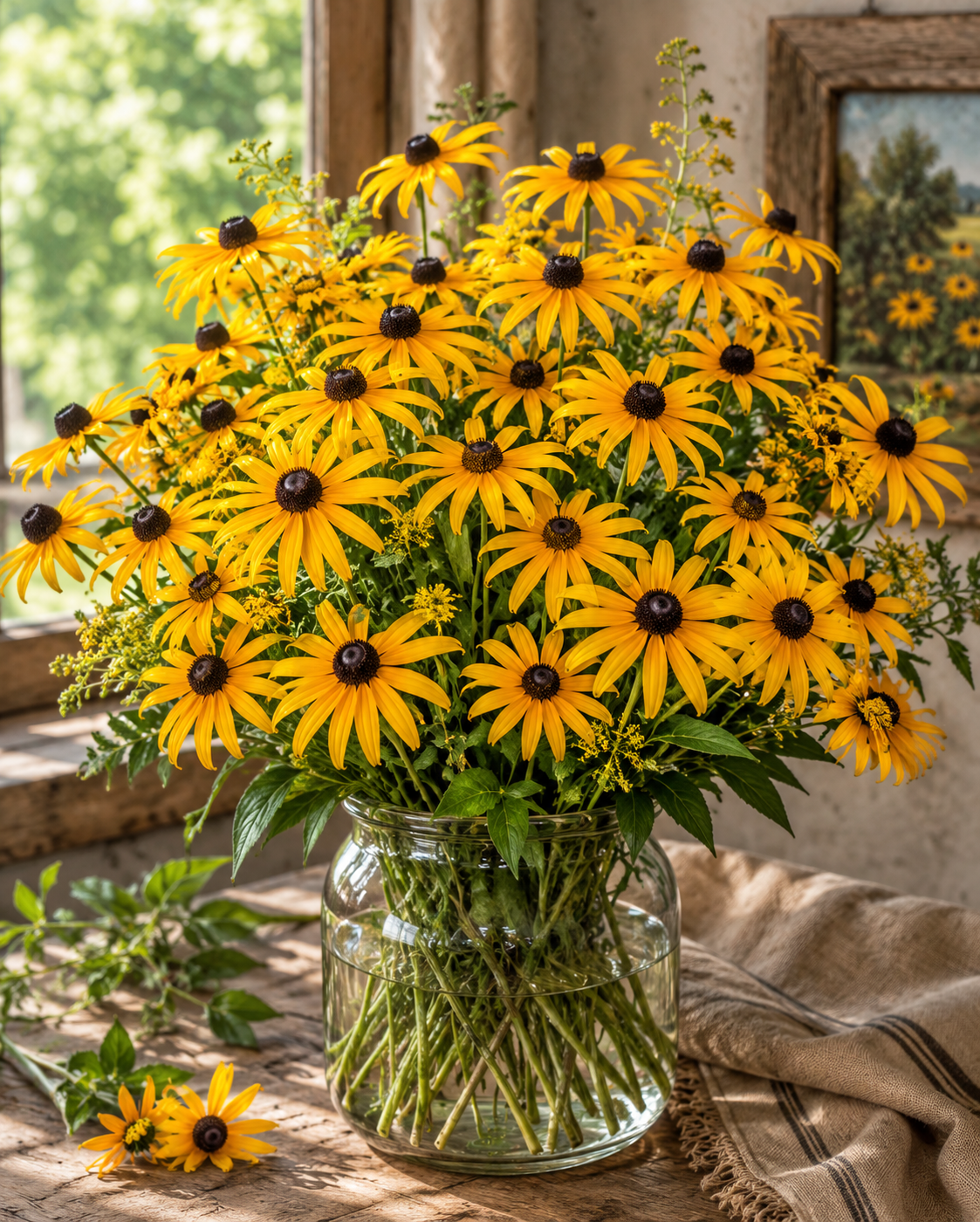
Botanical Name: Rudbeckia hirta
Plant Type: Annual or short-lived perennial
Height: 24–36 inches
Spread: 12–18 inches
Flower Size: 3–4 inches
Flower Color: Golden yellow with dark brown center
Bloom Season: Midsummer through frost
Sun Requirements: Full sun
Growing Difficulty: Easy
Uses: Fresh cut flowers, cottage gardens, prairie gardens, pollinator gardens, market bouquets, borders
Common Black-Eyed Susan is one of the cornerstone flowers of the American cutting garden. Its sturdy stems, exceptional bloom production, and reliable vase life make it an indispensable choice for gardeners seeking a continuous supply of cheerful summer bouquets. Combined with its outstanding pollinator value and easy-growing nature, this classic native wildflower remains one of the most rewarding flowers Seedman offers for both beginning and experienced gardeners.
Botanical Name: Ageratum houstonianum
Plant Type: Annual
Height: 24–36 inches
Spread: 12–18 inches
Flower Color: Lavender-blue
Bloom Season: Early summer through frost
Sun Requirements: Full sun
Growing Difficulty: Easy
Uses: Fresh cut flowers, bouquet filler, cottage gardens, pollinator gardens, market bouquets, borders
Florist Blue Ageratum is one of the premier filler flowers for professional-quality bouquets. Its tall stems, soft blue blossoms, and exceptionally long blooming season provide continuous harvests throughout the summer while supplying a color that is often difficult to find in the cutting garden. For gardeners seeking dependable blue flowers that complement nearly every bouquet, Florist Blue Ageratum is an outstanding choice.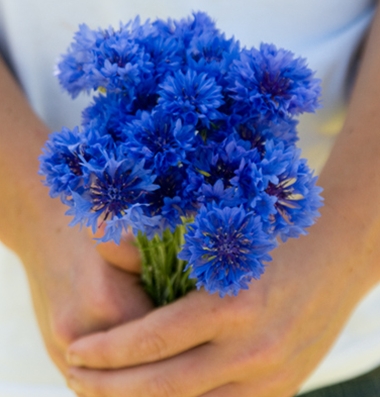
Botanical Name: Centaurea cyanus
Plant Type: Annual
Height: 30–40 inches
Spread: 12–18 inches
Flower Size: 1½–2 inches
Flower Color: Deep azure blue
Bloom Season: Late spring through midsummer
Sun Requirements: Full sun
Growing Difficulty: Easy
Uses: Fresh cut flowers, bouquet filler, cottage gardens, market bouquets, pollinator gardens, borders
Florist Blue Boy has long been recognized as the gold standard among blue Bachelor's Buttons for cut flower production. Its tall stems, vivid blue blooms, and dependable garden performance make it an indispensable component of the cutting garden. Few annuals offer such an intense natural blue while producing abundant, florist-quality stems that continue blooming over an extended harvest season.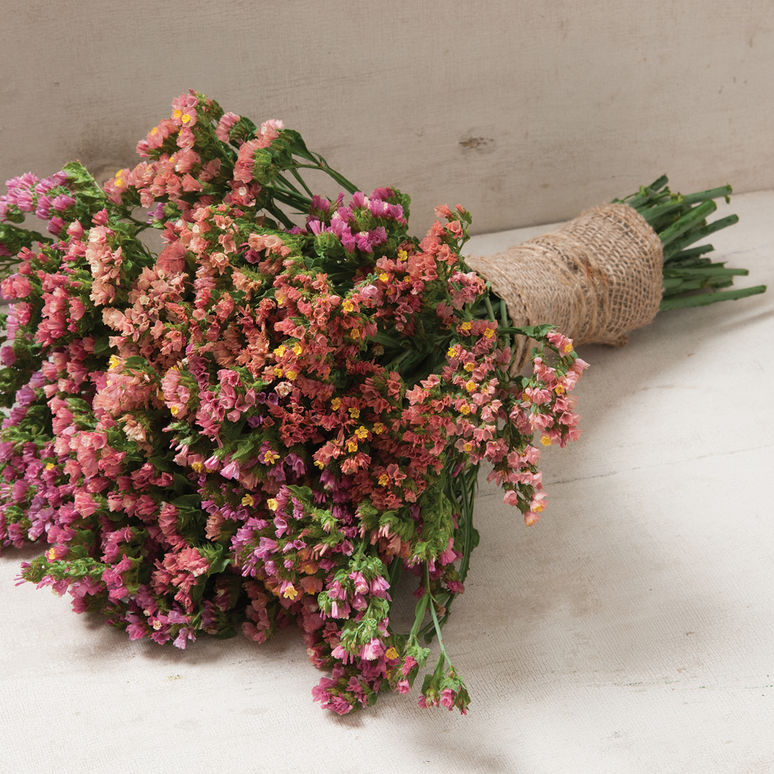
Botanical Name: Limonium sinuatum
Plant Type: Annual
Height: 24–36 inches
Spread: 12–18 inches
Flower Color: Blend of golden yellow, apricot, peach, salmon, rose, orange, lavender, and purple
Bloom Season: Summer through early fall
Sun Requirements: Full sun
Growing Difficulty: Easy
Uses: Fresh cut flowers, dried flowers, everlasting bouquets, wreaths, floral crafts, cottage gardens, market bouquets, pollinator gardens
Sunset Mix represents everything gardeners love about statice—vigorous plants, abundant long-stemmed blooms, outstanding vase life, and exceptional drying qualities. The warm blend of sunset-inspired colors creates naturally balanced bouquets from a single planting while providing an abundant harvest for permanent dried arrangements. It is one of the indispensable flowers for any serious cutting or everlasting garden.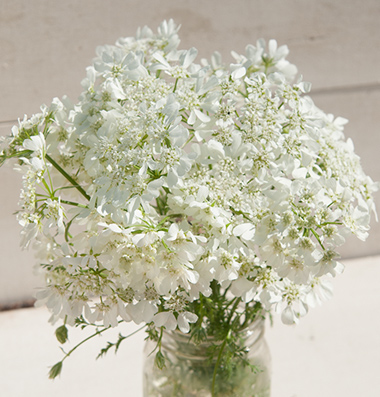
Botanical Name: Orlaya grandiflora
Plant Type: Annual
Height: 24–30 inches
Spread: 12–18 inches
Flower Size: 2–4 inches
Flower Color: Pure white
Bloom Season: Late spring through midsummer
Sun Requirements: Full sun
Growing Difficulty: Easy
Uses: Fresh cut flowers, bouquet filler, wedding flowers, cottage gardens, pollinator gardens, market bouquets, borders
White Finch is one of the premier white filler flowers for professional-quality bouquets. Its delicate lace-like blooms provide texture, softness, and elegance that enhance virtually every floral arrangement without overpowering the focal flowers. Easy to grow, highly productive, and exceptionally versatile, White Finch deserves a place in every serious cutting garden and has become a florist favorite for both everyday bouquets and special event work.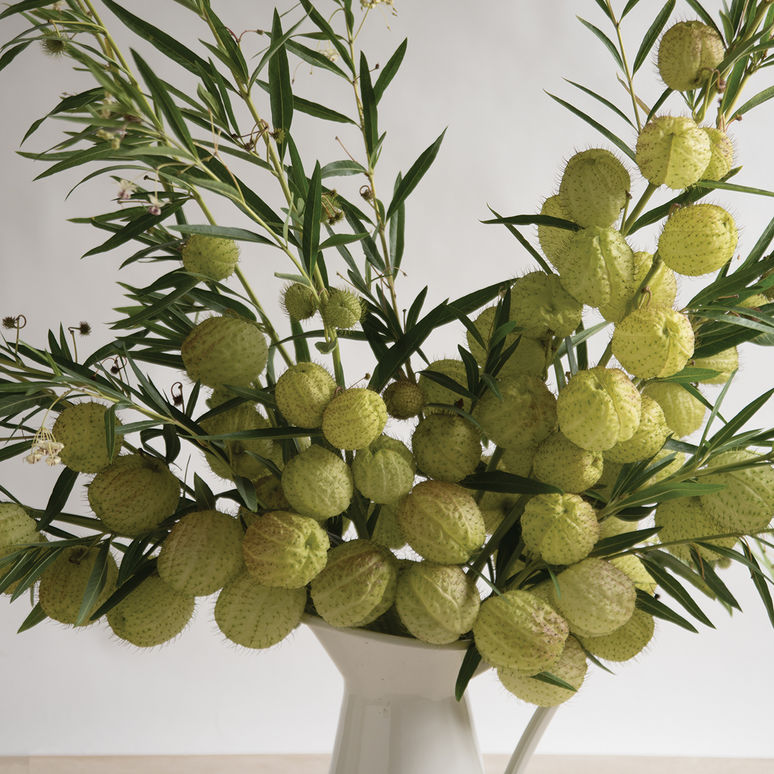
Botanical Name: Asclepias physocarpa
Plant Type: Annual (tender perennial in frost-free climates)
Height: 36–48 inches
Spread: 18–24 inches
Flower Color: Creamy white
Ornamental Feature: Inflated green balloon-like seed pods
Bloom Season: Summer through early fall
Sun Requirements: Full sun
Growing Difficulty: Easy
Uses: Fresh cut flowers, ornamental seed pods, dried flowers, specialty bouquets, floral design, pollinator gardens, monarch butterfly host plant
Oscar is one of the most distinctive specialty cut flowers available, prized more for its remarkable balloon-shaped seed pods than its blossoms. The pods provide exceptional texture and lasting interest in both fresh and dried arrangements while the plants support monarch butterflies and numerous pollinators in the garden. For growers seeking something truly different, Oscar is an unforgettable addition to both the cutting garden and the everlasting flower collection.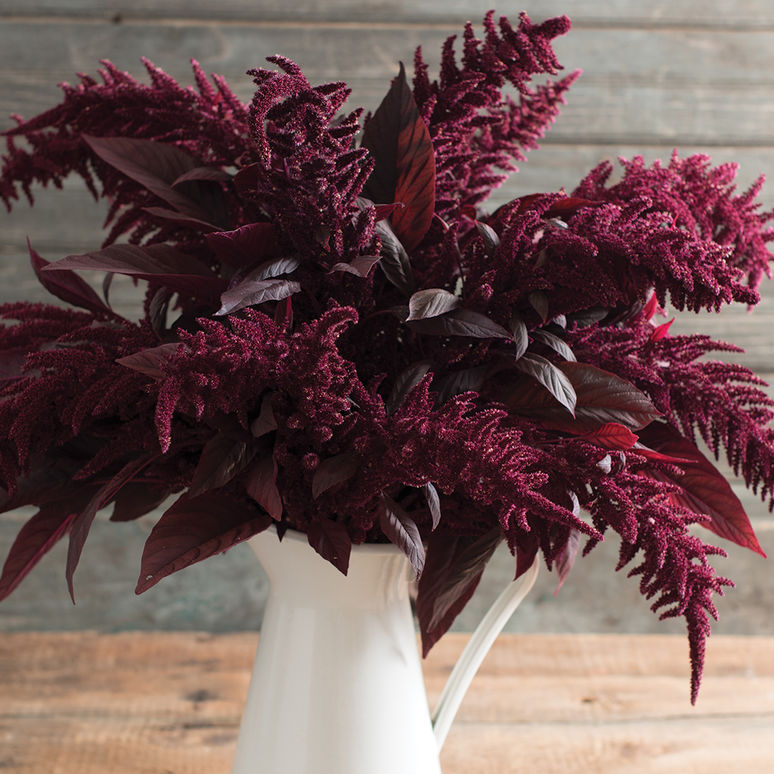
Botanical Name: Amaranthus cruentus
Plant Type: Annual
Height: 36–60 inches
Spread: 18–24 inches
Flower Color: Deep crimson red
Bloom Season: Summer through frost
Sun Requirements: Full sun
Growing Difficulty: Easy
Uses: Fresh cut flowers, dried flowers, line flower, everlasting arrangements, market bouquets, cottage gardens, pollinator gardens
Red Spike Amaranthus is one of the premier upright amaranths for floral design, offering strong stems, intense crimson flower spikes, and excellent versatility in both fresh and dried arrangements. Its bold vertical form contrasts beautifully with rounded and airy flowers, making it an indispensable design element in professional bouquets. Easy to grow and highly productive, it is a valuable addition to any serious cutting or everlasting flower garden.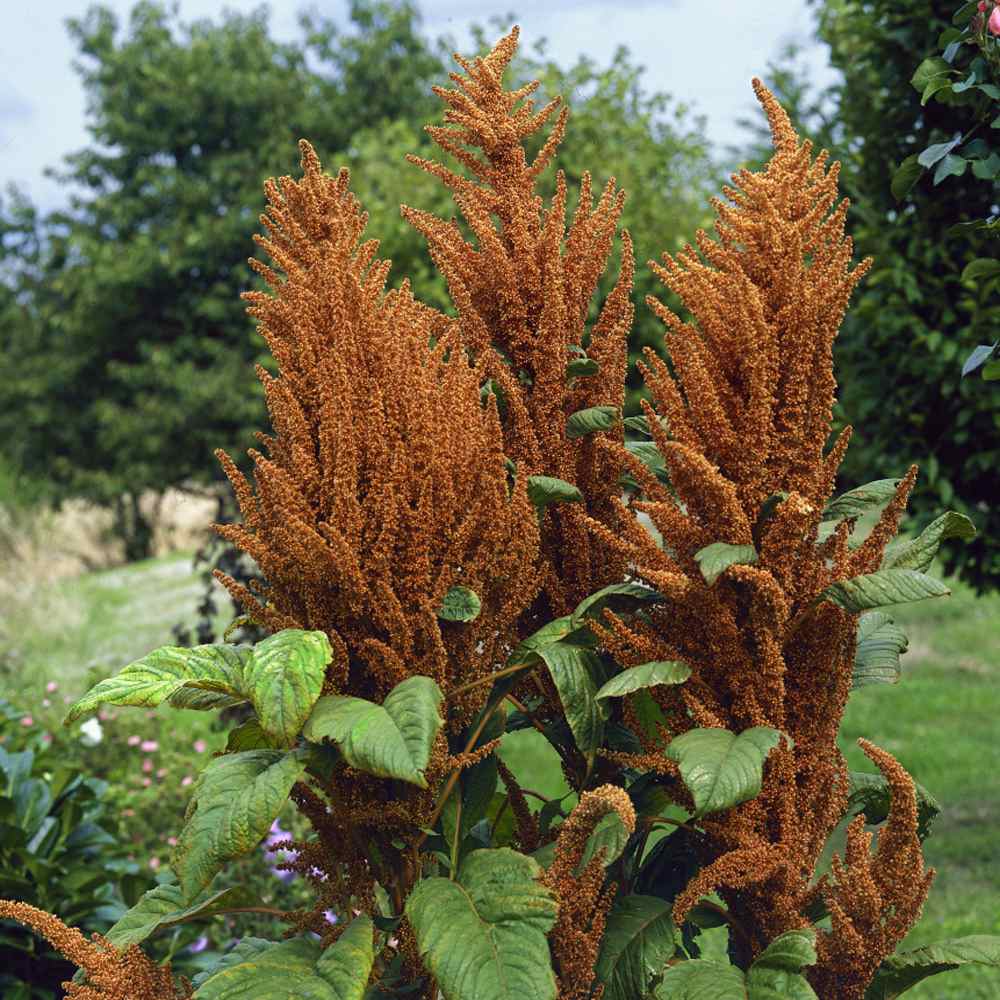
Botanical Name: Amaranthus cruentus
Plant Type: Annual
Height: 42–60 inches
Spread: 18–24 inches
Flower Color: Cinnamon, bronze, copper, and warm caramel-brown
Bloom Season: Summer through frost
Sun Requirements: Full sun
Growing Difficulty: Easy
Uses: Fresh cut flowers, dried flowers, line flower, autumn bouquets, everlasting arrangements, market bouquets, cottage gardens
Hot Biscuits has become one of the most sought-after upright amaranths for professional floral work thanks to its distinctive warm bronze coloring and exceptional versatility. Few flowers capture the rich tones of late summer and autumn so beautifully while providing outstanding performance in both fresh and dried arrangements. For gardeners looking to expand their palette beyond traditional reds and yellows, Hot Biscuits is an indispensable addition to the cutting and everlasting flower garden.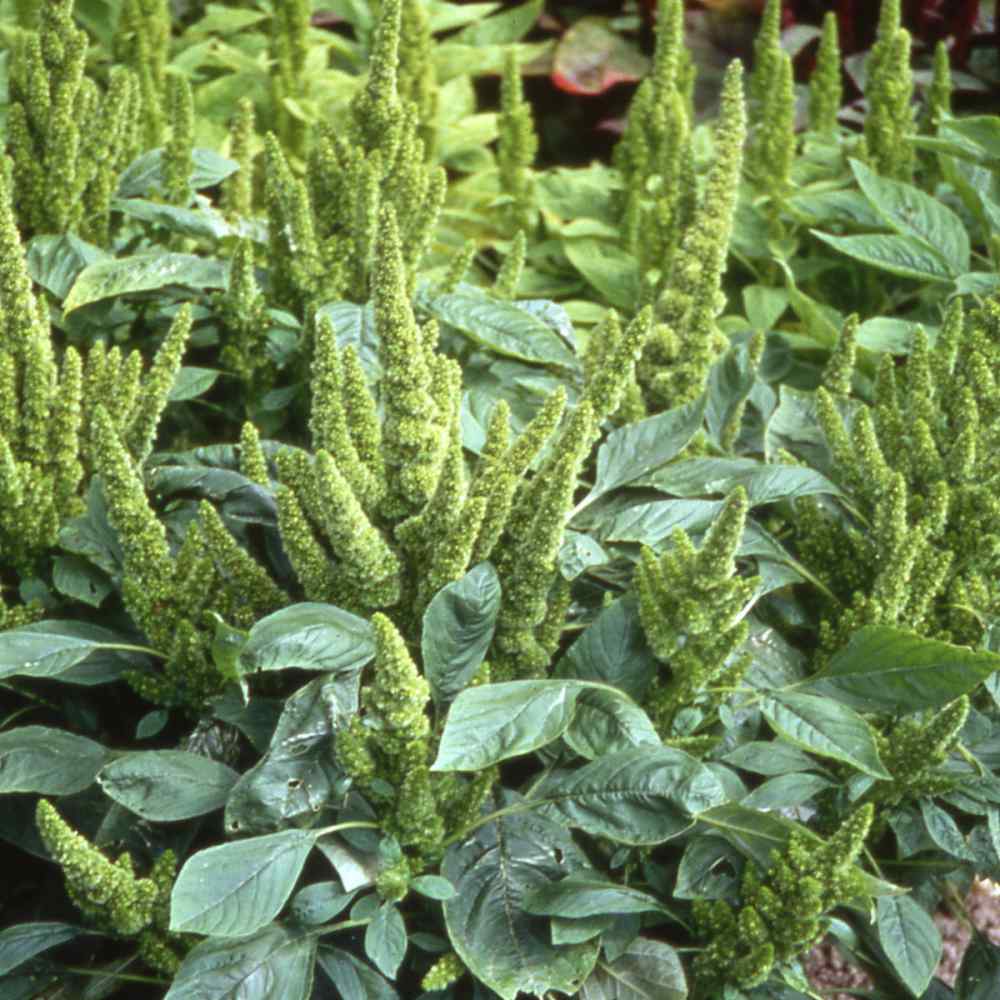
This Amaranthus is suitable for flower beds and does well in borders. The apple-green color goes well with most other colors and is a useful plant for filling in gaps in borders. It also is suitable for cutting and works well in arrangements.
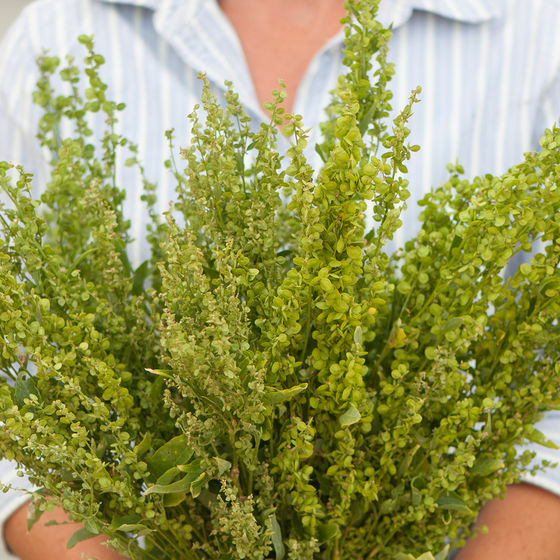
Botanical Name: Atriplex hortensis
Plant Type: Annual
Height: 36–60 inches
Spread: 18–24 inches
Ornamental Feature: Lime-green feathery plumes and attractive foliage
Bloom Season: Summer through early fall
Sun Requirements: Full sun
Growing Difficulty: Easy
Uses: Fresh cut flowers, bouquet filler, foliage accent, dried flowers, wedding bouquets, market bouquets, cottage gardens
Green Plume has become a favorite among flower farmers for its exceptional versatility as a foliage and texture plant. The elegant chartreuse plumes soften floral arrangements while providing height and movement that complement both bold focal flowers and delicate fillers. Its excellent vase life, ease of cultivation, and usefulness in both fresh and dried designs make Green Plume a valuable specialty plant for any serious cutting garden.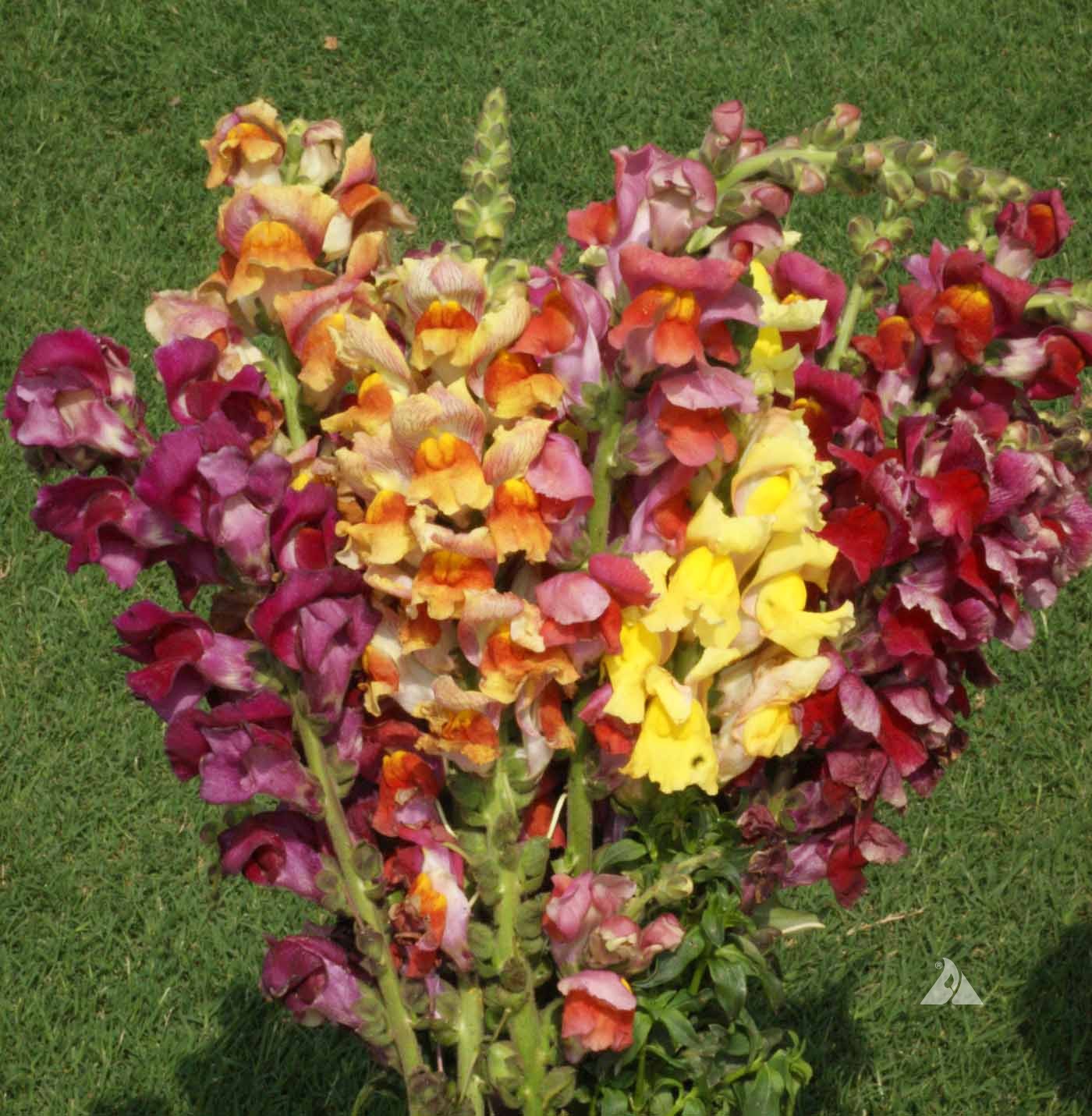
Botanical Name: Antirrhinum majus
Plant Type: Annual (short-lived perennial in mild climates)
Height: 30–42 inches
Spread: 12–18 inches
Flower Color: Mixed shades of white, yellow, pink, rose, crimson, lavender, bronze, and bicolors
Bloom Season: Late spring through summer
Sun Requirements: Full sun
Growing Difficulty: Easy
Uses: Fresh cut flowers, market bouquets, wedding flowers, cottage gardens, borders, pollinator gardens
Tetra Mix is one of the premier snapdragon mixtures for cutting gardens, combining tall florist-quality stems with a broad spectrum of brilliant colors. The sturdy flower spikes, excellent vase life, and dependable performance make it a favorite for both professional flower growers and home gardeners. As one of the classic line flowers in floral design, Tetra Mix provides height, structure, and lasting beauty in bouquets throughout the growing season.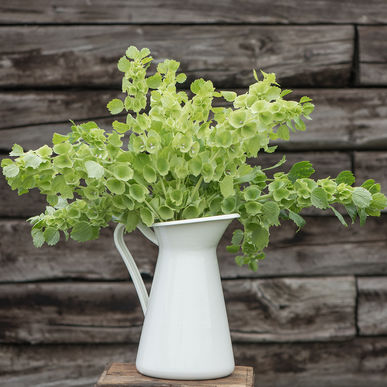
Botanical Name: Moluccella laevis
Plant Type: Annual
Height: 30–42 inches
Spread: 12–18 inches
Flower Color: Bright apple green
Bloom Season: Late spring through summer
Sun Requirements: Full sun
Growing Difficulty: Moderate
Uses: Fresh cut flowers, bouquet filler, line flower, wedding bouquets, dried flowers, market bouquets, cottage gardens
>Bells of Ireland has long been regarded as one of the indispensable flowers of professional floral design. Its tall emerald-green spikes provide unmatched height, texture, and contrast while blending effortlessly with nearly every flower in the cutting garden. Whether used fresh in elegant bouquets or dried for permanent arrangements, this classic florist favorite remains one of the finest green accent flowers available.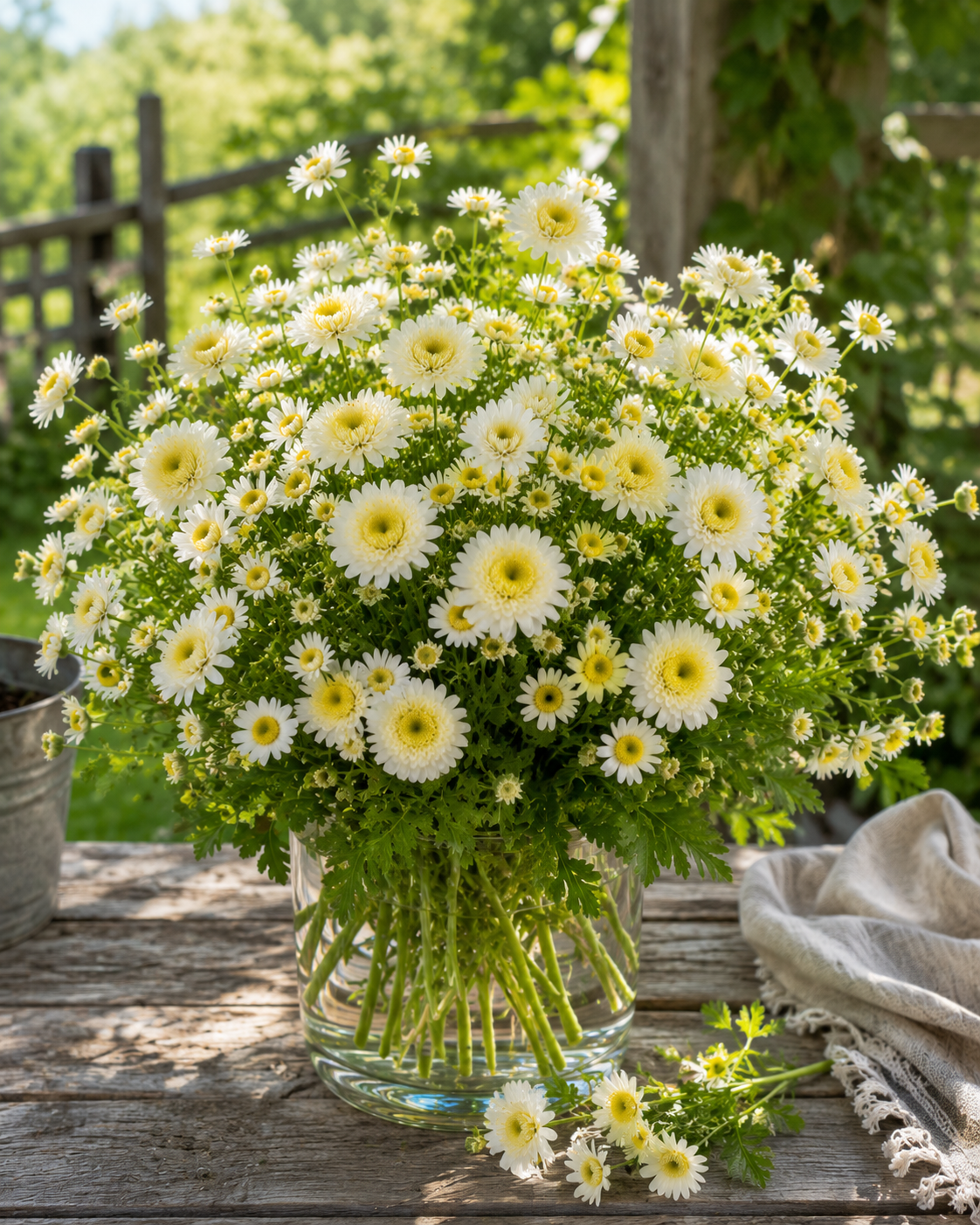
Botanical Name: Tanacetum spp.
Plant Type: Hardy Perennial
Height: 24–36 inches
Spread: 18–24 inches
Flower Size: 1–2 inches
Flower Color: Pure white with golden-yellow centers
Bloom Season: Late spring through summer
Sun Requirements: Full sun
Growing Difficulty: Easy
Uses: Fresh cut flowers, bouquet filler, market bouquets, wedding flowers, cottage gardens, pollinator gardens
White Star is one of the most dependable white filler flowers for the cutting garden, producing an abundance of long-lasting stems that brighten and soften mixed bouquets. Its exceptional productivity, excellent vase life, and versatility make it a favorite among professional florists and home gardeners alike. Whether used to complement bold focal flowers or displayed in simple daisy arrangements, White Star provides season-long beauty with very little maintenance.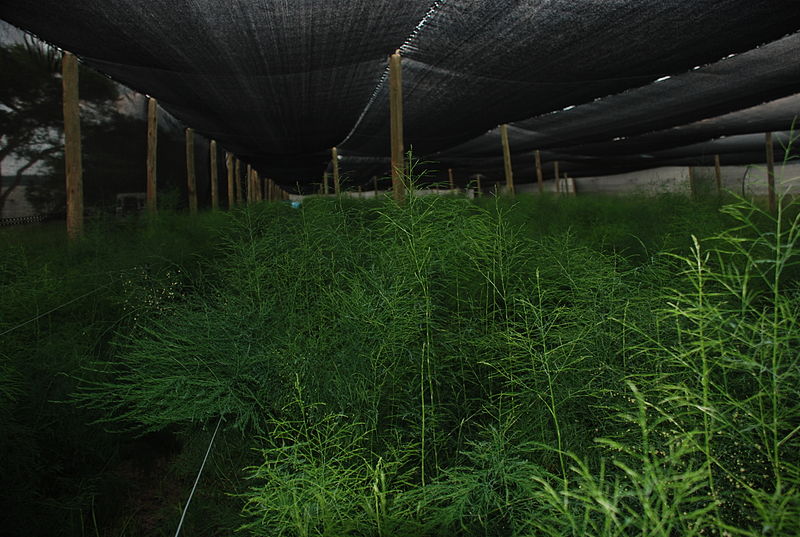
Botanical Name: Asparagus virgatus
Plant Type: Tender Perennial (commonly grown as an annual)
Height: 36–48 inches
Spread: 18–24 inches
Foliage Color: Bright to medium green
Harvest Season: Summer through frost
Sun Requirements: Full sun to partial shade
Growing Difficulty: Easy
Uses: Fresh cut foliage, bouquet filler, floral greenery, wedding flowers, market bouquets, cutting gardens
Tree Fern Asparagus is one of the finest foliage plants for the cutting garden, producing an abundance of delicate stems that add professional texture and elegance to floral arrangements. Its excellent vase life, repeated harvests, and versatility make it an indispensable greenery for flower farmers, florists, and home gardeners seeking to create balanced, natural-looking bouquets.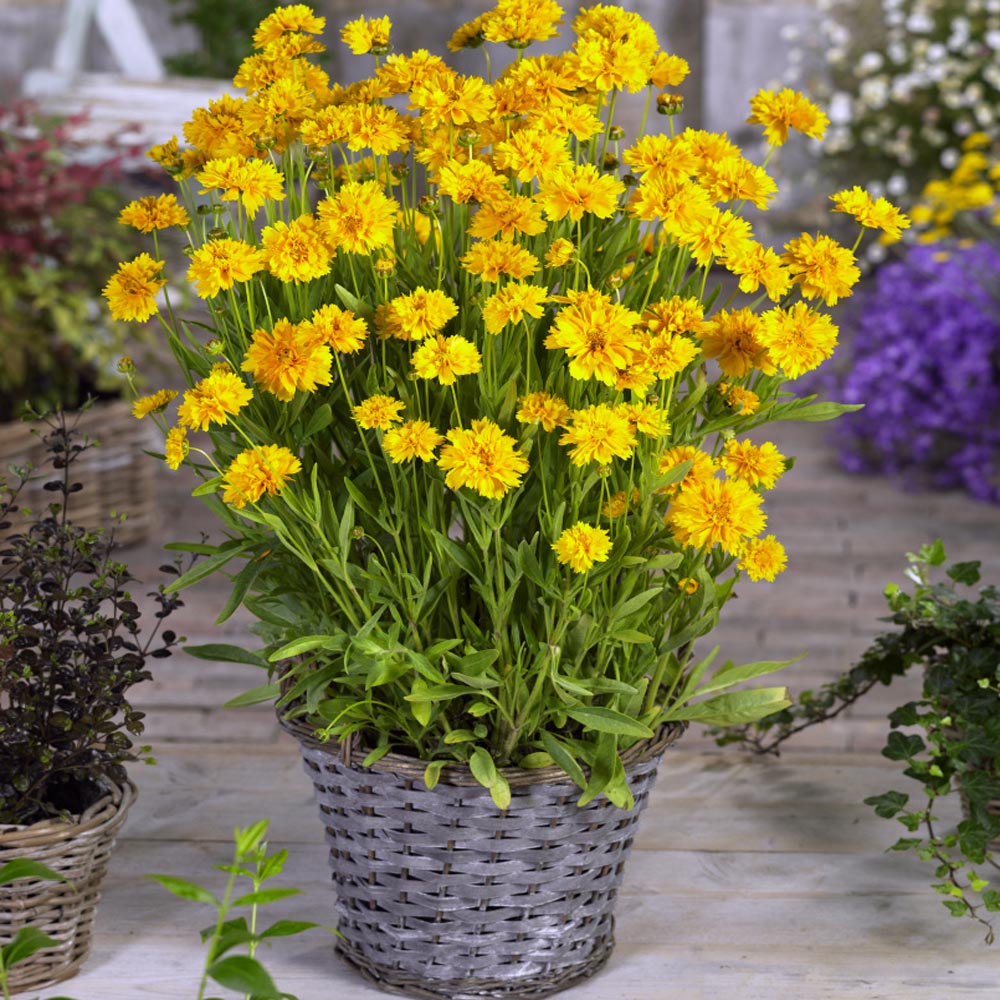
Botanical Name: Coreopsis grandiflora
Plant Type: Short-lived Perennial
Height: 18–24 inches
Spread: 12–18 inches
Flower Color: Bright golden yellow
Bloom Season: Early summer through fall
Sun Requirements: Full sun
Growing Difficulty: Easy
Uses: Fresh cut flowers, cottage gardens, pollinator gardens, market bouquets, borders, naturalistic plantings
Early Sunrise is one of the most dependable coreopsis varieties for cutting gardens, offering a long bloom season, strong stem production, and excellent heat tolerance. Its bright golden flowers provide consistent color in bouquets and combine easily with almost any summer flower palette. For growers seeking a low-maintenance, high-output cut flower, Early Sunrise is an outstanding choice.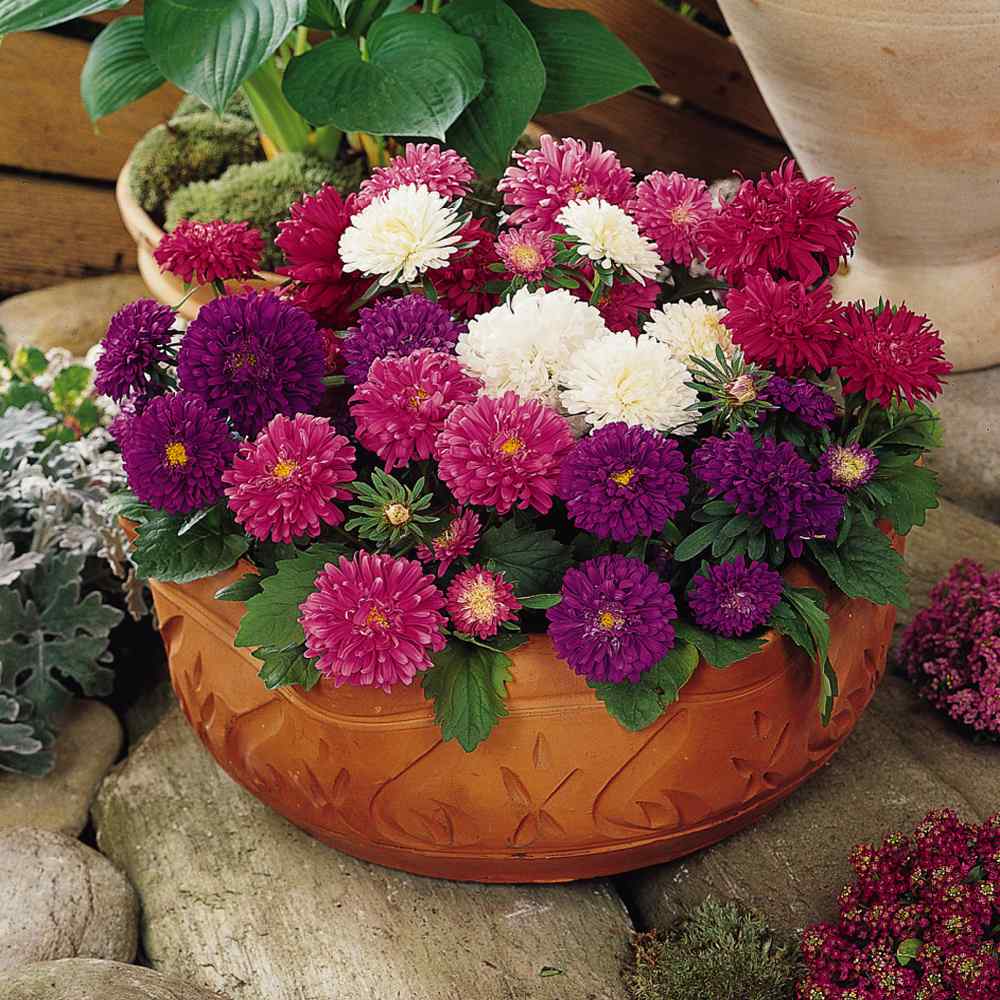
Botanical Name: Callistephus chinensis
Plant Type: Annual
Height: 24–30 inches
Spread: 12–18 inches
Flower Size: 3–5 inches
Flower Color: Mixed (white, pink, rose, lavender, purple, red, bicolors)
Bloom Season: Late summer through fall
Sun Requirements: Full sun
Growing Difficulty: Moderate
Uses: Fresh cut flowers, wedding bouquets, market bouquets, cottage gardens, borders, seasonal arrangements
Sea Star China Asters are among the finest modern aster selections for cut flower production, offering exceptional form, vibrant color range, and excellent vase life. Their distinctive starburst blooms provide unique texture that elevates bouquet design, making them a must-have for late-season cutting gardens and professional floral work.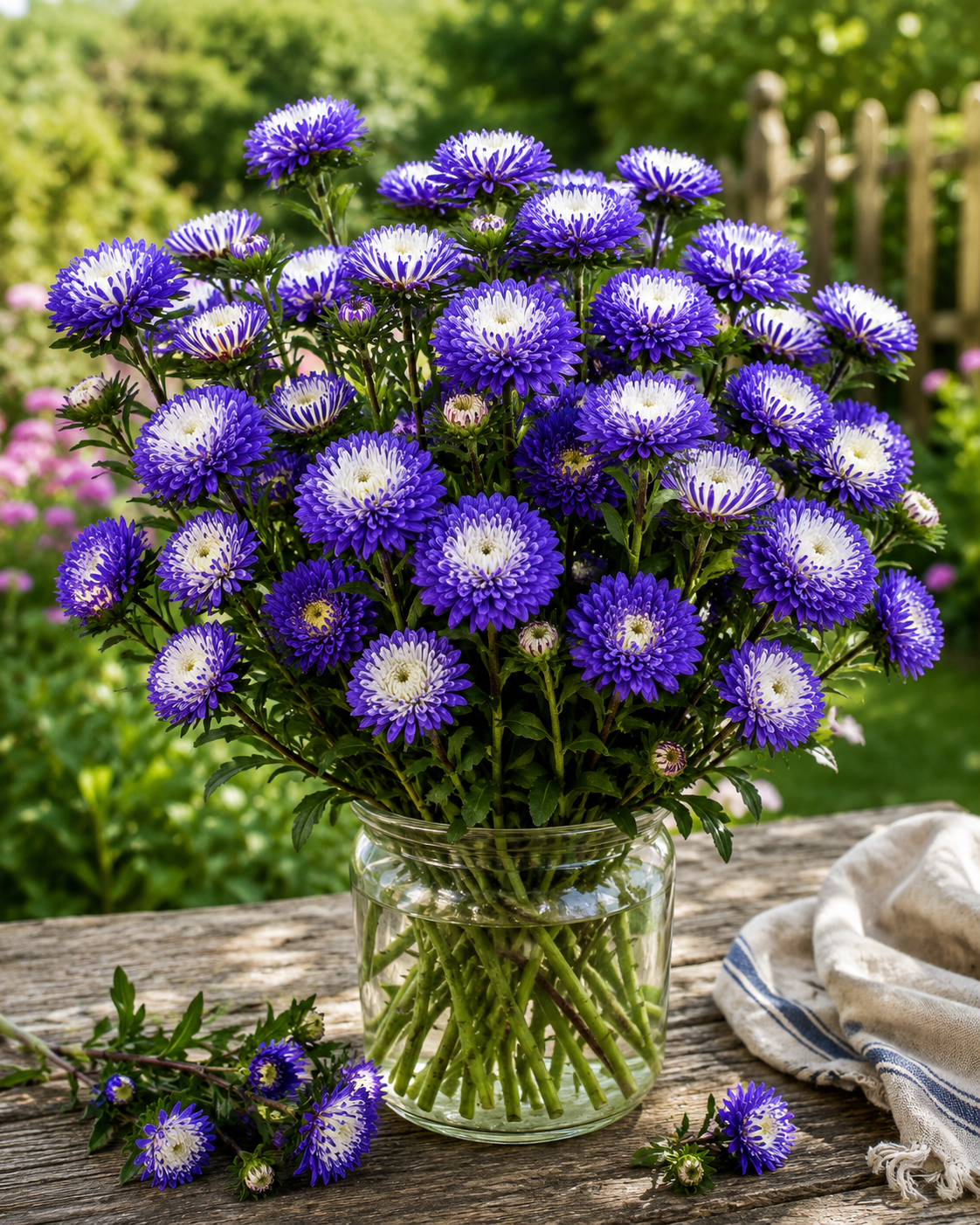
Botanical Name: Callistephus chinensis
Plant Type: Annual
Height: 24–30 inches
Spread: 12–18 inches
Flower Size: 3–4 inches
Flower Color: White with soft blue-lavender tips
Bloom Season: Late summer through fall
Sun Requirements: Full sun
Growing Difficulty: Moderate
Uses: Fresh cut flowers, wedding bouquets, market bouquets, cottage gardens, borders, floral arrangements
Matsumoto asters are among the most dependable florist asters available, valued for their strong stems, uniform blooms, and excellent vase life. The Blue Tipped White selection adds a unique pastel accent that is especially desirable for wedding and designer floral work. It remains a cornerstone variety for late-season cutting gardens and professional flower production.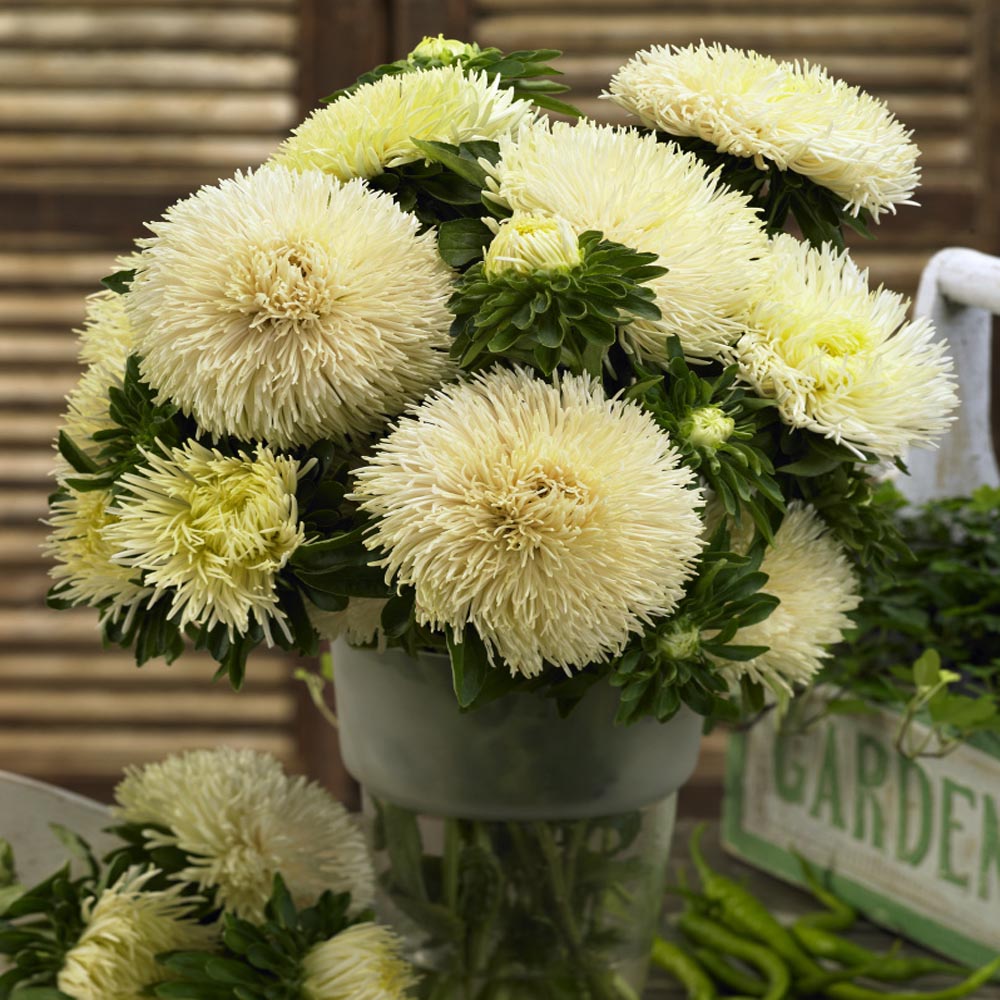
Botanical Name: Callistephus chinensis
Plant Type: Annual
Height: 24–30 inches
Spread: 12–18 inches
Flower Size: 3–4 inches
Flower Color: Bright golden yellow
Bloom Season: Late summer through fall
Sun Requirements: Full sun
Growing Difficulty: Moderate
Uses: Fresh cut flowers, market bouquets, wedding arrangements, cottage gardens, borders, seasonal floral design
Gremlin Yellow is a dependable florist aster valued for its strong stems, vivid color, and consistent production of high-quality blooms. Its rich golden tone fills an important niche in late-season bouquet work, providing reliable color when summer flowers begin to decline. It is a practical and productive choice for cutting gardens and commercial floral growers alike.
Botanical Name: Callistephus chinensis
Plant Type: Annual
Height: 24–30 inches
Spread: 12–18 inches
Flower Size: 3–4 inches
Flower Color: Soft light rose pink
Bloom Season: Late summer through fall
Sun Requirements: Full sun
Growing Difficulty: Moderate
Uses: Fresh cut flowers, market bouquets, wedding arrangements, cottage gardens, borders, floral design
Gremlin Light Rose is a valuable cut flower aster for its soft pastel coloring and dependable production. It provides a gentle contrast to stronger colors in bouquet work and is especially useful for wedding and romantic floral designs. With strong stems and consistent bloom output, it remains a reliable choice for cutting gardens and seasonal flower production.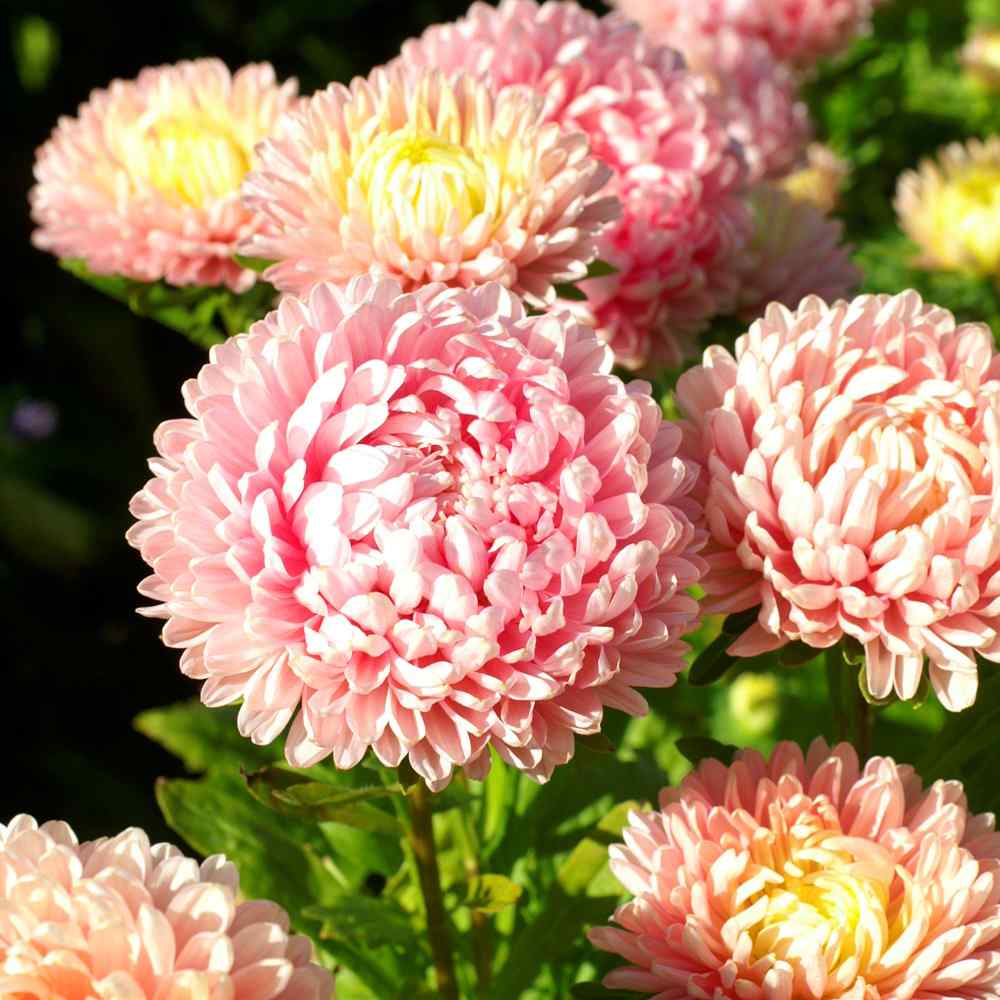
Botanical Name: Callistephus chinensis
Plant Type: Annual
Height: 24–30 inches
Spread: 12–18 inches
Flower Size: 3–4 inches
Flower Color: Soft pink
Bloom Season: Late summer through fall
Sun Requirements: Full sun
Growing Difficulty: Moderate
Uses: Fresh cut flowers, wedding bouquets, market bouquets, cottage gardens, borders, floral arrangements
Duchess Pink is one of the most elegant cut flower asters, prized for its large, uniform blooms and soft romantic coloring. It performs reliably in cutting gardens and provides excellent vase life, making it a favorite for wedding and high-end floral design work. Its combination of beauty, productivity, and dependability makes it a valuable staple in the late-season cut flower lineup.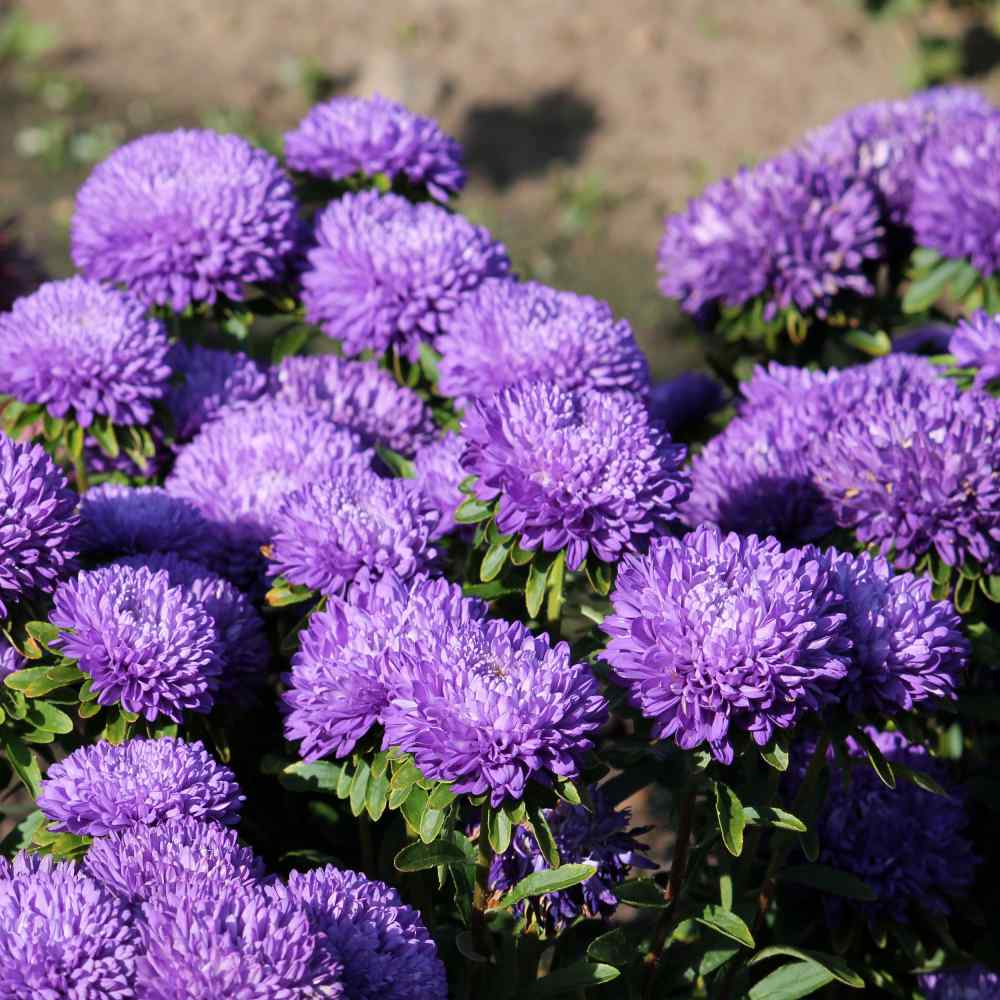
Botanical Name: Callistephus chinensis
Plant Type: Annual
Height: 24–30 inches
Spread: 12–18 inches
Flower Size: 3–4 inches
Flower Color: Soft lavender-blue
Bloom Season: Late summer through fall
Sun Requirements: Full sun
Growing Difficulty: Moderate
Uses: Fresh cut flowers, wedding bouquets, market bouquets, cottage gardens, borders, floral arrangements
Gremlin Lavender Blue is a valuable cut flower aster for its rare cool-toned coloring and dependable production. It provides an important contrast in bouquet work, especially when paired with warm autumn shades or soft romantic palettes. With strong stems, reliable flowering, and excellent vase life, it is a trusted performer in cutting gardens and floral production systems.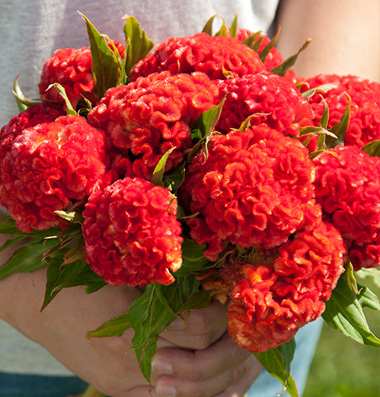
Botanical Name: Celosia cristata
Plant Type: Annual
Height: 24–36 inches
Spread: 12–18 inches
Flower Type: Crested (cockscomb)
Flower Color: Persimmon orange, red-orange, golden highlights
Bloom Season: Summer through frost
Sun Requirements: Full sun
Growing Difficulty: Easy
Uses: Fresh cut flowers, dried flowers, focal flower, autumn bouquets, market bouquets, floral design, craft use
Chief Persimmon is one of the most striking crested celosias for cut flower production, offering large sculptural blooms with exceptional color saturation. Its strong stems, excellent vase life, and outstanding drying ability make it a dependable premium focal flower. It is especially valuable for autumn-themed arrangements where bold warm tones and unusual textures are desired.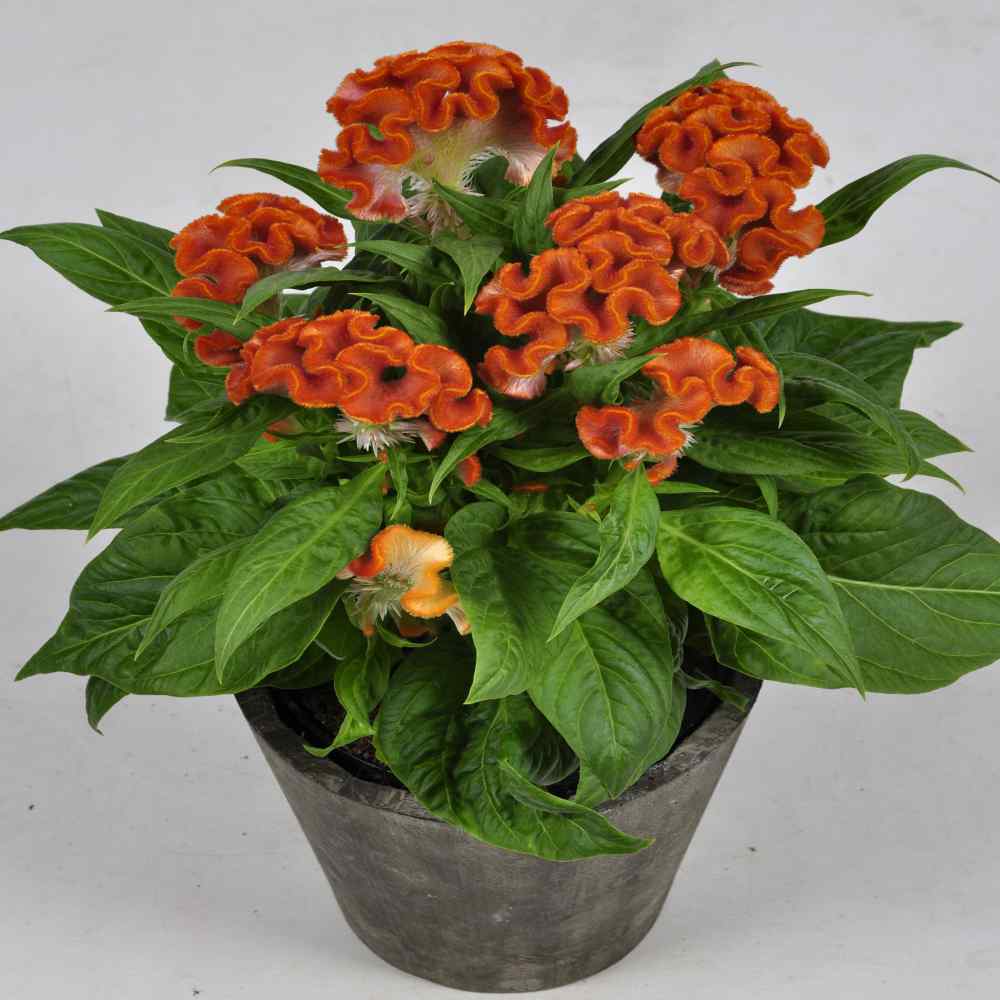
Botanical Name: Celosia cristata
Plant Type: Annual
Height: 24–36 inches
Spread: 12–18 inches
Flower Type: Crested (cockscomb)
Flower Color: Bright orange to deep persimmon-orange
Bloom Season: Summer through frost
Sun Requirements: Full sun
Growing Difficulty: Easy
Uses: Fresh cut flowers, dried flowers, focal flower, autumn bouquets, market bouquets, floral design, craft use
Jessica Orange is an excellent crested celosia selection for cutting gardens, offering strong stems, vibrant color, and outstanding drying ability. Its bold sculptural blooms provide a powerful focal element in floral arrangements and make it especially valuable for seasonal autumn designs. Dependable, productive, and visually striking, it is a top-tier choice for both fresh and everlasting floral work.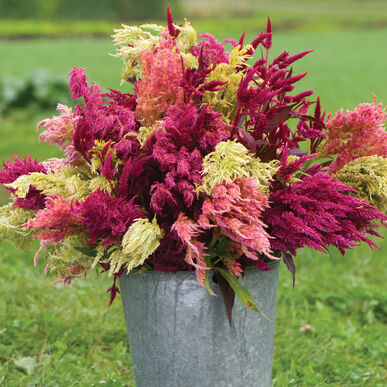
Botanical Name: Celosia argentea var. plumosa
Plant Type: Annual
Height: 24–48 inches
Spread: 12–18 inches
Flower Type: Feathered plume
Flower Color: Mixed (red, orange, gold, pink, rose, cream)
Bloom Season: Summer through frost
Sun Requirements: Full sun
Growing Difficulty: Easy
Uses: Fresh cut flowers, dried flowers, line flower, bouquet filler, market bouquets, floral design, craft use, cottage gardens
Pampas Plume Mix is one of the most versatile celosias for cutting gardens, combining strong stems, vivid color range, and outstanding vase life. Its feathery plumes add both structure and softness to floral arrangements while performing exceptionally well as a dried flower. Easy to grow and highly productive, it remains a foundational variety for both fresh and everlasting floral design work.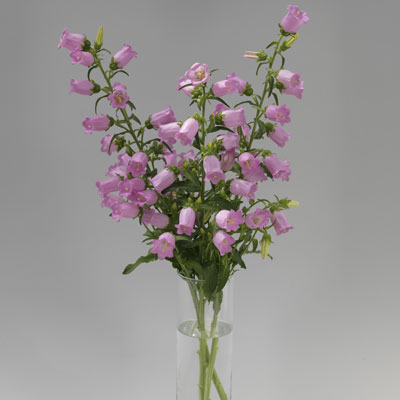
Botanical Name: Campanula medium
Plant Type: Biennial (often grown as annual for cut flower production)
Height: 24–36 inches
Spread: 12–18 inches
Flower Color: Soft pink
Bloom Season: Late spring through summer (depending on sowing time)
Sun Requirements: Full sun to partial shade
Growing Difficulty: Moderate
Uses: Fresh cut flowers, wedding bouquets, florist production, market bouquets, cottage gardens, borders
Champion Pro Pink is a true florist-grade campanula, offering uniform stems, elegant bell-shaped blooms, and excellent vase life. It is particularly valuable for wedding and designer floral work where soft pink tones and vertical structure are essential. With greenhouse or controlled field production, it delivers highly consistent, premium-quality stems for cutting gardens and commercial flower farms.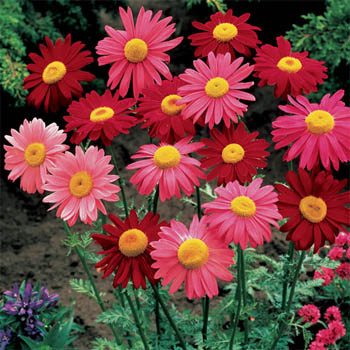
Botanical Name: Tanacetum (Pyrethrum group)
Plant Type: Hardy Perennial (often grown as biennial or short-lived perennial)
Height: 24–36 inches
Spread: 18–24 inches
Flower Size: 2–4 inches
Flower Color: Mixed bright colors (varies by selection)
Bloom Season: Late spring through summer
Sun Requirements: Full sun
Growing Difficulty: Easy to Moderate
Uses: Fresh cut flowers, cottage gardens, market bouquets, pollinator gardens, borders
Giant Painted Daisies are dependable, productive cut flowers that bring classic charm and strong visual impact to the cutting garden. Their large blooms, strong stems, and reliable vase life make them a valuable addition for both home gardeners and flower farmers. They are especially effective in informal, cottage-style bouquet designs.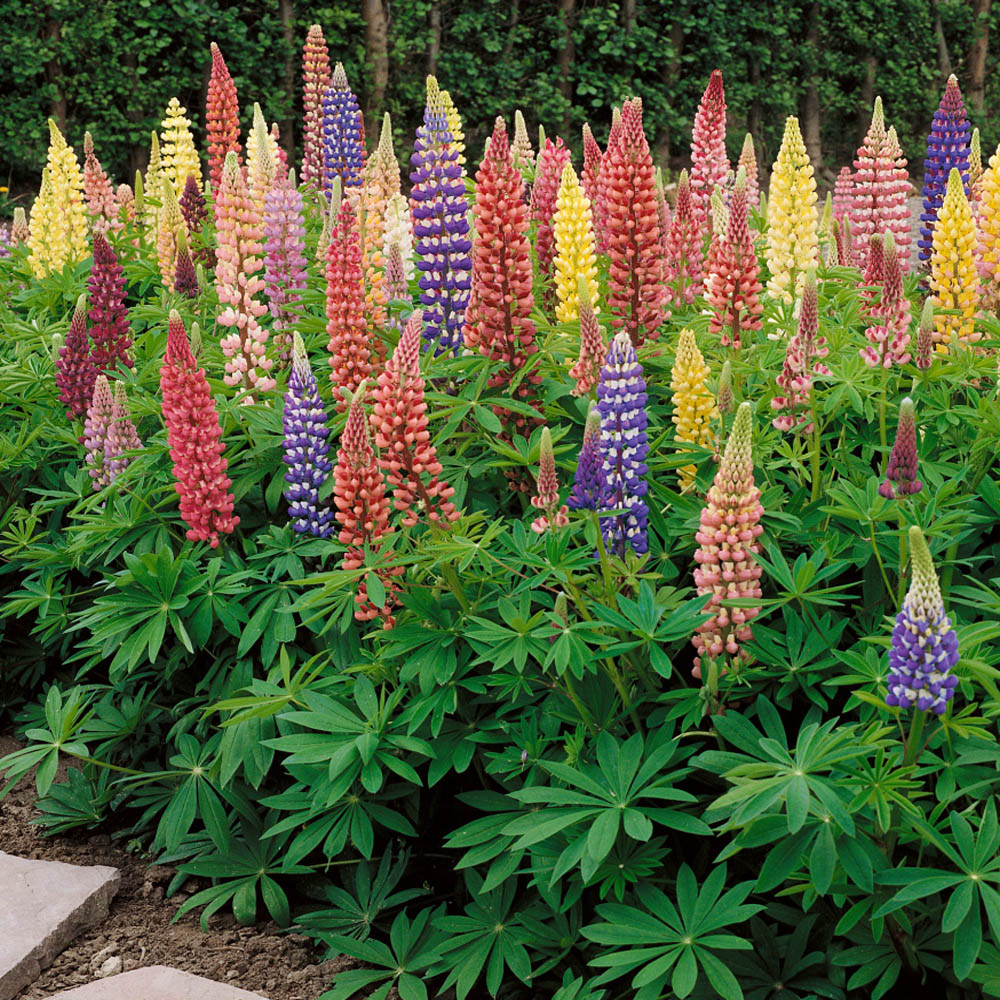
Botanical Name: Lupinus polyphyllus
Plant Type: Hardy Perennial
Height: 36–48 inches
Spread: 18–24 inches
Flower Color: Mixed (blue, purple, pink, red, yellow, bi-colors)
Bloom Season: Late spring to early summer
Sun Requirements: Full sun to partial shade
Growing Difficulty: Moderate
Uses: Fresh cut flowers, cottage gardens, wildflower plantings, pollinator gardens, borders, meadow gardens
Russell’s Mix Lupine is a classic perennial spire flower that brings strong vertical structure and rich color diversity to cutting gardens. While its vase life is somewhat shorter than commercial florist spikes, its dramatic garden presence and nostalgic cottage-garden appeal make it a worthwhile addition for specialty cutting and naturalistic floral designs.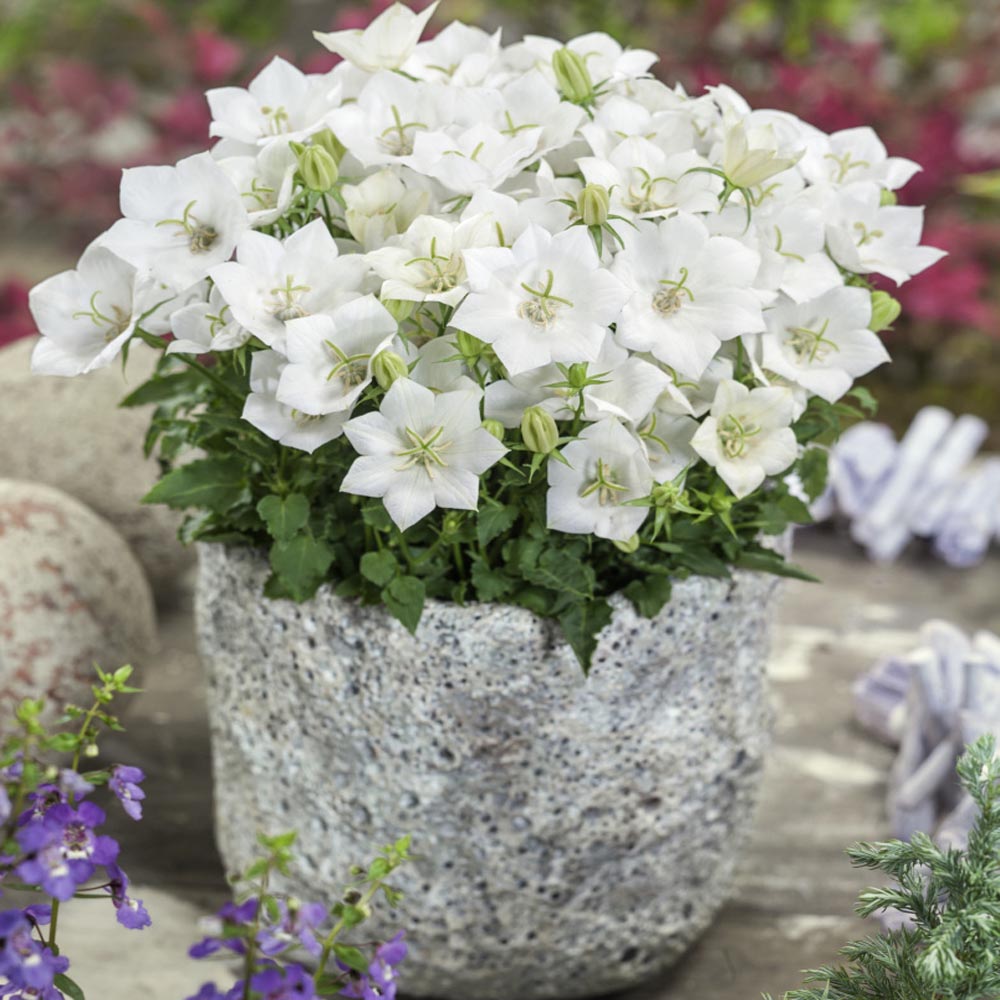
Botanical Name: Campanula carpatica
Plant Type: Hardy Perennial
Height: 8–12 inches
Spread: 12–18 inches
Flower Color: Pure white
Bloom Season: Late spring through summer (repeat bloom with deadheading)
Sun Requirements: Full sun to partial shade
Growing Difficulty: Easy
Uses: Small cut flower arrangements, wedding accents, rock gardens, borders, edging, cottage gardens
Carpathian White is best used as a specialty edging or accent cut flower rather than a main production crop. Its compact size limits its commercial bouquet use, but its clean white blooms and long flowering period make it a valuable supporting plant for cottage-style and garden-gathered arrangements.
Botanical Name: Dipsacus sativus
Plant Type: Biennial
Height: 4–6 feet
Spread: 18–24 inches
Flower Type: Spiny cylindrical heads
Flower Color: Pale green to lavender (maturing to tan seed heads)
Bloom Season: Mid to late summer (second year)
Sun Requirements: Full sun
Growing Difficulty: Easy
Uses: Dried flowers, structural arrangements, winter bouquets, cottage gardens, wildlife gardens, architectural floral design
Teasel is one of the most important structural plants in dried floral work, valued for its durability, height, and unmistakable silhouette. While not suited for delicate fresh bouquets, its dried seed heads are essential for adding architectural strength and winter interest to arrangements. It is also highly beneficial for wildlife, especially birds, which feed on the mature seed heads.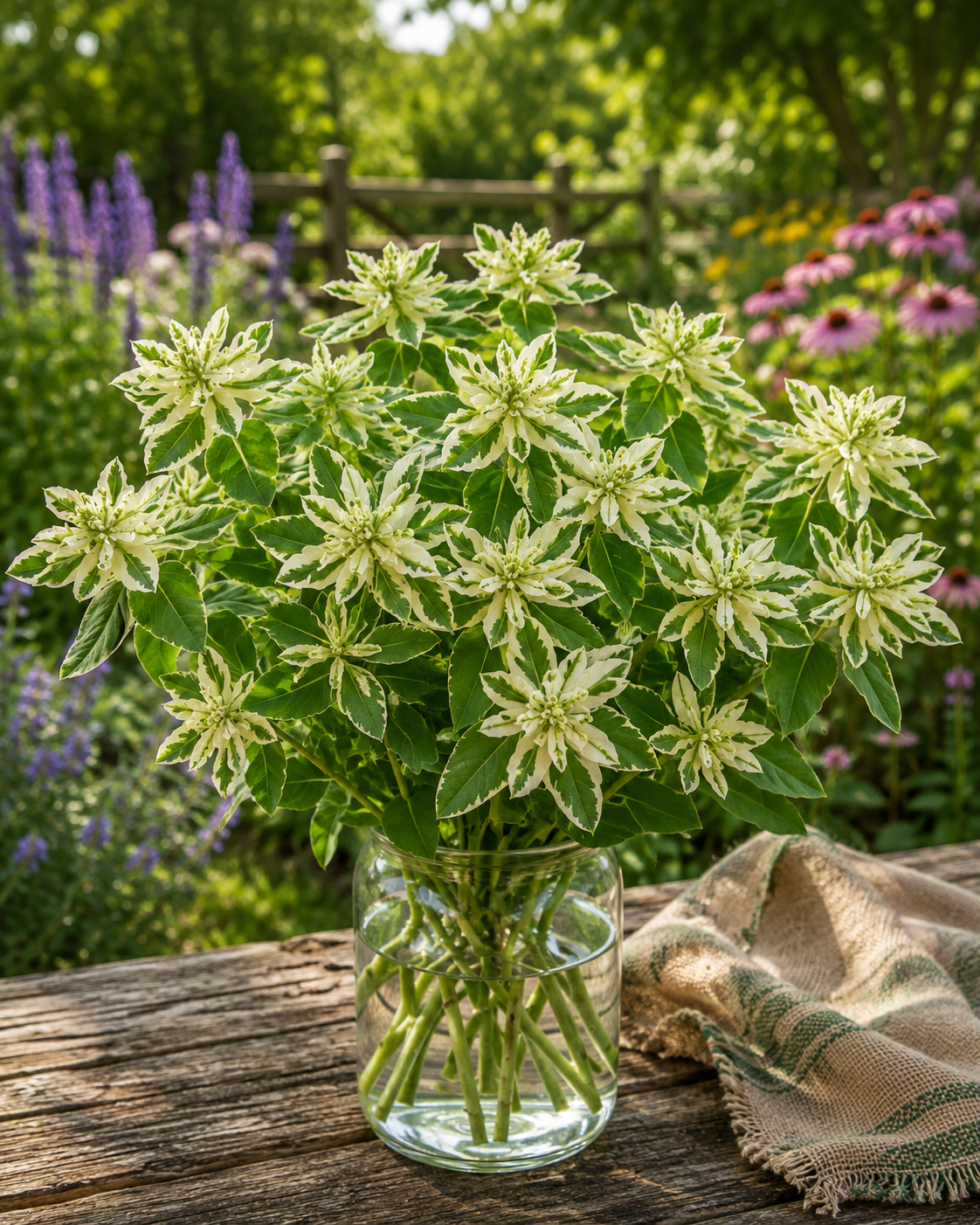
Botanical Name: Euphorbia marginata
Plant Type: Annual
Height: 24–36 inches
Spread: 12–18 inches
Foliage Color: Green with white variegation, maturing to white bracts
Bloom Season: Summer through early fall
Sun Requirements: Full sun
Growing Difficulty: Easy
Uses: Fresh cut foliage, bouquet filler, wedding arrangements, dried arrangements, cottage gardens, ornamental borders
Kilimanjaro is one of the finest variegated foliage plants for cutting gardens, offering a crisp white accent that enhances virtually any bouquet. Its strong stems, long-lasting structure, and unique coloration make it especially valuable for modern floral design work. While caution is needed when handling due to its sap, its ornamental and functional value in arrangements makes it a highly useful specialty cut foliage plant.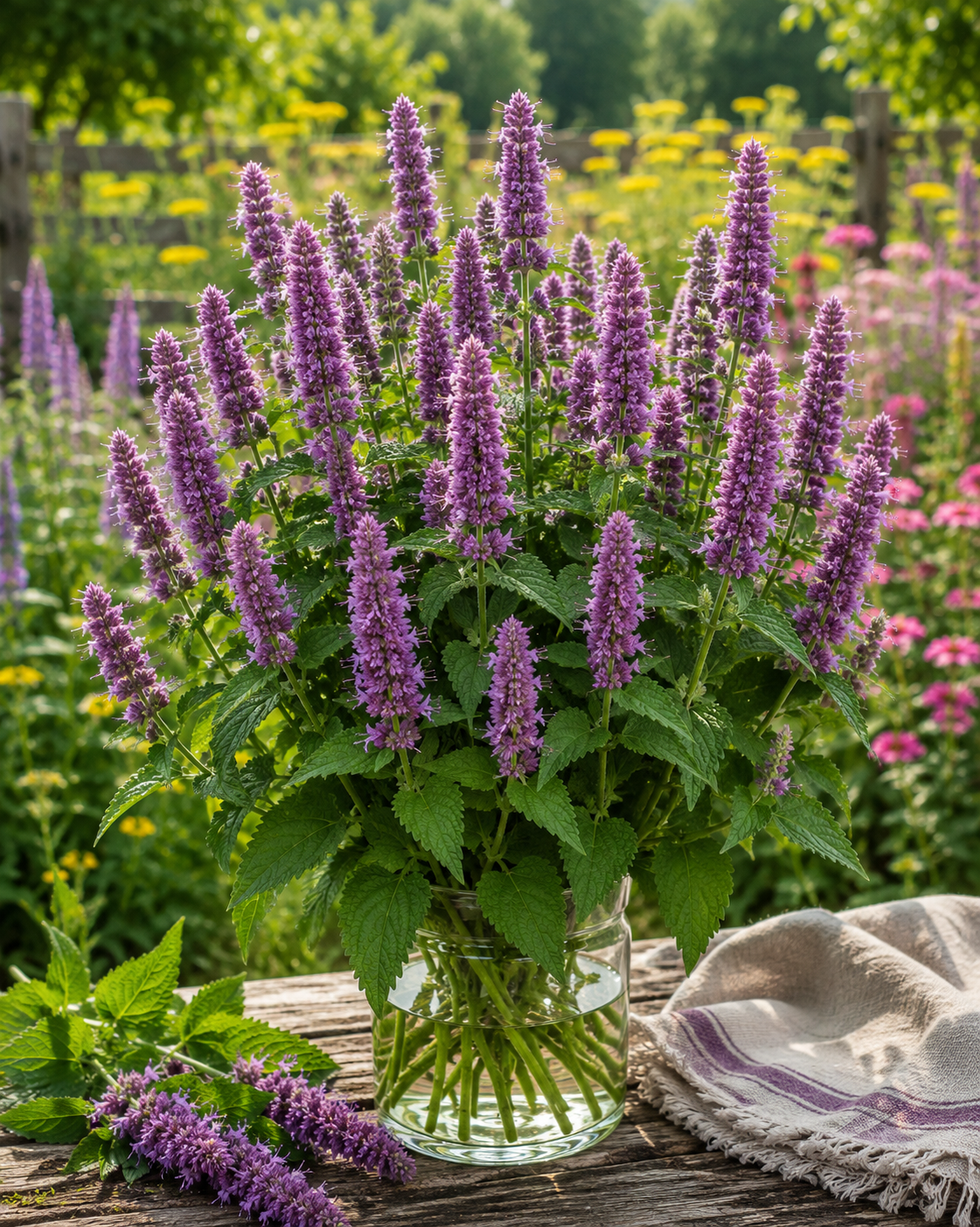
Botanical Name: Agastache rugosa
Plant Type: Hardy Perennial
Height: 30–48 inches
Spread: 18–24 inches
Flower Color: Lavender to soft purple
Bloom Season: Midsummer through fall
Sun Requirements: Full sun
Growing Difficulty: Easy
Uses: Fresh cut flowers, bouquet filler, line flower, pollinator gardens, herb gardens, cottage gardens, dried arrangements
Korean Mint is one of the most valuable pollinator-friendly cut flowers, combining long-lasting floral spikes with aromatic foliage and excellent garden performance. While not a primary focal flower, it is an exceptional structural and filler element in bouquets, especially for naturalistic and meadow-style designs. Its resilience, fragrance, and productivity make it a highly desirable perennial for cutting gardens.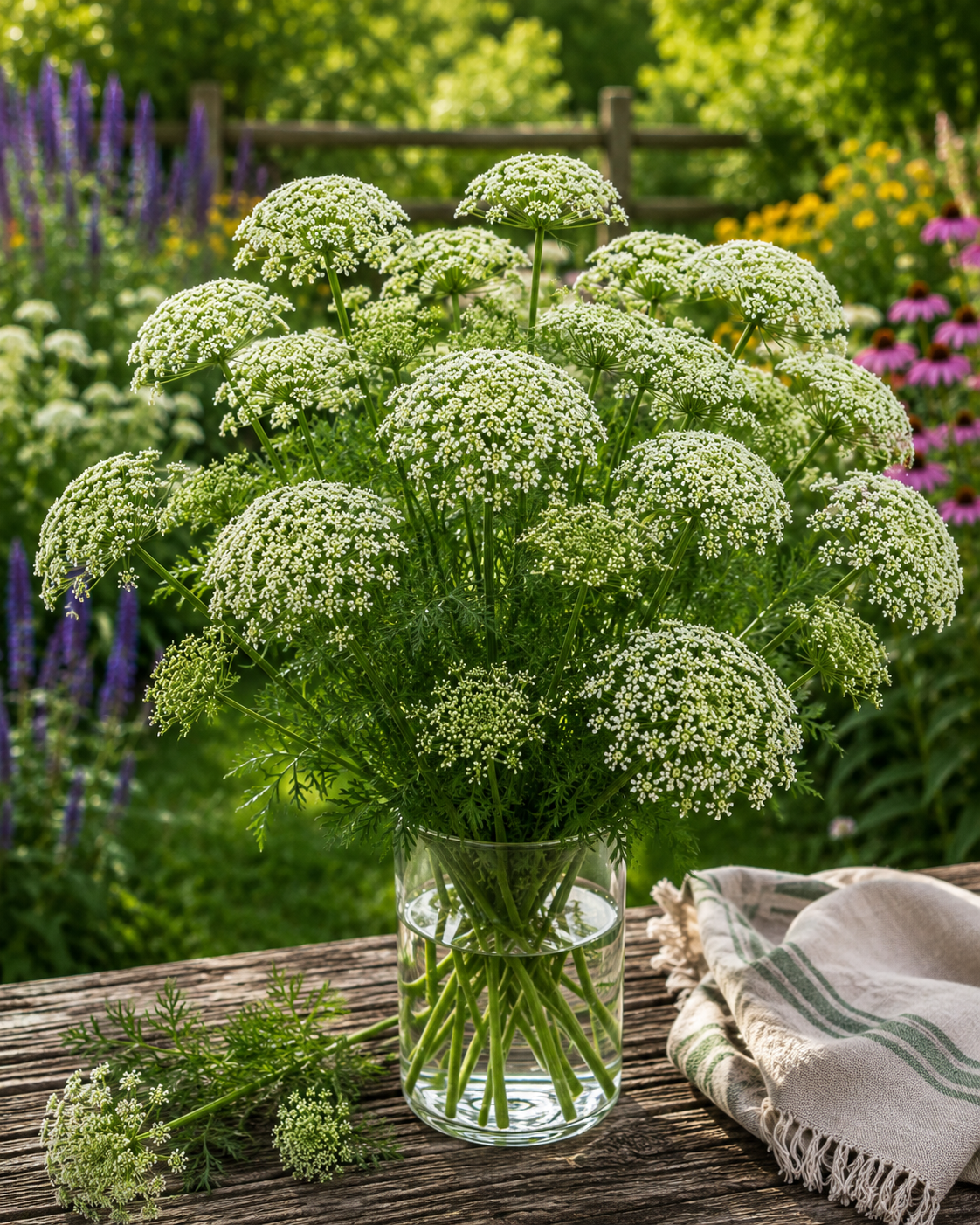
Botanical Name: Ammi majus
Plant Type: Annual
Height: 36–48 inches
Spread: 12–18 inches
Flower Color: Pure white
Bloom Season: Late spring through midsummer
Sun Requirements: Full sun
Growing Difficulty: Easy to Moderate
Uses: Fresh cut flowers, bouquet filler, wedding arrangements, cottage gardens, pollinator gardens, market bouquets, dried arrangements
Bishop’s Flower is one of the most indispensable white filler flowers in the cutting garden, offering unmatched delicacy and versatility. Its airy umbels provide professional-quality texture that elevates nearly any bouquet, while its strong stems and high productivity make it a reliable crop for both home gardeners and flower farmers. It is a true foundation plant for any serious cut flower program.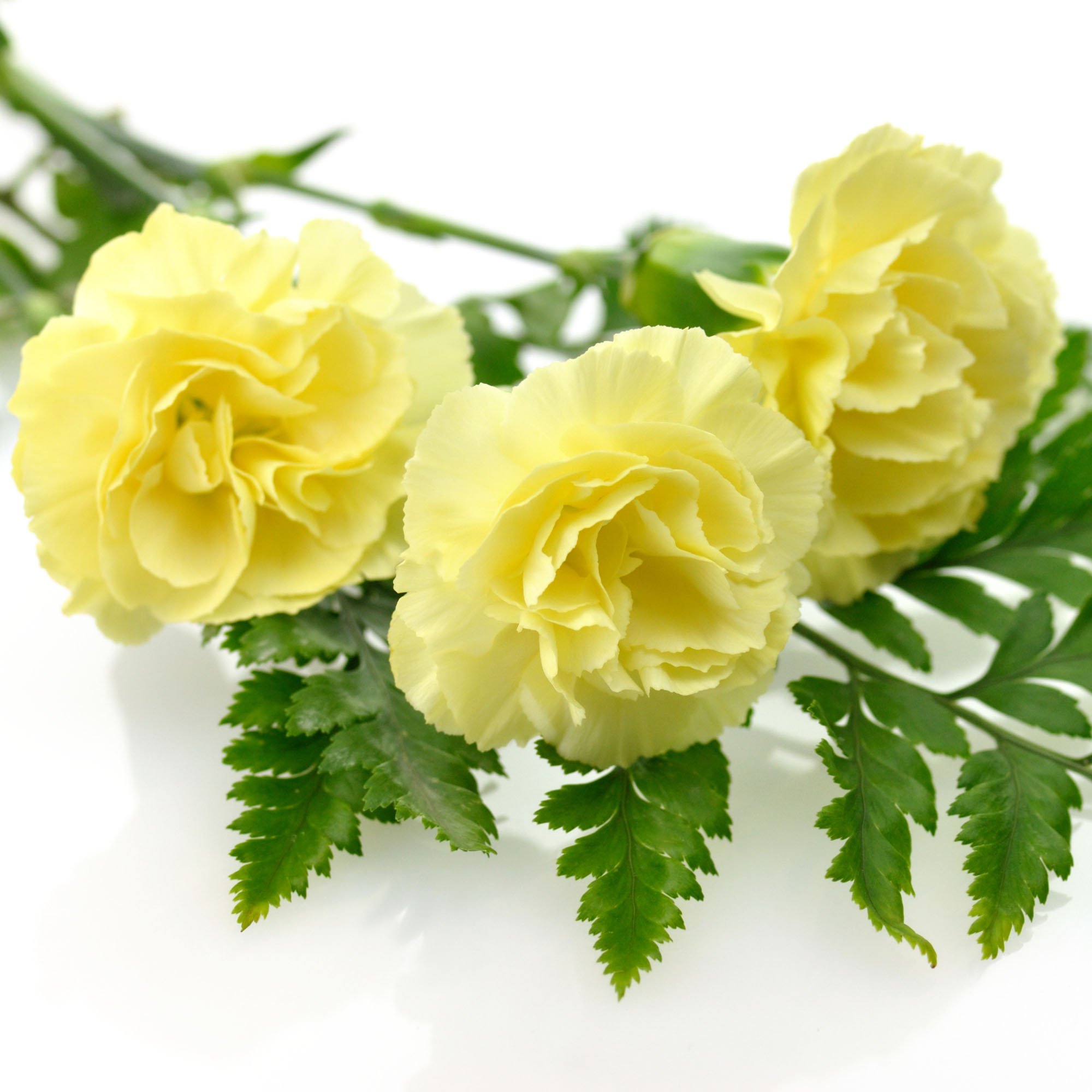
Botanical Name: Dianthus caryophyllus
Plant Type: Hardy Perennial (often grown as annual or biennial for cut flower production)
Height: 24–36 inches
Spread: 12–18 inches
Flower Size: 2–3 inches
Flower Color: Buttery yellow
Bloom Season: Late spring through fall (best in cooler weather)
Sun Requirements: Full sun
Growing Difficulty: Moderate
Uses: Fresh cut flowers, wedding bouquets, florist production, market bouquets, cottage gardens, borders
Marie Yellow is a high-quality florist carnation with outstanding vase life, strong stems, and consistent production of premium blooms. Its warm yellow coloration is especially useful in wedding and seasonal bouquet design, where soft, elegant tones are needed. It remains one of the most dependable and valuable cut carnations for both commercial and home cutting gardens.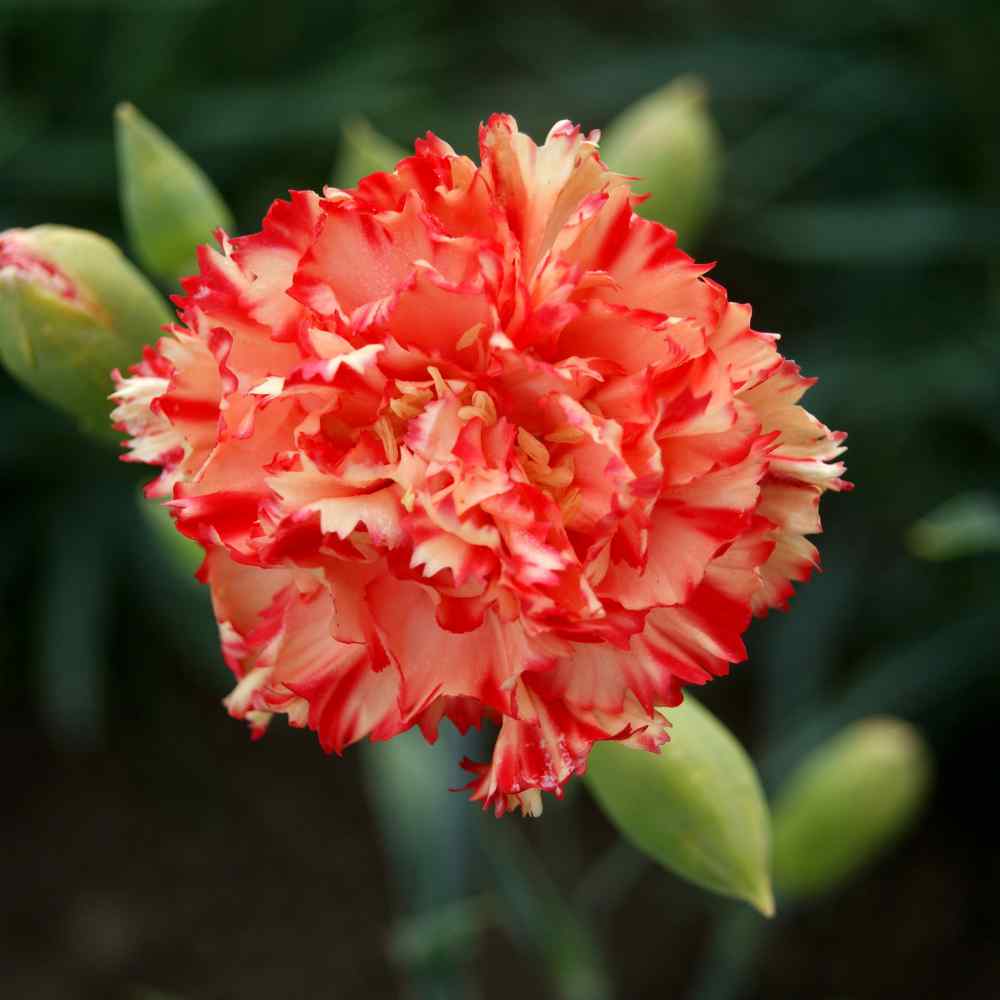
Botanical Name: Dianthus caryophyllus
Plant Type: Hardy Perennial (often grown as annual or biennial for cut flower production)
Height: 18–30 inches
Spread: 12–18 inches
Flower Size: 2–3 inches
Flower Color: Mixed soft pink, rose, salmon, blush
Bloom Season: Late spring through fall (best in cooler conditions)
Sun Requirements: Full sun
Growing Difficulty: Moderate
Uses: Fresh cut flowers, wedding bouquets, fragrant arrangements, cottage gardens, market bouquets, heirloom flower production
Chabaud Avranchin is one of the finest heirloom carnations for fragrant cut flower production, offering both excellent vase life and a rich, old-fashioned perfume that is increasingly rare in modern hybrids. Its soft pastel tones and strong fragrance make it especially valuable for romantic and vintage-style floral design work. A true classic for any serious cutting garden.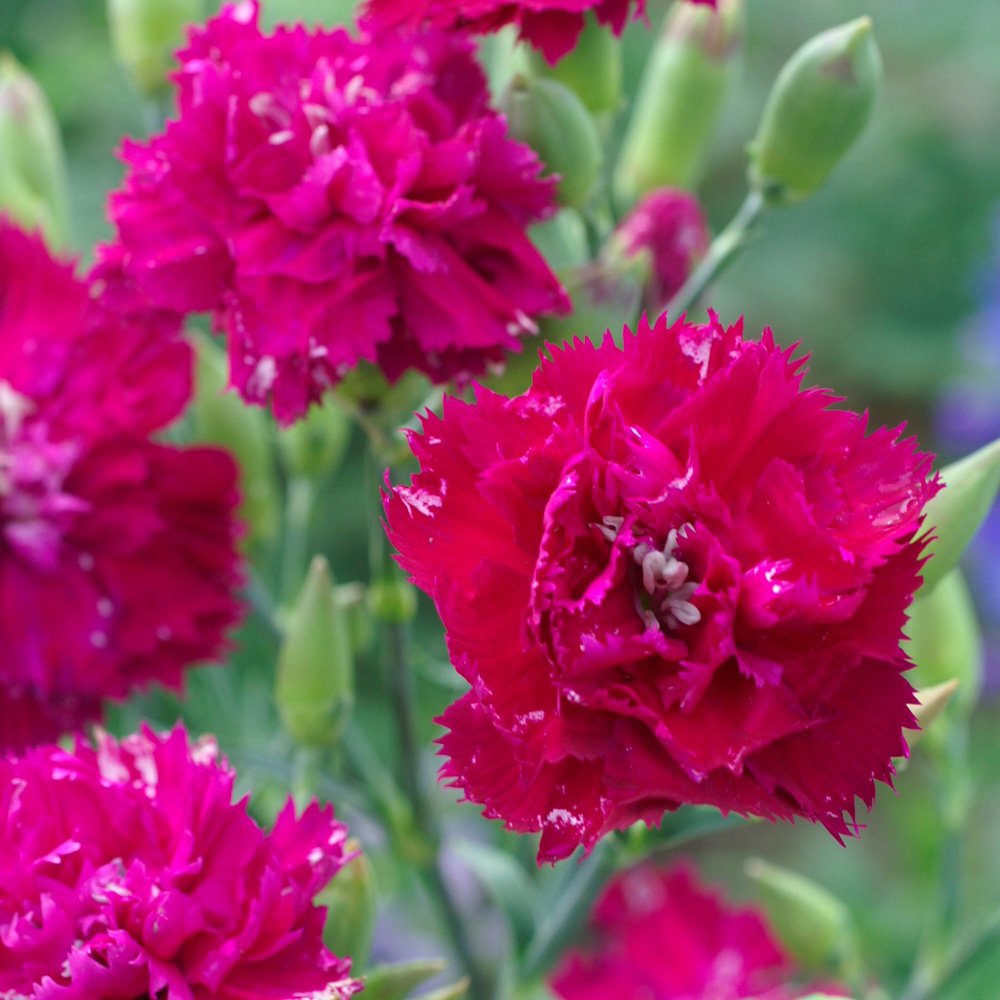
Botanical Name: Dianthus caryophyllus
Plant Type: Hardy Perennial (often grown as annual or biennial for cut flower production)
Height: 18–30 inches
Spread: 12–18 inches
Flower Size: 2–3 inches
Flower Color: Deep magenta to cerise pink
Bloom Season: Late spring through fall (best in cooler conditions)
Sun Requirements: Full sun
Growing Difficulty: Moderate
Uses: Fresh cut flowers, wedding bouquets, fragrant arrangements, cottage gardens, market bouquets, heirloom flower production
Chabaud Magenta is one of the most visually striking and fragrant heirloom carnations, combining deep color saturation with the classic spicy clove scent that defines traditional Dianthus. Its strong stems, excellent vase life, and continuous bloom production make it a premium selection for cutting gardens and professional floral design work.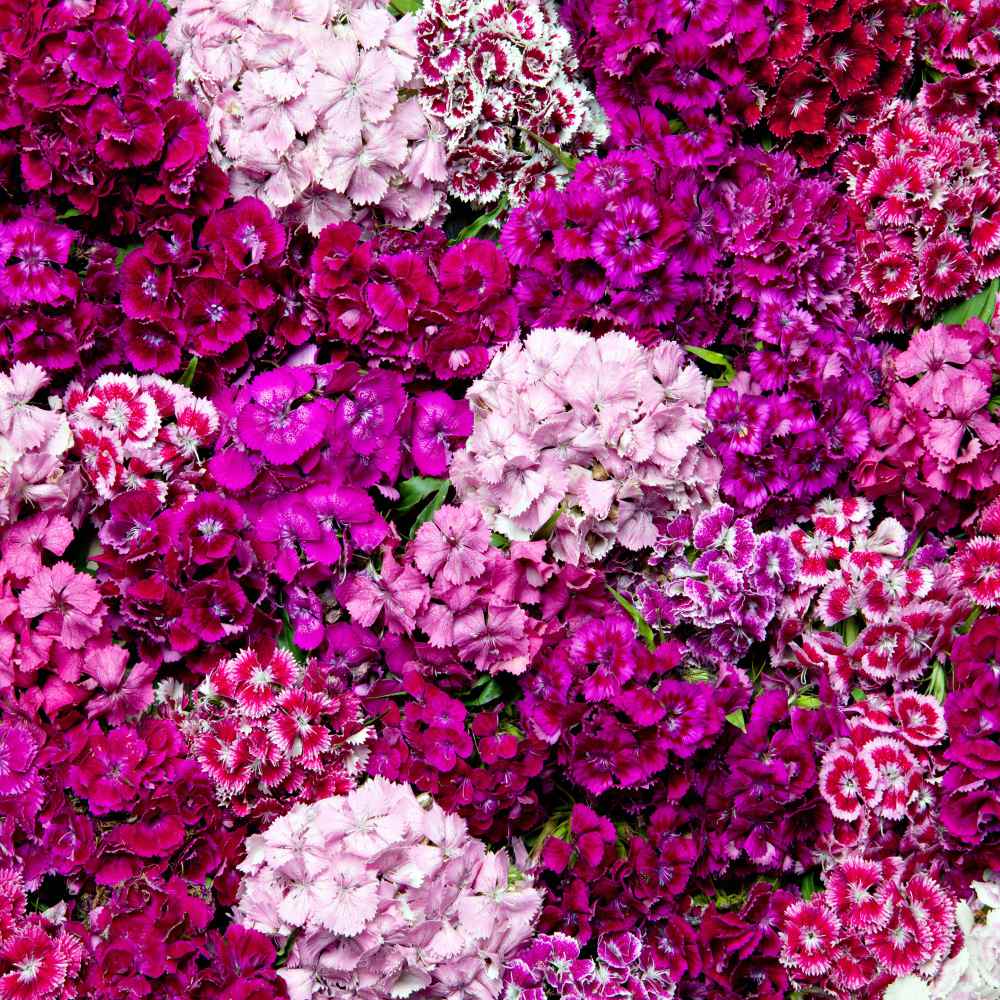
Botanical Name: Dianthus barbatus
Plant Type: Biennial (often grown as annual for cut flower production)
Height: 18–24 inches
Spread: 12–18 inches
Flower Color: Mixed (red, pink, white, purple, bicolors)
Bloom Season: Late spring through early summer
Sun Requirements: Full sun to partial shade
Growing Difficulty: Easy to Moderate
Uses: Fresh cut flowers, cottage gardens, market bouquets, borders, pollinator gardens, fragrant arrangements
Sweet William is one of the foundational cottage cut flowers, valued for its dense color clusters, fragrance, and reliable spring performance. While not a long-season summer bloomer, its early production window and strong bouquet utility make it an indispensable component of traditional cutting gardens and seasonal floral work.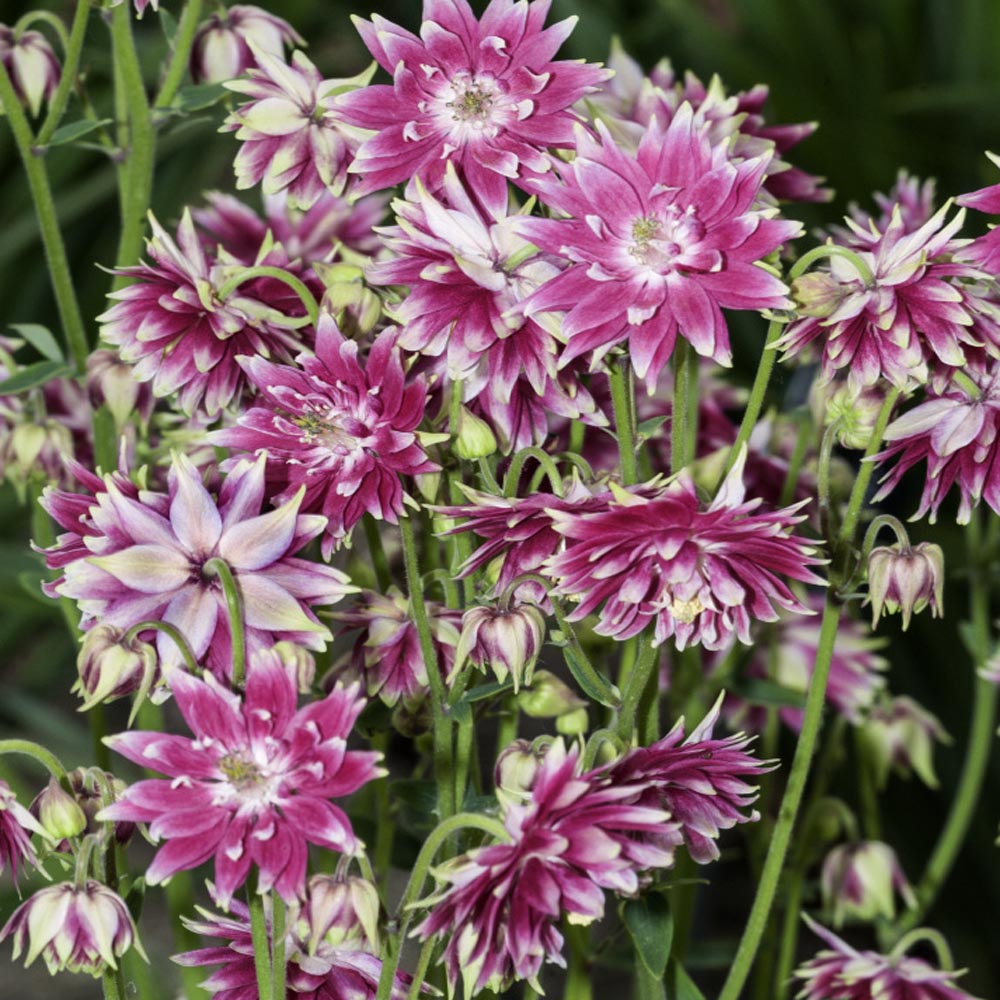
Botanical Name: Aquilegia vulgaris
Plant Type: Hardy Perennial
Height: 24–30 inches
Spread: 12–18 inches
Flower Color: Soft pink with antique rose and green accents
Bloom Season: Mid to late spring
Sun Requirements: Full sun to partial shade
Growing Difficulty: Easy to Moderate
Uses: Specialty cut flowers, cottage gardens, spring bouquets, woodland gardens, pollinator gardens, accent flowers
Nora Barlow Pink is one of the most distinctive columbines available, prized for its fully double, spurless flowers and soft romantic coloration. While not a high-yield cut flower, its unique form and elegant presence make it an excellent specialty accent for premium cottage-style arrangements and spring floral design work.
Botanical Name: Artemisia annua
Plant Type: Annual
Height: 4–6 feet
Spread: 24–36 inches
Foliage Color: Light to bright feathery green
Bloom Season: Late summer (flowers insignificant; grown for foliage)
Sun Requirements: Full sun
Growing Difficulty: Easy
Uses: Fresh cut foliage, dried arrangements, bouquet filler, wreaths, herbal crafts, cottage gardens, market bouquets
Sweet Annie is one of the most indispensable filler plants in floral design, offering unmatched airy texture, height, and aromatic foliage. It bridges the gap between focal flowers and structural elements, making bouquets feel full, natural, and professionally arranged. Its exceptional drying ability ensures long-lasting value in both decorative and craft applications.
Germination is about 50 percent, normal for this variety.
Ornamental Wheat
Botanical Name: Triticosecale spp.
Plant Type: Annual or short-lived cereal grass
Height: 24–48 inches
Spread: 12–18 inches
Flower Type: Wheat-like seed heads
Color: Soft green maturing to golden beige with silvery highlights
Bloom Season: Late spring to early summer (grown for seed heads)
Sun Requirements: Full sun
Growing Difficulty: Easy
Uses: Fresh cut stems, dried arrangements, structural filler, wreaths, cottage gardens, market bouquets, seasonal décor
Silver Tip Wheat is a cornerstone structural element in dried floral design, valued for its versatility, neutral color palette, and excellent drying performance. It provides essential height, movement, and texture that complements nearly every other cut flower. Easy to grow and highly productive, it is an indispensable component of both cutting and everlasting flower systems.

Serving gardeners since 1992
State of Mississippi Seedmen's Permit #C-391, Ohio 90152, Minnesota 20086777
