
Daisy Type Flowers
Complete Daisy Flower Growing Guide
Snow White Marguerite Daisy is a classic cutting flower that produces an abundance of pristine white daisy blossoms surrounding bright golden centers from late spring until frost. The cheerful flowers are borne on long, slender stems above finely divided green foliage, creating a timeless display that brings freshness and elegance to cutting gardens, cottage borders, and patio containers. Its pure white blooms blend effortlessly with almost every flower, making it one of the most versatile additions to any bouquet. Long, graceful stems and dependable vase life make Snow White an excellent choice for fresh floral arrangements. The crisp white blossoms remain attractive for 7 to 10 days after cutting and are widely used in hand-tied bouquets, wedding arrangements, centerpiece designs, and country-style floral displays. Their clean color provides the perfect complement to vibrant summer flowers such as zinnias, snapdragons, larkspur, dianthus, and eucalyptus, while continual harvesting encourages an even greater flush of blooms throughout the season. Growing 18 to 30 inches tall, Snow White thrives in full sun and fertile, well-drained soil, producing an abundance of florist-quality stems from early summer until autumn. Easy to grow and remarkably free flowering, it performs beautifully in dedicated cutting gardens, perennial borders, and cottage landscapes. Its nonstop bloom production ensures a steady supply of fresh flowers for both the garden and the vase. Specifications Seedman Notes Chia is an attractive, fast-growing member of the sage family that combines ornamental beauty, pollinator value, and highly nutritious seeds in a single easy-to-grow plant. Native to Central America, Chia produces lush green foliage and striking spikes of lavender-blue flowers that make it a beautiful addition to herb gardens, pollinator plantings, edible landscapes, and decorative containers. Today, Chia is best known for its nutrient-rich seeds, which have become one of the world's most popular health foods. The tiny seeds are valued for their fiber, protein, omega-3 fatty acids, antioxidants, and minerals. They are commonly added to smoothies, cereals, yogurt, baked goods, puddings, and a wide variety of healthy recipes. Beyond its edible harvest, Chia is a remarkably attractive garden plant. The nectar-rich flower spikes attract bees, butterflies, hummingbirds, and other beneficial pollinators throughout the blooming season. The tall spikes of lavender-blue flowers add dramatic vertical interest to borders, herb gardens, and container displays. As a member of the Salvia family, Chia also serves as an excellent companion plant, helping attract pollinators and beneficial insects to vegetable and herb gardens. The long blooming season makes it a valuable addition to wildlife-friendly landscapes. Chia is typically grown as an annual in all USDA Zones. In frost-free climates it may persist longer, but most gardeners grow it as a seasonal crop. Combining striking blue flowers, exceptional pollinator appeal, and one of nature's most nutritious seeds, Chia is both a beautiful ornamental plant and a productive edible crop. Whether grown for its seeds, wildlife value, or garden beauty, Chia is a rewarding addition to almost any sunny garden. Roman Chamomile is a fragrant, low-growing perennial herb prized for its sweet apple-scented foliage, charming daisy-like flowers, and centuries of use in herbal gardens. Unlike German Chamomile, which is grown as an annual, Roman Chamomile forms a spreading perennial mat of finely textured evergreen foliage that returns year after year, making it both a beautiful ornamental plant and a valuable herb. Throughout summer, the plants produce masses of cheerful white flowers with golden centers that float above the fragrant foliage. The blossoms attract bees, butterflies, and other beneficial pollinators while adding a delicate charm to borders, herb gardens, pathways, rock gardens, and containers. Roman Chamomile has long been cultivated as a tea herb, with the flowers harvested for soothing herbal infusions. The fragrant blooms are also used in potpourris, sachets, floral crafts, and traditional herbal preparations. When brushed or walked upon, the foliage releases a pleasant apple-like fragrance that has made Roman Chamomile a favorite for centuries. Because of its low-growing habit, Roman Chamomile is often used as a groundcover, edging plant, or even as a fragrant lawn substitute in suitable climates. It is equally at home in cottage gardens, pollinator gardens, and decorative patio containers. Roman Chamomile is a hardy perennial in USDA Zones 4-9. Combining fragrant foliage, charming flowers, pollinator appeal, and traditional herbal uses, Roman Chamomile remains one of the most versatile and beloved herbs for the home garden. Whether grown for tea, fragrance, groundcover, or ornamental beauty, this classic perennial herb provides years of enjoyment with very little maintenance. African Daisy Harlequin Mix is a dazzling blend of brightly colored daisy-like flowers that brings the vibrant spirit of South Africa directly into the garden. This spectacular mixture produces large blooms in brilliant shades of orange, scarlet, bronze, gold, cream, white, yellow, and bi-colors, many featuring dramatic dark centers and contrasting rings that create an almost painted appearance. The result is a kaleidoscope of color that remains eye-catching from late spring through fall. Each flower opens wide in sunshine, revealing intricate patterns and vivid color combinations that seem almost too perfect to be natural. The compact, bushy plants become covered with blooms, creating a cheerful display that is equally at home in flower beds, borders, containers, and wildflower plantings. Garden Uses Growing Information Harlequin Mix thrives in full sun and well-drained soil. Plants typically grow 12 to 18 inches tall and develop a compact, spreading habit covered with flowers throughout the growing season. They perform especially well in sunny locations where heat and bright light encourage abundant blooming. Once established, African Daisies are remarkably drought tolerant and continue flowering through periods of hot, dry weather. Removing spent blooms helps promote continuous flowering and keeps plants looking fresh and vigorous. Seed Sowing Instructions Seedman Notes African Daisy Harlequin Mix offers one of the most colorful flower displays available from seed. The combination of brilliant colors, unique petal patterns, and outstanding garden performance makes it a favorite for sunny borders and containers. Easy to grow and exceptionally rewarding, this mixture provides months of vibrant blooms while attracting a steady stream of pollinators. Quick Facts Giant Painted Daisies produce large, showy daisy-like blooms in bright, cheerful colors with prominent golden centers. The flowers are held on tall, sturdy stems that make them ideal for cutting and arranging in fresh floral designs. Their bold yet simple form adds a classic cottage-garden feel to bouquets while providing strong visual impact in both field plantings and vase arrangements. Plants typically grow 24 to 36 inches tall, producing multiple upright stems that yield a steady succession of blooms throughout the summer. Each stem carries a single large flower, making them excellent focal accents in bouquets. Giant Painted Daisies combine beautifully with snapdragons, larkspur, cosmos, zinnias, rudbeckia, statice, and ornamental grasses, adding brightness and structure to mixed arrangements. This Tanacetum type thrives in full sun and well-drained soil, performing best in cooler conditions but still providing reliable production through summer. Regular harvesting encourages continued bloom production and helps maintain strong stem quality. The flowers also attract bees and other beneficial pollinators, making them valuable in both cutting gardens and ecological plantings. Specifications Seedman Notes Orange Monarch of the Veldt produces spectacular daisy-like blooms in brilliant sunset orange highlighted by striking dark centers surrounded with a rich golden halo. The large flowers are carried on long, sturdy stems above attractive silvery-green foliage, creating a bold display from late spring through summer. Their vivid colors and dramatic markings bring warmth and excitement to cutting gardens, cottage landscapes, and flower farm plantings while making unforgettable focal flowers in fresh bouquets. Long, straight stems and dependable vase life make Orange Monarch of the Veldt an excellent choice for fresh floral arrangements. The impressive blooms remain attractive for 7 to 10 days and combine beautifully with blue cornflowers, larkspur, feverfew, snapdragons, ornamental grasses, eucalyptus, and other summer flowers. Their brilliant orange coloring adds vibrant contrast to mixed bouquets while the bold dark centers create eye-catching depth and visual interest. Growing 24 to 36 inches tall, Orange Monarch of the Veldt thrives in full sun and well-drained soil, tolerating heat, drought, and poor soils once established. Easy to grow and highly productive, the vigorous plants provide a continual harvest of florist-quality stems throughout the blooming season. Perfect for cutting gardens, annual borders, and sunny cottage landscapes, this striking South African native delivers weeks of colorful blooms for both the garden and the vase. Specifications African Daisy produces elegant, daisy-like flowers with shimmering silvery-white petals surrounding vivid blue to violet centers accented by golden stamens. The striking contrast creates one of the most eye-catching blooms in the cutting garden, adding brightness and sophistication to both casual and formal floral arrangements. The long, clean stems and large blossoms make this South African native an excellent choice for gardeners seeking something both unusual and beautiful. Plants typically grow 24 to 36 inches tall, producing sturdy stems that carry blooms measuring 3 to 4 inches across. The flowers open fully in bright sunshine, where their satiny petals seem to glow against the rich blue centers. Fresh-cut stems combine beautifully with larkspur, statice, snapdragons, cosmos, baby's breath, yarrow, and ornamental grasses, providing a crisp focal point in mixed bouquets. Regular harvesting encourages continued blooming throughout the growing season while supplying a steady succession of florist-quality flowers. Easy to grow in full sun and well-drained soil, African Daisy thrives in warm, dry conditions and performs exceptionally well during periods of summer heat. Once established, the plants are remarkably drought tolerant while continuing to produce abundant blooms that attract bees and butterflies. Their dependable flowering habit, refined appearance, and outstanding garden performance make African Daisy an excellent addition to cutting gardens, cottage plantings, and market flower production. Specifications Marconi Shasta Daisy (Leucanthemum × superbum 'Marconi') is a vigorous, free-flowering perennial that produces an abundance of large, brilliant white daisy blooms with rich golden-yellow centers from early summer well into late summer. Supported by sturdy, upright stems and attractive deep green foliage, Marconi offers outstanding garden performance, excellent weather resistance, and exceptional cut flower quality. Its classic daisy appearance and dependable flowering make it a favorite for cottage gardens, perennial borders, and pollinator landscapes. Garden Uses: Marconi Shasta Daisy is an excellent choice for perennial borders, cottage gardens, cutting gardens, pollinator gardens, foundation plantings, and mixed flower beds. Its tall stems add vertical interest while the crisp white flowers brighten the landscape throughout the summer. It pairs beautifully with purple coneflowers, salvias, delphiniums, phlox, yarrow, coreopsis, Russian sage, and ornamental grasses. Growing Information: Sow seeds indoors 8-10 weeks before the last expected frost or directly outdoors after danger of frost has passed. Lightly press seeds onto the surface of the growing medium, as light promotes germination. Germination generally occurs within 10-20 days at temperatures between 65-70°F. Plants thrive in full sun and fertile, well-drained soil. Water regularly during establishment and during extended dry periods. Removing faded blooms encourages repeat flowering, while dividing mature clumps every 3-4 years helps maintain vigorous growth and heavy flowering. Quick Facts: Shasta Daisy (Chrysanthemum maximum) is the classic white daisy that has delighted gardeners for generations with its large snow-white petals surrounding bright golden-yellow centers. Blooming freely from early summer through late summer, this hardy perennial forms vigorous clumps of deep green foliage topped with sturdy flower stems that sway gracefully in the breeze. Its timeless beauty, dependable performance, and outstanding cut flower quality have made the Shasta Daisy one of the world's most beloved perennial garden flowers. Garden Uses: Shasta Daisy is perfect for perennial borders, cottage gardens, cutting gardens, pollinator gardens, meadow plantings, foundation beds, and mixed flower borders. The bright white flowers create beautiful contrast with colorful summer perennials such as coneflowers, delphiniums, salvias, phlox, yarrow, coreopsis, and ornamental grasses. The long-lasting blooms are also among the finest cut flowers for fresh bouquets. Growing Information: Sow seeds indoors 8-10 weeks before the last expected frost or directly outdoors after danger of frost has passed. Lightly press seeds onto the soil surface, as light aids germination. Germination generally occurs within 10-20 days at temperatures of 65-70°F. Plants perform best in full sun and fertile, well-drained soil. Water regularly during establishment and during extended periods of drought. Remove spent blooms to encourage continued flowering, and divide mature clumps every 3-4 years to maintain vigor and abundant blooms. Contact Us | Privacy Policy | About Us
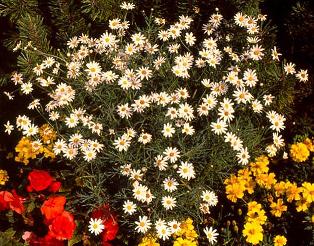
Botanical Name: Argyranthemum frutescens 'Snow White'
Plant Type: Tender perennial (commonly grown as an annual)
Height: 18–30 inches
Spread: 18–24 inches
Flower Color: Pure white with golden centers
Bloom Season: Late spring until frost
Sun Requirements: Full sun
Soil Requirements: Fertile, well-drained soil
Water Needs: Moderate; prefers evenly moist soil
Hardiness: USDA Zones 9–11 (grown as an annual in colder climates)
Cut Flower Quality: Excellent
Vase Life: 7–10 days
Stem Length: 18–24 inches
Fresh Bouquet Use: Excellent
Dry Flower Use: Poor
Snow White Marguerite Daisy is one of the finest white flowers for cutting gardens, prized for its nonstop bloom production, graceful stems, and timeless beauty. Its versatile blossoms brighten everything from rustic country bouquets to elegant wedding arrangements, making Argyranthemum frutescens 'Snow White' an outstanding choice for gardeners who enjoy bringing armloads of fresh flowers indoors all season long.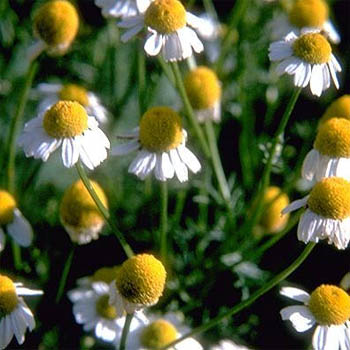
Hardiness Zones
Growing Tips
Hardiness Zones
Growing Tips
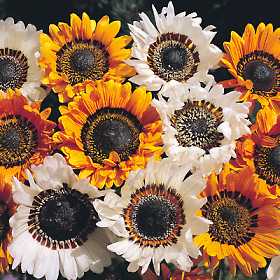
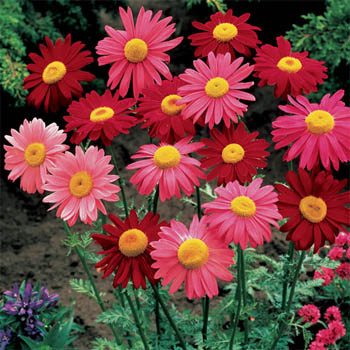
Botanical Name: Tanacetum (Pyrethrum group)
Plant Type: Hardy Perennial (often grown as biennial or short-lived perennial)
Height: 24–36 inches
Spread: 18–24 inches
Flower Size: 2–4 inches
Flower Color: Mixed bright colors (varies by selection)
Bloom Season: Late spring through summer
Sun Requirements: Full sun
Growing Difficulty: Easy to Moderate
Uses: Fresh cut flowers, cottage gardens, market bouquets, pollinator gardens, borders
Giant Painted Daisies are dependable, productive cut flowers that bring classic charm and strong visual impact to the cutting garden. Their large blooms, strong stems, and reliable vase life make them a valuable addition for both home gardeners and flower farmers. They are especially effective in informal, cottage-style bouquet designs.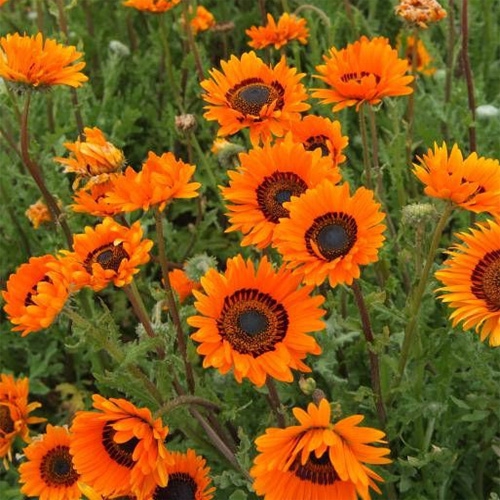
Botanical Name: Venidium fastuosum 'Orange'
Plant Type: Annual
Height: 24–36 inches
Spread: 12–18 inches
Flower Color: Brilliant orange with dark centers and golden halo
Bloom Season: Late spring through summer
Sun Requirements: Full sun
Soil Requirements: Well-drained soil; adaptable to most garden soils
Water Needs: Low to moderate; drought tolerant once established
Hardiness: Grown as an annual
Cut Flower Quality: Excellent
Vase Life: 7–10 days
Stem Length: 20–30 inches
Fresh Bouquet Use: Excellent
Dry Flower Use: Poor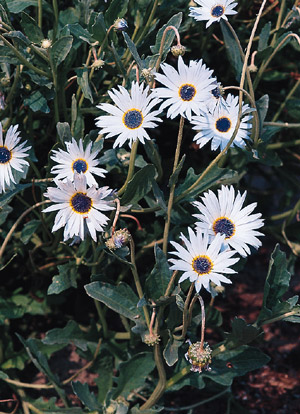
Botanical Name: Arctotis grandis
Plant Type: Annual (short-lived perennial in frost-free climates)
Height: 24–36 inches
Spread: 18–24 inches
Flower Size: 3–4 inches
Flower Color: Silvery-white petals with blue to violet centers and golden stamens
Bloom Season: Late spring through summer
Sun Requirements: Full sun
Growing Difficulty: Easy
Uses: Fresh cut flowers, cottage gardens, borders, pollinator gardens, market bouquets, specialty floral arrangements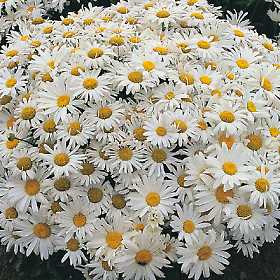
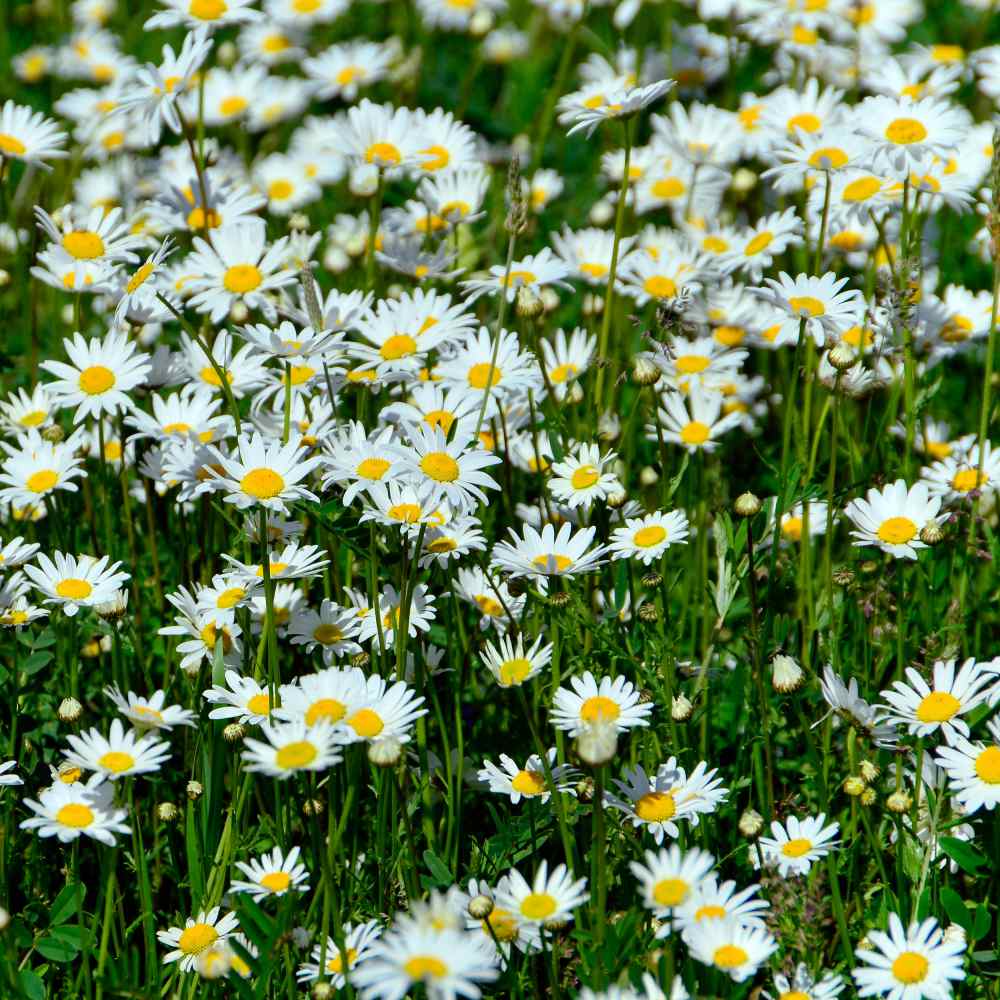
Botanical Name: Leucanthemum × superbum Common Name: Marconi Shasta Daisy Variety: Marconi Plant Type: Hardy perennial Height: 24-36 inches Spread: 18-24 inches Bloom Color: Pure white with golden yellow centers Bloom Season: Early summer through late summer Light Requirements: Full sun Soil Requirements: Fertile, well-drained soil USDA Zones: 4-9 Uses: Borders, cottage gardens, cutting gardens, pollinator gardens, foundation plantings 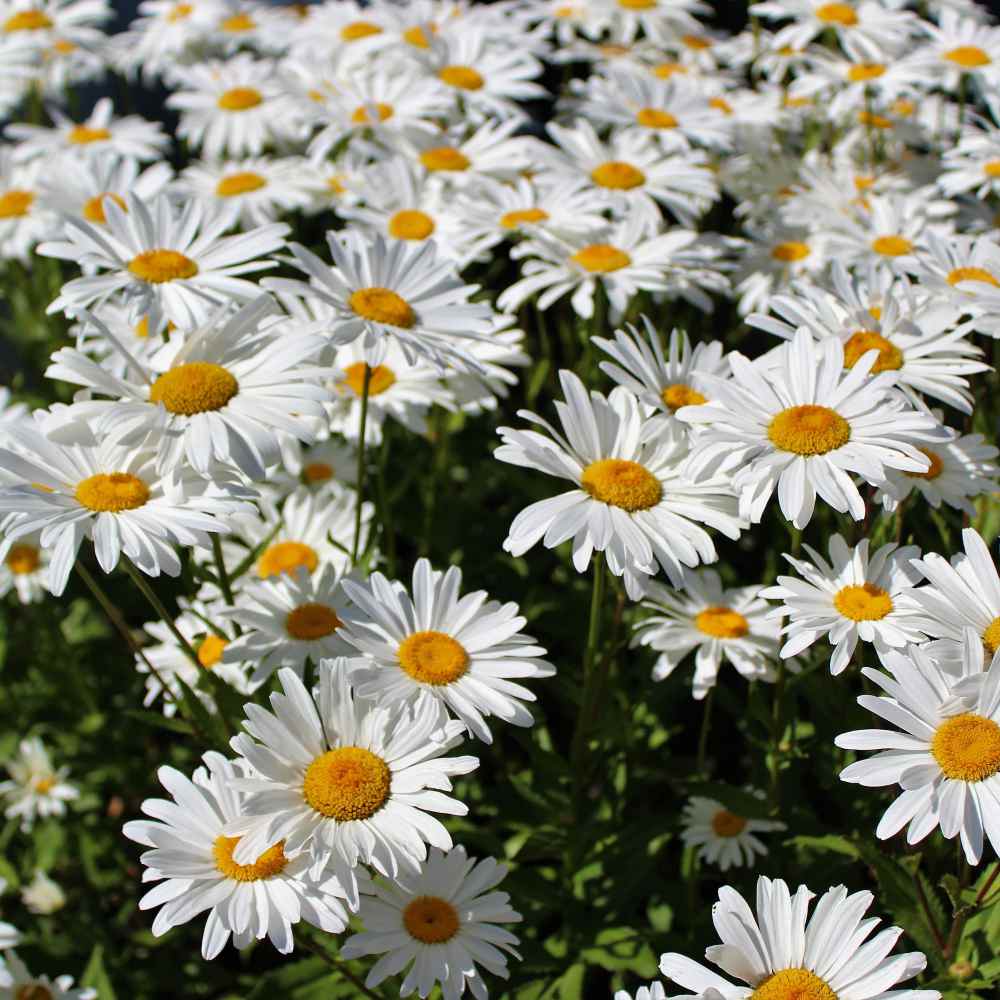
Botanical Name: Chrysanthemum maximum (now commonly classified as Leucanthemum × superbum) Common Name: Shasta Daisy Plant Type: Hardy perennial Height: 24-36 inches Spread: 18-24 inches Bloom Color: Pure white with golden yellow centers Bloom Season: Early summer through late summer Light Requirements: Full sun Soil Requirements: Fertile, well-drained soil USDA Zones: 4-9 Uses: Borders, cottage gardens, cutting gardens, pollinator gardens, foundation plantings, meadow gardens

Serving gardeners since 1992
State of Mississippi Seedmen's Permit #C-391, Ohio 90152, Minnesota 20086777