
Dandelion Seeds
From heart problems to acne, liver diseases to eye conditions, most people are unaware that this weed has higher amounts of potassium than bananas and more vitamin A than carrots.
Dandelion is also reported to have anti-rheumatic capacities. It is also a powerful diuretic with additional laxative properties. Good for hepatic and gallbladder conditions, digestive complaints, as well as general constipation.
Does well in virtually all US growing zones, with the exception of extreme conditions.
Plant the dandelion seeds in early spring in well-drained, fertile soil. Plant seeds directly in the garden 1/4 inch deep in the soil in single rows, about 8 inches.
You can harvest the greens throughout the growing season. Roots can be harvested in the fall of the second year of growth. Pull the entire root from the ground and avoid breakage.
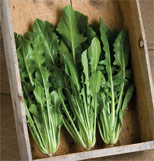
Dry roots in an oven or in the sun. Leaves can be eaten raw, or blanched by tying them up and banding the leaves. This will cause the inner leaves to turn white and sweet. The outer leaves are edible, but as the summer progresses, become bitter.
Can be dried and stored as any herb or spice in an air-tight container.
Contains a vast realm of chemical compounds and plant carotenoids, including caffeic, linoleic, linolenic, oleic, and palmitic acids, as well as the minerals potassium, iron, silicon, magnesium, sodium, and zinc, and the vitamins A, B, C, and D.
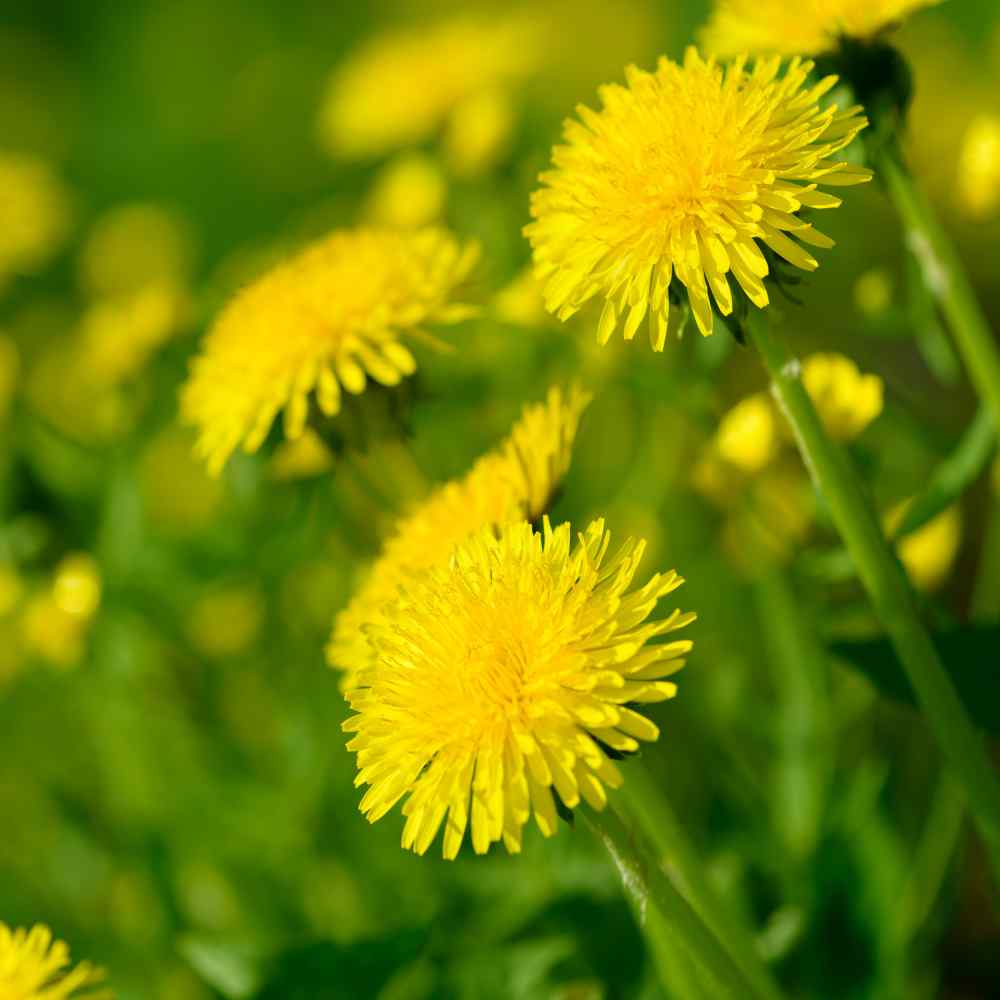
Dandelion is one of the world's most useful and versatile herbs, valued for centuries as a food plant, medicinal herb, pollinator plant, and edible landscape species. While often overlooked, this hardy perennial offers remarkable benefits and has been cultivated intentionally in herb gardens for generations.
Bright golden-yellow flowers appear from spring through fall, creating cheerful displays that attract bees, butterflies, and other beneficial pollinators. Dandelion is often among the earliest nectar sources available to bees in spring, making it an important plant for supporting pollinator populations.
Nearly every part of the plant has traditional uses. The young leaves are harvested for fresh salads, soups, and cooked greens. The flowers are used to make teas, jellies, syrups, wines, and herbal preparations. The roots have a long history of use in herbal traditions and are frequently roasted to create caffeine-free coffee substitutes.
Dandelion is also highly valued in sustainable gardening. Its deep taproot helps loosen compacted soil and draws minerals from deep underground, making those nutrients available closer to the soil surface. Many gardeners grow Dandelion specifically as a dynamic accumulator and companion plant within edible landscapes and permaculture gardens.
Uses and Benefits- Produces cheerful golden-yellow flowers.
- One of the earliest nectar sources for bees.
- Excellent pollinator plant for bees and butterflies.
- Young leaves are edible and nutritious.
- Flowers may be used in teas, jellies, syrups, and wines.
- Roots are traditionally roasted as a coffee substitute.
- Valuable medicinal herb with centuries of historical use.
- Deep taproot helps loosen compacted soils.
- Useful companion plant in permaculture gardens.
- Excellent addition to edible landscapes.
- Low maintenance and highly adaptable.
- Returns year after year as a hardy perennial.
Dandelion is a hardy perennial in USDA Zones 3-10.
Germination Instructions- Sow seeds directly outdoors in spring or fall.
- Seeds require light for best germination.
- Press seeds onto the soil surface and cover only lightly.
- Maintain soil temperatures between 60-75°F (16-24°C).
- Keep soil evenly moist during germination.
- Seeds typically germinate in 7-21 days.
- Thin seedlings as needed once established.
- Plant in full sun to partial shade.
- Prefers fertile, well-drained soil but adapts to most conditions.
- Allow adequate room for the deep taproot to develop.
- Harvest young leaves before flowering for the mildest flavor.
- Collect flowers frequently for culinary and herbal uses.
- Harvest roots in fall when they are at their largest.
Combining edible greens, attractive flowers, pollinator benefits, herbal value, and exceptional adaptability, Dandelion is one of the most useful plants that can be grown in a herb garden. Far more than a common wildflower, it is a productive and rewarding perennial that has earned its place in gardens around the world for centuries.
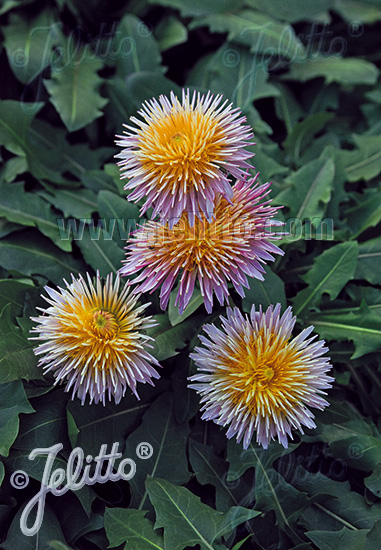
If you are growing dandelions, why not grow this unique, decorative variety that can be used as a medicinal plant, culinary herb, groundcover or as a honey-bee food plant. A perennial plant for zones 3-8.

Contact Us | Privacy Policy | About Us
Serving gardeners since 1992
State of Mississippi Seedmen's Permit #C-391, Ohio 90152, Minnesota 20086777