
Dicentra Seed ( Perennial )
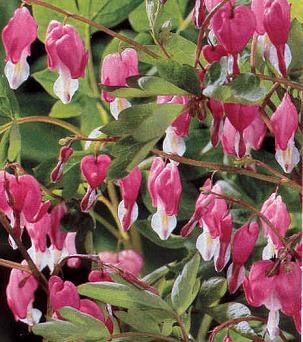
Pink Bleeding Hearts (Dicentra spectabilis) is one of the most beloved old-fashioned shade perennials, producing graceful arching stems lined with dangling pink heart-shaped flowers tipped in white. Blooming in spring, the delicate blossoms rise above soft green, deeply divided foliage and create a romantic woodland display that has made Bleeding Hearts a treasured garden favorite for generations. Its elegant form, dependable hardiness, and early-season beauty make it especially valuable for shaded borders, cottage gardens, and woodland plantings.
Garden Uses:
Pink Bleeding Hearts is ideal for shade gardens, woodland borders, cottage gardens, north-facing beds, foundation plantings, naturalized areas, and spring perennial displays. It combines beautifully with hostas, ferns, astilbes, columbines, hellebores, primroses, lungwort, Solomon's seal, and spring bulbs. Plant it where the arching flower stems can be seen up close, such as along shaded paths, near patios, or beneath small trees.
Growing Information:
Sow seeds in fall outdoors for natural cold stratification, or cold-moist stratify seed before spring sowing. Germination can be slow and irregular, often taking several weeks or longer. Plants prefer partial shade to full shade and rich, moist, well-drained soil high in organic matter. Keep soil evenly moist during active growth, especially in spring. After flowering, foliage may naturally yellow and go dormant during hot summer weather, particularly in warmer climates. Mark the planting location so dormant plants are not disturbed.
Quick Facts:
| Botanical Name: | Dicentra spectabilis (also known as Lamprocapnos spectabilis) |
| Common Name: | Pink Bleeding Hearts |
| Plant Type: | Hardy herbaceous perennial |
| Height: | 24-36 inches |
| Spread: | 24-36 inches |
| Bloom Color: | Pink with white tips |
| Bloom Season: | Spring to early summer |
| Light Requirements: | Partial shade to full shade |
| Soil Requirements: | Rich, moist, well-drained soil |
| USDA Zones: | 3-9 |
| Uses: | Shade gardens, woodland borders, cottage gardens, naturalized plantings, spring displays |

Contact Us | Privacy Policy | About Us
Serving gardeners since 1992
State of Mississippi Seedmen's Permit #C-391, Ohio 90152, Minnesota 20086777