
Dictamnus ( Gas Plant )
In hot weather, old flowers or seed pods emit a flammable oil which, on a windless summer evening, can be ignited with a match resulting in a brief vapor burn which is harmless to the plant, hence the common name.
Gas plant is an upright, clump-forming, perennial which features rigid, vertical stems typically growing 2-4' tall. Bears racemes of fragrant, 5-petaled, white or pink flowers about 1" long in late spring to early summer. Flowers give way to star-shaped seed heads which provide some ornamental interest if left on the plant.
Glossy light green leaves are attractive throughout the growing season and emit a pleasant lemony fragrance when rubbed or crushed. Foliage also contains an oil that causes allergic reactions (skin rash) in some individuals.
For zones 3-8.
Note: These seeds need to be cold statified before sowing.
We recommend using the Seedman's Cold Stratification Kits for cold stratification. Gas Plant (Dictamnus alba) is a fascinating and long-lived perennial known for its elegant upright flower spikes, glossy aromatic foliage, and unusual botanical history. In late spring to early summer, mature plants produce tall stems of orchid-like blossoms in shades of pale pink, rose, lavender, or white, often marked with darker veining. The attractive flowers rise above handsome, citrus-scented foliage and create a refined display in sunny borders, cottage gardens, and traditional perennial plantings. Once established, Gas Plant is extremely durable, drought tolerant, and capable of remaining in the same garden spot for decades. Garden Uses: Gas Plant is excellent for perennial borders, cottage gardens, herb gardens, fragrance gardens, pollinator plantings, and old-fashioned garden collections. Its upright flower spikes provide strong vertical interest and combine beautifully with peonies, iris, salvia, yarrow, campanulas, lavender, Shasta daisies, and ornamental grasses. Because mature plants dislike being moved, it is best planted where it can remain undisturbed for many years. Growing Information: Sow seeds outdoors in fall for natural cold stratification, or provide a period of cold, moist stratification before spring sowing. Germination can be slow and irregular, sometimes taking several months. Plants prefer full sun to light partial shade and well-drained, moderately fertile soil. Once established, Gas Plant develops a deep root system and becomes very drought tolerant. Avoid transplanting mature plants, as they resent root disturbance. Plants may take several years from seed to reach flowering size, but they are exceptionally long-lived once established. Quick Facts:
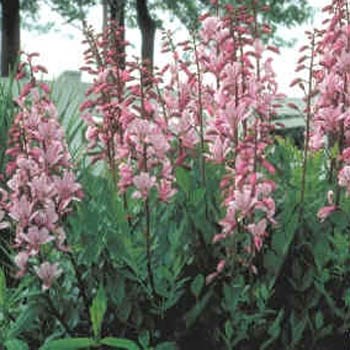
Botanical Name: Dictamnus alba Common Name: Gas Plant Plant Type: Long-lived hardy perennial Height: 24-36 inches Spread: 18-24 inches Bloom Color: Pink, rose, lavender, or white, often with darker veining Bloom Season: Late spring through early summer Light Requirements: Full sun to light partial shade Soil Requirements: Well-drained, moderately fertile soil USDA Zones: 3-8 Uses: Perennial borders, cottage gardens, herb gardens, fragrance gardens, pollinator gardens, heirloom plantings

Contact Us | Privacy Policy | About Us
Serving gardeners since 1992
State of Mississippi Seedmen's Permit #C-391, Ohio 90152, Minnesota 20086777