
Foxglove ( Digitalis ) Seed ( Perennial )
The perennial foxglove ( zones 4-10 ) is an excellent addition to the shade garden that will add beauty and color for many years.
Where to grow: The plants prefer well draining acidic soil conditions. Choose a location that offers shade. When planting add abundant compost or organic matter to the soil. Mulching with oak leaves in the fall will help the plants overwinter.
Foxglove will grow best in rich, well draining soil with humus or sand mixed in, but any garden type soil will work fine as long as it is on the acidic side.
Space foxglove plants about a foot and a half apart to offer enough room for the light green foliage that forms a large rosette shaped mound. Foxgloves spread rapidly and it is advised that every three to four years the plants be divided and transplanted into a new location. Foxgloves easily naturalize an area and offer a wonderful meadow appearance when allowed to grow wild with other wildflowers.
Foxgloves are adored by bees and hummingbirds so plant in a location where you can enjoy watching the activity. Locating them outside a window is often a wonderful way to enjoy the plants.
Apply 3 to 4 inches of mulch around the base of the foxglove plants. The mulch offers summertime protection for the plants root system against the intense heat, the mulch also offers wintertime protection, it helps soil retain water and keeps weeds down. Peat moss or bark chips are ideal mulch for use around foxgloves.
Water foxgloves weekly to keep the soil moist. The foxglove does not tolerate dry soil conditions well. Use a drip irrigation system or a soaker hose so the plants flowers and foliage does not become wet. The large flower spikes will easily be weighed down with water and often bend or break under the weight.
Clip spent flower heads to encourage side shoots to develop and flower. Leave the flower heads on the plant if you wish the plant to produce ample seeds and spread.
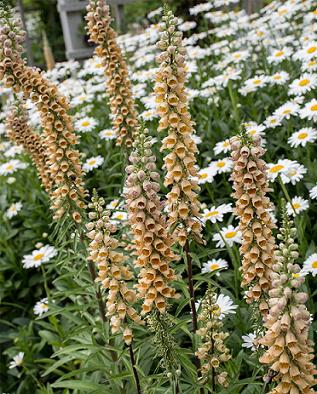
Garden Uses:
Rusty Gigantea Foxglove is an outstanding choice for perennial borders, cottage gardens, pollinator gardens, naturalized landscapes, woodland edges, and architectural garden designs. Its tall flower spikes provide exceptional vertical accents among delphiniums, lupines, ornamental grasses, echinacea, salvias, yarrow, and Shasta daisies. The unusual bronze-colored flowers also make long-lasting additions to fresh and dried floral arrangements.
Growing Information:
Sow seeds on the surface of moist growing medium, as light aids germination. Maintain temperatures between 65-70°F and keep evenly moist until germination, which generally occurs within 14-21 days. Transplant carefully after seedlings develop several true leaves. Plants perform best in full sun to partial shade with fertile, well-drained soil rich in organic matter. Water regularly during establishment, but mature plants become moderately drought tolerant. Remove spent flower spikes after blooming unless seed production or natural reseeding is desired.
Seedman Notes:
Rusty Gigantea is one of the most unusual foxgloves we offer and a favorite among gardeners looking for something beyond the traditional pink and purple varieties. Its elegant bronze flower spikes provide outstanding height, remarkable pollinator activity, and a sophisticated appearance that fits beautifully into both formal and naturalistic perennial gardens. Once established, it is a dependable, long-lived garden performer.
Quick Facts:
| Botanical Name: | Digitalis ferruginea |
| Common Name: | Rusty Gigantea Foxglove |
| Plant Type: | Hardy biennial or short-lived perennial |
| Height: | 48-72 inches |
| Spread: | 18-24 inches |
| Bloom Color: | Rusty bronze, golden tan, and creamy yellow |
| Bloom Season: | Early to midsummer |
| Light Requirements: | Full sun to partial shade |
| Soil Requirements: | Fertile, well-drained soil |
| USDA Zones: | 4-8 |
| Uses: | Perennial borders, cottage gardens, pollinator gardens, woodland edges, architectural plantings, cut flowers |
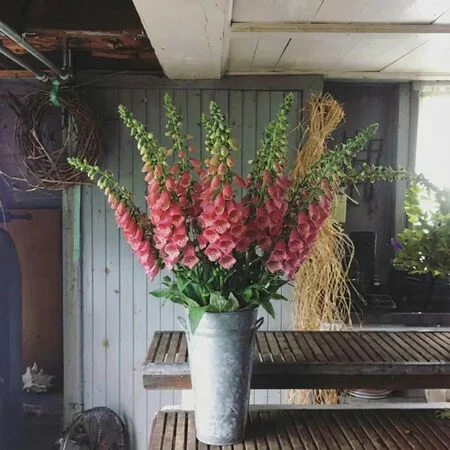
One of the most beautiful and distinctive foxglove hybrids ever introduced, combining the vigor of the common foxglove with the rich coloring of rusty foxglove. Tall, stately flower spikes are covered with large, outward-facing, strawberry-rose blossoms that glow with warm coppery undertones and speckled throats. Blooming from late spring into early summer, this remarkable perennial creates an elegant vertical accent in the garden while attracting bees, butterflies, and hummingbirds. Its unique flower color, exceptional hardiness, and long bloom period have made Strawberry Foxglove a favorite among collectors and cottage gardeners alike.
Garden Uses:
Strawberry Foxglove is an excellent choice for perennial borders, cottage gardens, woodland edges, pollinator gardens, English-style landscapes, and naturalized plantings. The tall flower spikes blend beautifully with delphiniums, lupines, peonies, campanulas, salvia, Shasta daisies, ornamental grasses, and old-fashioned roses. They also make outstanding cut flowers, adding height and elegance to fresh floral arrangements.
Growing Information:
Sow seeds on the surface of moist growing medium, as light aids germination. Maintain temperatures between 65-70°F and keep evenly moist until germination, which generally occurs within 14-21 days. Plants thrive in full sun in cooler climates or light afternoon shade in warmer regions. Rich, moist, well-drained soil produces the strongest plants and tallest flower spikes. Water regularly during dry periods and remove spent flower stalks after blooming unless seed production or natural reseeding is desired. Plants often behave as short-lived perennials but may gently self-seed in favorable locations.
Quick Facts:
| Botanical Name: | Digitalis × mertonensis |
| Common Name: | Strawberry Foxglove |
| Plant Type: | Short-lived hardy perennial |
| Height: | 36-48 inches |
| Spread: | 18-24 inches |
| Bloom Color: | Strawberry rose with warm coppery tones and spotted throats |
| Bloom Season: | Late spring through early summer |
| Light Requirements: | Full sun to partial shade |
| Soil Requirements: | Rich, moist, well-drained soil |
| USDA Zones: | 4-8 |
| Uses: | Perennial borders, cottage gardens, woodland gardens, pollinator gardens, cut flowers |
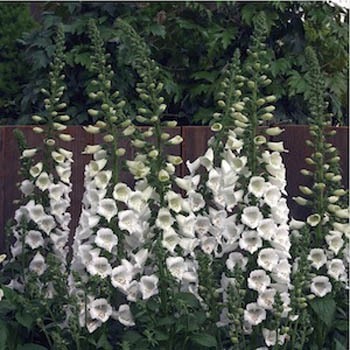
A graceful heirloom perennial producing tall, elegant spires of pristine creamy-white, bell-shaped flowers with delicately speckled throats. Blooming from late spring through early summer, the luminous blossoms rise above handsome rosettes of deep green foliage and bring a sense of refinement and tranquility to the garden. Their pure white color brightens shady borders, woodland gardens, and cottage landscapes while attracting an abundance of beneficial pollinators. Elegant, dependable, and timeless, Soft White Foxglove remains one of the finest white flowering perennials available.
Garden Uses:
Soft White Foxglove is an exceptional addition to cottage gardens, woodland borders, perennial beds, pollinator gardens, moon gardens, and naturalized landscapes. The tall flower spikes create striking vertical accents among hostas, ferns, astilbes, delphiniums, columbines, peonies, Shasta daisies, and ornamental grasses. The elegant blooms also make beautiful cut flowers for fresh arrangements, adding height and sophistication indoors.
Growing Information:
Sow seeds on the surface of moist growing medium, as light is required for germination. Maintain temperatures between 65-70°F and keep evenly moist until seedlings emerge, usually within 14-21 days. Plants perform best in full sun in cooler climates or partial shade in warmer regions. Rich, moist, well-drained soil encourages vigorous growth and abundant flowering. Remove spent flower spikes after blooming to encourage strong basal growth, or allow plants to self-seed naturally for future displays. Individual plants are generally biennial or short-lived perennials, but they often maintain themselves through gentle reseeding.
Quick Facts:
| Botanical Name: | Digitalis purpurea 'Alba' |
| Common Name: | Soft White Foxglove |
| Plant Type: | Biennial or short-lived perennial |
| Height: | 36-60 inches |
| Spread: | 15-24 inches |
| Bloom Color: | Pure white with lightly speckled throats |
| Bloom Season: | Late spring through early summer |
| Light Requirements: | Full sun to partial shade |
| Soil Requirements: | Rich, moist, well-drained soil |
| USDA Zones: | 4-9 |
| Uses: | Cottage gardens, woodland gardens, perennial borders, moon gardens, pollinator gardens, cut flowers |
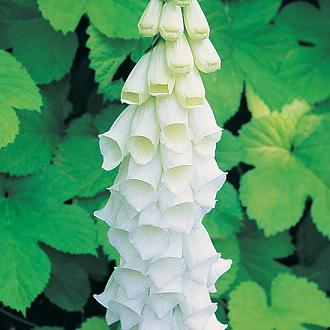
Aa compact, free-flowering selection that combines the timeless beauty of traditional foxgloves with a more manageable size, making it ideal for today's gardens and containers. Graceful spikes of creamy vanilla-white blossoms, often delicately speckled within the throats, rise above neat rosettes of rich green foliage from late spring through early summer. The elegant flowers provide outstanding vertical interest while attracting a remarkable variety of pollinators, bringing classic cottage garden charm to even the smallest landscapes.
Garden Uses:
Dwarf Vanilla Foxglove is perfect for perennial borders, cottage gardens, woodland gardens, pollinator plantings, patio containers, raised beds, and foundation borders. Its compact stature allows it to fit beautifully into smaller spaces where full-sized foxgloves would be overwhelming. It combines wonderfully with campanulas, columbines, hostas, astilbes, ferns, Shasta daisies, salvia, coral bells, and ornamental grasses. The flower spikes also make excellent additions to fresh-cut floral arrangements.
Growing Information:
Sow seeds on the surface of moist growing medium, as light is required for germination. Maintain temperatures between 65-70°F and keep evenly moist until seedlings emerge, usually within 14-21 days. Plants thrive in full sun in cooler climates or partial shade where summers are hot. Rich, well-drained soil with consistent moisture produces the strongest plants and best flowering. Remove spent flower spikes after blooming to encourage vigorous foliage growth, or allow seed heads to mature for gentle natural reseeding. Individual plants are generally biennial or short-lived perennials but often maintain themselves through volunteer seedlings.
Quick Facts:
| Botanical Name: | Digitalis purpurea |
| Common Name: | Dwarf Vanilla Foxglove |
| Plant Type: | Biennial or short-lived perennial |
| Height: | 18-30 inches |
| Spread: | 12-18 inches |
| Bloom Color: | Creamy vanilla-white with lightly speckled throats |
| Bloom Season: | Late spring through early summer |
| Light Requirements: | Full sun to partial shade |
| Soil Requirements: | Rich, moist, well-drained soil |
| USDA Zones: | 4-9 |
| Uses: | Cottage gardens, woodland gardens, perennial borders, containers, pollinator gardens, cut flowers |
Garden Uses:
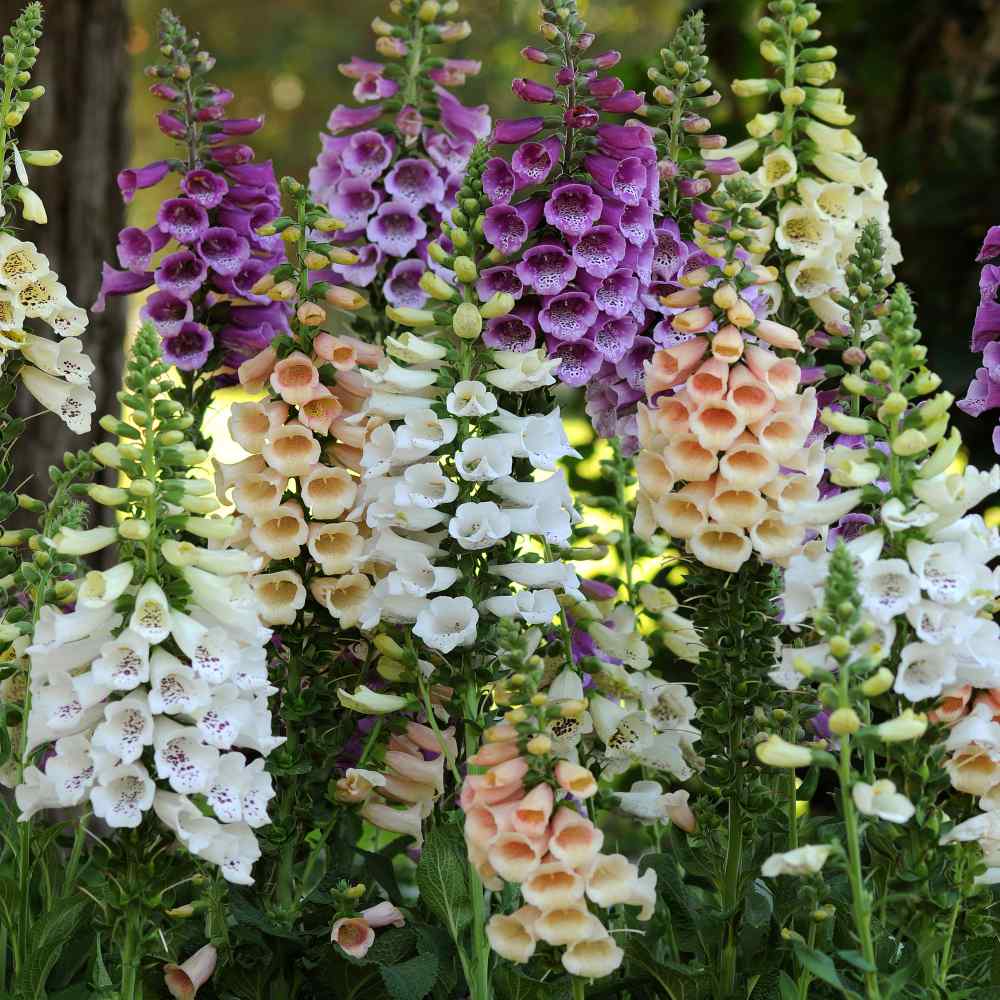
Foxglove Excelsior Mix is an exceptional choice for cottage gardens, woodland borders, perennial beds, pollinator gardens, naturalized landscapes, and English-style gardens. The impressive flower spikes provide dramatic height among delphiniums, lupines, peonies, campanulas, columbines, roses, salvias, Shasta daisies, and ornamental grasses. Their long stems also make outstanding cut flowers, bringing elegance and height to fresh floral arrangements.
Growing Information:
Sow seeds on the surface of moist growing medium, as light is required for germination. Maintain temperatures between 65-70°F and keep evenly moist until seedlings emerge, usually within 14-21 days. Plants perform best in full sun in cooler climates or partial shade where summers are warm. Rich, moist, well-drained soil produces vigorous plants and abundant flower spikes. Remove spent blooms after flowering to encourage healthy basal growth, or allow seed heads to mature for natural reseeding. Plants generally behave as biennials or short-lived perennials but often establish long-lasting colonies through gentle self-seeding.
Quick Facts:
| Botanical Name: | Digitalis purpurea 'Excelsior Mix' |
| Common Name: | Foxglove Excelsior Mix |
| Plant Type: | Biennial or short-lived perennial |
| Height: | 48-72 inches |
| Spread: | 18-24 inches |
| Bloom Colors: | Lavender, rose, pink, cream, white, apricot, and pastel shades with spotted throats |
| Bloom Season: | Late spring through early summer |
| Light Requirements: | Full sun to partial shade |
| Soil Requirements: | Rich, moist, well-drained soil |
| USDA Zones: | 4-9 |
| Uses: | Cottage gardens, woodland gardens, perennial borders, pollinator gardens, naturalized plantings, cut flowers |
Seedman Star Ratings:

Contact Us | Privacy Policy | About Us
Serving gardeners since 1992
State of Mississippi Seedmen's Permit #C-391, Ohio 90152, Minnesota 20086777