
Echinacea Seed ( Perennial )
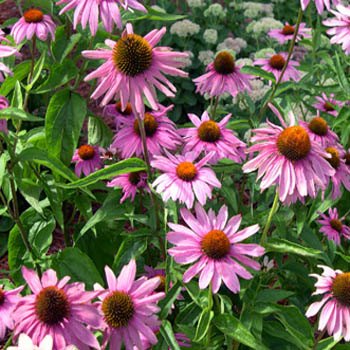
Purple Coneflower (Echinacea purpurea) is one of North America's most iconic native wildflowers, producing large, daisy-like blossoms with vibrant rose-purple petals surrounding bold coppery-orange cone centers. Blooming continuously from early summer through fall, these long-lasting flowers create spectacular displays while attracting butterflies, bees, hummingbirds, and songbirds. Rugged, drought tolerant, and exceptionally easy to grow, Purple Coneflower has become a cornerstone of perennial gardens, prairie plantings, and pollinator landscapes throughout the world.
Garden Uses:
Purple Coneflower is an outstanding addition to perennial borders, prairie gardens, pollinator gardens, butterfly gardens, native landscapes, cottage gardens, meadow plantings, and naturalized areas. Its upright flowers combine beautifully with Black-eyed Susans, Coreopsis, Shasta Daisies, Liatris, Monarda, ornamental grasses, Salvias, Gaillardia, and Yarrow. The sturdy stems also make excellent fresh-cut flowers, while the decorative seed heads provide winter interest in the garden.
Growing Information:
Sow seeds outdoors in fall or early spring, or cold-stratify seeds for several weeks before indoor sowing. Germination generally occurs within 10-20 days at temperatures between 65-70°F. Plants thrive in full sun but tolerate light afternoon shade in warmer climates. Purple Coneflower performs best in average, well-drained soil but adapts readily to clay, sandy, rocky, and drought-prone conditions. Once established, plants require little maintenance beyond occasional watering during prolonged drought. Leaving seed heads intact through winter provides food for birds while adding architectural interest to the landscape.
Quick Facts:
| Botanical Name: | Echinacea purpurea |
| Common Name: | Purple Coneflower |
| Plant Type: | Hardy native perennial |
| Height: | 30-48 inches |
| Spread: | 18-24 inches |
| Bloom Color: | Rose-purple petals with coppery-orange cone centers |
| Bloom Season: | Early summer through fall |
| Light Requirements: | Full sun to light partial shade |
| Soil Requirements: | Average, well-drained soil |
| USDA Zones: | 3-9 |
| Uses: | Pollinator gardens, prairie plantings, perennial borders, native gardens, butterfly gardens, cut flowers |
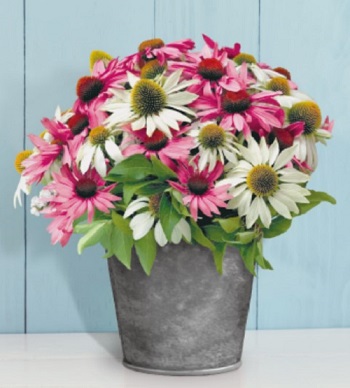
Primadonna Mix (Echinacea purpurea) is an outstanding coneflower blend that produces large, showy daisy-like blooms in a vibrant range of rose, pink, purple, magenta, crimson, white, and soft pastel shades surrounding bold coppery-orange cone centers. Flowering from early summer until frost, the sturdy plants produce an abundance of long-lasting blooms that brighten the garden while attracting butterflies, bees, hummingbirds, and songbirds. Combining exceptional color diversity with outstanding durability, Primadonna Mix is equally at home in formal perennial borders, native plantings, and cottage gardens.
Garden Uses:
Primadonna Mix is perfect for perennial borders, prairie gardens, butterfly gardens, pollinator gardens, cottage gardens, native landscapes, cutting gardens, and naturalized meadows. The colorful blooms combine beautifully with Black-eyed Susans, Coreopsis, Gaillardia, Monarda, Liatris, Salvias, Yarrow, ornamental grasses, and Russian Sage. Their strong stems and long-lasting flowers make them exceptional additions to fresh bouquets, while the attractive seed heads provide winter interest.
Growing Information:
Sow seeds outdoors in fall or early spring, or cold-stratify seeds before indoor sowing. Germination usually occurs within 10-20 days at temperatures between 65-70°F. Plants thrive in full sun but tolerate light afternoon shade in warmer climates. They prefer average to fertile, well-drained soil but readily adapt to sandy, rocky, clay, and drought-prone locations. Once established, Primadonna Mix requires very little maintenance beyond occasional watering during prolonged dry periods. Leave some seed heads standing through winter to provide food for birds and add seasonal interest.
Quick Facts:
| Botanical Name: | Echinacea purpurea |
| Common Name: | Primadonna Mix Coneflower |
| Plant Type: | Hardy native perennial |
| Height: | 24-36 inches |
| Spread: | 18-24 inches |
| Bloom Colors: | Rose, pink, purple, magenta, crimson, white, and pastel shades with coppery-orange cones |
| Bloom Season: | Early summer through fall |
| Light Requirements: | Full sun to light partial shade |
| Soil Requirements: | Average, well-drained soil |
| USDA Zones: | 3-9 |
| Uses: | Pollinator gardens, perennial borders, prairie plantings, butterfly gardens, native landscapes, cut flowers |
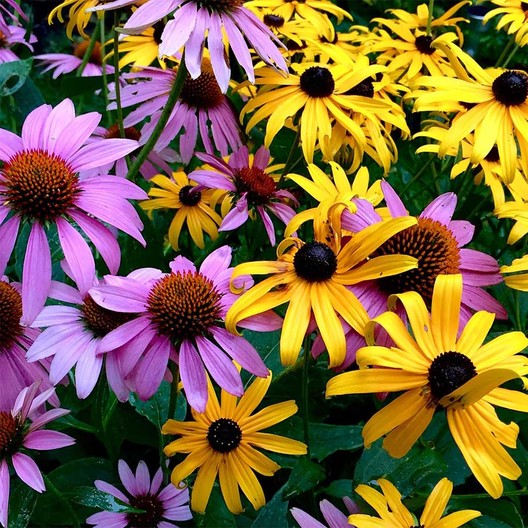
Dynamic Duo Echinacea & Black Eyed Susan Mix (Echinacea purpurea & Rudbeckia hirta) combines two of North America's most beloved native wildflowers into one spectacular, easy-to-grow blend. Large rose-purple coneflowers with bold coppery-orange centers mingle beautifully with cheerful golden-yellow Black Eyed Susans, creating a dazzling display of contrasting colors that blooms from early summer well into fall. This long-flowering mixture provides continuous waves of color while attracting butterflies, bees, hummingbirds, and songbirds, making it an outstanding choice for pollinator gardens, prairie plantings, and low-maintenance perennial landscapes.
Garden Uses:
Dynamic Duo is perfect for perennial borders, butterfly gardens, prairie gardens, native plant landscapes, wildflower meadows, cottage gardens, roadside plantings, and naturalized areas. The striking combination of purple and golden-yellow flowers creates instant visual impact while blending beautifully with ornamental grasses, Coreopsis, Gaillardia, Monarda, Liatris, Salvias, Yarrow, and native asters. The flowers are also excellent for fresh bouquets, while the seed heads provide winter interest and wildlife value.
Growing Information:
Sow seeds directly outdoors in fall or spring, or cold-stratify before indoor sowing for best germination. Seeds generally germinate within 10-21 days at temperatures between 65-70°F. Plants thrive in full sun and adapt well to average, well-drained soils, including clay, sandy, and rocky conditions. Once established, both species become highly drought tolerant and require very little maintenance. Deadheading encourages additional blooms, while leaving some seed heads intact provides valuable food for birds during autumn and winter.
Quick Facts:
| Botanical Names: | Echinacea purpurea & Rudbeckia hirta |
| Common Name: | Dynamic Duo Echinacea & Black Eyed Susan Mix |
| Plant Type: | Hardy perennial and reseeding native wildflower blend |
| Height: | 24-48 inches |
| Spread: | 18-24 inches per plant |
| Bloom Colors: | Rose-purple and golden yellow with dark cone centers |
| Bloom Season: | Early summer through fall |
| Light Requirements: | Full sun |
| Soil Requirements: | Average, well-drained soil |
| USDA Zones: | 3-9 |
| Uses: | Pollinator gardens, prairie plantings, native landscapes, perennial borders, butterfly gardens, wildflower meadows, cut flowers |
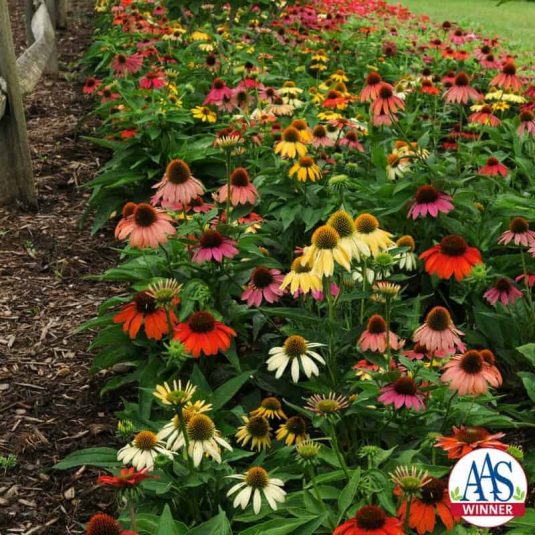
Cheyenne Spirit Echinacea (Echinacea purpurea) is an award-winning coneflower celebrated for its extraordinary range of vibrant flower colors and exceptional first-year blooming performance. This remarkable selection produces sturdy, well-branched plants covered with large daisy-like blossoms in brilliant shades of scarlet, crimson, orange, coral, salmon, rose, pink, purple, lavender, cream, buttery yellow, and white, all surrounding prominent coppery-orange cone centers. Blooming continuously from early summer until frost, Cheyenne Spirit delivers months of spectacular color while attracting butterflies, bees, hummingbirds, and songbirds. It is widely considered one of the finest seed-grown coneflower mixes ever introduced.
Garden Uses:
Cheyenne Spirit is ideal for perennial borders, prairie gardens, butterfly gardens, pollinator plantings, native landscapes, cottage gardens, cutting gardens, and large mass plantings. The brilliant color range blends beautifully with Black-eyed Susans, Coreopsis, Liatris, Monarda, Gaillardia, Salvias, ornamental grasses, Russian Sage, and Yarrow. The long-lasting flowers make outstanding cut flowers, while the decorative seed heads provide winter beauty and valuable food for wildlife.
Growing Information:
Sow seeds indoors 8-10 weeks before the last frost or directly outdoors after danger of frost has passed. Germination generally occurs within 10-20 days at temperatures between 65-70°F. Plants thrive in full sun and well-drained soil but readily adapt to clay, sandy, rocky, and average garden soils. Once established, Cheyenne Spirit becomes highly drought tolerant and requires very little maintenance. Deadheading encourages additional flowering, while leaving seed heads in place during autumn provides food for goldfinches and other birds throughout winter.
Quick Facts:
| Botanical Name: | Echinacea purpurea |
| Common Name: | Cheyenne Spirit Echinacea |
| Plant Type: | Hardy perennial |
| Height: | 24-36 inches |
| Spread: | 18-24 inches |
| Bloom Colors: | Scarlet, crimson, orange, coral, salmon, pink, rose, purple, lavender, cream, yellow, and white |
| Bloom Season: | Early summer through frost |
| Light Requirements: | Full sun |
| Soil Requirements: | Average, well-drained soil |
| USDA Zones: | 4-9 |
| Uses: | Perennial borders, pollinator gardens, prairie plantings, native landscapes, cottage gardens, cut flowers |
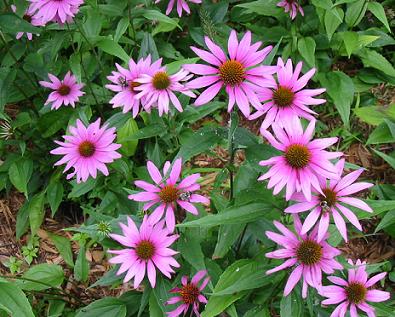
Echinacea Magnus (Echinacea purpurea 'Magnus') is widely regarded as one of the finest Purple Coneflower cultivars ever introduced. Distinguished by its exceptionally large blossoms, rich rosy-purple petals, and broad, coppery-orange cone centers, Magnus produces flowers with nearly horizontal petals rather than the strongly drooping form of many older varieties. Blooming continuously from early summer until frost, this award-winning perennial offers outstanding garden performance, remarkable pollinator appeal, and exceptional cut flower quality. Its bold flowers, sturdy stems, and long-lasting blooms have made Magnus a favorite of professional landscapers, botanical gardens, and home gardeners around the world.
Garden Uses:
Echinacea Magnus is an outstanding choice for perennial borders, prairie gardens, butterfly gardens, native plant landscapes, pollinator gardens, cottage gardens, cutting gardens, and large mass plantings. The oversized blooms pair beautifully with Black-eyed Susans, Coreopsis, Monarda, Liatris, Russian Sage, Salvia, Yarrow, ornamental grasses, Joe Pye Weed, and native asters. Its exceptionally strong stems make it one of the finest coneflowers for fresh bouquets and dried arrangements.
Growing Information:
Sow seeds outdoors in fall or early spring, or cold-stratify before indoor sowing for best germination. Seeds generally germinate within 10-20 days at temperatures between 65-70°F. Plants perform best in full sun with average to fertile, well-drained soil but readily tolerate clay, sandy, rocky, and drought-prone locations once established. Deadheading encourages continued blooming throughout the summer, while leaving seed heads standing during winter provides food for birds and attractive seasonal interest.
Quick Facts:
| Botanical Name: | Echinacea purpurea 'Magnus' |
| Common Name: | Echinacea Magnus |
| Plant Type: | Hardy perennial |
| Height: | 30-42 inches |
| Spread: | 18-24 inches |
| Bloom Color: | Rich rosy-purple with coppery-orange cone centers |
| Bloom Season: | Early summer through fall |
| Light Requirements: | Full sun |
| Soil Requirements: | Average, well-drained soil |
| USDA Zones: | 3-9 |
| Uses: | Perennial borders, pollinator gardens, prairie plantings, butterfly gardens, cut flowers, native landscapes |

Contact Us | Privacy Policy | About Us
Serving gardeners since 1992
State of Mississippi Seedmen's Permit #C-391, Ohio 90152, Minnesota 20086777