
Seeds for Edible Landscape Plants
There are many reasons to incorporate edible plants into the residential landscape. These include:
To enjoy the freshness and flavor of home-grown, fully ripened fruits and vegetables.
To control the quantity and kind of pesticides and herbicides used on the foods you consume.
To increase the food security of your household.
To save on grocery bills.
To grow unusual varieties not available in stores.
To get outside, interact with the natural world, and have fun.
Edible landscaping is as old as gardening itself and has undergone a recent revival. Ancient Persian gardens combined both edible and ornamental plants. Medieval monastic gardens included fruits, vegetables, flowers, and medicinal herbs. Plans for 19th century English suburban yards, which modeled themselves after country estates, often included edible fruits and berries. The edible components of residential landscapes were largely lost in this country to the now familiar shade trees, lawns, and foundation plantings.
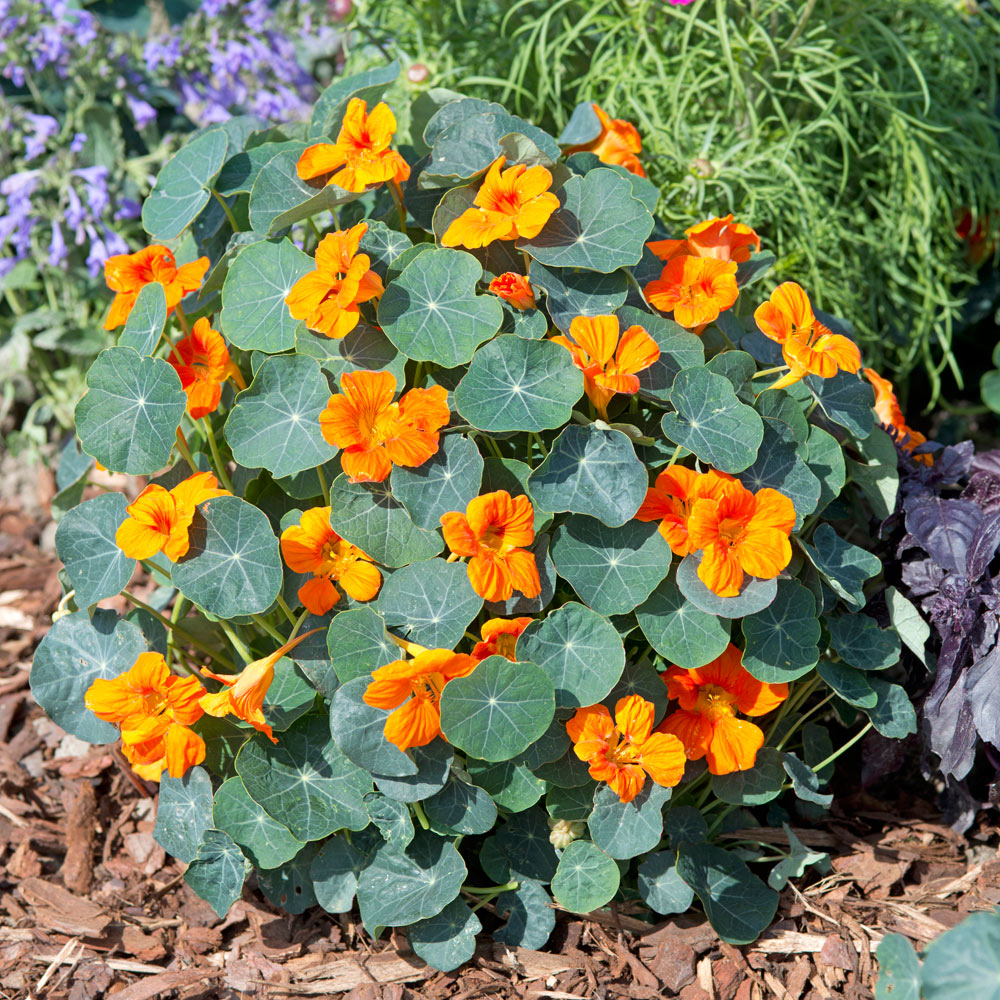
Baby Orange Nasturtium is a compact edible ornamental that brings bright color and useful harvests together in a small space. The plants produce cheerful orange flowers above rounded, lily pad-like foliage, making them a natural fit for borders, containers, window boxes, herb gardens, and patio plantings. It is grown first for its beauty, but the edible flowers and leaves make it especially valuable in an edible landscape.
This dwarf nasturtium is easy to grow from seed and performs best in full sun with well-drained soil. Like most nasturtiums, it often blooms more heavily in average soil than in overly rich ground, where plants may produce more leaves than flowers. Its compact habit makes it easy to place near walkways, raised beds, or mixed flower plantings where the bright blossoms can be enjoyed up close.
The flowers and young leaves are edible and have a fresh, peppery flavor often compared to watercress. The blossoms are especially popular in salads, sandwiches, cold plates, and summer appetizers, where their bright orange color adds instant appeal. Immature green seed pods may also be pickled and used as a caper substitute, giving this attractive annual several practical kitchen uses.
Baby Orange Nasturtium belongs in an edible landscape because it never looks like a vegetable crop. It looks like a cheerful bedding plant, yet it offers edible flowers, flavorful leaves, and pollinator value throughout the growing season. For gardeners who want attractive plantings with a small edible reward, this is one of the easiest and most rewarding annuals to include.
Seedman Notes: Direct sow after danger of frost has passed, or start indoors a few weeks early for quicker blooms. Avoid heavy feeding, as too much fertilizer can reduce flowering. Harvest blossoms regularly to encourage continued bloom production, and plant in containers, borders, hanging baskets, or along garden edges where both the flowers and edible foliage are easy to reach.
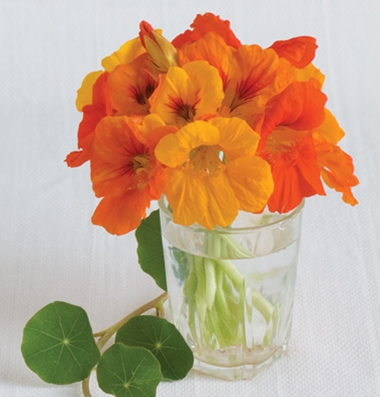
Trailing Nasturtium Mix is one of the finest plants for combining ornamental beauty with edible harvests. Long, cascading stems become covered with vibrant flowers in shades of yellow, orange, scarlet, salmon, and cream, creating a colorful display that spills gracefully from hanging baskets, window boxes, raised beds, and garden borders. Its lush, rounded foliage and brilliant blooms make it an outstanding choice for gardeners who want a landscape that is both attractive and productive.
Easy to grow from seed, Trailing Nasturtium Mix thrives in full sun to light afternoon shade and prefers well-drained soil of moderate fertility. The vines quickly spread several feet, softening the edges of containers, climbing gently through neighboring plants, or trailing over retaining walls. Blooming begins in early summer and continues until frost, providing months of color with very little maintenance beyond occasional watering during extended dry periods.
Nearly every part of the plant has culinary value. The colorful blossoms and tender young leaves have a pleasantly peppery flavor similar to watercress and are excellent in fresh salads, sandwiches, herb butters, and decorative garnishes. Young green seed pods can also be pickled and enjoyed as a caper substitute. With its combination of ornamental flowers and edible harvests, Trailing Nasturtium Mix offers far more than simple garden decoration.
Few annuals better represent the idea of an edible landscape than Trailing Nasturtium Mix. It is planted primarily for its brilliant display of cascading flowers, yet throughout the season it quietly supplies edible blooms and foliage for the kitchen. Whether flowing from a hanging basket, brightening a cottage garden, or weaving among vegetables and herbs, it provides beauty first and delicious rewards second.
Seedman Notes: Sow seeds directly after the last frost or start indoors several weeks early for earlier blooms. Avoid overly rich soils or excessive fertilizer, which encourages leafy growth at the expense of flowers. Regular harvesting of blossoms encourages continued blooming, making this one of the easiest edible flowers to enjoy throughout the growing season.
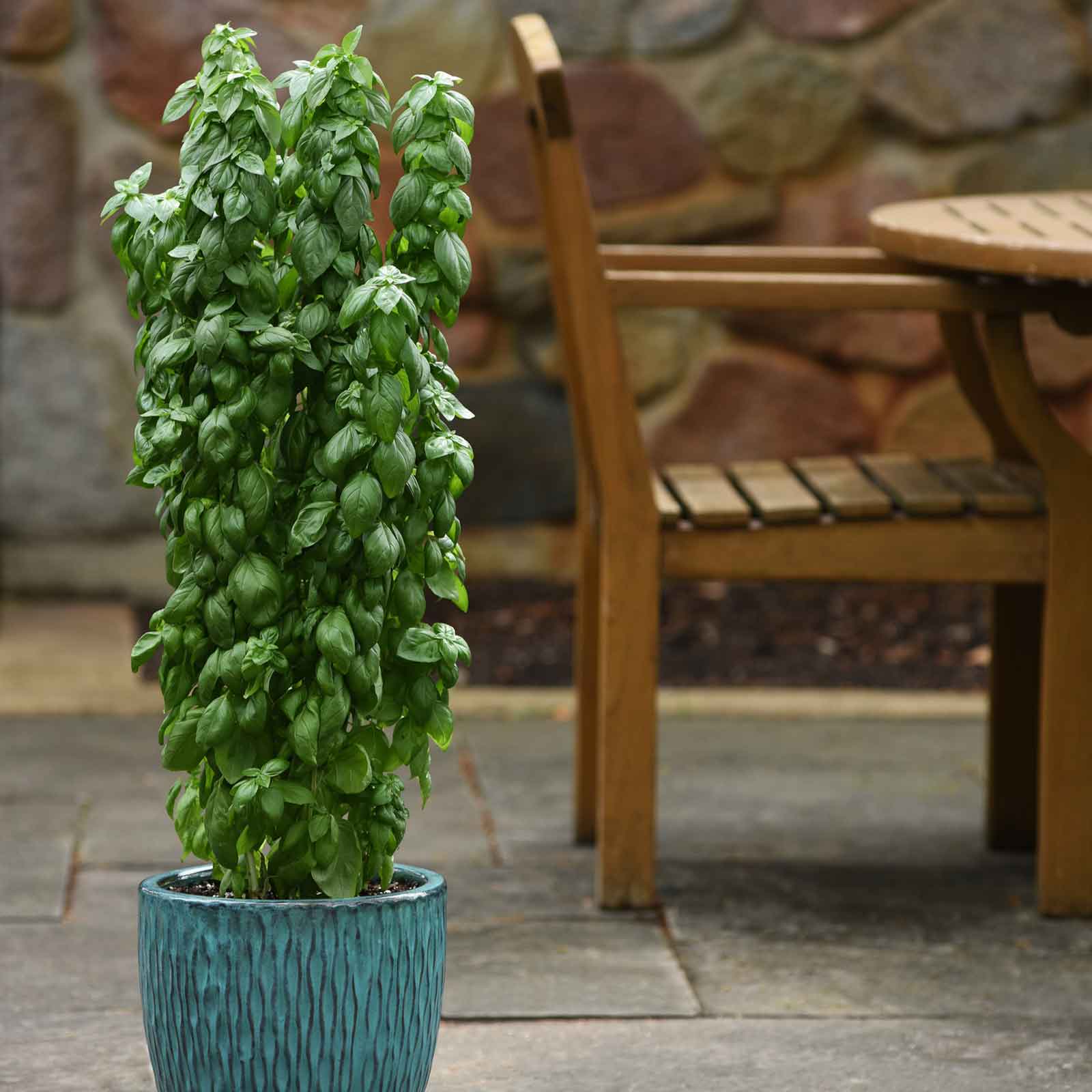
Everleaf Thai Tower Basil brings together striking ornamental beauty and outstanding culinary value, making it an excellent choice for edible landscapes. Unlike ordinary basil, this unique variety develops tall, upright flower spikes in rich shades of lavender and purple that rise above dense, aromatic green foliage. The attractive form makes it equally at home in flower beds, herb gardens, patio containers, and mixed borders, where it provides both color and fragrance throughout the growing season.
This vigorous annual thrives in full sun and fertile, well-drained soil, producing a continuous supply of fresh leaves while maintaining its handsome appearance. Everleaf Thai Tower is bred to flower without sacrificing leaf production, allowing gardeners to enjoy its ornamental blooms while still harvesting flavorful foliage. Its upright habit and long-lasting floral display add height and texture to summer plantings, making it one of the most decorative basils available.
The fragrant leaves have the classic sweet-spicy flavor of Thai basil, with subtle notes of anise and licorice that complement stir-fries, curries, noodle dishes, soups, fresh spring rolls, and herbal vinegars. The attractive flowers are also edible and make colorful garnishes for salads and specialty dishes while attracting a steady stream of pollinating insects to the garden. Few herbs combine such visual appeal with everyday usefulness in the kitchen.
Everleaf Thai Tower deserves a place in an edible landscape because it looks as much like an ornamental flowering plant as it does a culinary herb. Gardeners can enjoy months of colorful blooms, aromatic foliage, and fresh harvests without sacrificing the beauty of their landscape. It is an ideal choice for anyone who wants decorative plantings that also provide fresh ingredients just a few steps from the kitchen.
Seedman Notes: Harvest leaves regularly to encourage branching and continued production. This variety continues producing usable foliage even while flowering, making it especially valuable for both ornamental and culinary use. Plant near patios, walkways, or outdoor dining areas where its attractive flower spikes and aromatic foliage can be appreciated all season long.
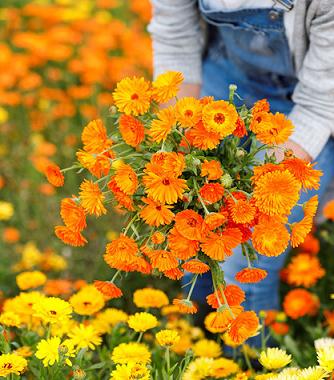
Ball's Improved Orange Calendula is one of the classic flowers for an edible landscape, combining brilliant ornamental beauty with centuries of culinary and herbal tradition. The fully double, deep orange blooms resemble miniature chrysanthemums, creating a vibrant display in borders, cottage gardens, cutting gardens, and containers. Blooming over a long season, this easy-to-grow annual brightens the landscape while offering edible petals that have been enjoyed for generations.
Thriving in full sun and well-drained soil, Ball's Improved Orange Calendula is remarkably dependable and tolerant of cool weather. Plants bloom heavily from spring into summer and often continue well into autumn with regular deadheading. Their compact, bushy habit makes them ideal for edging pathways, filling flower beds, or mixing among herbs and vegetables where they contribute both color and pollinator activity.
The bright orange petals are edible and have long been used to add color to salads, rice dishes, soups, butters, and baked goods. Sometimes called "Poor Man's Saffron," calendula petals have historically been used as a natural food coloring and garnish, lending a cheerful appearance to many recipes. Beyond the kitchen, the flowers have also been valued for centuries in traditional herbal preparations, making this one of the most versatile ornamental annuals in the garden.
Ball's Improved Orange Calendula perfectly fits the edible landscape concept because it is grown primarily for its spectacular flowers, with the edible harvest serving as an added reward. Whether planted in a traditional flower border, an herb garden, or alongside vegetables, it provides months of brilliant color while supplying edible blossoms that are as useful as they are beautiful. Few annuals offer such an appealing combination of ornamental charm, historical significance, and culinary versatility.
Seedman Notes: Direct sow in early spring or fall in mild climates for the best displays. Removing spent blooms encourages continuous flowering and provides an even greater harvest of fresh petals. The blossoms are best picked on dry mornings just after opening, when their color and flavor are at their peak. Ball's Improved Orange Calendula is one of the easiest edible flowers for beginning gardeners and a timeless favorite for experienced growers.
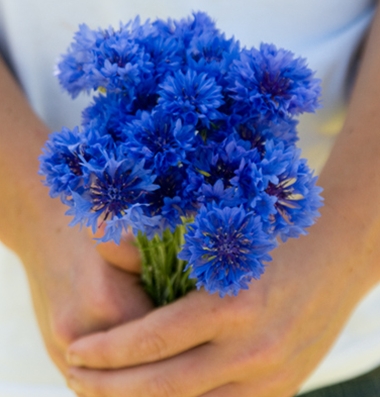
Florist Blue Boy Bachelor Button is treasured for its brilliant cornflower-blue blossoms and its ability to bring old-fashioned charm to flower gardens while also providing edible blooms for the kitchen. The upright plants produce an abundance of large, vivid blue flowers on sturdy stems, making them outstanding for borders, cottage gardens, cutting gardens, and fresh bouquets. Their intense color stands out beautifully among other annuals, creating a display that is both elegant and inviting.
Easy to grow from seed, Florist Blue Boy thrives in full sun and well-drained soil, blooming heavily from late spring into summer. The plants are dependable performers that require little attention once established, and regular cutting or deadheading encourages additional flowers. Their strong stems and long-lasting blooms have made them a favorite of both home gardeners and professional florists for generations.
The bright blue petals are edible and have a mild, slightly spicy to clove-like flavor, making them a colorful addition to salads, herb butters, desserts, cheeses, and refreshing summer drinks. Often used as an edible garnish, the petals add striking natural color without overpowering other flavors. Their beauty on the plate rivals their beauty in the garden, making this classic annual an ideal choice for gardeners who appreciate both ornamental and culinary value.
Florist Blue Boy belongs in an edible landscape because it is first and foremost an exceptional ornamental flower. The edible petals simply add another reason to grow this timeless favorite. Whether planted to attract pollinators, provide armfuls of cut flowers, or supply colorful edible garnishes throughout the season, it delivers lasting beauty with an added harvest that makes every planting even more rewarding.
Seedman Notes: Sow seeds directly outdoors in early spring where winters are cold, or in autumn in mild climates for earlier blooms. Regular harvesting for bouquets naturally encourages additional flowering. For culinary use, harvest freshly opened blooms and use only the colorful petals, removing the slightly bitter flower base before serving.
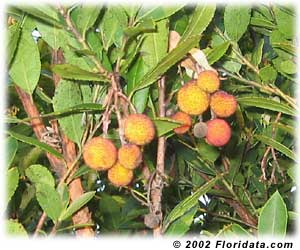
Strawberry Tree is a handsome evergreen ornamental that offers year-round beauty along with an unexpected edible harvest. Its glossy dark green foliage, attractive reddish-brown bark, and clusters of urn-shaped white to pale pink flowers make it an excellent specimen tree for landscapes, while the bright red, strawberry-like fruits that follow add striking seasonal color. Although unrelated to true strawberries, the colorful fruit provides an enjoyable bonus for gardeners who appreciate beautiful plants with edible rewards.
Well suited to full sun or light shade, Strawberry Tree is drought tolerant once established and thrives in well-drained soil. It develops into a dense, rounded small tree or large shrub, making it ideal for foundation plantings, patios, courtyards, Mediterranean-style gardens, or as a focal point in the landscape. One of its most unusual characteristics is that flowers and ripening fruit often appear on the tree at the same time, creating a remarkable display that lasts for months.
The round fruits gradually ripen from yellow to orange and finally bright red, becoming soft and sweet with a mildly fruity flavor. They can be eaten fresh, although many people prefer them in jams, jellies, preserves, wines, and desserts. The nectar-rich flowers are also highly attractive to pollinators, making Strawberry Tree both a food source for the gardener and an important contributor to the surrounding garden ecosystem.
Strawberry Tree is a perfect fit for an edible landscape because it earns its place through outstanding ornamental qualities before the fruit is ever considered. Its evergreen foliage, decorative bark, attractive flowers, and colorful fruit provide interest during every season, while the edible harvest is simply an added reward. Few small landscape trees combine beauty, wildlife value, and culinary potential so gracefully.
Seedman Notes: Strawberry Tree is slow to moderate in growth but exceptionally long-lived and requires little maintenance once established. It performs especially well in regions with mild winters and dry summers, although mature plants tolerate a range of growing conditions. Plant where its handsome bark, flowers, and colorful fruit can be enjoyed year-round, and allow the fruit to fully ripen on the tree for the best flavor.
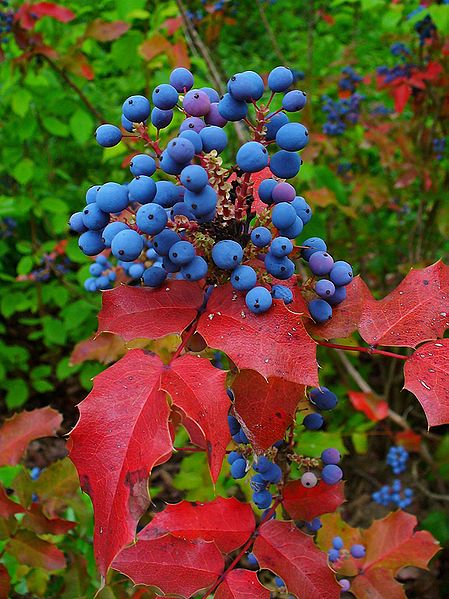
Oregon Grape is an outstanding evergreen shrub that brings beauty, wildlife value, and edible fruit together in one remarkably versatile landscape plant. Its glossy, holly-like foliage provides year-round structure, while brilliant clusters of golden-yellow flowers brighten the garden in early spring. By late summer, the blooms give way to dusty blue-purple berries that create an attractive contrast against the deep green leaves, making this native shrub a favorite for naturalized landscapes and woodland gardens.
Adaptable and easy to grow, Oregon Grape performs well in partial shade but also tolerates full sun in cooler climates with adequate moisture. Once established, it is drought tolerant and requires very little maintenance, making it an excellent choice for foundation plantings, woodland borders, wildlife gardens, and erosion control on shaded slopes. The foliage often develops attractive bronze and burgundy tones during colder weather, extending its ornamental appeal through every season.
The tart blue berries are edible, although they are much too sharp for most people to enjoy fresh. Their rich flavor shines when made into jellies, jams, syrups, wines, and sauces, often with a little added sweetener. High in natural antioxidants and vitamin C, the fruit has long been gathered by Native American tribes and early settlers, who valued both its culinary uses and its importance as a dependable wild food source.
Oregon Grape is an ideal edible landscape plant because it offers far more than simply a harvest. Its evergreen foliage, brilliant spring flowers, colorful berries, and outstanding wildlife value make it an attractive ornamental shrub throughout the year. The edible fruit becomes an added bonus, rewarding gardeners with a unique homegrown ingredient while the plant continues to serve as one of the finest evergreen shrubs for the landscape.
Seedman Notes: Oregon Grape is one of the easiest native shrubs to grow for low-maintenance landscapes. Plant it where its glossy evergreen foliage and brilliant spring flowers can be appreciated year-round. Harvest berries only after they have fully ripened to a deep blue-purple color, then use them in preserves or syrups where their naturally tart flavor becomes a delicious asset rather than a drawback.
Oregon Grape Jelly Recipe.
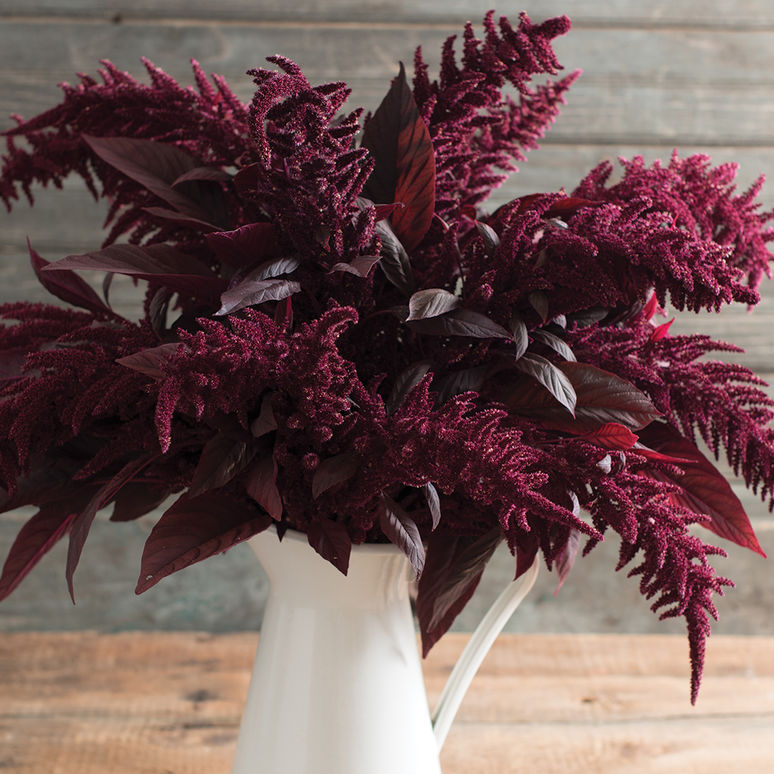
Red Spike Amaranth is a striking ornamental annual that earns its place in an edible landscape with bold color, dramatic form, and surprising versatility. Tall plants produce upright crimson flower spikes that rise above rich green foliage, creating a strong architectural accent in flower borders, cutting gardens, and mixed ornamental plantings. Whether grown as a focal point or in groups, its vibrant appearance makes it one of the most eye-catching edible ornamentals in the summer garden.
Easy to grow from seed, Red Spike thrives in full sun and well-drained soil, tolerating summer heat and periods of dry weather once established. The vigorous plants develop quickly, often reaching impressive heights while requiring very little maintenance. Their sturdy stems and long-lasting flower plumes also make excellent additions to fresh and dried floral arrangements, extending their beauty well beyond the growing season.
The young leaves are edible and may be harvested as a nutritious cooked green or added sparingly to fresh salads while still tender. As the flower spikes mature, they produce thousands of tiny, protein-rich seeds that can be harvested and cooked much like grain or used in cereals, porridges, and baked goods. This combination of attractive foliage, colorful blooms, edible greens, and nutritious seed has made amaranth an important food plant in many cultures for centuries.
Red Spike belongs in an edible landscape because it offers the dramatic appearance of an ornamental flowering plant while quietly producing both leafy greens and grain. Visitors are usually drawn first to its brilliant crimson flower spikes, only later discovering that nearly every part of the plant has practical value. It is an excellent choice for gardeners who enjoy unusual plants that combine beauty, history, and harvest in a single planting.
Seedman Notes: Plant Red Spike where its height will not shade smaller flowers, using it as a colorful backdrop or focal point in mixed borders. Young leaves are at their best when harvested early, while seed heads should be allowed to mature fully before collecting. Leave a few plants standing into autumn if you enjoy watching songbirds harvest the nutritious seeds directly from the garden.
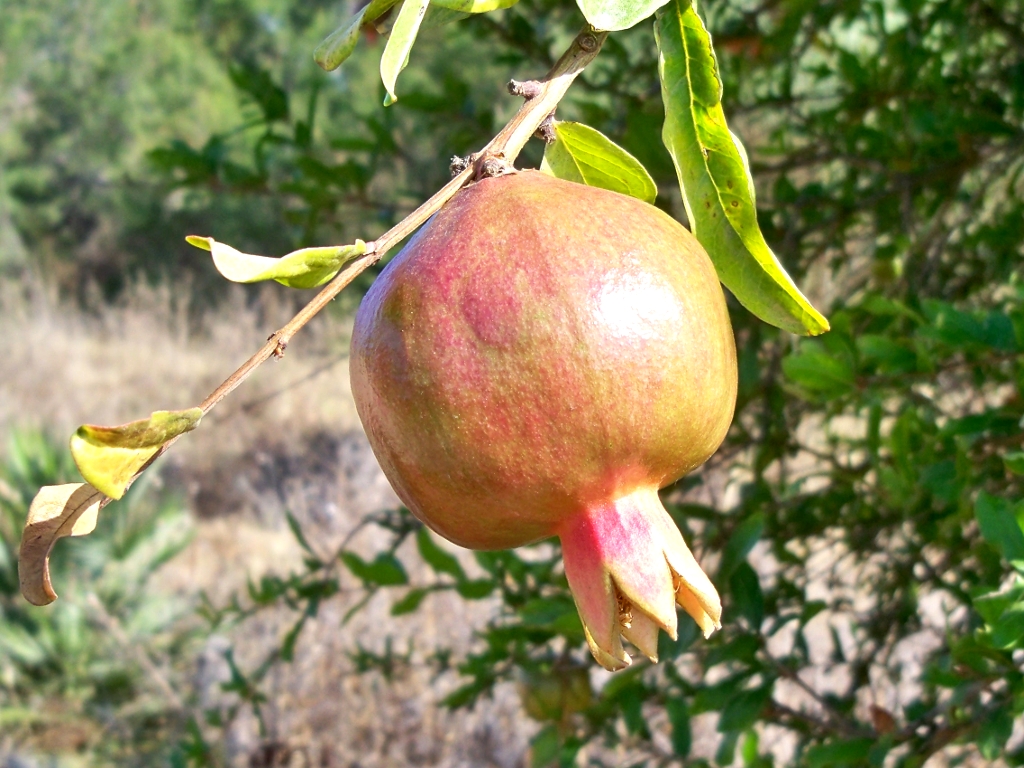
Pomegranate is one of the world's oldest cultivated fruiting shrubs, admired as much for its ornamental beauty as for its delicious harvest. Brilliant orange-red flowers appear throughout the summer against glossy green foliage, followed by handsome round fruits that ripen to rich shades of crimson. Its graceful branching habit, attractive bark, and exceptional drought tolerance make it an outstanding specimen for edible landscapes, Mediterranean gardens, and sunny borders.
Growing as a large shrub or small tree, Pomegranate thrives in full sun and well-drained soil, rewarding gardeners with years of dependable beauty and productivity. Once established, it tolerates heat, drought, and poor soils remarkably well while requiring only modest pruning to maintain an attractive form. Even when not in fruit, the glossy foliage and vibrant flowers provide months of ornamental interest, making it a valuable landscape plant in warm climates.
The distinctive fruits are filled with jewel-like ruby arils that surround each seed, offering a refreshing balance of sweetness and tartness. They are enjoyed fresh, juiced, or incorporated into salads, desserts, sauces, and countless traditional recipes from around the world. Rich in antioxidants and vitamins, pomegranates have been valued for thousands of years and have become symbols of abundance, prosperity, and good health in many cultures.
Pomegranate is a perfect example of an edible landscape plant because its ornamental qualities alone justify planting it. The brilliant flowers, handsome foliage, sculptural branching, and colorful fruit provide year-round appeal, while the delicious harvest becomes an added reward. Few plants combine such historical significance, exceptional beauty, and practical usefulness as gracefully as this timeless garden favorite.
Seedman Notes: Plant Pomegranate in the sunniest location available for the best flowering and fruit production. Once established, it is one of the most drought-tolerant fruiting shrubs available. Harvest fruits when they develop full color and produce a metallic sound when gently tapped. Even if fruit production is limited in cooler climates, the brilliant flowers and attractive growth habit make this an outstanding ornamental addition to the edible landscape.
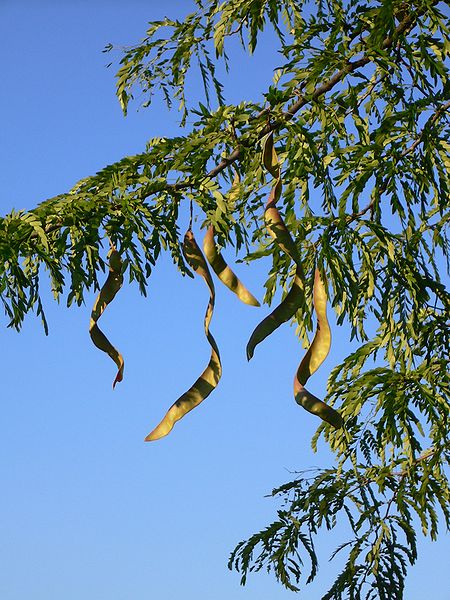
Honey Locust is a graceful shade tree that deserves consideration for an edible landscape because of its elegant appearance and unusual edible seed pods. Its fine, fern-like foliage creates light, filtered shade that allows grass and many flowering plants to thrive beneath the canopy, while its open branching habit gives the tree a refined, airy character. In autumn, long twisting seed pods develop, adding seasonal interest to this attractive North American native.
Adaptable to a wide range of growing conditions, Honey Locust thrives in full sun and tolerates heat, drought, poor soils, and urban environments with remarkable ease. Mature trees become excellent lawn or specimen trees, requiring relatively little maintenance once established. Many seed-grown trees also display handsome bark and a picturesque branching structure that provides beauty throughout the year, even after the leaves have fallen.
The sweet pulp found inside mature seed pods has been enjoyed for centuries by both wildlife and people. Although the hard seeds themselves are not typically eaten, the sugary pulp surrounding them has a pleasant, molasses-like sweetness and was traditionally chewed fresh or used to flavor beverages. The pods are also eagerly consumed by livestock and numerous species of wildlife, giving the tree both historical and ecological significance.
Honey Locust fits naturally into an edible landscape because it is first and foremost an outstanding ornamental shade tree. Its delicate foliage, attractive form, seasonal seed pods, and exceptional adaptability make it valuable in the landscape long before its edible qualities are considered. The sweet pods simply provide an interesting and unexpected bonus, making this one of the more unusual edible trees that can be enjoyed for generations.
Seedman Notes: Seed-grown Honey Locusts may vary in the size and sweetness of their seed pods, adding interest for gardeners who enjoy growing trees from seed. Plant where the tree has ample room to develop its broad, graceful canopy. While modern thornless landscape cultivars are popular, seed-grown trees may naturally develop thorns, an authentic characteristic of this remarkable native species.
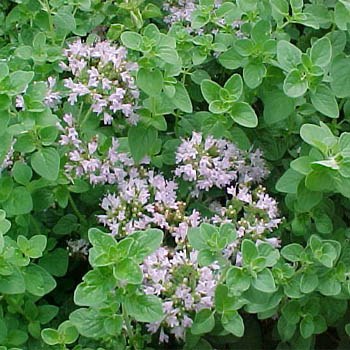
Oregano is one of those rare herbs that is equally at home in the flower border as it is in the kitchen garden. Forming neat mounds of aromatic green foliage topped with delicate clusters of pink to lavender flowers, it adds texture, fragrance, and long-lasting beauty to the landscape. Whether planted along pathways, in rock gardens, raised beds, or patio containers, oregano blends naturally with ornamental perennials while providing a continual harvest of flavorful leaves.
Easy to grow and remarkably drought tolerant once established, oregano thrives in full sun and well-drained soil. Its compact, spreading habit makes it an excellent edging plant, and the attractive foliage remains appealing throughout the growing season. During summer, the flowering stems rise above the leaves, softening garden borders with clouds of tiny blossoms that sway gently in the breeze and extend the plant's ornamental appeal well beyond its culinary value.
The fragrant leaves are prized for their warm, slightly peppery flavor and are an essential ingredient in Mediterranean, Italian, and Greek cuisine. Fresh or dried, oregano enhances pizzas, pasta sauces, roasted vegetables, grilled meats, soups, breads, and herb blends. Allowing a portion of the plants to bloom not only increases their ornamental value but also provides nectar for countless beneficial insects while still leaving plenty of leaves available for harvest.
Oregano deserves a place in an edible landscape because it contributes beauty as naturally as it contributes flavor. Its tidy growth habit, attractive flowers, fragrant foliage, and exceptional drought tolerance make it an outstanding ornamental herb that happens to be one of the world's favorite culinary seasonings. Few plants offer such an effortless combination of landscape appeal, pollinator value, and everyday usefulness.
Seedman Notes: Harvest stems regularly to encourage dense, bushy growth and a continual supply of fresh leaves. For the strongest flavor, gather foliage just before the plants come into full bloom, although flowering plants remain highly attractive in the landscape. Oregano pairs beautifully with lavender, thyme, sage, and chives, creating an edible border that is as colorful and fragrant as it is productive.
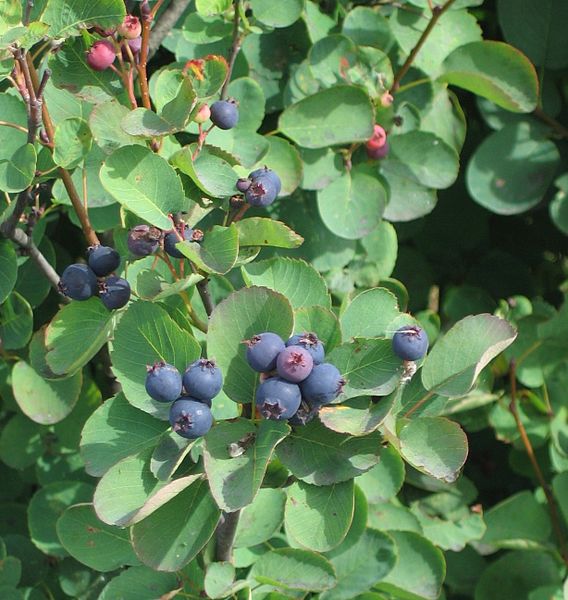
Juneberry, also known as Saskatoon Serviceberry, is one of the finest small trees for an edible landscape, offering four seasons of ornamental beauty along with an abundant harvest of delicious berries. Clouds of delicate white blossoms cover the branches in early spring before the leaves fully emerge, creating a spectacular floral display. As the seasons progress, attractive blue-green foliage gives way to sweet purple-blue berries in early summer, followed by brilliant shades of gold, orange, and red in autumn.
Adaptable and easy to grow, Juneberry thrives in full sun to partial shade and performs well in a wide range of well-drained soils. It naturally develops as a large multi-stemmed shrub or may be trained into a graceful small tree, making it ideal for foundation plantings, woodland gardens, naturalized landscapes, and ornamental borders. Its moderate size allows it to fit comfortably into home landscapes while providing beauty during every season of the year.
The flavorful berries resemble small blueberries with a rich, sweet taste and subtle almond notes. They are delicious eaten fresh right from the tree or used in pies, muffins, pancakes, jams, jellies, syrups, wines, and desserts. Rich in antioxidants, vitamins, and fiber, Juneberries have long been an important traditional food for Native American peoples and early settlers, who appreciated both their excellent flavor and dependable harvests.
Juneberry perfectly represents the idea of an edible landscape because it earns its place through outstanding ornamental qualities alone. Even without its fruit, it would be prized for its graceful form, spectacular spring flowers, attractive foliage, and brilliant fall color. The abundant berry crop simply transforms an already exceptional landscape tree into one of the most rewarding edible ornamentals a gardener can grow.
Seedman Notes: Plant Juneberry where its beautiful spring bloom and outstanding fall color can be fully appreciated. If you hope to harvest the berries yourself, consider using lightweight bird netting as the fruit ripens, since birds often discover the crop just before gardeners do. Even when sharing part of the harvest with wildlife, this is one of the most beautiful and rewarding small trees available for the edible landscape.
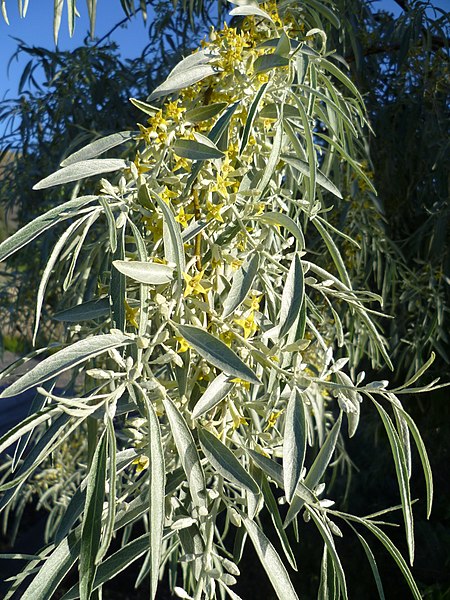
Russian Olive is a distinctive ornamental tree valued for its shimmering silver foliage, fragrant yellow flowers, and small edible fruits that add both beauty and utility to the landscape. Its narrow, silvery leaves create an almost luminous appearance that contrasts beautifully with green shrubs and flowering perennials, making it an eye-catching specimen for large landscapes, windbreaks, and naturalized plantings. The tree's graceful form and drought tolerance have made it a favorite in dry regions for generations.
Highly adaptable, Russian Olive thrives in full sun and well-drained soils, performing well where many other trees struggle. It tolerates drought, wind, poor soils, heat, and even moderately salty conditions once established. During late spring, the inconspicuous yellow flowers fill the air with a surprisingly sweet fragrance, followed by silvery fruits that remain attractive well into autumn. Its rugged nature makes it especially useful in difficult landscape locations.
The olive-shaped fruits are edible when fully ripe, developing a sweet, mealy flesh surrounding a single seed. While not as juicy as many cultivated fruits, they have long been enjoyed fresh, dried, or incorporated into preserves in parts of Europe and Asia. The fragrant flowers also provide an excellent nectar source for pollinating insects, while the fruit becomes an important late-season food source for birds and other wildlife.
Russian Olive fits the edible landscape concept because its ornamental qualities stand on their own. The silvery foliage, fragrant blossoms, and graceful habit make it an attractive landscape tree even before the fruit is considered. The edible harvest simply adds another layer of interest, rewarding gardeners with an unusual fruit while providing year-round beauty and valuable wildlife habitat.
Seedman Notes: Russian Olive is exceptionally hardy and dependable, but gardeners should be aware that it has become invasive in portions of the western and central United States, where it can spread into natural waterways and open habitats. Before planting, check local recommendations to determine whether it is appropriate for your area. In suitable regions, it remains a beautiful, drought-tolerant landscape tree with the added bonus of edible fruit and outstanding wildlife value.
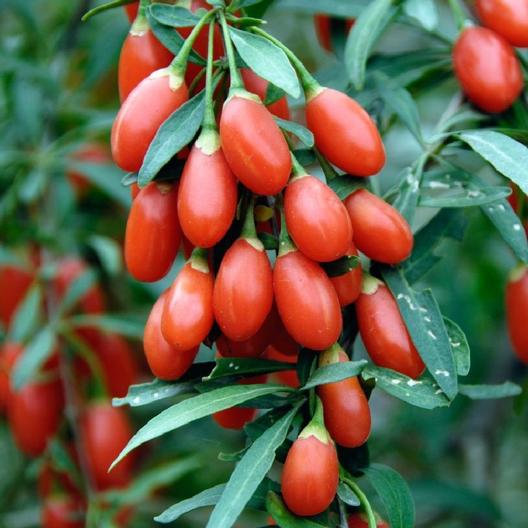
Chinese Wolfberry, better known as Goji Berry, is a graceful fruiting shrub that combines ornamental appeal with one of the world's most celebrated superfruits. Slender arching branches are clothed in soft green foliage and decorated throughout the summer with delicate purple flowers that give way to brilliant orange-red berries. Its airy, fountain-like growth habit makes it an attractive addition to edible landscapes, cottage gardens, and mixed shrub borders where beauty and harvest go hand in hand.
Goji Berry thrives in full sun and well-drained soil, adapting readily to a wide range of growing conditions. Once established, it is remarkably drought tolerant and requires little maintenance beyond occasional pruning to shape the plant and encourage vigorous new growth. The shrubs can be grown as informal hedges, trained against a fence or trellis, or incorporated into ornamental plantings where their colorful fruit adds interest from midsummer into autumn.
The bright red berries are prized for their pleasantly sweet, slightly tangy flavor and exceptional nutritional value. They may be eaten fresh, dried like raisins, or used in teas, smoothies, cereals, trail mixes, jams, and baked goods. Long valued in Asia, Goji Berries are naturally rich in vitamins, antioxidants, and other beneficial nutrients, making them one of the most popular edible fruits for health-conscious gardeners.
Chinese Wolfberry is an outstanding choice for an edible landscape because it is as attractive as it is productive. The arching branches, delicate flowers, and colorful berries create a shrub that looks perfectly at home among ornamental plantings, while the generous harvest provides months of fresh fruit. It is an excellent example of how a landscape can be both beautiful and delicious without sacrificing either quality.
Seedman Notes: Plant Goji Berry where it receives at least six hours of direct sunlight each day for the best flowering and fruit production. Light annual pruning helps maintain an attractive shape and encourages abundant new fruiting wood. Harvest berries when they develop their full bright red color and soften slightly on the plant for the sweetest flavor. This is one of the easiest fruiting shrubs to grow for gardeners seeking both ornamental beauty and exceptional nutritional value.
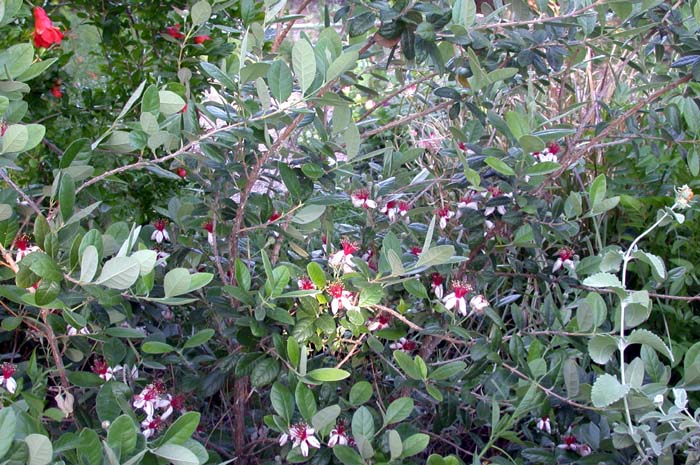
Pineapple Guava is one of the finest shrubs for an edible landscape, prized for its handsome evergreen foliage, exotic flowers, and delicious tropical-flavored fruit. Silvery-gray leaf undersides shimmer in the breeze, giving the shrub year-round ornamental appeal, while the striking white flowers with brilliant crimson stamens create one of the most unusual floral displays in the garden. Whether grown as a specimen, hedge, or small tree, Pineapple Guava is as beautiful as it is productive.
Thriving in full sun and well-drained soil, Pineapple Guava is remarkably drought tolerant once established and adapts well to a variety of climates. Its naturally dense, rounded growth habit makes it an excellent choice for privacy screens, foundation plantings, or ornamental borders, while regular pruning can easily shape it into a small multi-trunked tree. Even when not in bloom or fruit, the attractive evergreen foliage provides year-round structure and elegance to the landscape.
One of the unique pleasures of this plant is that both the flowers and the fruit are edible. The thick, fleshy white flower petals have a sweet, tropical flavor and make a delightful addition to salads, desserts, and fruit platters. Later in the season, the aromatic green fruits ripen with a flavor often described as a blend of pineapple, guava, strawberry, and mint. They are delicious eaten fresh, scooped with a spoon, or used in jams, jellies, chutneys, baked goods, and beverages.
Pineapple Guava perfectly captures the spirit of an edible landscape because it never appears to be a fruit crop. Instead, it serves as an elegant ornamental shrub with evergreen beauty, spectacular flowers, and colorful seasonal interest. The edible blossoms and flavorful fruit simply provide an unexpected reward, making it one of the most versatile and satisfying landscape plants a gardener can grow.
Seedman Notes: Plant Pineapple Guava where its beautiful flowers can be appreciated up close, as many gardeners consider them among the most ornamental of any edible shrub. Fruits are at their best when they naturally drop from the plant, signaling peak ripeness and sweetness. With its evergreen foliage, edible flowers, delicious fruit, and exceptional drought tolerance, Pineapple Guava is one of the true stars of the edible landscape.
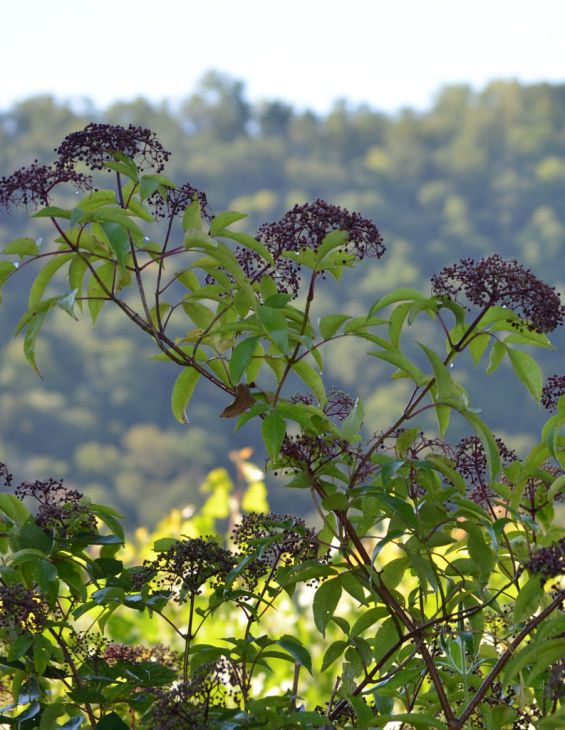

American Black Elderberry is a beautiful native shrub that combines graceful ornamental character with an abundant harvest of edible fruit. In early summer, large, flat-topped clusters of creamy white blossoms cover the plant, creating a striking display against rich green foliage while filling the garden with pollinating insects. By late summer, the flowers mature into heavy clusters of glossy deep purple to nearly black berries, making this shrub as attractive for its fruit as for its flowers.
Easy to grow and highly adaptable, American Black Elderberry thrives in full sun to partial shade and performs well in a wide range of soils, including sites with occasional moisture. It naturally develops into a dense, multi-stemmed shrub that works beautifully as a specimen, informal hedge, wildlife planting, or background shrub in mixed borders. The vigorous growth and dependable flowering make it one of the easiest native fruiting shrubs to establish in the home landscape.
The ripe berries are prized for making outstanding jams, jellies, syrups, pies, wines, and juices. They are also widely used in traditional recipes and herbal preparations, while the fragrant flower clusters may be harvested to make elderflower tea, syrups, fritters, and refreshing beverages. The berries should always be cooked before eating, as cooking improves both their flavor and suitability for consumption. Rich in antioxidants and vitamins, elderberries have been valued as both food and folk medicine for centuries.
American Black Elderberry deserves a place in every edible landscape because it offers beauty throughout the growing season while providing one of the most useful berry harvests available to home gardeners. Even without its fruit, the large flower clusters and handsome foliage make it an excellent ornamental shrub. The abundant berries simply transform an already attractive landscape plant into one of the most rewarding additions to the garden.
Seedman Notes: Plant two or more elderberries for the heaviest fruit production whenever possible. Harvest berry clusters only after they have fully ripened to a deep purple-black color, and remove the berries from their stems before cooking. American Black Elderberry is one of the finest native shrubs for gardeners who want outstanding ornamental beauty, exceptional wildlife value, and a generous harvest of flavorful berries.
Seeds need 60 days cold stratification before sowing.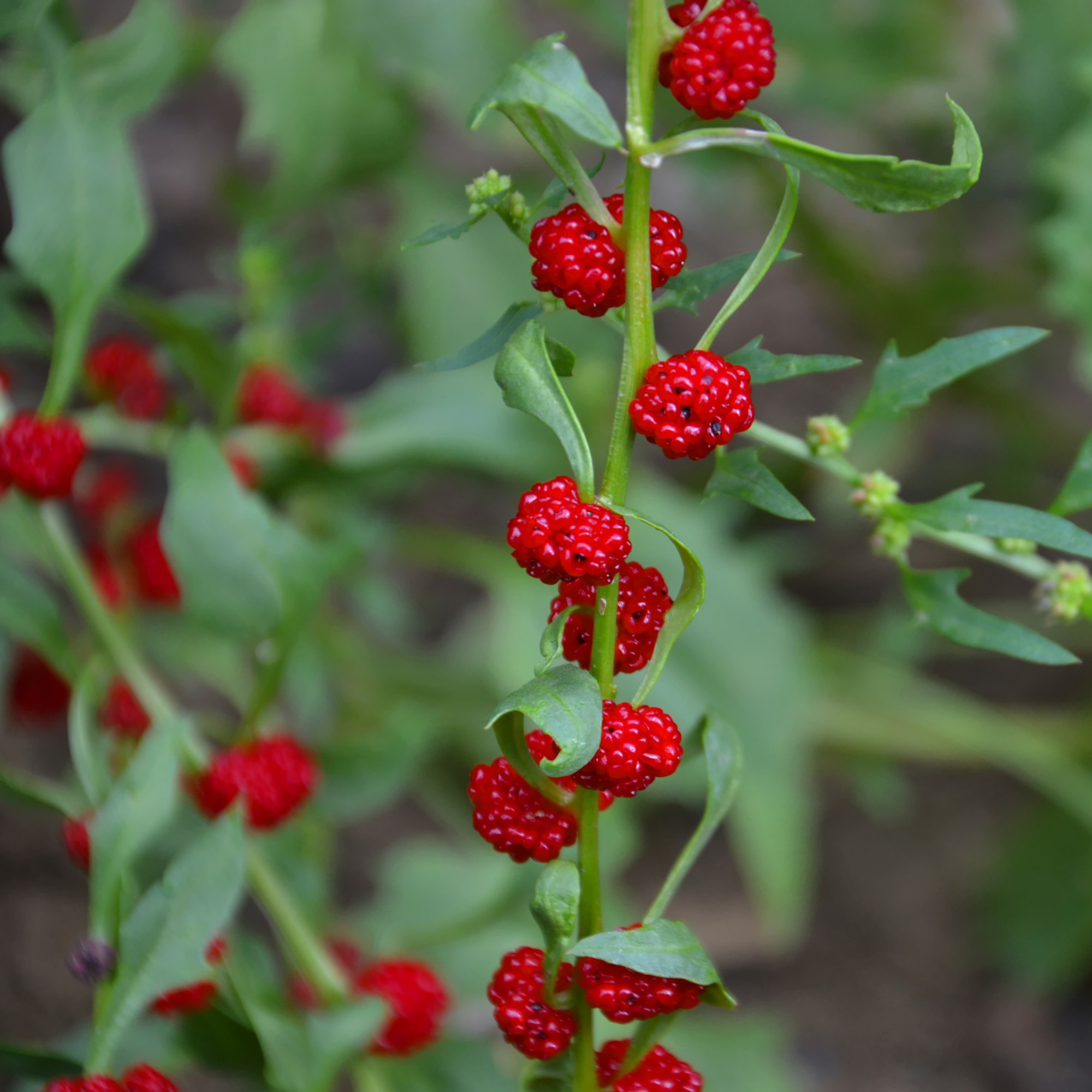
Strawberry Spinach is a delightful heirloom annual that brings together ornamental charm and edible harvests in a way few garden plants can match. Neat clumps of fresh green foliage are accented by brilliant scarlet berry-like fruits that resemble tiny strawberries nestled among the leaves. The colorful display makes this unusual plant equally at home in flower borders, herb gardens, edible landscapes, and decorative containers, where it often becomes a favorite conversation piece.
Easy to grow from seed, Strawberry Spinach thrives in full sun to partial shade and prefers fertile, well-drained soil. The compact plants mature quickly, producing attractive foliage early in the season followed by bright red fruits that remain decorative for weeks. Its modest size allows it to blend beautifully among flowers and herbs without overwhelming neighboring plants, making it ideal for gardeners who appreciate attractive edible plants in smaller spaces.
The tender young leaves are harvested much like traditional spinach and are excellent fresh in salads or lightly cooked as a nutritious green. The vivid red fruits are also edible, offering a mild, subtly sweet flavor that is more decorative than intensely fruity. Together, the edible leaves and colorful fruits provide multiple harvests throughout the season while giving the garden an appearance unlike any ordinary vegetable planting.
Strawberry Spinach perfectly fits the edible landscape concept because it is grown as much for its appearance as for its harvest. Visitors are naturally drawn to the bright strawberry-like fruits, often surprised to learn that both the leaves and fruits are edible. Its combination of ornamental beauty, historical interest, and culinary versatility makes it one of the most charming and unusual additions to any edible garden.
Seedman Notes: Harvest the young leaves regularly to encourage tender new growth throughout the season. The bright red fruits are best enjoyed fully mature, although they are valued as much for their ornamental appearance as for their mild flavor. Strawberry Spinach is an excellent choice for gardeners who enjoy heirloom vegetables, unusual edible ornamentals, and plants that invite curiosity from every visitor.
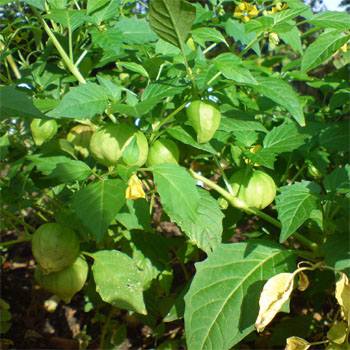
Giant Poha Berry is a beautiful heirloom fruiting plant that blends naturally into an edible landscape with its soft green foliage, cheerful yellow blossoms, and unique lantern-like husks that enclose each golden fruit. Growing into a bushy, well-branched plant, it provides ornamental interest throughout the season before rewarding gardeners with an abundance of sweet, tropical-flavored berries. Its unusual appearance makes it equally attractive in flower borders, raised beds, and large patio containers.
Easy to grow from seed, Giant Poha Berry thrives in full sun and fertile, well-drained soil, producing vigorous plants that continue flowering and fruiting over a long season. The papery husks gradually turn tan as the fruit ripens, creating an attractive display among the foliage. The plants are highly productive, often yielding dozens of fruits over many weeks, making them as rewarding in the landscape as they are in the kitchen.
The golden berries have a rich, sweet-tart flavor with hints of pineapple, citrus, and vanilla, making them delicious eaten fresh or incorporated into jams, pies, preserves, fruit salads, desserts, and sauces. The protective husk naturally preserves the fruit after harvest, allowing it to keep longer than many soft fruits. Rich in vitamins, antioxidants, and fiber, Poha Berries have long been enjoyed throughout South America and the Hawaiian Islands.
Giant Poha Berry perfectly captures the spirit of an edible landscape by offering ornamental beauty first and a generous harvest second. Its attractive growth habit, decorative lantern-like fruits, and long season of production make it a fascinating addition to mixed borders and edible gardens alike. Garden visitors are often drawn to the unusual husked fruits, making this one of the most distinctive and enjoyable plants in the collection.
Seedman Notes: Harvest fruits only after the papery husks have turned tan and the berries develop a rich golden-orange color. In many cases, the ripest fruits naturally fall to the ground while still enclosed in their protective husks. Giant Poha Berry is an excellent choice for gardeners seeking an attractive, easy-to-grow plant that produces an abundant harvest of delicious tropical-flavored fruit throughout the growing season.
Check out our

Contact Us | Privacy Policy | About Us
Serving gardeners since 1992
State of Mississippi Seedmen's Permit #C-391, Ohio 90152, Minnesota 20086777