
Eucalyptus seeds from around the world.
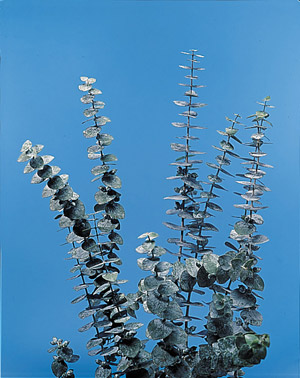
Baby Blue Eucalyptus is one of the most sought-after ornamental foliage plants in the world. Native to Australia and selected for its striking silver-blue juvenile foliage, this fast-growing evergreen tree is prized by landscapers, florists, and gardeners alike.
The round, coin-shaped leaves display an extraordinary powder-blue coloration that creates a dramatic contrast with surrounding green plants. The foliage remains highly ornamental throughout the year and is widely used in fresh and dried floral arrangements.
In the landscape, Baby Blue develops into a small to medium-sized tree, typically reaching 20 to 40 feet in height, though it is often maintained smaller through pruning. The smooth trunk and silvery foliage create an elegant, modern appearance that works beautifully in contemporary and Mediterranean-style gardens.
As a specimen lawn tree, Baby Blue Eucalyptus provides year-round color, texture, and architectural interest.
Landscape Uses- Specimen lawn tree
- Accent tree
- Cut foliage production
- Mediterranean landscapes
- Xeriscape gardens
- Modern landscape designs
- Estate plantings
- Floral gardens
The unique blue foliage makes this one of the most distinctive ornamental trees available for warm-climate landscapes.
Important Landscape NoteBaby Blue is often grown specifically for its juvenile foliage. Regular pruning encourages fresh growth and helps maintain the attractive round leaves that florists and gardeners prize.
Germination Information- Sow seeds on the soil surface or lightly cover.
- Use a well-drained seed-starting mix.
- Maintain temperatures between 70-80°F.
- Keep lightly moist.
- Provide bright light.
- Germination generally occurs within 2-4 weeks.
- Botanical Name: Eucalyptus pulverulenta ssp. 'Baby Blue'
- Plant Type: Evergreen Ornamental Tree
- USDA Zones: 8-11
- Sun Exposure: Full Sun
- Mature Height: 20-40 Feet
- Mature Spread: 10-20 Feet
- Growth Rate: Fast
- Soil Preference: Well-drained soils
- Water Requirements: Low to Moderate
Baby Blue thrives in sunny locations with good drainage. Once established, it exhibits excellent drought tolerance and performs well in a wide range of soil conditions.
Container GrowingYoung plants can be grown successfully in large containers. Regular pruning allows container-grown specimens to maintain a compact size while producing abundant ornamental foliage.
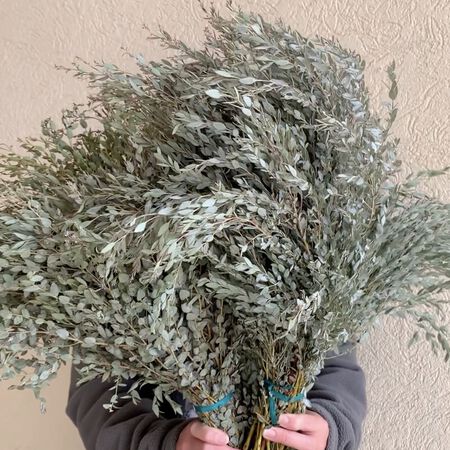
Moon Lagoon Eucalyptus is a stunning ornamental species from Western Australia that has become highly valued for its striking silver-blue foliage, compact growth habit, and exceptional drought tolerance. Named after the remote Moon Lagoon region where it naturally occurs, this beautiful eucalyptus brings year-round color and texture to the landscape.
The plant typically develops as a large shrub or small tree reaching 10 to 25 feet in height. Its most distinctive feature is the abundance of silvery-blue foliage that often appears almost frosted in bright sunlight. The narrow leaves and graceful branching create a soft, airy appearance that contrasts beautifully with darker landscape plants.
The smooth bark and elegant form further enhance its ornamental appeal. In favorable climates, mature plants may also produce attractive cream-colored flowers that provide additional seasonal interest.
As a specimen lawn tree or large landscape shrub, Moon Lagoon offers exceptional visual impact while requiring relatively little maintenance.
Landscape Uses- Specimen lawn tree
- Accent shrub or small tree
- Xeriscape landscapes
- Mediterranean gardens
- Modern landscape designs
- Wildlife gardens
- Privacy screens
- Cut foliage production
The remarkable silver foliage provides year-round color and serves as an excellent contrast plant in mixed landscape designs.
Important Landscape NoteMoon Lagoon performs best in full sun and well-drained soils. Excessively wet conditions can reduce vigor, while dry, sunny locations encourage the most attractive foliage coloration.
Germination Information- Sow seeds on the surface or lightly cover.
- Use a well-drained seed-starting mix.
- Maintain temperatures between 70-80°F.
- Keep lightly moist.
- Provide bright light.
- Germination generally occurs within 2-4 weeks.
- Botanical Name: Eucalyptus latens
- Plant Type: Evergreen Shrub or Small Tree
- USDA Zones: 8-11
- Sun Exposure: Full Sun
- Mature Height: 10-25 Feet
- Mature Spread: 8-15 Feet
- Growth Rate: Fast
- Soil Preference: Well-drained soils
- Water Requirements: Low
Once established, Moon Lagoon demonstrates excellent drought resistance and thrives in hot, sunny environments. It is particularly well suited for water-wise landscapes and regions with dry summers.
Container GrowingMoon Lagoon adapts well to large containers and can be maintained as an attractive patio specimen. Regular pruning helps maintain a compact shape and encourages fresh ornamental foliage.
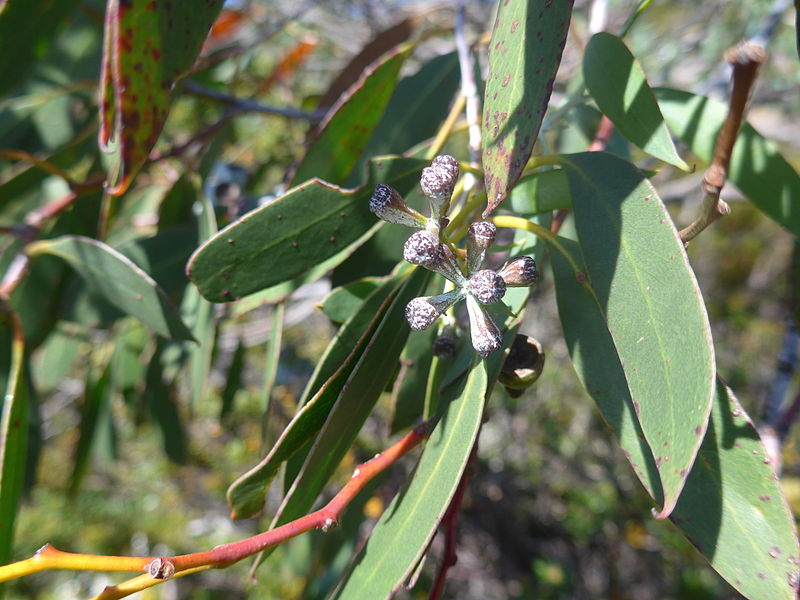
Tasmanian Snow Gum is one of the most beautiful and cold-hardy eucalyptus species available to gardeners. Native to the high mountains of Tasmania, where it grows near the tree line amid snow, frost, and harsh weather, this remarkable evergreen tree combines elegant white bark, silvery-blue foliage, and exceptional toughness.
Mature specimens typically reach 20 to 50 feet in height, forming a graceful open canopy supported by striking smooth trunks that shed in patches to reveal brilliant white and cream-colored bark beneath. The bark alone makes the tree a year-round landscape centerpiece.
The foliage displays attractive blue-green to silvery tones and releases the familiar refreshing eucalyptus fragrance when crushed. During favorable seasons, clusters of creamy white flowers provide additional ornamental interest.
As a specimen lawn tree, Tasmanian Snow Gum offers a unique combination of elegance, cold hardiness, and year-round beauty rarely found among eucalyptus species.
Landscape Uses- Specimen lawn tree
- Cold-hardy eucalyptus planting
- Accent tree
- Modern landscape designs
- Mountain gardens
- Xeriscape landscapes
- Wildlife gardens
- Estate plantings
The brilliant white bark and silver-blue foliage make this one of the most visually striking eucalyptus species available.
Important Landscape NoteTasmanian Snow Gum is among the most cold-tolerant eucalyptus species in cultivation. It performs especially well in areas where many tropical eucalyptus species struggle with winter temperatures.
Germination Information- Sow seeds on the soil surface or lightly cover.
- Use a well-drained seed-starting medium.
- Maintain temperatures between 65-75°F.
- Keep lightly moist.
- Provide bright light.
- Germination generally occurs within 2-4 weeks.
- Botanical Name: Eucalyptus coccifera
- Plant Type: Evergreen Ornamental Tree
- USDA Zones: 7-10
- Sun Exposure: Full Sun
- Mature Height: 20-50 Feet
- Mature Spread: 15-30 Feet
- Growth Rate: Moderate to Fast
- Soil Preference: Well-drained soils
- Water Requirements: Low to Moderate
Snow Gum thrives in sunny locations with excellent drainage. Once established, it exhibits good drought tolerance while maintaining attractive foliage and bark characteristics.
Container GrowingYoung plants can be grown in large containers for several years. Regular pruning may be used to maintain a smaller specimen and encourage attractive juvenile foliage.
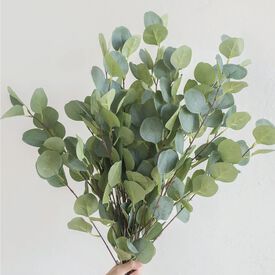
Silver Dollar Eucalyptus is one of the most recognizable and widely planted ornamental eucalyptus species in the world. Native to the cool highlands of southeastern Australia, this beautiful evergreen tree is famous for its distinctive round silver-blue leaves that resemble oversized coins, giving rise to its popular common name.
The foliage is heavily coated with a natural waxy bloom that produces a stunning silver appearance. Young plants display the classic rounded leaves most prized by florists and gardeners, while mature trees gradually develop more elongated foliage.
Mature specimens typically reach 30 to 60 feet in height, developing attractive smooth bark and a graceful upright form. The silvery foliage creates exceptional contrast in the landscape and remains attractive throughout the year.
As a specimen lawn tree, Silver Dollar Eucalyptus provides striking color, texture, fragrance, and year-round visual interest.
Landscape Uses- Specimen lawn tree
- Accent tree
- Cut foliage production
- Modern landscape designs
- Mediterranean gardens
- Xeriscape landscapes
- Estate plantings
- Floral gardens
The extraordinary foliage color makes Silver Dollar one of the finest contrast plants available for landscape design.
Important Landscape NoteMany gardeners regularly prune Silver Dollar Eucalyptus to encourage production of juvenile foliage. This maintains the highly desirable round leaves that have made the species famous in the floral industry.
Germination Information- Sow seeds on the soil surface or lightly cover.
- Use a well-drained seed-starting medium.
- Maintain temperatures between 70-80°F.
- Keep lightly moist.
- Provide bright light.
- Germination generally occurs within 2-4 weeks.
- Botanical Name: Eucalyptus cinerea
- Plant Type: Evergreen Ornamental Tree
- USDA Zones: 8-11
- Sun Exposure: Full Sun
- Mature Height: 30-60 Feet
- Mature Spread: 15-30 Feet
- Growth Rate: Fast
- Soil Preference: Well-drained soils
- Water Requirements: Low to Moderate
Silver Dollar Eucalyptus thrives in sunny locations with excellent drainage. Once established, it demonstrates excellent drought tolerance and adapts well to challenging growing conditions.
Container GrowingYoung plants perform exceptionally well in large containers. Regular pruning can maintain a compact specimen while promoting abundant production of decorative foliage.
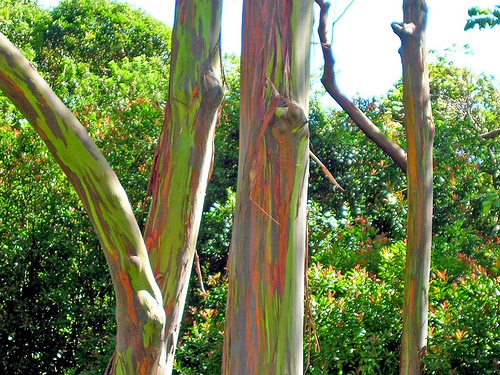
Rainbow Eucalyptus is arguably the most spectacular ornamental tree in the world. Native to the tropical rainforests of the Philippines, Indonesia, and Papua New Guinea, this extraordinary species is famous for its brilliantly colored bark that naturally displays shades of green, blue, purple, orange, red, and maroon.
The remarkable coloration develops as the bark peels away in successive layers throughout the year. Newly exposed bark appears bright green and gradually matures through a dazzling spectrum of colors, creating the appearance that the trunk has been painted by hand.
Mature trees can reach 100 to 250 feet in their native habitats, though landscape specimens are often considerably smaller. The tree develops a tall, straight trunk, smooth bark, and an elegant evergreen canopy of glossy green leaves.
As a specimen lawn tree, Rainbow Eucalyptus creates one of the most unforgettable landscape displays found anywhere in the plant kingdom.
Landscape Uses- Specimen lawn tree
- Tropical landscape centerpiece
- Botanical garden specimen
- Estate landscape feature
- Collector's tree
- Rainforest gardens
- Resort landscapes
- Educational plantings
The incredible bark coloration makes this one of the most photographed ornamental trees in the world.
Important Landscape NoteRainbow Eucalyptus is a true tropical species and performs best in frost-free climates. Even young trees can become impressive specimens under favorable growing conditions.
Germination Information- Sow seeds on the soil surface or lightly press into the medium.
- Do not deeply cover the seeds.
- Maintain temperatures between 75-85°F.
- Keep evenly moist but not waterlogged.
- Provide bright light.
- Germination generally occurs within 2-6 weeks.
- Botanical Name: Eucalyptus deglupta
- Plant Type: Tropical Evergreen Tree
- USDA Zones: 10-12
- Sun Exposure: Full Sun
- Mature Height: 60-250 Feet
- Mature Spread: 25-60 Feet
- Growth Rate: Very Fast
- Soil Preference: Rich, well-drained soils
- Water Requirements: Moderate to High
Rainbow Eucalyptus thrives in warm, humid environments with consistent moisture. Unlike many eucalyptus species, it appreciates regular rainfall and performs exceptionally well in tropical and subtropical climates.
Container GrowingYoung plants can be grown in large containers for several years, but mature specimens quickly outgrow containers and require landscape planting to reach their full potential.
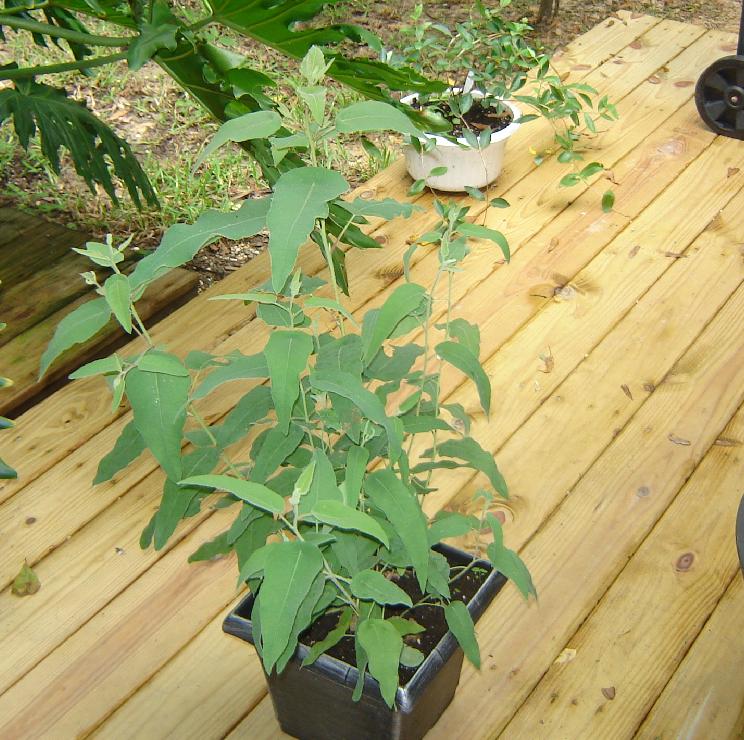
Before walking in the woods, I will pick a few leaves, crush them and put them under my cap, this works very well.
Commonly known as Lemon Bush. This aromatic plant starts easily from seed. When grown in a container, it only reaches 3 to 4 feet tall. No matter where you live, you can grow this lovely plant from seed in your own home and enjoy the fresh lemony fragrance. Its fresh and lemony aroma is uplifting and simply brushing the leaves will release more fragrance that will remind you of the citronella candles sold to repel mosquitos. Outside in warm zones, it will grow into a small tree, but is most commonly grown as a container plant in cooler zones. It produces sword-shaped gray-green leaves, tiny white blooms, and a bit of red fall foliage change. For growing indoors, find a nice container and grow from seed in a bright window. It can also be grown outdoors, but bring it in before the first frost to winter it indoors.
Oil from the leaves is applied to the skin as a medicine and insect repellent. Citrodora Ecalyptus oil is used for preventing mosquito and deer tick bites. It is also an ingredient in chest rubs used to relieve congestion. The oil has a strong fresh citronella-like odor with a sweet balsamic undertone. Very effective insect repellent due to a higher citronellal content than citronella ( which is commercially harvested from citronella grass, a different type of plant and is used in many insect repellants ).
Eucalyptus Citriodora has good branching and makes an attractive container plant with wonderful citrus-spice fragrance. It is actually an herb, and its 3-inch leaves are bold and dramatic indoors, and the white summer blooms add another interesting dimension to this versatile plant.
The plants are winter hardy in USDA zones 8-11, but can be grown as a container plant or annual in any zone.
Trees bloom in winter in outside in warm zones, in the greenhouse they bloom in late winter to early spring. The white blooms are not very distinctive. The blooms are followed by woody urn-shaped capsules about 3/8 of an inch wide.
Eucalyptus citriodora need full sun with a well-drained soil mix for container growing. Most gum trees grow in very nutrient poor soils and fertilizer is not needed; however container plants should be feed once during the spring. To control the size of the trees in containers, do all pruning and repotting in late to early spring after flowering.
How to start seeds and grow:
Start seed indoors into a starter tray. ( We like to leave seed packet in the fridge for 30 days before sowing, this seems to enhance the germination ). Press the seed into the soil and cover lightly, about twice the thickness of the seed. Keep the seeds moist by watering from underneath. Once the seedlings are 4 to 5 inches tall, transplant into containers. Start with a 1 to 2 gallon container with potting mix and after a year or so, transplant into a larger 3 to 5 gallon container. Feed monthly during the growing season with water soluable plant food or mix granular 5-10-10 fertilizer with micronutrients into the soil each year.
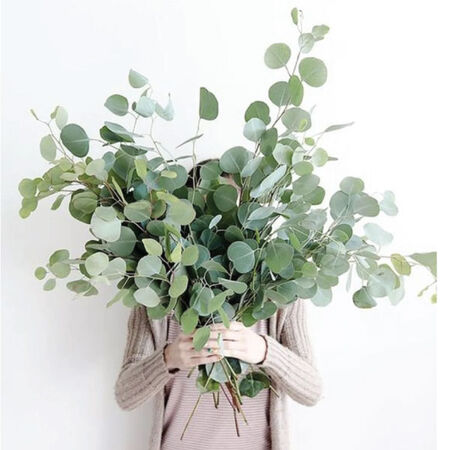
Silver Dollar Gum is one of the most attractive and versatile eucalyptus species available for ornamental landscapes. Native to southeastern Australia, this graceful evergreen tree is treasured for its beautiful round silver-blue foliage, smooth bark, drought tolerance, and exceptional adaptability.
Unlike some eucalyptus species that quickly lose their juvenile foliage, Silver Dollar Gum retains many of its distinctive rounded leaves throughout much of its life, giving mature trees a soft, elegant appearance that is highly valued by gardeners and landscape designers.
Mature specimens typically reach 30 to 60 feet in height with a broad, rounded canopy. The foliage shimmers in sunlight and provides a striking contrast against darker green landscape plants. Smooth gray-white bark further enhances its ornamental appeal throughout the year.
As a specimen lawn tree, Silver Dollar Gum offers year-round beauty, fragrance, and architectural interest.
Landscape Uses- Specimen lawn tree
- Shade tree
- Accent tree
- Xeriscape landscapes
- Mediterranean gardens
- Modern landscape designs
- Windbreak plantings
- Cut foliage production
The attractive silver foliage makes this one of the finest eucalyptus species for ornamental landscape use.
Important Landscape NoteSilver Dollar Gum develops a broad canopy as it matures. Allow sufficient space when planting so the tree can fully develop its naturally graceful form.
Germination Information- Sow seeds on the soil surface or lightly cover.
- Use a well-drained seed-starting medium.
- Maintain temperatures between 70-80°F.
- Keep lightly moist.
- Provide bright light.
- Germination generally occurs within 2-4 weeks.
- Botanical Name: Eucalyptus polyanthemos
- Plant Type: Evergreen Ornamental Tree
- USDA Zones: 8-11
- Sun Exposure: Full Sun
- Mature Height: 30-60 Feet
- Mature Spread: 20-40 Feet
- Growth Rate: Moderate to Fast
- Soil Preference: Well-drained soils
- Water Requirements: Low to Moderate
Silver Dollar Gum performs exceptionally well in sunny locations and adapts to a variety of soil types. Once established, it exhibits excellent drought tolerance and low maintenance requirements.
Container GrowingYoung plants can be maintained in large containers for several years. Container-grown specimens benefit from periodic pruning to encourage dense growth and maintain manageable size.
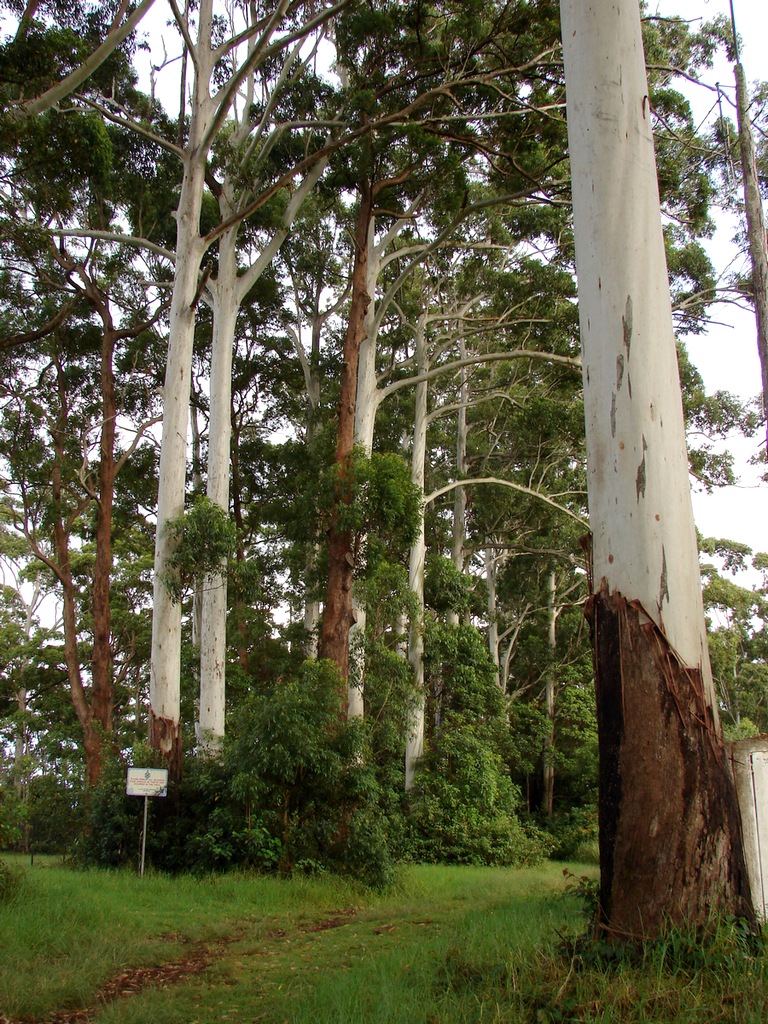
Rose Gum (Eucalyptus grandis), also known as Flooded Gum, is a magnificent fast-growing evergreen tree native to eastern Australia. It is admired for its tall, straight trunk, smooth attractive bark, fragrant foliage, and impressive growth rate. In warm climates with plenty of space, Rose Gum can become a towering shade tree and an outstanding specimen for large landscapes, farms, parks, and reforestation plantings.
This species is one of the most important eucalyptus trees in the world, widely planted for timber, shelterbelts, windbreaks, honey production, and ornamental value. Its smooth bark often displays soft shades of cream, gray, pink, and pale blue as it sheds, giving mature trees a handsome and graceful appearance.
Plant Characteristics- Botanical Name: Eucalyptus grandis
- Common Names: Rose Gum, Flooded Gum, Grand Eucalyptus
- Plant Type: Fast-growing evergreen tree
- Mature Height: 100 to 180 feet or more in ideal conditions
- Light Requirements: Full sun
- Soil: Well-drained sandy, loamy, or fertile soils
- USDA Zones: 9 to 11
Rose Gum is best suited for large properties where it has room to reach its full potential. It makes an impressive shade tree, windbreak, shelterbelt, timber tree, and wildlife-supporting planting. Due to its eventual size and vigorous root system, it should be planted well away from buildings, septic systems, driveways, and utility lines.
Germination InformationEucalyptus seeds are generally easy to germinate. Surface sow the seeds on a sterile seed-starting mix and press them gently into the surface. Do not bury deeply, as the seeds need light and warmth for best results. Keep the soil evenly moist but never soggy.
- Seed Preparation: No stratification required
- Best Temperature: 70 to 85 degrees F
- Germination Time: Usually 10 to 30 days
- Transplanting: Move seedlings before they become root-bound
Rose Gum grows very rapidly when provided with full sun, warm temperatures, and consistent moisture. Young trees may add several feet of growth per year under favorable conditions. Once established, trees show moderate drought tolerance, though best growth occurs where rainfall or irrigation is available during dry periods.
This tree is not recommended for small yards or tight planting spaces. It is a large, vigorous species that performs best in open landscapes where it can develop naturally.
Container GrowingRose Gum can be started in containers and grown as a young nursery plant, but it is not a long-term container tree. Because of its rapid growth and large mature size, seedlings should be transplanted into the ground while young.
Eucalyptus Seed Germination Instructions ( Note: Please print these instructions for future use, seed packets do not include detailed germination instructions as size of packet label is limited ).
Seed germination of Eucalyptus generally falls within two categories: Those that need no pre-treatment and those that need chilling or cold stratification. Only those species that come from colder areas need the cold stratification process. Seed sourced from warmer climate areas do not need to be pre-chilled.
About 95% of Eucalyptus seed needs no
pre-treatment. Species of the "snow gum" and a few other
species found in colder areas provide a better germination rate
when they have been cold stratified. Those Eucalyptus species
we have found to respond to cold stratification are:
Amygdalina, coccifera, dalrympleana, debeuzevillei,
delegatensis, dives, elata, fastigata, glaucescens, goniocalyx,
kybeanensis, mitchellana, niphophila, nitens, pauciflora,
perriniana, regnans, stellulata.
Cold stratification of seed is a simple process. Using a filler like perlite, vermiculite or sand, take 2-3 times the volume of filler per volume of seed. If you are stratifying 1 teaspoon of seed, use 2-3 teaspoons of filler. Mix together and slightly dampen and place in the zip lock bag the seeds arrived in and date. Place this in the refrigerated section of your refrigerator - not your freezer! Generally 4-6 weeks of chilling is sufficient, although we have not shown any detriment to the seed by leaving it in for longer periods.
After the stratification process is
complete you can sow the seed at your convenience.
Don't try to separate the seed from the inert material, sow all
together.
Instructions for seed sowing: Eucalyptus seed is generally sold with chaff (inert material). Sow both seed and chaff on the surface of a pre-moistened media. Use a high quality seed starting mix that is not clumpy or full of bark, a premium seed starting mix is well worth the investment. Some prefer to create their own special perlite/sand mix, this does very well also.
Note, it is rumored that soaking seeds in Hydrogen Peroxcide will increase germination, we do not do this, but it seems to be a common practice with many growers.
Sow the seed (and chaff if so mixed) on
the surface of my pre-moistened perlite/sand mix. Cover the
seed no more than 1/16" with sand and then cover with
plastic.
Ideal germination conditions are around 68-72 degrees F with a
humidity of near 100%, but you will still get good results at
lower humidity levels. Average germination time is about 2
weeks, although some species will germinate faster and others
at a much slower rate, some taking 6-12 weeks.
Once germination has taken place, ideally, you should remove the container of seedlings and place it an an area of bright light and provide a lower temperature of 55-60 degrees F for several weeks. The lower temperature provides a stockier seedling. Higher temperatures tend to make seedlings stretch and they become weak and spindly.
Ideally, pick out the seedlings at the "true-leaf" stage for transplant. The "true-leaf" stage is not the same as the cotyledon leaves. When a seed germinates, generally 2 leaves will show - these are the cotyledon leaves. Additional growing time is needed for the "true-leaves" to form.
Once the seedlings are at the "true-leaf" stage, carefully pick out the seedlings and transplant into individual cells. Hold the seedlings by the leaves, not the stem to prevent damage to the main stem. Carefully water the seedlings in and monitor media moisture. You don't want them soggy wet nor too dry, a slightly moist balance is what the seedlings need. Grow on in pots for the first year.

Contact Us | Privacy Policy | About Us
Serving gardeners since 1992
State of Mississippi Seedmen's Permit #C-391, Ohio 90152, Minnesota 20086777