
Fava Bean Seeds
A note from Jim:
Fava beans (Vicia faba) are not in the same genus as other garden beans (Phaseolus). Their origin is reportedly the Mediterranean region and their history dates back to at least Biblical times. Favas are commonly used in Middle Eastern, Greek and Italian cooking.
Grow fava beans to get an excellent, hardy food source that tolerates cool weather and even frost, making them a great choice for fall or early spring planting and an early harvest. Beyond the beans themselves, they are also valuable as a nitrogen-fixing cover crop, improving soil health for future crops and attracting beneficial insects.
Fava bean plants grow upright on 2'-3' tall (or even taller in ideal conditions), non-branching stems. They may require staking as they grow. Plants are very cold tolerant and can withstand temperatures as low as 20-25 degrees.
The young fava bean pods can be sliced and eaten like snap beans. Foliage tips can be pinched and are one of spring's tastiest greens. But, the beans are the best of all. The 6"-8" long pods contain 5 to 7 beans. They can be shelled when still green and cooked.
In many places, if plants are covered with straw or mulch in winter, roots may survive to come back next spring. Fava beans are generally easy to grow. They enjoy the same conditions as peas.
Caution: A small percentage of people of Mediterranean descent may experience an hereditary allergic reaction to fava beans.
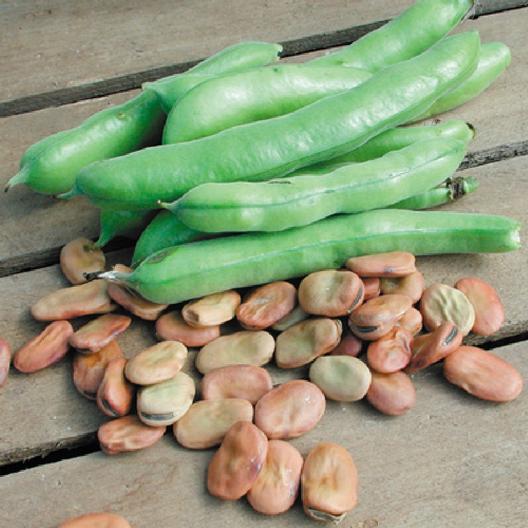
Broad Windsor Fava Bean is one of the oldest and most respected heirloom vegetables still grown today, prized for its exceptionally large, buttery beans, excellent cold tolerance, and dependable harvests. Also known simply as Windsor Bean or Broad Bean, this historic variety has been cultivated in Europe for centuries and remains a staple in British and Mediterranean gardens. The sturdy upright plants produce abundant clusters of large green pods filled with broad, creamy-green beans that are delicious fresh, frozen, or dried. Easy to grow during cool weather and highly attractive to pollinators, Broad Windsor is both a productive food crop and an excellent addition to sustainable vegetable gardens.
Why Grow This Variety?
Broad Windsor is one of the finest cool-season legumes available for home gardens. Unlike common snap or shell beans, fava beans thrive during cool spring and fall weather, often producing excellent harvests before summer heat arrives. The large beans have a rich, nutty flavor and creamy texture that makes them a favorite in soups, stews, salads, and traditional European recipes. In addition to producing delicious food, the plants naturally improve soil fertility by fixing atmospheric nitrogen, benefiting future crops.
Flavor Profile
Fresh Broad Windsor beans have a rich, buttery flavor with subtle nutty notes and a creamy texture. Young beans are sweet and tender, while mature beans develop a fuller, earthier taste prized in Mediterranean and Middle Eastern cuisine. After removing the thin outer skin from mature beans, the interior becomes silky smooth and exceptionally flavorful.
Culinary Uses
- Fresh shelled beans
- Soups and stews
- Mediterranean cuisine
- British cooking
- Italian fava dishes
- Bean salads
- Freezing for winter use
- Dried storage beans
Nutritional Value
Broad Windsor Fava Beans are an excellent source of plant protein, dietary fiber, folate, iron, potassium, phosphorus, magnesium, and B vitamins. They also provide valuable antioxidants and complex carbohydrates, making them an excellent addition to healthy diets. Like other legumes, they contribute sustained energy and support soil health through natural nitrogen fixation.
Growing Information
- Botanical Name: Vicia faba
- Plant Type: Cool-season annual legume
- Days to Harvest: Approximately 75-90 days
- Sun Exposure: Full sun
- Soil: Fertile, well-drained soil
- Soil pH: 6.0-7.5
- Plant Height: 36-48 inches
- Pod Length: 6-8 inches
- Spacing: 6-8 inches between plants
- Water: Moderate; maintain even moisture during flowering and pod development
Sow seeds directly into the garden as soon as the soil can be worked in early spring or during late summer for autumn harvests in mild climates. Broad Windsor thrives in cool weather and tolerates light frosts remarkably well. Taller plants may benefit from staking or string supports in windy locations once heavy pods begin developing.
Harvest & Storage
Harvest pods while they remain bright green and well filled. Young beans may be cooked and eaten whole, while mature beans are shelled before cooking. For the finest texture, blanch mature beans briefly and remove the thin outer skin before serving. Beans freeze exceptionally well after blanching and may also be dried for long-term storage.
Best For
- Spring gardens
- Fall gardens
- Cool-season production
- Mediterranean cuisine
- British cooking
- Soil improvement
- Food preservation
- Heirloom vegetable gardens

Contact Us | Privacy Policy | About Us
Serving gardeners since 1992
State of Mississippi Seedmen's Permit #C-391, Ohio 90152, Minnesota 20086777