
Fennel Seeds
Fennel is relatively hardy and can be grown year round in zones 5-10. Grow as a perennial in colder zones.
Plant fennel in an area of the garden that receives full sun exposure and has loose, deep soil. Best to grow fennel away from other garden vegetables because it will cross pollinate, making for mixed flavor results, at best. Fennel grows back by itself each year, so dedicate a space in the garden to fennel if you plan to keep it going.
Fennel can be grown in large pots as well. It produces a long taproot and needs sufficient soil space to accommodate it, so containers are not always sufficient.
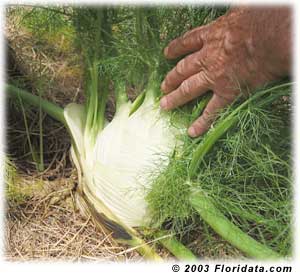
Unlike common herb fennel, Florence Fennel develops a large, thickened bulb-like base that can be harvested and enjoyed raw, roasted, grilled, sautéed, braised, or added to soups and salads. The tender bulbs have a refreshing sweet flavor with hints of anise and celery, making them a favorite ingredient in Italian and gourmet cooking.
The finely divided feathery foliage is also edible and may be used as an herb to flavor fish, poultry, vegetables, salads, sauces, and dressings. As plants mature, they produce attractive golden-yellow flower umbels that attract bees, butterflies, hoverflies, and numerous beneficial insects. The flowers eventually develop aromatic seeds that are widely used in breads, sausages, spice blends, teas, and traditional herbal preparations.
Florence Fennel is both beautiful and productive, making it an excellent choice for vegetable gardens, herb gardens, edible landscapes, and large patio containers.
Uses and Benefits- Produces large edible bulb-like bases.
- Sweet anise-flavored vegetable.
- Edible foliage, stalks, flowers, and seeds.
- Excellent roasted, grilled, braised, or fresh.
- Traditional ingredient in Italian cuisine.
- Attracts bees, butterflies, and beneficial insects.
- Beautiful feathery foliage adds ornamental value.
- Excellent addition to edible landscapes.
- Produces aromatic culinary seeds.
- Suitable for vegetable and herb gardens.
- Can be grown in large containers.
- Easy to grow and highly rewarding.
Florence Fennel is generally grown as an annual in all USDA Zones, although it may persist longer in mild climates.
Germination Instructions- Sow seeds directly outdoors after danger of frost has passed.
- Plant seeds approximately 1/4 inch deep.
- Maintain soil temperatures between 60-75°F (16-24°C).
- Keep soil evenly moist during germination.
- Seeds typically germinate in 7-14 days.
- Thin seedlings to provide adequate room for bulb development.
- Florence Fennel develops a deep taproot and generally performs best when direct sown.
- Plant in full sun for best bulb development.
- Prefers fertile, well-drained soil rich in organic matter.
- Maintain consistent moisture for tender bulbs.
- Hill soil lightly around developing bulbs to blanch them if desired.
- Harvest bulbs when they reach 3-4 inches across.
- Allow some plants to flower if seed harvest is desired.
- Attractive enough for ornamental edible landscapes.
Florence Fennel can be grown successfully in containers, but because it develops a substantial taproot and large bulb, it requires a deep, generously sized container. Choose a pot at least 12-18 inches deep and wide enough to allow proper root development. Larger containers generally produce larger, better-formed bulbs and healthier plants. Consistent watering is especially important when container growing.
Combining gourmet culinary appeal, ornamental beauty, pollinator value, and multiple edible harvests, Florence Fennel is one of the most versatile and rewarding plants in the garden. Whether grown for its sweet bulbs, aromatic foliage, flavorful seeds, or striking garden presence, it is a standout addition to any edible landscape.

Contact Us | Privacy Policy | About Us
Serving gardeners since 1992
State of Mississippi Seedmen's Permit #C-391, Ohio 90152, Minnesota 20086777