
Fenugreek Seeds
Fenugreek seeds are easy to grow and the herb plant has nutritional value. This annual is widely cultivated for use as a medicinal herb and as a culinary herb. It has leaves that have 3 lobes and look clover-like, and it produces small cream to yellow colored flowers. It is nicely scented. Fenugreek plants are native to the Mediterranean region. India is a large producer of the herb seeds.
Fenugreek seeds are used as a culinary herb and spice. Some people eat the seeds as you would eat sunflower seeds, but most often Fenugreek seeds are used in making curry. The young, tender leaves can be sprinkled into salads as well. As a medicinal herb, Fenugreek has a long history of use.
It is said to relieve sore throats, help with diabetes by acting as a sugar-regulating agent, improve high cholesterol, and it is given to lactating women to increase the production of milk.
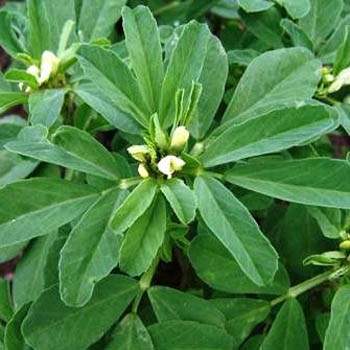
Fenugreek will grow well in containers, making them suitable for limited spaces or indoor gardening. Their adaptability allows gardeners to cultivate these herb seeds in pots or trays, providing easy access to flavorful greens even without a traditional garden plot.
A legume with clover-shaped leaves, fenugreek microgreens add an unusual flavor to meals. A mainstay in Indian cooking, chhoti or samudra methi as they’re known in India are often paired with potatoes as tasty microgreens. Fenugreek is used as a spice in its seed form and as an herb or green in the leaf form. You might be more familiar with fenugreek as a spice, which is used in curry powder and garam masala. It is easy to grow a fenugreek plant, and even easier to grow and harvest fenugreek microgreens.
With a taste described as fresh, grassy, spicy, mustardy, and similar to curry powder, fenugreek microgreens can be added to salads, curries, or vegetable dishes. The seeds have a caramel, burnt sugar scent, but the leaves are more subtle and bitter in their taste. You will notice the bitter note at the end. Packing a punch when it comes to nutrition, fenugreek microgreens make a great option for the home microgreen gardener to grow due to their health benefits and the unusual taste they add to a dish. Fenugreek is a good source of vitamins as well as iron. These legumes are nutrient-dense and are a healthy green to add to your food routines.
Fenugreek seeds are easy to grow and the herb plant has nutritional value. This annual is widely cultivated for use as a medicinal herb and as a culinary herb. It has leaves that have 3 lobes and look clover-like, and it produces small cream to yellow colored flowers. It is nicely scented. Fenugreek plants are native to the Mediterranean region. India is a large producer of the herb seeds.
Fenugreek seeds are used as a culinary herb and spice. Some people eat the seeds as you would eat sunflower seeds, but most often Fenugreek seeds are used in making curry. The young, tender leaves can be sprinkled into salads as well. As a medicinal herb, Fenugreek has a long history of use. It is said to relieve sore throats, help with diabetes by acting as a sugar-regulating agent, improve high cholesterol, and it is given to lactating women to increase the production of milk.
How To Grow Fenugreek Herb Seeds: Start Fenugreek seeds directly outdoors after danger of frost has passed. The Fenugreek herb does not transplant well, so it is best to start it in the herb garden or in a container where it will stay. Grow the herb plant in full sun and in rich soil that has had organic matter worked in. Cut the seed pods off the plant once they have ripened. Allow the seeds pods to finish drying in the sun and store the herb seeds in airtight containers.
Harvesting: Fenugreek leaves can be harvested at any time from the microgreen or sprout stage to their mature size. When the plant begins to flower, however, the culinary quality of the leaves declines. To store the fresh leaves, wash them carefully and strip them from the stems; store them in the refrigerator for up to 3 days. The leaves can also be dried or frozen.

Contact Us | Privacy Policy | About Us
Serving gardeners since 1992
State of Mississippi Seedmen's Permit #C-391, Ohio 90152, Minnesota 20086777