
Feverfew Seeds
It is not only a lovely ornamental herb, but it has medicinal value as well. It is easily grown from herb seeds, and it is a hardy perennial with deeply cut leaves and lovely daisy-like blooms that measure 3/4 inch across. It is native to Southern Europe, but today it can be found in many areas of the world. A synonymous botanical name is Tanacetum Parthenium.
The plant will thrive in the poorest soils. It prefers a position in full sun as the plant sometimes is susceptible to mildew in the shade. Roots prefer not to be waterlogged, so soil that drains wells is a must. Propagation of the plant can be both from herb seeds or by root division. Flowers are nice for cutting and may be dried face down on a flat surface and used in potpourri.
The plants should be spaced about 24 inches apart.
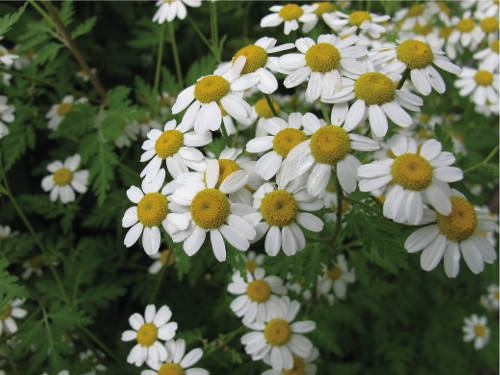
The attractive plants form bushy mounds of deeply divided aromatic foliage topped by hundreds of small flowers that resemble miniature daisies. Their long blooming season and abundant blossoms make Feverfew a standout in herb gardens, cottage gardens, pollinator plantings, borders, and patio containers.
For generations, Feverfew has been valued as a traditional medicinal herb and remains one of the most widely recognized plants in herbal gardening. Its rich history and ease of cultivation have made it a staple of herb gardens around the world.
Beyond its herbal significance, Feverfew is an outstanding pollinator plant. The nectar-rich flowers attract bees, butterflies, hoverflies, and other beneficial insects throughout the growing season. The blooms are also excellent for fresh bouquets and dried flower arrangements.
Easy to grow and often self-sowing, Feverfew frequently returns year after year in favorable locations, providing dependable color and garden interest with very little maintenance.
Uses and Benefits- Produces masses of cheerful daisy-like flowers.
- Long blooming season from summer through fall.
- Traditional medicinal herb with centuries of history.
- Excellent pollinator plant for bees and butterflies.
- Attracts beneficial insects to the garden.
- Outstanding cottage garden flower.
- Excellent cut flower for bouquets.
- Useful in dried flower arrangements.
- Suitable for herb gardens and edible landscapes.
- Easy to grow and low maintenance.
- Often self-sows and returns naturally.
- Excellent container and patio plant.
Feverfew is a short-lived perennial in USDA Zones 5-9 and is often grown as an annual in colder climates.
Germination Instructions- Start seeds indoors 6-8 weeks before the last frost or sow outdoors after danger of frost has passed.
- Press seeds lightly onto the soil surface.
- Do not cover deeply, as light aids germination.
- Maintain temperatures between 65-75°F (18-24°C).
- Keep soil evenly moist during germination.
- Seeds typically germinate in 10-21 days.
- Provide bright light after seedlings emerge.
- Plant in full sun to partial shade.
- Prefers well-drained soil.
- Deadhead spent flowers to encourage continued blooming.
- Allow some flowers to mature if reseeding is desired.
- Water during prolonged dry periods.
- Excellent for borders, herb gardens, pollinator gardens, and containers.
Feverfew grows exceptionally well in containers and patio planters. A pot 10-12 inches deep is generally sufficient, and regular deadheading will keep plants flowering heavily throughout the season. Container-grown plants make attractive additions to patios, porches, and herb gardens while attracting pollinators close to outdoor living spaces.
Combining cottage garden charm, traditional herbal value, pollinator appeal, and months of cheerful blooms, Feverfew is one of the most rewarding herbs for gardeners seeking both beauty and usefulness. Its easy-care nature and dependable flowering make it a favorite for beginners and experienced gardeners alike.

Contact Us | Privacy Policy | About Us
Serving gardeners since 1992
State of Mississippi Seedmen's Permit #C-391, Ohio 90152, Minnesota 20086777