
Flax Seeds
Linum usitatissimum, or common flax, is a useful plant that has been cultivated for thousands of years. It is grown for both its fiber and its seeds. The fiber from its stems is used to make linen cloth, while linseed oil is derived from its seeds. Flax seeds are also edible and contain important nutrients. This annual plant grows to 3 feet tall before developing short-lived sky-blue flowers. Although flax is often grown as a large-scale production crop, it can also be grown in small garden plots.
This cool-weather plant likes to start while the ground is still cold. Plant the seeds as soon as possible after the last frost of the season. Flax grows best when the plants are grown close together, about 40 plants per square foot. One tablespoon of flax seed is enough for 10 square feet of garden space. Sprinkle the seeds over the prepared seedbed; the small seeds will scatter more evenly if they are first dusted with flour. After the seeds are scattered, raking the soil lightly will bury the seeds about one-quarter to one-half inch deep. The soil requires moisture after burying the seeds and until germination. The seeds will germinate and begin sending up sprouts in about 10 days.
10 tasty ways to eat flax seed
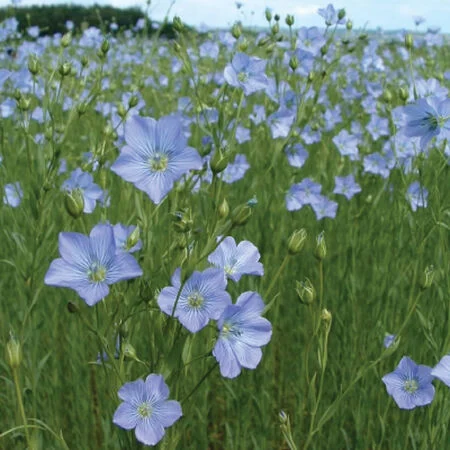
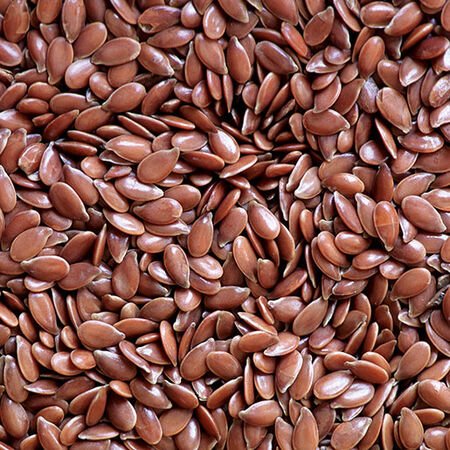
During the growing season, Omega Flax produces slender stems topped with delicate sky-blue flowers that create a beautiful display in the garden. Although individual flowers last only a day, plants bloom continuously over an extended period, providing weeks of color and attracting bees and other pollinators.
The real treasure of Omega Flax lies in its seeds. Flaxseed is one of nature's richest plant sources of omega-3 fatty acids and is widely used in cereals, breads, smoothies, baked goods, nutrition bars, and health food recipes. The seeds are also valued for their fiber, protein, antioxidants, and nutritional benefits.
Historically, flax has been one of the world's most important crops. The fibers extracted from its stems were traditionally used to produce linen, one of the oldest textiles known to civilization. Today, flax remains a popular crop for gardeners interested in nutrition, self-sufficiency, homesteading, and heritage plants.
Uses and Benefits- Produces highly nutritious omega-3-rich seeds.
- Excellent source of dietary fiber.
- Rich in protein and beneficial plant compounds.
- Beautiful sky-blue flowers.
- Attracts bees and pollinators.
- Traditional source of linen fiber.
- Excellent addition to homestead gardens.
- Useful for self-sufficiency and sustainable gardening.
- Easy to grow from seed.
- Suitable for edible landscapes.
- Historically important heritage crop.
- Provides both ornamental and practical value.
Omega Flax is typically grown as an annual in all USDA Zones.
Germination Instructions- Sow seeds directly outdoors as soon as soil can be worked in spring.
- Plant seeds approximately 1/4 to 1/2 inch deep.
- Maintain soil temperatures between 55-75°F (13-24°C).
- Keep soil evenly moist during germination.
- Seeds typically germinate in 7-14 days.
- Thin seedlings as needed to prevent overcrowding.
- Direct sowing is preferred for best results.
- Plant in full sun.
- Prefers fertile, well-drained soil.
- Requires relatively little maintenance once established.
- Water during extended dry periods.
- Allow seed capsules to mature fully before harvesting.
- Excellent for field plantings, edible landscapes, and homestead gardens.
- Plant in groups for the most attractive floral display.
While flax can technically be grown in containers, it is generally not considered an ideal container plant. Omega Flax develops a deep root system and is most productive when grown directly in garden soil where roots can fully develop. For best seed yields and healthiest plants, field plantings, raised beds, or traditional garden rows are recommended over container culture.
Combining beautiful blue flowers, nutritious omega-3-rich seeds, historical significance, and practical usefulness, Omega Flax remains one of the most rewarding crops for gardeners interested in food production, self-sufficiency, and sustainable living. Few plants offer such a remarkable combination of beauty, nutrition, and history.
Other Varieties of Flax
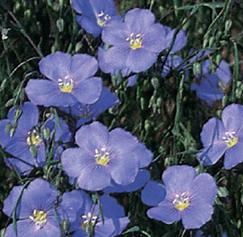
Blue Flax was discovered by Meriwether Lewis on the Lewis and Clark Expedition in the late 1700's, thus the name. For zones 3-10.
Seedman Basic Info:
Grows about 12 to 24 inches tall, will germinate in about 15-60 days depending on soil and weather conditions, germinates best if soil temperature is in the 65-70°F range.
Cover seeds about 1/16" deep, blooms from May to September.

Contact Us | Privacy Policy | About Us
Serving gardeners since 1992
State of Mississippi Seedmen's Permit #C-391, Ohio 90152, Minnesota 20086777