
Our Favorite Ornamental Cabbage/Kales

Ornamental cabbage and kale (also known as "flowering" cabbage and kale) are in the same species (Brassica oleracea) as edible cabbage, broccoli, and cauliflower. While ornamental cabbage and kale are edible, they tend to have a bitter flavor and are often used in a culinary setting as garnishes. Ornamental cabbage and kale are prized primarily as colorful additions to home gardens where they are grown for their large rosettes of white, pink, purple or red leaves. Technically, ornamental cabbage and kale are all kales (kales produce leaves in a tight rosettes; cabbages produce heads). But in the horticultural trade, ornamental kale is the term used for types with deeply-cut, curly, frilly or ruffled leaves. Ornamental cabbage is the term used for types with broad, flat leaves that are edged in a contrasting color. Ornamental cabbage and kale grow approximately one foot wide and 15 inches tall.

For beautiful ornamental color from early fall until December, plant Ornamental Cabbages or kales in beds and borders. The center area of foliage will turn from green to red, white or pink (depending on variety) in response to cool fall weather. As a plus, flowering cabbage plants are edible, often used by restaurants as attractive salad garnishes. Sow seeds indoors in June and transplant outside in July for best fall color.
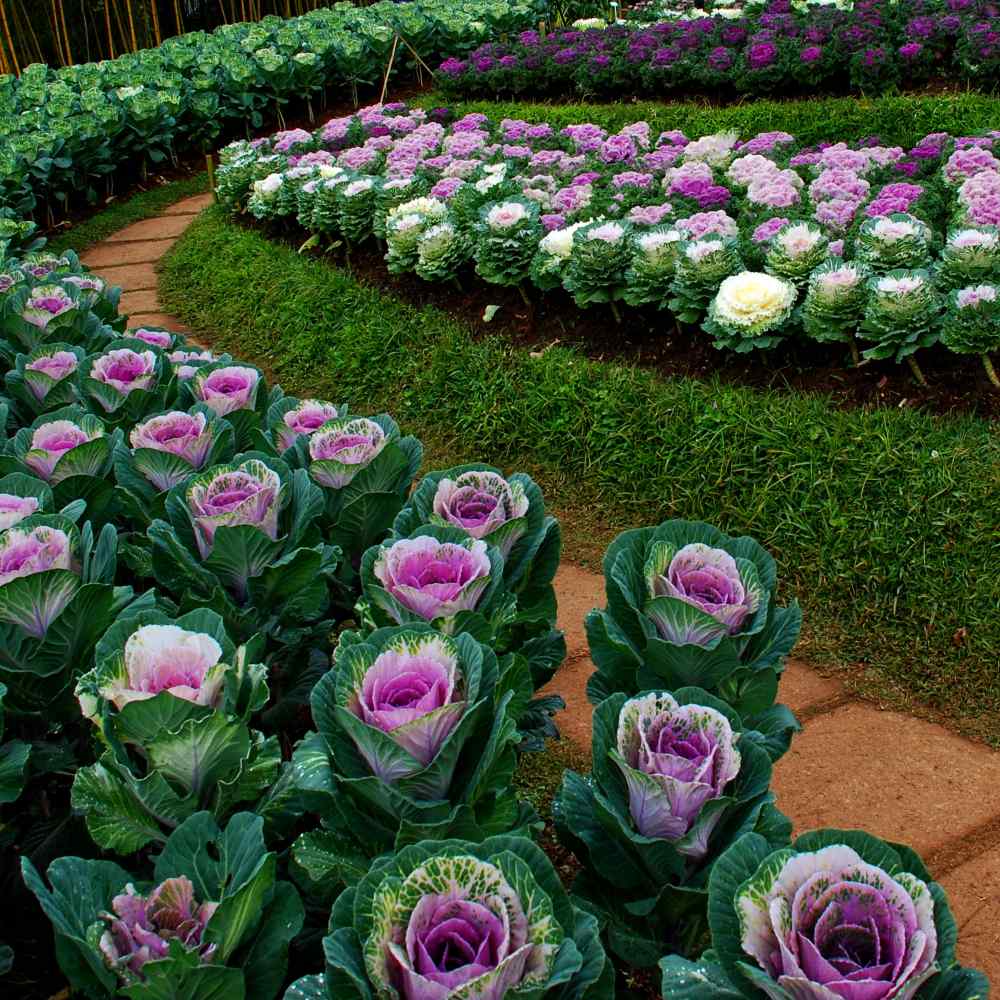
JB231 Flowering Cabbage Landscape Mix

Flowering Cabbage Landscape Mix is a stunning ornamental foliage selection that produces large, colorful rosettes in shades of rose, pink, purple, lavender, cream, and white. Unlike traditional flowering annuals, these remarkable plants create their beauty through richly colored leaves that intensify as temperatures cool. The result is a spectacular late-season display that brings vibrant color to gardens, containers, and landscape plantings long after many summer flowers have faded.

Each plant develops into a symmetrical rosette resembling an enormous decorative flower, often reaching impressive sizes in the garden. As autumn temperatures arrive, the centers become increasingly vivid, transforming flower beds into living tapestries of color that remain attractive well into winter.

Garden Uses

  • Fall landscape displays
  • Winter garden color
  • Mass bedding plantings
  • Containers and patio planters
  • Formal garden designs
  • Public landscape displays
  • Border plantings
  • Holiday decorations

Growing Information

Flowering Cabbage Landscape Mix thrives in full sun and fertile, well-drained soil. Plants typically grow 10 to 18 inches tall and 12 to 24 inches wide, forming large ornamental rosettes that become increasingly colorful as temperatures cool.

Unlike many ornamental plants, flowering cabbage performs best during cool weather. The foliage colors often become more intense after light frosts, making it one of the few garden plants that actually improves as winter approaches.

Seed Sowing Instructions

  • Sow seeds indoors 6-8 weeks before desired transplanting date.
  • Cover seeds lightly with soil.
  • Maintain temperatures between 65-75°F (18-24°C).
  • Keep soil evenly moist.
  • Germination generally occurs within 5-10 days.
  • Transplant outdoors when seedlings are well established.
  • For best color, schedule plantings for fall and winter display.
Pollinator and Wildlife Value

While primarily grown for ornamental foliage, flowering cabbage belongs to the Brassica family and will eventually produce flowers if allowed to overwinter. The foliage may also provide seasonal interest and shelter for beneficial insects.

Historical Significance

Ornamental cabbages originated from selections of edible cabbage developed in Japan and Europe. Breeders gradually enhanced their colorful foliage and decorative forms, transforming agricultural crops into some of the world's most popular cool-season ornamental plants.

Interesting Facts

  • The colorful centers become more vivid after exposure to cool temperatures.
  • Flowering cabbage is actually grown for its foliage rather than flowers.
  • It belongs to the same species as edible cabbage and kale.
  • The ornamental rosettes can resemble giant roses or peonies.
  • Plants often remain attractive through light snow and frost.
  • Many public gardens use flowering cabbage for winter color displays.

Seedman Notes

Flowering Cabbage Landscape Mix provides some of the most spectacular cool-season color available for gardens and landscapes. The large ornamental rosettes create a dramatic display that intensifies as temperatures fall, offering beauty at a time when most other annual flowers have disappeared. Easy to grow and remarkably cold tolerant, it is an outstanding choice for extending garden color into autumn and winter.

Quick Facts

  • Botanical Name: Brassica oleracea var. acephala
  • Height: 10-18 inches
  • Spread: 12-24 inches
  • Life Cycle: Biennial Grown as an Annual
  • Sun Requirements: Full Sun
  • Days to Germination: 5-10 Days
  • Display Season: Fall through Winter
  • Cold Tolerance: ★★★★★
  • Landscape Value: ★★★★★
  • Container Friendly: ★★★★★
  • Color Intensity: ★★★★★
  • Low Maintenance: ★★★★★
  • Difficulty: ★☆☆☆☆ Easy to Grow
 450mg package ( about 150-175 seeds ) $6.95
Color Up Red Flowering Cabbage
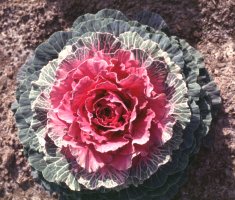
IP063 Color Up Red Flowering Cabbage

Color Up Red Flowering Cabbage is a spectacular ornamental cabbage variety that develops brilliant rose-red to deep crimson centers surrounded by beautifully layered blue-green outer foliage. The intensely colored rosettes resemble giant ornamental roses, creating a dramatic display of color that becomes even more vibrant as temperatures cool. Unlike traditional flowering plants, this variety derives its beauty from richly colored foliage, providing months of eye-catching color during autumn and winter when most garden flowers have faded.

The compact, symmetrical rosettes create a bold landscape statement in flower beds, borders, containers, and public garden displays. As cool weather arrives, the center leaves intensify into glowing shades of red and rose, transforming ordinary garden spaces into colorful winter showcases.

Garden Uses

  • Fall landscape displays
  • Winter garden color
  • Containers and patio planters
  • Mass bedding plantings
  • Formal garden designs
  • Holiday decorations
  • Border plantings
  • Public landscape installations

Growing Information

Color Up Red Flowering Cabbage thrives in full sun and fertile, well-drained soil. Plants typically grow 10 to 14 inches tall and 12 to 18 inches wide, developing dense ornamental rosettes that remain attractive for months.

The foliage coloration becomes increasingly vivid as temperatures decline. Light frosts often enhance the red pigmentation, creating some of the most dramatic color displays available in the cool-season garden.

Seed Sowing Instructions

  • Sow seeds indoors 6-8 weeks before desired transplanting date.
  • Cover seeds lightly with soil.
  • Maintain temperatures between 65-75°F (18-24°C).
  • Keep soil evenly moist during germination.
  • Germination generally occurs within 5-10 days.
  • Transplant outdoors when seedlings are well established.
  • Plant for fall and winter color displays.
Pollinator and Wildlife Value

Although primarily grown for ornamental foliage, flowering cabbage belongs to the Brassica family and may eventually produce flowers if allowed to overwinter. The dense foliage also provides seasonal shelter for beneficial insects.

Historical Significance

Ornamental cabbages originated from decorative selections of edible cabbage developed in Europe and Asia. Through generations of breeding, horticulturists enhanced their colorful foliage and ornamental form, creating some of the most widely used cool-season landscape plants available today.

Interesting Facts

  • The colorful center intensifies dramatically after exposure to cool temperatures.
  • Flowering cabbage is grown for its foliage rather than its flowers.
  • It belongs to the same species as edible cabbage.
  • The rosettes often resemble giant roses or peonies.
  • Plants can remain attractive through light snow and frost.
  • Many public gardens use ornamental cabbage for winter displays because of its exceptional cold tolerance.

Seedman Notes

Color Up Red Flowering Cabbage provides some of the richest red coloration available among ornamental foliage plants. The vivid crimson centers create a striking contrast against the blue-green outer leaves, producing a display that becomes increasingly beautiful as cooler weather arrives. Easy to grow and remarkably cold tolerant, it offers months of spectacular color when most flowering plants have already disappeared for the season.

Quick Facts

  • Botanical Name: Brassica oleracea var. acephala
  • Height: 10-14 inches
  • Spread: 12-18 inches
  • Life Cycle: Biennial Grown as an Annual
  • Sun Requirements: Full Sun
  • Days to Germination: 5-10 Days
  • Display Season: Fall through Winter
  • Cold Tolerance: ★★★★★
  • Landscape Value: ★★★★★
  • Container Friendly: ★★★★★
  • Color Intensity: ★★★★★
  • Winter Interest: ★★★★★
  • Difficulty: ★☆☆☆☆ Easy to Grow
 80mg package ( about 25 seeds ) $2.95
Pigeon Series Mix Flowering Cabbage
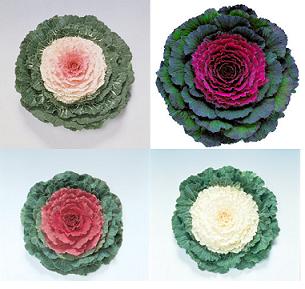
2880 Pigeon Series Mix Flowering Cabbage

Pigeon Series Mix Flowering Cabbage is one of the most popular and widely grown ornamental cabbage series in the world, producing perfectly rounded rosettes in a beautiful blend of rose, pink, red, lavender, cream, and white centers surrounded by rich blue-green outer foliage. These stunning plants resemble giant ornamental roses and provide spectacular color during the cool months of autumn, winter, and early spring when few other plants are at their peak.

The Pigeon Series is prized for its exceptional uniformity, compact habit, and brilliant coloration. Each plant develops into a symmetrical rosette that becomes increasingly vibrant as temperatures cool, transforming flower beds, borders, containers, and landscape displays into colorful tapestries of living flowers made entirely from foliage.

Garden Uses

  • Fall and winter landscape displays
  • Mass bedding plantings
  • Containers and patio planters
  • Formal garden designs
  • Public landscape installations
  • Holiday decorations
  • Border plantings
  • Mixed cool-season displays

Growing Information

Pigeon Series Mix thrives in full sun and fertile, well-drained soil. Plants typically grow 10 to 12 inches tall and 10 to 14 inches wide, forming dense, uniform rosettes that maintain their shape throughout the season.

As temperatures fall, the colorful centers intensify dramatically. Cool nights and light frosts often enhance the brilliant pink, red, and white tones, creating some of the most vivid foliage displays available in the winter garden.

Seed Sowing Instructions

  • Sow seeds indoors 6-8 weeks before desired transplanting date.
  • Cover seeds lightly with soil.
  • Maintain temperatures between 65-75°F (18-24°C).
  • Keep soil evenly moist during germination.
  • Germination generally occurs within 5-10 days.
  • Transplant outdoors once seedlings become established.
  • Plant for autumn and winter color displays.
Pollinator and Wildlife Value

While primarily grown for ornamental foliage, flowering cabbage belongs to the Brassica family and may eventually produce flowers if allowed to overwinter. The dense foliage can also provide shelter for beneficial insects during cooler months.

Historical Significance

The Pigeon Series helped popularize ornamental cabbage as a mainstream landscape plant and remains one of the most widely planted ornamental cabbage strains worldwide. Its excellent uniformity and reliable coloration have made it a favorite among professional landscapers, public gardens, and home gardeners alike.

Interesting Facts

  • The colorful rosettes are actually modified leaves, not flowers.
  • Colors intensify dramatically after exposure to cool temperatures.
  • The Pigeon Series is one of the most uniform ornamental cabbage lines available.
  • Plants belong to the same species as edible cabbage and kale.
  • The rosettes often resemble giant roses, peonies, or camellias.
  • Many botanical gardens use Pigeon Series varieties in winter displays because of their outstanding reliability.

Seedman Notes

Pigeon Series Mix Flowering Cabbage is a classic choice for extending color far beyond the normal growing season. The perfectly formed rosettes and vibrant range of colors create a display that improves as temperatures fall. Easy to grow and exceptionally cold tolerant, this mixture provides months of beauty when most flowering plants have already gone dormant.

Quick Facts

  • Botanical Name: Brassica oleracea var. acephala
  • Height: 10-12 inches
  • Spread: 10-14 inches
  • Life Cycle: Biennial Grown as an Annual
  • Sun Requirements: Full Sun
  • Days to Germination: 5-10 Days
  • Display Season: Fall through Winter
  • Cold Tolerance: ★★★★★
  • Landscape Value: ★★★★★
  • Container Friendly: ★★★★★
  • Uniformity: ★★★★★
  • Color Impact: ★★★★★
  • Difficulty: ★☆☆☆☆ Easy to Grow
  Package of 10 seeds $2.95
Flowering Kale Landscape Mix
JB150 Flowering Kale Landscape Mix

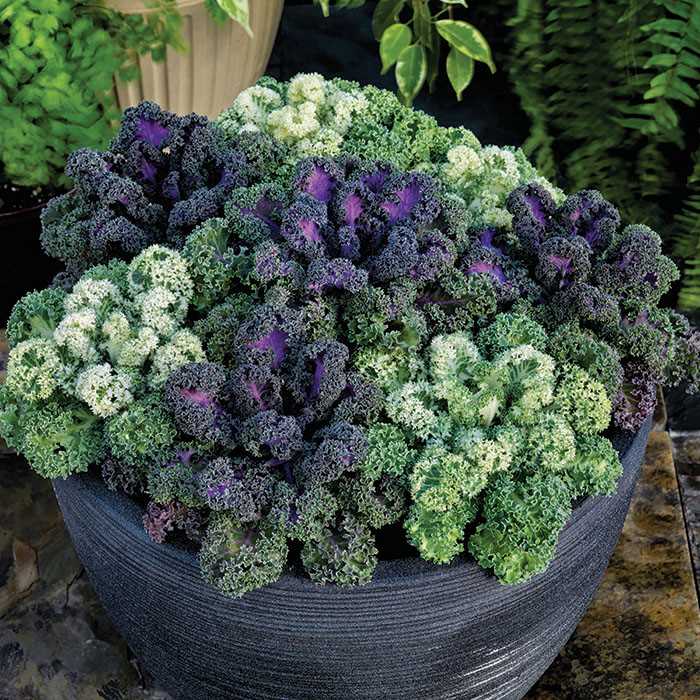
Flowering Kale Landscape Mix is a spectacular ornamental foliage blend that produces large, colorful rosettes in brilliant shades of pink, rose, crimson, lavender, cream, and white. Unlike traditional flowering annuals, these plants derive their beauty from richly colored, frilled leaves that intensify in color as temperatures cool. Their dramatic texture and vivid coloration provide outstanding visual interest throughout autumn, winter, and early spring when most flowering plants have faded from the landscape.

The deeply ruffled foliage gives ornamental kale a more textured and elegant appearance than flowering cabbage, creating displays that resemble giant frilly roses or exotic blossoms. As cool weather arrives, the colorful centers become increasingly vibrant, transforming ordinary flower beds into stunning seasonal showcases.

Garden Uses

  • Fall and winter landscape displays
  • Mass bedding plantings
  • Containers and patio planters
  • Public garden displays
  • Formal garden designs
  • Holiday decorations
  • Mixed cool-season plantings
  • Border and edging displays

Growing Information

Flowering Kale Landscape Mix thrives in full sun and fertile, well-drained soil. Plants typically grow 12 to 18 inches tall and wide, forming large, ruffled rosettes that remain attractive for many months.

The ornamental foliage reaches peak coloration during cool weather. Light frosts often intensify the pink, red, and white tones, making flowering kale one of the most valuable plants for extending garden color deep into winter.

Seed Sowing Instructions

  • Sow seeds indoors 6-8 weeks before desired transplanting date.
  • Cover seeds lightly with soil.
  • Maintain temperatures between 65-75°F (18-24°C).
  • Keep soil evenly moist during germination.
  • Germination generally occurs within 5-10 days.
  • Transplant outdoors once seedlings become established.
  • Plant for fall and winter landscape displays.
Pollinator and Wildlife Value

While primarily grown for ornamental foliage, flowering kale belongs to the Brassica family and may eventually produce clusters of yellow flowers if allowed to overwinter. The dense foliage also provides shelter for beneficial insects during cooler months.

Historical Significance

Ornamental kales originated from decorative selections of edible kale developed in Europe and Asia. Through careful breeding, horticulturists enhanced their vibrant colors and dramatic leaf textures, transforming a vegetable crop into one of the world's most popular cool-season ornamental plants.

Interesting Facts

  • The colorful rosettes are composed entirely of ornamental foliage.
  • Flowering kale typically has more frilled leaves than flowering cabbage.
  • Colors intensify after exposure to cool temperatures.
  • Plants belong to the same species as edible kale.
  • The rosettes often resemble giant roses, chrysanthemums, or peonies.
  • Flowering kale remains attractive even through light snow and frost.

Seedman Notes

Flowering Kale Landscape Mix delivers dramatic texture and color at a time when most gardens are fading for the season. The richly ruffled foliage creates a unique display that becomes more beautiful as temperatures cool. Easy to grow, exceptionally cold tolerant, and highly ornamental, this mixture is an outstanding choice for extending landscape color well into winter.

Quick Facts

  • Botanical Name: Brassica oleracea var. acephala
  • Height: 12-18 inches
  • Spread: 12-18 inches
  • Life Cycle: Biennial Grown as an Annual
  • Sun Requirements: Full Sun
  • Days to Germination: 5-10 Days
  • Display Season: Fall through Winter
  • Cold Tolerance: ★★★★★
  • Landscape Value: ★★★★★
  • Container Friendly: ★★★★★
  • Texture Impact: ★★★★★
  • Color Intensity: ★★★★★
  • Difficulty: ★☆☆☆☆ Easy to Grow
 450mg package ( about 150-175 seeds ) $6.95
Yokohama Mix Flowering Kale
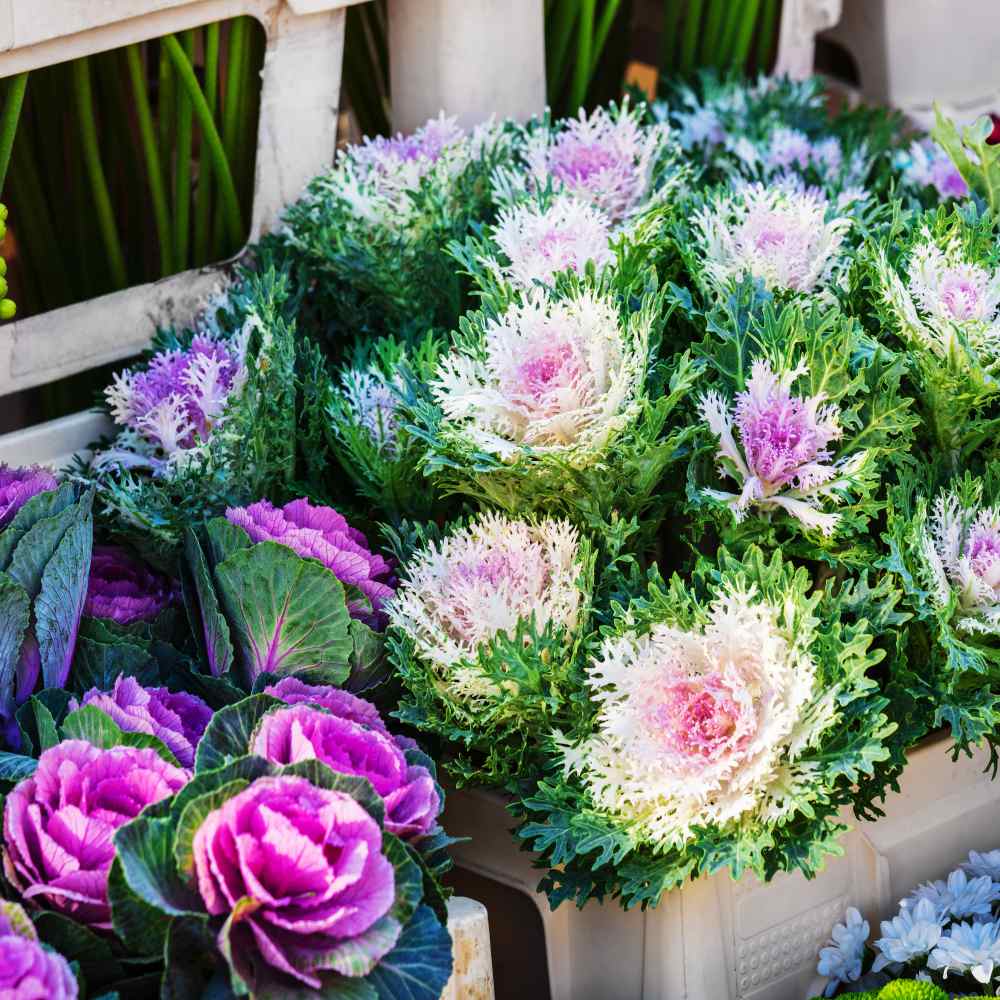
IP345 Yokohama Mix Flowering Kale

Yokohama Mix Flowering Kale is a distinctive and elegant ornamental kale prized for its finely cut, feather-like foliage and brilliant cool-season coloration. Unlike traditional flowering kales with heavily ruffled leaves, the Yokohama series develops delicately fringed foliage that creates a graceful, lace-like appearance. The colorful centers emerge in shades of rose, pink, red, cream, and white, surrounded by soft blue-green outer leaves that form perfectly symmetrical rosettes.

The unique texture gives Yokohama Mix an almost snowflake-like appearance, making it one of the most refined ornamental foliage plants available for autumn and winter gardens. As temperatures cool, the colorful centers intensify dramatically, producing displays that remain attractive long after most annual flowers have disappeared.

Garden Uses

  • Fall and winter landscape displays
  • Containers and patio planters
  • Formal garden designs
  • Mixed cool-season plantings
  • Public landscape displays
  • Holiday garden decorations
  • Border and edging plantings
  • Specialty ornamental gardens

Growing Information

Yokohama Mix thrives in full sun and fertile, well-drained soil. Plants typically grow 10 to 14 inches tall and 12 to 16 inches wide, forming elegant rosettes of finely dissected foliage.

The plants perform best in cool weather, with color intensifying as temperatures drop. Light frosts often enhance the coloration, creating spectacular displays throughout autumn and winter.

Seed Sowing Instructions

  • Sow seeds indoors 6-8 weeks before desired transplanting date.
  • Cover seeds lightly with soil.
  • Maintain temperatures between 65-75°F (18-24°C).
  • Keep soil evenly moist during germination.
  • Germination generally occurs within 5-10 days.
  • Transplant outdoors once seedlings are well established.
  • Plant for peak color during fall and winter months.

Pollinator and Wildlife Value

While grown primarily for ornamental foliage, Yokohama Flowering Kale belongs to the Brassica family and may eventually produce clusters of yellow flowers if allowed to overwinter. The dense foliage also provides shelter for beneficial insects during cooler weather.

Historical Significance

The Yokohama series originated through specialized breeding efforts in Japan, where ornamental cabbages and kales have long been highly valued. The series was developed to create more finely textured foliage while maintaining the vivid coloration and cold tolerance that made ornamental kale popular worldwide.

Interesting Facts

  • The delicate foliage resembles lace, coral, or finely cut snowflakes.
  • Colors become more intense after exposure to cool temperatures.
  • The ornamental rosettes are made entirely of colorful leaves.
  • Yokohama varieties are considered among the most elegant flowering kales.
  • The plants belong to the same species as edible kale.
  • The unique texture provides visual interest even before coloration develops.

Seedman Notes

Yokohama Mix Flowering Kale offers a level of refinement rarely seen in ornamental foliage plants. The beautifully dissected leaves create a delicate, almost feathery appearance that sets it apart from traditional flowering kales and cabbages. Combined with brilliant cool-season coloration and outstanding cold tolerance, it provides months of exceptional beauty when most garden plants are dormant.

Quick Facts

  • Botanical Name: Brassica oleracea var. acephala
  • Height: 10-14 inches
  • Spread: 12-16 inches
  • Life Cycle: Biennial Grown as an Annual
  • Sun Requirements: Full Sun
  • Days to Germination: 5-10 Days
  • Display Season: Fall through Winter
  • Cold Tolerance: ★★★★★
  • Landscape Value: ★★★★★
  • Container Friendly: ★★★★★
  • Foliage Texture: ★★★★★
  • Winter Interest: ★★★★★
  • Difficulty: ★☆☆☆☆ Easy to Grow
 65mg pack ( about 25 seeds ) $2.95
 100 seeds $8.95
Condor Pure White Flowering Cabbage
SF277 Condor Pure White Flowering Cabbage

Condor Pure White Flowering Cabbage is an elegant ornamental cabbage variety prized for its large, perfectly formed rosettes featuring brilliant snow-white centers surrounded by rich blue-green outer foliage. The crisp white coloration creates a striking contrast that brightens autumn and winter landscapes, making it one of the most refined and sophisticated ornamental cabbages available. As temperatures cool, the pure white center becomes increasingly vivid, creating a display that resembles giant ivory roses blooming in the cold-season garden.

The Condor series is known for producing larger, more vigorous plants than many traditional flowering cabbages. Their impressive size and uniform growth make them ideal for mass plantings, containers, and public landscape displays where bold winter color is desired.

Garden Uses

  • Fall and winter landscape displays
  • Mass bedding plantings
  • Containers and patio planters
  • Formal garden designs
  • Public landscape installations
  • Holiday decorations
  • Mixed cool-season plantings
  • Border and edging displays

Growing Information

Condor Pure White Flowering Cabbage thrives in full sun and fertile, well-drained soil. Plants typically grow 12 to 16 inches tall and 14 to 18 inches wide, developing large, symmetrical rosettes that remain attractive throughout the cool season.

The white center becomes increasingly brilliant as temperatures fall. Light frosts often enhance the contrast between the snow-white center and the blue-green outer leaves, creating a dramatic landscape effect.

Seed Sowing Instructions

  • Sow seeds indoors 6-8 weeks before desired transplanting date.
  • Cover seeds lightly with soil.
  • Maintain temperatures between 65-75°F (18-24°C).
  • Keep soil evenly moist during germination.
  • Germination generally occurs within 5-10 days.
  • Transplant outdoors once seedlings are well established.
  • Plant for autumn and winter displays.

Pollinator and Wildlife Value

While grown primarily for ornamental foliage, flowering cabbage belongs to the Brassica family and may eventually produce yellow flowers if allowed to overwinter. The dense foliage can also provide shelter for beneficial insects during colder months.

Historical Significance

Ornamental cabbages were originally developed from decorative selections of edible cabbage in Europe and Asia. Modern series such as Condor were bred specifically for improved vigor, larger rosettes, and enhanced color performance in landscape settings.

Interesting Facts

  • The brilliant white center is created entirely by colorful leaves, not flowers.
  • White varieties often provide the strongest visual contrast in landscape plantings.
  • Plants become more attractive as temperatures cool.
  • The rosettes often resemble giant white roses or peonies.
  • Condor varieties are known for their large size and uniform growth.
  • Flowering cabbage remains attractive through frost, snow, and freezing temperatures.

Seedman Notes

Condor Pure White Flowering Cabbage brings elegance and brightness to the cool-season garden. The large rosettes and pristine white centers create a sophisticated display that pairs beautifully with red, pink, and purple ornamental cabbages and kales. Easy to grow and remarkably cold tolerant, it provides months of striking landscape color when most flowering plants are dormant.

Quick Facts

  • Botanical Name: Brassica oleracea var. acephala
  • Height: 12-16 inches
  • Spread: 14-18 inches
  • Life Cycle: Biennial Grown as an Annual
  • Sun Requirements: Full Sun
  • Days to Germination: 5-10 Days
  • Display Season: Fall through Winter
  • Cold Tolerance: ★★★★★
  • Landscape Value: ★★★★★
  • Container Friendly: ★★★★★
  • Color Contrast: ★★★★★
  • Winter Interest: ★★★★★
  • Difficulty: ★☆☆☆☆ Easy to Grow
 40mg pack ( about 15 seeds ) $2.95
Chidori Red Flowering Kale
2891 Chidori Red Flowering Kale

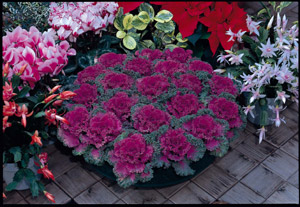
Chidori Red Flowering Kale is a stunning ornamental kale known for its finely frilled foliage and brilliant ruby-red center. The richly colored inner leaves are surrounded by deep green to burgundy outer foliage, creating a dramatic rosette that resembles an elaborate winter flower. As temperatures cool, the red center becomes even more vivid, making this variety especially valuable for fall and winter gardens.

This beautiful selection brings bold color and texture to landscapes at a time when many flowering plants have finished for the season. Its compact, symmetrical form and finely cut leaves make it ideal for containers, borders, mass plantings, and cool-season displays.

Garden Uses

  • Fall and winter landscape displays
  • Containers and patio planters
  • Mass bedding plantings
  • Border and edging plantings
  • Mixed cool-season gardens
  • Formal garden designs
  • Holiday decorations
  • Public landscape displays

Growing Information

Chidori Red Flowering Kale thrives in full sun and fertile, well-drained soil. Plants typically grow 10 to 14 inches tall and 12 to 16 inches wide, forming compact, highly ornamental rosettes with deeply curled and feathered foliage.

The richest color develops during cool weather. Light frost often improves the intensity of the red center, allowing plants to remain attractive through autumn, winter, and early spring in many climates.

Seed Sowing Instructions

  • Sow seeds indoors 6-8 weeks before desired transplanting date.
  • Cover seeds lightly with soil.
  • Maintain temperatures between 65-75°F (18-24°C).
  • Keep soil evenly moist during germination.
  • Germination generally occurs within 5-10 days.
  • Transplant outdoors once seedlings are well established.
  • Plant for peak color during fall and winter.
Pollinator and Wildlife Value

Although grown primarily for its ornamental foliage, Chidori Red belongs to the Brassica family and may produce small yellow flowers if allowed to overwinter. The dense foliage can also provide cool-season shelter for beneficial insects.

Historical Significance

The Chidori series was developed in Japan, where ornamental cabbages and kales have long been prized for winter garden displays. The name Chidori is often associated with delicate, finely cut forms, making it fitting for this series' beautifully frilled foliage and refined appearance.

Interesting Facts

  • The red center is made entirely of colorful leaves, not flowers.
  • The color becomes more intense as temperatures cool.
  • Chidori types are known for their finely frilled, lace-like foliage.
  • Plants belong to the same species as edible kale and cabbage.
  • The rosettes often resemble giant carnations, roses, or chrysanthemums.
  • Flowering kale remains attractive through frost and cold weather.

Seedman Notes

Chidori Red Flowering Kale is one of the most dramatic cool-season foliage plants available. Its vivid red center and finely ruffled outer leaves create exceptional texture and color in the garden. Easy to grow and highly cold tolerant, it is an excellent choice for extending landscape beauty well into the colder months.

Quick Facts

  • Botanical Name: Brassica oleracea var. acephala
  • Height: 10-14 inches
  • Spread: 12-16 inches
  • Life Cycle: Biennial Grown as an Annual
  • Sun Requirements: Full Sun
  • Days to Germination: 5-10 Days
  • Display Season: Fall through Winter
  • Cold Tolerance: ★★★★★
  • Landscape Value: ★★★★★
  • Container Friendly: ★★★★★
  • Foliage Texture: ★★★★★
  • Color Intensity: ★★★★★
  • Difficulty: ★☆☆☆☆ Easy to Grow
  Package of 10 seeds $2.95
Nagoya Series Red Flowering Kale
2896 Nagoya Series Red Flowering Kale

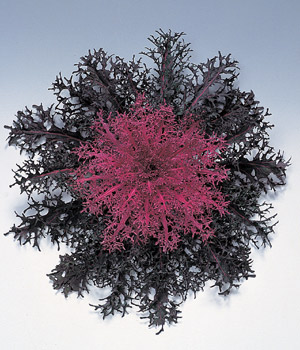
Nagoya Series Red Flowering Kale is one of the most spectacular cool-season ornamental plants available, producing deeply fringed, finely ruffled leaves surrounding a brilliant crimson-red center. As temperatures cool during autumn, the vibrant coloration intensifies, creating a dramatic display that often becomes even more beautiful after light frosts. Compact, uniform, and exceptionally eye-catching, Nagoya Red adds rich texture and color to gardens, containers, and landscape plantings long after summer flowers have faded.

Garden Uses

Nagoya Series Red Flowering Kale is widely used in fall and winter landscapes where dependable color is needed during cooler weather. Its compact habit makes it ideal for borders, edging, mass plantings, decorative containers, window boxes, and seasonal displays. The richly textured foliage creates an appearance similar to giant decorative flowers, making it a favorite among professional landscapers and home gardeners alike.

This variety combines beautifully with pansies, violas, snapdragons, ornamental grasses, dusty miller, and flowering cabbages. Large groupings create especially dramatic displays and remain attractive throughout much of the winter season.

Growing Information

Sow seeds indoors 6 to 8 weeks before transplanting outdoors, or direct sow during late summer for autumn color. Germination typically occurs in 7 to 14 days at temperatures between 65° and 75°F. Seedlings should be transplanted into fertile, well-drained soil and spaced approximately 10 to 12 inches apart.

Nagoya Red performs best in full sun and benefits from regular moisture during establishment. Unlike many annual flowers, ornamental kale reaches peak beauty as temperatures cool. Frost enhances the brilliant red coloration, allowing plants to remain attractive long after many other garden plants have declined.
Pollinator Value

Although primarily grown for its ornamental foliage, flowering kale will eventually produce clusters of bright yellow flowers if allowed to overwinter and bolt in spring. These blooms provide nectar and pollen for honeybees, native bees, hoverflies, and other beneficial insects emerging early in the growing season.

The dense foliage may also provide shelter for beneficial insects during cooler months.

Historical Significance

Ornamental kales trace their origins to ancient vegetable brassicas cultivated throughout Europe and Asia for thousands of years. Japanese plant breeders played a major role in developing modern ornamental varieties by selecting plants for increasingly colorful foliage, compact growth habits, and decorative leaf forms.

The Nagoya Series became particularly popular because of its heavily fringed leaves and intense center coloration. Today it is regarded as one of the finest ornamental kale series available for landscape use around the world.

Interesting Facts

  • The vivid red center becomes more intense as temperatures drop.
  • The colorful center is actually modified foliage rather than a flower.
  • Plants frequently remain attractive through freezing temperatures and light snow.
  • Flowering kale is closely related to cabbage, broccoli, cauliflower, and edible kale.
  • The highly ruffled leaves resemble giant carnations or chrysanthemums.
  • Cool weather actually improves the plant's appearance and coloration.
  • Ornamental kales are widely used in public parks, municipal plantings, and botanical gardens during winter months.

Seedman Notes

Nagoya Series Red Flowering Kale is one of the most impressive ornamental kales we offer. The combination of brilliant crimson-red centers and intricately fringed foliage creates a display that rivals many flowering plants. It performs exceptionally well in containers, borders, and mass plantings where its vivid color can be fully appreciated.

For maximum impact, plant Nagoya Red alongside white flowering kale varieties or silver-foliaged companions. As temperatures cool and frost arrives, the color deepens, creating a spectacular display that often lasts until spring.

Quick Facts

  • Botanical Name: Brassica oleracea acephala group
  • Common Name: Nagoya Series Red Flowering Kale
  • Plant Type: Cool-season ornamental annual
  • Height: 8 to 12 inches
  • Spread: 10 to 14 inches
  • Sun Exposure: Full Sun
  • Soil Preference: Fertile, well-drained soil
  • Pollinator Value: Moderate when flowering in spring
  • Container Friendly: Excellent
  • Deer Resistance: Moderate
  • Difficulty: Easy to Grow

Garden Performance Rating

Color Impact: ★★★★★
Cool-Season Performance: ★★★★★
Landscape Value: ★★★★★
Container Performance: ★★★★★
Ease of Growth: ★★★★½
Overall Rating: ★★★★★

  Package of 10 seeds $2.95
Peacock Series Red Flowering Kale
2900 Peacock Series Red Flowering Kale

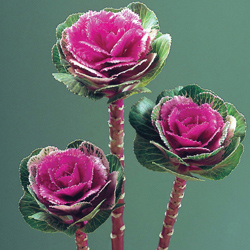
Nagoya Series Red Flowering Kale is one of the most spectacular cool-season ornamental plants available, producing deeply fringed, finely ruffled leaves surrounding a brilliant crimson-red center. As temperatures cool during autumn, the vibrant coloration intensifies, creating a dramatic display that often becomes even more beautiful after light frosts. Compact, uniform, and exceptionally eye-catching, Nagoya Red adds rich texture and color to gardens, containers, and landscape plantings long after summer flowers have faded.

Garden Uses

Nagoya Series Red Flowering Kale is widely used in fall and winter landscapes where dependable color is needed during cooler weather. Its compact habit makes it ideal for borders, edging, mass plantings, decorative containers, window boxes, and seasonal displays. The richly textured foliage creates an appearance similar to giant decorative flowers, making it a favorite among professional landscapers and home gardeners alike.

This variety combines beautifully with pansies, violas, snapdragons, ornamental grasses, dusty miller, and flowering cabbages. Large groupings create especially dramatic displays and remain attractive throughout much of the winter season.

Growing Information

Sow seeds indoors 6 to 8 weeks before transplanting outdoors, or direct sow during late summer for autumn color. Germination typically occurs in 7 to 14 days at temperatures between 65° and 75°F. Seedlings should be transplanted into fertile, well-drained soil and spaced approximately 10 to 12 inches apart.

Nagoya Red performs best in full sun and benefits from regular moisture during establishment. Unlike many annual flowers, ornamental kale reaches peak beauty as temperatures cool. Frost enhances the brilliant red coloration, allowing plants to remain attractive long after many other garden plants have declined.
Pollinator Value

Although primarily grown for its ornamental foliage, flowering kale will eventually produce clusters of bright yellow flowers if allowed to overwinter and bolt in spring. These blooms provide nectar and pollen for honeybees, native bees, hoverflies, and other beneficial insects emerging early in the growing season.

The dense foliage may also provide shelter for beneficial insects during cooler months.

Historical Significance

Ornamental kales trace their origins to ancient vegetable brassicas cultivated throughout Europe and Asia for thousands of years. Japanese plant breeders played a major role in developing modern ornamental varieties by selecting plants for increasingly colorful foliage, compact growth habits, and decorative leaf forms.

The Nagoya Series became particularly popular because of its heavily fringed leaves and intense center coloration. Today it is regarded as one of the finest ornamental kale series available for landscape use around the world.

Interesting Facts

  • The vivid red center becomes more intense as temperatures drop.
  • The colorful center is actually modified foliage rather than a flower.
  • Plants frequently remain attractive through freezing temperatures and light snow.
  • Flowering kale is closely related to cabbage, broccoli, cauliflower, and edible kale.
  • The highly ruffled leaves resemble giant carnations or chrysanthemums.
  • Cool weather actually improves the plant's appearance and coloration.
  • Ornamental kales are widely used in public parks, municipal plantings, and botanical gardens during winter months.

Seedman Notes

Nagoya Series Red Flowering Kale is one of the most impressive ornamental kales we offer. The combination of brilliant crimson-red centers and intricately fringed foliage creates a display that rivals many flowering plants. It performs exceptionally well in containers, borders, and mass plantings where its vivid color can be fully appreciated.

For maximum impact, plant Nagoya Red alongside white flowering kale varieties or silver-foliaged companions. As temperatures cool and frost arrives, the color deepens, creating a spectacular display that often lasts until spring.

Quick Facts

  • Botanical Name: Brassica oleracea acephala group
  • Common Name: Nagoya Series Red Flowering Kale
  • Plant Type: Cool-season ornamental annual
  • Height: 8 to 12 inches
  • Spread: 10 to 14 inches
  • Sun Exposure: Full Sun
  • Soil Preference: Fertile, well-drained soil
  • Pollinator Value: Moderate when flowering in spring
  • Container Friendly: Excellent
  • Deer Resistance: Moderate
  • Difficulty: Easy to Grow

Garden Performance Rating

Color Impact: ★★★★★
Cool-Season Performance: ★★★★★
Landscape Value: ★★★★★
Container Performance: ★★★★★
Ease of Growth: ★★★★½
Overall Rating: ★★★★★

  Package of 10 seeds $2.95
Lucir Rose Flowering Kale
IP206 Lucir Rose Flowering Kale

Lucir Rose Flowering Kale is a premium ornamental kale variety known for its elegant rosette form and beautiful rose-pink center that resembles a giant flower in full bloom. As temperatures cool during autumn, the central leaves develop increasingly rich shades of rosy pink surrounded by attractive blue-green outer foliage. The result is a stunning display that brings color, texture, and visual interest to gardens, containers, and landscapes throughout the cooler months of the year.

Garden Uses

Lucir Rose Flowering Kale is an outstanding choice for fall and winter bedding displays, decorative containers, window boxes, borders, and mass plantings. Its symmetrical growth habit and striking coloration make it particularly valuable for formal landscape designs and seasonal color gardens.

The soft rose-pink center pairs beautifully with white flowering kale varieties, ornamental cabbages, pansies, violas, dusty miller, snapdragons, and silver-foliaged plants. Whether planted individually or in large groups, Lucir Rose creates a sophisticated display that remains attractive long after summer annuals have disappeared.

Growing Information

Sow seeds indoors 6 to 8 weeks before transplanting outdoors or direct sow in late summer for fall color. Germination typically occurs within 7 to 14 days when temperatures remain between 65° and 75°F. Transplant seedlings into fertile, well-drained soil and space plants approximately 10 to 12 inches apart.

Plants perform best in full sun, although light afternoon shade is beneficial in warmer climates. Consistent moisture encourages healthy growth and full development of the decorative foliage. As temperatures cool, the rose-pink center intensifies, reaching peak beauty during late autumn and winter.

Light frosts generally improve both coloration and overall appearance, making flowering kale one of the few ornamentals that becomes more attractive as colder weather arrives.

Pollinator Value

Although grown primarily for its colorful foliage, Lucir Rose Flowering Kale will eventually produce clusters of bright yellow flowers if allowed to overwinter and bolt in spring. These blossoms provide an important source of nectar and pollen for honeybees, native bees, hoverflies, and other beneficial insects.

The dense foliage also offers seasonal shelter for various beneficial garden insects during cooler months.

Historical Significance

Modern ornamental kale varieties are descendants of ancient brassicas cultivated for food throughout Europe and Asia for thousands of years. Japanese breeders spent decades selecting plants for increasingly vibrant foliage colors, compact growth habits, and improved ornamental qualities.

The Lucir series represents the result of advanced breeding efforts focused on creating highly uniform plants with exceptional color development and refined rosette shapes. These ornamental selections have become essential components of cool-season landscape design around the world.

Interesting Facts

  • The colorful center is composed entirely of decorative leaves rather than flower petals.
  • Rose coloration becomes more vibrant as temperatures drop.
  • Flowering kale often remains attractive through winter freezes and occasional snowfall.
  • It belongs to the same species as cabbage, broccoli, cauliflower, Brussels sprouts, and edible kale.
  • Many gardeners use ornamental kale as a living substitute for flowers during winter months.
  • The rosette shape resembles an oversized ornamental rose.
  • Cool weather enhances both color intensity and foliage quality.

Seedman Notes

Lucir Rose Flowering Kale offers one of the most refined and elegant appearances among ornamental kale varieties. The soft rose-pink center creates a beautiful floral effect while providing months of dependable color during the cool season. Its uniform growth habit and excellent weather tolerance make it a favorite for both home gardeners and professional landscapers.

For maximum impact, combine Lucir Rose with white flowering kale varieties or silver-leaved companion plants. The contrast between the soft pink centers and surrounding foliage creates a display that draws attention throughout the autumn and winter garden.

Quick Facts

  • Botanical Name: Brassica oleracea acephala group
  • Common Name: Lucir Rose Flowering Kale
  • Plant Type: Cool-season ornamental annual
  • Height: 8 to 12 inches
  • Spread: 10 to 14 inches
  • Sun Exposure: Full Sun
  • Soil Preference: Fertile, well-drained soil
  • Pollinator Value: Moderate when flowering in spring
  • Cold Tolerance: Excellent
  • Container Friendly: Excellent
  • Difficulty: Easy to Grow

Garden Performance Rating

Color Impact: ★★★★★
Winter Interest: ★★★★★
Landscape Value: ★★★★★
Container Performance: ★★★★★
Ease of Growth: ★★★★½
Overall Rating: ★★★★★

  Package of 10 seeds $2.95

All seed packets listed on this page are in stock and ready to ship.