
Seeds for Fragrant Plants
We provide this list of plants for those of you who have requested that we separate our more fragrant plants from our many different lists. We have chosen some of our favorite fragrant plants and listed them below.
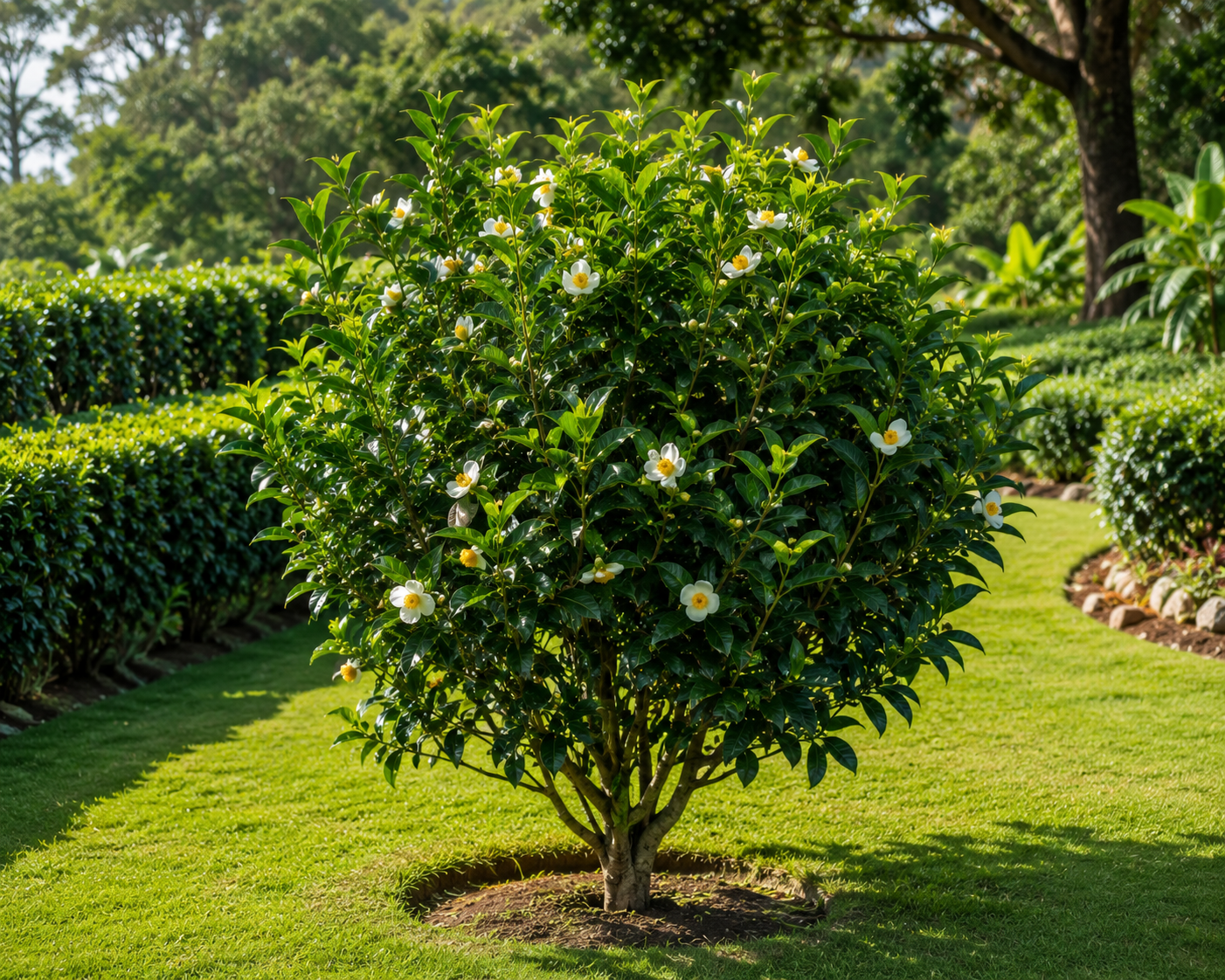
Camellia Tea Plant is one of the world's most historically important and aromatic evergreen shrubs, providing the leaves used to produce green, black, white, oolong, and countless specialty teas. In autumn, the plants are adorned with delicate white blossoms featuring bright golden stamens that release a soft, sweet fragrance reminiscent of jasmine and honey. Combined with its glossy evergreen foliage, the Tea Plant is both an attractive ornamental and a fascinating edible landscape specimen.
Growing into a handsome shrub or small tree, Camellia Tea Plant typically reaches 6 to 15 feet in height, although it can be maintained much smaller through regular pruning. The dark green, finely serrated leaves are harvested throughout the growing season for fresh or dried tea, while the elegant white flowers add seasonal beauty and are followed by small seed capsules. Its dense evergreen habit makes it equally suitable as a specimen plant, hedge, or container-grown accent.
Camellia Tea Plant thrives in partial shade to filtered sun and prefers fertile, acidic, well-drained soil rich in organic matter. It appreciates consistent moisture, especially during periods of active growth, while established plants tolerate short dry spells. Hardy and long-lived, the shrub responds well to pruning and can remain productive for decades, making it an excellent investment for edible landscapes and ornamental gardens alike.
The fragrant flowers attract bees and other beneficial pollinators, while the evergreen foliage provides year-round structure and beauty in the landscape. For more than 2,000 years, Camellia sinensis has shaped cultures, trade, and daily life across the globe as the source of the world's most widely consumed beverage after water. Few plants offer such an extraordinary combination of historical significance, ornamental beauty, delightful fragrance, and practical value.
Specifications
Botanical Name: Camellia sinensis
Plant Type: Evergreen shrub or small tree
Height: 6–15 feet
Spread: 4–8 feet
Flower Color: White with golden-yellow stamens
Fragrance: Light, sweet jasmine-like fragrance
Bloom Season: Fall to early winter
Sun Requirements: Partial shade to filtered sun
Soil Requirements: Fertile, acidic, well-drained soil rich in organic matter
Water Needs: Moderate; prefers consistently moist soil
Hardiness: USDA Zones 7–9
Pollinator Friendly: Yes – attracts bees and other beneficial insects
Deer Resistance: Moderate
Seedman Notes
Camellia Tea Plant is one of the few ornamental shrubs that combines elegant evergreen beauty with true culinary value. Whether grown for harvesting your own tea leaves, enjoying its delicate fragrant flowers, or simply appreciating its handsome evergreen form, Camellia sinensis is a remarkable plant whose influence on world history and horticulture is virtually unmatched.
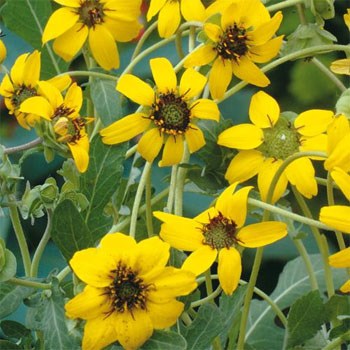
Chocolate Scented Daisy is a delightful native wildflower treasured for its cheerful golden-yellow blooms and remarkable chocolate-like fragrance. As evening approaches and during the cool morning hours, the blossoms release a rich aroma reminiscent of milk chocolate or cocoa, making this unique perennial one of the most unusual and memorable fragrant flowers available. Blooming continuously from late spring through fall, it provides months of color while delighting gardeners with its sweet scent.
Growing into compact clumps 12 to 24 inches tall, Chocolate Scented Daisy produces slender stems topped with bright daisy-like flowers featuring golden petals surrounding dark maroon centers. The attractive gray-green foliage complements the vibrant blooms and remains neat throughout the growing season. Its long flowering period and naturally graceful habit make it an outstanding choice for borders, native plant gardens, rock gardens, and water-wise landscapes.
Chocolate Scented Daisy thrives in full sun and well-drained soil, tolerating heat, drought, poor soils, and reflected summer heat with ease once established. Native to the prairies and open grasslands of the southern United States and northern Mexico, it requires very little maintenance beyond occasional deadheading to encourage continued flowering. Its exceptional drought tolerance makes it an excellent selection for xeriscapes and other low-water gardens.
The nectar-rich flowers attract bees, butterflies, and numerous beneficial pollinators throughout the growing season, while the aromatic foliage is generally ignored by deer and rabbits. Gardeners often plant Chocolate Scented Daisy near walkways, patios, or seating areas where its sweet fragrance can be enjoyed during the cooler hours of the day. Combining outstanding drought tolerance, abundant blooms, and one of the most unusual natural fragrances found in any wildflower, this charming perennial is truly a garden conversation piece.
Specifications
Botanical Name: Berlandiera lyrata
Plant Type: Hardy perennial wildflower
Height: 12–24 inches
Spread: 12–18 inches
Flower Color: Bright golden yellow with dark maroon centers
Fragrance: Rich chocolate fragrance, strongest during morning and evening hours
Bloom Season: Late spring through fall
Sun Requirements: Full sun
Soil Requirements: Well-drained soil; tolerant of poor, sandy, and rocky soils
Water Needs: Low once established; highly drought tolerant
Hardiness: USDA Zones 4–10
Pollinator Friendly: Yes – highly attractive to bees, butterflies, and other beneficial insects
Deer Resistance: Generally excellent
Seedman Notes
Chocolate Scented Daisy is one of those rare plants that surprises everyone who encounters it. Its bright golden flowers are beautiful on their own, but the delightful scent of chocolate drifting from the blossoms during the cool hours of the day makes Berlandiera lyrata truly unforgettable. Easy to grow, exceptionally drought tolerant, and a favorite of pollinators, it is an outstanding addition to fragrant gardens, native plantings, and xeriscape landscapes.
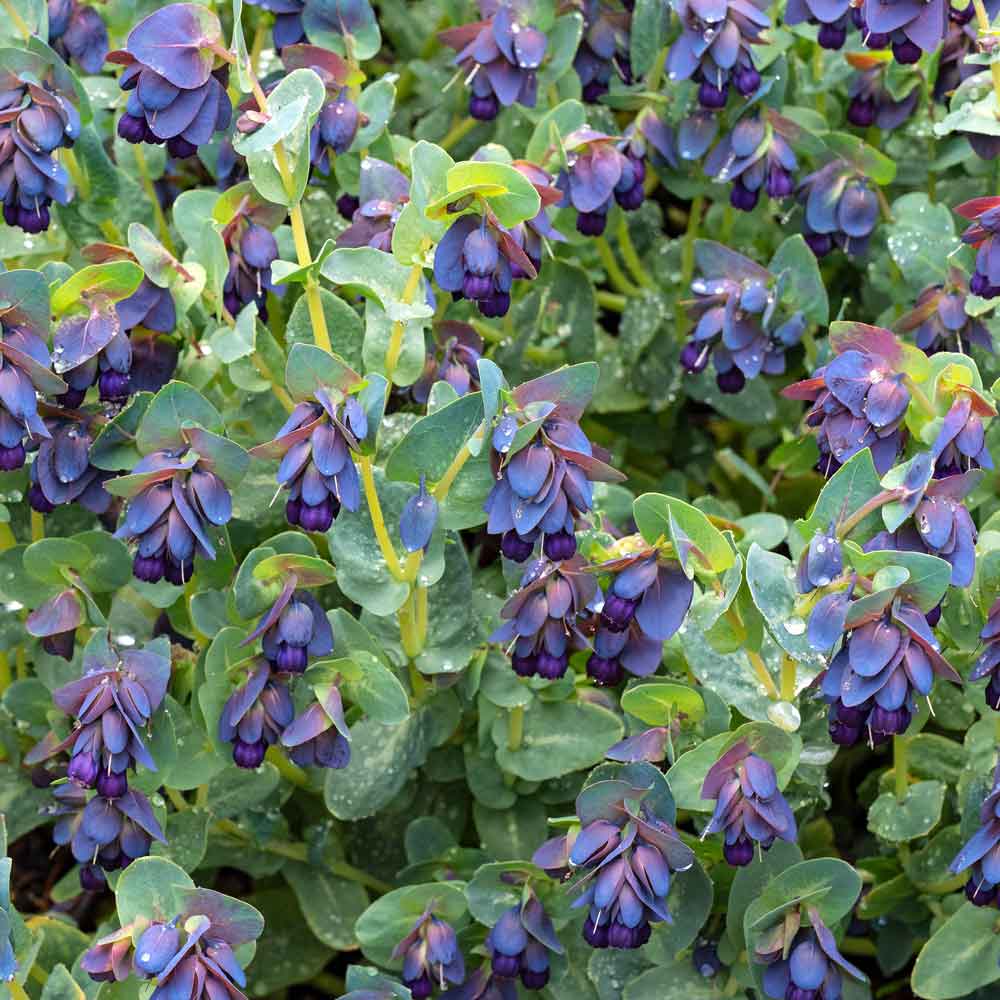
Honeywort is one of the garden's most unusual and elegant flowering annuals, admired for its striking blue-purple blooms, silvery blue-green foliage, and subtle honey-scented nectar that gives the plant its common name. Native to the Mediterranean region, this distinctive heirloom has become a favorite among cottage gardeners and flower enthusiasts who appreciate plants that are as valuable to pollinators as they are beautiful in the landscape. Its graceful appearance and long bloom season provide months of color from late spring well into summer.
While Honeywort is not grown for a powerful floral perfume like sweet alyssum or stock, its blossoms produce nectar with a delicate honey-like fragrance that is especially noticeable on warm, sunny afternoons when bees are actively visiting the flowers. The nectar-rich blooms are irresistible to honeybees, bumblebees, butterflies, and other beneficial pollinators, creating a garden that is alive with movement and gentle fragrance. The unusual nodding flowers, surrounded by rich purple-blue bracts, add a unique texture rarely seen in annual flower gardens.
Honeywort thrives in full sun to partial shade and performs exceptionally well in fertile, well-drained soil. Once established, it tolerates short periods of drought and often self-sows gently, returning year after year without becoming invasive. Its branching habit makes it an excellent filler for cottage gardens, mixed borders, cutting gardens, and naturalized plantings. Positioned along garden paths or near outdoor seating areas, visitors can enjoy both the fascinating flowers and the steady activity of pollinating insects drawn by its nectar.
Beyond its ornamental value, Honeywort is one of the finest companion plants for encouraging biodiversity in the garden. Florists also appreciate its long-lasting blooms and colorful bracts in fresh flower arrangements, where they provide unique texture and soft color. Whether planted to support pollinators, enhance a cottage garden, or simply introduce an uncommon and elegant flowering plant, Honeywort offers beauty, subtle fragrance, and ecological value throughout the growing season.
Specifications
- Plant Type: Hardy annual
- Flower Color: Deep violet-blue with rich purple-blue bracts
- Foliage: Silvery blue-green
- Plant Height: 18–30 inches
- Spread: 12–18 inches
- Bloom Season: Late spring through summer
- Sun Requirements: Full sun to partial shade
- Soil Requirements: Fertile, well-drained soil
- Water Needs: Moderate; drought tolerant once established
- Attracts: Honeybees, bumblebees, butterflies, and other beneficial pollinators
- Uses: Cottage gardens, pollinator gardens, borders, cut flowers, naturalized plantings
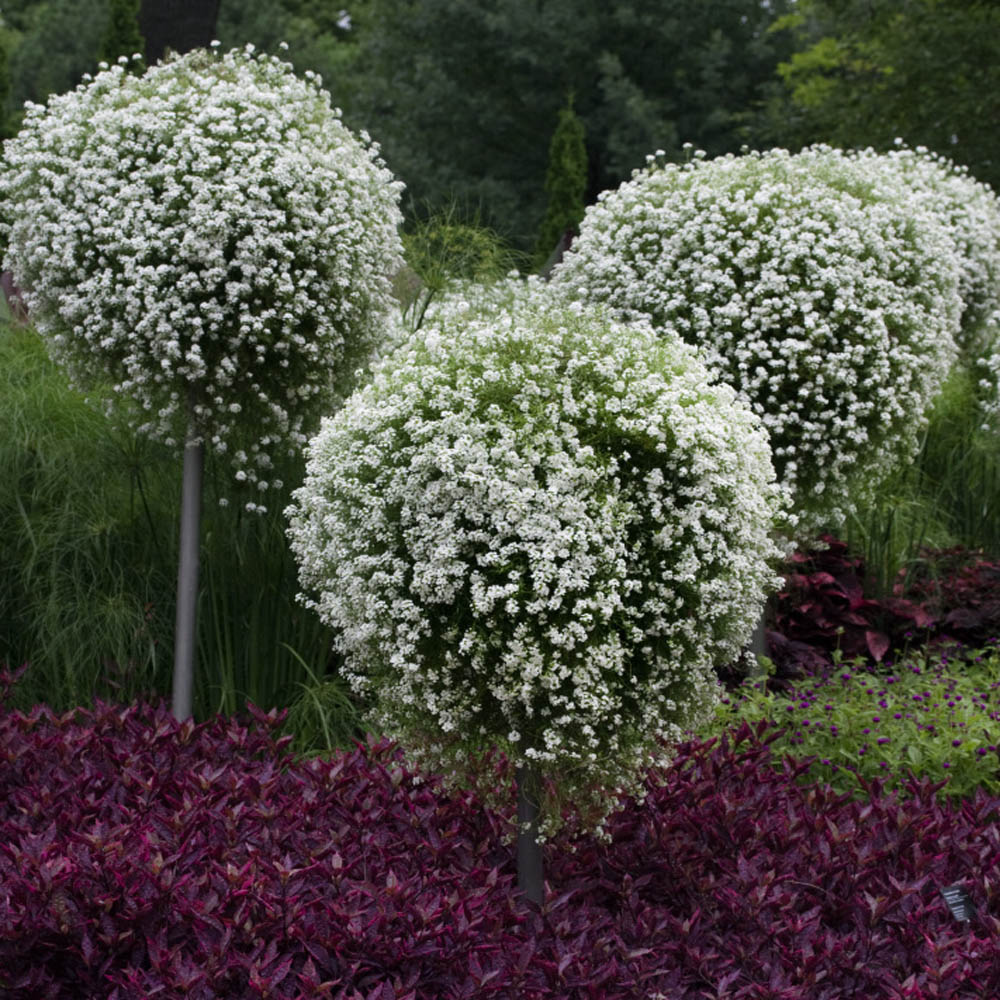
Sweet Alyssum is one of the most beloved flowering annuals ever introduced, treasured for its masses of tiny blossoms and wonderfully sweet fragrance that can perfume an entire garden. Native to the Mediterranean region, this charming low-growing plant has been a favorite in borders, rock gardens, hanging baskets, and containers for generations. Its delicate appearance belies its remarkable ability to produce an abundance of flowers over an exceptionally long blooming season.
The clusters of small white, lavender, rose, or purple flowers release a rich honey-like fragrance that becomes especially noticeable during warm afternoons and calm evenings. The sweet scent often drifts several feet from the planting, making Sweet Alyssum one of the finest flowers for planting along sidewalks, garden paths, patios, and beneath open windows where its delightful perfume can be fully appreciated. The nectar-rich blossoms are highly attractive to honeybees, butterflies, hoverflies, and other beneficial pollinators, creating a lively garden filled with both fragrance and activity.
Sweet Alyssum thrives in full sun to partial shade and performs best in fertile, well-drained soil with regular moisture. The compact plants quickly form soft mounds covered with continuous blooms from spring until frost, especially when lightly trimmed after periods of heavy flowering. Its spreading habit makes it an excellent edging plant, ground cover, or filler between taller annuals and perennials, while its tolerance of cool weather allows it to bloom beautifully during both spring and autumn.
Whether cascading gracefully from hanging baskets, softening the edges of flower beds, or filling containers with clouds of fragrant blossoms, Sweet Alyssum remains one of the finest companion flowers available. Its combination of continuous blooms, irresistible fragrance, ease of cultivation, and outstanding pollinator value has earned it a permanent place in gardens around the world. Few annuals provide so much beauty and perfume from such a compact and dependable plant.
Specifications
- Plant Type: Annual
- Flower Colors: White, lavender, pink, rose, and purple (depending on variety)
- Plant Height: 4–8 inches
- Spread: 8–12 inches
- Bloom Season: Spring until frost
- Fragrance: Rich, sweet honey-like perfume
- Sun Requirements: Full sun to partial shade
- Soil Requirements: Fertile, well-drained soil
- Water Needs: Moderate
- Attracts: Honeybees, butterflies, hoverflies, and other beneficial pollinators
- Uses: Borders, edging, containers, hanging baskets, rock gardens, ground cover, pollinator gardens
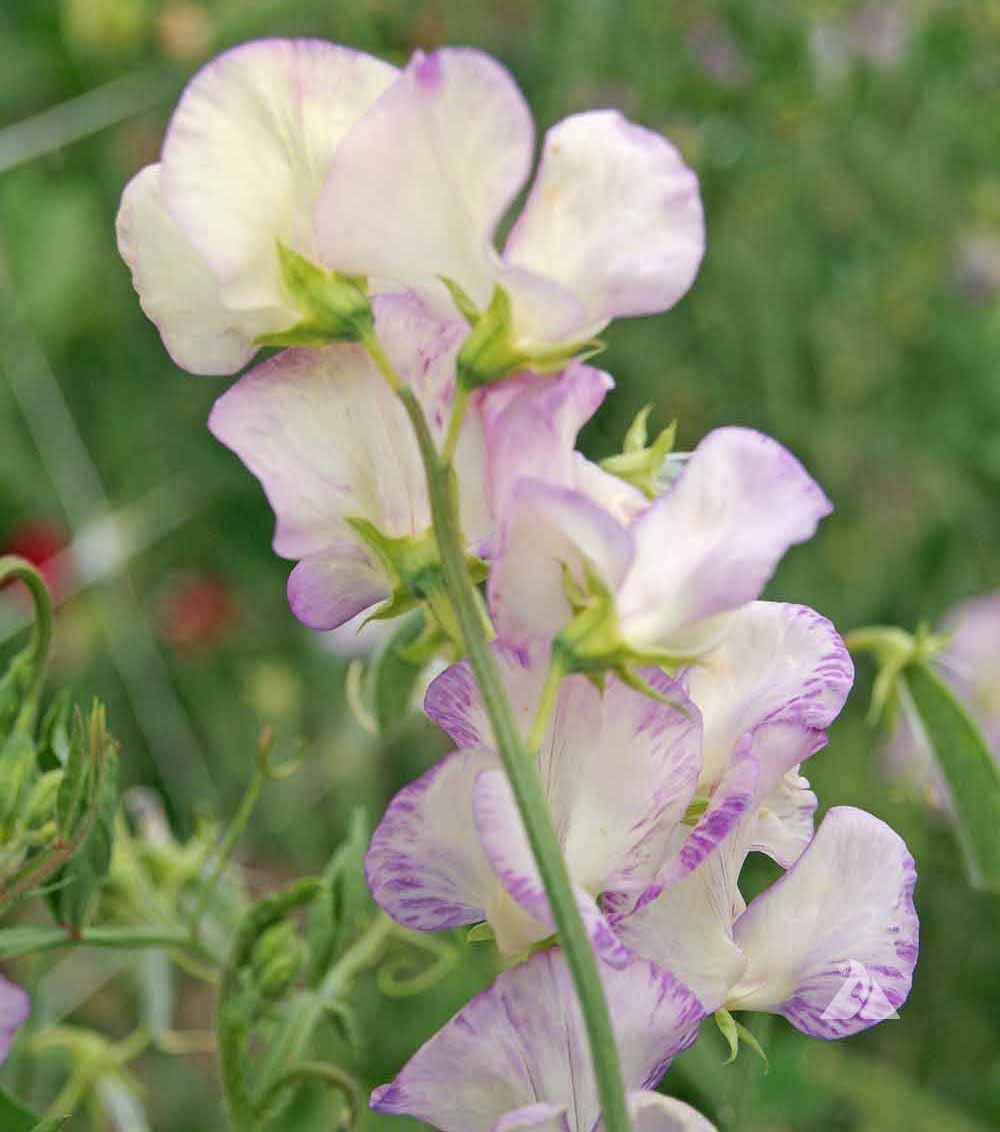
High Scent is an exceptional Sweet Pea variety grown specifically for its wonderfully rich perfume and beautiful, elegant blossoms. Bred from the beloved old-fashioned Sweet Peas that filled cottage gardens with fragrance for generations, this outstanding variety combines abundant blooms with one of the strongest and most delightful floral scents available in an annual vine. Its romantic appearance and unforgettable fragrance make it a favorite for trellises, fences, arbors, and cutting gardens.
The large, gracefully ruffled flowers bloom in soft, attractive shades while releasing an intensely sweet perfume that is often strongest during the cool hours of early morning and again in the evening. The fragrance is rich, floral, and slightly honey-like with classic Sweet Pea notes that have made these flowers prized for bouquets for more than a century. Even a small planting can perfume an entire section of the garden, while freshly cut stems quickly fill a room with their delightful scent, making High Scent one of the finest fragrant flowers available.
High Scent performs best in full sun with fertile, well-drained soil and benefits from cool weather during early growth. The vigorous climbing vines quickly cover trellises, obelisks, fences, and other supports, producing continuous waves of fragrant blooms when flowers are picked regularly. Planted near patios, porches, walkways, or beneath open windows, its sweet perfume can be enjoyed every time you step outdoors. The nectar-rich blossoms also attract bees and other beneficial pollinators throughout the blooming season.
Whether grown to perfume the garden, create exquisite cut flower arrangements, or simply enjoy one of nature's finest floral fragrances, High Scent is an unforgettable addition to the landscape. Its long stems, abundant blossoms, exceptional fragrance, and timeless cottage garden charm continue to make it one of the most treasured Sweet Pea varieties for gardeners who believe flowers should delight both the eyes and the senses.
Specifications
- Plant Type: Hardy annual climbing vine
- Flower Color: Mixed pastel shades
- Plant Height: 5–7 feet
- Spread: 12–18 inches
- Bloom Season: Spring through early summer
- Fragrance: Exceptionally strong, sweet floral perfume
- Sun Requirements: Full sun
- Soil Requirements: Rich, fertile, well-drained soil
- Water Needs: Moderate; keep evenly moist
- Attracts: Bees and other beneficial pollinators
- Uses: Trellises, fences, arbors, cutting gardens, cottage gardens, containers with supports
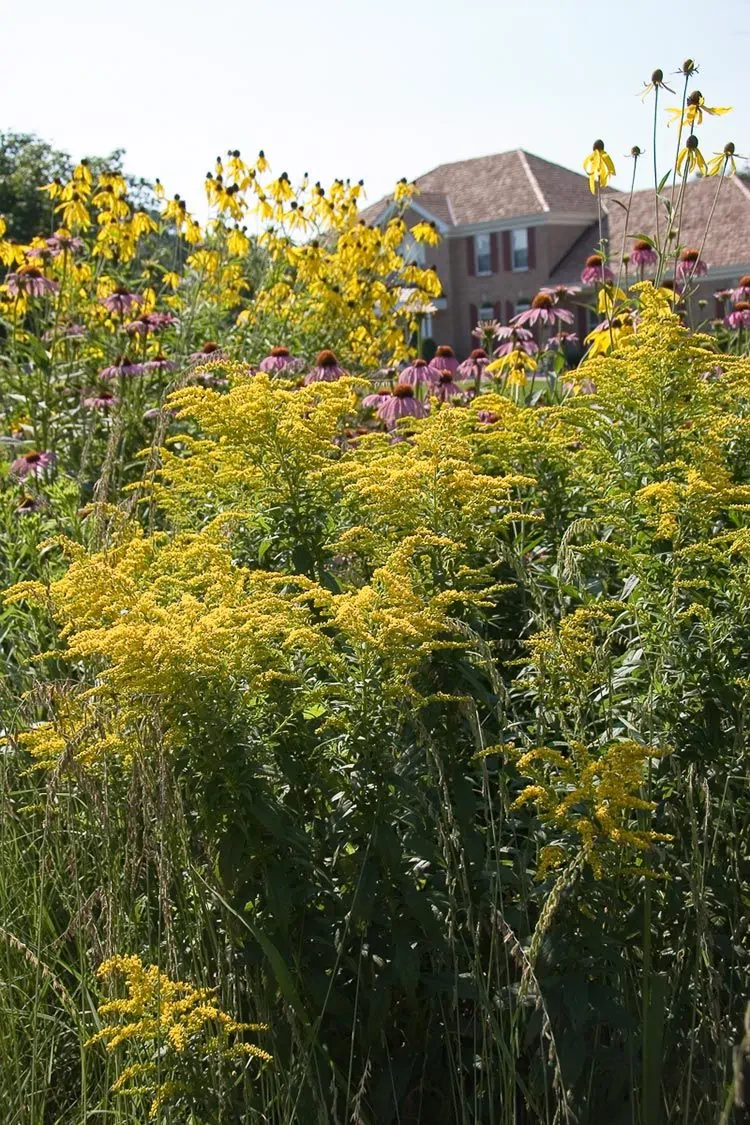
Sweet Goldenrod is a graceful native wildflower prized not only for its brilliant golden flower spikes but also for its wonderfully aromatic foliage. Unlike many ornamental plants that reserve their fragrance for their blossoms, Sweet Goldenrod releases a pleasant anise or licorice scent whenever its leaves are gently brushed or crushed. Native to much of the eastern United States, this hardy perennial has long been admired by gardeners, herbalists, and pollinator enthusiasts for its beauty, fragrance, and remarkable adaptability.
From late summer into autumn, slender arching stems become covered with hundreds of tiny golden-yellow flowers that create bright sprays of color just as many other garden flowers begin to fade. While the flowers themselves possess only a light nectar fragrance, the foliage carries a distinctive sweet licorice aroma that becomes especially noticeable on warm sunny afternoons or after a summer rain. The nectar-rich blooms attract clouds of honeybees, native bees, butterflies, and beneficial insects, making Sweet Goldenrod one of the finest late-season pollinator plants available.
Sweet Goldenrod thrives in full sun and well-drained soil, tolerating drought, sandy soils, and poor growing conditions once established. Its upright growth habit makes it an excellent addition to native plant gardens, prairie plantings, cottage gardens, wildflower meadows, and mixed perennial borders. Planted along walkways or near patios, the fragrant foliage can be enjoyed simply by brushing past the plants, while the golden blooms provide weeks of brilliant late-season color and valuable nectar for pollinators preparing for winter.
In addition to its ornamental beauty, Sweet Goldenrod has a long history of traditional herbal use, with its aromatic leaves commonly brewed into a naturally caffeine-free tea featuring a pleasant anise-like flavor. Whether grown for its fragrant foliage, abundant pollinator activity, brilliant autumn flowers, or native garden value, Sweet Goldenrod remains one of the most rewarding North American wildflowers for gardeners seeking both beauty and fragrance throughout the landscape.
Specifications
- Plant Type: Hardy perennial
- Flower Color: Golden yellow
- Foliage: Bright green, pleasantly aromatic
- Plant Height: 2–4 feet
- Spread: 18–24 inches
- Bloom Season: Late summer through fall
- Fragrance: Sweet anise (licorice) scented foliage
- Sun Requirements: Full sun
- Soil Requirements: Well-drained soil; tolerant of sandy and poor soils
- Water Needs: Low once established
- Attracts: Honeybees, native bees, butterflies, and beneficial pollinators
- Uses: Native gardens, prairie plantings, perennial borders, pollinator gardens, herbal gardens, cut flowers

Fragrant Passionflower is a spectacular tropical climbing vine admired for its exotic blossoms, vigorous growth, and delightfully sweet fragrance. Native to tropical regions of Central and South America, this remarkable species produces some of the most intricate flowers found in nature, combining striking beauty with a pleasant perfume that enhances the garden throughout the blooming season. Its lush foliage, unusual blooms, and ornamental fruits make it an outstanding choice for gardeners looking to create a lush tropical atmosphere.
The extraordinary flowers feature creamy white petals surrounded by an intricate corona of purple, blue, and white filaments that create a truly unforgettable display. As beautiful as they are, the blossoms are equally appreciated for their sweet, tropical fragrance, which is most noticeable during warm mornings and early evenings when the flowers are fully open. The pleasant scent attracts bees, butterflies, and other pollinators while adding another layer of enjoyment to patios, pergolas, arbors, and garden seating areas. Following flowering, the vine produces attractive round fruits that further enhance its ornamental appeal.
Fragrant Passionflower thrives in full sun to partial shade and prefers fertile, well-drained soil with regular moisture during active growth. The vigorous vines quickly climb fences, trellises, pergolas, and arbors using delicate tendrils, often covering supports with dense green foliage and continuous blooms throughout the warm season. In frost-free climates it performs as a perennial, while gardeners in cooler regions often grow it as a fast-growing annual or overwinter it in protected locations.
Whether admired for its exotic flowers, delightful fragrance, or lush tropical appearance, Fragrant Passionflower creates an unforgettable focal point wherever it is planted. Its elegant blossoms, sweet perfume, abundant pollinator activity, and ornamental fruit provide months of interest in the landscape. For gardeners seeking a climbing vine that appeals to both the eyes and the senses, few plants offer the beauty and fragrance of this remarkable passionflower.
Specifications
- Plant Type: Tender perennial climbing vine
- Flower Color: White with purple, blue, and white corona filaments
- Foliage: Deep green, glossy leaves
- Plant Height: 15–25 feet
- Spread: 6–10 feet
- Bloom Season: Summer through fall
- Fragrance: Sweet tropical floral fragrance
- Sun Requirements: Full sun to partial shade
- Soil Requirements: Fertile, well-drained soil
- Water Needs: Moderate; prefers consistent moisture
- Attracts: Bees, butterflies, and other beneficial pollinators
- Uses: Trellises, pergolas, arbors, fences, tropical gardens, patio plantings, ornamental fruit production
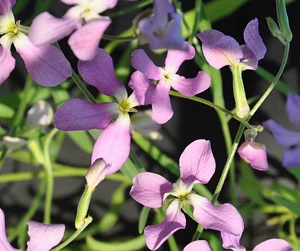
Evening Scent, often known as Evening Stock, is one of the most delightfully fragrant annual flowers a gardener can grow. While its delicate lilac blossoms appear modest during the day, they transform the garden each evening by releasing an extraordinary sweet perfume that can fill an entire yard. Native to the Mediterranean region, this old-fashioned favorite has been treasured for generations by gardeners who appreciate plants that appeal as much to the senses as they do to the eye.
As the sun begins to set, the small four-petaled flowers open fully and release an intense, sweet fragrance often compared to a blend of vanilla, cloves, and spicy carnations with soft honey undertones. The perfume becomes strongest during calm summer evenings and can easily drift through open windows or across patios and garden paths. Although the flowers may appear somewhat understated in daylight, they become the stars of the garden after dusk, attracting evening pollinators while creating an unforgettable nighttime garden experience.
Evening Scent grows quickly in full sun to partial shade and performs best in fertile, well-drained soil with moderate moisture. Plants form airy clumps that bloom continuously throughout the cool months of spring and early summer, with additional flowering often encouraged by deadheading spent blooms. They are ideal for planting near porches, decks, outdoor dining areas, bedroom windows, or moon gardens where their remarkable evening fragrance can be enjoyed after sunset.
Whether combined with moonflowers, nicotiana, or other evening-blooming plants, Evening Scent creates a garden that comes alive at the close of day. Its rich perfume, ease of cultivation, and charming old-fashioned character have made it a favorite in cottage gardens for well over a century. Few annual flowers can rival its ability to perfume an outdoor living space, making it an essential addition for gardeners who believe fragrance is every bit as important as color.
Specifications
- Plant Type: Hardy annual
- Flower Color: Soft lilac, lavender, violet, or pale purple
- Plant Height: 12–24 inches
- Spread: 8–12 inches
- Bloom Season: Spring through early summer
- Fragrance: Exceptionally strong in the evening; sweet, spicy, vanilla-like perfume
- Sun Requirements: Full sun to partial shade
- Soil Requirements: Fertile, well-drained soil
- Water Needs: Moderate
- Attracts: Evening moths, bees, and other beneficial pollinators
- Uses: Moon gardens, cottage gardens, borders, containers, patios, walkways, and cutting gardens
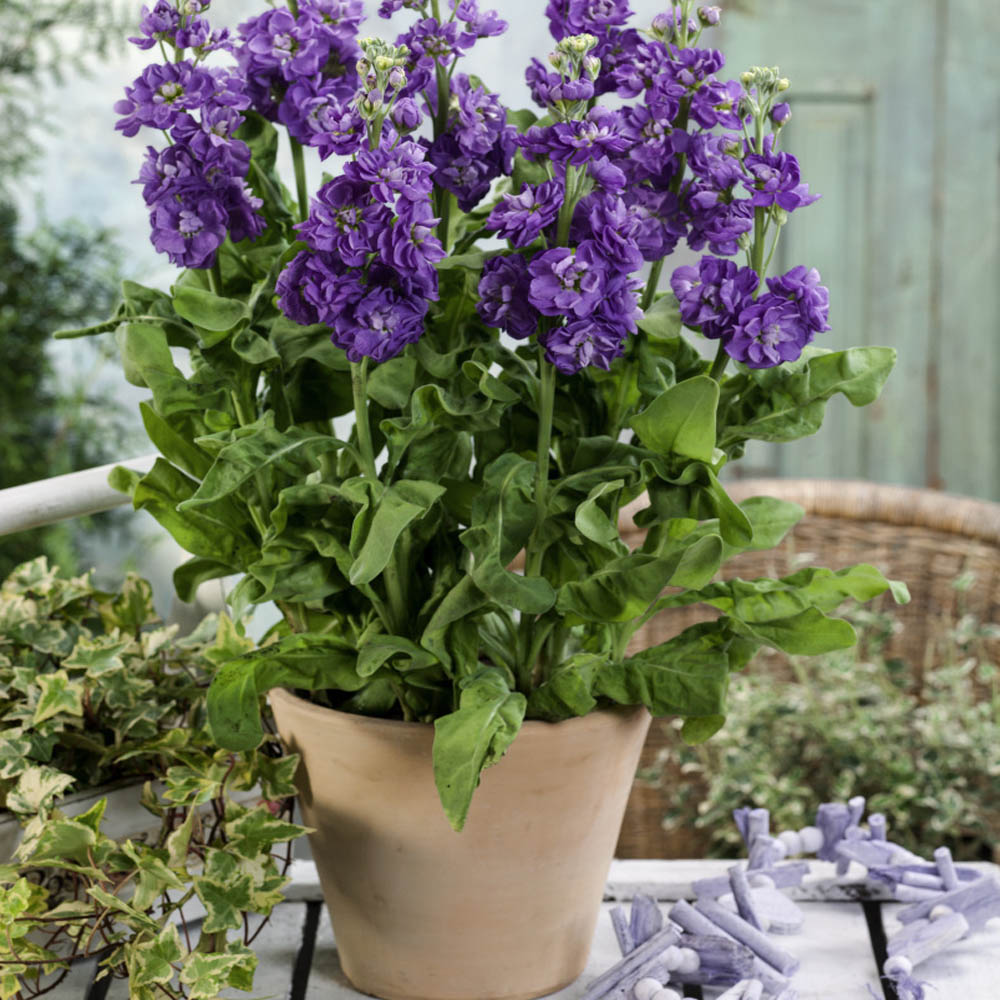
Dark Blue Ten Week Stock is one of the finest fragrant annual flowers ever introduced, treasured for its densely packed flower spikes, rich violet-blue blossoms, and unforgettable clove-like perfume. For centuries, Stocks have been a hallmark of traditional cottage gardens and cutting gardens, where their elegant blooms and remarkable fragrance have delighted gardeners and florists alike. This dwarf Ten Week variety offers the same classic fragrance in a compact, easy-to-grow plant that flowers quickly from seed.
The sturdy flower spikes become covered with fully double, deep blue blossoms that release an exceptionally rich, spicy fragrance often compared to cloves blended with hints of cinnamon, vanilla, and old-fashioned carnations. The perfume is strongest during the cool hours of morning and evening, drifting pleasantly through the garden and filling freshly cut bouquets with fragrance for days. Even a small planting provides a noticeable scent, making Dark Blue Ten Week Stock an excellent choice near patios, entryways, walkways, and open windows where its delightful aroma can be fully appreciated.
Dark Blue Ten Week Stock thrives in full sun and fertile, well-drained soil, preferring the cool temperatures of spring and early summer. Its naturally compact growth habit makes it ideal for borders, containers, cutting gardens, and mass plantings where the densely packed flower spikes create an impressive display of color. Regular watering and the removal of spent blooms encourage prolonged flowering, while the nectar-rich blossoms attract honeybees and other beneficial pollinators throughout the blooming season.
Whether planted to perfume the garden, create beautiful floral arrangements, or add classic cottage garden charm, Dark Blue Ten Week Stock remains one of the most rewarding fragrant annuals available. Its combination of rich color, exceptional fragrance, long-lasting blooms, and compact habit continues to make it a favorite among gardeners who believe flowers should delight every sense, not just the eyes.
Specifications
- Plant Type: Hardy annual
- Flower Color: Deep violet-blue
- Plant Height: 12–18 inches
- Spread: 8–12 inches
- Bloom Season: Spring through early summer
- Fragrance: Strong spicy clove-like perfume with sweet floral undertones
- Sun Requirements: Full sun
- Soil Requirements: Rich, fertile, well-drained soil
- Water Needs: Moderate; prefers evenly moist soil
- Attracts: Honeybees and other beneficial pollinators
- Uses: Borders, containers, cottage gardens, cutting gardens, mass plantings, fragrant gardens
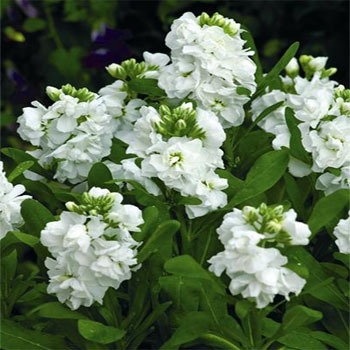
White Ten Week Stock is one of the finest fragrant annual flowers for both the garden and the vase, producing elegant spikes of pure white double blossoms that release a wonderfully rich, spicy perfume. A classic favorite in cottage gardens for centuries, this compact Ten Week variety flowers quickly from seed while providing the same unforgettable fragrance that made Stocks a staple of Victorian gardens. Its pristine white blooms add a touch of sophistication while filling the surrounding air with their delightful scent.
The densely packed flower spikes are covered with fully double, snow-white blossoms that emit a rich clove-like fragrance with sweet notes reminiscent of carnations, vanilla, and warm spices. The perfume is especially noticeable during the cool hours of morning and again in the evening, when calm air allows the fragrance to drift throughout the garden. A small planting near patios, porches, walkways, or open windows can perfume the entire area, while freshly cut stems continue to fill indoor rooms with their sweet aroma for many days.
White Ten Week Stock thrives in full sun and fertile, well-drained soil, preferring the cooler temperatures of spring and early summer. Its compact growth habit makes it ideal for borders, containers, cutting gardens, and formal flower beds where the upright flower spikes provide both height and elegance. Regular watering and prompt removal of spent blooms encourage prolonged flowering, while the nectar-rich blossoms attract honeybees and other beneficial pollinators throughout the blooming season.
Whether planted in classic white gardens, fragrant borders, wedding gardens, or traditional cottage landscapes, White Ten Week Stock remains one of the most rewarding annual flowers available. Its timeless beauty, exceptional fragrance, and long-lasting blooms continue to make it one of the finest choices for gardeners who appreciate flowers that engage every sense. Few white flowers combine graceful elegance and unforgettable perfume quite so beautifully.
Specifications
- Plant Type: Hardy annual
- Flower Color: Pure white
- Plant Height: 12–18 inches
- Spread: 8–12 inches
- Bloom Season: Spring through early summer
- Fragrance: Strong clove-like perfume with sweet floral undertones
- Sun Requirements: Full sun
- Soil Requirements: Rich, fertile, well-drained soil
- Water Needs: Moderate; prefers evenly moist soil
- Attracts: Honeybees and other beneficial pollinators
- Uses: Borders, containers, cutting gardens, cottage gardens, wedding gardens, fragrant gardens

Column Yellow Miracle Stock is a magnificent cut flower variety prized for its tall, densely packed flower spikes, brilliant golden-yellow blooms, and wonderfully rich fragrance. Part of the renowned Column series, this variety has been bred specifically for producing long, sturdy stems that are ideal for floral arrangements while retaining the classic spicy perfume that has made Stocks treasured garden favorites for centuries. Its cheerful color and unforgettable fragrance make it equally at home in the cutting garden or ornamental landscape.
The large, fully double blossoms open in glowing shades of rich golden yellow, creating impressive flower spikes that seem to glow in the spring sunshine. Their fragrance is wonderfully sweet and spicy, often compared to cloves blended with hints of vanilla and carnations. The perfume is most noticeable during the cool hours of morning and evening, drifting gently through the garden and lingering beautifully indoors after the flowers are cut. A generous planting creates an inviting fragrance that welcomes visitors long before they reach the flower bed.
Column Yellow Miracle thrives in full sun and fertile, well-drained soil, preferring the cool temperatures of spring and early summer. Plants produce exceptionally straight, uniform stems that are highly valued by florists and home gardeners alike. Regular watering and the removal of spent flower spikes encourage continued blooming, while the nectar-rich blossoms attract honeybees and other beneficial pollinators. Positioned near patios, walkways, or cutting gardens, the flowers provide weeks of color, fragrance, and fresh bouquets for the home.
Whether grown for spectacular cut flowers, brilliant garden displays, or the delightful perfume that has made Stocks famous around the world, Column Yellow Miracle is an outstanding performer. Its vibrant yellow blossoms, exceptional fragrance, and professional-quality stems make it one of the finest Stock varieties available for gardeners who want flowers that are every bit as beautiful to smell as they are to admire.
Specifications
- Plant Type: Hardy annual
- Flower Color: Bright golden yellow
- Plant Height: 24–30 inches
- Spread: 10–12 inches
- Bloom Season: Spring through early summer
- Fragrance: Strong spicy clove-like perfume with sweet floral notes
- Sun Requirements: Full sun
- Soil Requirements: Rich, fertile, well-drained soil
- Water Needs: Moderate; prefers evenly moist soil
- Attracts: Honeybees and other beneficial pollinators
- Uses: Cutting gardens, borders, cottage gardens, floral arrangements, fragrant gardens, mass plantings
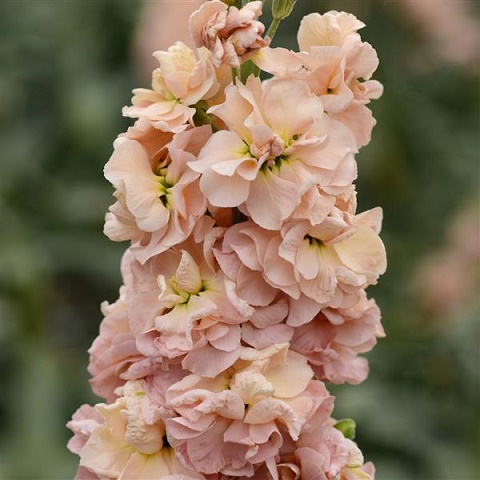
Column Apricot Stock is a premium florist-quality variety celebrated for its elegant apricot-colored blossoms, tall flower spikes, and wonderfully rich fragrance. A member of the highly regarded Column series, this variety produces exceptionally uniform stems that are perfect for fresh-cut bouquets while offering the classic spicy perfume that has made Stocks cherished garden flowers for generations. Its warm pastel coloring blends beautifully with nearly every spring flower, making it a favorite among gardeners and floral designers alike.
The densely packed flower spikes are covered with fully double blossoms in soft shades of apricot, peach, and warm salmon, creating a refined display that glows beautifully in the spring garden. Each bloom releases a rich clove-like fragrance with delicate notes of vanilla, carnations, and sweet spices. The perfume is most noticeable during the cool hours of morning and evening, gently drifting through the garden and lingering indoors long after the flowers have been cut. Its warm pastel tones paired with its unforgettable fragrance create a display that is both elegant and inviting.
Column Apricot thrives in full sun and fertile, well-drained soil, preferring the cool temperatures of spring and early summer. The vigorous plants produce strong, upright stems that are highly valued for cutting gardens, while regular watering and removal of spent flower spikes encourage continued blooming. The nectar-rich blossoms attract honeybees and other beneficial pollinators, adding both fragrance and activity to borders, cottage gardens, and mixed flower beds. Planted near patios or garden walkways, the sweet perfume can be enjoyed throughout the blooming season.
Whether grown for stunning floral arrangements, elegant garden displays, or the delightful fragrance that has made Stocks legendary, Column Apricot is an outstanding performer. Its graceful pastel flowers, exceptional scent, and florist-quality stems make it one of the finest choices for gardeners who appreciate flowers that offer timeless beauty as well as unforgettable fragrance.
Specifications
- Plant Type: Hardy annual
- Flower Color: Soft apricot with peach and warm salmon tones
- Plant Height: 24–30 inches
- Spread: 10–12 inches
- Bloom Season: Spring through early summer
- Fragrance: Strong spicy clove-like perfume with sweet floral undertones
- Sun Requirements: Full sun
- Soil Requirements: Rich, fertile, well-drained soil
- Water Needs: Moderate; prefers evenly moist soil
- Attracts: Honeybees and other beneficial pollinators
- Uses: Cutting gardens, cottage gardens, borders, floral arrangements, fragrant gardens, mass plantings
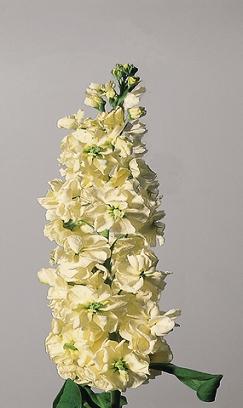
Goldcut Yellow Stock is a premium cut-flower variety renowned for its brilliant golden-yellow blossoms, tall uniform flower spikes, and delightfully rich fragrance. Developed for professional-quality floral production, this outstanding Stock combines exceptional stem length with the classic spicy perfume that has made Stocks treasured garden flowers for centuries. Its vibrant color and intoxicating scent brighten spring gardens while producing spectacular bouquets that remain fresh and fragrant for days.
The strong upright stems are crowned with densely packed, fully double blooms in rich golden-yellow shades that seem to glow in the morning sunshine. Each blossom releases a wonderfully sweet, spicy fragrance reminiscent of cloves, carnations, and warm vanilla, creating one of the most memorable perfumes found among annual flowers. The scent is especially noticeable during cool mornings and tranquil evenings, drifting through the garden and filling freshly cut arrangements with fragrance that can perfume an entire room.
Goldcut Yellow Stock performs best in full sun with fertile, well-drained soil and cool spring temperatures. Its vigorous plants produce long, straight stems that are highly prized by florists and home gardeners alike. Regular watering and prompt removal of spent flower spikes encourage continued blooming, while the nectar-rich flowers attract honeybees and other beneficial pollinators. Planted along walkways, near patios, or within cutting gardens, the brilliant flowers provide weeks of cheerful color accompanied by their unmistakable fragrance.
Whether grown for elegant floral arrangements, vibrant spring borders, or a dedicated fragrant garden, Goldcut Yellow Stock is an exceptional performer. Its combination of radiant golden blooms, florist-quality stems, and unforgettable perfume makes it one of the finest yellow Stocks available. Few flowers bring together beauty, fragrance, and cutting quality so successfully, making this variety an outstanding addition to gardens where both color and scent are equally appreciated.
Specifications
- Plant Type: Hardy annual
- Flower Color: Brilliant golden yellow
- Plant Height: 24–30 inches
- Spread: 10–12 inches
- Bloom Season: Spring through early summer
- Fragrance: Rich spicy clove-like perfume with sweet floral and vanilla notes
- Sun Requirements: Full sun
- Soil Requirements: Rich, fertile, well-drained soil
- Water Needs: Moderate; prefers evenly moist soil
- Attracts: Honeybees and other beneficial pollinators
- Uses: Cutting gardens, floral arrangements, borders, cottage gardens, fragrant gardens, mass plantings
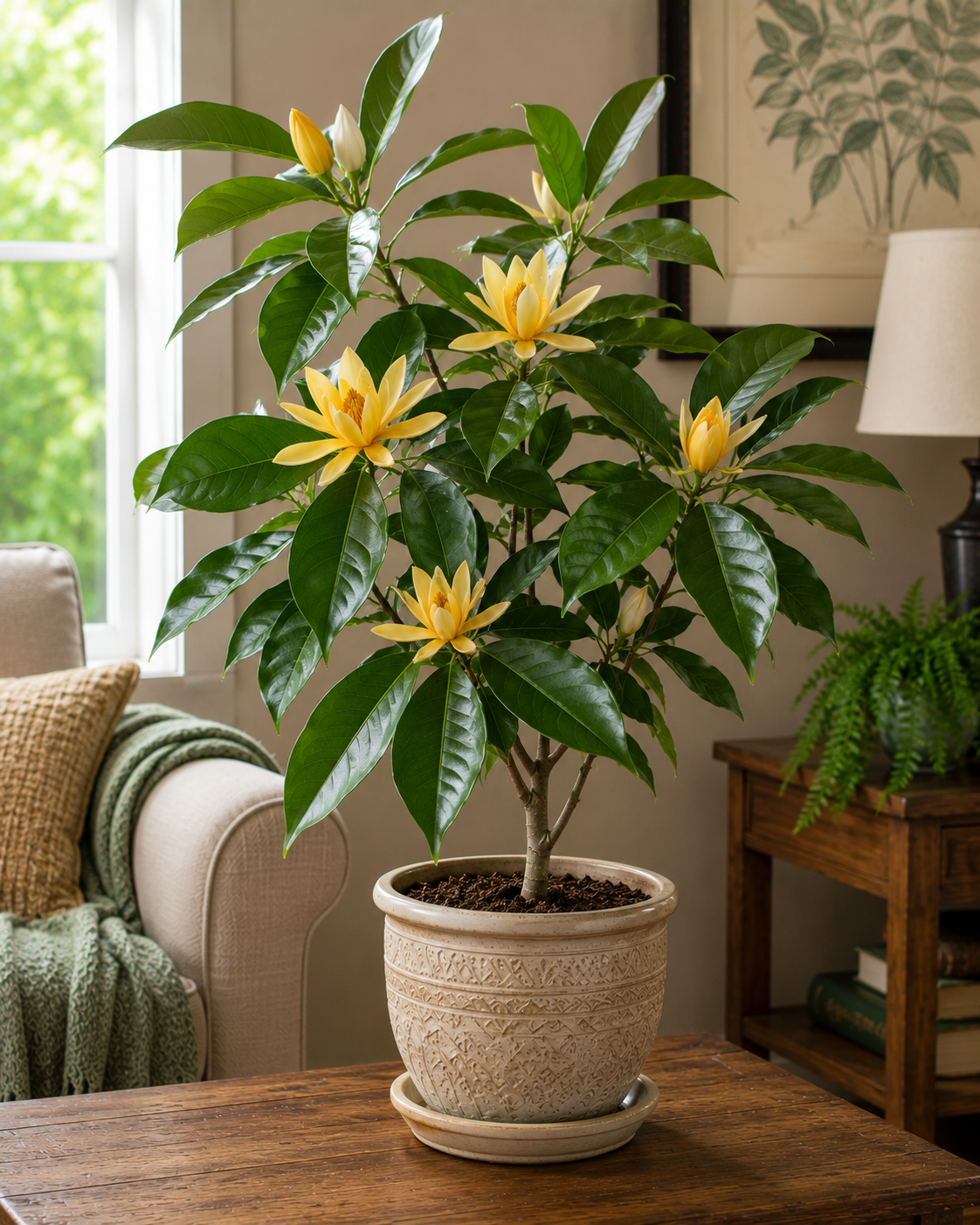

Joy Perfume Tree is one of the world's most celebrated fragrant flowering trees, treasured for centuries throughout Southeast Asia for its extraordinarily rich, exotic perfume. Native to India and the tropical forests of Southeast Asia, this elegant evergreen is better known as Champaca and has long been cultivated near temples, gardens, and homes where its intoxicating fragrance can be enjoyed day and night. Its blossoms are considered among the most fragrant flowers in the world and have been used for generations in fine perfumes, essential oils, and ceremonial garlands.
The graceful tree produces exquisite golden-yellow to deep saffron-orange blossoms that release an intensely sweet fragrance often described as a luxurious blend of jasmine, magnolia, tropical fruit, tea roses, and exotic spices. The perfume is remarkably powerful, becoming even more pronounced during warm evenings and after summer rains when the scent drifts effortlessly through the garden. Remarkably, a single flowering tree can perfume an entire patio or courtyard, making Joy Perfume Tree one of the finest ornamental trees for gardeners who value fragrance above all else.
Joy Perfume Tree thrives in full sun to partial shade and prefers rich, fertile, well-drained soil with regular moisture during the growing season. In tropical and subtropical climates it develops into a handsome evergreen tree with glossy foliage and a naturally pyramidal form, flowering repeatedly throughout much of the year. In cooler regions it can be grown in large containers and overwintered indoors or in conservatories where its magnificent fragrance can still be enjoyed. Planted near patios, entryways, terraces, or open windows, its blossoms create an unforgettable sensory experience whenever the tree is in bloom.
Whether grown as a specimen tree, featured in tropical landscapes, or cherished for its legendary perfume, Joy Perfume Tree is truly one of nature's masterpieces. Its elegant evergreen foliage, beautiful golden blossoms, and extraordinary fragrance have captivated gardeners, perfumers, and plant collectors for centuries. Few flowering trees can rival its combination of beauty, history, and unforgettable scent, making it one of the crown jewels of any fragrant garden.
Specifications
- Plant Type: Evergreen flowering tree
- Flower Color: Golden yellow to deep saffron-orange
- Foliage: Glossy deep green evergreen leaves
- Plant Height: 20–50 feet (smaller in containers)
- Spread: 15–30 feet
- Bloom Season: Repeated flowering through the warm season; nearly year-round in tropical climates
- Fragrance: Exceptionally powerful; rich floral perfume with notes of jasmine, magnolia, tea rose, tropical fruit, and warm spices
- Sun Requirements: Full sun to partial shade
- Soil Requirements: Rich, fertile, well-drained soil
- Water Needs: Moderate; prefers consistent moisture
- Attracts: Bees and other beneficial pollinators
- Uses: Specimen tree, tropical gardens, fragrant gardens, patios, conservatories, perfume production, container growing
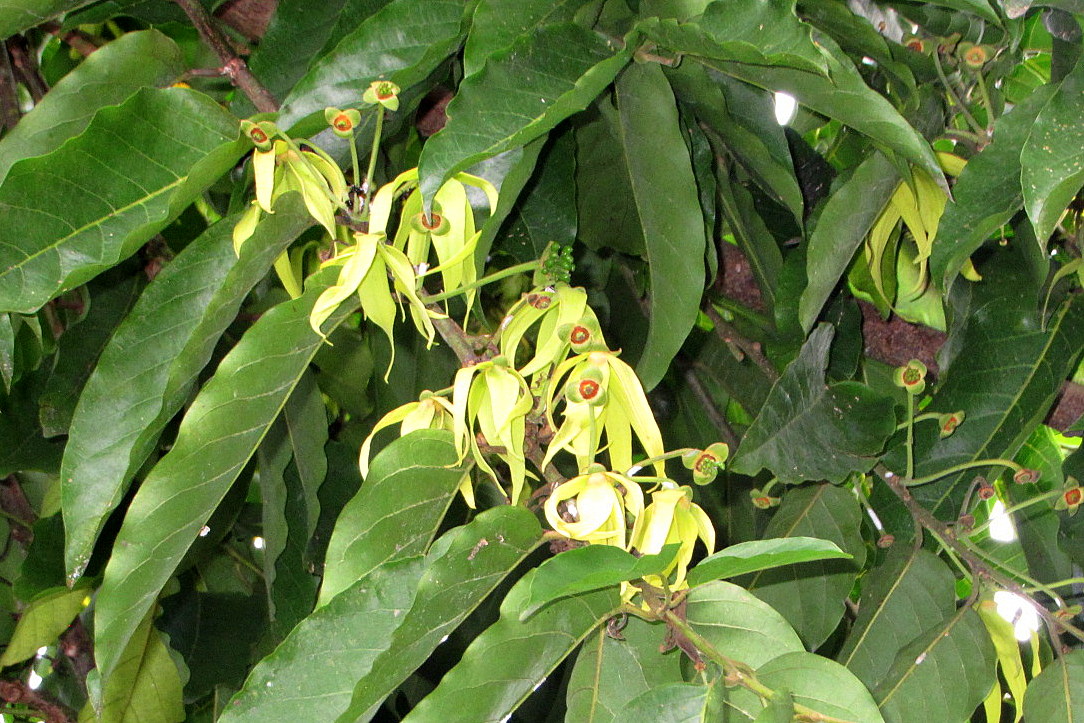
Ylang Ylang Tree is one of the world's most famous fragrant tropical trees, producing exotic blossoms whose intoxicating perfume has captivated gardeners and perfumers for centuries. Native to the tropical rainforests of Southeast Asia, this graceful evergreen is best known as the primary source of the precious essential oil used in many of the world's finest perfumes. Its elegant drooping branches, glossy green foliage, and continuously blooming flowers make it one of the most desirable ornamental trees for warm-climate gardens.
The unusual star-shaped flowers emerge in shades of pale green before gradually maturing to brilliant yellow, releasing an intensely rich fragrance that is both sweet and exotic. The scent is often described as a luxurious blend of jasmine, banana, neroli, honey, and soft spices with creamy floral undertones. The perfume becomes especially powerful during warm evenings when the blossoms naturally release their highest concentration of aromatic oils, often filling an entire garden with their unforgettable tropical fragrance. It is little wonder that Ylang Ylang oil has become one of the most valuable ingredients in the world's finest perfumes.
Ylang Ylang thrives in full sun to partial shade and prefers rich, fertile, well-drained soil with regular moisture throughout the growing season. In frost-free climates it develops into a beautiful evergreen tree with gracefully arching branches that flower repeatedly throughout much of the year. Gardeners in cooler climates often grow it in large containers, conservatories, or greenhouses where its remarkable fragrance can still be enjoyed. Positioned near patios, terraces, garden benches, or open windows, the sweet perfume transforms outdoor living spaces into a true tropical retreat.
Whether grown as a specimen tree, a collector's tropical treasure, or simply for its legendary fragrance, Ylang Ylang remains one of the world's most celebrated ornamental trees. Its elegant appearance, nearly continuous flowering, and extraordinary perfume have made it a symbol of tropical luxury for generations. Few flowering trees offer such a remarkable combination of beauty, history, and unforgettable fragrance, making Ylang Ylang an exceptional centerpiece for any fragrant garden.
Specifications
- Plant Type: Tropical evergreen flowering tree
- Flower Color: Green changing to bright yellow with maturity
- Foliage: Glossy deep green evergreen leaves
- Plant Height: 20–40 feet (smaller in containers)
- Spread: 15–25 feet
- Bloom Season: Repeated flowering throughout the warm season; nearly year-round in tropical climates
- Fragrance: Exceptionally strong; rich tropical perfume with notes of jasmine, banana, honey, neroli, and warm spices
- Sun Requirements: Full sun to partial shade
- Soil Requirements: Rich, fertile, well-drained soil
- Water Needs: Moderate; prefers consistent moisture
- Attracts: Bees and other beneficial pollinators
- Uses: Specimen tree, tropical gardens, fragrant gardens, patios, conservatories, perfume production, container growing
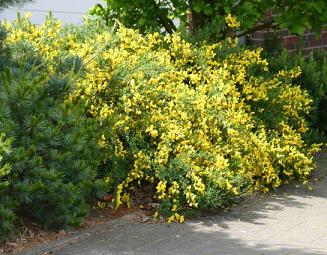
Scotch Gypsy Broom is a delightful flowering shrub prized for its graceful arching branches, masses of brilliant golden blossoms, and sweet spring fragrance. Native to the hillsides of Europe, this hardy ornamental has long been admired for its cheerful display of flowers that blanket the plant each spring. Its airy form, drought tolerance, and ability to thrive in poor soils have made it a favorite for cottage gardens, rock gardens, slopes, and naturalized landscapes where it provides both beauty and fragrance with minimal care.
During mid to late spring, nearly every branch becomes covered with glowing golden-yellow, pea-like blossoms that release a light, sweet fragrance reminiscent of fresh honey with subtle vanilla notes. The pleasant perfume is most noticeable on warm, sunny afternoons when the flowers are fully open, attracting honeybees, butterflies, and other beneficial pollinators in abundance. Although the fragrance is gentle rather than overpowering, a mature shrub in full bloom creates a delightful sensory experience that perfectly complements its dazzling floral display.
Scotch Gypsy Broom thrives in full sun and well-drained soil, performing exceptionally well in sandy, rocky, or nutrient-poor locations where many shrubs struggle. Once established, it is remarkably drought tolerant and requires very little maintenance beyond occasional pruning after flowering to maintain its graceful shape. Its naturally arching habit makes it an excellent specimen plant, informal hedge, hillside stabilizer, or accent in xeriscape gardens. Planted near walkways, patios, or sunny garden entrances, its cheerful blooms and subtle fragrance can be appreciated throughout the spring season.
Whether grown for its brilliant spring color, fragrant blossoms, or easy-care nature, Scotch Gypsy Broom continues to be one of the finest flowering shrubs for sunny landscapes. Its graceful form, dependable flowering, valuable pollinator appeal, and light honey fragrance make it an outstanding addition to cottage gardens, wildflower plantings, and natural landscapes where beauty and resilience go hand in hand.
Specifications
- Plant Type: Deciduous flowering shrub
- Flower Color: Brilliant golden yellow
- Foliage: Small bright green leaves on slender arching stems
- Plant Height: 4–6 feet
- Spread: 4–6 feet
- Bloom Season: Mid to late spring
- Fragrance: Light honey-sweet fragrance with soft vanilla notes
- Sun Requirements: Full sun
- Soil Requirements: Well-drained soil; highly tolerant of sandy and poor soils
- Water Needs: Low once established
- Attracts: Honeybees, butterflies, and other beneficial pollinators
- Uses: Cottage gardens, rock gardens, slopes, xeriscapes, informal hedges, specimen plantings
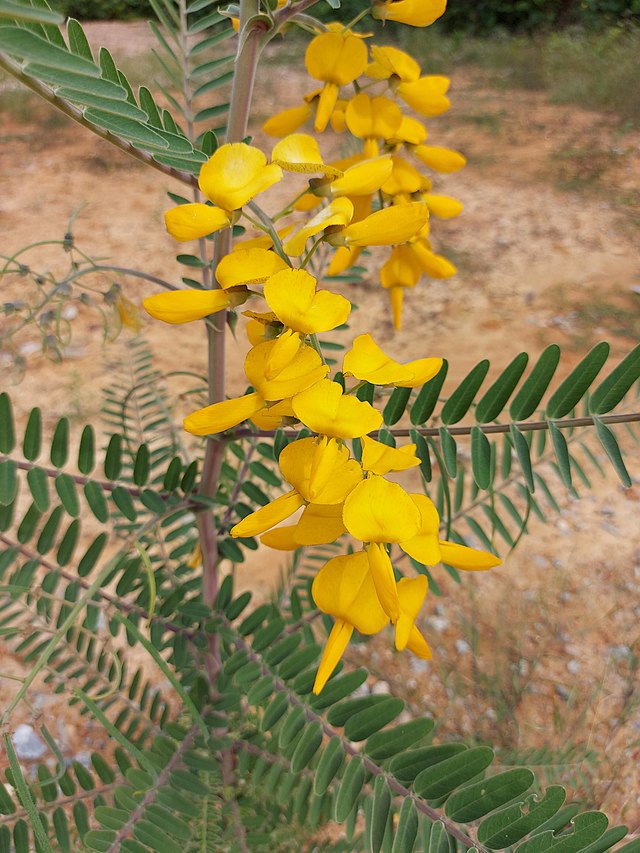
Fragrant Dhaincha is a fast-growing tropical flowering shrub admired for its graceful appearance, abundant blooms, and delightfully sweet fragrance. Native to Southeast Asia, this ornamental member of the legume family combines rapid growth with elegant beauty, making it an outstanding choice for tropical gardens, pollinator plantings, and fragrant landscapes. In addition to its ornamental value, Dhaincha has long been appreciated for its ability to improve soil fertility by naturally fixing atmospheric nitrogen, making it as beneficial as it is beautiful.
Throughout the warm growing season, Fragrant Dhaincha produces clusters of delicate blossoms in soft shades of rosy pink to deep rose-red that release a pleasant, sweet floral fragrance. The perfume is most noticeable during warm mornings and calm evenings, gently drifting through the garden while attracting honeybees, butterflies, hummingbirds, and numerous other beneficial pollinators. The airy foliage provides an elegant backdrop for the colorful flowers, creating a light, tropical appearance that remains attractive even between blooming cycles.
Fragrant Dhaincha thrives in full sun and fertile, well-drained soil but adapts readily to a wide range of growing conditions, including moist soils and seasonal flooding. Its rapid growth allows it to quickly develop into a handsome flowering shrub or small tree, making it useful as a specimen plant, flowering screen, windbreak, or background planting. Gardeners often position it near patios, garden seating areas, or walkways where both its graceful blooms and pleasant fragrance can be enjoyed throughout the season while providing valuable nectar for pollinators.
Whether grown for its fragrant blossoms, tropical beauty, ecological benefits, or rapid growth, Fragrant Dhaincha is a rewarding addition to warm-climate gardens. Its sweetly scented flowers, continuous pollinator activity, and natural soil-improving abilities make it a unique ornamental that offers far more than simple visual appeal. Few flowering shrubs combine fragrance, beauty, and environmental value as successfully as this remarkable tropical species.
Specifications
- Plant Type: Fast-growing tropical shrub or small tree
- Flower Color: Rosy pink to deep rose-red
- Foliage: Fine-textured bright green compound leaves
- Plant Height: 8–15 feet
- Spread: 6–10 feet
- Bloom Season: Summer through fall in warm climates
- Fragrance: Sweet, light floral fragrance
- Sun Requirements: Full sun
- Soil Requirements: Fertile, well-drained soil; tolerant of moist conditions
- Water Needs: Moderate; appreciates regular moisture
- Attracts: Honeybees, butterflies, hummingbirds, and other beneficial pollinators
- Uses: Tropical gardens, fragrant gardens, pollinator plantings, specimen tree, flowering screen, soil improvement, nitrogen fixation
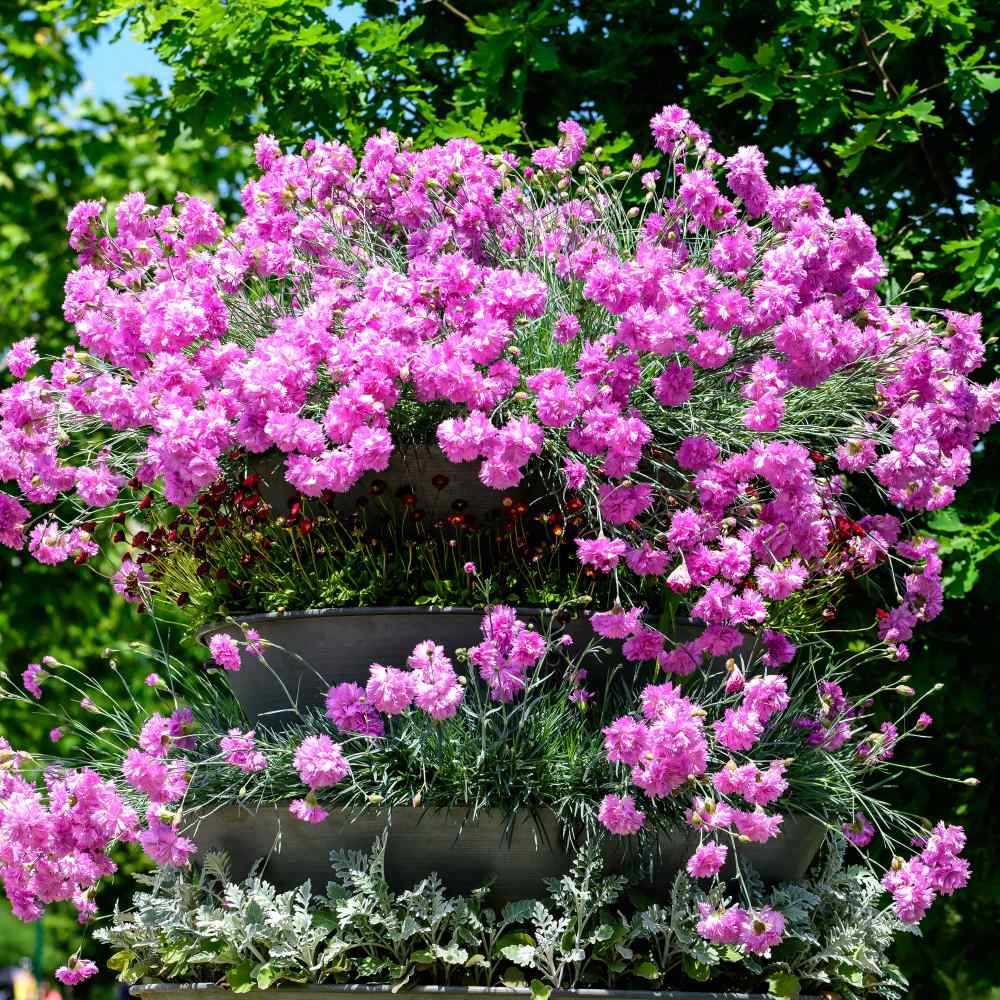
Miss Aroma is an outstanding garden pink (Dianthus) developed specifically for its exceptional fragrance, compact growth, and abundant flowering. This charming variety produces a continuous display of beautifully fringed blossoms while filling the surrounding garden with the classic spicy perfume that has made Dianthus a favorite for centuries. Combining old-fashioned fragrance with modern garden performance, Miss Aroma is equally at home in borders, containers, rock gardens, and cutting gardens.
The attractive blossoms open in cheerful shades of rosy pink with delicately fringed petals that dance above neat mounds of blue-green foliage. Their fragrance is wonderfully rich and spicy, often compared to cloves blended with hints of cinnamon, vanilla, and sweet carnations. The sweet perfume becomes especially noticeable during warm afternoons and early evening, making Miss Aroma an excellent choice for planting near patios, garden benches, walkways, and open windows where its delightful scent can be enjoyed throughout the blooming season. The nectar-rich flowers are also highly attractive to butterflies and beneficial pollinators.
Miss Aroma thrives in full sun and well-drained soil, where it forms tidy clumps that bloom heavily from late spring well into summer, often reblooming if spent flowers are removed. Its compact habit makes it perfect for edging flower beds, filling containers, softening rock gardens, or creating colorful drifts through cottage gardens. The silvery-blue evergreen foliage remains attractive long after flowering, providing season-long interest even when the plant is not in bloom.
Whether planted for its remarkable fragrance, cheerful blossoms, or dependable garden performance, Miss Aroma is one of the finest Dianthus varieties for today's landscape. Its long-lasting flowers, compact growth, excellent pollinator value, and unforgettable clove-like perfume make it a wonderful addition to any fragrant garden. Few flowers offer such a perfect combination of beauty, reliability, and old-fashioned charm in such a neat, easy-care plant.
Specifications
- Plant Type: Hardy perennial
- Flower Color: Rosy pink
- Foliage: Blue-green evergreen foliage
- Plant Height: 8–12 inches
- Spread: 10–14 inches
- Bloom Season: Late spring through summer; often reblooms
- Fragrance: Rich spicy clove fragrance with sweet carnation notes
- Sun Requirements: Full sun
- Soil Requirements: Well-drained soil
- Water Needs: Moderate; drought tolerant once established
- Attracts: Butterflies, honeybees, and other beneficial pollinators
- Uses: Borders, rock gardens, containers, edging, cottage gardens, cutting gardens, fragrant gardens
Spring Beauty Cottage Pinks is a classic heirloom Dianthus cherished for its delightful clove fragrance, charming fringed blossoms, and exceptional hardiness. A longtime favorite of traditional English cottage gardens, this beautiful perennial forms low cushions of silvery-blue foliage that become covered with fragrant flowers each spring. Its combination of old-fashioned perfume, graceful appearance, and easy-care nature has made it one of the most beloved perennial garden flowers for generations.
The delicate blossoms bloom in soft shades of pink, rose, and white, each featuring finely fringed petals that give the flowers a light, airy appearance. Their fragrance is wonderfully rich and spicy, carrying the unmistakable scent of cloves blended with sweet carnations and hints of vanilla. On warm spring afternoons and cool evening breezes, the sweet perfume gently drifts through the garden, making Spring Beauty an excellent choice for planting along walkways, near patios, beneath open windows, or anywhere its delightful fragrance can be enjoyed at close range. The nectar-rich flowers are also highly attractive to butterflies and beneficial pollinators.
Spring Beauty thrives in full sun and well-drained soil, where it develops into neat evergreen mounds that remain attractive throughout the year. The plants are exceptionally drought tolerant once established and perform beautifully in rock gardens, borders, cottage gardens, edging, and containers. Removing spent blooms often encourages additional flowering while maintaining the plant's tidy appearance. Its compact growth habit makes it ideal for planting in groups where the fragrance and colorful blooms create a truly inviting garden display.
Whether grown for its timeless fragrance, cheerful spring flowers, or dependable perennial performance, Spring Beauty Cottage Pinks remains one of the finest Dianthus varieties available. Its old-fashioned perfume, charming blossoms, and resilient nature bring both beauty and nostalgia to the landscape. Few perennial flowers combine such graceful elegance with a fragrance that continues to delight gardeners year after year.
Specifications
- Plant Type: Hardy perennial
- Flower Color: Shades of pink, rose, and white
- Foliage: Silvery blue-green evergreen foliage
- Plant Height: 10–14 inches
- Spread: 12–18 inches
- Bloom Season: Mid to late spring, with occasional reblooming
- Fragrance: Rich clove fragrance with sweet carnation and vanilla notes
- Sun Requirements: Full sun
- Soil Requirements: Well-drained soil
- Water Needs: Moderate; drought tolerant once established
- Attracts: Butterflies, honeybees, and other beneficial pollinators
- Uses: Cottage gardens, rock gardens, borders, edging, containers, cutting gardens, fragrant gardens
Fragrant Mignonette is one of the most wonderfully scented flowers ever grown, cherished for centuries not because of its appearance, but because of its extraordinary perfume. Native to North Africa and long cultivated throughout Europe, this old-fashioned heirloom became a Victorian garden favorite where fragrance was considered just as important as colorful blooms. Although its small greenish-white flowers are modest in appearance, few annuals can rival the rich, sweet fragrance that has made Mignonette legendary among gardeners for generations.
Throughout the summer, slender flower spikes produce clusters of tiny blossoms that release an exceptionally rich perfume often described as a delightful blend of honey, vanilla, violets, fresh hay, and sweet almonds. The fragrance becomes especially intense during warm afternoons and calm evenings, often drifting surprisingly long distances across the garden. A single planting near patios, porches, open windows, or garden benches can perfume an entire outdoor living space, while freshly cut stems continue to fill rooms with their delightful scent long after being brought indoors.
Fragrant Mignonette thrives in full sun to partial shade and performs best in fertile, well-drained soil with regular moisture. The compact, branching plants bloom continuously from late spring until frost, making them excellent choices for borders, containers, cottage gardens, cutting gardens, and fragrant garden collections. The nectar-rich blossoms are highly attractive to honeybees, butterflies, and other beneficial pollinators, adding constant life and movement to the landscape while their sweet fragrance creates an inviting garden atmosphere.
Whether planted as a nostalgic heirloom, a pollinator favorite, or simply for its remarkable perfume, Fragrant Mignonette remains one of the finest flowers for gardeners who value fragrance above showy blooms. Its understated beauty, continuous flowering, and unforgettable scent have ensured its popularity for hundreds of years. Few flowers demonstrate more clearly that the greatest treasures in the garden are sometimes appreciated with the nose before they are admired with the eyes.
Specifications
- Plant Type: Hardy annual
- Flower Color: Greenish-white to creamy yellow
- Plant Height: 12–24 inches
- Spread: 10–15 inches
- Bloom Season: Late spring until frost
- Fragrance: Exceptionally rich; honey, vanilla, violet, sweet almond, and fresh hay notes
- Sun Requirements: Full sun to partial shade
- Soil Requirements: Fertile, well-drained soil
- Water Needs: Moderate
- Attracts: Honeybees, butterflies, and other beneficial pollinators
- Uses: Fragrant gardens, cottage gardens, borders, containers, cutting gardens, pollinator gardens
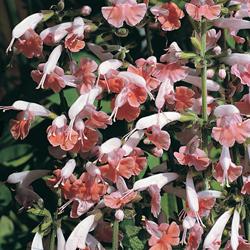
Cherry Blossom Scarlet Sage is a charming flowering salvia admired for its delicate cherry-pink blossoms, exceptionally long bloom season, and surprising sweet fragrance. A selection of the native Scarlet Sage, this easy-to-grow annual or tender perennial provides months of color while attracting a constant parade of hummingbirds, butterflies, and beneficial pollinators. Its graceful appearance and lightly scented flowers make it an excellent addition to cottage gardens, pollinator borders, and fragrant garden collections.
Slender flower spikes are covered with soft cherry-pink blossoms that bloom continuously from late spring until frost. While the fragrance is gentle rather than overpowering, the flowers release a pleasant, sweet nectar-like scent that is most noticeable during warm mornings when pollinators are busiest. The blossoms are especially attractive to hummingbirds, whose frequent visits add movement and life to the garden, while butterflies and honeybees are equally drawn to the abundant nectar. Combined with its airy growth habit, the flowers create a display that is both colorful and inviting.
Cherry Blossom thrives in full sun to partial shade and performs well in a wide range of well-drained soils. Once established, the plants tolerate heat, humidity, and short periods of drought with remarkable ease, continuing to flower through the hottest months of summer when many annuals begin to fade. Its naturally branching habit makes it ideal for mixed borders, cottage gardens, containers, pollinator gardens, and mass plantings. Positioned near patios, walkways, or outdoor seating areas, both the gentle fragrance and constant hummingbird activity can be enjoyed throughout the growing season.
Whether grown for its nearly nonstop blooms, dependable garden performance, or outstanding value to pollinators, Cherry Blossom Scarlet Sage is a rewarding addition to any landscape. Its cheerful pink flowers, subtle fragrance, and effortless beauty provide months of enjoyment while supporting beneficial wildlife. Few flowering salvias combine such graceful charm with season-long color and pollinator appeal.
Specifications
- Plant Type: Annual or tender perennial
- Flower Color: Soft cherry pink
- Foliage: Bright green aromatic leaves
- Plant Height: 18–30 inches
- Spread: 12–18 inches
- Bloom Season: Late spring until frost
- Fragrance: Light, sweet nectar-like floral fragrance
- Sun Requirements: Full sun to partial shade
- Soil Requirements: Well-drained soil; adaptable to many soil types
- Water Needs: Moderate; drought tolerant once established
- Attracts: Hummingbirds, butterflies, honeybees, and other beneficial pollinators
- Uses: Cottage gardens, pollinator gardens, borders, containers, mass plantings, fragrant gardens
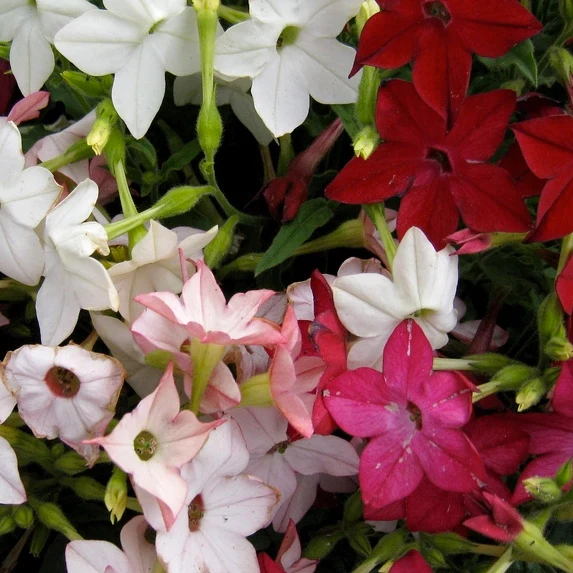
Sensation Mix Flowering Tobacco is one of the finest fragrant annuals for evening gardens, producing tall, elegant plants covered with masses of colorful trumpet-shaped blossoms that release a wonderfully sweet perfume after sunset. This heirloom favorite has been treasured for generations by gardeners who appreciate flowers that become even more enchanting as the day comes to an end. Its graceful habit, long bloom season, and unforgettable evening fragrance make it a cornerstone of cottage gardens, moon gardens, and fragrant landscapes.
The large, star-shaped flowers bloom in a beautiful blend of white, pink, rose, crimson, lavender, and soft lime-green, creating a vibrant display throughout the summer months. As daylight fades, the blossoms begin releasing an intensely sweet jasmine-like fragrance with hints of honeysuckle and tropical flowers that can perfume an entire patio or garden. The scent becomes strongest during calm evenings and continues well into the night, attracting hummingbird moths and other beneficial nighttime pollinators while creating a peaceful and relaxing atmosphere outdoors.
Sensation Mix thrives in full sun to partial shade and grows best in fertile, well-drained soil with consistent moisture. The sturdy plants reach impressive heights, making them ideal for the back of flower borders, cottage gardens, cutting gardens, and mixed annual beds. Positioned near patios, decks, porches, or open bedroom windows, their evening fragrance can be enjoyed every night throughout the blooming season. Deadheading spent flowers encourages continuous blooming from early summer until frost.
Whether grown for its spectacular nighttime fragrance, colorful flowers, or graceful garden presence, Sensation Mix remains one of the most rewarding annuals available. Its ability to transform an ordinary garden into a fragrant evening retreat has made it a favorite for generations of gardeners. Few flowers offer such a remarkable combination of beauty by day and intoxicating perfume by night, making Sensation Mix Flowering Tobacco an essential choice for anyone creating a truly fragrant landscape.
Specifications
- Plant Type: Annual
- Flower Color: Mixed shades of white, pink, rose, crimson, lavender, and lime-green
- Foliage: Large, soft green leaves
- Plant Height: 36–60 inches
- Spread: 18–24 inches
- Bloom Season: Early summer until frost
- Fragrance: Strong evening perfume with sweet jasmine and honeysuckle notes
- Sun Requirements: Full sun to partial shade
- Soil Requirements: Rich, fertile, well-drained soil
- Water Needs: Moderate; prefers evenly moist soil
- Attracts: Hummingbird moths, butterflies, honeybees, and other beneficial pollinators
- Uses: Moon gardens, fragrant gardens, cottage gardens, borders, cutting gardens, patio plantings
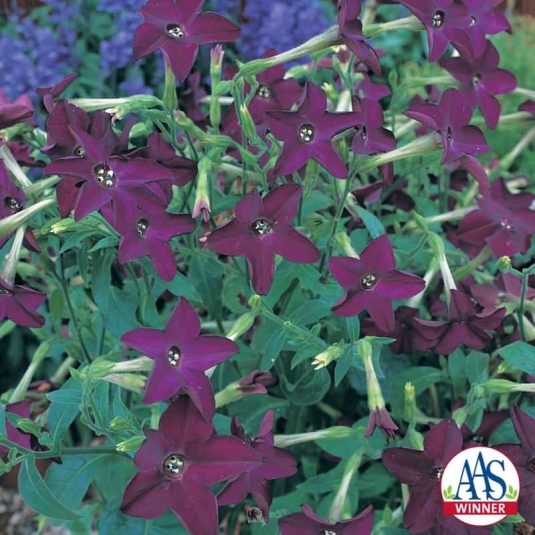
Perfume Deep Purple Flowering Tobacco is an exceptional ornamental Nicotiana developed for its velvety deep purple blossoms, compact garden habit, and wonderfully rich evening fragrance. Unlike many flowering tobaccos that emphasize height, this modern variety produces masses of blooms on well-branched plants while filling the evening garden with a sweet, lingering perfume. Its dramatic flower color and intoxicating scent make it a favorite for containers, borders, patios, and moon gardens where fragrance is every bit as important as appearance.
From early summer until frost, the plants become covered with elegant trumpet-shaped blossoms in rich shades of deep purple that create a striking contrast against the fresh green foliage. As the afternoon fades into evening, the flowers begin releasing an intensely sweet fragrance often compared to jasmine, orange blossoms, honeysuckle, and tropical gardenias. The perfume grows stronger after sunset, gently drifting through the garden on warm summer evenings while attracting hummingbird moths and other beneficial nighttime pollinators. Planted near patios or open windows, the fragrance creates a relaxing atmosphere long after the day's heat has passed.
Perfume Deep Purple thrives in full sun to partial shade and grows best in fertile, well-drained soil with consistent moisture. Its naturally compact, bushy growth habit makes it ideal for containers, borders, cottage gardens, and mixed flower beds where continuous blooming provides months of vibrant color. Deadheading encourages even heavier flowering, while the nectar-rich blossoms also attract butterflies, hummingbirds, and honeybees during daylight hours before taking center stage with their evening fragrance.
Whether planted to perfume a patio, brighten a moon garden, or create a dramatic display of richly colored flowers, Perfume Deep Purple Flowering Tobacco is an unforgettable garden performer. Its long bloom season, luxurious fragrance, and elegant deep purple blossoms provide an irresistible combination that appeals to both gardeners and pollinators alike. Few annual flowers transform the evening garden with such beauty and fragrance, making this variety a true highlight of any fragrant landscape.
Specifications
- Plant Type: Annual
- Flower Color: Deep velvety purple
- Foliage: Bright green leaves
- Plant Height: 18–24 inches
- Spread: 12–18 inches
- Bloom Season: Early summer until frost
- Fragrance: Strong evening perfume with notes of jasmine, honeysuckle, orange blossom, and tropical flowers
- Sun Requirements: Full sun to partial shade
- Soil Requirements: Rich, fertile, well-drained soil
- Water Needs: Moderate; prefers evenly moist soil
- Attracts: Hummingbirds, butterflies, honeybees, hummingbird moths, and other beneficial pollinators
- Uses: Fragrant gardens, moon gardens, containers, borders, cottage gardens, patio plantings
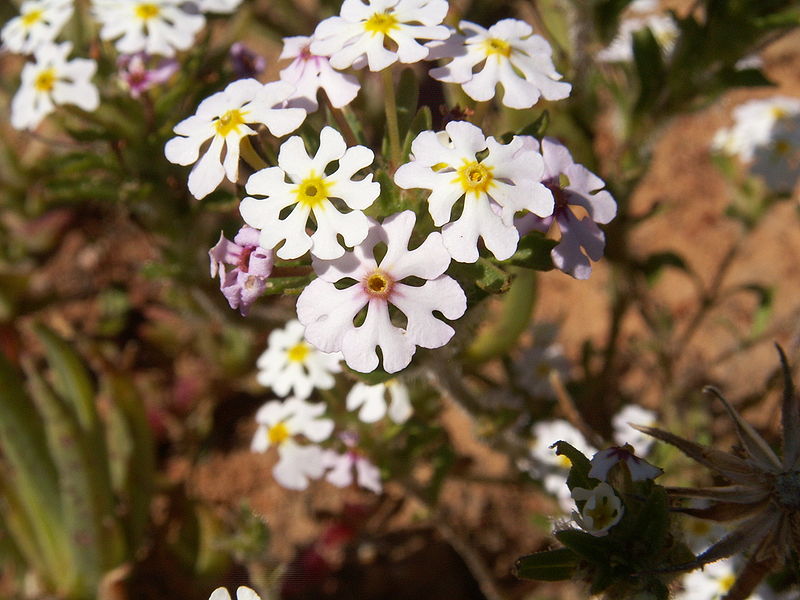
Midnight Candy is one of the most enchanting fragrant flowers a gardener can grow, famous for its remarkable ability to transform the garden after sunset. Native to South Africa, this unique annual is often called "Night Phlox," although it is not a true phlox. By day, its modest flowers remain mostly closed and unassuming, but as evening arrives they open wide and release one of the sweetest fragrances found in the flower garden. Its captivating nighttime display has earned Midnight Candy a devoted following among gardeners who appreciate flowers that come alive after dark.
The dainty star-shaped blossoms feature creamy white petals with rich maroon to deep burgundy centers, creating an elegant two-tone display against fine green foliage. As dusk settles over the garden, the flowers open fully and begin releasing an extraordinarily sweet perfume often compared to vanilla, marzipan, honey, and warm almonds with hints of chocolate. The fragrance becomes increasingly intense throughout the evening, often perfuming an entire patio or garden path and attracting night-flying moths and other beneficial evening pollinators. Few annual flowers can rival its remarkable nighttime scent.
Midnight Candy thrives in full sun and fertile, well-drained soil, blooming continuously from late spring until frost. The compact, branching plants are ideal for containers, borders, rock gardens, window boxes, and fragrant garden beds where they can be enjoyed up close. Positioned near patios, outdoor dining areas, bedroom windows, or moon gardens, their evening fragrance creates a peaceful atmosphere that invites gardeners outdoors after sunset. The flowers also make charming additions to small bouquets where their delightful fragrance can be appreciated indoors.
Whether grown as a conversation piece, a moon garden favorite, or simply for its unforgettable evening perfume, Midnight Candy is truly unlike any other annual. Its charming blossoms, compact growth habit, and extraordinary fragrance create a memorable garden experience that begins just as most flowers are closing for the day. For gardeners who believe the garden should be enjoyed after sunset as well as during daylight hours, Midnight Candy is an absolute treasure.
Specifications
- Plant Type: Annual
- Flower Color: Creamy white with deep maroon centers
- Foliage: Fine bright green foliage
- Plant Height: 12–18 inches
- Spread: 10–15 inches
- Bloom Season: Late spring until frost
- Fragrance: Exceptionally strong in the evening; sweet vanilla, honey, marzipan, almond, and chocolate notes
- Sun Requirements: Full sun
- Soil Requirements: Fertile, well-drained soil
- Water Needs: Moderate
- Attracts: Night-flying moths and other beneficial nighttime pollinators
- Uses: Moon gardens, fragrant gardens, containers, borders, window boxes, patios, rock gardens
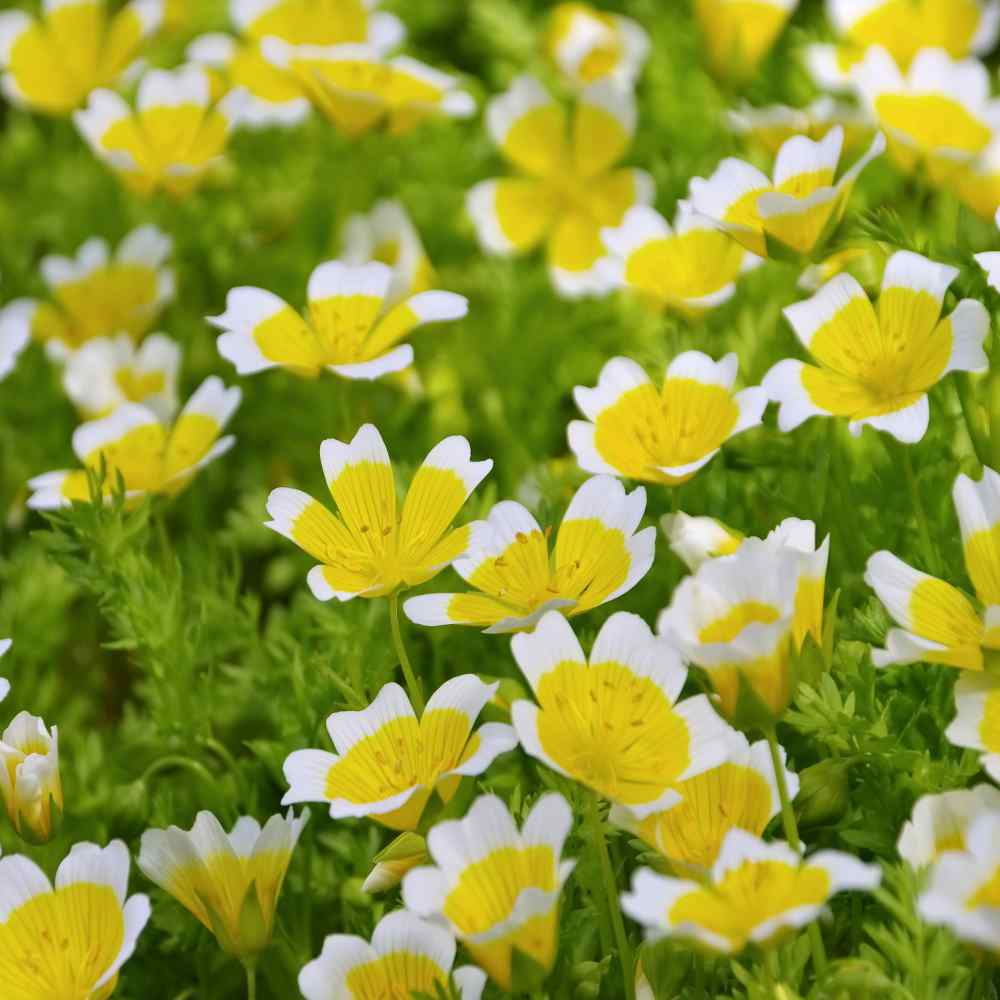
Poached Egg Plant is one of the happiest little annual wildflowers you can grow, producing cheerful blooms that resemble tiny sunny-side-up eggs scattered across the garden. Native to the meadows of California and Oregon, this delightful flower has become a favorite for cottage gardens, pollinator plantings, and wildflower meadows because of its long bloom season, effortless culture, and pleasantly sweet fragrance. Although its bright blossoms immediately catch the eye, gardeners quickly discover that this charming plant offers much more than its whimsical appearance.
The cup-shaped flowers feature brilliant golden-yellow centers surrounded by crisp white petals, creating the unmistakable "poached egg" appearance from which the plant gets its common name. On warm, sunny days the blossoms release a light, sweet honey-like fragrance that gently perfumes the surrounding garden while attracting an abundance of honeybees, butterflies, hoverflies, and other beneficial insects. The nectar-rich blooms remain open throughout the day, creating a lively display filled with constant pollinator activity from spring well into summer.
Poached Egg Plant thrives in full sun to light shade and performs best in fertile, well-drained soil with regular moisture. It is especially well suited to cool-season gardens, naturalized areas, borders, and orchard understories where its flowers provide an important nectar source for beneficial insects. The compact plants readily self-sow under favorable conditions, often returning year after year to create cheerful drifts of colorful blossoms with very little maintenance. Planted along walkways or beside patios, both the sweet fragrance and busy pollinator activity can be enjoyed up close.
Whether grown to support pollinators, brighten a wildflower meadow, or simply add a touch of charm to the garden, Poached Egg Plant is an outstanding performer. Its unique flowers, delicate honey fragrance, and remarkable value to beneficial insects make it one of the finest companion plants for vegetable gardens and orchards alike. Few annual wildflowers combine beauty, fragrance, and ecological importance so effortlessly.
Specifications
- Plant Type: Hardy annual
- Flower Color: White petals with bright golden-yellow centers
- Foliage: Bright green finely divided leaves
- Plant Height: 8–12 inches
- Spread: 10–15 inches
- Bloom Season: Spring through early summer
- Fragrance: Light sweet honey-like fragrance
- Sun Requirements: Full sun to partial shade
- Soil Requirements: Fertile, well-drained soil
- Water Needs: Moderate; prefers evenly moist soil
- Attracts: Honeybees, butterflies, hoverflies, native bees, and other beneficial insects
- Uses: Wildflower meadows, pollinator gardens, orchard understories, cottage gardens, borders, companion planting
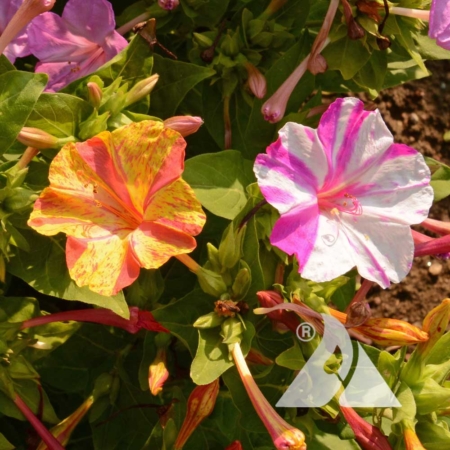
Broken Colors Four O'Clocks are delightful heirloom garden favorites celebrated for their vibrant splashes of color, easy-growing nature, and wonderfully sweet evening fragrance. A cherished cottage garden flower for generations, these charming plants produce an ever-changing display of blooms, with many flowers featuring unique streaks, speckles, and color combinations that make every plant a living work of art. Their ability to perfume the evening garden has made Four O'Clocks one of the most beloved fragrant flowers in the world.
As afternoon begins to fade, the trumpet-shaped blossoms gradually open, revealing an exciting mixture of yellow, white, pink, crimson, magenta, and bicolored flowers, many beautifully streaked or splashed with contrasting colors. At the same time, the flowers release an exceptionally sweet fragrance often compared to jasmine, orange blossoms, and honeysuckle with soft tropical undertones. The perfume grows strongest during the evening hours, filling patios, walkways, and moon gardens with a rich floral scent while attracting hummingbird moths and other beneficial nighttime pollinators. By morning, the blossoms gently close as they prepare to repeat the performance the following evening.
Broken Colors Four O'Clocks thrive in full sun to partial shade and adapt readily to a wide range of well-drained soils. Their vigorous, bushy plants bloom continuously from early summer until frost with very little maintenance, making them ideal for cottage gardens, borders, containers, and naturalized plantings. Once established, they tolerate heat and short periods of drought remarkably well, while their tuberous roots often return year after year in warmer climates. Planted near patios, garden benches, or bedroom windows, their evening fragrance creates an inviting outdoor retreat throughout the summer.
Whether grown for their ever-changing flowers, delightful nighttime perfume, or nostalgic old-fashioned charm, Broken Colors Four O'Clocks never fail to delight gardeners of every age. Their colorful blossoms, carefree nature, and unforgettable evening fragrance create a garden that becomes even more magical after sunset. Few annuals combine such playful beauty with one of the richest perfumes found in the evening garden.
Specifications
- Plant Type: Tender perennial grown as an annual
- Flower Color: Mixed shades of yellow, white, pink, crimson, magenta, and beautifully streaked bicolors
- Foliage: Bright green, bushy foliage
- Plant Height: 24–36 inches
- Spread: 18–30 inches
- Bloom Season: Early summer until frost
- Fragrance: Strong evening perfume with jasmine, honeysuckle, and orange blossom notes
- Sun Requirements: Full sun to partial shade
- Soil Requirements: Well-drained soil; adaptable to most garden soils
- Water Needs: Moderate; drought tolerant once established
- Attracts: Hummingbird moths, butterflies, honeybees, and other beneficial pollinators
- Uses: Cottage gardens, moon gardens, fragrant gardens, borders, containers, mass plantings, naturalized areas
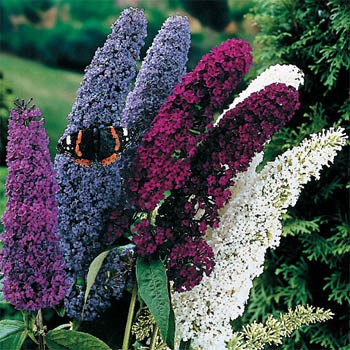
Fragrant Butterfly Bush is one of the finest flowering shrubs for combining delightful fragrance with spectacular pollinator appeal. Native to China, this fast-growing ornamental has become a garden favorite around the world for its graceful arching branches and long, cone-shaped flower clusters that bloom continuously throughout the summer. True to its name, Butterfly Bush quickly becomes a gathering place for butterflies, hummingbirds, honeybees, and countless other beneficial pollinators, transforming the garden into a vibrant display of color and activity.
From early summer until frost, the shrub produces abundant flower spikes in shades of lavender, purple, pink, white, or deep violet, depending on the selection. The blossoms release a sweet honey-like fragrance with soft notes of lilac and vanilla that become especially noticeable on warm sunny afternoons. The pleasant perfume gently drifts through the garden while the nectar-rich flowers attract dozens of butterfly species, creating one of the most spectacular pollinator displays found in ornamental gardening. Positioned near patios, walkways, or outdoor seating areas, the combination of fragrance and constant butterfly activity creates an unforgettable garden experience.
Fragrant Butterfly Bush thrives in full sun and well-drained soil, where it grows rapidly into a handsome shrub with gracefully arching branches. Exceptionally tolerant of summer heat and drought once established, it requires very little maintenance beyond an annual spring pruning to encourage vigorous new growth and abundant flowering. Its extended bloom season makes it an outstanding choice for cottage gardens, wildlife gardens, mixed shrub borders, and fragrant landscapes where months of continuous color and nectar production are desired.
Whether planted as a specimen shrub, a colorful hedge, or the centerpiece of a butterfly garden, Fragrant Butterfly Bush consistently rewards gardeners with beauty, fragrance, and remarkable wildlife activity. Its long-lasting blooms, sweet perfume, and ability to attract butterflies by the dozens have earned it a well-deserved reputation as one of the finest ornamental shrubs available. Few garden plants offer such an impressive combination of fragrance, effortless beauty, and ecological value.
Specifications
- Plant Type: Deciduous flowering shrub
- Flower Color: Lavender, purple, pink, white, or deep violet (depending on selection)
- Foliage: Silvery green lance-shaped leaves
- Plant Height: 5–10 feet
- Spread: 4–8 feet
- Bloom Season: Early summer until frost
- Fragrance: Sweet honey-like fragrance with soft lilac and vanilla notes
- Sun Requirements: Full sun
- Soil Requirements: Well-drained soil; adaptable to many soil types
- Water Needs: Moderate; drought tolerant once established
- Attracts: Butterflies, hummingbirds, honeybees, and other beneficial pollinators
- Uses: Butterfly gardens, wildlife gardens, cottage gardens, shrub borders, hedges, specimen plantings, fragrant gardens
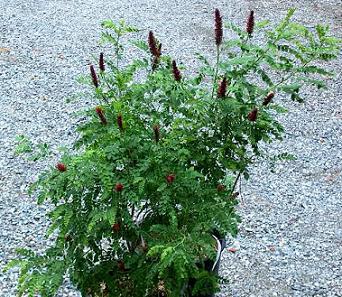
Fragrant False Indigo is a compact native shrub prized for its graceful blue-green foliage, striking purple flower spikes, and pleasantly sweet fragrance. Native to the central United States, this hardy perennial shrub brings the beauty of the prairie into the home landscape while offering excellent drought tolerance and exceptional value for pollinators. Its naturally rounded form and long-lasting blooms make it an outstanding choice for native gardens, cottage landscapes, and low-maintenance borders.
In late spring through early summer, Fragrant False Indigo produces upright spikes of deep violet-purple blossoms accented with brilliant golden-orange stamens that create a stunning contrast against the fine-textured foliage. The flowers release a soft, sweet fragrance with light honey and vanilla notes that is most noticeable on warm sunny afternoons when bees and butterflies are busily gathering nectar. Although the perfume is delicate rather than overpowering, it adds another layer of enjoyment to this already beautiful native shrub while supporting a wide range of beneficial pollinators.
Fragrant False Indigo thrives in full sun and well-drained soil, adapting readily to sandy, rocky, or poor soils once established. Its naturally compact habit requires little pruning and makes it an excellent choice for borders, foundation plantings, prairie gardens, native landscapes, and wildlife habitats. Highly tolerant of heat, drought, and summer conditions, it provides dependable beauty year after year with very little maintenance. Positioned near walkways, patios, or outdoor seating areas, gardeners can appreciate both the delicate fragrance and the steady parade of butterflies and native bees that visit the flowers.
Whether planted to support pollinators, introduce native beauty into the landscape, or simply enjoy its graceful form and subtle fragrance, Fragrant False Indigo is an exceptional ornamental shrub. Its elegant flower spikes, attractive foliage, and rugged adaptability make it one of the finest native shrubs for modern gardens. Few plants combine resilience, wildlife value, and understated fragrance as beautifully as this charming prairie native.
Specifications
- Plant Type: Hardy deciduous shrub
- Flower Color: Deep violet-purple with golden-orange stamens
- Foliage: Fine-textured blue-green compound leaves
- Plant Height: 2–4 feet
- Spread: 2–4 feet
- Bloom Season: Late spring through early summer
- Fragrance: Light sweet fragrance with honey and vanilla notes
- Sun Requirements: Full sun
- Soil Requirements: Well-drained soil; highly tolerant of poor, sandy, and rocky soils
- Water Needs: Low once established
- Attracts: Honeybees, native bees, butterflies, and other beneficial pollinators
- Uses: Native gardens, prairie plantings, cottage gardens, shrub borders, wildlife gardens, xeriscapes, fragrant gardens
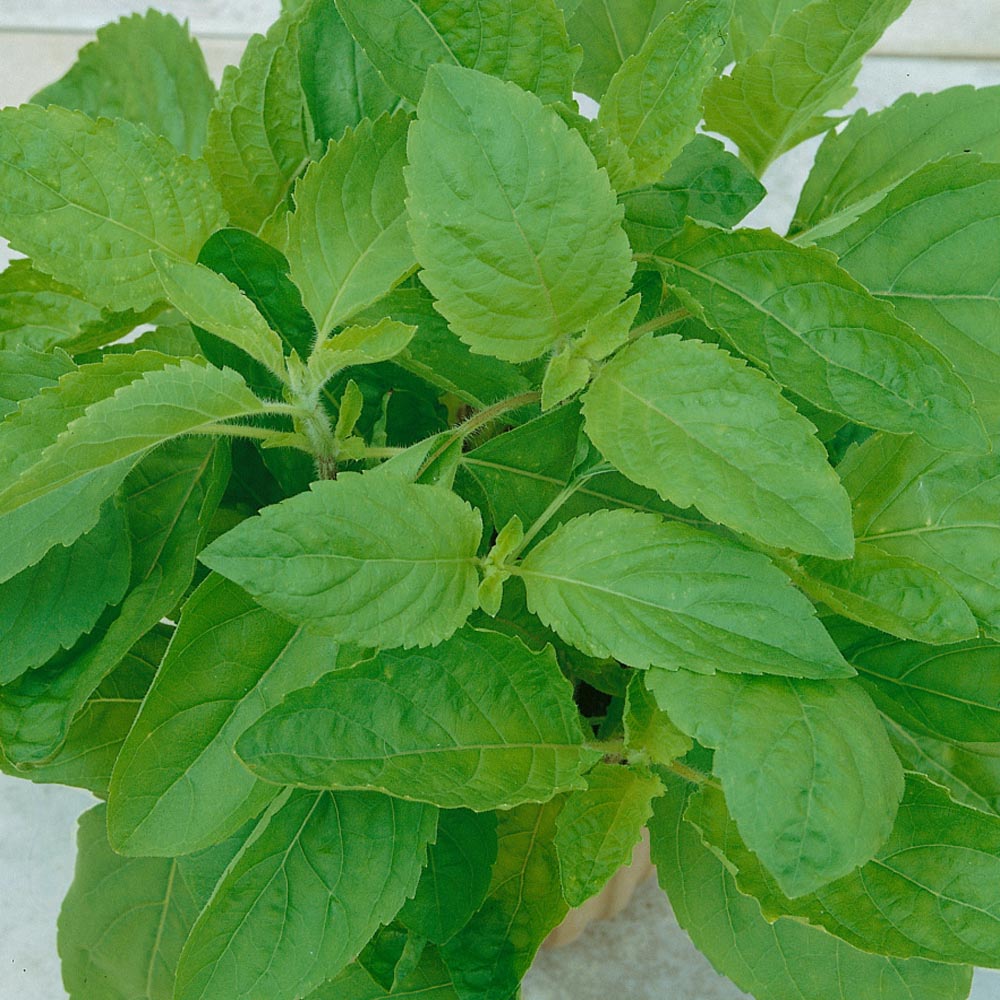
Holy Basil, also known as Tulsi or Sacred Basil, is one of the world's most revered aromatic herbs, celebrated for thousands of years in India for its remarkable fragrance, ornamental beauty, and cultural significance. Unlike culinary basil, Holy Basil is grown primarily for its highly aromatic foliage and abundant flower spikes, which fill the garden with a warm, spicy perfume throughout the growing season. Its graceful appearance and constant pollinator activity make it equally at home in herb gardens, cottage landscapes, and fragrant garden collections.
The lush green to slightly purple-tinged leaves release an intensely aromatic fragrance whenever they are brushed or gently crushed. The scent is a fascinating blend of sweet clove, cinnamon, anise, mint, and peppery spice with subtle hints of citrus, creating one of the most distinctive fragrances found among herbs. During summer, delicate spikes of lavender-white blossoms add another layer of charm while attracting honeybees, butterflies, native pollinators, and beneficial insects in remarkable numbers. Warm sunny afternoons naturally intensify the aromatic oils, allowing the fragrance to drift pleasantly through the garden.
Holy Basil thrives in full sun and fertile, well-drained soil where it quickly develops into a handsome, bushy plant that continues producing fragrant foliage and flowers until frost. Regular harvesting encourages dense branching and a continual supply of fresh aromatic leaves. Planted near patios, garden walkways, outdoor seating areas, or entryways, the rich herbal fragrance can be enjoyed simply by brushing against the foliage. It also performs exceptionally well in containers, making it easy to place near doors or windows where its refreshing scent can be appreciated daily.
Whether grown as a fragrant ornamental, a traditional herb, or a valuable pollinator plant, Holy Basil remains one of the most rewarding herbs in the garden. Its extraordinary fragrance, elegant flower spikes, and long history of cultivation have earned it a place among the world's most treasured aromatic plants. Few herbs combine beauty, fragrance, wildlife value, and cultural heritage as gracefully as Holy Basil.
Specifications
- Plant Type: Tender perennial grown as an annual
- Flower Color: Lavender-white to pale purple
- Foliage: Bright green to slightly purple-tinged aromatic leaves
- Plant Height: 18–30 inches
- Spread: 18–24 inches
- Bloom Season: Summer until frost
- Fragrance: Rich aromatic blend of clove, cinnamon, mint, anise, pepper, and light citrus notes
- Sun Requirements: Full sun
- Soil Requirements: Rich, fertile, well-drained soil
- Water Needs: Moderate; prefers consistent moisture
- Attracts: Honeybees, native bees, butterflies, and other beneficial pollinators
- Uses: Herb gardens, fragrant gardens, pollinator gardens, containers, cottage gardens, traditional herbal plantings
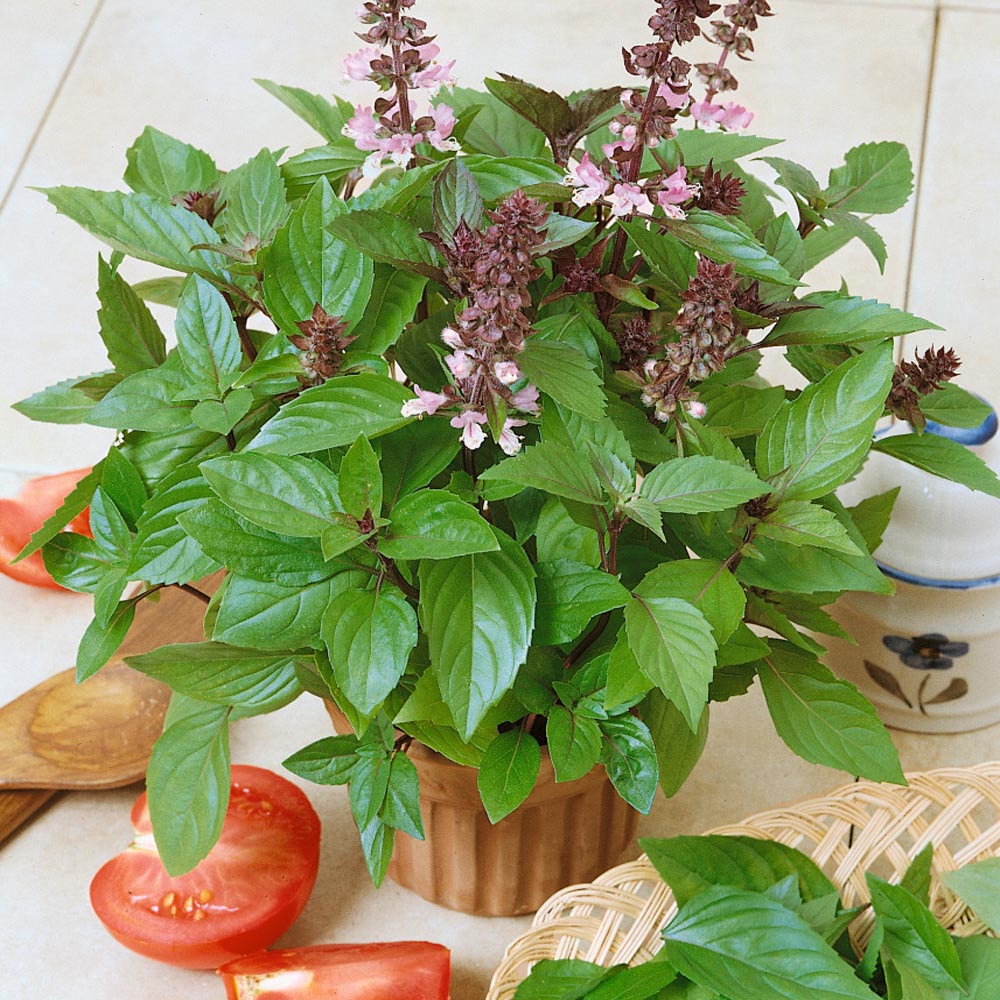
Cinnamon Basil is one of the most aromatic and visually striking members of the basil family, combining the familiar sweetness of traditional basil with the warm, inviting scent of cinnamon. Native to the tropics and long cultivated by herb enthusiasts, this unique variety is prized for its highly fragrant foliage, attractive purple stems, and delicate lavender blossoms. It is equally at home in herb gardens, ornamental borders, containers, and fragrant landscapes where both its beauty and delightful aroma can be fully appreciated.
The glossy green leaves release an unmistakable fragrance whenever they are brushed or harvested, blending sweet basil with warm cinnamon, cloves, and subtle spicy notes. During midsummer, elegant spikes of lavender-pink flowers rise above the foliage, adding ornamental appeal while attracting honeybees, butterflies, and numerous beneficial pollinators. On warm sunny afternoons, the aromatic oils become especially pronounced, gently perfuming the surrounding garden and making Cinnamon Basil a pleasure to encounter along walkways, patios, or outdoor seating areas.
Cinnamon Basil thrives in full sun and fertile, well-drained soil where it quickly develops into a handsome, bushy plant. Regular harvesting encourages vigorous branching and a continuous supply of fragrant leaves throughout the growing season. Its attractive purple stems and colorful flower spikes make it one of the most ornamental basils available, allowing it to blend beautifully into cottage gardens and mixed flower borders as well as traditional herb gardens. It also performs exceptionally well in containers, bringing its delightful fragrance close to kitchens, patios, and entryways.
Whether grown for its unique fragrance, culinary versatility, ornamental beauty, or pollinator value, Cinnamon Basil is a rewarding addition to any garden. Its warm spicy aroma, elegant appearance, and long season of attractive blooms set it apart from ordinary basil varieties. Few herbs combine such rich fragrance, colorful garden appeal, and ease of cultivation, making Cinnamon Basil an outstanding choice for gardeners who appreciate plants that delight both the senses and the landscape.
Specifications
- Plant Type: Tender annual herb
- Flower Color: Lavender-pink
- Foliage: Bright green leaves with attractive purple stems
- Plant Height: 24–30 inches
- Spread: 12–18 inches
- Bloom Season: Mid-summer until frost
- Fragrance: Sweet basil with warm cinnamon, clove, and spicy notes
- Sun Requirements: Full sun
- Soil Requirements: Rich, fertile, well-drained soil
- Water Needs: Moderate; prefers consistent moisture
- Attracts: Honeybees, butterflies, and other beneficial pollinators
- Uses: Herb gardens, fragrant gardens, containers, cottage gardens, pollinator gardens, ornamental borders, culinary use
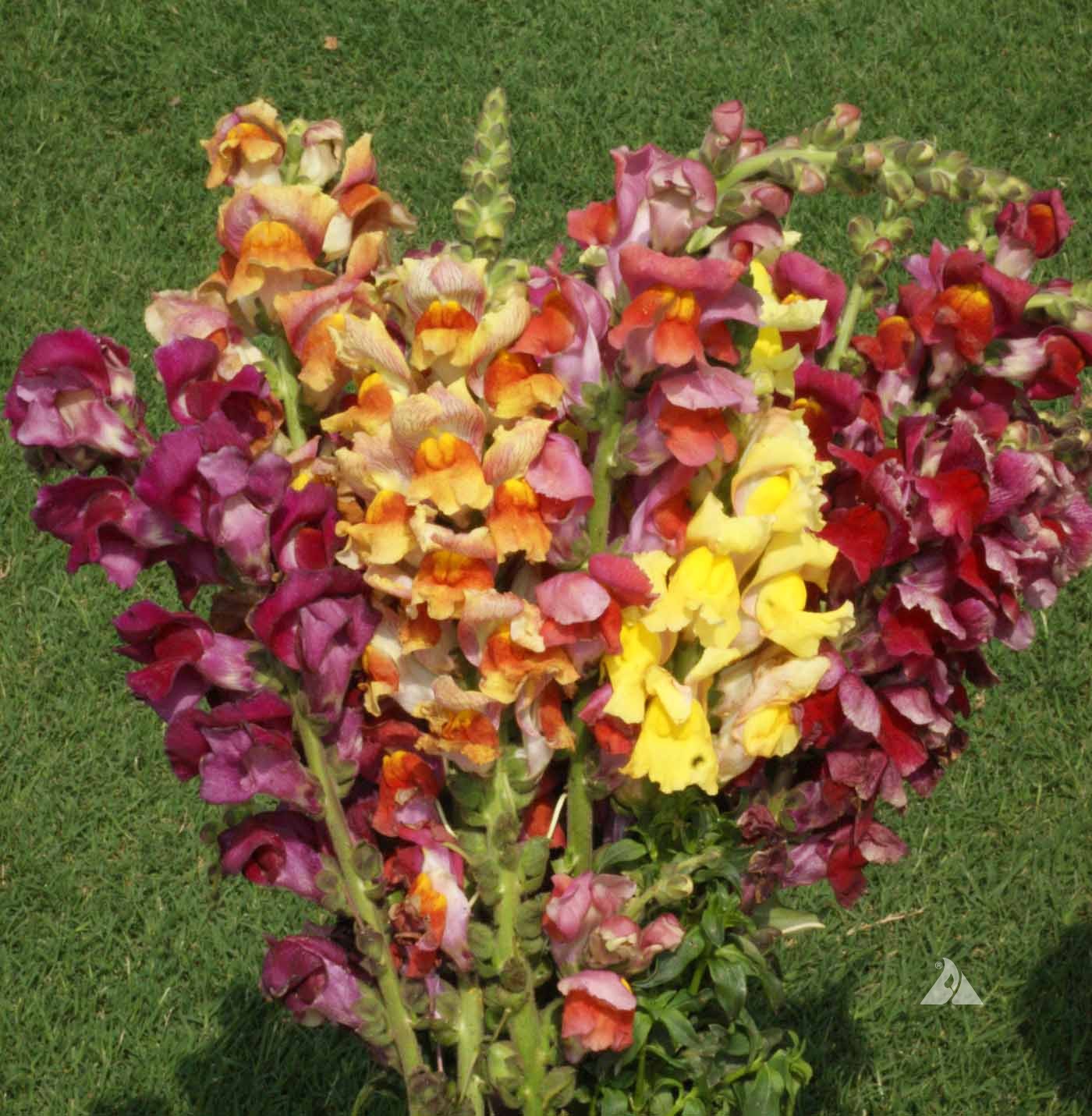
Tetra Mix Snapdragon is a premium garden Snapdragon prized for its towering flower spikes, vibrant blend of colors, and delightfully sweet fragrance. The Tetra series is known for producing extra-large blossoms on sturdy, weather-resistant stems, making it equally valuable in flower borders and cutting gardens. With its elegant form and old-fashioned perfume, Tetra Mix brings classic cottage garden charm to the landscape while providing months of colorful blooms from spring through fall.
The impressive flower spikes bloom in a beautiful mixture of white, yellow, pink, rose, crimson, lavender, and deep red, creating a brilliant display that complements almost any garden setting. Beyond their striking appearance, the blossoms release a soft, sweet fragrance with delicate honey and floral notes that become most noticeable during warm afternoons and calm evenings. While the perfume is refined rather than overpowering, a generous planting creates a welcoming fragrance that attracts honeybees, butterflies, bumblebees, and other beneficial pollinators throughout the blooming season.
Tetra Mix thrives in full sun and fertile, well-drained soil, producing vigorous plants with excellent branching and exceptionally long flower spikes. Regular removal of spent blooms encourages continuous flowering well into the cooler months, while the sturdy stems make outstanding cut flowers that bring both color and subtle fragrance indoors. Planted along garden paths, near patios, or in cottage gardens, Tetra Mix creates an inviting display where its beautiful blooms and gentle perfume can be appreciated up close.
Whether grown for spectacular floral arrangements, vibrant garden color, or its nostalgic fragrance, Tetra Mix Snapdragon remains one of the finest traditional annual flowers. Its tall flower spikes, dependable garden performance, and sweet floral scent continue to make it a favorite among gardeners who appreciate flowers that appeal to both the eyes and the senses. Few annuals combine classic elegance, extended bloom time, and graceful fragrance as beautifully as this exceptional Snapdragon.
Specifications
- Plant Type: Annual
- Flower Color: Mixed shades of white, yellow, pink, rose, crimson, lavender, and red
- Foliage: Bright green lance-shaped leaves
- Plant Height: 24–36 inches
- Spread: 12–15 inches
- Bloom Season: Spring through fall
- Fragrance: Light sweet floral fragrance with delicate honey notes
- Sun Requirements: Full sun
- Soil Requirements: Rich, fertile, well-drained soil
- Water Needs: Moderate; prefers evenly moist soil
- Attracts: Honeybees, bumblebees, butterflies, and other beneficial pollinators
- Uses: Cottage gardens, cutting gardens, borders, containers, mass plantings, fragrant gardens
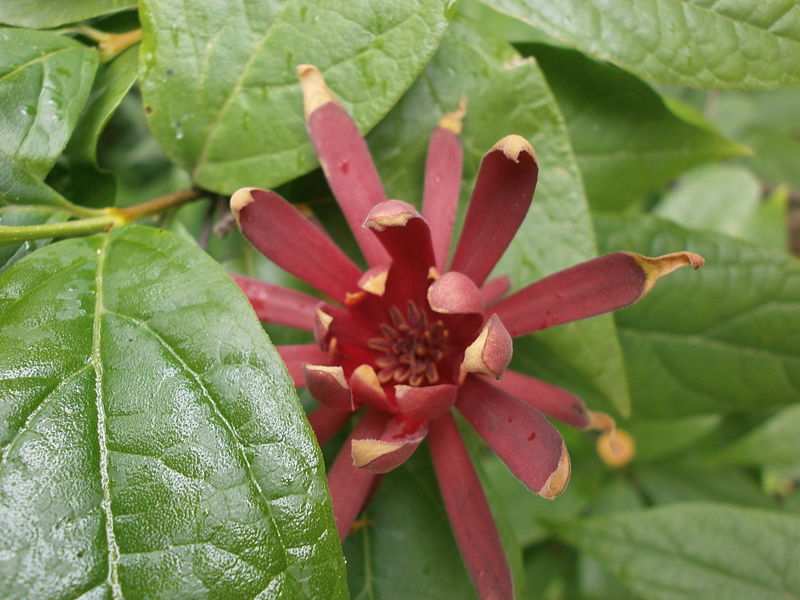
Sweet Shade, also known as Carolina Allspice or Sweetshrub, is one of North America's finest native fragrant shrubs. Native to the woodlands of the southeastern United States, this handsome deciduous shrub has delighted gardeners for centuries with its unusual mahogany-red blossoms and wonderfully spicy fragrance. Its attractive foliage, graceful branching, and adaptability to both sun and shade make it an outstanding choice for woodland gardens, cottage landscapes, and fragrant shrub borders.
From mid to late spring, the shrub produces distinctive, magnolia-like flowers with numerous deep burgundy to chocolate-red petals that release a rich, spicy fragrance unlike almost any other garden plant. The perfume is often compared to strawberries, ripe apples, cloves, cinnamon, and warm spices, with each plant displaying its own subtle fragrance variations. On warm spring afternoons, the blossoms perfume the surrounding garden while the aromatic leaves and twigs release an equally pleasant scent when gently brushed or crushed. Even the seed pods retain a spicy fragrance well into autumn, extending the plant's sensory appeal long after flowering has ended.
Sweet Shade thrives in full sun to partial shade and performs exceptionally well in rich, well-drained soil with consistent moisture. Once established, it forms a dense, rounded shrub that provides season-long beauty with glossy green foliage that turns attractive shades of golden yellow in autumn. Its natural woodland heritage makes it especially valuable beneath tall trees, along shaded garden paths, or near patios where its remarkable fragrance can be appreciated during spring bloom. The flowers also attract native bees and other beneficial pollinators while the dense growth provides shelter for songbirds and wildlife.
Whether planted as a fragrant specimen, incorporated into a woodland garden, or featured in a mixed shrub border, Sweet Shade is a timeless native treasure. Its unique spicy perfume, handsome foliage, and exceptional adaptability have made it one of America's most beloved flowering shrubs. Few native plants offer such an appealing combination of fragrance, beauty, and four-season garden interest, making Sweet Shade a remarkable addition to any landscape.
Specifications
- Plant Type: Deciduous flowering shrub
- Flower Color: Deep burgundy to mahogany-red
- Foliage: Glossy medium-green leaves with golden fall color
- Plant Height: 6–10 feet
- Spread: 6–10 feet
- Bloom Season: Mid to late spring
- Fragrance: Rich spicy fragrance with notes of strawberry, apple, clove, cinnamon, and warm spices; aromatic foliage and twigs
- Sun Requirements: Full sun to partial shade
- Soil Requirements: Rich, fertile, well-drained soil
- Water Needs: Moderate; appreciates consistent moisture
- Attracts: Native bees and other beneficial pollinators
- Uses: Woodland gardens, shrub borders, cottage gardens, specimen plantings, fragrant gardens, naturalized landscapes
Pink Pop Agastache is a delightful perennial celebrated for its vibrant rosy-pink flower spikes, wonderfully aromatic foliage, and exceptional value to pollinators. A member of the hummingbird mint family, this attractive mountain native combines outstanding drought tolerance with months of colorful blooms and a refreshing herbal fragrance. Its compact growth habit and long flowering season make it an excellent choice for fragrant gardens, cottage borders, rock gardens, and water-wise landscapes.
Beginning in early summer, Pink Pop produces upright spikes of brilliant rosy-pink blossoms that continue flowering well into autumn. While the flowers themselves carry a light, sweet nectar fragrance, the foliage is intensely aromatic, releasing a refreshing blend of mint, anise, and licorice with subtle citrus notes whenever the leaves are gently brushed or warmed by the afternoon sun. The nectar-rich blooms quickly become a favorite destination for hummingbirds, butterflies, honeybees, and native pollinators, filling the garden with constant activity throughout the growing season.
Pink Pop thrives in full sun and well-drained soil, where it forms neat, bushy clumps that tolerate heat, drought, and poor soils with remarkable ease once established. Its naturally compact size makes it ideal for borders, perennial beds, containers, xeriscapes, and herb gardens. Planted along walkways, beside patios, or near outdoor seating areas, gardeners can enjoy both the refreshing fragrance of the foliage and the continual visits from hummingbirds that seem almost irresistible to its colorful blooms.
Whether grown for its aromatic foliage, vibrant flower spikes, or outstanding wildlife value, Pink Pop Agastache is a rewarding addition to any sunny landscape. Its refreshing herbal fragrance, exceptionally long bloom season, and carefree nature make it one of the finest perennials for gardeners seeking beauty, fragrance, and pollinator activity in one easy-to-grow plant. Few perennials provide such a perfect blend of ornamental appeal and ecological value.
Specifications
- Plant Type: Hardy perennial
- Flower Color: Bright rosy pink
- Foliage: Bright green aromatic leaves
- Plant Height: 18–24 inches
- Spread: 18–24 inches
- Bloom Season: Early summer through fall
- Fragrance: Aromatic foliage with refreshing mint, anise, licorice, and light citrus notes
- Sun Requirements: Full sun
- Soil Requirements: Well-drained soil; tolerant of poor and rocky soils
- Water Needs: Low once established
- Attracts: Hummingbirds, butterflies, honeybees, native bees, and other beneficial pollinators
- Uses: Fragrant gardens, pollinator gardens, cottage gardens, perennial borders, containers, xeriscapes, herb gardens
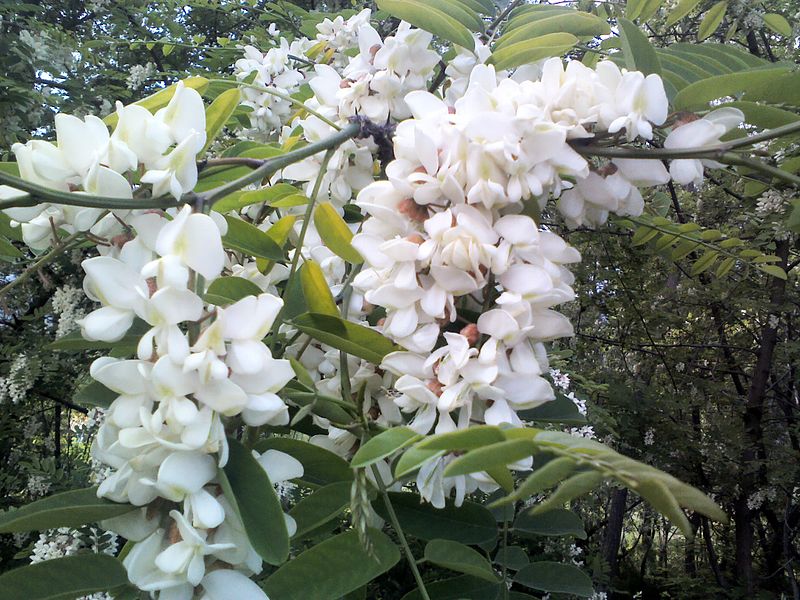
Black Locust, also known as False Acacia, is one of North America's most fragrant flowering trees, admired for its graceful form, abundant spring blossoms, and wonderfully sweet perfume. Native to the Appalachian region and eastern United States, this fast-growing deciduous tree has long been planted for its ornamental beauty, durable hardwood, and remarkable ability to enrich the soil through natural nitrogen fixation. During bloom, it becomes one of the most impressive nectar-producing trees in the landscape, filling the air with fragrance while attracting countless pollinators.
In late spring, the tree is adorned with long, pendulous clusters of creamy white, pea-like blossoms that release a rich, intoxicating fragrance often compared to orange blossoms, honey, vanilla, and sweet peas. The perfume is especially noticeable on warm, sunny afternoons when it drifts gracefully through the landscape, often scenting an entire yard. The nectar-rich flowers are legendary among beekeepers, producing one of the finest and lightest-colored honeys available. Honeybees, butterflies, native bees, and numerous beneficial insects flock to the blossoms, transforming the tree into a living symphony of pollinator activity.
Black Locust thrives in full sun and adapts readily to a wide variety of soils, including sandy, rocky, and nutrient-poor locations where many other trees struggle. Its rapid growth, drought tolerance, and nitrogen-fixing roots make it valuable for naturalized landscapes, wildlife plantings, erosion control, and reforestation projects. The attractive compound foliage casts a light, filtered shade that complements woodland gardens, while its spring fragrance makes it an exceptional specimen tree near patios, walkways, and outdoor living areas.
Whether grown for its extraordinary fragrance, valuable pollinator support, or rugged adaptability, Black Locust remains one of America's finest native flowering trees. Its elegant white blossoms, sweet perfume, and graceful appearance have made it a favorite for generations of gardeners and beekeepers alike. Few trees can rival the unforgettable experience of standing beneath a mature Black Locust in full bloom as its sweet fragrance fills the warm spring air.
Specifications
- Plant Type: Deciduous flowering tree
- Flower Color: Creamy white
- Foliage: Bright green compound leaves
- Plant Height: 40–70 feet
- Spread: 25–40 feet
- Bloom Season: Mid to late spring
- Fragrance: Rich sweet perfume with notes of honey, orange blossom, vanilla, and sweet pea
- Sun Requirements: Full sun
- Soil Requirements: Adaptable; thrives in well-drained soils including sandy, rocky, and poor sites
- Water Needs: Moderate; drought tolerant once established
- Attracts: Honeybees, native bees, butterflies, and other beneficial pollinators
- Uses: Specimen tree, shade tree, pollinator gardens, wildlife habitat, reforestation, erosion control, fragrant landscapes, honey production
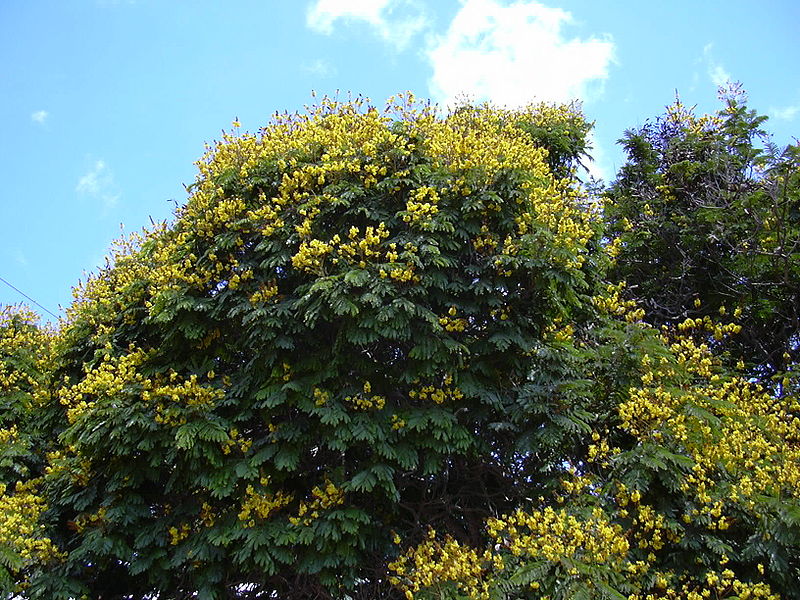
Copper Pod Tree is a magnificent tropical flowering tree admired for its enormous clusters of brilliant golden blossoms, graceful fern-like foliage, and pleasantly fragrant flowers. Native to Southeast Asia, this spectacular ornamental has become one of the world's most popular flowering shade trees, transforming streets, parks, and gardens into breathtaking displays of golden color each summer. Its broad canopy, elegant appearance, and sweet floral fragrance make it an exceptional choice for tropical and subtropical landscapes.
During late spring and summer, the tree becomes almost completely covered with towering sprays of bright golden-yellow flowers that release a light, sweet fragrance with delicate honey and floral notes. The blossoms are especially fragrant during warm sunny afternoons when gentle breezes carry their pleasant scent throughout the garden. Honeybees, butterflies, native pollinators, and other beneficial insects are drawn to the abundant nectar, creating a lively display of activity beneath the glowing canopy. As flowering comes to an end, distinctive coppery-red seed pods develop, giving the tree its well-earned common name and extending its ornamental appeal well into autumn.
Copper Pod Tree thrives in full sun and well-drained soil, where it grows rapidly into a broad, spreading shade tree with attractive feathery foliage that resembles a giant mimosa. Once established, it tolerates heat, drought, and a wide range of soil conditions, making it an outstanding specimen for parks, avenues, large lawns, and tropical gardens. Planted near patios, driveways, or outdoor seating areas, the tree provides welcome shade while allowing gardeners to enjoy both the cheerful flowers and their gentle fragrance throughout the blooming season.
Whether grown for its spectacular floral display, graceful shade, or subtle fragrance, Copper Pod Tree is one of the finest flowering trees for warm climates. Its brilliant golden blossoms, elegant canopy, and dependable garden performance have made it a favorite across the tropics for generations. Few trees combine such dramatic beauty with pleasant fragrance and exceptional pollinator value, making Copper Pod Tree a true centerpiece for any fragrant landscape.
Specifications
- Plant Type: Tropical deciduous to semi-evergreen flowering tree
- Flower Color: Brilliant golden yellow
- Foliage: Fine-textured, fern-like bright green leaves
- Plant Height: 40–60 feet
- Spread: 30–50 feet
- Bloom Season: Late spring through summer
- Fragrance: Light sweet floral fragrance with delicate honey notes
- Sun Requirements: Full sun
- Soil Requirements: Well-drained soil; adaptable to a variety of soil types
- Water Needs: Moderate; drought tolerant once established
- Attracts: Honeybees, butterflies, native pollinators, and other beneficial insects
- Uses: Shade tree, specimen tree, parks, avenues, tropical gardens, fragrant landscapes, pollinator gardens
Japanese Mock Orange is one of the finest evergreen shrubs for adding year-round beauty and unforgettable fragrance to the landscape. Native to Japan, China, and Korea, this handsome broadleaf evergreen is prized for its dense glossy foliage, naturally rounded growth habit, and clusters of intensely fragrant white blossoms. Equally at home in formal landscapes, cottage gardens, and coastal plantings, Japanese Mock Orange has become a favorite wherever dependable evergreen structure and spring fragrance are desired.
In mid to late spring, the shrub becomes covered with clusters of creamy white, star-shaped flowers that release a remarkably rich fragrance often compared to orange blossoms, jasmine, and gardenia. The sweet citrus-like perfume is especially noticeable during warm afternoons and calm evenings, drifting through the garden and welcoming visitors long before the flowers come into view. Honeybees, butterflies, and other beneficial pollinators eagerly visit the nectar-rich blossoms, adding life and movement to the garden while enhancing its delightful springtime atmosphere.
Japanese Mock Orange thrives in full sun to partial shade and adapts well to a wide range of well-drained soils. Exceptionally tolerant of heat, salt spray, drought, and urban conditions once established, it is an outstanding choice for foundation plantings, evergreen hedges, specimen shrubs, privacy screens, and patio gardens. Its dense, glossy foliage remains attractive throughout the year, providing an elegant backdrop even after the fragrant flowers have finished blooming. Positioned near entryways, walkways, patios, or outdoor seating areas, its extraordinary fragrance can be fully appreciated each spring.
Whether planted as a formal hedge, a specimen shrub, or as part of a fragrant garden collection, Japanese Mock Orange is one of the most rewarding evergreen shrubs available. Its beautiful foliage, outstanding durability, and unforgettable orange blossom fragrance have made it a landscape favorite for generations. Few evergreen shrubs offer such an impressive combination of four-season beauty, easy care, and intoxicating spring perfume.
Specifications
- Plant Type: Evergreen flowering shrub
- Flower Color: Creamy white
- Foliage: Glossy deep green evergreen leaves
- Plant Height: 6–10 feet
- Spread: 6–10 feet
- Bloom Season: Mid to late spring
- Fragrance: Rich orange blossom fragrance with jasmine and gardenia notes
- Sun Requirements: Full sun to partial shade
- Soil Requirements: Well-drained soil; adaptable to many soil types
- Water Needs: Moderate; drought tolerant once established
- Attracts: Honeybees, butterflies, and other beneficial pollinators
- Uses: Foundation plantings, evergreen hedges, privacy screens, specimen shrubs, coastal gardens, fragrant gardens, patio plantings
Disease Resistance
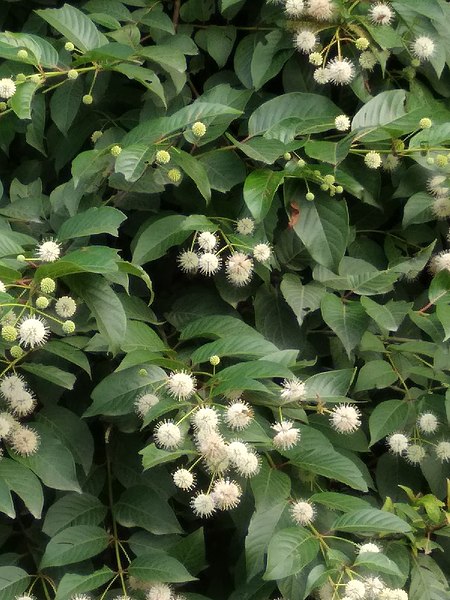
Button Bush is one of North America's most distinctive native flowering shrubs, admired for its unusual globe-shaped blossoms, sweet fragrance, and extraordinary value to wildlife. Native to wetlands, stream banks, and pond edges throughout much of the United States, this hardy shrub has become a favorite among gardeners seeking a beautiful ornamental that also supports butterflies, bees, hummingbirds, and countless beneficial insects. Its unique flowers and long bloom season make it an unforgettable addition to naturalized landscapes and pollinator gardens.
Beginning in early summer, Button Bush produces fascinating spherical flower clusters composed of hundreds of tiny creamy white blossoms, each extending elegant, pin-like styles that create the appearance of miniature pincushions. The blooms release a pleasant honey-sweet fragrance with delicate jasmine-like undertones that is most noticeable on warm sunny afternoons. The abundant nectar attracts an astonishing variety of pollinators including honeybees, native bees, butterflies, hummingbirds, and beneficial insects, making Button Bush one of the finest native shrubs for supporting wildlife throughout the growing season.
Button Bush thrives in full sun to partial shade and naturally prefers moist or even wet soils, making it an excellent choice for rain gardens, pond margins, stream banks, low-lying areas, and naturalized landscapes where many ornamental shrubs struggle. Although happiest in consistently moist soil, it also adapts well to average garden conditions once established. Its attractive rounded form, glossy green foliage, and interesting reddish seed heads provide ornamental value long after flowering has ended, while birds readily feed on the seeds during autumn and winter.
Whether planted to support pollinators, beautify a pond, or create a thriving native landscape, Button Bush is one of the most rewarding shrubs available. Its unusual fragrant flowers, dependable performance, and tremendous ecological importance have earned it a well-deserved reputation as one of America's premier native flowering shrubs. Few plants combine such fascinating beauty with outstanding wildlife value and subtle summer fragrance.
Specifications
- Plant Type: Deciduous native flowering shrub
- Flower Color: Creamy white
- Foliage: Glossy bright green leaves
- Plant Height: 6–12 feet
- Spread: 6–10 feet
- Bloom Season: Early to mid-summer
- Fragrance: Sweet honey-like fragrance with light jasmine notes
- Sun Requirements: Full sun to partial shade
- Soil Requirements: Moist to wet soils; adaptable to average garden soils
- Water Needs: Moderate to high; thrives in consistently moist locations
- Attracts: Honeybees, native bees, butterflies, hummingbirds, beneficial insects, and songbirds
- Uses: Rain gardens, pond edges, stream banks, pollinator gardens, wildlife habitats, native landscapes, naturalized plantings
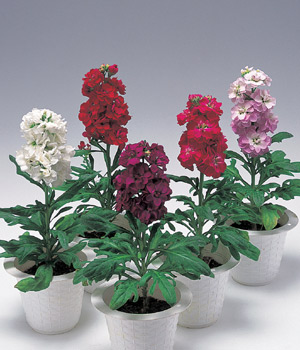
Harmony Mix Stock is a delightful blend of compact, early-flowering Stocks that combines brilliant colors with one of the richest fragrances found among annual flowers. This classic mixture produces dense spikes of fully double blossoms in an array of vibrant shades, bringing old-fashioned cottage garden charm and unforgettable perfume to borders, containers, and cutting gardens. Its compact habit makes it especially well suited to smaller gardens where both color and fragrance can be enjoyed up close.
From spring into early summer, the sturdy flower spikes are covered with richly colored blooms in shades of white, cream, pink, rose, lavender, crimson, purple, and soft apricot. Each blossom releases the classic Stock fragrance—a wonderfully sweet, spicy perfume with notes of cloves, carnations, vanilla, and warm spring flowers. The fragrance is strongest during the cool hours of morning and evening, gently drifting through the garden and filling freshly cut bouquets with a scent that lingers indoors for many days. Even a modest planting provides an impressive display of both color and perfume.
Harmony Mix thrives in full sun and fertile, well-drained soil, preferring the cool temperatures of spring and early summer. Its naturally compact, well-branched plants are ideal for borders, containers, window boxes, cottage gardens, and mass plantings where their colorful flower spikes create a cheerful display. Regular watering and the removal of faded flower stems encourage prolonged blooming, while the nectar-rich flowers attract honeybees and other beneficial pollinators throughout the flowering season.
Whether grown for fragrant bouquets, colorful bedding displays, or a traditional cottage garden, Harmony Mix Stock remains one of the finest annual flowers for combining beauty with unforgettable fragrance. Its compact size, broad range of brilliant colors, and rich spicy perfume make it an excellent choice for gardeners who want maximum impact in a smaller space. Few flowers offer such a perfect harmony of color, fragrance, and timeless garden appeal.
Specifications
- Plant Type: Hardy annual
- Flower Color: Mixed shades of white, cream, pink, rose, lavender, crimson, purple, apricot, and soft pastels
- Plant Height: 12–18 inches
- Spread: 8–12 inches
- Bloom Season: Spring through early summer
- Fragrance: Rich spicy clove-like perfume with sweet carnation and vanilla notes
- Sun Requirements: Full sun
- Soil Requirements: Rich, fertile, well-drained soil
- Water Needs: Moderate; prefers evenly moist soil
- Attracts: Honeybees and other beneficial pollinators
- Uses: Borders, containers, window boxes, cottage gardens, cutting gardens, mass plantings, fragrant gardens
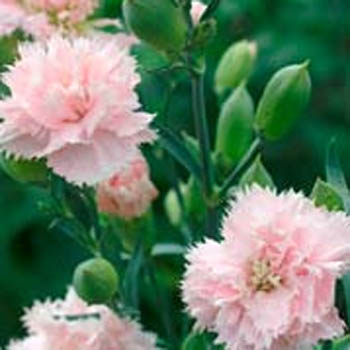
Chabaud La France Fragrant Carnations are among the most celebrated heirloom carnations ever introduced, treasured for their large, fully double blossoms and extraordinary perfume. Developed from the famous Chabaud strain, this classic variety has been a favorite in European cottage gardens and cutting gardens for well over a century. Its elegant flowers, exceptional fragrance, and long-lasting blooms make it one of the finest carnations for gardeners who appreciate both beauty and old-fashioned charm.
Throughout the growing season, sturdy stems produce luxurious double flowers in soft shades of blush pink, shell pink, and delicate rose. Each blossom releases the classic carnation fragrance—a rich, spicy perfume with notes of cloves, cinnamon, vanilla, and sweet floral undertones. The scent is strongest during the cool morning hours and again as evening approaches, gently perfuming the surrounding garden and making freshly cut bouquets wonderfully fragrant indoors. The nectar-rich flowers are also visited by butterflies and beneficial pollinators, adding even more life to the garden.
Chabaud La France thrives in full sun and fertile, well-drained soil, producing strong upright plants ideal for borders, cutting gardens, cottage gardens, and containers. Regular deadheading encourages a continual succession of blooms from late spring until frost, while the sturdy flower stems make excellent long-lasting cut flowers. Planted near patios, garden benches, walkways, or entryways, their unforgettable fragrance can be enjoyed every time you pass through the garden.
Whether grown for elegant bouquets, nostalgic cottage gardens, or simply to enjoy one of the finest floral fragrances available, Chabaud La France Fragrant Carnations remain an enduring favorite. Their exquisite blossoms, exceptional vase life, and rich clove-like perfume have made them one of the world's most beloved carnations. Few flowers combine timeless elegance, remarkable fragrance, and dependable garden performance quite so beautifully.
Specifications
- Plant Type: Hardy annual (often grown as a cool-season annual)
- Flower Color: Soft blush pink, shell pink, and delicate rose
- Foliage: Slender blue-green leaves
- Plant Height: 18–24 inches
- Spread: 10–14 inches
- Bloom Season: Late spring through frost
- Fragrance: Rich spicy clove fragrance with notes of cinnamon, vanilla, and sweet carnations
- Sun Requirements: Full sun
- Soil Requirements: Rich, fertile, well-drained soil
- Water Needs: Moderate; prefers evenly moist soil
- Attracts: Butterflies, honeybees, and other beneficial pollinators
- Uses: Cutting gardens, cottage gardens, borders, containers, fragrant gardens, floral arrangements
Chabaud La France Fragrant Carnations are among the most celebrated heirloom carnations ever introduced, treasured for their large, fully double blossoms and extraordinary perfume. Developed from the famous Chabaud strain, this classic variety has been a favorite in European cottage gardens and cutting gardens for well over a century. Its elegant flowers, exceptional fragrance, and long-lasting blooms make it one of the finest carnations for gardeners who appreciate both beauty and old-fashioned charm.
Throughout the growing season, sturdy stems produce luxurious double flowers in soft shades of blush pink, shell pink, and delicate rose. Each blossom releases the classic carnation fragrance—a rich, spicy perfume with notes of cloves, cinnamon, vanilla, and sweet floral undertones. The scent is strongest during the cool morning hours and again as evening approaches, gently perfuming the surrounding garden and making freshly cut bouquets wonderfully fragrant indoors. The nectar-rich flowers are also visited by butterflies and beneficial pollinators, adding even more life to the garden.
Chabaud La France thrives in full sun and fertile, well-drained soil, producing strong upright plants ideal for borders, cutting gardens, cottage gardens, and containers. Regular deadheading encourages a continual succession of blooms from late spring until frost, while the sturdy flower stems make excellent long-lasting cut flowers. Planted near patios, garden benches, walkways, or entryways, their unforgettable fragrance can be enjoyed every time you pass through the garden.
Whether grown for elegant bouquets, nostalgic cottage gardens, or simply to enjoy one of the finest floral fragrances available, Chabaud La France Fragrant Carnations remain an enduring favorite. Their exquisite blossoms, exceptional vase life, and rich clove-like perfume have made them one of the world's most beloved carnations. Few flowers combine timeless elegance, remarkable fragrance, and dependable garden performance quite so beautifully.
Specifications
- Plant Type: Hardy annual (often grown as a cool-season annual)
- Flower Color: Soft blush pink, shell pink, and delicate rose
- Foliage: Slender blue-green leaves
- Plant Height: 18–24 inches
- Spread: 10–14 inches
- Bloom Season: Late spring through frost
- Fragrance: Rich spicy clove fragrance with notes of cinnamon, vanilla, and sweet carnations
- Sun Requirements: Full sun
- Soil Requirements: Rich, fertile, well-drained soil
- Water Needs: Moderate; prefers evenly moist soil
- Attracts: Butterflies, honeybees, and other beneficial pollinators
- Uses: Cutting gardens, cottage gardens, borders, containers, fragrant gardens, floral arrangements
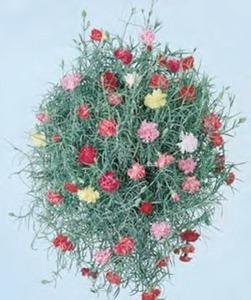
Sweetest Silver Dianthus is a compact, exceptionally fragrant flowering perennial grown for its masses of silvery-white blossoms and rich clove-like perfume. Blooming freely from late spring into summer, this charming variety produces hundreds of delicately fringed flowers that create an elegant display in borders, rock gardens, pathways, and containers. Its sweet fragrance is especially noticeable during the evening hours, making it a favorite for patios and outdoor living spaces.
The compact blue-green foliage forms neat evergreen mounds that remain attractive throughout much of the year in mild climates. Plants typically reach 8 to 12 inches in height with a slightly wider spread, making them ideal for edging beds or filling smaller garden spaces. Regular deadheading encourages repeat flowering, extending the colorful display well into the growing season.
Sweetest Silver performs best in full sun with well-drained soil and tolerates heat, short periods of drought, and poor soils once established. Excellent drainage is especially important during winter months to prevent crown rot. Its drought tolerance and easy-care nature make it an excellent choice for xeriscapes, cottage gardens, alpine plantings, and low-maintenance landscapes.
Highly attractive to bees, butterflies, and other beneficial pollinators, the fragrant blossoms also make outstanding cut flowers for small bouquets and indoor arrangements. Deer and rabbits generally leave Dianthus alone because of its aromatic foliage, allowing gardeners to enjoy reliable blooms with minimal browsing damage. Sweetest Silver combines outstanding fragrance, extended flowering, and exceptional garden performance into one delightful perennial.
Specifications
Botanical Name: Dianthus sp.
Plant Type: Hardy perennial
Height: 8–12 inches
Spread: 10–14 inches
Flower Color: Silvery white
Fragrance: Very strong, sweet clove-like fragrance
Bloom Season: Late spring through summer, often reblooming
Sun Requirements: Full sun
Soil Requirements: Well-drained, average to sandy soil
Water Needs: Moderate; drought tolerant once established
Hardiness: USDA Zones 4–9
Pollinator Friendly: Yes – attracts bees and butterflies
Deer Resistant: Generally yes
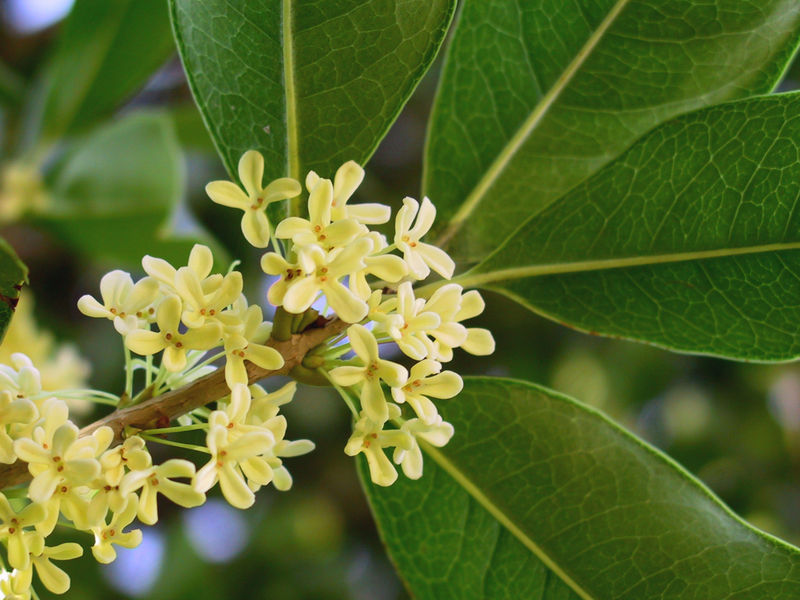
Tea Olive is one of the world's most treasured fragrant evergreen shrubs, prized for its tiny ivory-white flowers that release an incredibly rich perfume capable of filling an entire garden. Although the blossoms are small and often hidden among the glossy leaves, their sweet scent—often compared to ripe peaches, apricots, jasmine, and fine tea—is remarkably powerful. Blooming several times each year, Tea Olive creates an unforgettable sensory experience wherever it is planted.
Native to eastern Asia, this handsome evergreen develops into a dense, upright shrub or small ornamental tree with attractive deep green foliage that provides year-round beauty. Mature plants typically reach 10 to 20 feet in height, although they can be easily maintained at a smaller size through occasional pruning. The lustrous leaves and naturally symmetrical form make Tea Olive equally valuable as a specimen plant, privacy screen, hedge, or foundation planting.
Tea Olive thrives in full sun to partial shade and performs best in fertile, well-drained soils with moderate moisture. Once established, it demonstrates excellent drought tolerance and adapts well to a wide variety of garden conditions. The flowers often appear in flushes during spring and fall, with additional blooming following periods of mild weather, allowing gardeners to enjoy its remarkable fragrance over an extended season.
Butterflies and other beneficial pollinators frequently visit the nectar-rich blossoms, while the dense evergreen foliage provides excellent shelter for songbirds throughout the year. Long cultivated in China and Japan, the highly fragrant flowers have traditionally been used to scent teas, desserts, wines, and perfumes. Today, Tea Olive remains one of the finest fragrant landscape shrubs available, valued as much for its elegant appearance as for the unforgettable fragrance that has captivated gardeners for centuries.
Specifications
Botanical Name: Osmanthus fragrans
Plant Type: Evergreen shrub or small tree
Height: 10–20 feet
Spread: 8–15 feet
Flower Color: Creamy white to ivory
Fragrance: Exceptionally strong; sweet fruit, jasmine, and tea-like perfume
Bloom Season: Spring and fall, often with intermittent blooming throughout the year in mild climates
Sun Requirements: Full sun to partial shade
Soil Requirements: Fertile, well-drained soil
Water Needs: Moderate; drought tolerant after establishment
Hardiness: USDA Zones 7–10
Pollinator Friendly: Yes – attracts bees and butterflies
Deer Resistance: Moderate
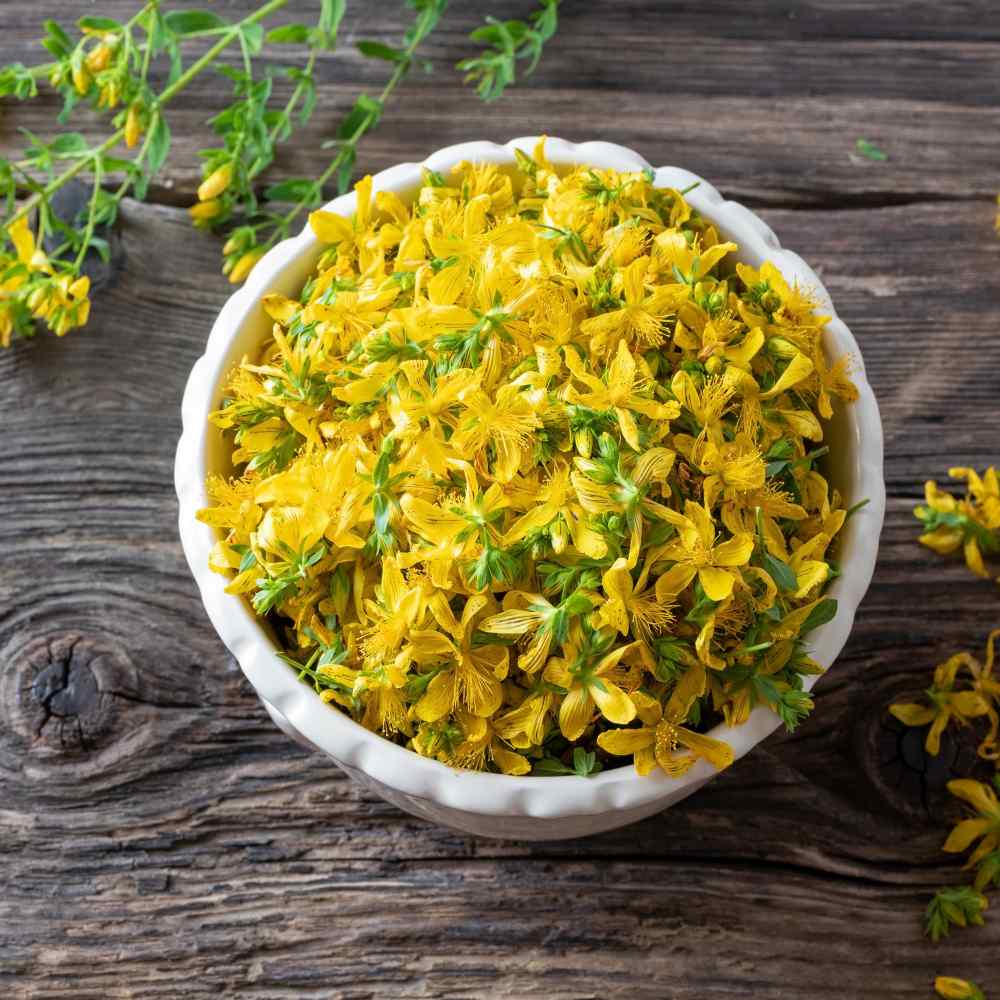
St. John's Wort is a cheerful flowering perennial and small shrub valued for its brilliant golden-yellow blooms, long flowering season, and remarkable adaptability. Producing masses of bright flowers with prominent clusters of golden stamens, this easy-to-grow plant adds vibrant color to borders, cottage gardens, wildflower plantings, and naturalized landscapes throughout the summer months. Many selections also produce attractive ornamental seed capsules that provide additional interest after flowering.
Depending on the species, plants form compact mounding clumps or upright shrubby growth ranging from 1 to 4 feet in height. The neat green foliage provides an attractive backdrop for the abundant blooms, while the flowers themselves are lightly fragrant and highly attractive to beneficial insects. Once established, St. John's Wort is exceptionally durable and dependable, often blooming continuously for weeks with very little maintenance.
Hypericum performs best in full sun to partial shade and thrives in average, well-drained garden soils. It tolerates heat, humidity, drought, poor soils, and urban conditions remarkably well, making it an excellent choice for low-maintenance landscapes. Light pruning after flowering encourages fresh growth and helps maintain a compact, attractive shape, while established plants require very little supplemental care.
Bees, butterflies, and numerous native pollinators eagerly visit the pollen-rich blossoms throughout the flowering season. For centuries, various species of Hypericum have also held an important place in traditional herbal gardens, contributing to the plant's long history and widespread cultivation. Whether planted as a colorful perennial border, flowering groundcover, or informal shrub, St. John's Wort offers dependable beauty, outstanding toughness, and season-long garden performance.
Specifications
Botanical Name: Hypericum spp.
Plant Type: Hardy perennial or small shrub
Height: 1–4 feet
Spread: 2–4 feet
Flower Color: Bright golden yellow
Fragrance: Light, delicate fragrance
Bloom Season: Late spring through summer
Sun Requirements: Full sun to partial shade
Soil Requirements: Average, well-drained soil
Water Needs: Moderate; drought tolerant once established
Hardiness: USDA Zones 4–9 (varies by species)
Pollinator Friendly: Yes – attracts bees, butterflies, and beneficial insects
Deer Resistance: Generally good
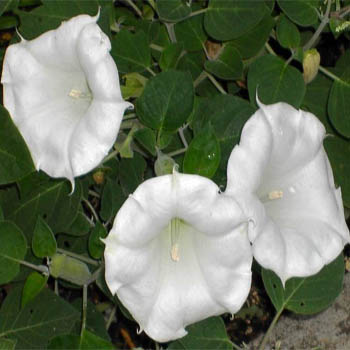
Giant Moonflower is one of the most spectacular night-blooming vines in the garden, producing enormous, luminous white blossoms that can reach 5 to 6 inches across. As evening approaches, the tightly rolled buds slowly unfurl into elegant trumpet-shaped flowers, filling the air with a rich, sweet fragrance that attracts moths and other nighttime pollinators. Watching the blossoms open at dusk is one of the true delights of summer gardening.
This vigorous tropical vine quickly climbs fences, arbors, trellises, pergolas, and porch railings, often reaching 10 to 20 feet or more in a single growing season. Its large heart-shaped green leaves create a dense curtain of foliage that provides excellent privacy while serving as the perfect backdrop for the glowing white flowers. The blossoms remain open throughout the night and often stay fresh into the following morning on cool or cloudy days.
Giant Moonflower thrives in full sun and fertile, well-drained soil with regular moisture during active growth. Once established, the plants are heat tolerant and bloom continuously from midsummer until frost. Scarifying or soaking the hard-coated seeds before planting helps improve germination. The vigorous vines respond well to occasional feeding and reward gardeners with an abundance of fragrant flowers over many weeks.
Few flowering vines offer such dramatic evening appeal. The sweet perfume drifts across patios and gardens after sunset, creating a peaceful nighttime atmosphere while drawing hummingbird moths, sphinx moths, and other beneficial nocturnal pollinators. Whether grown over an arbor, climbing a fence, or covering a pergola, Giant Moonflower transforms an ordinary summer evening into an unforgettable garden experience.
Specifications
Botanical Name: Ipomoea alba var.
Plant Type: Tender annual vine (perennial in frost-free climates)
Height: 10–20 feet or more
Spread: 4–8 feet
Flower Color: Pure white
Fragrance: Strong, sweet evening fragrance
Bloom Season: Midsummer until frost
Sun Requirements: Full sun
Soil Requirements: Fertile, well-drained soil
Water Needs: Moderate; prefers consistent moisture
Hardiness: USDA Zones 10–11 (grown as an annual elsewhere)
Pollinator Friendly: Yes – attracts hummingbird moths, sphinx moths, and other nighttime pollinators
Deer Resistance: Moderate
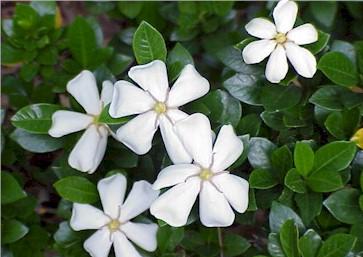
Gardenia is widely regarded as one of the finest fragrant flowering shrubs in the world. Its large, creamy-white blossoms release an intensely rich perfume that combines notes of jasmine, citrus, and exotic tropical flowers, filling the garden with an unforgettable fragrance. Blooming from late spring through summer, and often producing additional flowers into fall, Gardenia has been a cherished favorite of Southern gardens for generations.
This handsome evergreen shrub forms a dense, rounded plant covered with glossy, deep green foliage that remains attractive throughout the year. Depending on the variety, mature plants generally reach 3 to 8 feet in height with a similar spread. The elegant white flowers gradually mature to a soft ivory or cream color, creating a beautiful contrast against the lustrous evergreen leaves and making Gardenia an outstanding specimen plant, hedge, or container subject.
Gardenia grows best in full sun to partial shade with rich, acidic, well-drained soil that remains consistently moist but never waterlogged. It appreciates warm, humid conditions and benefits from organic mulch to keep roots cool and conserve soil moisture. Regular feeding with an acid-loving plant fertilizer encourages vigorous growth, glossy foliage, and abundant flowering throughout the growing season.
The nectar-rich blossoms attract bees and other beneficial pollinators, while the evergreen foliage provides year-round structure and beauty in the landscape. Gardenia flowers have long been prized for corsages, bridal bouquets, perfumes, and fragrant indoor arrangements. Whether planted near an entrance, patio, walkway, or open window, Gardenia rewards gardeners with one of the richest and most luxurious floral fragrances found in nature.
Specifications
Botanical Name: Gardenia jasminoides
Plant Type: Evergreen flowering shrub
Height: 3–8 feet
Spread: 3–6 feet
Flower Color: Creamy white aging to ivory
Fragrance: Exceptionally strong, sweet jasmine-like fragrance
Bloom Season: Late spring through summer, often reblooming into fall
Sun Requirements: Full sun to partial shade
Soil Requirements: Rich, acidic, well-drained soil
Water Needs: Moderate; prefers evenly moist soil
Hardiness: USDA Zones 7–11
Pollinator Friendly: Yes – attracts bees and beneficial insects
Deer Resistance: Moderate
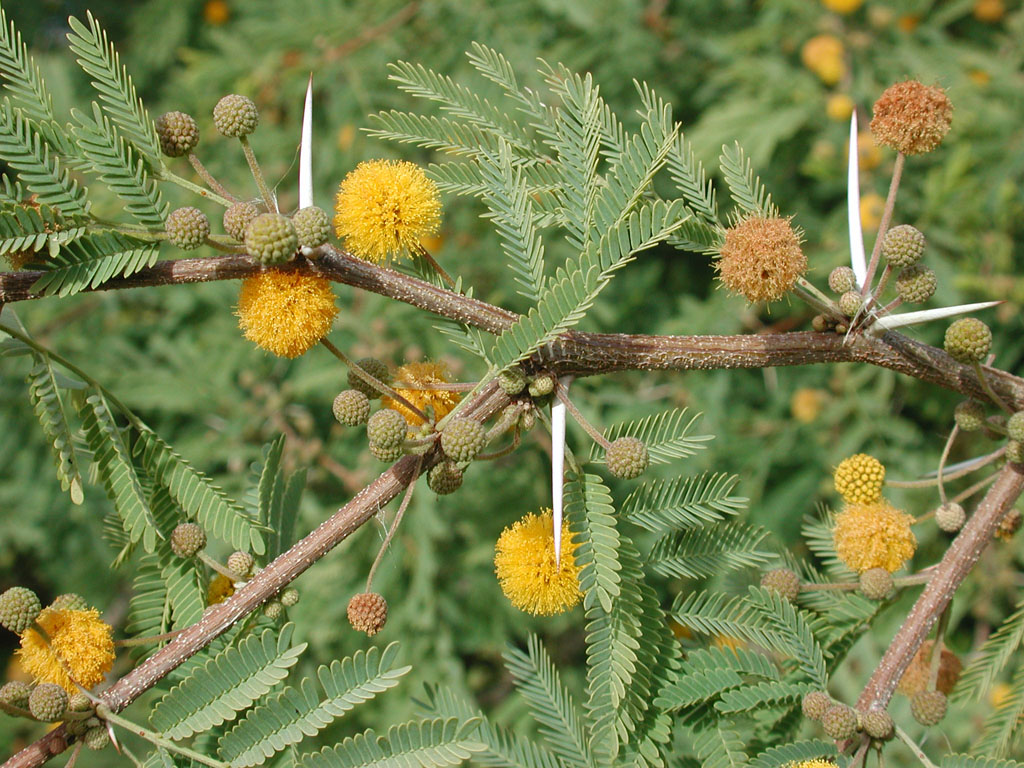
Perfume Acacia is a wonderfully fragrant flowering shrub or small tree celebrated for its abundant golden-yellow puffball blossoms and their rich, sweet perfume. Blooming in late winter, spring, and often again after summer rains in warm climates, the flowers release a delightful violet-like fragrance that carries surprisingly long distances. This remarkable scent has made Perfume Acacia one of the most valued flowering trees in tropical and subtropical gardens for centuries.
Native to the Americas but now cultivated throughout warm regions of the world, this attractive plant develops into a graceful, rounded shrub or small tree reaching 10 to 20 feet in height. Its fine, feathery bipinnate foliage gives the plant a light, airy appearance, while the bright golden blossoms provide striking contrast against the soft green leaves. After flowering, slender seed pods develop, adding additional ornamental interest.
Perfume Acacia thrives in full sun and well-drained soils, performing exceptionally well in hot, dry climates where many flowering plants struggle. Once established, it is highly drought tolerant and adapts to sandy, rocky, or poor soils with ease. The plant responds well to pruning and can be maintained as either a dense flowering shrub or trained into a handsome multi-trunk ornamental tree suitable for gardens, patios, and xeriscapes.
The nectar-rich flowers attract bees, butterflies, and numerous beneficial pollinators, while the dense branching provides excellent shelter for birds and wildlife. For generations, the intensely fragrant blossoms have been harvested for use in fine perfumes, potpourri, and aromatic oils, particularly in France, where the flowers are highly prized by the perfume industry. Combining exceptional drought tolerance with exquisite fragrance and cheerful golden blooms, Perfume Acacia remains one of the finest flowering trees for warm-climate landscapes.
Specifications
Botanical Name: Acacia farnesiana
Plant Type: Evergreen to semi-evergreen shrub or small tree
Height: 10–20 feet
Spread: 10–20 feet
Flower Color: Bright golden yellow
Fragrance: Very strong, sweet violet-like perfume
Bloom Season: Late winter through spring; often reblooms after summer rains
Sun Requirements: Full sun
Soil Requirements: Well-drained soil; tolerant of sandy and rocky conditions
Water Needs: Low once established; highly drought tolerant
Hardiness: USDA Zones 8–11
Pollinator Friendly: Yes – attracts bees, butterflies, and other beneficial insects
Deer Resistance: Generally good
Cannot ship to PR
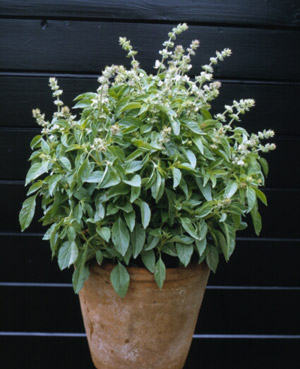
Lemon Basil is a wonderfully aromatic culinary herb that combines the classic spicy sweetness of basil with a refreshing burst of fresh lemon fragrance. The bright green leaves release an invigorating citrus scent whenever brushed or harvested, making this variety a favorite for herb gardens, patio containers, and kitchen gardens. During summer, delicate spikes of small white flowers appear above the foliage, adding ornamental beauty while attracting numerous beneficial pollinators.
This fast-growing annual forms a neat, bushy plant reaching 12 to 24 inches in height with abundant branching that provides continuous harvests throughout the growing season. Regular pinching encourages even fuller growth and delays flowering, resulting in an extended supply of flavorful leaves. The compact habit makes Lemon Basil equally well suited to raised beds, containers, windowsill gardens, and mixed ornamental plantings.
Lemon Basil thrives in full sun and fertile, well-drained soil with consistent moisture. Warm temperatures promote rapid growth, while regular harvesting keeps plants productive from early summer until frost. Like other basil varieties, it performs best once nighttime temperatures remain warm and should be protected from frost. Frequent harvesting actually stimulates the production of new, tender shoots.
The fragrant foliage is prized for seasoning fish, poultry, vegetables, salads, soups, pasta dishes, vinegars, herbal teas, desserts, and refreshing summer beverages. Bees, butterflies, and other beneficial insects eagerly visit the nectar-rich flowers, making Lemon Basil an excellent companion plant in both vegetable and flower gardens. Combining exceptional culinary versatility with refreshing citrus fragrance and easy culture, Lemon Basil is one of the most rewarding herbs gardeners can grow.
Specifications
Botanical Name: Ocimum × africanum (syn. Ocimum citriodorum)
Plant Type: Tender annual herb
Height: 12–24 inches
Spread: 10–18 inches
Flower Color: White to pale lavender
Fragrance: Strong lemon-citrus aroma with classic basil notes
Bloom Season: Summer through early fall
Sun Requirements: Full sun
Soil Requirements: Fertile, well-drained soil
Water Needs: Moderate; prefers evenly moist soil
Hardiness: Grown as an annual; perennial in USDA Zones 10–11
Pollinator Friendly: Yes – highly attractive to bees and butterflies
Deer Resistance: Generally good due to its aromatic foliage
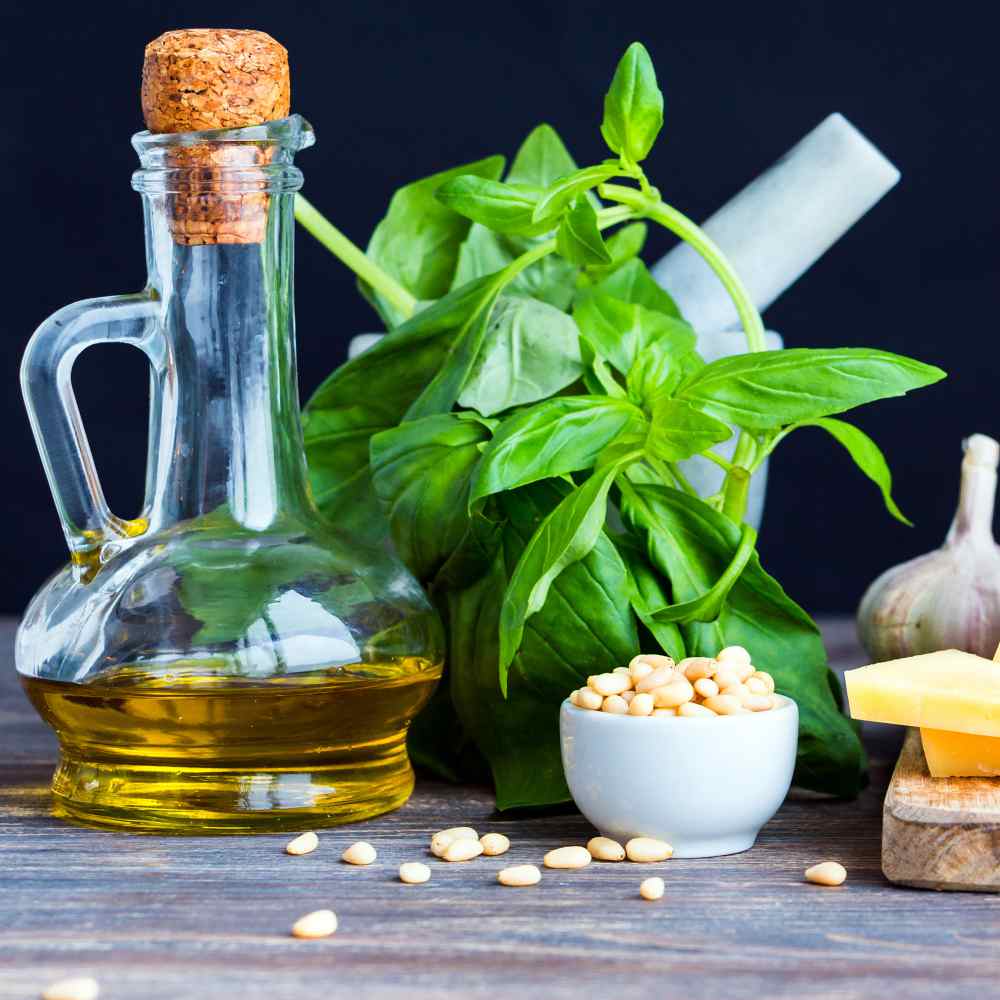
Large Sweet Italian Basil is the classic culinary basil prized by chefs and home gardeners alike for its exceptionally large, glossy green leaves and rich, sweet fragrance. The broad, tender foliage offers the perfect balance of spicy, clove-like basil flavor with subtle hints of anise, making it the preferred variety for fresh pesto, tomato dishes, sauces, salads, and countless Mediterranean recipes. Simply brushing the leaves releases an unmistakable aroma that instantly evokes a summer herb garden.
This vigorous annual grows into a full, well-branched plant reaching 18 to 30 inches in height, producing an abundance of large leaves throughout the growing season. Regular harvesting encourages even denser growth while delaying flowering, providing a continuous supply of fresh herbs from early summer until frost. Its attractive habit also makes it an excellent addition to containers, raised beds, window boxes, and ornamental herb gardens.
Large Sweet Italian Basil thrives in full sun and fertile, well-drained soil with consistent moisture. Warm temperatures promote rapid growth, while routine harvesting and occasional pinching of flower buds keep plants producing tender new foliage. Like all basil varieties, it is sensitive to frost and should be planted only after the danger of cold weather has passed.
In addition to its outstanding culinary value, the fragrant foliage naturally helps repel certain garden pests, while the delicate white flower spikes attract bees, butterflies, and other valuable pollinators when allowed to bloom. Whether grown for fresh kitchen use, companion planting, or its delightful fragrance, Large Sweet Italian Basil remains one of the world's most indispensable and rewarding garden herbs.
Specifications
Botanical Name: Ocimum basilicum
Plant Type: Tender annual herb
Height: 18–30 inches
Spread: 12–18 inches
Flower Color: White
Fragrance: Strong sweet basil aroma with hints of clove and anise
Bloom Season: Summer through early fall
Sun Requirements: Full sun
Soil Requirements: Fertile, well-drained soil
Water Needs: Moderate; prefers evenly moist soil
Hardiness: Grown as an annual; perennial in USDA Zones 10–11
Pollinator Friendly: Yes – attracts bees and butterflies when flowering
Deer Resistance: Generally good due to its aromatic foliage

Sweet Annie is a fast-growing, highly aromatic annual herb treasured for its feathery, bright green foliage and wonderfully sweet fragrance. As the season progresses, the finely divided leaves release a pleasant herbal scent with hints of citrus and camphor that becomes even more noticeable when dried. For generations, gardeners have grown Sweet Annie for its ornamental beauty, delightful aroma, and outstanding value in dried floral arrangements and wreaths.
Reaching an impressive 4 to 8 feet in height under favorable conditions, Sweet Annie develops into a graceful, airy plant with elegant fern-like foliage that adds texture and movement to the landscape. During late summer and early fall, countless tiny yellow-green flowers appear along the stems, creating a soft, lacy appearance while supplying abundant material for fresh or dried bouquets. The fragrant stems retain their pleasant scent for months after drying.
Sweet Annie thrives in full sun and well-drained soil and is remarkably tolerant of heat, drought, and poor soils once established. Plants require little maintenance beyond occasional watering during prolonged dry periods and benefit from adequate spacing to allow good air circulation. It readily reseeds in favorable locations, often returning year after year where winters are mild.
The small flowers attract bees and a variety of beneficial insects, while the strongly aromatic foliage is generally avoided by deer and rabbits. Sweet Annie has long been grown in cottage gardens, colonial herb gardens, and farmhouse landscapes, where its fragrant stems were traditionally used to freshen homes, closets, and linens. Today it remains one of the finest ornamental herbs for gardeners seeking fragrance, height, and exceptional dried flower material.
Specifications
Botanical Name: Artemisia annua
Plant Type: Fragrant annual herb
Height: 4–8 feet
Spread: 2–3 feet
Flower Color: Small yellow-green flowers
Fragrance: Sweet herbal aroma with citrus and camphor notes
Bloom Season: Late summer to early fall
Sun Requirements: Full sun
Soil Requirements: Well-drained soil; tolerant of poor soils
Water Needs: Low to moderate once established
Hardiness: Grown as an annual
Pollinator Friendly: Yes – attracts bees and beneficial insects
Deer Resistance: Generally excellent
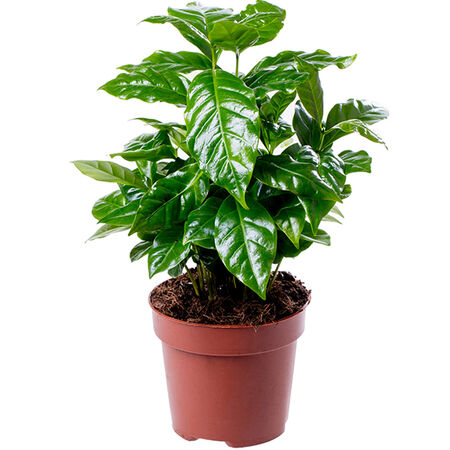
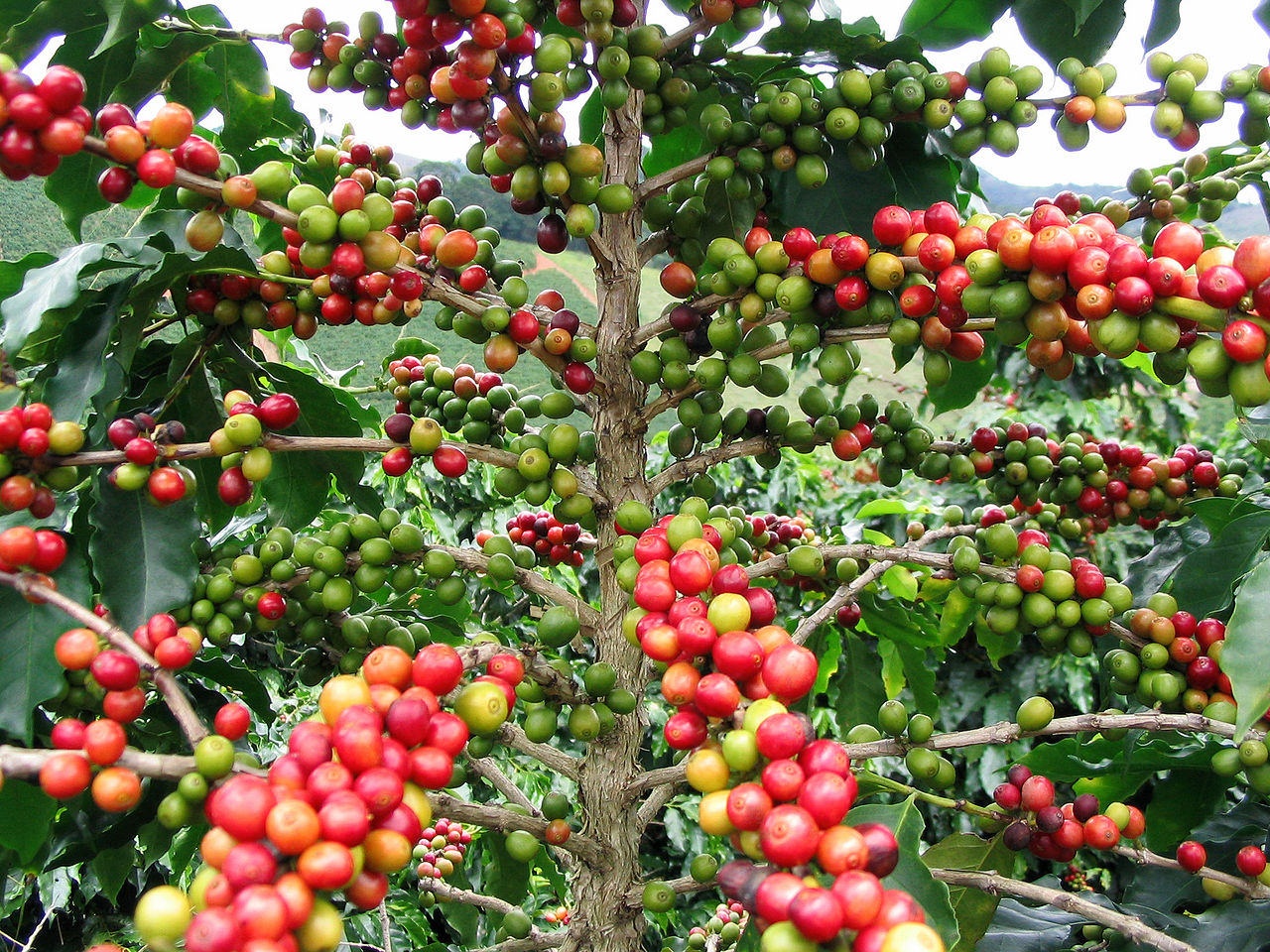
Coffee Plant is one of the world's most fascinating and rewarding evergreen plants, admired for its glossy dark green foliage, fragrant white blossoms, and the famous coffee beans that develop from its bright red fruits. The delicate star-shaped flowers release a sweet jasmine-like fragrance that fills the surrounding area when the plant is in bloom, making it as ornamental as it is useful. Whether grown indoors as a houseplant or outdoors in tropical climates, Coffee Plant provides year-round beauty and interest.
Native to the highlands of Ethiopia, Coffea arabica develops into a dense, attractive shrub or small tree reaching 6 to 15 feet outdoors, while remaining much smaller when grown in containers. Its shiny, wavy-edged evergreen leaves create a lush tropical appearance, and mature plants produce clusters of fragrant white flowers followed by green berries that gradually ripen to brilliant crimson. Each ripe berry typically contains two coffee beans.
Coffee Plant grows best in bright filtered light or partial shade with rich, well-drained soil and consistent moisture. It appreciates warm temperatures, moderate humidity, and protection from frost. Plants respond well to occasional pruning, which encourages dense branching and makes them excellent long-lived container specimens. With proper care, plants may begin flowering and producing berries in just a few years.
The fragrant flowers attract bees and other beneficial pollinators, while the handsome evergreen foliage makes Coffee Plant an outstanding ornamental even when not in bloom. As the source of one of the world's most important beverages, Coffea arabica has shaped agriculture, trade, and culture for centuries. Few plants combine such rich history, ornamental beauty, delightful fragrance, and practical value in a single easy-to-grow species.
Specifications
Botanical Name: Coffea arabica
Plant Type: Evergreen shrub or small tree
Height: 6–15 feet outdoors; 3–6 feet in containers
Spread: 4–8 feet
Flower Color: Pure white
Fragrance: Sweet jasmine-like fragrance
Bloom Season: Spring to early summer; may flower intermittently in warm climates
Sun Requirements: Bright filtered light to partial shade
Soil Requirements: Rich, fertile, well-drained, slightly acidic soil
Water Needs: Moderate; prefers evenly moist soil
Hardiness: USDA Zones 10–11
Pollinator Friendly: Yes – attracts bees and other beneficial insects
Deer Resistance: Moderate
Seedman Notes
Coffee Plant is far more than the source of the world's favorite morning beverage. Its glossy evergreen foliage, highly fragrant white blossoms, colorful berries, and attractive growth habit make it an exceptional ornamental plant for patios, conservatories, and tropical gardens. Gardeners who enjoy unusual edible plants will appreciate watching the beautiful flowers develop into the coffee cherries that have fueled cultures around the globe for centuries.
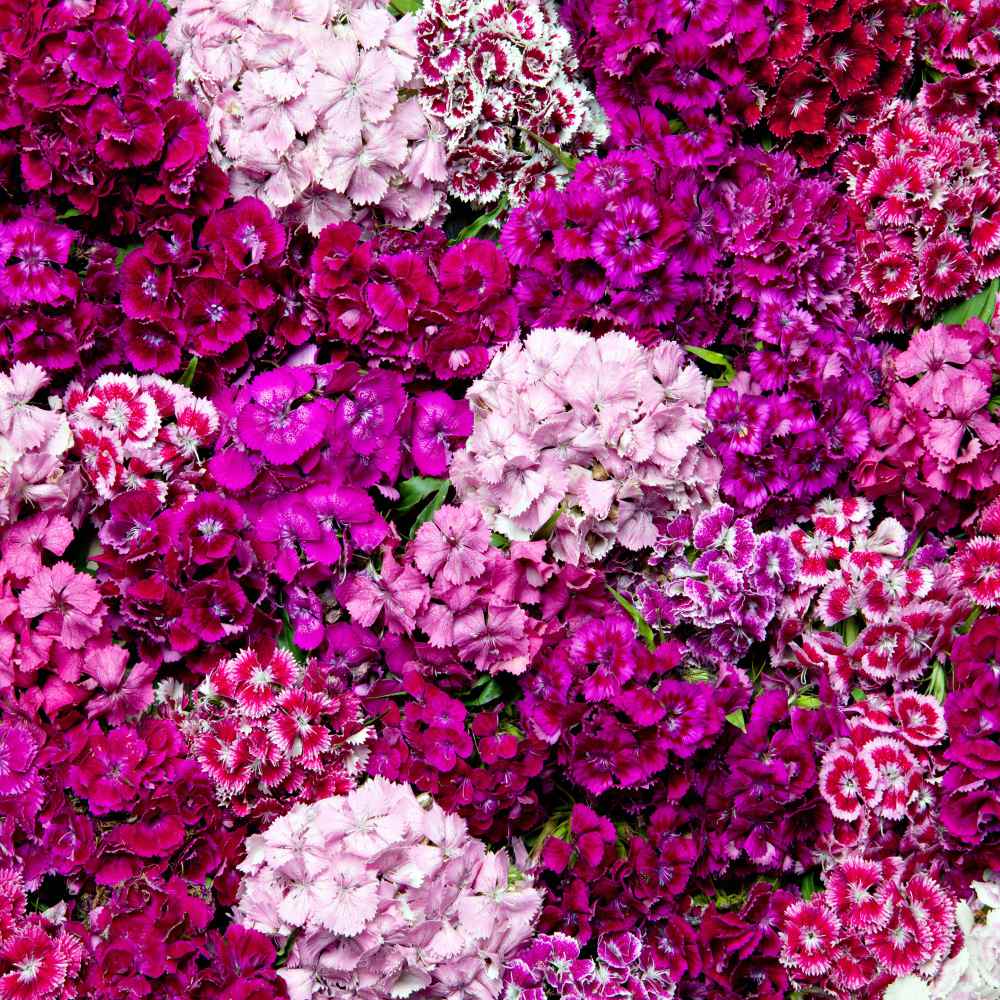
Sweet William is a classic cottage garden favorite treasured for its colorful clusters of fragrant flowers and exceptional garden performance. Blooming in brilliant shades of red, pink, white, crimson, lavender, and bicolors, the dense flower heads produce a pleasant clove-like fragrance that attracts both gardeners and pollinators throughout late spring and early summer. Its cheerful blooms have made Sweet William a beloved ornamental for centuries.
Growing into sturdy, upright plants 12 to 24 inches tall, Sweet William produces attractive lance-shaped green foliage topped with large, rounded flower clusters that create a spectacular display in beds, borders, containers, and cutting gardens. The long-lasting blossoms make excellent cut flowers, retaining both their beauty and fragrance in bouquets. Deadheading spent blooms often encourages a light rebloom and keeps plants looking neat throughout the season.
Sweet William thrives in full sun to partial shade and prefers fertile, well-drained soil with moderate moisture. Easy to grow from seed, it tolerates cool weather well and performs beautifully in both traditional cottage gardens and modern landscapes. Plants benefit from good air circulation and occasional watering during prolonged dry periods, rewarding gardeners with weeks of colorful blooms.
Highly attractive to butterflies, bees, and other beneficial pollinators, Sweet William also provides excellent nectar sources during the spring flowering season. Deer generally avoid the aromatic foliage, making it a dependable addition to many landscapes. Whether planted in mass displays, mixed perennial borders, or cutting gardens, Sweet William offers timeless charm, delightful fragrance, and dependable color year after year.
Specifications
Botanical Name: Dianthus barbatus
Plant Type: Hardy biennial or short-lived perennial
Height: 12–24 inches
Spread: 10–18 inches
Flower Color: Red, pink, white, crimson, lavender, rose, and bicolors
Fragrance: Sweet clove-like fragrance
Bloom Season: Late spring through early summer
Sun Requirements: Full sun to partial shade
Soil Requirements: Fertile, well-drained soil
Water Needs: Moderate; prefers evenly moist soil
Hardiness: USDA Zones 3–9
Pollinator Friendly: Yes – attracts bees and butterflies
Deer Resistance: Generally good
Seedman Notes
Sweet William has graced European and American gardens since the 1500s and remains one of the finest old-fashioned flowering plants available today. Its richly colored blossoms, spicy fragrance, long-lasting cut flowers, and outstanding garden reliability continue to make Dianthus barbatus an essential choice for cottage gardens, borders, and pollinator-friendly landscapes.
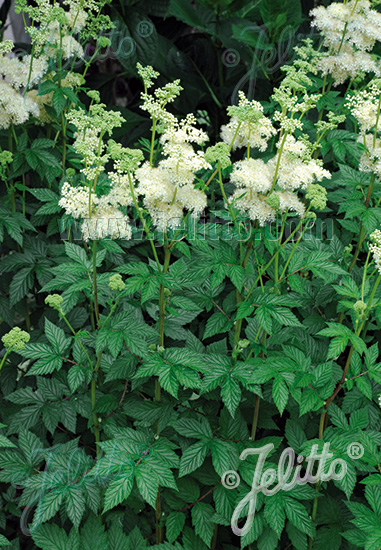
Meadowsweet is a graceful perennial wildflower celebrated for its airy clusters of creamy-white blossoms and their rich, sweet almond-like fragrance. Blooming from early to midsummer, the frothy flower heads rise above handsome fern-like foliage, creating a soft, cloud-like effect that brightens borders, rain gardens, and naturalized landscapes. Its delightful perfume has made Meadowsweet a treasured garden plant for centuries.
Growing 3 to 5 feet tall, Meadowsweet forms attractive clumps of deeply divided dark green leaves topped with broad sprays of tiny fragrant flowers. The elegant blooms make excellent additions to fresh and dried floral arrangements while adding height and texture to perennial borders. Its upright habit blends beautifully with ornamental grasses and other moisture-loving perennials.
Meadowsweet thrives in full sun to partial shade and performs best in fertile, consistently moist soils. It is especially well suited to pond edges, stream banks, rain gardens, and low areas where moisture is readily available. Once established, plants require little maintenance beyond occasional watering during extended dry periods and benefit from dividing every few years to maintain vigorous growth.
The nectar-rich blossoms attract bees, butterflies, hoverflies, and numerous other beneficial pollinators throughout the flowering season. Long associated with traditional European gardens, Meadowsweet has also been valued historically for its pleasant fragrance, which was once used to scent homes, floors, wines, and festive celebrations. Combining elegant beauty, dependable performance, and a wonderfully sweet aroma, Meadowsweet remains one of the finest perennials for moist garden settings.
Specifications
Botanical Name: Filipendula ulmaria
Plant Type: Hardy perennial
Height: 3–5 feet
Spread: 2–3 feet
Flower Color: Creamy white
Fragrance: Sweet almond-like fragrance
Bloom Season: Early to midsummer
Sun Requirements: Full sun to partial shade
Soil Requirements: Fertile, moist to wet, well-drained soil
Water Needs: Moderate to high; prefers consistently moist soil
Hardiness: USDA Zones 3–8
Pollinator Friendly: Yes – attracts bees, butterflies, hoverflies, and other beneficial insects
Deer Resistance: Generally good
Seedman Notes
Meadowsweet has been admired since medieval times for its delicate fragrance and elegant appearance. Its billowing clusters of sweetly scented flowers, attractive foliage, and adaptability to moist garden conditions make Filipendula ulmaria an outstanding choice for cottage gardens, rain gardens, pond margins, and naturalized landscapes where its beauty and fragrance can be fully appreciated.
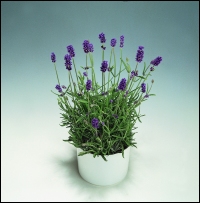
Blue River English Lavender is an outstanding selection prized for its deep violet-blue flower spikes, compact growth habit, and wonderfully rich fragrance. Blooming from late spring through summer, the aromatic blossoms rise above silvery-green foliage, filling the garden with the classic lavender scent that has made this species a favorite for centuries. Its vibrant flower color and long bloom period make Blue River an exceptional choice for borders, herb gardens, and containers.
Plants develop into neat, rounded mounds approximately 18 to 24 inches tall and wide, producing an abundance of sturdy flowering stems that hold their color well throughout the season. The evergreen foliage provides year-round texture and beauty in mild climates, while the long-lasting blooms are excellent for fresh bouquets, dried arrangements, wreaths, sachets, and fragrant potpourri. Regular harvesting encourages continued flowering and maintains the plant's tidy appearance.
Blue River thrives in full sun and well-drained soil, performing exceptionally well in hot, sunny locations with good air circulation. Once established, it is highly drought tolerant and requires very little maintenance beyond light pruning after flowering to promote dense growth and abundant blooms the following season. It is an excellent choice for rock gardens, cottage gardens, edging, and water-wise landscapes.
The nectar-rich flowers attract bees, butterflies, hummingbirds, and numerous other beneficial pollinators throughout the blooming season, while the aromatic foliage is naturally resistant to browsing by deer and rabbits. Its outstanding fragrance and reliable performance have made Blue River a favorite among gardeners seeking both ornamental beauty and practical uses for fresh and dried lavender. Whether planted individually or in sweeping drifts, it brings lasting color, fragrance, and elegance to the landscape.
Specifications
Botanical Name: Lavandula angustifolia
Plant Type: Evergreen perennial herb
Height: 18–24 inches
Spread: 18–24 inches
Flower Color: Deep violet-blue
Fragrance: Strong, classic lavender fragrance
Bloom Season: Late spring through summer
Sun Requirements: Full sun
Soil Requirements: Well-drained, moderately fertile soil
Water Needs: Low once established
Hardiness: USDA Zones 5–9
Pollinator Friendly: Yes – highly attractive to bees, butterflies, and hummingbirds
Deer Resistance: Excellent
Seedman Notes
Blue River is an exceptional English Lavender selected for its vivid flower color, compact habit, and abundant fragrant blooms. Its combination of outstanding drought tolerance, evergreen foliage, and versatile uses in the garden and home makes Lavandula angustifolia 'Blue River' an excellent choice for gardeners who appreciate classic beauty, reliable performance, and one of the finest natural fragrances available.
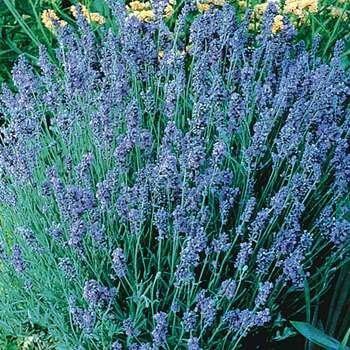
Lavender Lady is an early-flowering English lavender prized for its compact habit, abundant violet-blue blooms, and wonderfully soothing fragrance. One of the first lavenders to flower from seed, it quickly fills the garden with the classic sweet lavender aroma that has made this herb a favorite for centuries. The fragrant flower spikes rise gracefully above attractive silver-green foliage, creating a colorful display that lasts for weeks.
Plants develop into neat, rounded mounds reaching 16 to 24 inches in height, making Lavender Lady an excellent choice for borders, herb gardens, edging, containers, and rock gardens. The upright flower stems are ideal for cutting and retain both their beauty and fragrance when dried for bouquets, wreaths, sachets, and potpourri. Its tidy growth habit also makes it a beautiful accent along walkways where the aromatic foliage can be enjoyed up close.
Lavender Lady thrives in full sun and well-drained soil, preferring dry conditions once established. It tolerates heat and drought exceptionally well and requires very little maintenance beyond occasional pruning after flowering to encourage dense growth and future blooms. Good drainage and adequate air circulation help keep plants healthy and productive for many years.
The nectar-rich flowers are highly attractive to bees, butterflies, hummingbirds, and other beneficial pollinators, while the aromatic foliage is generally avoided by deer and rabbits. Whether grown for ornamental beauty, dried flowers, culinary use, or its calming fragrance, Lavender Lady remains one of the easiest and most rewarding lavenders to grow from seed, bringing timeless elegance and delightful perfume to the garden.
Specifications
Botanical Name: Lavandula angustifolia
Plant Type: Evergreen perennial herb
Height: 16–24 inches
Spread: 18–24 inches
Flower Color: Violet-blue
Fragrance: Strong, sweet classic lavender fragrance
Bloom Season: Late spring through summer
Sun Requirements: Full sun
Soil Requirements: Well-drained, moderately fertile soil
Water Needs: Low once established
Hardiness: USDA Zones 5–9
Pollinator Friendly: Yes – attracts bees, butterflies, hummingbirds, and other beneficial insects
Deer Resistance: Excellent
Seedman Notes
Lavender Lady has earned its reputation as one of the finest seed-grown English lavenders because of its early flowering, compact habit, and dependable garden performance. Its beautiful violet-blue flower spikes, fragrant evergreen foliage, and exceptional drought tolerance make it an outstanding choice for herb gardens, cottage landscapes, pollinator plantings, and fragrant borders where its timeless beauty can be enjoyed for years.
Lavender Vera is the classic true lavender that has been cultivated for centuries for its exceptional fragrance, beautiful violet-blue flower spikes, and remarkable versatility. Often regarded as one of the finest lavenders for essential oil production, its intensely aromatic blossoms fill the garden with the soothing, unmistakable scent that has made lavender famous around the world. Blooming from late spring through summer, Lavender Vera provides weeks of color while perfuming the landscape.
Plants form compact, rounded mounds of attractive silvery-gray evergreen foliage that typically reach 18 to 30 inches in height. Slender stems carry abundant spikes of richly colored flowers that sway gracefully above the foliage and make outstanding fresh and dried bouquets. The long-lasting blooms are prized for wreaths, sachets, potpourri, floral arrangements, and culinary use, while the foliage provides year-round beauty in mild climates.
Lavender Vera thrives in full sun and well-drained soil, preferring lean to moderately fertile conditions with excellent drainage. Once established, it is highly drought tolerant and requires little maintenance beyond light pruning after flowering to maintain a dense, attractive shape. It performs beautifully in herb gardens, cottage gardens, rock gardens, borders, and water-wise landscapes where its silver foliage and fragrant blooms create lasting appeal.
The nectar-rich flowers are among the finest sources of food for bees, butterflies, hummingbirds, and other beneficial pollinators throughout the blooming season. Deer and rabbits generally avoid the aromatic foliage, making it an excellent low-maintenance landscape plant. With its timeless beauty, remarkable fragrance, and long history of ornamental, culinary, and herbal use, Lavender Vera remains one of the world's most cherished garden plants.
Specifications
Botanical Name: Lavandula vera
Plant Type: Evergreen perennial herb
Height: 18–30 inches
Spread: 18–30 inches
Flower Color: Violet-blue
Fragrance: Strong, classic sweet lavender fragrance
Bloom Season: Late spring through summer
Sun Requirements: Full sun
Soil Requirements: Well-drained, moderately fertile soil
Water Needs: Low once established
Hardiness: USDA Zones 5–9
Pollinator Friendly: Yes – highly attractive to bees, butterflies, hummingbirds, and other beneficial insects
Deer Resistance: Excellent
Seedman Notes
Lavender Vera is considered by many gardeners and herbalists to be the traditional "true lavender," valued for generations as the benchmark for fragrance and essential oil quality. Its elegant silver foliage, richly scented flowers, outstanding drought tolerance, and dependable garden performance make Lavandula vera an indispensable addition to herb gardens, cottage landscapes, and fragrant borders.
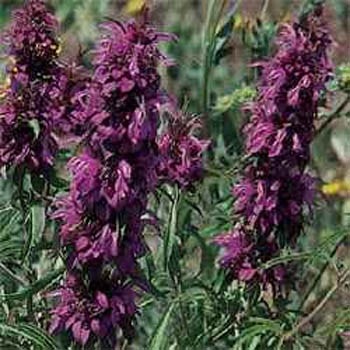
Lemon Mint is a wonderfully aromatic annual wildflower and herb prized for its refreshing citrus fragrance, colorful lavender flower clusters, and outstanding value to pollinators. The bright green foliage releases a clean lemon-mint scent when gently brushed or crushed, while the unusual tiered flower heads create an eye-catching display from early summer until frost. Its combination of fragrance, beauty, and ease of culture makes it a favorite for herb gardens, wildflower meadows, and cottage landscapes.
Growing 18 to 36 inches tall, Lemon Mint develops sturdy upright stems lined with narrow, fragrant leaves and topped with whorls of lavender to rosy-purple blossoms accented by colorful leafy bracts. The distinctive layered flower spikes provide weeks of color and make excellent additions to both fresh and dried floral arrangements. Its neat growth habit blends beautifully with native flowers, ornamental grasses, and other sun-loving annuals.
Lemon Mint thrives in full sun and well-drained soil, adapting readily to average garden conditions and tolerating heat and short periods of drought once established. It is easy to grow from seed and often reseeds naturally, creating attractive colonies in favorable locations. Minimal maintenance is required beyond occasional watering during prolonged dry spells, making it an excellent choice for low-maintenance landscapes.
The nectar-rich flowers are highly attractive to bees, butterflies, hummingbirds, and many other beneficial pollinators, making Lemon Mint one of the finest plants for supporting wildlife in the garden. The fragrant foliage has also been used to prepare refreshing herbal teas and aromatic sachets. Combining bright color, delightful citrus fragrance, and exceptional pollinator value, Lemon Mint is an outstanding addition to both ornamental and herb gardens.
Specifications
Botanical Name: Monarda citriodora
Plant Type: Fragrant annual herb
Height: 18–36 inches
Spread: 12–18 inches
Flower Color: Lavender to rosy purple
Fragrance: Fresh lemon-mint aroma
Bloom Season: Early summer through fall
Sun Requirements: Full sun
Soil Requirements: Well-drained, average soil
Water Needs: Moderate; drought tolerant once established
Hardiness: Grown as an annual; readily reseeds in favorable climates
Pollinator Friendly: Yes – highly attractive to bees, butterflies, hummingbirds, and other beneficial insects
Deer Resistance: Generally good due to its aromatic foliage
Seedman Notes
Lemon Mint is one of North America's finest native fragrant annuals, offering outstanding ornamental value while serving as an important nectar source for pollinators. Its unique tiered blooms, refreshing citrus scent, and carefree nature make Monarda citriodora an excellent choice for wildflower gardens, herb gardens, pollinator plantings, and naturalized landscapes.
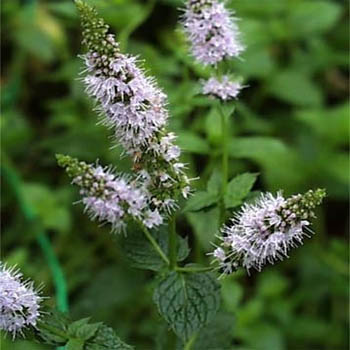
Peppermint is one of the world's most recognizable and refreshing aromatic herbs, prized for its intensely fragrant foliage and countless culinary, medicinal, and ornamental uses. The bright green leaves release a cool, invigorating mint fragrance with every touch, filling the garden with a clean, refreshing aroma throughout the growing season. During summer, spikes of delicate lavender-pink flowers add ornamental beauty while attracting a host of beneficial pollinators.
Growing 18 to 36 inches tall, Peppermint forms vigorous clumps of upright stems covered with aromatic leaves that are harvested throughout the season for fresh or dried use. The attractive foliage makes an excellent addition to herb gardens, containers, and borders, while its rapid growth provides an abundant supply of leaves for teas, desserts, sauces, candies, beverages, and homemade herbal products. Container growing is often recommended to keep plants neatly contained.
Peppermint thrives in full sun to partial shade and prefers rich, moist, well-drained soil. Once established, it grows vigorously with very little care and tolerates a wide range of growing conditions. Regular harvesting encourages fresh new growth and helps maintain compact, productive plants. Its hardy nature allows it to return reliably year after year in most temperate climates.
The nectar-rich flowers are highly attractive to bees, butterflies, and many other beneficial insects, making Peppermint an excellent addition to pollinator gardens. Deer and rabbits generally avoid the strongly aromatic foliage, while gardeners appreciate its refreshing scent whenever they brush past the plants. Combining exceptional fragrance, culinary versatility, ornamental appeal, and dependable performance, Peppermint remains one of the most indispensable herbs for every garden.
Specifications
Botanical Name: Mentha × piperita
Plant Type: Hardy perennial herb
Height: 18–36 inches
Spread: 18–36 inches (spreads by underground runners)
Flower Color: Lavender-pink to pale purple
Fragrance: Strong, cool peppermint aroma
Bloom Season: Mid to late summer
Sun Requirements: Full sun to partial shade
Soil Requirements: Rich, moist, well-drained soil
Water Needs: Moderate to high; prefers consistently moist soil
Hardiness: USDA Zones 3–9
Pollinator Friendly: Yes – highly attractive to bees, butterflies, and beneficial insects
Deer Resistance: Excellent
Seedman Notes
Peppermint is a natural hybrid that has been cultivated for more than three centuries and remains one of the most widely grown herbs in the world. Its refreshing aroma, vigorous growth, and remarkable versatility have made Mentha × piperita a favorite for herb gardens, kitchen gardens, and pollinator plantings alike. Whether enjoyed fresh, dried, or simply for its invigorating fragrance, Peppermint is a timeless garden classic.
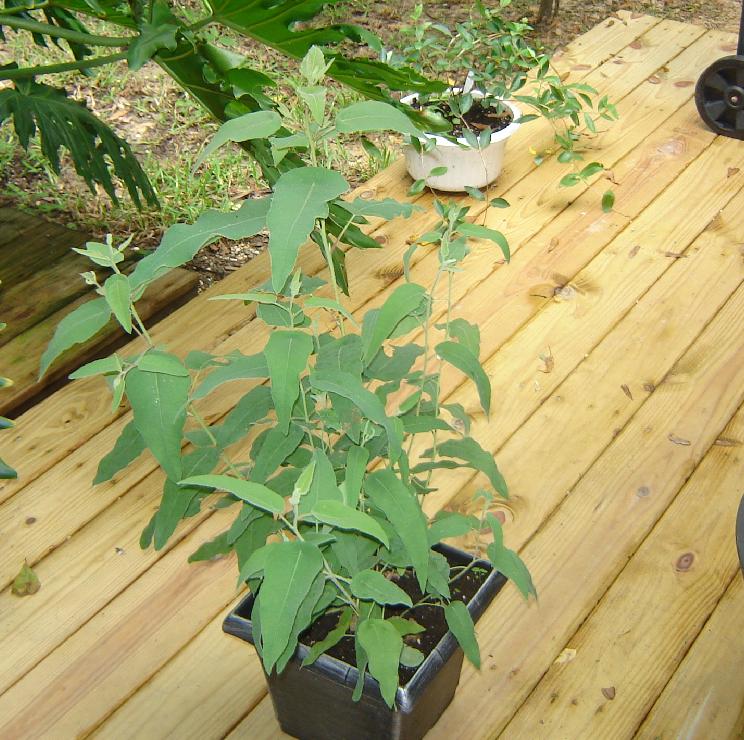
Citriodora Eucalyptus is a fast-growing evergreen tree renowned for its intensely fragrant lemon-scented foliage and elegant appearance. The long, graceful leaves release a refreshing citrus aroma whenever brushed or crushed, filling the surrounding area with a clean, invigorating fragrance. Its handsome canopy, smooth ornamental trunk, and aromatic foliage have made this Australian native a favorite in warm-climate landscapes and specialty gardens around the world.
Growing rapidly into a stately shade tree, Citriodora Eucalyptus typically reaches 60 to 100 feet in favorable climates while developing a straight trunk with attractive smooth bark that peels to reveal creamy white and pale pink tones beneath. The narrow blue-green juvenile leaves gradually mature into long, pendulous foliage that gives the tree its graceful, airy appearance. Cut branches are frequently used in floral arrangements and retain their refreshing fragrance long after harvest.
Citriodora Eucalyptus thrives in full sun and well-drained soil, performing exceptionally well in hot, dry climates. Once established, it is highly drought tolerant and requires very little maintenance beyond occasional pruning to remove lower branches or shape young trees. Its rapid growth and adaptability make it an excellent specimen tree, windbreak, or ornamental shade tree in frost-free regions, while it can also be grown as a container plant in cooler climates where the fragrant foliage can be enjoyed seasonally.
The abundant flowers provide nectar for bees and other beneficial pollinators, while the aromatic foliage is generally avoided by deer. The lemon-scented leaves have long been valued for essential oils, potpourri, and fragrant ornamental uses. Combining striking beauty, exceptional vigor, and one of the freshest natural fragrances found in any tree, Citriodora Eucalyptus is an outstanding addition to gardens where its handsome form and refreshing citrus aroma can be fully appreciated.
Specifications
Botanical Name: Eucalyptus citriodora
Plant Type: Evergreen tree
Height: 60–100 feet (smaller in containers)
Spread: 25–40 feet
Flower Color: Creamy white
Fragrance: Strong fresh lemon fragrance from the foliage
Bloom Season: Summer
Sun Requirements: Full sun
Soil Requirements: Well-drained soil; adaptable to a variety of soil types
Water Needs: Moderate until established; drought tolerant thereafter
Hardiness: USDA Zones 9–11
Pollinator Friendly: Yes – attracts bees and other beneficial insects
Deer Resistance: Excellent
Seedman Notes
Known today botanically as Corymbia citriodora, this classic Lemon-Scented Gum remains one of the world's finest fragrance trees. Its rapid growth, beautiful smooth bark, elegant evergreen canopy, and wonderfully refreshing citrus aroma make it an exceptional choice for warm-climate landscapes, fragrant gardens, and anyone seeking a truly distinctive ornamental tree.
Check out our
Complete Everlasting Flower Growing Guide

Contact Us | Privacy Policy | About Us
Serving gardeners since 1992
State of Mississippi Seedmen's Permit #C-391, Ohio 90152, Minnesota 20086777