
Giant Vegetable List
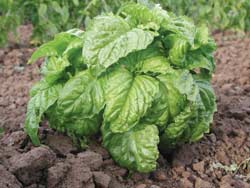
JB024 Mammoth ( Ocimum basilicum )
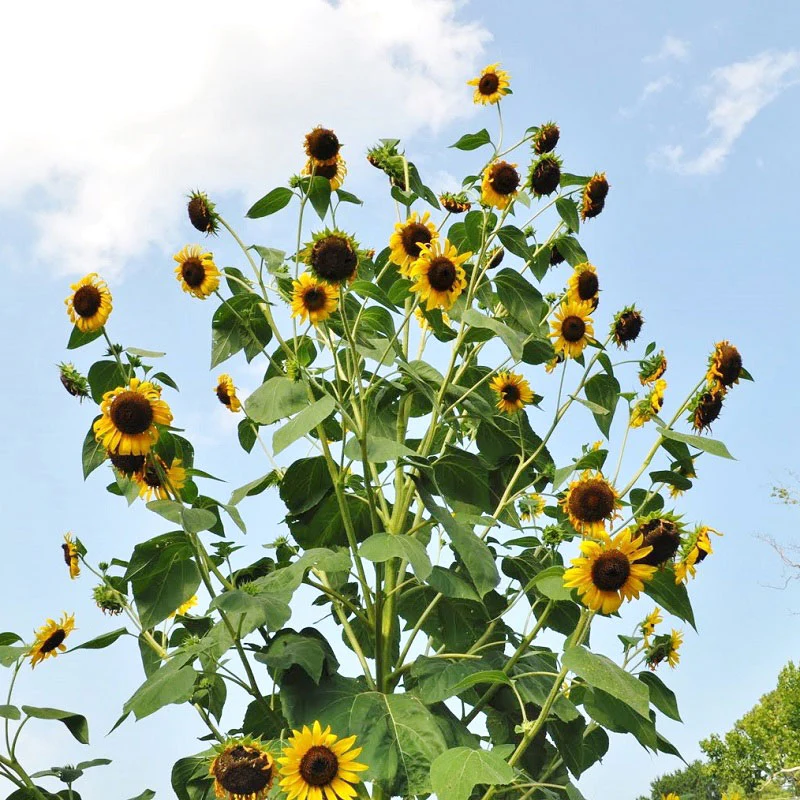
Skyscraper Sunflower is an impressive giant-growing selection of Helianthus annuus renowned for its extraordinary height, massive golden blooms, and commanding presence in the garden. True to its name, this towering sunflower can reach remarkable heights under favorable conditions, creating a dramatic living landmark that attracts pollinators, birds, and admiring visitors throughout the summer season.
Garden Uses
Skyscraper Sunflower is ideal for back borders, fence lines, wildlife gardens, children's gardens, screening plantings, pollinator habitats, and large sunny landscapes. Its tremendous height allows it to serve as a temporary summer hedge, privacy screen, or focal point.
The enormous flower heads create a spectacular display when planted in rows or groups. Skyscraper pairs beautifully with zinnias, cosmos, gomphrena, celosia, ornamental grasses, and other summer annuals planted at its base.
This variety is especially popular in educational gardens and children's projects where its rapid growth and impressive size create excitement throughout the growing season.
Growing Information
Skyscraper Sunflower performs best in full sun and rich, well-drained soil. Sow seeds directly outdoors after all danger of frost has passed and soil temperatures have warmed.
Plant seeds approximately 1 inch deep and provide generous spacing to allow for full development. Consistent moisture during establishment promotes strong root growth and vigorous development.
For maximum height, provide fertile soil enriched with compost or organic matter. Regular watering during dry periods helps support the rapid growth of these giant plants.
Because of their tremendous size, plants may benefit from wind protection or staking in exposed locations. Deep watering encourages stronger root systems and improved stability.

Mongolian Giant Sunflower is an extraordinary giant-growing selection of Helianthus annuus renowned for its towering height, enormous flower heads, and remarkable garden presence. Often reaching heights that rival small trees, this spectacular sunflower produces huge golden blooms that dominate the summer landscape while providing outstanding value for pollinators, birds, and gardeners who enjoy growing record-breaking plants.
Garden Uses
Mongolian Giant is ideal for back borders, wildlife gardens, children's gardens, fence lines, screening plantings, pollinator habitats, and large open landscapes. Its exceptional height makes it one of the most dramatic annual flowers available.
When planted in rows, Mongolian Giant can create a seasonal living wall that provides privacy, wind protection, and an impressive visual display. The towering stems serve as excellent backdrops for zinnias, cosmos, gomphrena, celosia, marigolds, and ornamental grasses.
This variety is especially popular among gardeners who enjoy giant vegetable and flower competitions, educational gardens, and family gardening projects.
Growing Information
Mongolian Giant performs best in full sun and rich, fertile, well-drained soil. Direct sow seeds outdoors after all danger of frost has passed and soil temperatures have warmed.
Plant seeds approximately 1 inch deep and provide generous spacing between plants. Rich soil amended with compost or aged organic matter helps support maximum growth.
Consistent watering throughout the growing season is essential for achieving the greatest height and largest flower heads. Deep watering encourages strong root development and improved drought tolerance.
Because of its tremendous size, Mongolian Giant benefits from protection against strong winds. In exposed locations, staking may be helpful as plants approach maturity.
Few annual flowers offer as much combined value for pollinators and seed-eating wildlife as a mature stand of Mongolian Giant Sunflowers.
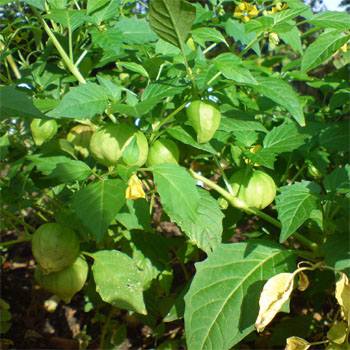
Giant Poha Berry is a beautiful heirloom fruiting plant that blends naturally into an edible landscape with its soft green foliage, cheerful yellow blossoms, and unique lantern-like husks that enclose each golden fruit. Growing into a bushy, well-branched plant, it provides ornamental interest throughout the season before rewarding gardeners with an abundance of sweet, tropical-flavored berries. Its unusual appearance makes it equally attractive in flower borders, raised beds, and large patio containers.
Easy to grow from seed, Giant Poha Berry thrives in full sun and fertile, well-drained soil, producing vigorous plants that continue flowering and fruiting over a long season. The papery husks gradually turn tan as the fruit ripens, creating an attractive display among the foliage. The plants are highly productive, often yielding dozens of fruits over many weeks, making them as rewarding in the landscape as they are in the kitchen.
The golden berries have a rich, sweet-tart flavor with hints of pineapple, citrus, and vanilla, making them delicious eaten fresh or incorporated into jams, pies, preserves, fruit salads, desserts, and sauces. The protective husk naturally preserves the fruit after harvest, allowing it to keep longer than many soft fruits. Rich in vitamins, antioxidants, and fiber, Poha Berries have long been enjoyed throughout South America and the Hawaiian Islands.
Giant Poha Berry perfectly captures the spirit of an edible landscape by offering ornamental beauty first and a generous harvest second. Its attractive growth habit, decorative lantern-like fruits, and long season of production make it a fascinating addition to mixed borders and edible gardens alike. Garden visitors are often drawn to the unusual husked fruits, making this one of the most distinctive and enjoyable plants in the collection.
Seedman Notes: Harvest fruits only after the papery husks have turned tan and the berries develop a rich golden-orange color. In many cases, the ripest fruits naturally fall to the ground while still enclosed in their protective husks. Giant Poha Berry is an excellent choice for gardeners seeking an attractive, easy-to-grow plant that produces an abundant harvest of delicious tropical-flavored fruit throughout the growing season.
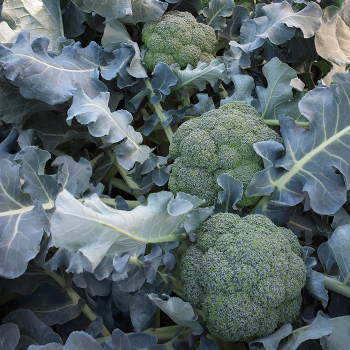
Godzilla Hybrid Broccoli lives up to its legendary name by producing enormous, dense blue-green heads on vigorous, high-yielding plants. Bred for outstanding size, uniformity, and garden performance, this premium hybrid delivers impressive central heads that can weigh several pounds under ideal growing conditions, followed by a generous crop of tender side shoots. With excellent flavor, strong disease tolerance, and dependable production in both spring and fall gardens, Godzilla Hybrid is an outstanding choice for gardeners who want maximum harvests from every plant.
Why Grow This Variety
Godzilla Hybrid is designed for gardeners who appreciate big harvests. The massive central heads are among the largest produced by modern broccoli hybrids, while the plants continue rewarding growers with numerous side shoots after the main harvest. Strong, upright plants tolerate a wide range of growing conditions and consistently produce attractive, market-quality heads with excellent eating quality.
Flavor Profile
Despite its impressive size, Godzilla Hybrid maintains outstanding flavor. The florets are sweet, mild, and slightly nutty with a crisp, tender texture. Cool weather enhances the natural sweetness, making fall-grown crops especially delicious. The thick stems are equally flavorful and become tender when peeled.
Growing Information
- Botanical Name: Brassica oleracea var. italica
- Plant Type: Cool-season annual
- Plant Height: 24–36 inches
- Head Size: 8–10+ inches
- Head Weight: Often 2–4 pounds under ideal conditions
- Sunlight: Full sun
- Soil: Rich, fertile, well-drained soil
- Soil pH: 6.2–7.2
- Days to Harvest: Approximately 75–85 days
Start seeds indoors 5 to 7 weeks before transplanting or sow directly outdoors for fall crops. Space plants 18–24 inches apart to allow room for the exceptionally large heads to develop. Provide fertile soil, consistent moisture, and regular feeding for maximum head size. Harvest the central head before flower buds begin to loosen, allowing numerous side shoots to continue production.
Harvest & Storage
Harvest the main head while it is firm, compact, and deep blue-green with tightly closed flower buds. Cut several inches below the head using a sharp knife. Continue harvesting side shoots regularly to extend the season. Fresh broccoli stores well in the refrigerator for about one week and freezes exceptionally well after blanching.
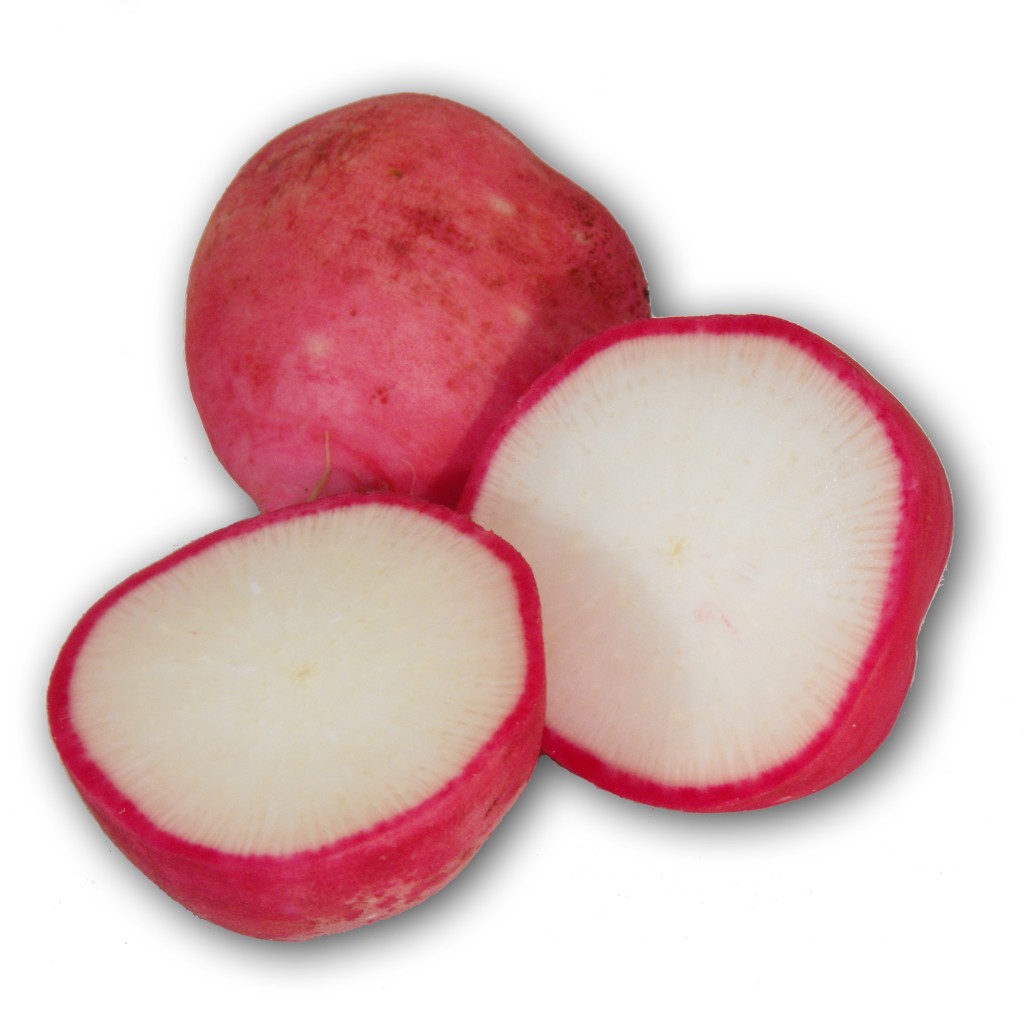
German Giant Radish is an outstanding heirloom variety that produces exceptionally large, bright scarlet-red roots while maintaining the crisp texture and mild flavor of much smaller radishes. Unlike many oversized varieties, German Giant remains tender, juicy, and slow to become pithy, making it ideal for gardeners who may not harvest immediately. Its attractive roots can grow several times larger than standard salad radishes without sacrificing quality, providing an extended harvest window and excellent garden performance. Fast-growing, dependable, and easy to cultivate, German Giant is perfect for fresh salads, sandwiches, vegetable trays, and home gardens seeking impressive size with outstanding flavor.
Days to Maturity: 28–35 days
Root Size: 2–3 inches in diameter
Root Color: Bright Scarlet Red with Crisp White Flesh
Growth Habit: Compact upright plants
Uses: Fresh salads, sandwiches, vegetable trays, garnishes, succession planting, home gardens
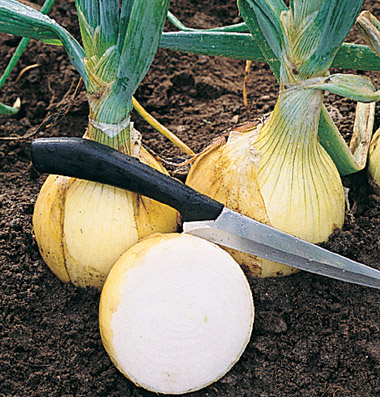
Ailsa Craig Giant Onion (Allium cepa) is a legendary Scottish heirloom famous for producing enormous, globe-shaped onions with exceptionally sweet, mild flavor. Introduced in the late 1800s and named after the distinctive granite island of Ailsa Craig off the coast of Scotland, this exhibition-quality variety has become a favorite among home gardeners and competitive growers alike. Its impressive size, tender white flesh, and outstanding sweetness make it one of the finest onions for fresh slicing and summer harvests.
Introduction
If you've ever admired giant onions at a county fair or garden show, there's a good chance they were Ailsa Craig. Under good growing conditions, these beautiful golden onions commonly reach 2 to 5 pounds, with exceptional specimens growing even larger. Despite their impressive size, the bulbs remain remarkably mild and juicy, making them perfect for fresh eating. Their dependable performance and outstanding flavor have kept this heirloom in gardens around the world for well over a century.
Why Grow Ailsa Craig Giant Onion?
- Classic Scottish heirloom variety.
- Produces enormous exhibition-size bulbs.
- Exceptionally sweet and mild flavor.
- Outstanding slicing onion.
- Excellent for onion-growing competitions.
- Uniform globe-shaped golden bulbs.
- Easy to grow in northern and intermediate regions.
- A favorite among home gardeners for generations.
Flavor & Culinary Uses
Ailsa Craig is prized for its crisp, juicy flesh and remarkably mild sweetness. Thick slices are delicious on hamburgers, sandwiches, salads, and fresh vegetable trays. The bulbs are equally excellent grilled, roasted, caramelized, or used in soups and casseroles. Because of their high sugar content and low pungency, they're among the finest onions for eating fresh.
Growing Information
Ailsa Craig is a long-day onion that performs best in northern and intermediate growing regions where long summer days encourage maximum bulb development. Plant in fertile, loose, well-drained soil with full sun and consistent moisture. Rich soil and regular watering are the keys to producing the giant bulbs this variety is famous for. Harvest when the tops naturally fall over and cure bulbs thoroughly before storing.
- Botanical Name: Allium cepa
- Plant Type: Long-day bulb onion
- Days to Maturity: 105–120 days
- Bulb Size: Very large, often 2–5 pounds
- Sun Requirements: Full sun
- Spacing: 4–6 inches
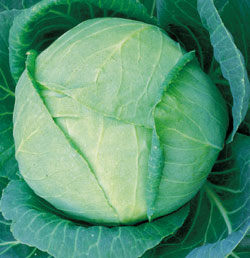
Tropic Giant F1 Cabbage is an extraordinary hybrid developed for gardeners who want massive harvests without sacrificing flavor or reliability. Producing enormous flat, mid-green heads that commonly weigh 10 to 12 pounds—and can grow even larger under ideal conditions—this vigorous variety combines exceptional size with excellent heat tolerance and dependable field performance. Unlike many giant cabbages, Tropic Giant maintains a sweet, crisp texture while resisting splitting and performing well even in warmer growing regions, making it a favorite for home gardens, fresh markets, and exhibition growers alike. :contentReference[oaicite:0]{index=0}
Why Grow This Variety
Tropic Giant lives up to its name by producing some of the largest quality cabbage heads available to home gardeners. Its vigorous plants develop huge, dense heads that remain firm and flavorful while exhibiting excellent tolerance to heat, humidity, and cracking. This adaptability allows gardeners in warmer climates to enjoy outstanding cabbage harvests where many traditional varieties struggle. Whether grown for family meals, market sales, or simply to impress the neighbors, Tropic Giant delivers spectacular results. :contentReference[oaicite:1]{index=1}
Flavor Profile
Tropic Giant offers a mild, pleasantly sweet flavor with crisp, juicy leaves and excellent texture. Despite its enormous size, the heads remain tender and flavorful, making them ideal for fresh coleslaw, cooking, soups, and fermentation. Cool autumn temperatures further enhance its natural sweetness.
Growing Information
- Botanical Name: Brassica oleracea var. capitata
- Plant Type: Cool-season annual
- Head Shape: Flattened Round
- Head Color: Mid Green
- Average Head Weight: 10–12 pounds (larger under ideal conditions)
- Sunlight: Full sun
- Soil: Deep, fertile, moisture-retentive, well-drained soil
- Soil pH: 6.2–7.2
- Days to Harvest: Approximately 80 days
Start seeds indoors 5 to 7 weeks before transplanting or sow directly for fall production. Space plants 30–36 inches apart to allow room for the enormous heads to develop. Rich soil, generous compost, regular fertilization, and consistent moisture are essential for achieving maximum size. Tropic Giant exhibits excellent heat tolerance, slow bursting, and strong resistance to cracking, making it especially valuable in regions with warm growing seasons. :contentReference[oaicite:2]{index=2}
Harvest & Storage
Harvest when heads become firm, dense, and fully developed by cutting at the base with a sharp knife. Leave several wrapper leaves attached to protect the head during handling and storage. The large heads keep well under refrigeration or in cool, humid storage and are excellent for preserving through fermentation or freezing after blanching.
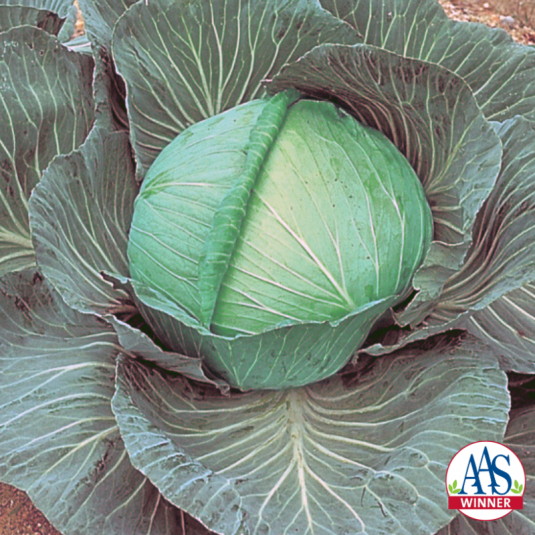
OS Cross Hybrid Cabbage is a world-famous giant cabbage variety developed for gardeners who want truly extraordinary harvests. Known for producing enormous, dense heads that commonly reach 20 to 30 pounds—and occasionally much larger under ideal conditions—OS Cross combines remarkable size with surprisingly sweet flavor and excellent texture. Despite its giant stature, the heads remain tightly packed and tender, making this hybrid an outstanding choice for fresh eating, sauerkraut, cooking, winter storage, and exhibition gardening.
Why Grow This Variety
Few vegetables make a statement in the garden like OS Cross. This hybrid was bred specifically to produce massive, uniform heads while maintaining outstanding eating quality. Gardeners appreciate its vigorous growth, dependable performance, and impressive yields that can feed an entire family from a single head. Whether you're entering giant vegetable competitions, supplying a farmers market, or simply growing the biggest cabbage on the block, OS Cross delivers spectacular results.
Flavor Profile
Despite its enormous size, OS Cross produces remarkably sweet, mild cabbage with crisp, juicy leaves and very little bitterness. The tightly packed heads maintain excellent tenderness, making them perfect for fresh slaws, soups, cabbage rolls, and fermentation. Cool autumn weather enhances the sweetness even further.
Growing Information
- Botanical Name: Brassica oleracea var. capitata
- Plant Type: Cool-season annual
- Head Shape: Round to slightly flattened
- Head Color: Bright Green
- Average Head Weight: 20–30 pounds (larger with ideal care)
- Sunlight: Full sun
- Soil: Deep, fertile, moisture-retentive, well-drained soil
- Soil pH: 6.2–7.2
- Days to Harvest: Approximately 85–95 days
Start seeds indoors 5 to 7 weeks before transplanting or sow directly for fall production. Space plants 30–36 inches apart to provide adequate room for the massive heads. Rich soil amended with compost, consistent irrigation, and regular feeding are essential for achieving maximum size. Steady growth throughout the season encourages dense, solid heads with outstanding quality.
Harvest & Storage
Harvest when heads become extremely firm and fully developed by cutting at the base with a sharp knife. Leave several outer wrapper leaves attached for protection during storage. OS Cross stores exceptionally well in cool, humid conditions and is ideal for preserving through fermentation or freezing after blanching.
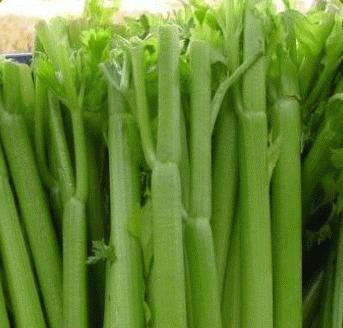
Giant Tendercrisp Celery is a premium heirloom variety prized for its exceptionally large, crisp stalks, rich flavor, and dependable garden performance. Producing vigorous plants with thick, bright green stems and abundant leafy tops, this variety offers the perfect balance of sweetness and traditional celery flavor without excessive stringiness. Whether enjoyed fresh from the garden, added to soups and stews, or used as an attractive garnish, Giant Tendercrisp has remained a favorite among home gardeners for generations because of its excellent productivity and outstanding eating quality.
Why Grow This Variety
Giant Tendercrisp produces tall, robust plants with thick, succulent stalks that remain crisp and flavorful throughout the growing season. Unlike many commercial celery varieties bred primarily for shipping, this heirloom emphasizes fresh garden flavor and tender texture. Its vigorous growth, reliable production, and excellent disease tolerance make it well suited for both beginning gardeners and experienced vegetable growers.
Flavor Profile
Giant Tendercrisp offers a mild, pleasantly sweet celery flavor with refreshing herbal notes and outstanding crispness. The stalks are tender, juicy, and far less stringy than many older varieties, while the leafy tops provide concentrated celery flavor that is highly valued in soups, stocks, and seasoning blends.
Growing Information
- Botanical Name: Apium graveolens var. dulce
- Plant Type: Cool-season biennial grown as an annual
- Plant Height: 18–24 inches
- Spread: 10–12 inches
- Stalk Color: Bright Green
- Sunlight: Full Sun to Light Afternoon Shade
- Soil: Rich, fertile, moisture-retentive, well-drained soil
- Soil pH: 6.0–7.0
- Days to Harvest: Approximately 100–120 days
Start seeds indoors 10 to 12 weeks before the last expected spring frost, as celery requires a long growing season. Transplant outdoors after danger of hard frost has passed. Space plants 8 to 10 inches apart in rows 24 inches apart. Celery requires consistently moist soil throughout the season and benefits greatly from generous applications of compost and balanced fertilizer. Avoid allowing plants to dry out, as moisture stress can reduce stalk quality and increase bitterness.
Harvest & Storage
Harvest entire plants when the stalks reach full size and become thick and crisp, or harvest individual outer stalks as needed while allowing the center to continue growing. Fresh celery stores well in the refrigerator for several weeks and can also be chopped and frozen for soups and cooked dishes.
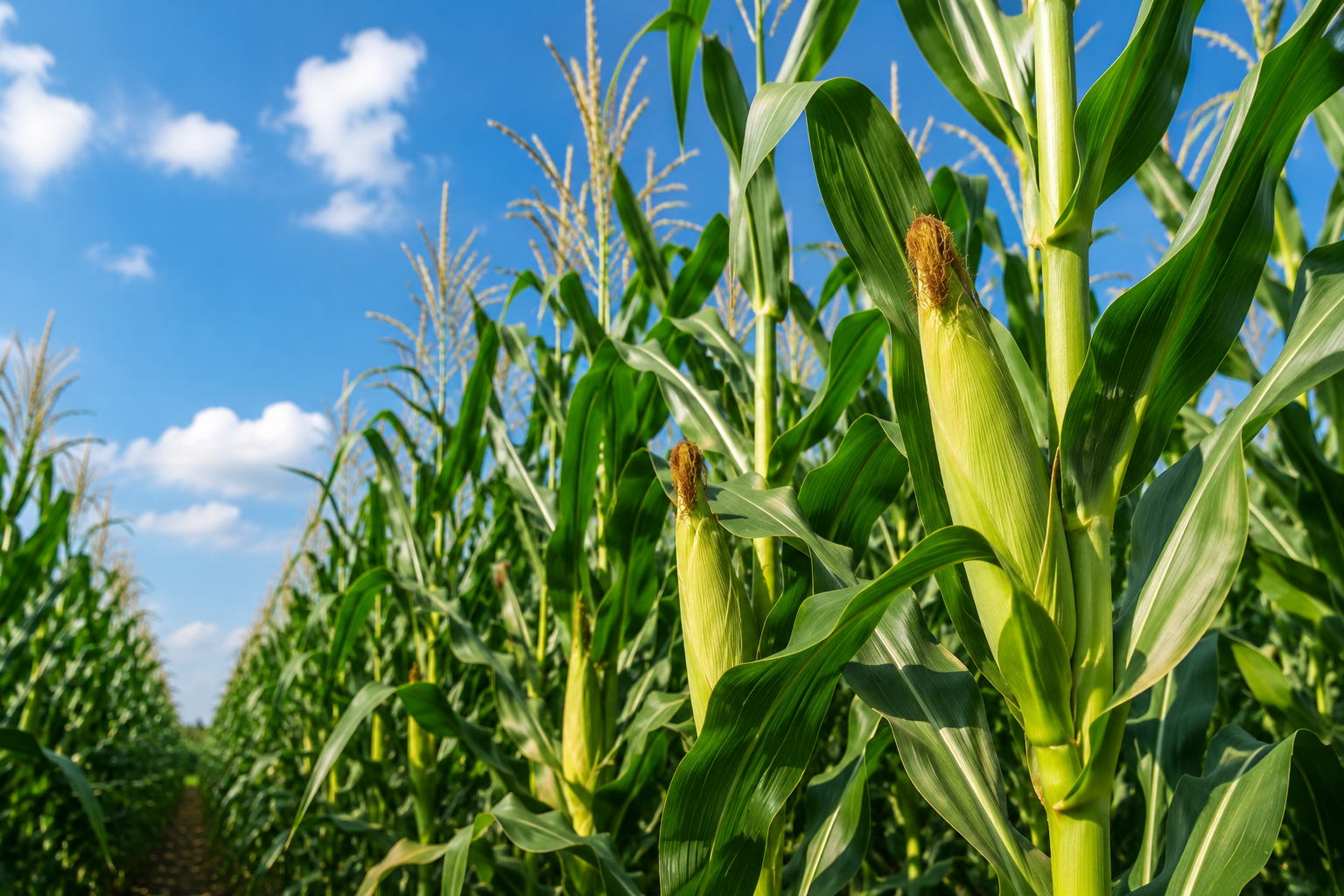
Giant Silo Corn is an impressive heirloom field corn grown primarily for producing enormous amounts of towering forage, but it has also become a favorite among home gardeners simply because of its incredible size. Reaching heights of 12 to 18 feet under ideal growing conditions, Giant Silo Corn quickly becomes one of the most striking features in any garden. Its massive stalks, broad leaves, and large ears create a dramatic display while also providing livestock feed, wildlife habitat, seasonal decorations, and natural privacy screens. Whether planted for agricultural use or simply to amaze friends and neighbors, Giant Silo Corn never fails to make a lasting impression.
Why Grow This Variety?
If you've ever wanted to grow a plant that truly towers over the garden, Giant Silo Corn is hard to beat. Children love watching it grow seemingly overnight, while gardeners often plant it simply for the fun of seeing how tall it can become. Beyond its ornamental appeal, it produces tremendous amounts of biomass that can be used as livestock forage, compost material, mulch, or wildlife cover. Its towering stalks also make excellent seasonal screens and can even serve as living windbreaks around vegetable gardens.
Flavor Profile
Unlike sweet corn, Giant Silo Corn is grown as a field corn rather than for fresh eating. Mature kernels become hard and starchy, making them suitable for livestock feed, cornmeal, cracked corn, hominy, or decorative uses. Young ears can occasionally be harvested early, but this variety is valued far more for its size and productivity than its table quality.
Growing Information
- Botanical Name: Zea mays
- Plant Type: Warm-season annual
- Days to Maturity: Approximately 100-120 days
- Sun Exposure: Full sun
- Soil: Deep, fertile, well-drained soil
- Soil pH: 6.0-7.0
- Plant Height: 12-18 feet under ideal conditions
- Spacing: 10-12 inches between plants in blocks
- Row Spacing: 30-36 inches
- Water: Moderate to high during active growth
For the tallest plants, provide rich soil, generous organic matter, regular irrigation, and adequate nitrogen throughout the growing season. Plant in blocks rather than single rows to ensure excellent wind pollination and full ear development. Because of its tremendous height, choose a location protected from severe winds whenever possible.
Harvest & Storage
Allow ears to mature completely on the stalk until the husks dry and kernels become hard. Harvest before prolonged wet weather arrives, then finish drying in a well-ventilated location if necessary. Properly dried ears store well for many months and may be shelled as needed for livestock feed, seed saving, or processing into cornmeal.
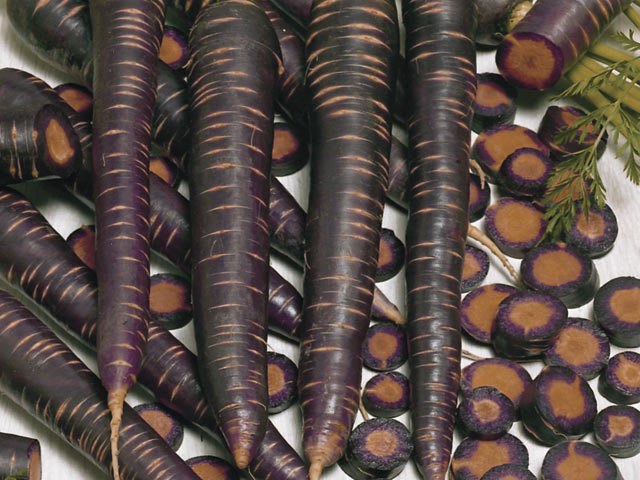
Purple Haze F1 Hybrid Carrot is an award-winning gourmet variety that combines dramatic beauty with exceptional flavor and nutrition. Its smooth roots feature rich purple skin surrounding a brilliant orange interior, creating a striking contrast when sliced. Unlike ancient purple carrots, Purple Haze was specifically bred to deliver outstanding sweetness, crisp texture, and uniform roots while retaining the valuable anthocyanin-rich purple exterior. The result is a premium carrot that is equally at home in the home garden, gourmet kitchen, and fresh market.
Why Grow This Variety
Purple Haze offers the best of both worlds—spectacular appearance and outstanding eating quality. The vigorous plants produce smooth, uniform roots that are remarkably sweet and crisp, making them perfect for fresh eating. Their unique purple skin attracts attention at farmers markets and dinner tables alike, while their dependable garden performance makes them easy to grow for gardeners of every skill level.
Flavor Profile
Purple Haze delivers a wonderfully sweet, crisp flavor with tender, juicy flesh and a very small core. The orange interior provides classic carrot sweetness, while the purple skin adds a mild earthy richness that complements both fresh and cooked dishes. Cool autumn weather further enhances the natural sugars.
Growing Information
- Botanical Name: Daucus carota subsp. sativus
- Plant Type: Cool-season root vegetable
- Root Length: 7–9 inches
- Root Color: Deep Purple Exterior with Bright Orange Interior
- Sunlight: Full sun
- Soil: Deep, loose, fertile, stone-free, well-drained soil
- Soil pH: 6.0–6.8
- Days to Harvest: Approximately 70–75 days
Sow seeds directly outdoors in early spring or late summer for fall harvests. Plant seed ¼ inch deep and thin seedlings to 2–3 inches apart after emergence. Loose, deeply cultivated soil encourages long, smooth roots with vibrant coloration. Consistent moisture throughout the growing season promotes uniform growth and exceptional sweetness.
Harvest & Storage
Harvest when roots reach full size while maintaining their crisp texture and bright coloration. Remove leafy tops promptly after harvest to retain freshness. Purple Haze stores very well under refrigeration or in cool, humid root cellar conditions for several months while maintaining excellent flavor and texture.
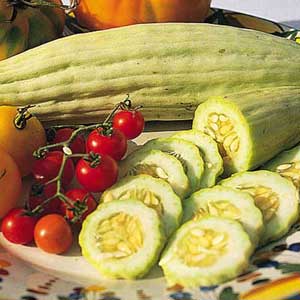
Armenian Yard Long Cucumber is a fascinating heirloom that isn't actually a true cucumber at all—botanically, it is a variety of muskmelon (Cucumis melo) that produces long, slender fruits with the taste, texture, and culinary uses of a cucumber. Also known as the Snake Melon or Snake Cucumber, this ancient variety has been cultivated throughout Armenia, the Middle East, and the Mediterranean region for centuries. Its pale green, deeply ribbed fruits commonly grow 18 to 30 inches long and can exceed 36 inches under ideal conditions. Crisp, sweet, and virtually free of bitterness, Armenian Yard Long is prized for its exceptional heat tolerance, vigorous growth, and gourmet flavor.
Flower Type
Monoecious. Armenian Yard Long produces both male and female flowers on the same plant and relies upon honeybees and other pollinating insects for fruit production. Although it is commonly called a cucumber, it belongs to the muskmelon species (Cucumis melo) and will not cross-pollinate with common cucumbers (Cucumis sativus). However, it can cross with other varieties of muskmelons if seed saving is planned.
Why Grow This Variety?
Few garden vegetables attract as much attention as Armenian Yard Long. The vigorous vines produce spectacular fruits that often grow over two feet long while remaining crisp, tender, and sweet. Unlike many cucumbers, the fruits stay mild even during periods of intense summer heat and rarely develop bitterness. The plants are extremely productive, highly heat tolerant, and continue producing throughout the growing season. Their unique appearance also makes them a favorite conversation piece in the garden.
Flavor Profile
Armenian Yard Long offers an exceptionally mild, sweet cucumber flavor with crisp, juicy flesh and virtually no bitterness. The thin, tender skin requires no peeling, while the interior remains nearly seedless when harvested young. Even large fruits maintain excellent texture and refreshing flavor.
Growing Information
- Botanical Name: Cucumis melo var. flexuosus
- Common Name: Armenian Yard Long, Snake Melon, Snake Cucumber
- Plant Type: Warm-season annual vine
- Flower Type: Monoecious
- Days to Harvest: Approximately 60-70 days
- Sun Exposure: Full sun
- Soil: Rich, fertile, well-drained soil
- Soil pH: 6.0-7.2
- Vine Length: 8-12 feet or longer
- Fruit Length: 18-30 inches, occasionally longer
- Spacing: 24-36 inches between plants
- Water: Maintain even moisture during flowering and fruit production
Sow seeds after all danger of frost has passed and the soil has thoroughly warmed. Armenian Yard Long performs exceptionally well on sturdy trellises, where the hanging fruits develop straighter, cleaner, and often longer than those grown on the ground. The plants thrive in hot climates where ordinary cucumbers may struggle, making them an excellent choice for southern gardens.
Harvest & Storage
Harvest fruits when they reach approximately 18 to 24 inches long for the finest eating quality, although they remain tender even at larger sizes. Pick regularly to encourage continued flowering and fruit production. Fresh fruits store well in the refrigerator for up to one week but are best enjoyed shortly after harvest.
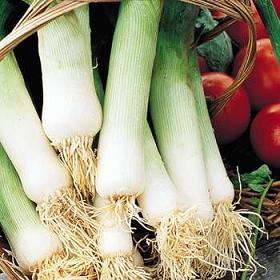
Musselburg Giant Leek (Allium ampeloprasum var. porrum) is a classic Scottish heirloom renowned for producing enormous, thick white stems with outstanding winter hardiness. Originally developed near Musselburgh, Scotland during the 1800s, this time-tested variety has become one of the world's most respected exhibition and culinary leeks. Its mild, sweet onion flavor, vigorous growth, and ability to withstand freezing temperatures make it a favorite among home gardeners and market growers alike. Whether harvested young for tender baby leeks or grown to impressive exhibition size, Musselburg Giant consistently delivers exceptional quality.
Introduction
Leeks have been cultivated for thousands of years and remain one of the finest cool-season vegetables. Musselburg Giant is especially valued for its long, thick, snow-white shanks and handsome blue-green foliage. Unlike onions, leeks produce a delicate, sweet flavor without overwhelming pungency, making them an indispensable ingredient in soups, stews, casseroles, and gourmet dishes. This variety grows vigorously through cool weather and often improves in flavor after exposure to frost.
Why Grow Musselburg Giant Leeks?
- Historic Scottish heirloom dating back over 150 years.
- Produces exceptionally thick, long white stems.
- Excellent cold and frost tolerance.
- Mild, sweet onion flavor without harshness.
- Outstanding winter harvest variety.
- Ideal for home gardens and market production.
- Stores well in the garden through winter.
- Excellent exhibition-quality vegetable.
- Easy to grow with minimal pest problems.
- Reliable performer in a wide range of climates.
Flavor Profile
Musselburg Giant offers a rich yet delicate onion flavor that is noticeably sweeter and milder than common bulb onions. Cooking further enhances its natural sweetness, producing a smooth, buttery flavor that blends beautifully into soups, sauces, and roasted vegetable dishes. The tender white stems are especially prized, while the darker green leaves provide excellent flavor for homemade stocks and broths.
Growing Information
Leeks thrive in cool weather and fertile, moisture-retentive soil rich in organic matter. Start seeds indoors 8 to 10 weeks before the last spring frost or sow directly outdoors in cool climates. As plants grow, gradually mound soil around the stems or use deep planting methods to blanch the shanks, producing the long white stems prized by gardeners and cooks.
- Botanical Name: Allium ampeloprasum var. porrum
- Plant Type: Hardy biennial grown as an annual
- Days to Maturity: 110–130 days
- Plant Height: 24–36 inches
- Stem Diameter: Up to 3 inches under ideal conditions
- Sun Requirements: Full sun
- Soil: Rich, fertile, consistently moist, well-drained soil
- Spacing: 6 inches between plants
- Water: Maintain even moisture throughout the growing season
Regular watering and fertile soil encourage rapid growth and thick stems. Blanching by hilling soil around the stems creates the longest, most tender white shanks.
Harvest & Storage
Harvest whenever stems reach usable size by loosening the soil and gently lifting the plants. Musselburg Giant is famous for remaining in excellent condition even after repeated frosts and may be harvested throughout much of the winter in many regions. Fresh leeks store for several weeks under refrigeration, while plants left in the garden often remain harvestable until spring where winters are not excessively severe.
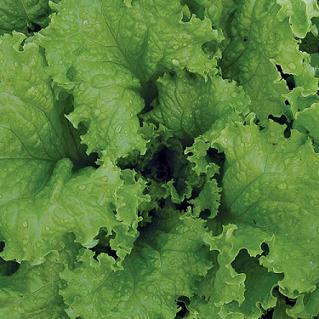
SloBolt Lettuce (Lactuca sativa) is an improved looseleaf lettuce variety bred specifically for exceptional heat tolerance and remarkable resistance to bolting. As its name suggests, SloBolt remains productive long after many traditional lettuce varieties have sent up flower stalks, allowing gardeners to enjoy crisp, fresh salads well into late spring and summer. Its attractive bright green leaves, mild flavor, and dependable performance have made it a favorite among home gardeners, market growers, and anyone looking to extend the lettuce season without sacrificing quality.
Introduction
Few vegetables are as satisfying as freshly harvested lettuce, but rising temperatures often shorten the harvest season. SloBolt was developed to solve that problem by producing vigorous plants that remain leafy, crisp, and flavorful even during periods of warmer weather. This looseleaf variety forms attractive upright rosettes of tender leaves that can be harvested repeatedly using the popular cut-and-come-again method, providing continuous harvests from a single planting.
Why Grow SloBolt Lettuce?
- Exceptional resistance to bolting.
- Excellent heat tolerance for extended harvests.
- Crisp, tender, bright green leaves.
- Mild flavor with very little bitterness.
- Perfect for cut-and-come-again harvesting.
- Long productive harvest season.
- Easy to grow in gardens, raised beds, and containers.
- Ideal for succession planting.
- Reliable performer in a wide range of climates.
- Excellent choice for beginning gardeners.
Flavor Profile
SloBolt produces crisp, refreshing leaves with a pleasantly mild, slightly sweet flavor. Unlike many lettuces that become bitter during warm weather, SloBolt maintains excellent eating quality well into the growing season. The tender leaves have a satisfying crunch that makes them ideal for fresh salads, sandwiches, and wraps.
Growing Information
SloBolt grows best in fertile, well-drained soil with consistent moisture and full sun to partial afternoon shade in warmer climates. Direct sow seeds every two to three weeks for continuous harvests throughout the season. While highly resistant to bolting, regular watering and light afternoon shade during extreme summer heat will further improve leaf quality and extend production.
- Botanical Name: Lactuca sativa
- Plant Type: Cool-season annual leafy vegetable
- Days to Maturity: 45–55 days
- Plant Height: 10–14 inches
- Plant Spread: 10–12 inches
- Sun Requirements: Full sun to partial shade
- Soil: Rich, fertile, well-drained soil
- Spacing: 8–10 inches between plants
- Water: Maintain consistent soil moisture
Harvest outer leaves regularly while allowing the center to continue producing. Frequent harvesting encourages vigorous new growth and extends the productive life of each plant.
Harvest & Storage
Begin harvesting individual outer leaves when they reach usable size or cut entire plants at maturity. Harvesting during the cool morning hours produces the crispest leaves. Store freshly harvested lettuce in the refrigerator inside a sealed container or plastic bag for maximum freshness and use within several days for the finest quality.
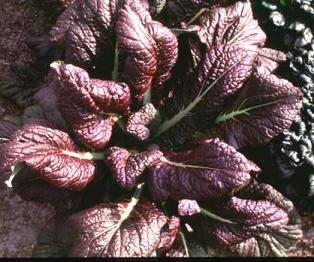
Giant Japanese Red Mustard (Brassica juncea) is an eye-catching heirloom mustard green prized for its spectacular deep burgundy foliage, bold yet pleasantly balanced flavor, and exceptional ornamental beauty. Producing large, deeply serrated leaves with brilliant shades of crimson, purple, and mahogany, this striking variety is equally at home in the vegetable garden and ornamental landscape. Fast-growing, highly nutritious, and remarkably productive, Giant Japanese Red Mustard has been cultivated in Asia for centuries and is now treasured by gardeners around the world for both its culinary excellence and dramatic appearance.
Few vegetables create as much visual impact as Giant Japanese Red Mustard. Long before the first harvest, its rich wine-red foliage transforms ordinary garden beds into colorful displays worthy of ornamental borders. As temperatures cool, the leaf color intensifies, creating brilliant shades that rival many flowering plants. At the same time, the tender young leaves develop a wonderfully mild peppery flavor, while mature foliage provides the rich, robust taste that has made mustard greens a favorite in Asian and Southern cooking alike.
This remarkable heirloom proves that vegetables can be every bit as beautiful as they are productive. Whether grown in raised beds, containers, edible landscapes, or traditional gardens, Giant Japanese Red Mustard delivers outstanding harvests while serving as one of the most attractive foliage plants in the garden.
Why Grow Giant Japanese Red Mustard?
- Spectacular deep burgundy and purple foliage.
- Large, beautifully serrated ornamental leaves.
- Excellent for both fresh salads and cooked greens.
- Cold hardy with improved flavor after frost.
- Fast-growing and highly productive.
- Outstanding ornamental value in edible landscapes.
- Rich in vitamins and antioxidants.
- Excellent cut-and-come-again harvests.
- Thrives during cool spring and fall weather.
- A favorite in both Asian and gourmet cuisine.
Flavor Profile
Young Giant Japanese Red Mustard leaves have a pleasantly mild peppery flavor with subtle sweetness that makes them outstanding additions to fresh salad mixes. As the leaves mature, the flavor becomes fuller and more complex while remaining less aggressive than many traditional mustard greens. Light frosts naturally mellow the flavor even further, producing tender leaves with exceptional eating quality.
Growing Information
Like most mustard greens, Giant Japanese Red Mustard thrives during cool weather. Sow seeds directly outdoors in early spring or late summer for abundant fall harvests. Rich, fertile soil combined with regular watering encourages rapid growth and tender leaves. Cool temperatures not only improve flavor but also intensify the spectacular red coloration that makes this variety so distinctive.
- Botanical Name: Brassica juncea
- Plant Type: Cool-season annual leafy vegetable
- Days to Maturity: 40–50 days
- Plant Height: 18–24 inches
- Leaf Type: Large, deeply serrated burgundy leaves
- Sun Requirements: Full sun to partial shade
- Soil: Rich, fertile, well-drained soil
- Spacing: 8–12 inches between plants
- Water: Maintain consistently moist soil
Harvest young leaves for salads, or allow plants to mature for cooking greens. Removing the outer leaves regularly encourages vigorous new growth and extends the harvest season for many weeks.
Harvest & Storage
Baby greens can be harvested when only a few inches tall, while mature leaves provide larger harvests for cooking. Morning harvesting preserves the highest moisture content and crispness. Fresh leaves store well under refrigeration for about one week, although their finest flavor is enjoyed shortly after picking.
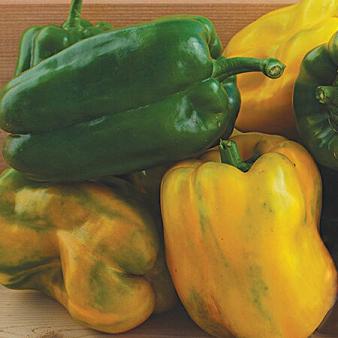
Yellow Bountiful Pepper (Capsicum annuum) is a classic sweet bell pepper valued for its high yields, smooth blocky fruits, and excellent flavor. The attractive peppers mature from glossy green to bright golden yellow, offering a crisp texture and a slightly fruity sweetness. Vigorous, dependable plants produce abundant harvests throughout the growing season, making this variety a reliable choice for home gardeners and market growers.
Why Grow Yellow Bountiful?
Produces large, blocky yellow bell peppers with thick walls. Exceptionally sweet with crisp texture. Heavy producer throughout the season. Excellent for stuffing, roasting, grilling, and fresh eating. Reliable and easy to grow.
Flavor, Heat & Culinary Uses
Heat Level: Sweet (0 SHU)
Sweet, crisp, and juicy with absolutely no heat. Perfect for stuffed peppers, roasting, grilling, stir-fries, salads, sandwiches, vegetable trays, and fresh garden snacks. Fully ripe yellow fruits offer bright color and a slightly fruity, mild sweetness.
Growing Information
Easy to grow in fertile, well-drained soil with full sun. Keep plants evenly watered for best fruit size and support if heavily loaded. Harvest green for early use or allow fruits to mature to brilliant yellow for peak sweetness and color.
Seedman Notes
Yellow Bountiful is a dependable garden standard that consistently produces strong yields of bright, flavorful bell peppers. Its reliability and vibrant color make it a great choice for gardeners who want a steady supply of sweet peppers throughout the season.
Quick Facts: Capsicum annuum • 75–80 Days • Sweet (0 SHU) • 24–36" Plants • Blocky Bell Fruits • Green to Bright Yellow • Best for Stuffing, Roasting & Fresh Eating
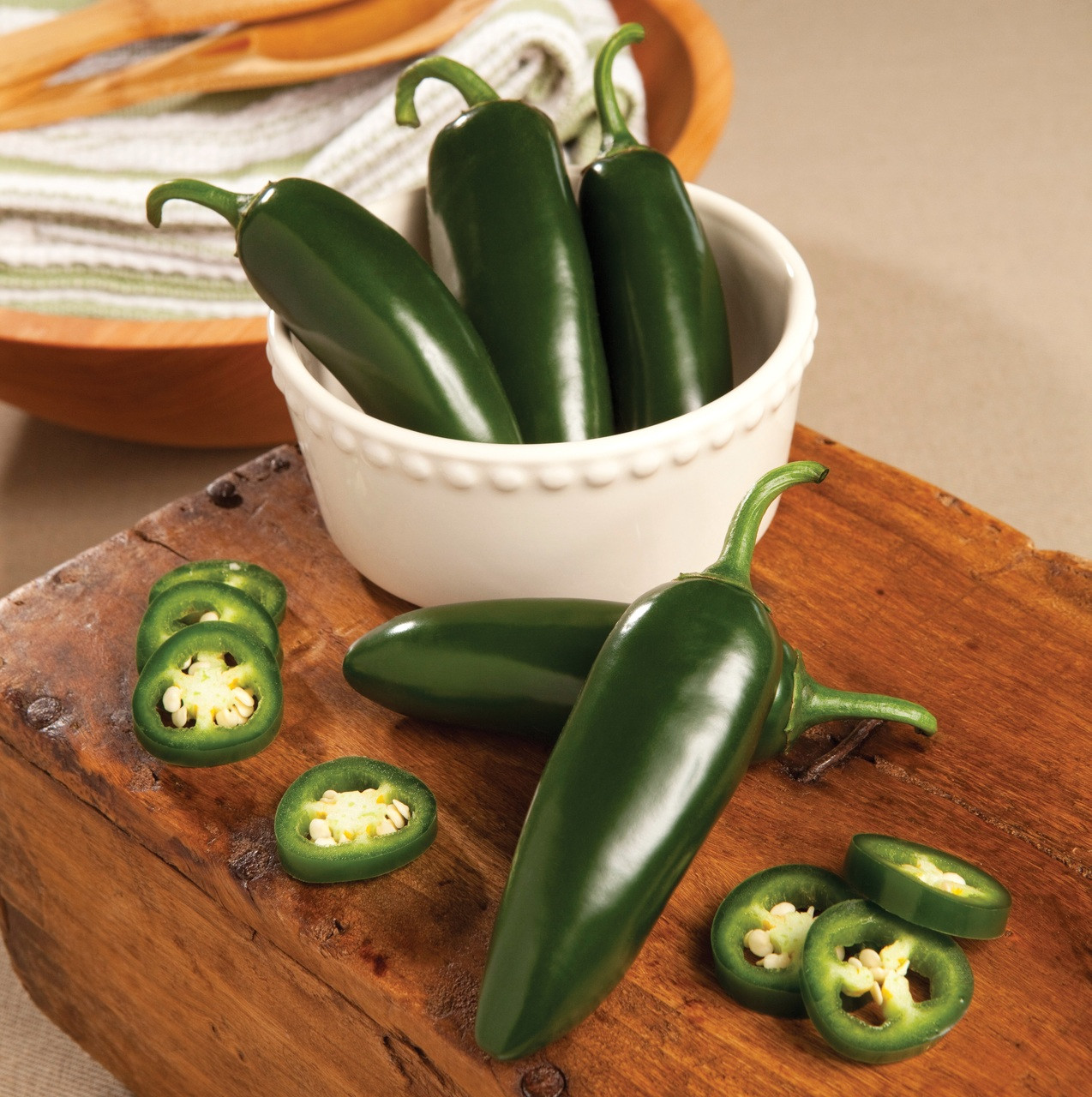
Jalafuego F1 Pepper (Capsicum annuum) is a premium hybrid jalapeño developed for exceptional productivity, disease resistance, and bold jalapeño flavor. The smooth, thick-walled peppers mature from glossy green to bright red and deliver dependable medium heat with excellent uniformity. Vigorous plants produce abundant harvests throughout the season, making Jalafuego F1 an outstanding choice for both home gardeners and market growers.
Why Grow Jalafuego F1?
Premium hybrid with outstanding yields. Produces thick-walled, uniform jalapeños with dependable heat. Heavy producer throughout the season. Excellent for fresh salsa, pickling, grilling, stuffing, and Mexican cuisine. Vigorous plants with excellent garden performance.
Flavor, Heat & Culinary Uses
Heat Level: Medium (4,000–8,000 SHU)
Fresh, crisp jalapeño flavor with a pleasant, well-balanced heat. Excellent for poppers, fresh salsa, tacos, nachos, pickling, grilling, chili, sandwiches, and homemade hot sauces. Fully ripe red peppers develop additional sweetness and are excellent for smoking into chipotles.
Growing Information
Easy to grow in fertile, well-drained soil with full sun. Keep plants evenly watered and harvest peppers regularly to encourage continuous production. Pick fruits green for classic jalapeño flavor or allow them to mature to bright red for added sweetness and versatility.
Seedman Notes
Jalafuego F1 is an excellent choice for gardeners who want dependable harvests of high-quality jalapeños. The plants are vigorous, productive, and loaded with uniform peppers that perform equally well fresh, pickled, grilled, or smoked. It's a variety that rarely disappoints.
Quick Facts: Capsicum annuum • 70–75 Days • Medium (4,000–8,000 SHU) • 24–36" Plants • 3–4" Thick-Walled Fruits • Green to Bright Red • Best for Salsa, Poppers, Pickling & Chipotles
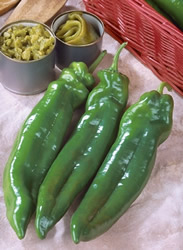
Big Chile Hybrid Pepper (Capsicum annuum) is a high-yielding hybrid chile pepper developed to produce exceptionally large, smooth fruits with mild heat and outstanding flavor. The long, thick-walled peppers mature from glossy green to bright red and are perfect for roasting, stuffing, grilling, and authentic Southwestern cooking. Vigorous plants produce abundant harvests of uniform peppers throughout the growing season.
Why Grow Big Chile Hybrid?
Produces exceptionally large, smooth chile peppers with thick walls. Mild heat and outstanding flavor. Heavy producer throughout the season. Excellent for roasting, stuffing, grilling, and Southwestern recipes. Dependable hybrid performance.
Flavor, Heat & Culinary Uses
Heat Level: Mild (500–1,500 SHU)
Rich, slightly sweet chile flavor with gentle heat that appeals to nearly everyone. Excellent for chile rellenos, roasting, grilling, stuffing, salsa, fajitas, enchiladas, soups, stews, and fresh cooking. Fully ripened red peppers develop a sweeter, deeper flavor.
Growing Information
Easy to grow in fertile, well-drained soil with full sun. Keep plants evenly watered for maximum fruit size and support plants if heavily loaded with peppers. Harvest green for traditional chile flavor or allow fruits to mature to bright red for added sweetness.
Seedman Notes
Big Chile Hybrid combines impressive fruit size with dependable production, making it an excellent choice for gardeners who enjoy roasting and stuffing peppers. The large, uniform fruits are easy to prepare and consistently produce outstanding results in the kitchen.
Quick Facts: Capsicum annuum • 75–80 Days • Mild (500–1,500 SHU) • 24–36" Plants • 8–9" Long Fruits • Green to Bright Red • Best for Roasting, Stuffing & Southwestern Cooking
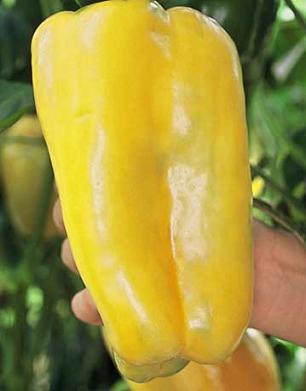
( Sweet Bell Pepper )
Super Heavyweight Bell Pepper (Capsicum annuum) is an extra-large sweet bell pepper bred for massive fruits, thick walls, and outstanding productivity. The impressive peppers mature from glossy green to brilliant red and are known for their exceptional size, crisp texture, and rich, sweet flavor. Vigorous plants produce heavy yields throughout the growing season, making this variety ideal for gardeners who want truly oversized bell peppers.
Why Grow Super Heavyweight?
Produces extremely large blocky bell peppers. Thick-walled, crisp, and exceptionally sweet. Heavy producer throughout the season. Excellent for stuffing, roasting, grilling, and fresh eating. Ideal for gardeners who want maximum fruit size.
Flavor, Heat & Culinary Uses
Heat Level: Sweet (0 SHU)
Sweet, juicy, and crisp with absolutely no heat. Perfect for oversized stuffed peppers, roasting, grilling, stir-fries, salads, sandwiches, vegetable trays, and fresh garden snacks. Fully ripe red fruits develop maximum sweetness and rich flavor.
Growing Information
Easy to grow in fertile, well-drained soil with full sun. Keep plants evenly watered for best fruit development and provide support as peppers reach very large sizes. Harvest green or allow fruits to mature to bright red for peak sweetness.
Seedman Notes
Super Heavyweight lives up to its name by producing some of the largest bell peppers available to home gardeners. The plants are vigorous and reliable, and the oversized fruits are perfect for stuffing or grilling when you want maximum impact on the plate.
Quick Facts: Capsicum annuum • 75–80 Days • Sweet (0 SHU) • 24–36" Plants • Extra-Large Blocky Fruits • Green to Brilliant Red • Best for Stuffing, Roasting & Fresh Eating
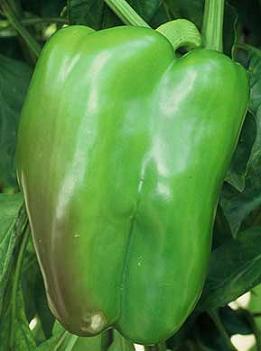
Chinese Giant Pepper (Capsicum annuum) is a classic heirloom sweet bell pepper prized for its exceptionally large, blocky fruits, thick walls, and outstanding flavor. Introduced more than a century ago, this dependable variety produces impressive peppers that mature from glossy green to brilliant red. Vigorous, productive plants provide generous harvests, making Chinese Giant an excellent choice for stuffing, roasting, grilling, and fresh eating.
Why Grow Chinese Giant?
Classic heirloom bell pepper. Produces exceptionally large, thick-walled fruits with excellent sweetness. Heavy producer throughout the season. Outstanding for stuffing, roasting, grilling, and fresh eating. A dependable favorite for home gardens.
Flavor, Heat & Culinary Uses
Heat Level: Sweet (0 SHU)
Sweet, crisp, and juicy with absolutely no heat. Excellent for oversized stuffed peppers, roasting, grilling, salads, sandwiches, stir-fries, vegetable trays, and fresh garden snacks. Fully ripened red fruits develop an even richer, sweeter flavor.
Growing Information
Easy to grow in fertile, well-drained soil with full sun. Keep plants evenly watered for maximum fruit size and support plants if heavily loaded with peppers. Harvest green for traditional bell pepper flavor or allow fruits to mature to brilliant red for peak sweetness.
Seedman Notes
Chinese Giant has remained popular with gardeners for generations because it consistently produces exactly what its name promises—large, meaty, sweet bell peppers. It's an excellent heirloom choice for anyone who appreciates old-fashioned flavor combined with impressive fruit size.
Quick Facts: Capsicum annuum • 75–80 Days • Sweet (0 SHU) • 24–36" Plants • Extra-Large Blocky Bell Fruits • Green to Brilliant Red • Best for Stuffing, Roasting & Fresh Eating
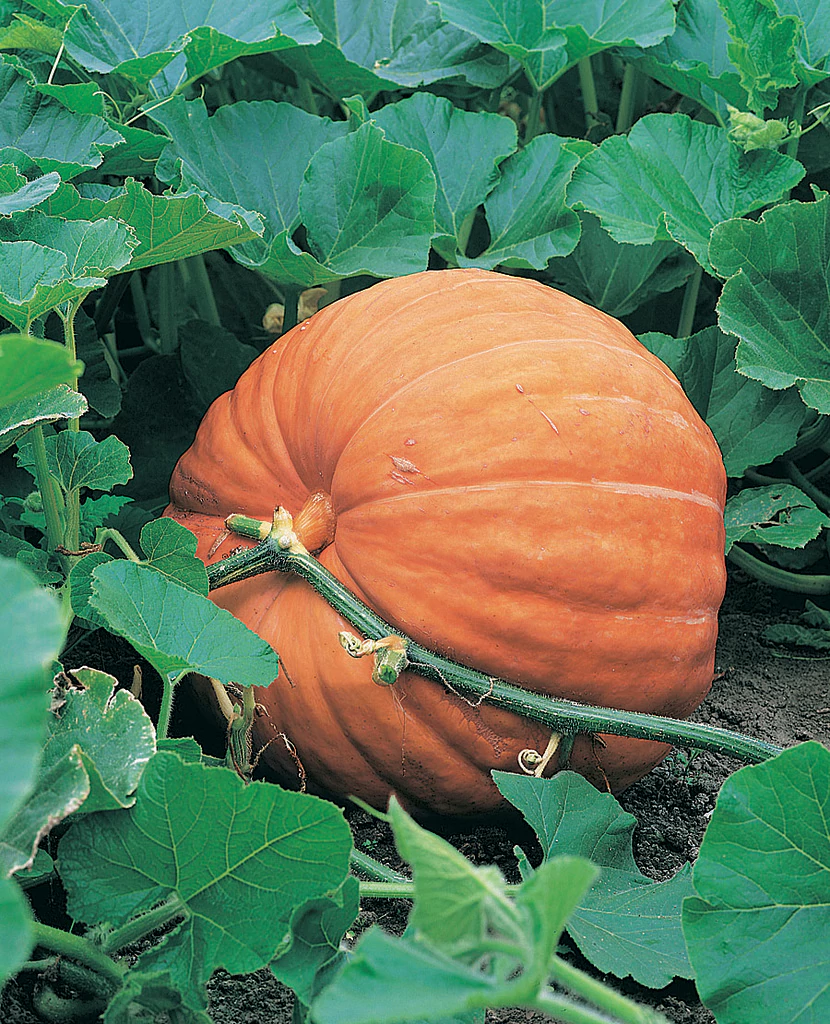
Dill's Atlantic Giant is the legendary giant pumpkin variety that has produced numerous world-record pumpkins weighing well over 2,000 pounds under expert growing conditions. Developed by Canadian grower Howard Dill, this award-winning heirloom has become the gold standard for giant pumpkin competitions around the world. Vigorous vines produce enormous orange pumpkins when provided with rich soil, abundant moisture, and regular feeding. Even home gardeners can expect impressively large pumpkins that make unforgettable fall displays, while dedicated growers can pursue truly colossal specimens worthy of competition.
Days to Maturity: 120–130 days
Fruit Size: Commonly 200–500+ pounds; competition specimens can exceed 2,000 pounds
Fruit Color: Bright Orange
Growth Habit: Large vigorous vining plant
Uses: Giant pumpkin competitions, fall displays, exhibitions, festivals, jack-o'-lanterns
Tips on How to Grow Dill's Atlantic Giant Pumpkins
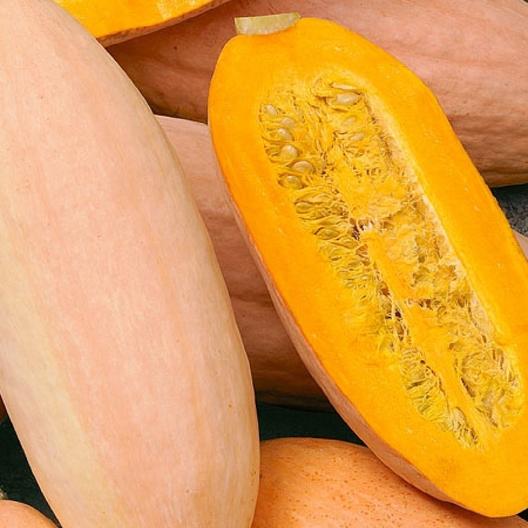
Giant Pink Banana Squash is a spectacular heirloom winter squash renowned for its enormous banana-shaped fruits, beautiful salmon-pink skin, and exceptionally sweet, fine-grained orange flesh. First introduced to American gardeners in the late 1800s, this remarkable variety has remained a favorite for generations because of its impressive size, outstanding flavor, and dependable productivity. Mature fruits commonly reach 15 to 30 pounds, with exceptional specimens growing even larger under ideal conditions. Despite their impressive size, the flesh remains smooth, dense, and remarkably sweet, making Giant Pink Banana one of the finest all-purpose winter squash for home gardens and market growers.
Vigorous vines spread rapidly, producing long, gracefully curved fruits with attractive pink to salmon-colored rinds that become increasingly beautiful as they mature. Thick walls of deep orange flesh surround a relatively small seed cavity, providing an abundance of premium-quality squash for the kitchen. The durable rind protects the fruits during storage, allowing gardeners to enjoy fresh homegrown squash for months after harvest. Fruits should be harvested once the rinds have fully hardened and before the first hard frost for maximum keeping quality.
Giant Pink Banana thrives in full sun and fertile, well-drained soil where its vigorous vines have ample room to spread. Consistent moisture during fruit development encourages maximum size and superior quality. After harvest, cure the squash in a warm, dry location for 10 to 14 days to harden the rind and further concentrate its natural sweetness. Properly cured fruits store exceptionally well for several months in a cool, dry location while maintaining their excellent flavor and texture. Rich in beta-carotene, vitamins A and C, potassium, antioxidants, and dietary fiber, this heirloom provides wholesome nutrition throughout the fall and winter.
Its rich, sweet flesh is outstanding for roasting, baking, steaming, soups, pies, casseroles, purees, and freezing. The enormous fruits yield generous quantities of flavorful flesh, making them especially popular for preserving and sharing with family and friends. Combining historic heirloom character, impressive size, beautiful pink coloration, exceptional storage life, and gourmet eating quality, Giant Pink Banana continues to rank among the most rewarding winter squash varieties a gardener can grow.
Botanical Name: Cucurbita maxima
Days to Maturity: 105–115 days
Plant Length: 12–20 feet
Fruit Size: 15–30 pounds or more
Growth Habit: Vigorous trailing vine
Primary Uses: Baking, roasting, soups, pies, casseroles, purees, freezing, long-term storage
Seedman Notes: Giant Pink Banana is one of the true classics of the heirloom squash world. Its beautiful salmon-pink fruits, exceptional sweetness, remarkable storage qualities, and tremendous yields make it an outstanding choice for gardeners who appreciate both historic varieties and premium culinary quality.
1A211 Marina di Chioggia Squash
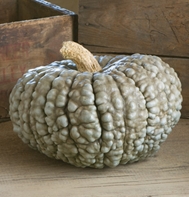
Marina di Chioggia Squash is one of the most unusual and beautiful heirloom squashes in the world. This classic Italian variety produces large, flattened, deeply ribbed fruits with a distinctive blue-green rind covered in heavy bumps and warts. Its dramatic appearance makes it outstanding for fall displays, while its rich, sweet flesh makes it equally valuable in the kitchen.
The fruits are truly striking. Their rugged, old-world appearance looks almost sculptural, with thick rounded ribs, a flattened turban-like shape, and a waxy blue-green skin that becomes increasingly textured as the squash matures. Cut fruits reveal beautiful golden-orange flesh that is dense, dry, sweet, and excellent for cooking.
Historical Tidbit: Marina di Chioggia originated near Chioggia, a historic fishing town located at the southern end of the Venetian Lagoon in Italy. For generations, this squash has been treasured in Italian markets for its excellent flavor, long storage quality, and unforgettable appearance.
This variety is often considered both an edible winter squash and an ornamental showpiece. Its unusual bumpy skin makes it one of the most eye-catching squashes for harvest displays, farm stands, and autumn decorating.
Growing Information:
- Botanical Name: Cucurbita maxima
- Plant Type: Annual winter squash vine
- Days to Maturity: 95–110 days
- Sun Exposure: Full sun
- Vine Length: 8–15 feet
- Fruit Size: Often 6–10 pounds or larger
- Fruit Color: Blue-green rind with golden-orange flesh
- Planting Depth: 1 inch
- Spacing: 48–72 inches
Germination: Sow seeds outdoors after all danger of frost has passed and soil temperatures reach at least 70°F. Seeds usually germinate within 7–10 days. In shorter-season areas, start seeds indoors 3–4 weeks before transplanting.
Harvesting: Harvest when the rind is hard and fully colored, and the stem begins to dry. Leave several inches of stem attached and cure in a warm, dry location for 1–2 weeks before storage.

SuperBig F1 Cantaloupe is an exceptional hybrid muskmelon developed to produce enormous, beautifully netted fruits without sacrificing the rich sweetness and aroma that gardeners expect from premium cantaloupes. Vigorous vines produce impressive melons commonly weighing 8 to 12 pounds, with thick, deep salmon-orange flesh that is remarkably juicy, firm, and intensely flavorful. Combining outstanding fruit size, excellent disease resistance, and dependable yields, SuperBig F1 is an outstanding choice for gardeners who want truly impressive harvests along with exceptional eating quality.
Why Grow This Variety
SuperBig F1 lives up to its name by producing some of the largest cantaloupes available to home gardeners. The vigorous vines remain productive throughout the season, developing beautifully netted fruits with thick flesh and relatively small seed cavities that provide more delicious melon per fruit. Despite their impressive size, the melons maintain excellent sweetness, rich aroma, and uniform quality, making them perfect for family gatherings, farmers markets, and gardeners who simply enjoy growing giant produce.
Flavor Profile
SuperBig F1 delivers rich, old-fashioned cantaloupe flavor with exceptional sweetness and an intense tropical fragrance. The deep orange flesh is thick, juicy, and wonderfully smooth, providing a perfect balance of sweetness and refreshing acidity. Fully vine-ripened fruits develop outstanding sugar content that rivals the finest heirloom cantaloupes.
Growing Information
- Botanical Name: Cucumis melo
- Plant Type: Warm-season annual vine
- Fruit Weight: 8–12 pounds
- Fruit Shape: Round to Slightly Oval
- Flesh Color: Deep Salmon Orange
- Rind: Heavy Tan Netting
- Sunlight: Full Sun
- Soil: Rich, fertile, well-drained soil
- Soil pH: 6.0–6.8
- Days to Harvest: Approximately 85–90 days
Sow seeds directly outdoors after all danger of frost has passed and soil temperatures have warmed above 70°F, or start indoors 3 to 4 weeks before transplanting. Space plants 30 to 36 inches apart with 6 feet between rows to provide ample room for the vigorous vines and large developing fruits. Consistent watering during vine growth encourages healthy plants, while reducing irrigation slightly as fruits mature helps concentrate sugars and maximize sweetness. Fertile soil enriched with compost produces the finest yields.
Harvest & Storage
Harvest when the fruits develop a rich cantaloupe aroma and naturally slip from the vine with gentle pressure. This "full-slip" stage signals peak ripeness and maximum sweetness. Refrigerate harvested melons for several days of excellent storage, although the finest flavor is always enjoyed fresh from the garden.
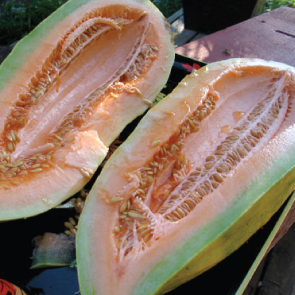
Banana Cantaloupe is one of the most unusual and fascinating heirloom melons ever introduced to the home garden. Dating back to the late 1800s, this remarkable variety produces enormous elongated fruits that resemble oversized bananas, often growing 18 to 24 inches long and weighing 5 to 9 pounds or more. Beneath its smooth golden-yellow rind lies thick, deep salmon-orange flesh that is exceptionally sweet, juicy, and richly aromatic. Combining unique appearance with outstanding eating quality, Banana Cantaloupe remains a favorite among heirloom enthusiasts and gardeners looking to grow something truly memorable.
Why Grow This Variety
Few melons attract as much attention as Banana Cantaloupe. Its long, banana-shaped fruits are conversation starters in every garden while delivering exceptional sweetness and old-fashioned muskmelon flavor. Vigorous vines produce generous harvests of impressive fruits with thick flesh and relatively small seed cavities, making this variety both productive and highly ornamental. It is an excellent choice for gardeners who enjoy growing heirlooms with genuine character and history.
Flavor Profile
Banana Cantaloupe produces wonderfully sweet, juicy flesh with rich tropical aroma and classic muskmelon flavor. The deep orange flesh is smooth, tender, and bursting with honey-like sweetness balanced by refreshing acidity. Fully vine-ripened fruits develop an intense fragrance that announces harvest time throughout the garden.
Growing Information
- Botanical Name: Cucumis melo
- Plant Type: Warm-season annual vine
- Fruit Weight: 5–9 pounds
- Fruit Length: 18–24 inches
- Fruit Shape: Long, Banana-Shaped
- Flesh Color: Deep Salmon Orange
- Rind: Smooth Golden Yellow
- Sunlight: Full Sun
- Soil: Rich, fertile, well-drained soil
- Soil pH: 6.0–6.8
- Days to Harvest: Approximately 90–95 days
Sow seeds directly outdoors after all danger of frost has passed and soil temperatures exceed 70°F, or start indoors 3 to 4 weeks before transplanting. Space plants 30 to 36 inches apart with 6 feet between rows to allow the vigorous vines ample room to spread. Consistent watering during vine growth promotes healthy development, while reducing irrigation slightly as fruits ripen encourages higher sugar content. Rich soil, warm temperatures, and full sunshine produce the finest quality melons.
Harvest & Storage
Harvest when the fruits develop a rich, sweet aroma and the rind turns a beautiful golden-yellow. Mature fruits should feel heavy for their size and yield slightly to gentle pressure near the blossom end. Refrigerate harvested melons for several days of excellent eating quality, although their finest flavor is enjoyed shortly after harvest.
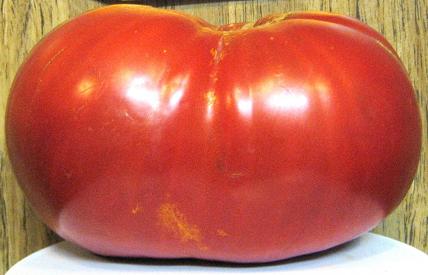
Days to Maturity: 80–90 days
Fruit Size: 1–4 lbs. or more
Fruit Color: Red
Growth Habit: Indeterminate
Flavor: Rich, sweet, full-bodied heirloom-style flavor with excellent balance
Disease Resistance: Good overall garden vigor and dependable field performance
Uses: Outstanding for giant tomato competitions, slicing, sandwiches, burgers, fresh eating, and exhibition.
Whether you're growing for size contests or simply want enormous, flavorful tomatoes, Big Zac is one of the most impressive varieties available, combining record-setting potential with excellent eating quality.
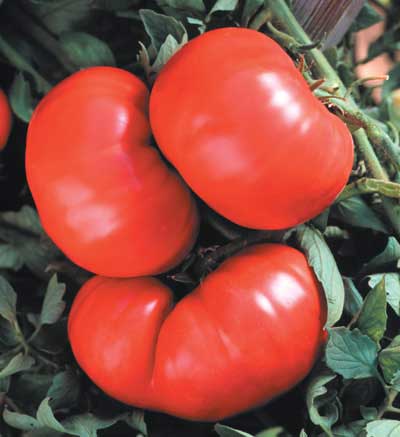
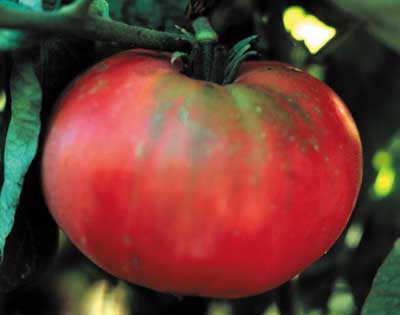
Days to Maturity: 80–90 days
Fruit Size: 1–2 lbs.
Fruit Color: Pinkish Red
Growth Habit: Indeterminate
Flavor: Exceptionally rich, sweet, juicy, and full-bodied with classic heirloom flavor
Disease Resistance: Good overall garden performance under favorable growing conditions
Uses: Outstanding for slicing, sandwiches, burgers, caprese salads, fresh eating, and gourmet dishes.
Widely regarded as one of the finest tasting tomatoes ever introduced, Brandywine rewards gardeners with unforgettable flavor and impressive fruits, making it an essential variety for every heirloom tomato collection.
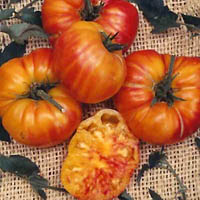
RTP192 Old German
The plant produces good yields of 1-1/2 to 2 lb bi-colored yellow beefsteak tomatoes with red and pink stripes. It is one of the best slicing tomatoes on the market. They are delicious, beautiful, very sweet, meaty, juicy, and flavorful. Perfect for salads, garnishes, or culinary creations. The plant requires support, either staking or cages. A potato leaf variety. An excellent choice for home gardens. A Mennonite heirloom from Virginia’s Shenandoah Valley, USA. Indeterminate, 75 days.
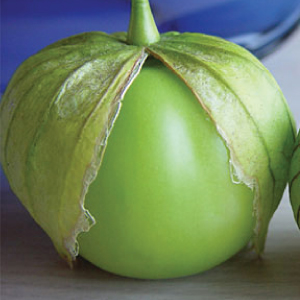
Days to Maturity: 75–80 days
Fruit Size: 2–3 inches
Fruit Color: Bright Green (inside papery husk)
Growth Habit: Spreading bush
Flavor: Bright, mildly tart, citrusy, and pleasantly sweet when fully ripe
Disease Resistance: Good overall garden vigor and dependable production
Uses: Outstanding for salsa verde, sauces, roasting, grilling, Mexican dishes, preserves, and fresh cooking.
A heavy-producing variety with impressive fruit size, Gigante Tomatillo rewards gardeners with abundant harvests of flavorful husked fruits that are indispensable for authentic homemade salsa verde and countless Southwestern recipes.

Contact Us | Privacy Policy | About Us
Serving gardeners since 1992
State of Mississippi Seedmen's Permit #C-391, Ohio 90152, Minnesota 20086777