
Gunnera Seed ( Perennial )
Gunnera seeds can be difficult to germinate. Here is a link to a site offering advise on how to germinate gunnera seeds.
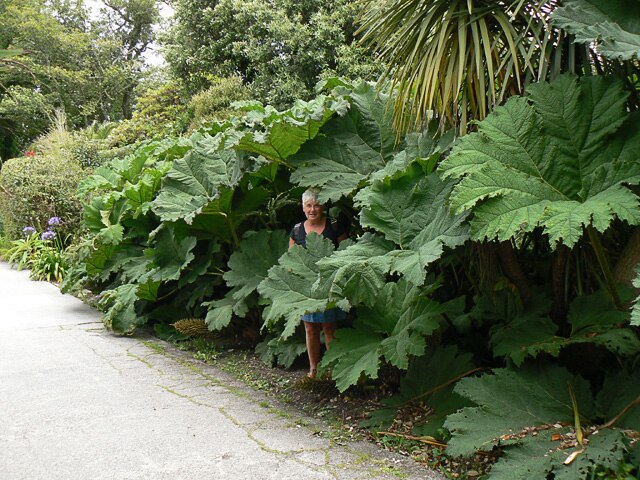
Giant Gunnera (Gunnera manicata) is one of the most dramatic foliage plants in the world, producing enormous umbrella-like leaves that can reach 6 to 10 feet across under ideal conditions. Native to the mountains of southeastern Brazil, this magnificent perennial transforms ordinary garden spaces into lush, prehistoric landscapes with its gigantic textured foliage, thick spiny stems, and bold architectural form. Few ornamental plants create such an unforgettable tropical effect while remaining surprisingly hardy in temperate climates.
Growing from massive underground rhizomes, Giant Gunnera quickly develops into impressive clumps measuring 6 to 10 feet tall and equally wide. During summer, tall flower spikes rise above the foliage carrying thousands of tiny reddish-green flowers that later mature into ornamental seed heads. While the flowers themselves are relatively inconspicuous, the spectacular foliage alone makes Gunnera one of the finest specimen plants for large gardens, ponds, and water features.
Garden Uses
Giant Gunnera is ideal as a dramatic focal point in large landscapes, tropical gardens, woodland gardens, water gardens, pond margins, streamsides, and damp meadows. It is especially effective when planted near lakes, waterfalls, or large reflecting pools where the enormous leaves create breathtaking reflections.
The immense foliage combines beautifully with hardy bananas, tree ferns, ligularias, Rodgersia, Japanese iris, hostas, elephant ears, astilbes, and other moisture-loving perennials. Its bold texture provides striking contrast against finer foliage plants while instantly creating an exotic, jungle-like atmosphere.
Growing Information
Giant Gunnera grows best in full sun to partial shade with consistently moist, fertile soil rich in organic matter. It thrives beside ponds and streams where soil rarely dries out. Mature plants commonly reach 6 to 10 feet in height with an equal or greater spread, requiring ample space to develop fully.
Seeds should be surface sown on moist seed-starting mix, as light aids germination. Maintain temperatures between 65 and 75°F while keeping the growing medium evenly moist. Germination generally occurs within 3 to 8 weeks. Seedlings grow slowly during their first season but accelerate considerably once established.
Provide generous watering throughout the growing season, especially during periods of hot weather. In colder climates, the large leaves naturally die back after frost. Gardeners often cut the foliage and place the leaves over the crown to provide natural winter protection. Additional mulch is beneficial in colder regions where winter temperatures regularly fall below freezing.
| Quick Facts | |
|---|---|
| Botanical Name | Gunnera manicata |
| Common Name | Giant Gunnera, Giant Rhubarb |
| Plant Type | Hardy perennial |
| Height | 6-10 feet |
| Spread | 6-10+ feet |
| Foliage | Massive deeply textured green leaves up to 10 feet across |
| Bloom Season | Summer |
| Flower Color | Reddish-green |
| Light Requirements | Full sun to partial shade |
| Water Needs | High; consistently moist soil |
| Soil Type | Rich, fertile, moisture-retentive soil |
| USDA Zones | 7-10 |
| Wildlife Value | Provides shelter for beneficial insects and amphibians |

Contact Us | Privacy Policy | About Us
Serving gardeners since 1992
State of Mississippi Seedmen's Permit #C-391, Ohio 90152, Minnesota 20086777