
Helipterum Seed ( Paper Daisy, Everlasting Daisy )
Paper Daisy seeds can be started indoors 6 weeks before the end of frost season. Press the flower seed into the soil and keep them moist. When the seedlings are large enough to handle, they can be transplanted into larger pots for continued growing. Harden the seedlings for 10 - 14 days, and transplant them outdoors in later spring once frost danger has passed.
For areas with long growing seasons, prepare a weed free seedbed loosening the soil and raking it well. Sow the seeds directly in the seedbed and press the flower seeds into the soil. Thin to strongest plant every 8 - 10 inches. Helipterum will bloom usually within 12 weeks of sowing the flower seeds.
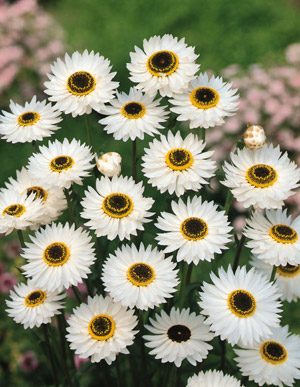
Pierrot Paper Daisy is a charming annual wildflower admired for its delicate daisy-like blooms in shades of rosy pink, white, and soft blush tones surrounding bright golden-yellow centers. Native to Australia, this easy-growing flower produces masses of cheerful blooms that dance above fine, airy foliage throughout the summer season. Its graceful appearance and excellent drying qualities have made it a favorite for cottage gardens, wildflower plantings, and everlasting floral arrangements.
Garden Uses: Pierrot Paper Daisy is ideal for cottage gardens, cutting gardens, wildflower meadows, borders, containers, rock gardens, and pollinator plantings. Its soft pastel colors blend beautifully with strawflowers, baby's breath, larkspur, cosmos, alyssum, and ornamental grasses. The blooms are also highly valued for fresh bouquets and dried flower arrangements where their delicate beauty can be enjoyed long after harvest.
Growing Information: Sow seeds directly outdoors after danger of frost has passed or start indoors several weeks before transplanting. Plant in full sun and well-drained soil. Paper daisies thrive in average to poor soils and often perform best when not heavily fertilized. Space plants 8 to 12 inches apart for good airflow and healthy growth. Once established, they tolerate drought reasonably well and require minimal maintenance. Regular deadheading may encourage additional flowering.
- Botanical Name: Helipterum roseum
- Common Name: Pierrot Paper Daisy
- Plant Type: Annual
- Sun Exposure: Full sun
- Height: 12 to 24 inches
- Spread: 8 to 12 inches
- Bloom Color: Pink, blush, white with yellow centers
- Bloom Season: Late spring through summer
- Growth Habit: Upright, airy, branching
- Best Uses: Wildflower gardens, borders, cut flowers, dried flowers
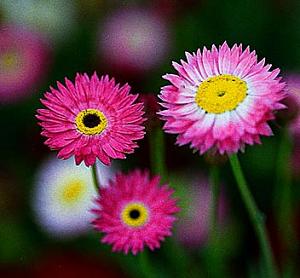
Pierrot Paper Daisy is a cheerful everlasting annual grown for its bright pink, rose, blush, and white daisy-like blooms with sunny yellow centers. The flowers have a delicate papery texture and rise gracefully above fine green foliage, creating a light, airy display in the garden. This charming Australian wildflower is especially valued for fresh bouquets, dried arrangements, and colorful cottage-style plantings.
Garden Uses: Pierrot Paper Daisy is ideal for cottage gardens, wildflower gardens, cutting gardens, dried flower gardens, borders, containers, and pollinator plantings. Its pink and white blooms blend beautifully with strawflowers, alyssum, larkspur, cosmos, baby's breath, blue salvia, and ornamental grasses. The flowers are excellent for fresh arrangements and retain much of their charm when dried.
Growing Information: Sow seeds directly outdoors after danger of frost has passed, or start indoors several weeks before transplanting. Plant in full sun and well-drained soil. Paper daisies prefer average to lean soil and should not be over-fertilized. Space plants 8 to 12 inches apart for good airflow. Once established, they are fairly drought tolerant and require little maintenance. Deadheading encourages continued bloom production.
- Botanical Name: Helipterum roseum
- Common Name: Pierrot Paper Daisy
- Plant Type: Annual
- Sun Exposure: Full sun
- Height: 12 to 24 inches
- Spread: 8 to 12 inches
- Bloom Color: Pink, rose, blush, white with yellow centers
- Bloom Season: Late spring through summer
- Growth Habit: Upright, airy, branching
- Best Uses: Wildflower gardens, borders, cut flowers, dried flowers
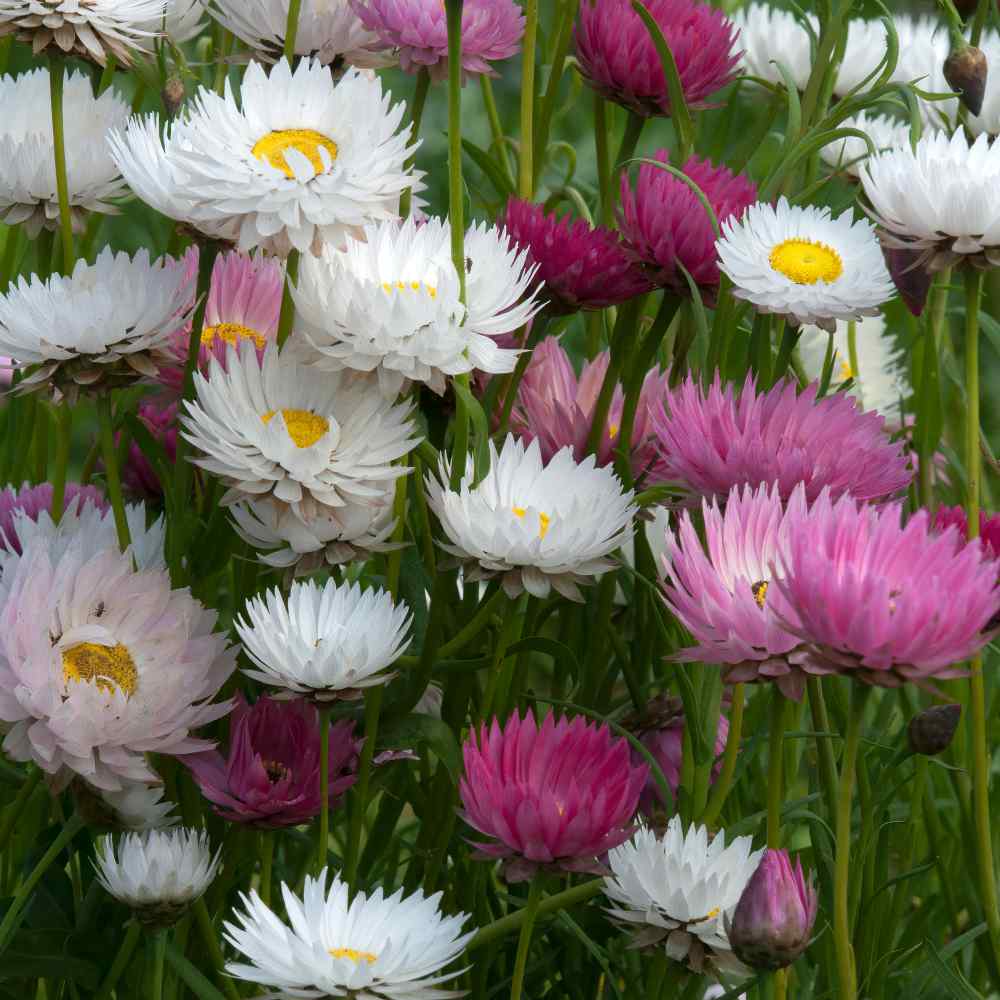
Rosy Mix Pierrot Paper Daisy is a delightful annual featuring an enchanting blend of rosy pink, blush pink, rose-red, and soft white blooms surrounding bright golden-yellow centers. The flowers possess a delicate papery texture that gives them an almost handcrafted appearance, while their graceful stems sway gently above fine, feathery foliage. This charming Australian wildflower provides months of cheerful color and is equally valued for both fresh bouquets and everlasting dried arrangements.
Garden Uses: Rosy Mix Pierrot Paper Daisy is perfect for cottage gardens, cutting gardens, wildflower meadows, borders, containers, rock gardens, and pollinator plantings. The soft rosy shades pair beautifully with larkspur, baby's breath, strawflowers, cosmos, alyssum, and ornamental grasses. Its airy growth habit makes it particularly effective when planted in drifts or mixed among other informal garden flowers.
Growing Information: Sow seeds directly outdoors after danger of frost has passed or start indoors several weeks before transplanting. Plant in full sun and well-drained soil. Rosy Mix performs best in average to moderately fertile soils and dislikes excessive fertilization. Space plants 8 to 12 inches apart to provide good airflow. Once established, plants are relatively drought tolerant and require minimal maintenance. Regular harvesting of flowers encourages continued blooming throughout the season.
- Botanical Name: Helipterum roseum
- Common Name: Rosy Mix Pierrot Paper Daisy
- Plant Type: Annual
- Sun Exposure: Full sun
- Height: 12 to 24 inches
- Spread: 8 to 12 inches
- Bloom Color: Rosy pink, blush pink, rose-red, white with yellow centers
- Bloom Season: Late spring through summer
- Growth Habit: Upright, airy, branching
- Best Uses: Wildflower gardens, borders, cut flowers, dried flowers

Contact Us | Privacy Policy | About Us
Serving gardeners since 1992
State of Mississippi Seedmen's Permit #C-391, Ohio 90152, Minnesota 20086777