
The Seedman Garden-to-Tea Project
Grow, Harvest, Dry & Blend Your Own Herbal Teas
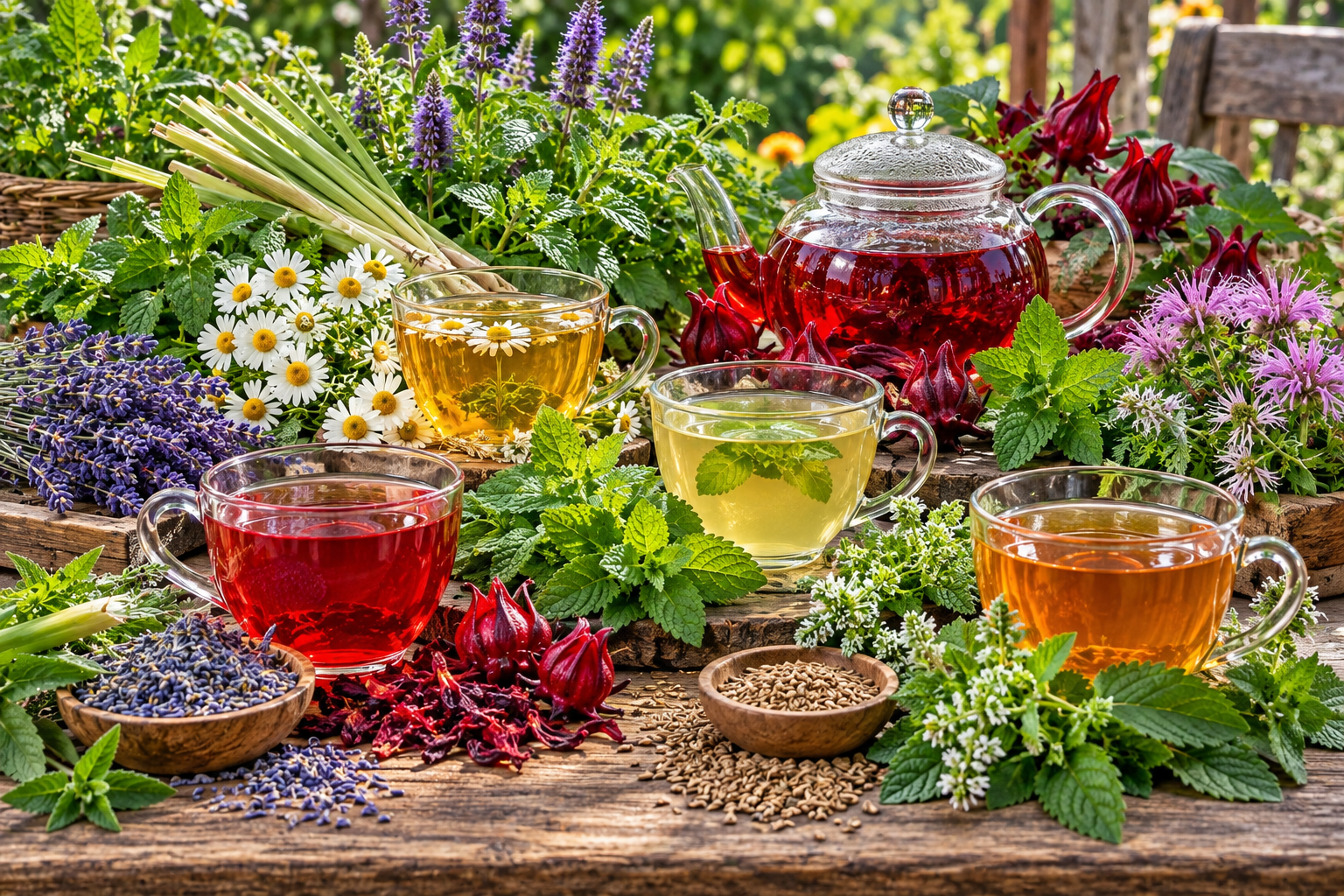
There is something especially satisfying about making a cup of herbal tea from plants you raised yourself. The Garden-to-Tea Project brings together twelve useful, flavorful plants that can be grown in an ordinary garden or in containers, then harvested and prepared for homemade herbal infusions. Some contribute familiar flavors such as mint, lemon and chamomile, while others add floral, spicy, tart or naturally sweet notes.
You do not need a large garden to begin. A few containers, a sunny herb bed, or a small mixed planting can provide enough material for many cups and blends. Grow the entire collection for the widest range of flavors, or choose several plants that suit your favorite style of tea. Mint and lemon balm are excellent starting points, chamomile and lavender bring floral notes, roselle supplies tart ruby color, and stevia can add sweetness without sugar.
The Garden-to-Tea Process: Plant → Grow → Harvest → Dry → Store → Blend → Steep → Enjoy. The guide below the seed selections explains each step, including which plant parts to harvest, how to dry them, how to store your harvest, and how to begin making your own blends.
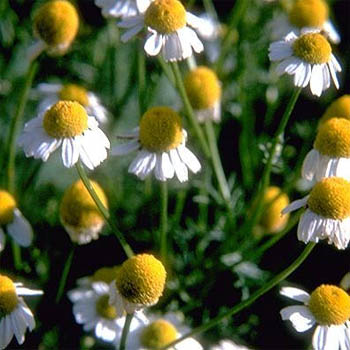
German Chamomile is one of the classic plants for a home tea garden, producing masses of small daisy-like flowers with white petals and golden centers. The freshly opened flower heads are the part traditionally harvested for tea, giving a gentle floral aroma with a mild apple-like character. This easy annual grows quickly in sunny beds and can flower over a long period when blossoms are picked regularly.
Sow the tiny seed on the surface of fine, moist soil and press it in without covering heavily; light helps germination. Keep evenly moist until established. Harvest flower heads on a dry day after the dew has evaporated, when the petals are open and the centers are bright. Use fresh, or dry in a thin layer with good air circulation away from direct sun.
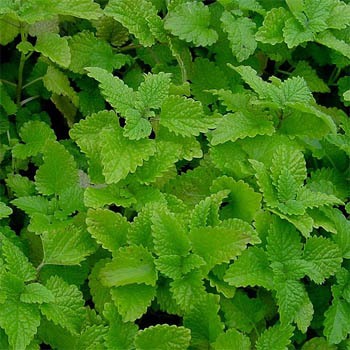
Lemon Balm is one of the easiest and most useful plants for a home tea garden. Its soft green leaves have a fresh lemon fragrance with a gentle herbal character that makes a pleasant infusion on its own and an excellent base for blending with chamomile, mint, lavender or other garden herbs. The vigorous perennial can provide repeated harvests through the growing season.
Grow Lemon Balm in sun to partial shade in reasonably fertile, well-drained soil with regular moisture. Harvest leafy stems before or around early flowering, when the foliage is especially aromatic, and use the leaves fresh or dry them in a shaded place with good air circulation. Once completely crisp, store the leaves fairly whole in an airtight container and crush them just before steeping to help preserve their lemony aroma.
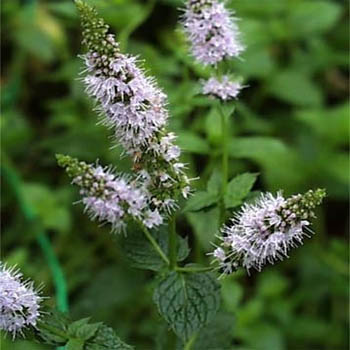
Peppermint provides the boldest cooling mint flavor in this collection and is excellent alone or as the backbone of a blended herbal tea. Its aromatic leaves may be harvested throughout the growing season, with the strongest flavor generally coming from vigorous growth before full bloom.
Mint prefers consistent moisture and performs in sun to partial shade. Because mint can spread aggressively, a large container is often the easiest way to keep it where you want it. Harvest clean leafy stems, strip or dry the leaves on the stems, and store only when completely crisp and dry.
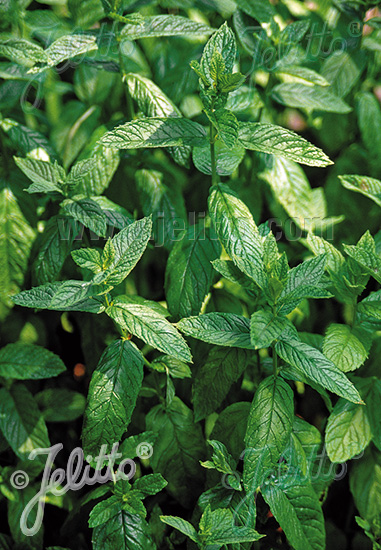
Spearmint has a softer, sweeter mint character than peppermint and is an excellent everyday tea herb. It combines especially well with lemon-flavored herbs, anise, roselle and chamomile, and the fresh leaves also make a refreshing summer infusion.
Grow in moist, fertile soil in sun to partial shade. Like other mints it can travel by underground stems, so containers are useful for controlling its spread. Cut leafy stems before heavy flowering for drying, or pick fresh leaves as needed through the season.
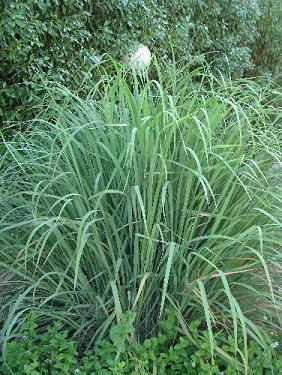
East Indian Lemongrass adds a bright, clean citrus note without the acidity of lemon juice. The long fragrant leaves are the useful part for tea and can be used fresh or cut into short pieces and dried for winter use. Its upright grassy form also makes an attractive container plant.
Give lemongrass warmth, full sun and regular moisture during active growth. It is frost tender, so gardeners in cold climates normally grow it as an annual or overwinter container plants indoors. Harvest mature leaves as needed, handling the sharp-edged blades carefully, and dry thoroughly before storage.
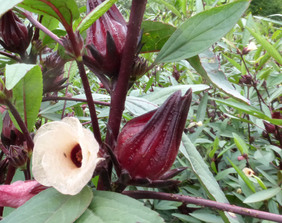
Thai Red Roselle brings an entirely different dimension to the tea garden. After flowering, the fleshy red calyces surrounding the seed capsules are harvested and used to make a brilliant ruby-red infusion with a pleasantly tart, fruity flavor. It blends beautifully with mint, lemongrass and naturally sweet stevia.
Roselle loves heat and a long growing season. Start seed early indoors where summers are short, then transplant after frost into full sun and fertile, well-drained soil. Harvest the red calyces while plump and tender, remove the central seed capsule, and use fresh or dry the calyx pieces thoroughly for storage.
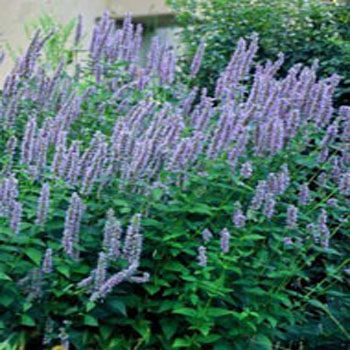
Lavender Hyssop, also called Anise Hyssop, is a beautiful native perennial herb with aromatic leaves that carry a sweet mint-and-anise fragrance. Both leaves and flowers can contribute flavor to herbal blends, while the purple flower spikes are exceptionally attractive to bees and other pollinators.
Grow in full sun to light shade in well-drained soil. Once established it is relatively easy and drought tolerant. Harvest leafy stems and flowers on a dry day, bundle loosely or spread on screens, and dry out of direct sun to preserve aroma and color.
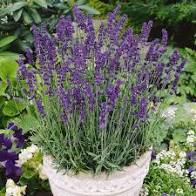
Lavender Vera contributes an intensely floral aroma and is best treated as an accent herb rather than the main ingredient in a blend. A small amount of dried flower can transform chamomile, lemon balm or mint into a more complex cup. The silvery foliage and purple flowers also make this a valuable ornamental and pollinator plant.
Lavender requires full sun and excellent drainage and dislikes persistently wet soil. Harvest flower spikes when many buds are colored and some flowers have begun opening. Bundle small stems and dry in a shaded, airy place; once dry, strip the flowers and store them airtight.
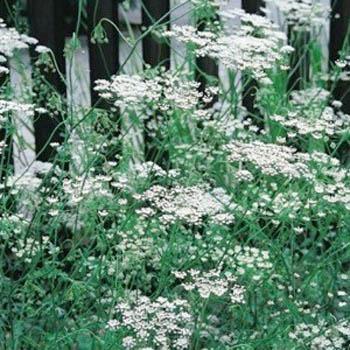
Anise is an old-fashioned annual herb grown for its aromatic seeds, which have a naturally sweet licorice-like flavor. In the Garden-to-Tea collection it provides a warm spice note that pairs especially well with mint and other mild herbs. Unlike most of the leafy plants on this page, the useful tea ingredient is the mature seed, making Anise an interesting addition to the harvest.
Grow Anise in full sun and well-drained soil, preferably by direct sowing where the plants are to grow because young seedlings dislike excessive root disturbance. Allow the flower heads to mature until the seeds are fully formed and begin turning gray-brown. Cut the heads before they shatter, finish drying them in a paper bag or on a tray, then rub out and clean the seeds. Lightly crush the dried seeds just before steeping to release their characteristic aroma and flavor.
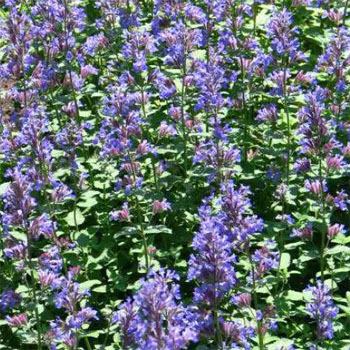
Lemon Catnip combines the familiar soft mint character of catnip with a distinct lemon fragrance, making it particularly useful for gentle citrus-herb blends. The leaves are the main harvest, and the plant also produces flowers attractive to bees.
Grow in sun to partial shade in ordinary well-drained garden soil. Harvest leafy stems before or during early flowering, when the foliage is aromatic. Dry the stems in small bundles or on screens and crumble the fully dried leaves only when you are ready to store or use them.
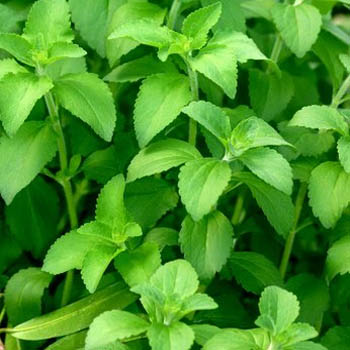
Honeyleaf Stevia gives the tea gardener a homegrown way to add sweetness to blends. The leaves are intensely sweet, so only a small amount is usually needed. It is particularly useful with tart roselle or in mint and lemon blends where a touch of sweetness rounds out the flavor.
Stevia enjoys warmth, sun and evenly moist but well-drained soil. Seed can be slower and less uniform than many common herbs, so give seedlings warmth and good light. Harvest healthy leaves before heavy flowering and dry gently; experiment with very small quantities when blending because the sweetness is concentrated.
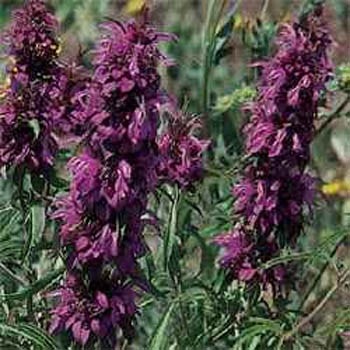
Lemon Mint is an aromatic Monarda with a lively citrus-herbal fragrance and attractive flower heads that make it useful to both the tea garden and the pollinator garden. Leaves and flowers can be used to add a bright, distinctive note to homemade blends.
This annual performs best in full sun and well-drained soil and is well suited to informal herb and wildflower plantings. Harvest clean leaves and flower heads on dry mornings after the dew is gone. Dry in a shaded, airy location and store only when the material is completely dry.
From Garden to Teacup: Harvesting Your Tea Garden
For the best quality, harvest healthy plant material on a dry day after morning dew has evaporated. Leaves such as mint, lemon balm, lemon catnip, stevia and lemon mint are generally most aromatic before or around early flowering. Chamomile is harvested flower by flower as blossoms open. Lavender and lavender hyssop are cut as flowering begins. Anise is allowed to mature until the seed heads dry, while roselle is harvested later for its fleshy red calyces. Lemongrass leaves can be cut through the warm growing season.
Drying: Spread clean material in a single layer on screens or trays, or hang small loose bundles in a warm, shaded place with good air movement. Avoid strong direct sunlight, which can fade color and aroma. A food dehydrator on a low herb setting is also useful. Herbs are ready for storage when leaves crumble readily and stems snap rather than bend. Roselle calyces and thicker lemongrass pieces may require more drying time than delicate leaves and flowers.
Storage: Place completely dry herbs in clean, airtight containers and keep them away from heat, moisture and direct light. Label each container with the plant name and harvest date. For the best aroma, keep leaves and flowers fairly whole during storage and crush them shortly before brewing. If you see condensation or the material feels soft rather than dry, return it to the drying tray before sealing it again.
Brewing Your First Cup: A useful starting point is about 1 to 2 teaspoons of dried leafy or floral herbs per 8-ounce cup of hot water, then adjust to taste. Cover the cup while steeping so aromatic vapors stay in the infusion. Many herbal blends are pleasant after about 5 to 10 minutes, while tougher plant material or a stronger cup may benefit from a longer steep. Strain and taste before adding more herb the next time.
Simple Garden-to-Tea Blends
- Lemon Garden: Lemon balm + lemongrass + a little lemon mint.
- Mint Garden: Spearmint + peppermint + lemon balm.
- Chamomile & Lavender: Chamomile as the base with a small amount of lavender.
- Ruby Roselle: Roselle + lemongrass + spearmint; add a tiny amount of stevia if desired.
- Anise-Mint: Spearmint + lightly crushed anise seed + a little lemon balm.
Think of these as starting formulas rather than fixed recipes. Begin with the mildest ingredient as the base, add stronger herbs such as lavender, anise or stevia sparingly, and keep notes as you adjust the proportions. One of the pleasures of a tea garden is discovering a house blend that is entirely your own.
A Practical Safety Note: Herbal does not automatically mean suitable for everyone. Correctly identify every plant and use only the plant parts intended for food or beverage use. If you are pregnant or nursing, take prescription medicines, have significant allergies or health conditions, or plan to use an herb frequently or in concentrated amounts, check with a qualified health professional first. This project is about growing and enjoying flavorful herbal infusions, not treating medical conditions.
Seedman Notes: Start small the first season. Three or four herbs can teach you nearly everything you need to know about harvesting, drying and blending, and you can expand the tea garden as you discover the flavors you enjoy most. Containers are especially useful for the mints, while sun-loving lavender, anise, roselle and lemongrass appreciate the warmest parts of the garden. Save a little of each harvest separately before blending so you can compare flavors and create new combinations throughout the year.
For over a thousand more unique seed varieties, all in stock and ready to ship, visit our Seed Catalog Index Page .

Contact Us | Privacy Policy | About Us
Serving gardeners since 1992
State of Mississippi Seedmen's Permit #C-391, Ohio 90152, Minnesota 20086777