
Horehound Seeds
You can grow Horehound seeds and use the perennial herb plant in your own soothing teas, or if you are adventurous, in your own homemade candy.
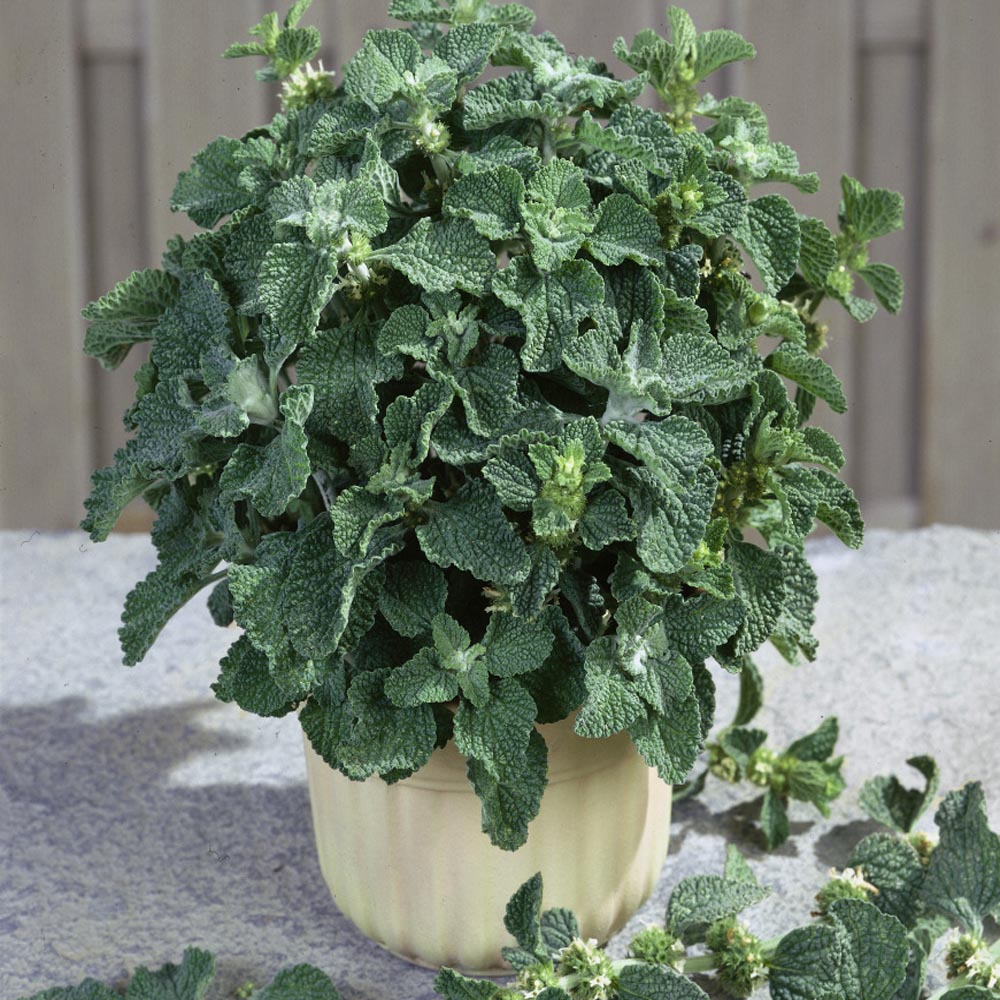
The plants form attractive mounds of soft gray-green foliage covered with a fine silvery texture that gives them an ornamental appearance even when not in bloom. During summer, clusters of small white flowers appear along the stems, attracting bees, butterflies, and numerous beneficial insects.
Horehound is perhaps best known as the traditional ingredient in old-fashioned horehound candies, cough drops, syrups, herbal teas, and lozenges. The leaves possess a distinctive bittersweet flavor that has been appreciated for generations. Many gardeners grow Horehound specifically to make homemade herbal teas and traditional confectionery treats.
In addition to its herbal significance, Horehound is an excellent drought-tolerant garden plant. Once established, it thrives in poor soils, dry conditions, and challenging garden locations where many other herbs struggle. Its long blooming period and pollinator value make it a valuable addition to wildlife-friendly landscapes.
Uses and Benefits- Traditional medicinal herb with centuries of history.
- Classic ingredient in horehound candies and lozenges.
- Popular for herbal teas and syrups.
- Produces attractive silvery-gray foliage.
- Excellent pollinator plant for bees and butterflies.
- Drought tolerant once established.
- Suitable for xeriscape and low-water gardens.
- Useful in herb gardens and cottage gardens.
- Attracts beneficial insects.
- Excellent addition to homestead gardens.
- Low maintenance and easy to grow.
- Returns year after year as a hardy perennial.
Horehound is a hardy perennial in USDA Zones 4-9. Germination Instructions
- Start seeds indoors 6-8 weeks before the last frost or sow outdoors after danger of frost has passed.
- Press seeds lightly into the soil surface.
- Cover very lightly with fine soil.
- Maintain temperatures between 65-75°F (18-24°C).
- Keep soil evenly moist during germination.
- Seeds typically germinate in 10-21 days.
- Provide bright light after seedlings emerge.
- Plant in full sun for best growth.
- Prefers well-drained soil.
- Tolerates poor soils and drought conditions.
- Avoid excessive fertilization.
- Harvest leaves before flowering for strongest flavor.
- Excellent for herb gardens, pollinator gardens, and medicinal plantings.
- Cut back lightly after flowering to maintain a tidy appearance.
Horehound performs well in containers and patio planters, especially where good drainage can be maintained. Its compact habit, drought tolerance, and attractive silvery foliage make it an excellent choice for herb containers and water-wise plantings.
Combining traditional herbal value, drought tolerance, pollinator appeal, and attractive silver-green foliage, Horehound is one of the most useful and historically significant herbs a gardener can grow. Whether planted for herbal teas, old-fashioned candies, pollinator support, or simply its rugged beauty, Horehound remains a rewarding addition to the garden.

Contact Us | Privacy Policy | About Us
Serving gardeners since 1992
State of Mississippi Seedmen's Permit #C-391, Ohio 90152, Minnesota 20086777