
Kohlrabi Seeds
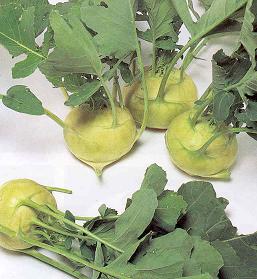
Early White Vienna Kohl Rabi (Brassica oleracea Gongylodes Group) is one of the oldest and most dependable heirloom kohl rabi varieties, prized for its smooth, pale green to creamy white bulbs and exceptionally crisp, sweet flesh. A favorite among European gardeners for well over a century, this quick-growing cool-season vegetable produces attractive, uniform bulbs that remain tender when harvested young. Easy to grow and highly productive, Early White Vienna is an excellent choice for both beginning and experienced gardeners looking for a versatile, nutritious vegetable with outstanding garden performance.
Introduction
Kohl rabi may look unusual, but it is one of the easiest vegetables to grow and one of the most rewarding members of the cabbage family. Rather than forming a head or underground root, the edible portion is a swollen stem that develops above the soil. Early White Vienna produces smooth, rounded bulbs with crisp, juicy flesh that combines the mild sweetness of broccoli stems with subtle cabbage flavor and just a hint of radish. Both the bulb and leafy tops are edible, making this an exceptionally productive garden crop.
Flavor Profile
Early White Vienna is widely considered one of the sweetest kohl rabi varieties available. Its flesh is crisp, juicy, and pleasantly mild with flavors that resemble tender broccoli stems blended with fresh cabbage hearts and a very mild radish. Harvesting bulbs at 2 to 3 inches in diameter ensures the finest texture and prevents any woody fibers from developing.
Culinary Uses
This versatile vegetable can be enjoyed in numerous ways. Peel the outer skin and slice the bulb for vegetable trays, salads, or fresh snacks. It is excellent shredded into slaws, roasted until lightly caramelized, steamed, stir-fried, sautéed, mashed like potatoes, or added to soups and stews. The tender young leaves can be prepared like kale, collards, or turnip greens, providing an additional nutritious harvest from every plant.
Nutritional Value
Early White Vienna is packed with nutrition while remaining naturally low in calories. It is an excellent source of Vitamin C, dietary fiber, potassium, calcium, Vitamin B6, and Vitamin K. Like many brassica vegetables, it also contains beneficial glucosinolates and antioxidants that contribute to a healthy diet.
Growing Information
Early White Vienna thrives in cool weather and fertile, well-drained soil rich in organic matter. Sow seeds directly outdoors in early spring as soon as the soil can be worked or again in late summer for a productive fall crop. Consistent moisture encourages rapid growth and helps maintain the sweet, tender texture that makes this variety so popular.
- Botanical Name: Brassica oleracea Gongylodes Group
- Plant Type: Cool-season biennial grown as an annual
- Days to Maturity: 50–60 days
- Plant Height: 12–18 inches
- Bulb Size: Best harvested at 2–3 inches in diameter
- Sun Requirements: Full sun
- Soil: Fertile, well-drained soil
- Spacing: 6–8 inches between plants
- Water: Maintain consistent soil moisture
Harvest bulbs promptly once they reach tennis-ball size. Delaying harvest too long can result in woody, fibrous bulbs, particularly during warm weather.
Harvest & Storage
Harvest by cutting the swollen stem just below the bulb. Remove the leaves, leaving a short stem attached. Fresh bulbs store well in the refrigerator for several weeks while maintaining their crisp texture. The leafy tops are best used within a few days after harvest.

Contact Us | Privacy Policy | About Us
Serving gardeners since 1992
State of Mississippi Seedmen's Permit #C-391, Ohio 90152, Minnesota 20086777