
Performs best in full sun in an evenly moist, moderately rich, deep, well-drained soil that promotes deep root growth that will assist in Winter hardiness, but is adaptable to various soils and soil pHs.
Can be propagated by vegetative stem cuttings taken in Summer, clump division, or seeds Mint Family, with few disease or pest problems, but Winter dieback and hardiness can be a concern in the colder areas of its range.
Can be used as landscape perennial, but commonly available as a perennial herb, in container form.
Best if sheared back about one-third immediately following the bloom period, with annual thinning of the number of stems on mature, woody plants.
Seeds for Lavender ( Lavandula ) Plants
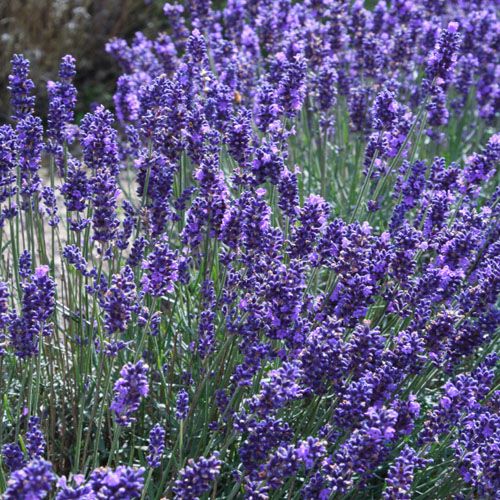
One of the world's most beloved aromatic perennials, treasured for its fragrant purple flower spikes, silver-green foliage, and timeless usefulness in gardens, crafts, perfumes, and herbal traditions. Native to the Mediterranean region, this classic lavender forms compact, woody-based mounds topped with elegant flower stems that bloom in late spring to midsummer. The sweet, clean fragrance of True Lavender has made it a favorite for cottage gardens, herb gardens, borders, and pollinator plantings for centuries.
Growing 18 to 30 inches tall, True Lavender offers beauty, fragrance, and practical value in one easy-care plant. Its narrow aromatic leaves remain attractive throughout the season, while the purple-blue flower spikes attract bees, butterflies, and other beneficial insects in abundance. Once established, plants thrive in sunny, dry conditions and perform exceptionally well in well-drained soils where many other perennials struggle.
Garden Uses
True Lavender is ideal for herb gardens, cottage gardens, rock gardens, borders, edging, pollinator gardens, fragrance gardens, Mediterranean gardens, and xeriscapes. It is especially effective planted along pathways, patios, and entrances where its fragrance can be enjoyed as people brush against the foliage.
The flower spikes combine beautifully with roses, yarrow, salvia, echinacea, catmint, thyme, rosemary, ornamental grasses, and white or yellow flowering perennials. Lavender is also excellent for dried bouquets, sachets, wreaths, potpourri, culinary uses, and fragrant crafts.
Growing Information
True Lavender grows best in full sun and sharply drained soil. Sandy, gravelly, rocky, or lightly alkaline soils are ideal, while heavy clay and wet winter conditions should be avoided. Mature plants generally reach 18 to 30 inches tall with a spread of 18 to 24 inches.
Seeds may be started indoors 8 to 10 weeks before the last expected frost. Sow seeds on the surface of a moist seed-starting mix and lightly cover with fine vermiculite. Cold stratification for 2 to 4 weeks may improve germination. Maintain temperatures between 65 and 70°F. Germination can be slow and irregular, often taking 14 to 30 days or longer.
Once established, plants require very little water and should not be overfertilized. Lightly prune after flowering to maintain a compact shape, but avoid cutting deeply into old woody stems. Good air circulation and excellent drainage are essential for long-term success.
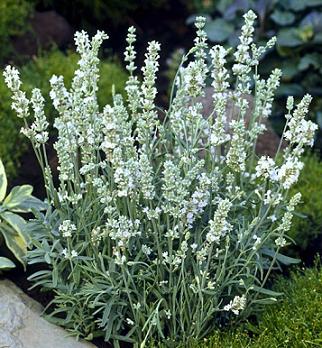
An award-winning English lavender prized for its elegant pure white flower spikes, delightful fragrance, and exceptional first-year performance from seed. A member of the renowned Ellagance Series, this compact perennial produces an abundance of snowy white blooms that rise above neat mounds of aromatic silver-green foliage, creating a refreshing contrast to the traditional purple shades associated with lavender. The luminous flowers brighten sunny gardens while filling the air with the classic sweet lavender fragrance that has been cherished for centuries.
Blooming from late spring through midsummer, Ellagance Snow forms tidy, uniform plants reaching 12 to 16 inches tall, making it ideal for borders, edging, containers, herb gardens, and pollinator plantings. Its compact habit, excellent branching, and reliable flowering make it one of the finest white lavenders available for both home gardeners and professional landscapes.
Garden Uses
Ellagance Snow is perfect for herb gardens, fragrance gardens, cottage gardens, rock gardens, edging, Mediterranean landscapes, pollinator gardens, and decorative containers. Its brilliant white flowers create striking contrast when planted alongside traditional purple lavenders or brightly colored flowering perennials.
It combines beautifully with roses, catmint, salvia, yarrow, thyme, rosemary, echinacea, dianthus, ornamental grasses, and silver-leaved plants. The fragrant flowers are also excellent for dried arrangements, wreaths, sachets, potpourri, and fresh bouquets.
Growing Information
Ellagance Snow thrives in full sun and well-drained soil. Sandy, gravelly, or slightly alkaline soils produce the healthiest plants, while heavy clay or poorly drained locations should be avoided. Mature plants typically grow 12 to 16 inches tall with a spread of 12 to 18 inches.
Sow seeds indoors approximately 8 to 10 weeks before the last spring frost. Surface sow or cover seeds very lightly, as light aids germination. A 2 to 4 week period of cold stratification may improve germination rates. Maintain temperatures between 65 and 70°F while keeping the growing medium evenly moist. Germination generally occurs within 14 to 28 days.
Once established, water sparingly and avoid excessive fertilization, which can reduce fragrance and compact growth. Light pruning after flowering encourages dense branching and helps maintain an attractive rounded shape for years.
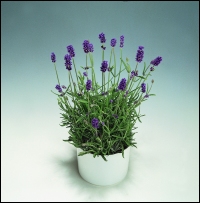
A beautiful English lavender variety celebrated for its rich violet-blue flower spikes, compact growth habit, and wonderfully sweet fragrance. Producing masses of densely packed blooms above attractive silver-green foliage, Blue River brings classic Mediterranean beauty to herb gardens, cottage borders, pollinator plantings, and containers. Throughout late spring and summer, the fragrant blossoms create a sea of vibrant blue while attracting bees, butterflies, and other beneficial insects in remarkable numbers.
Compact yet vigorous, Blue River forms neat rounded mounds reaching approximately 12 to 18 inches tall, making it ideal for edging pathways, lining garden borders, or filling decorative containers. Its highly aromatic foliage remains attractive year-round in mild climates, while the flowers retain their fragrance long after drying, making them excellent for sachets, wreaths, potpourri, and floral arrangements.
Garden Uses
Blue River is an outstanding choice for herb gardens, cottage gardens, rock gardens, Mediterranean landscapes, pollinator gardens, edging, fragrance gardens, and decorative containers. The compact plants create beautiful low hedges along walkways where their fragrance can be enjoyed each time someone passes.
It combines beautifully with roses, salvia, catmint, thyme, rosemary, echinacea, yarrow, dianthus, ornamental grasses, and silver-foliaged perennials. The long flower stems are also excellent for cutting, drying, and crafting fragrant arrangements.
Growing Information
Blue River thrives in full sun and sharply drained soil. Sandy, gravelly, or slightly alkaline soils are preferred, while heavy clay and consistently wet locations should be avoided. Mature plants generally reach 12 to 18 inches tall with a spread of 15 to 20 inches.
Start seeds indoors approximately 8 to 10 weeks before the final spring frost. Surface sow or lightly cover the seed, as light assists germination. Cold stratification for 2 to 4 weeks often improves germination rates. Maintain temperatures between 65 and 70°F while keeping the growing medium lightly moist. Germination generally occurs within 14 to 30 days.
Once plants are established, water only when necessary and avoid excessive fertilization, which encourages leafy growth at the expense of fragrance and flowers. Light pruning after flowering helps maintain a compact shape while encouraging vigorous new growth.
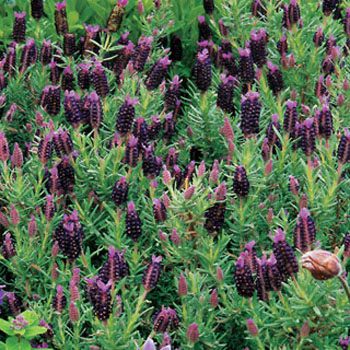
An eye-catching Mediterranean perennial prized for its unusually large, richly colored flower heads crowned with distinctive upright violet-purple bracts that resemble tiny butterfly wings or waving flags. Unlike traditional English lavender, Spanish Lavender produces dense pinecone-shaped flower spikes that provide exceptional texture as well as fragrance. Blooming from late spring through summer, Sancho Panza combines bold ornamental beauty with the sweet aromatic foliage that has made lavender one of the world's favorite garden plants.
Compact, bushy plants typically reach 12 to 18 inches tall and wide, making them perfect for containers, rock gardens, borders, herb gardens, and sunny patios. The fragrant gray-green foliage remains attractive throughout the growing season, while repeated flushes of blooms provide months of color and a continual source of nectar for bees and butterflies. Its compact habit and long flowering season make Sancho Panza one of the finest Spanish Lavender selections for modern gardens.
Garden Uses
Sancho Panza is ideal for Mediterranean gardens, rock gardens, herb gardens, pollinator gardens, borders, edging, decorative containers, and xeriscapes. The unique flower spikes create outstanding focal points while adding texture and fragrance to sunny landscapes.
It combines beautifully with rosemary, thyme, sage, santolina, ornamental grasses, dianthus, salvia, echinacea, yarrow, gaura, and silver-leaved perennials. The long-lasting flowers also make excellent additions to dried floral arrangements, wreaths, and fragrant crafts.
Growing Information
Sancho Panza thrives in full sun and sharply drained soil. Sandy, gravelly, or rocky soils are ideal, while heavy clay and consistently wet conditions should be avoided. Mature plants generally reach 12 to 18 inches in both height and spread, forming dense, rounded mounds.
Start seeds indoors approximately 8 to 10 weeks before the final spring frost. Surface sow or lightly cover the seed, as light aids germination. Cold stratification for 2 to 4 weeks may improve germination rates. Maintain temperatures between 65 and 70°F while keeping the growing medium lightly moist. Germination generally occurs within 14 to 30 days.
Water regularly during establishment, then sparingly once plants are established. Avoid excessive fertilization, which encourages soft growth and reduces flowering. Lightly trim plants after each bloom cycle to encourage additional flowers and maintain a compact shape. Avoid cutting deeply into old woody stems.
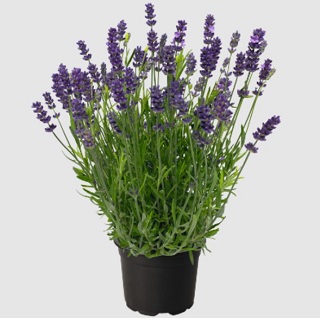
A compact English lavender variety admired for its deep blue-purple flower spikes, aromatic foliage, and tidy growth habit. Bred for uniform plants and dependable flowering, this charming lavender brings classic fragrance and rich color to herb gardens, borders, containers, and pollinator plantings. The upright flower stems rise above neat mounds of silver-green foliage, creating a beautiful display from late spring into summer.
Compact and easy to manage, Chill Out Blue is especially useful where traditional lavender varieties may become too large. Its fragrant blooms attract bees and butterflies, while the aromatic foliage remains attractive throughout the growing season. Once established, plants thrive in sunny, well-drained locations and tolerate heat, drought, and poor soils better than many flowering perennials.
Garden Uses
Chill Out Blue is ideal for herb gardens, cottage gardens, rock gardens, edging, pollinator gardens, fragrance gardens, Mediterranean plantings, and decorative containers. Its compact size makes it excellent for lining pathways, planting in patio pots, or creating low fragrant borders.
The rich blue flower spikes combine beautifully with roses, catmint, salvia, thyme, rosemary, yarrow, dianthus, echinacea, ornamental grasses, and silver-foliaged perennials. The fragrant flowers are also useful for dried bouquets, sachets, wreaths, potpourri, and fresh arrangements.
Growing Information
Chill Out Blue grows best in full sun and sharply drained soil. Sandy, gravelly, rocky, or slightly alkaline soils are preferred, while heavy clay and wet winter conditions should be avoided. Mature plants typically reach 10 to 16 inches tall with a spread of 12 to 18 inches.
Seeds may be started indoors 8 to 10 weeks before the final spring frost. Surface sow or cover very lightly, as light helps germination. A short period of cold stratification may improve germination. Maintain temperatures between 65 and 70°F while keeping the growing medium lightly moist but never soggy. Germination may occur in 14 to 30 days.
Once established, water sparingly and avoid heavy fertilization. Too much moisture or rich soil can reduce fragrance and shorten plant life. Light pruning after flowering helps maintain a compact shape and encourages fresh new growth.
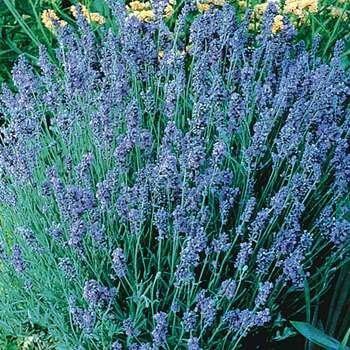
A classic English lavender renowned for its early flowering habit, exceptional fragrance, and dependable garden performance. One of the earliest lavenders to bloom from seed, Lavender Lady quickly develops into compact, rounded plants covered with elegant violet-blue flower spikes rising above aromatic silver-green foliage. The sweet, soothing fragrance and graceful appearance have made this variety a favorite for herb gardens, borders, pollinator plantings, and fragrant landscapes.
Growing into neat mounds approximately 16 to 20 inches tall, Lavender Lady provides season-long beauty while requiring remarkably little maintenance. The flowers are excellent for fresh bouquets, drying, sachets, potpourri, and culinary use, while the evergreen foliage continues to provide color and fragrance long after the blooms have faded. Its combination of early flowering, compact growth, and outstanding hardiness makes Lavender Lady one of the easiest and most rewarding lavenders to grow from seed.
Garden Uses
Lavender Lady is ideal for herb gardens, cottage gardens, rock gardens, Mediterranean landscapes, pollinator gardens, edging, fragrance gardens, decorative containers, and sunny borders. Its compact growth habit makes it perfect for planting along walkways where its fragrance can be enjoyed whenever the foliage is brushed.
The soft violet-blue flowers pair beautifully with roses, salvia, catmint, thyme, rosemary, yarrow, echinacea, dianthus, gaura, and ornamental grasses. The fragrant flower stems are also outstanding for fresh-cut arrangements and long-lasting dried floral displays.
Growing Information
Lavender Lady thrives in full sun and sharply drained soil. Sandy, gravelly, or slightly alkaline soils are preferred, while heavy clay or consistently wet conditions should be avoided. Mature plants generally reach 16 to 20 inches tall with a spread of 16 to 20 inches.
Start seeds indoors approximately 8 to 10 weeks before the final spring frost. Surface sow or cover seeds very lightly, as light aids germination. A 2 to 4 week period of cold stratification may improve germination. Maintain temperatures between 65 and 70°F while keeping the growing medium lightly moist. Germination typically occurs within 14 to 28 days.
Once established, water sparingly and avoid excessive fertilization, which encourages leafy growth while reducing fragrance and flowering. Lightly trim plants after flowering to maintain a dense, rounded habit and encourage vigorous new growth. Avoid cutting into old woody stems.
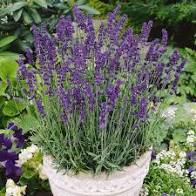
The classic "true lavender" that has been cultivated for centuries for its exceptional fragrance, beautiful violet-blue flower spikes, and remarkable versatility. Closely related to Lavandula angustifolia, this heirloom lavender has long been regarded as one of the finest varieties for producing essential oils, dried flowers, sachets, perfumes, culinary herbs, and ornamental garden displays. Its graceful silver-gray foliage and richly scented blooms have made Lavender Vera a timeless favorite in herb gardens, cottage landscapes, and Mediterranean plantings throughout the world.
Growing into attractive rounded mounds 18 to 30 inches tall, Lavender Vera produces abundant upright flower spikes from late spring through midsummer. The aromatic foliage remains attractive throughout the year in mild climates, while the fragrant flowers attract bees, butterflies, and other beneficial pollinators in remarkable numbers. Elegant, drought tolerant, and wonderfully fragrant, Lavender Vera is one of the finest perennial herbs available for both beauty and usefulness.
Garden Uses
Lavender Vera is ideal for herb gardens, cottage gardens, fragrance gardens, pollinator gardens, rock gardens, borders, edging, Mediterranean landscapes, and decorative containers. It is especially attractive planted along walkways, patios, and entrances where its fragrance can be appreciated whenever the foliage is gently brushed.
The fragrant flower spikes combine beautifully with roses, thyme, rosemary, catmint, salvia, echinacea, yarrow, dianthus, gaura, and ornamental grasses. The flowers are excellent for fresh bouquets, drying, wreaths, sachets, potpourri, soaps, and culinary uses.
Growing Information
Lavender Vera performs best in full sun and sharply drained soil. Sandy, gravelly, rocky, or slightly alkaline soils are ideal, while heavy clay and poorly drained locations should be avoided. Mature plants generally reach 18 to 30 inches tall with a spread of 18 to 24 inches.
Start seeds indoors approximately 8 to 10 weeks before the final spring frost. Sow seeds on the surface of a moist growing medium and cover only very lightly, as light improves germination. A 2 to 4 week period of cold stratification often increases germination rates. Maintain temperatures between 65 and 70°F while keeping the soil lightly moist. Germination generally occurs within 14 to 30 days.
Once plants are established, water sparingly and avoid excessive fertilization. Lavender performs best in relatively lean soils where growth remains compact and fragrant. Prune lightly after flowering to encourage branching and maintain an attractive rounded shape, avoiding heavy cuts into old woody stems.
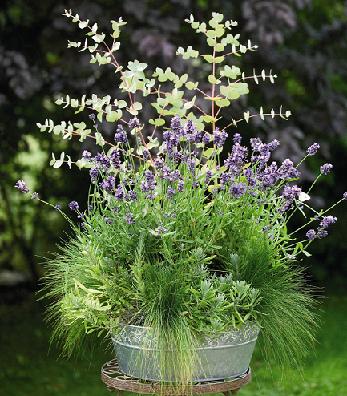
A compact English lavender distinguished by its rich violet-blue flower spikes, exceptionally fragrant silver-gray foliage, and outstanding garden performance. Named after the beautiful Italian city of Vicenza, this elegant variety combines classic lavender fragrance with a dense, uniform growth habit that makes it equally at home in borders, herb gardens, containers, and pollinator plantings. From late spring through midsummer, graceful flower stems rise above neat mounds of aromatic foliage, filling the garden with both color and the unmistakable scent of true lavender.
Growing into tidy rounded plants approximately 12 to 18 inches tall, Vicenza Blue offers the beauty of traditional English lavender in a compact form that's easy to incorporate into gardens of every size. Its abundant blooms attract countless bees and butterflies, while the highly aromatic flowers are prized for drying, potpourri, sachets, wreaths, and fresh-cut arrangements. Once established, this hardy perennial provides years of dependable beauty with remarkably little maintenance.
Garden Uses
Vicenza Blue is ideal for herb gardens, cottage gardens, Mediterranean landscapes, rock gardens, pollinator gardens, borders, edging, fragrance gardens, and decorative containers. Its compact habit makes it particularly effective along walkways, patios, and entryways where visitors can enjoy its soothing fragrance.
The vivid blue flower spikes pair beautifully with roses, thyme, rosemary, salvia, catmint, echinacea, yarrow, dianthus, gaura, ornamental grasses, and other drought-tolerant perennials. The flowers are also excellent for dried arrangements, lavender wands, sachets, soaps, and culinary use.
Growing Information
Vicenza Blue grows best in full sun and sharply drained soil. Sandy, gravelly, rocky, or slightly alkaline soils are ideal, while poorly drained or consistently wet locations should be avoided. Mature plants generally reach 12 to 18 inches in height with a spread of 14 to 18 inches.
Seeds may be started indoors 8 to 10 weeks before the last expected frost. Surface sow or cover very lightly, as light aids germination. Cold stratification for 2 to 4 weeks may improve germination rates. Maintain temperatures between 65 and 70°F while keeping the growing medium lightly moist. Germination generally occurs within 14 to 30 days.
Once established, water sparingly and avoid excessive fertilization, which encourages lush foliage at the expense of flowers and fragrance. Lightly prune after flowering to maintain a dense, rounded habit and promote vigorous new growth. Avoid pruning deeply into mature woody stems.
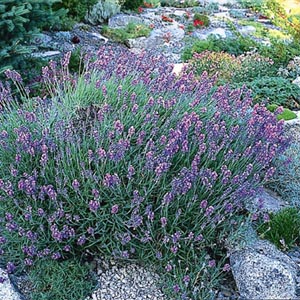
A premium English lavender selection prized for its compact habit, intensely colored deep violet-purple flowers, and exceptional fragrance. Improved from the famous garden classic 'Hidcote', this superior strain produces dense flower spikes above neat mounds of aromatic silver-gray foliage, creating one of the richest lavender displays available. Its dark blooms, tidy form, and outstanding usefulness make it a favorite for herb gardens, borders, low hedges, containers, and fragrant cottage gardens.
Growing into compact, rounded plants approximately 12 to 18 inches tall, Hidcote Superior is especially valued for its uniform habit and strong flower color. The blooms appear from late spring through midsummer and are excellent for fresh cutting, drying, sachets, potpourri, wreaths, and lavender crafts. Once established, plants thrive in sunny, well-drained locations with very little water, offering years of beauty, fragrance, and pollinator activity.
Garden Uses
Hidcote Superior is ideal for herb gardens, cottage gardens, fragrance gardens, rock gardens, Mediterranean landscapes, pollinator gardens, edging, low hedges, and decorative containers. Its compact, uniform habit makes it especially useful for lining pathways, defining garden beds, or creating formal lavender borders.
The deep purple flower spikes pair beautifully with roses, catmint, salvia, thyme, rosemary, yarrow, dianthus, echinacea, gaura, ornamental grasses, and silver-foliaged perennials. The rich bloom color is especially striking when planted in masses or contrasted with white, yellow, or soft pink flowers.
Growing Information
Hidcote Superior grows best in full sun and sharply drained soil. Sandy, gravelly, rocky, or slightly alkaline soils are ideal, while heavy clay and wet winter conditions should be avoided. Mature plants generally reach 12 to 18 inches tall with a spread of 18 to 24 inches.
Start seeds indoors 8 to 10 weeks before the final spring frost. Surface sow or cover very lightly, as light aids germination. A 2 to 4 week period of cold stratification may improve germination rates. Maintain temperatures between 65 and 70°F while keeping the growing medium lightly moist but never soggy. Germination usually occurs within 14 to 30 days.
Once established, water sparingly and avoid rich fertilizer. Lavender performs best in lean, well-drained soil where growth remains compact and fragrance is strongest. Light pruning after flowering helps maintain a dense rounded habit and encourages fresh new growth. Avoid cutting deeply into old woody stems.
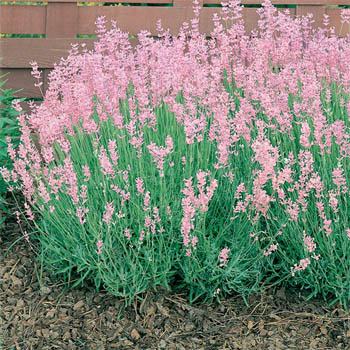
A premium English lavender selection prized for its compact habit, intensely colored deep violet-purple flowers, and exceptional fragrance. Improved from the famous garden classic 'Hidcote', this superior strain produces dense flower spikes above neat mounds of aromatic silver-gray foliage, creating one of the richest lavender displays available. Its dark blooms, tidy form, and outstanding usefulness make it a favorite for herb gardens, borders, low hedges, containers, and fragrant cottage gardens.
Growing into compact, rounded plants approximately 12 to 18 inches tall, Hidcote Superior is especially valued for its uniform habit and strong flower color. The blooms appear from late spring through midsummer and are excellent for fresh cutting, drying, sachets, potpourri, wreaths, and lavender crafts. Once established, plants thrive in sunny, well-drained locations with very little water, offering years of beauty, fragrance, and pollinator activity.
Garden Uses
Hidcote Superior is ideal for herb gardens, cottage gardens, fragrance gardens, rock gardens, Mediterranean landscapes, pollinator gardens, edging, low hedges, and decorative containers. Its compact, uniform habit makes it especially useful for lining pathways, defining garden beds, or creating formal lavender borders.
The deep purple flower spikes pair beautifully with roses, catmint, salvia, thyme, rosemary, yarrow, dianthus, echinacea, gaura, ornamental grasses, and silver-foliaged perennials. The rich bloom color is especially striking when planted in masses or contrasted with white, yellow, or soft pink flowers.
Growing Information
Hidcote Superior grows best in full sun and sharply drained soil. Sandy, gravelly, rocky, or slightly alkaline soils are ideal, while heavy clay and wet winter conditions should be avoided. Mature plants generally reach 12 to 18 inches tall with a spread of 18 to 24 inches.
Start seeds indoors 8 to 10 weeks before the final spring frost. Surface sow or cover very lightly, as light aids germination. A 2 to 4 week period of cold stratification may improve germination rates. Maintain temperatures between 65 and 70°F while keeping the growing medium lightly moist but never soggy. Germination usually occurs within 14 to 30 days.
Once established, water sparingly and avoid rich fertilizer. Lavender performs best in lean, well-drained soil where growth remains compact and fragrance is strongest. Light pruning after flowering helps maintain a dense rounded habit and encourages fresh new growth. Avoid cutting deeply into old woody stems.
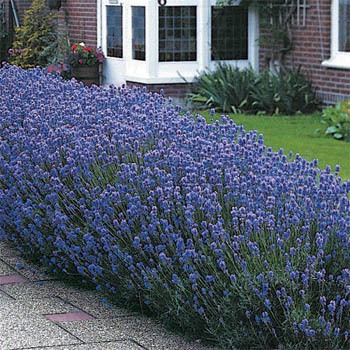
One of the world's most famous and dependable English lavender varieties, admired for its compact growth, richly fragrant violet-blue flower spikes, and exceptional cold hardiness. Originally introduced by the legendary English garden designer Gertrude Jekyll and named after her famous home, Munstead has become the benchmark by which many other lavenders are measured. Its abundant blooms, aromatic silver-gray foliage, and easy-care nature make it one of the finest choices for herb gardens, borders, cottage gardens, and pollinator landscapes.
Blooming from late spring into midsummer, Munstead forms attractive rounded mounds approximately 12 to 18 inches tall, producing masses of fragrant flower spikes that attract bees, butterflies, and hummingbird moths throughout the season. The flowers dry beautifully for crafts, sachets, potpourri, wreaths, and floral arrangements, while the evergreen foliage provides year-round interest in mild climates. Its outstanding versatility has made Munstead a favorite of gardeners for more than a century.
Garden Uses
Munstead Lavender is ideal for herb gardens, cottage gardens, Mediterranean landscapes, fragrance gardens, pollinator gardens, rock gardens, edging, low hedges, decorative containers, and sunny borders. Its naturally compact habit makes it especially useful for formal plantings and pathway borders where both fragrance and neat appearance are appreciated.
The fragrant violet-blue flowers combine beautifully with roses, catmint, thyme, rosemary, salvia, echinacea, yarrow, dianthus, gaura, ornamental grasses, and other drought-tolerant perennials. It also produces outstanding fresh and dried cut flowers for home decorating and crafts.
Growing Information
Munstead grows best in full sun and sharply drained soil. Sandy, gravelly, rocky, or slightly alkaline soils are ideal, while heavy clay and poorly drained locations should be avoided. Mature plants generally reach 12 to 18 inches tall with a spread of 18 to 24 inches.
Seeds may be started indoors approximately 8 to 10 weeks before the final spring frost. Surface sow or cover very lightly, as light improves germination. A 2 to 4 week period of cold stratification may improve germination rates. Maintain temperatures between 65 and 70°F while keeping the growing medium lightly moist. Germination generally occurs within 14 to 30 days.
Once established, water sparingly and avoid heavy fertilization. Lavender produces stronger fragrance and better flowering when grown in relatively lean soil with excellent drainage. Lightly trim plants after flowering to maintain their compact shape and encourage fresh new growth. Avoid pruning into old woody stems.
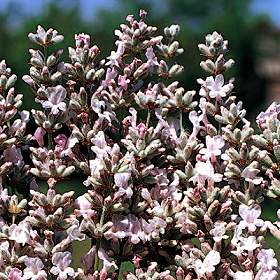
A charming pink-flowered lavender valued for its soft rosy blooms, silvery aromatic foliage, and delightful fragrance. Unlike the traditional blue and purple lavenders most gardeners know, Pink Perfume brings a gentle pastel color to sunny herb gardens, borders, containers, and fragrance plantings. The upright flower spikes rise above compact mounds of gray-green foliage, creating a refined display that is both ornamental and highly attractive to pollinators.
Blooming from late spring into summer, Pink Perfume offers the familiar soothing scent of lavender in a softer, more romantic color form. Its fragrant foliage releases aroma when brushed, while the pink blooms dry beautifully for sachets, potpourri, wreaths, and floral crafts. Once established, plants thrive in warm, sunny locations with excellent drainage and require very little water or maintenance.
Garden Uses
Pink Perfume is ideal for herb gardens, cottage gardens, fragrance gardens, rock gardens, Mediterranean landscapes, pollinator gardens, edging, patio containers, and sunny borders. Its soft pink blooms create lovely combinations with white, lavender-blue, silver, and pale yellow flowers.
It pairs beautifully with roses, catmint, thyme, rosemary, salvia, yarrow, dianthus, gaura, echinacea, ornamental grasses, and other drought-tolerant perennials. The fragrant flowers are excellent for fresh bouquets, dried arrangements, sachets, potpourri, and craft projects.
Growing Information
Pink Perfume grows best in full sun and sharply drained soil. Sandy, gravelly, rocky, or slightly alkaline soils are preferred, while heavy clay and wet winter conditions should be avoided. Mature plants generally reach 12 to 20 inches tall with a spread of 12 to 18 inches.
Seeds may be started indoors 8 to 10 weeks before the final spring frost. Surface sow or cover only very lightly, as light improves germination. A short period of cold stratification may improve germination rates. Maintain temperatures between 65 and 70°F while keeping the growing medium lightly moist but never soggy. Germination generally occurs within 14 to 30 days.
Once established, water sparingly and avoid overfertilizing. Lavender develops the strongest fragrance and most compact growth in lean, well-drained soil. Light pruning after flowering helps maintain a rounded shape and encourages fresh growth. Avoid cutting deeply into old woody stems.

Contact Us | Privacy Policy | About Us
Serving gardeners since 1992
State of Mississippi Seedmen's Permit #C-391, Ohio 90152, Minnesota 20086777