
Unusual Lawn Plant Seeds from around the World
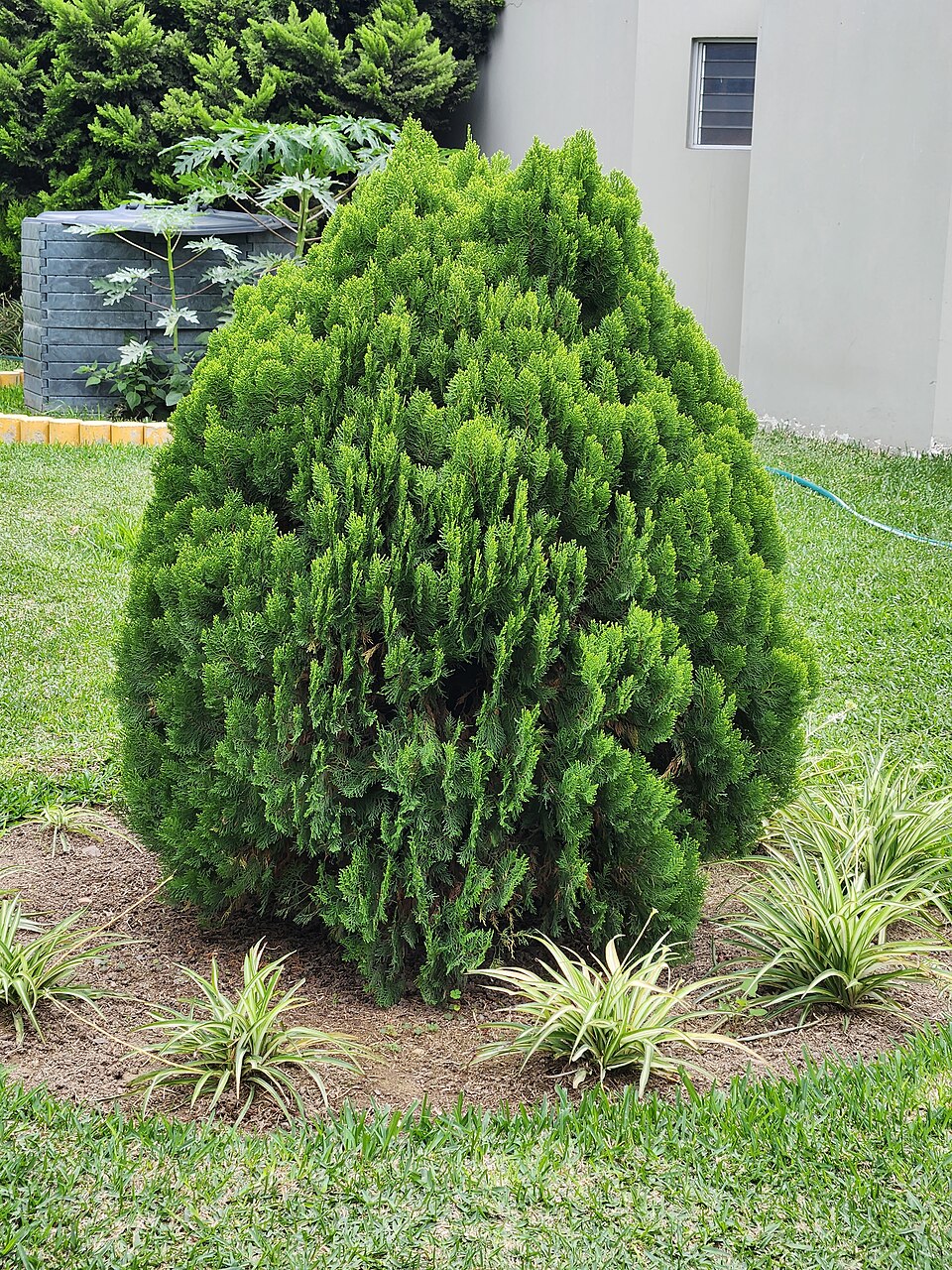
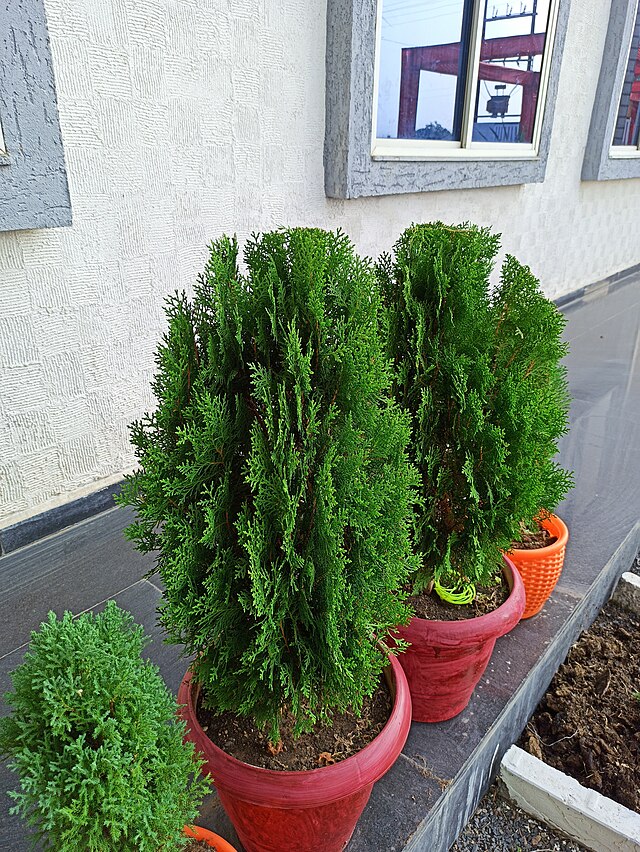
Dwarf Oriental Arborvitae is a handsome evergreen shrub prized for its naturally compact growth habit, dense emerald-green foliage, and year-round landscape appeal. This slow-growing selection forms a neat rounded to broadly conical specimen that requires very little pruning, making it an excellent choice for lawns, foundation plantings, entryways, and accent gardens.
Unlike larger arborvitae that may eventually dominate a landscape, 'Compacta' remains manageable for decades, providing evergreen structure and color without becoming overwhelming. Its refined appearance and durability have made it a favorite among homeowners and landscape designers alike.
Plant Characteristics- Botanical Name: Platycladus orientalis 'Compacta'
- Common Names: Dwarf Oriental Arborvitae, Compact Oriental Arborvitae
- Plant Type: Evergreen Shrub
- Mature Height: 4 to 8 feet
- Mature Spread: 3 to 6 feet
- Growth Rate: Slow to Moderate
- USDA Zones: 5 to 9
- Sun Exposure: Full Sun to Light Shade
- Soil Requirements: Well-drained soil
- Specimen lawn plantings
- Foundation plantings
- Entryway accents
- Evergreen focal points
- Rock gardens
- Asian-inspired landscapes
- Low-maintenance gardens
Its naturally symmetrical form makes it particularly effective as a standalone lawn specimen where its shape can be appreciated from all sides.
Important Landscape NoteUnlike many evergreen shrubs that require regular shaping, Dwarf Oriental Arborvitae naturally maintains a dense, attractive form. Minimal pruning is generally needed, making it an excellent choice for low-maintenance landscapes.
Germination Information- Sow seeds in a well-drained seed-starting mix.
- Cold stratification may improve germination.
- Maintain temperatures between 65°F and 75°F.
- Keep evenly moist but not waterlogged.
- Germination may occur over several weeks.
Young plants grow slowly but steadily, eventually developing their characteristic dense habit.
Growing Information- Plant in full sun for best density.
- Tolerates a variety of soil types.
- Water regularly during establishment.
- Requires little pruning.
- Mulch around the root zone to conserve moisture.
Once established, the plant is remarkably durable and long-lived.
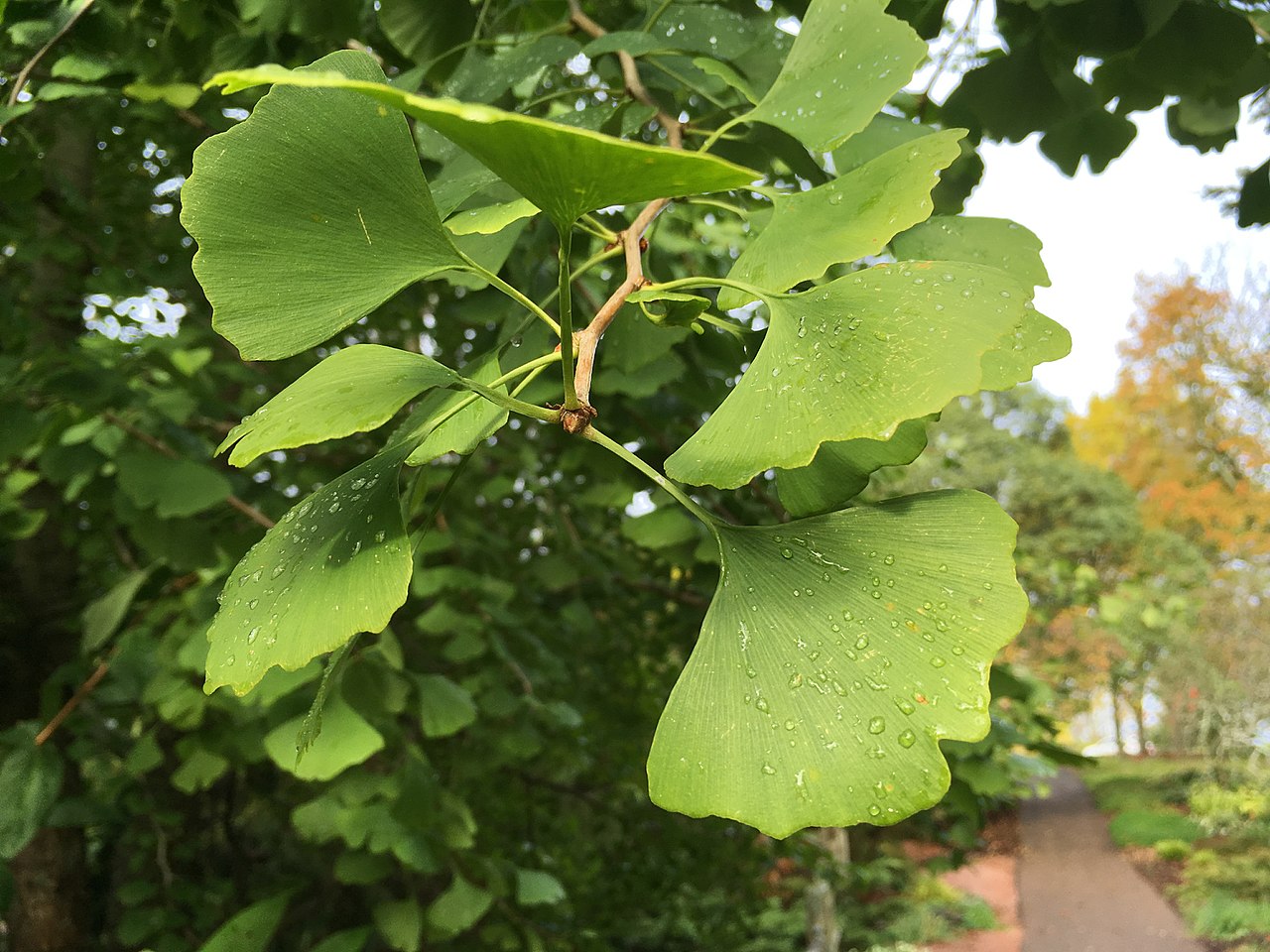
Ginkgo Biloba is one of the most remarkable trees on Earth and is often referred to as a "living fossil." Existing largely unchanged for over 200 million years, Ginkgo predates dinosaurs, flowering plants, and many modern tree species. Its distinctive fan-shaped leaves, brilliant golden fall color, and extraordinary longevity have made it one of the world's most treasured ornamental and historical trees.
Highly resistant to pollution, disease, insects, and urban stress, Ginkgo has become one of the finest shade and street trees available. Mature specimens develop into stately landscape trees that can live for centuries, making them a true legacy planting for future generations.
Plant Characteristics- Botanical Name: Ginkgo biloba
- Common Names: Ginkgo, Maidenhair Tree, Fossil Tree
- Plant Type: Deciduous shade tree
- Mature Height: 50 to 80 feet
- Mature Spread: 30 to 50 feet
- Growth Rate: Moderate
- USDA Zones: 3 to 9
- Fall Color: Brilliant golden yellow
- Foliage: Distinctive fan-shaped leaves
Ginkgo is widely planted as a specimen tree, shade tree, lawn tree, street tree, park tree, and campus tree. Its strong structure, exceptional adaptability, and beautiful fall display make it one of the most dependable landscape trees available.
Because of its resistance to pollution and compacted soils, it performs exceptionally well in urban environments where many other trees struggle.
Germination InformationFresh seeds generally provide the best germination results.
- Clean seeds thoroughly before planting.
- Cold stratify for 60 to 90 days if necessary.
- Sow approximately 1 inch deep.
- Use a well-drained growing medium.
- Maintain moderate moisture levels.
- Germination may occur within several weeks following stratification.
Ginkgo thrives in full sun and adapts to a wide variety of soil conditions. Once established, it is highly tolerant of drought, heat, pollution, salt spray, and urban growing conditions.
Young trees grow steadily and develop a strong central leader. Mature specimens require little maintenance beyond occasional pruning of damaged branches.
Fall color is often spectacular, with entire canopies turning brilliant gold before dropping their leaves within a short period.
Container GrowingYoung Ginkgo trees can be grown successfully in containers for several years. They are also highly valued for bonsai culture due to their unique foliage, longevity, and adaptability.
Long-term growth is best achieved in the landscape where the tree can reach its full majestic potential.
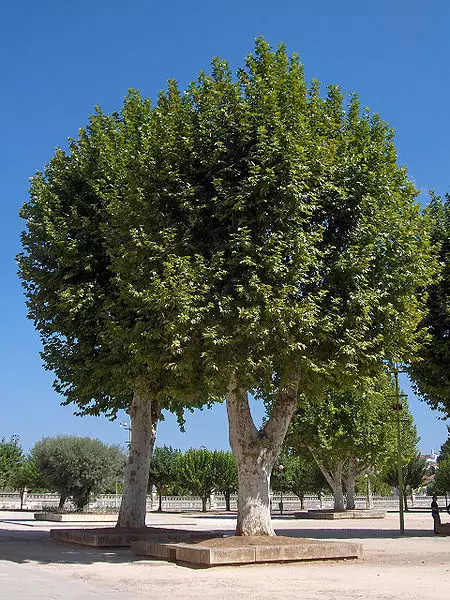
The London Plane Tree is one of the world's most famous shade trees, admired for its massive size, broad canopy, distinctive mottled bark, and remarkable ability to thrive in urban environments. A hybrid between the American Sycamore and the Oriental Plane Tree, this magnificent tree has become a landscape icon throughout Europe, North America, and many of the world's great cities.
When planted as a lawn specimen, the London Plane develops into a stately shade tree capable of transforming an ordinary yard into a park-like landscape. Mature specimens are among the most impressive shade trees available, often becoming treasured landmarks for generations.
Plant Characteristics- Botanical Name: Platanus × acerifolia
- Common Names: London Plane Tree, London Planetree
- Plant Type: Deciduous Shade Tree
- Mature Height: 70 to 100 feet
- Mature Spread: 60 to 90 feet
- Growth Rate: Fast
- USDA Zones: 5 to 9
- Sun Exposure: Full Sun
- Soil Requirements: Adaptable
This is a tree for the future. While attractive when young, London Plane truly reaches its full beauty after several decades, developing a massive trunk, broad canopy, and distinctive patchwork bark that make mature specimens unforgettable landscape features.
Germination Information- Sow seed on the surface of a moist seed-starting mix.
- Provide bright light.
- Maintain temperatures between 65°F and 75°F.
- Keep evenly moist.
- Germination generally occurs within 10 to 30 days.
Young seedlings establish readily and exhibit vigorous growth under favorable conditions.
Growing Information- Plant in full sun.
- Provide adequate space for future growth.
- Tolerates urban conditions exceptionally well.
- Water regularly during establishment.
- Requires little maintenance once mature.
The species is famous for thriving where many other large shade trees struggle.
Seedman NoteIf you have room for a large specimen tree, London Plane deserves serious consideration. Few trees combine rapid growth, impressive size, beautiful bark, and long-term landscape value so successfully. A mature specimen can become the defining feature of an entire property.

Oriental Plane Tree is one of the grandest shade trees ever introduced into cultivation. Native to southeastern Europe and western Asia, this magnificent deciduous tree develops a broad, spreading crown capable of reaching 60 to 100 feet in height and often nearly as wide. Large maple-like leaves create dense summer shade, while the tree's distinctive exfoliating bark reveals attractive patches of cream, tan, gray, olive, and white that provide year-round visual interest.
Round seed balls hang from the branches throughout winter, adding ornamental appeal long after the foliage has dropped. Mature specimens often become the defining feature of parks, estates, and historic landscapes.
Important Landscape NoteThis species should only be planted where adequate room exists for full development. When given space, Oriental Plane Trees become magnificent landscape landmarks capable of surviving for centuries.
Germination Information- Cold stratify seeds for 30-60 days at 35-40°F.
- Sow on the surface of a well-drained germination mix.
- Lightly press seed into the medium.
- Provide bright light and temperatures of 65-75°F.
- Keep evenly moist but not waterlogged.
- Germination generally occurs within 2-8 weeks.
- Botanical Name: Platanus orientalis
- Plant Type: Deciduous Shade Tree
- USDA Zones: 6-9
- Sun Exposure: Full Sun
- Mature Height: 60-100+ Feet
- Mature Spread: 60-100+ Feet
- Growth Rate: Fast
- Soil Preference: Adaptable to most soils
- Water Requirements: Moderate
Oriental Plane Tree thrives in fertile, deep soils but demonstrates remarkable adaptability. It tolerates clay soils, periodic flooding, urban pollution, heat, and drought once established. Young trees benefit from regular watering during their first several growing seasons.
Container GrowingDue to its eventual massive size, Oriental Plane Tree is unsuitable for long-term container culture. Seedlings can be maintained in large nursery containers for several years before transplanting into a permanent landscape location.
Pollinator & Wildlife ValueAlthough primarily wind-pollinated, Oriental Plane Trees provide tremendous ecological value. Their expansive canopies offer nesting sites, shelter, and cooling shade for numerous bird species. Seed balls provide winter food for some wildlife, while mature trees support diverse insect communities that become important food sources for songbirds.
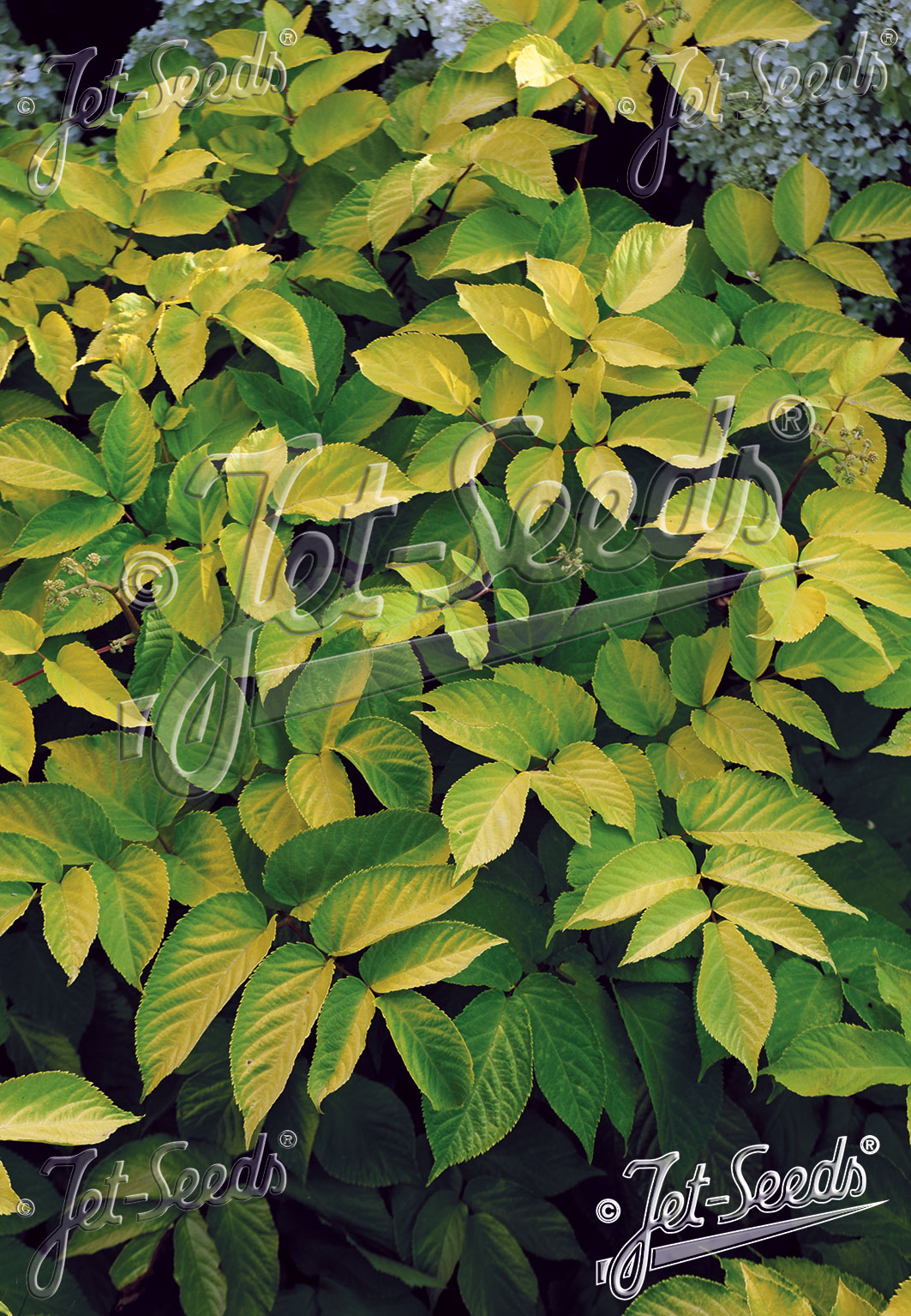
Aralia cordata 'Sun King', also known as Golden Japanese Spikenard, is a bold and beautiful shade perennial prized for its glowing golden-yellow to chartreuse foliage. Its large, tropical-looking leaves brighten shady garden spaces and create a dramatic contrast when planted among hostas, ferns, woodland plants, and darker green foliage.
This eye-catching plant forms a full, upright clump and brings a lush, almost shrub-like presence to the garden while still behaving as a hardy perennial. In part sun, the foliage tends to glow brighter yellow, while in deeper shade it takes on rich lime-green to chartreuse tones. Small white flowers may appear in summer, followed by dark berries that add seasonal interest.
'Sun King' is an excellent choice for shade gardens, woodland borders, mixed perennial beds, and large containers. It is valued for its easy-care nature, bold texture, and ability to light up darker corners of the landscape.
Zones: For zones 4-8. Best grown in moist, fertile, humusy, well-drained soils in part shade. Site in locations protected from strong winds to protect the foliage. Aralias often self-sow where the berries drop and are somewhat easy to naturalize into colonies. Seeds need to be cold stratified.
- Botanical Name: Aralia cordata 'Sun King'
- Common Name: Golden Japanese Spikenard
- Plant Type: Herbaceous perennial
- Light: Part shade to shade; morning sun helps brighten foliage color
- Foliage Color: Golden-yellow to chartreuse-lime
- Garden Use: Shade gardens, woodland borders, specimen plantings, and containers
- Special Features: Bold foliage, tropical appearance, shade tolerant, deer resistant
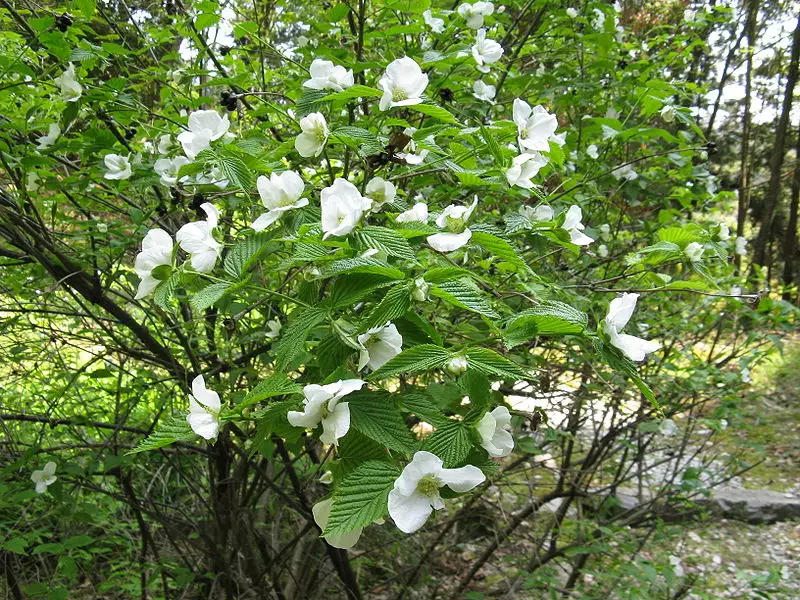
Jetbead is an attractive, easy-care deciduous flowering shrub prized for its graceful arching branches, abundant spring blooms, and unusual glossy black fruits. Native to China, Korea, and Japan, this elegant shrub typically reaches 4 to 8 feet in height and width, forming a rounded, fountain-like shape that works beautifully in both formal and naturalistic landscapes.
In late spring, Jetbead becomes covered with masses of bright white four-petaled flowers that resemble small single roses. Unlike many spring-flowering shrubs, the blooms are produced over an extended period, creating a long-lasting display. Following flowering, shiny jet-black berries develop and persist well into winter, providing ornamental interest long after the leaves have fallen.
Landscape Uses- Specimen lawn shrub
- Foundation plantings
- Woodland gardens
- Naturalized landscapes
- Mixed shrub borders
- Pollinator gardens
- Shade gardens
- Historic and cottage gardens
Jetbead performs exceptionally well as a standalone specimen where its arching form, spring flowers, and decorative fruit can be fully appreciated.
Important Landscape NoteJetbead is highly adaptable and tolerant of both sun and partial shade. It requires little maintenance and is remarkably resistant to pests and diseases. Older plants may slowly spread by suckers, creating attractive colonies if allowed to naturalize.
Germination Information- Seeds benefit from cold stratification for 60-90 days.
- Sow seeds approximately ¼ inch deep.
- Use a moist, well-drained germination medium.
- Maintain temperatures of 65-75°F after stratification.
- Germination can be somewhat irregular and may require patience.
- Botanical Name: Rhodotypos scandens
- Plant Type: Deciduous Flowering Shrub
- USDA Zones: 4-8
- Sun Exposure: Full Sun to Partial Shade
- Mature Height: 4-8 Feet
- Mature Spread: 4-8 Feet
- Growth Rate: Moderate
- Soil Preference: Adaptable, well-drained soils
- Water Requirements: Moderate
Jetbead tolerates a wide range of soil types and growing conditions. It performs best in fertile, moderately moist soils but adapts well to average garden conditions. Once established, it demonstrates good drought tolerance.
Container GrowingYoung Jetbead plants can be successfully grown in large containers for several years. Container-grown specimens make attractive patio accents, particularly during flowering season. Long-term growth is best achieved when plants are eventually transplanted into the landscape.
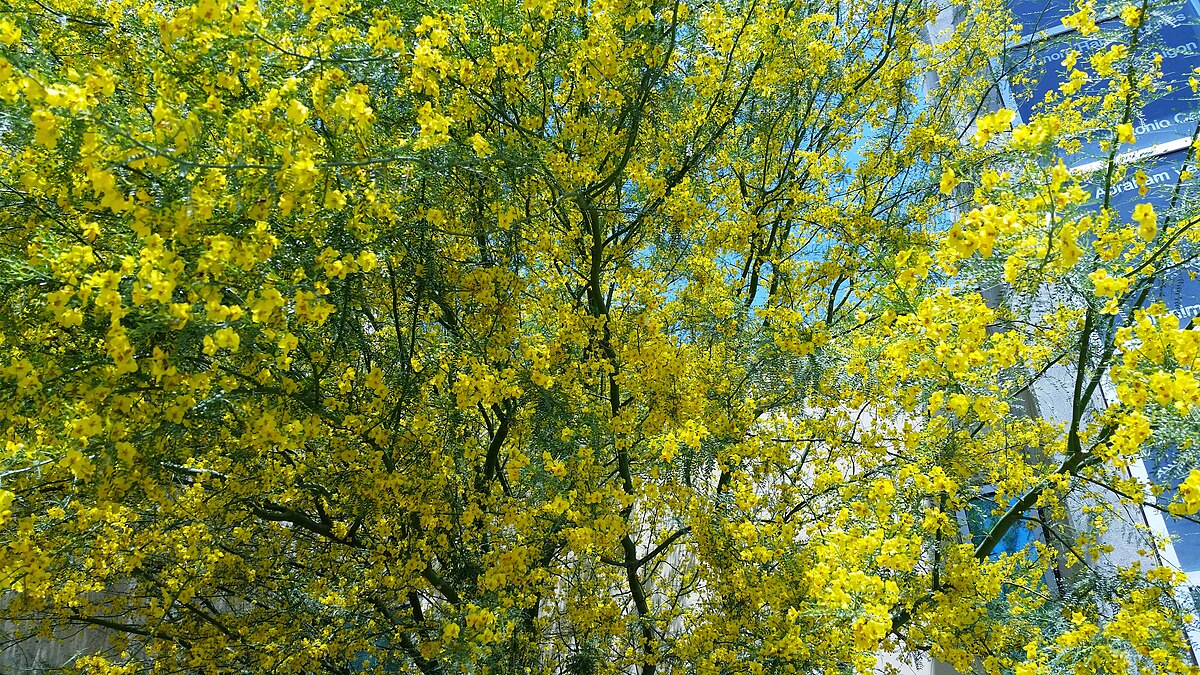
Jelly Bean Tree, also known as Jerusalem Thorn, is a striking small ornamental tree native to the Americas that thrives in hot, sunny climates. This graceful tree typically grows 15 to 30 feet tall with an open, airy canopy composed of slender green branches and delicate, fern-like foliage. Throughout much of the warm season, it produces masses of cheerful golden-yellow flowers often marked with orange or reddish accents.
The tree's bright green stems remain photosynthetically active even during drought, allowing it to stay attractive when many other landscape plants struggle. Long, narrow seed pods follow the flowers and may persist on the tree for extended periods, adding further ornamental interest.
Landscape Uses- Specimen lawn tree
- Xeriscape landscapes
- Desert gardens
- Southwestern-themed landscapes
- Drought-tolerant plantings
- Wildlife gardens
- Accent tree for patios
- Roadside and median plantings
Its airy canopy provides filtered shade without creating heavy darkness beneath the tree, making it especially useful around patios, walkways, and outdoor living spaces.
Important Landscape NoteJelly Bean Tree performs best in warm climates and excellent drainage. The species develops sharp thorns along its branches, so care should be taken when placing it near walkways, children's play areas, or heavily trafficked locations.
Germination Information- Seeds possess a hard seed coat and benefit from scarification.
- Nick the seed coat or soak seeds in hot water for 24 hours.
- Sow approximately ¼ to ½ inch deep.
- Maintain temperatures of 75-90°F.
- Keep soil lightly moist.
- Germination generally occurs within 1-4 weeks.
- Botanical Name: Parkinsonia aculeata
- Plant Type: Flowering Ornamental Tree
- USDA Zones: 8-11
- Sun Exposure: Full Sun
- Mature Height: 15-30 Feet
- Mature Spread: 15-25 Feet
- Growth Rate: Fast
- Soil Preference: Well-drained soils
- Water Requirements: Low
Once established, Jelly Bean Tree is exceptionally drought tolerant and thrives in sandy, rocky, or poor soils where many ornamental trees fail. It flourishes under intense heat and full sun conditions.
Container GrowingYoung specimens can be grown in large containers for several years. However, the tree's rapid growth and eventual size make landscape planting the preferred long-term option. Container-grown trees require excellent drainage and occasional pruning to maintain shape.
Seedman Landscape NoteFor gardeners in warm climates seeking a flowering tree that combines beauty with extreme drought tolerance, Jelly Bean Tree is difficult to surpass. Its graceful habit, bright flowers, and resilience make it one of the finest choices for water-wise landscapes.
Additional Seedman NoteThe common name "Jelly Bean Tree" comes from its distinctive seed pods, which resemble strings of elongated jelly beans when mature. Combined with the tree's clouds of golden flowers, these unusual pods create a landscape specimen that draws attention throughout much of the year.
Landscape Rating: ⭐⭐⭐⭐⭐ (5/5 Stars)
Plant CharacteristicsGolden Honey Mesquite is one of the finest shade trees for warm, dry climates. This graceful desert native develops a broad, spreading canopy adorned with delicate fern-like foliage and spectacular clusters of golden-yellow flowers that create a glowing display across the tree during bloom season.
Mature trees typically reach 20 to 40 feet in height with an equally broad canopy, producing filtered shade that cools the landscape without creating deep darkness beneath. The twisting trunks and sculptural branching patterns add year-round character, making each tree a unique living work of art.
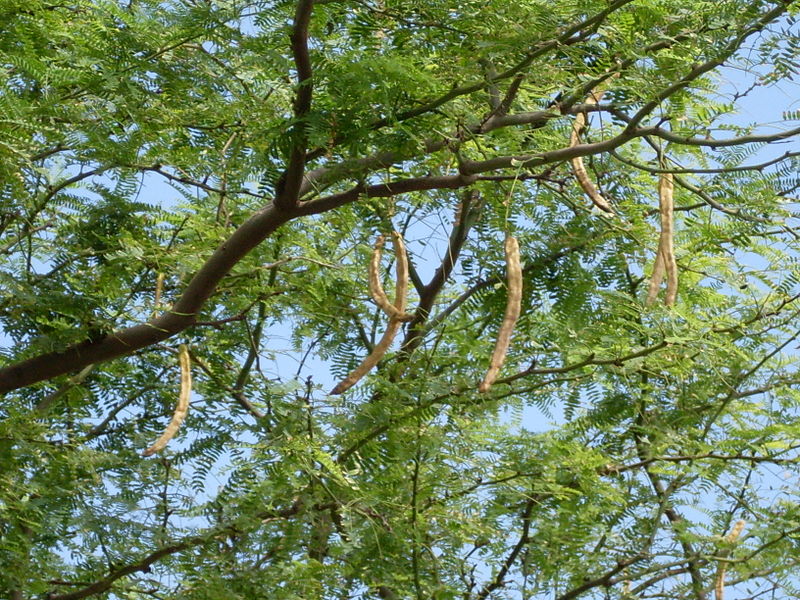
Following flowering, long seed pods develop that have historically been valued as both livestock feed and a food source for indigenous peoples throughout the American Southwest.
Landscape Uses- Specimen lawn tree
- Xeriscape landscapes
- Desert gardens
- Shade tree for patios
- Wildlife plantings
- Southwestern-themed landscapes
- Large property accents
- Drought-tolerant landscapes
The airy canopy allows grass, flowers, and groundcovers to thrive beneath the tree while still providing welcome relief from intense summer heat.
Important Landscape NoteGolden Honey Mesquite thrives in hot, sunny locations where many traditional shade trees struggle. Once established, it requires very little supplemental water and often performs best when not overwatered.
Germination Information- Scarify seeds by nicking the seed coat or soaking in hot water.
- Allow seeds to soak for 12-24 hours.
- Sow approximately ¼ to ½ inch deep.
- Maintain temperatures between 75-95°F.
- Keep lightly moist during germination.
- Germination typically occurs within 1-3 weeks.
- Botanical Name: Prosopis spp.
- Plant Type: Deciduous Flowering Tree
- USDA Zones: 7-11
- Sun Exposure: Full Sun
- Mature Height: 20-40 Feet
- Mature Spread: 20-50 Feet
- Growth Rate: Moderate to Fast
- Soil Preference: Well-drained soils
- Water Requirements: Low
Mesquite trees are famous for their deep root systems, which allow them to locate moisture far below the soil surface. They tolerate sandy, rocky, alkaline, and poor soils with ease and are among the most drought-resistant landscape trees available.
Container GrowingYoung trees may be grown in large containers for several years. Due to their rapidly developing root systems and eventual size, permanent planting in the landscape is recommended for long-term growth.
Seedman Landscape NoteFew trees provide as much beauty with as little maintenance as Golden Honey Mesquite. Its graceful canopy, glowing yellow flowers, drought tolerance, and distinctive Southwestern character make it an outstanding choice for warm-climate landscapes.
Additional Seedman NoteMesquite honey is considered among the finest honey varieties in North America. During peak bloom, a mature Golden Honey Mesquite can literally hum with activity as thousands of bees gather nectar from its fragrant golden blossoms.
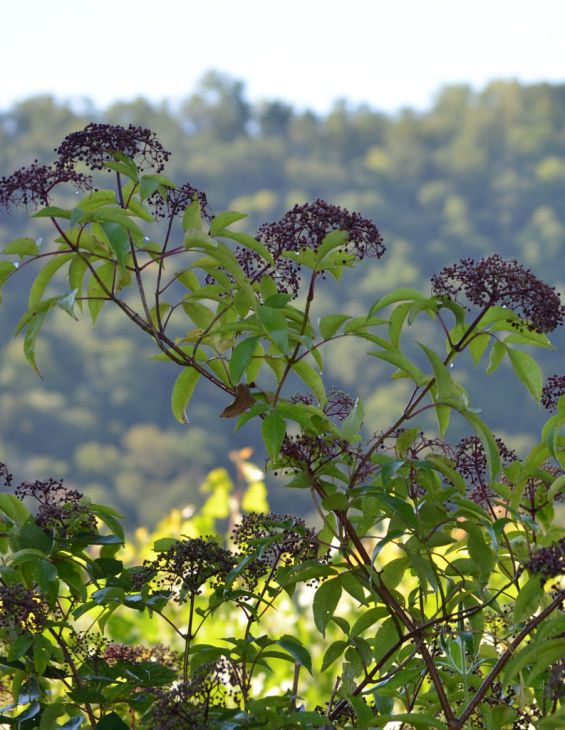
American Black Elderberry is one of North America's most valuable native shrubs, prized for its ornamental beauty, wildlife value, fragrant flowers, and highly useful berries. This vigorous deciduous shrub typically grows 6 to 12 feet tall and wide, forming a dense multi-stemmed plant with graceful arching branches and attractive compound foliage.
In early to midsummer, large flat-topped clusters of creamy white flowers cover the plant, creating a spectacular display while filling the garden with a pleasant fragrance. These blooms are followed by heavy clusters of glossy purple-black berries that ripen in late summer and attract an abundance of birds and wildlife.
Throughout the growing season, Elderberry provides beauty, shade, fragrance, and food, making it one of the most rewarding native shrubs for the landscape.
Landscape Uses- Specimen lawn shrub
- Wildlife gardens
- Naturalized plantings
- Pollinator gardens
- Rain gardens
- Native plant landscapes
- Edible landscapes
- Property borders and screens
American Black Elderberry works exceptionally well as a specimen shrub while also blending naturally into woodland and meadow-style landscapes.
Important Landscape NoteElderberry grows rapidly and can become a substantial shrub within only a few years. It performs best with adequate moisture and benefits from occasional pruning to maintain shape and encourage vigorous new growth.
Germination Information- Seeds benefit from warm stratification followed by cold stratification.
- Mix seeds with moist medium and maintain warm temperatures for 60 days.
- Follow with 90-120 days of cold stratification at 35-40°F.
- Sow approximately ¼ inch deep.
- Keep evenly moist during germination.
- Germination may occur over several weeks or months.
- Botanical Name: Sambucus canadensis
- Plant Type: Deciduous Native Shrub
- USDA Zones: 3-9
- Sun Exposure: Full Sun to Partial Shade
- Mature Height: 6-12 Feet
- Mature Spread: 6-12 Feet
- Growth Rate: Fast
- Soil Preference: Moist, fertile soils
- Water Requirements: Moderate
American Black Elderberry thrives in moist soils and is commonly found growing naturally along streams, pond edges, fence rows, and woodland margins. It tolerates occasional flooding and adapts well to a variety of soil types.
Container GrowingYoung Elderberry plants can be grown successfully in large containers for several years. Due to their vigorous growth and eventual size, permanent landscape planting is recommended for best long-term performance and fruit production.
Pollinator & Wildlife ValueFew native shrubs rival Elderberry for wildlife benefits. The large flower clusters attract bees, butterflies, hoverflies, and numerous beneficial insects. The ripe berries provide an important late-summer food source for songbirds, game birds, and small mammals.
More than fifty species of birds have been documented feeding on elderberries, making this one of the finest wildlife shrubs available.
Historical & Cultural SignificanceAmerican Black Elderberry has been used by Native American tribes for centuries as a food, medicinal, and utility plant. The berries were used for preserves, beverages, and dyes, while the hollow stems were fashioned into flutes, whistles, and blowguns.
European settlers quickly adopted Elderberry for wines, syrups, jams, pies, and traditional remedies. It remains one of the most widely recognized medicinal and culinary native fruits in North America.
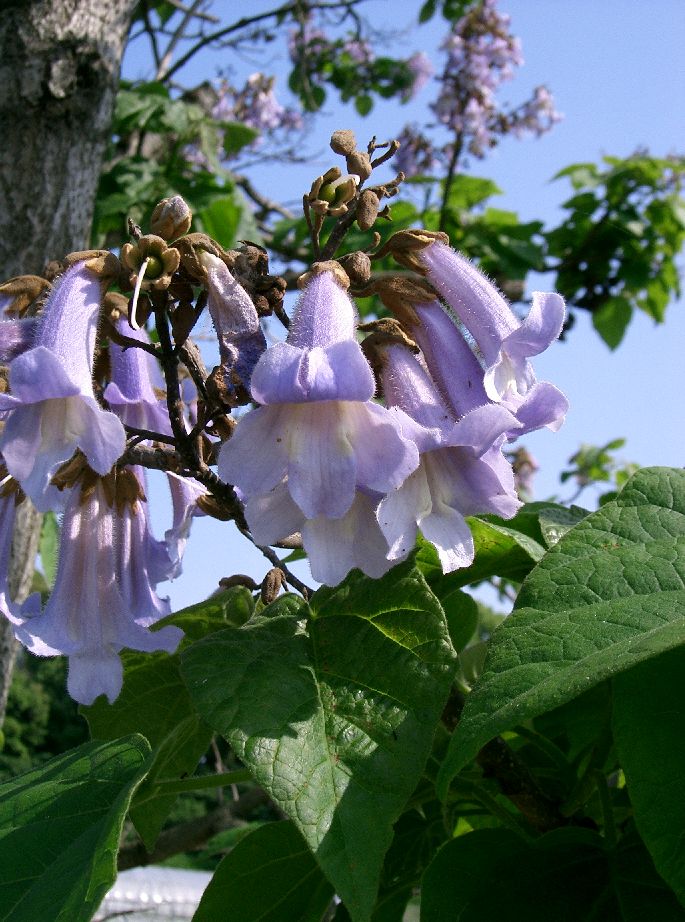
Princess Tree, also known as Empress Tree or Royal Paulownia, is one of the fastest-growing flowering trees in the world. Native to China, this spectacular deciduous tree is admired for its enormous heart-shaped leaves, massive clusters of lavender-purple flowers, and its ability to rapidly create shade and visual impact in the landscape.
Mature trees typically reach 30 to 60 feet in height with a broad rounded crown. In early spring, before the leaves emerge, the branches become covered with upright clusters of fragrant trumpet-shaped blossoms in shades of lavender, violet, and pale purple. The floral display can rival that of flowering cherries, redbuds, and magnolias, often stopping visitors in their tracks.
The giant tropical-looking leaves may reach 12 to 18 inches across and create a bold architectural effect throughout the growing season.
Landscape Uses- Specimen lawn tree
- Fast shade tree
- Flowering focal point
- Estate landscapes
- Pollinator gardens
- Large property plantings
- Reforestation projects
- Collector tree collections
Few trees provide such a dramatic combination of flowers, foliage, and rapid growth. Princess Tree quickly becomes a focal point wherever it is planted.
Important Landscape NotePrincess Tree grows extremely rapidly and should be planted where adequate space exists for its mature size. In some regions it may self-seed freely, so gardeners should consult local recommendations before planting.
Germination Information- Surface sow seeds; do not cover deeply.
- Seeds require light for germination.
- Use a fine, well-drained seed-starting medium.
- Maintain temperatures between 70-80°F.
- Keep the surface consistently moist.
- Germination often occurs within 1-3 weeks.
- Botanical Name: Paulownia tomentosa
- Plant Type: Deciduous Flowering Tree
- USDA Zones: 5-9
- Sun Exposure: Full Sun
- Mature Height: 30-60 Feet
- Mature Spread: 25-50 Feet
- Growth Rate: Extremely Fast
- Soil Preference: Well-drained soils
- Water Requirements: Moderate
Princess Tree adapts to a wide variety of soils, including clay, sandy, and rocky locations. Once established, it demonstrates considerable drought tolerance while maintaining vigorous growth.
Container GrowingYoung seedlings can be grown in large containers for several years. Due to the tree's extraordinary growth rate and eventual size, landscape planting is recommended as soon as practical.
Seedman NoteIn Japan, Princess Tree became known as the "Kiri Tree" and was often used as a symbol of honor and prestige. The wood is so lightweight and stable that it has traditionally been used for fine furniture, musical instruments, ceremonial boxes, and even imperial emblems. Few ornamental trees combine beauty, history, and usefulness to the degree found in Paulownia tomentosa.
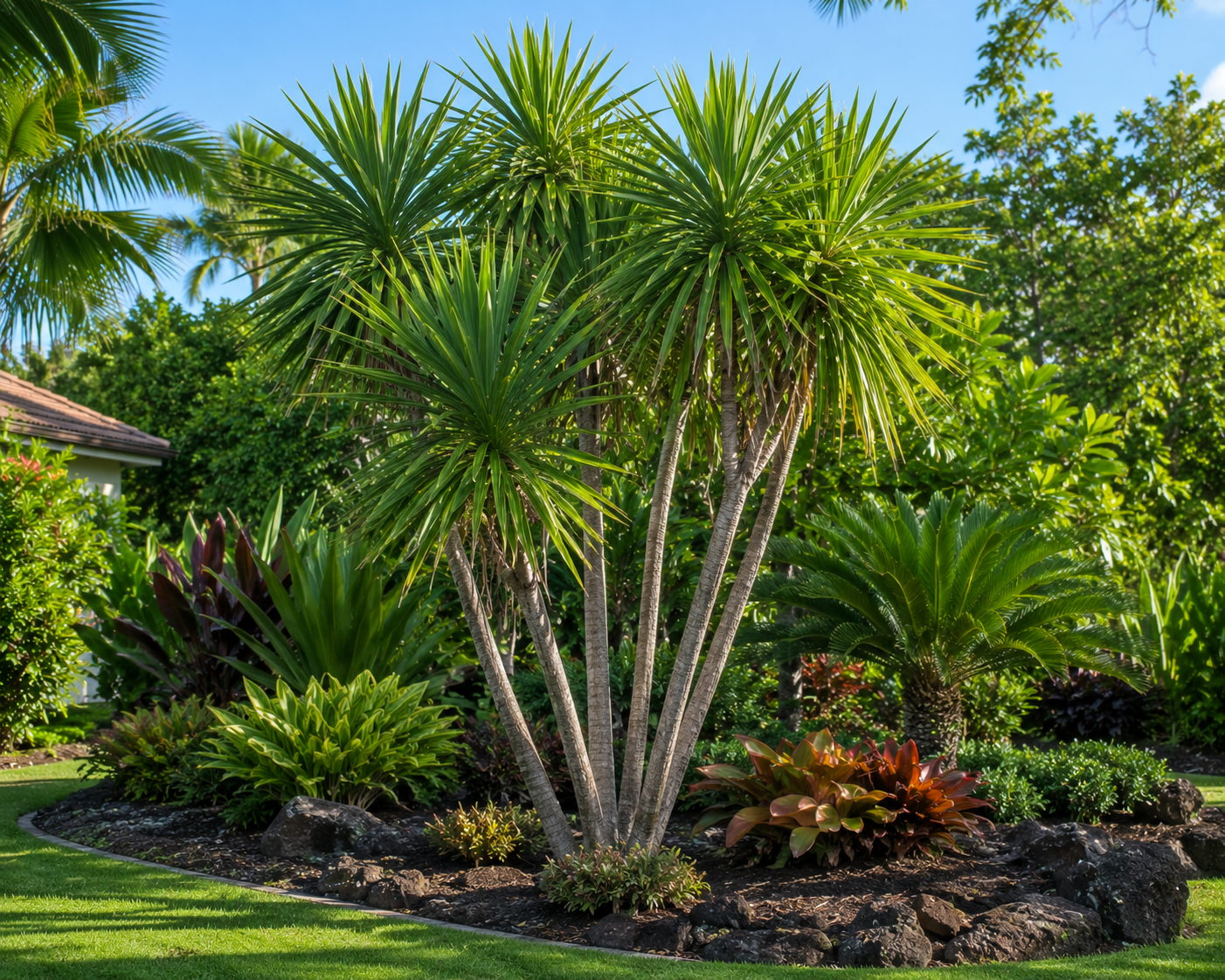
Despite its common name, New Zealand Cabbage Tree is not a true palm but one of the most dramatic palm-like landscape plants available. Native to New Zealand, this evergreen tree develops a slender trunk topped with dense crowns of long, sword-shaped leaves that create an unmistakably tropical appearance.
Young plants typically begin as a single trunk, eventually branching into multiple heads as they mature. Established specimens often reach 20 to 40 feet in height and develop a striking architectural form that becomes increasingly attractive with age. The narrow green leaves sway gracefully in the wind, giving the tree movement and character throughout the year.
During late spring and early summer, mature plants produce enormous clusters of fragrant creamy-white flowers that can contain thousands of blooms. These are followed by small white berries that attract birds and other wildlife.
Landscape Uses- Specimen lawn tree
- Tropical-style landscapes
- Palm substitute for cooler climates
- Coastal gardens
- Modern architectural landscapes
- Poolside plantings
- Mediterranean-style gardens
- Container specimens when young
Its bold silhouette makes it a natural focal point in lawns, entryways, courtyards, and mixed tropical plantings.
Important Landscape NoteNew Zealand Cabbage Tree is one of the most cold-tolerant palm-like plants available, allowing gardeners in cooler climates to achieve a tropical appearance where many true palms cannot survive.
Germination Information- Fresh seed generally germinates best.
- Soak seeds in warm water for 24 hours before sowing.
- Sow seeds approximately ¼ inch deep.
- Maintain temperatures of 70-80°F.
- Keep soil consistently moist but not waterlogged.
- Germination usually occurs within 2-8 weeks.
- Botanical Name: Cordyline australis
- Plant Type: Evergreen Palm-Like Tree
- USDA Zones: 8-11
- Sun Exposure: Full Sun to Partial Shade
- Mature Height: 20-40 Feet
- Mature Spread: 10-20 Feet
- Growth Rate: Moderate
- Soil Preference: Well-drained soils
- Water Requirements: Moderate
Cordyline australis adapts to a wide range of soil types and tolerates wind, salt spray, drought, and urban conditions once established. It is especially valuable in coastal regions where many landscape plants struggle.
Container GrowingYoung plants perform exceptionally well in large containers and are frequently used as patio specimens. Container-grown plants can provide a tropical appearance for many years before requiring landscape planting.
Seedman Landscape NoteIf you love the appearance of palms but garden in an area where many palms struggle, New Zealand Cabbage Tree may be the perfect solution. Its dramatic form, cold tolerance, and year-round beauty make it one of the finest architectural landscape plants available.
Additional Seedman NoteSome of the oldest specimens in New Zealand are believed to be several hundred years old. These ancient trees often develop massive branching crowns that resemble giant living chandeliers, making them among the most distinctive and recognizable trees in the Southern Hemisphere.
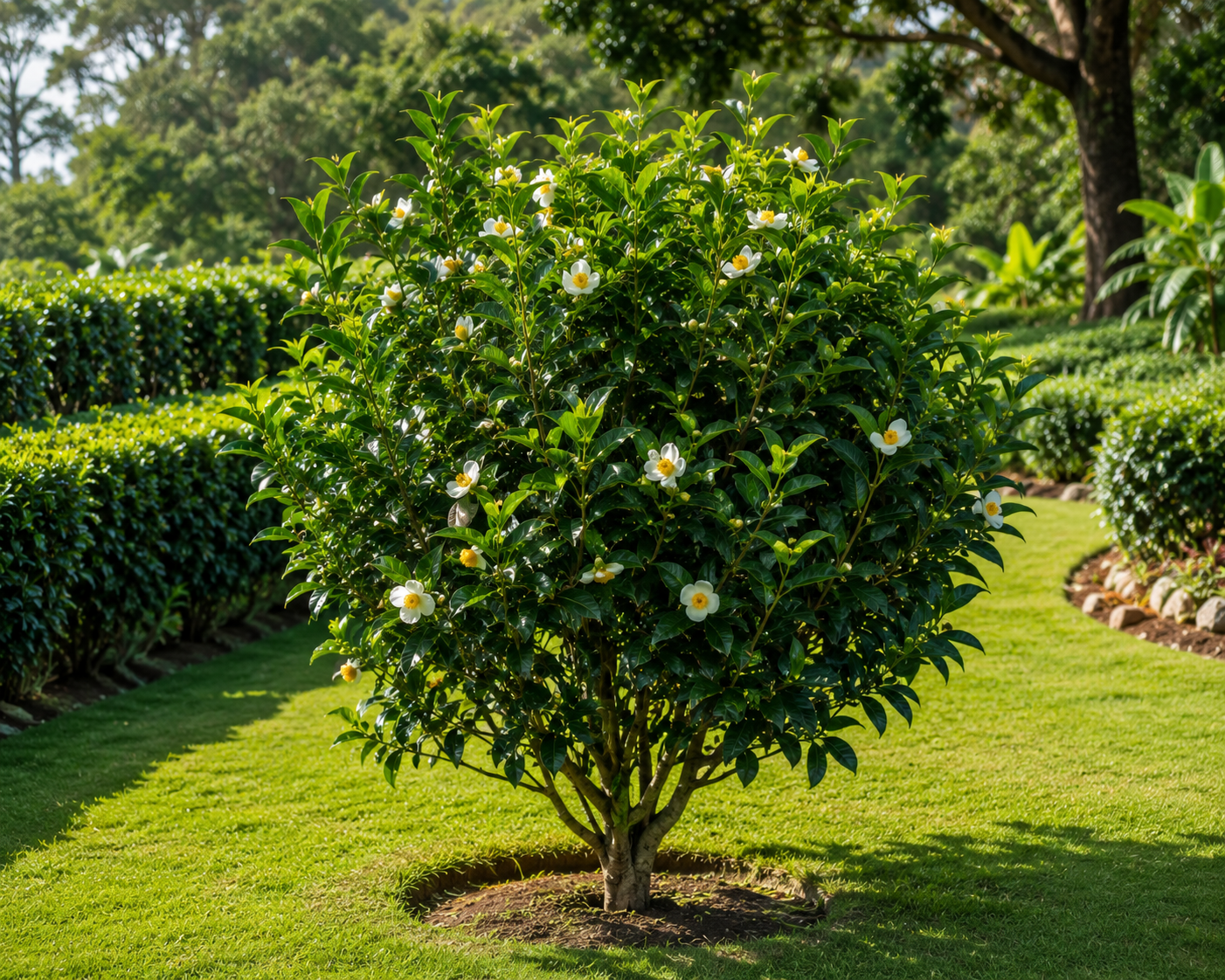
Camellia Tea Plant is one of the world's most important and fascinating ornamental shrubs. Best known as the source of green tea, black tea, white tea, oolong tea, and countless specialty teas, this handsome evergreen also makes a beautiful specimen plant in the landscape.
When grown as a standalone lawn specimen, Tea Plant develops into a dense, rounded shrub or small tree reaching 6 to 15 feet in height depending on climate and pruning practices. The glossy dark green leaves remain attractive year-round and provide an elegant backdrop for the fragrant white flowers that appear during autumn and winter.
The blooms resemble small single camellias with golden-yellow centers and provide welcome color during seasons when few other shrubs are flowering.
Landscape Uses- Specimen lawn shrub
- Small flowering tree
- Evergreen focal point
- Asian-inspired gardens
- Edible landscapes
- Pollinator gardens
- Courtyard plantings
- Historic and botanical collections
As a specimen planting, Tea Plant offers year-round beauty, fragrant flowers, attractive foliage, and the unique distinction of producing leaves that can be harvested for making tea.
Important Landscape NoteTea Plant prefers acidic soils similar to those favored by azaleas, rhododendrons, and ornamental camellias. Proper soil conditions greatly improve vigor, flowering, and long-term performance.
Germination Information- Fresh seed generally provides best results.
- Soak seeds in warm water for 24 hours before sowing.
- Sow approximately ½ inch deep.
- Maintain temperatures between 70-80°F.
- Keep soil consistently moist but not saturated.
- Germination typically occurs within 1-3 months.
- Botanical Name: Camellia sinensis
- Plant Type: Evergreen Shrub or Small Tree
- USDA Zones: 7-10
- Sun Exposure: Full Sun to Partial Shade
- Mature Height: 6-15 Feet
- Mature Spread: 5-10 Feet
- Growth Rate: Moderate
- Soil Preference: Acidic, well-drained soils
- Water Requirements: Moderate
Tea Plants thrive in moist, fertile soils rich in organic matter. They appreciate consistent moisture but require excellent drainage. In warmer climates, some afternoon shade can help maintain the best foliage quality.
Container GrowingCamellia sinensis adapts exceptionally well to container culture and can remain in large decorative containers for many years. Container-grown plants are particularly useful in colder climates where winter protection may occasionally be needed.
Remarkably, green tea, black tea, white tea, yellow tea, pu-erh tea, and oolong tea all originate from the same species. The differences arise from processing methods rather than different plants.
Seedman Landscape NoteTea Plant is one of the few landscape shrubs that combines ornamental beauty, historical significance, edible value, and evergreen character. As a lawn specimen, it offers a unique conversation piece while providing fresh tea leaves for adventurous gardeners.
Additional Seedman NoteSome tea plants in China are believed to be over 1,000 years old and are still harvested today. These ancient specimens continue producing leaves used in some of the world's most sought-after teas, demonstrating the extraordinary longevity and value of Camellia sinensis.
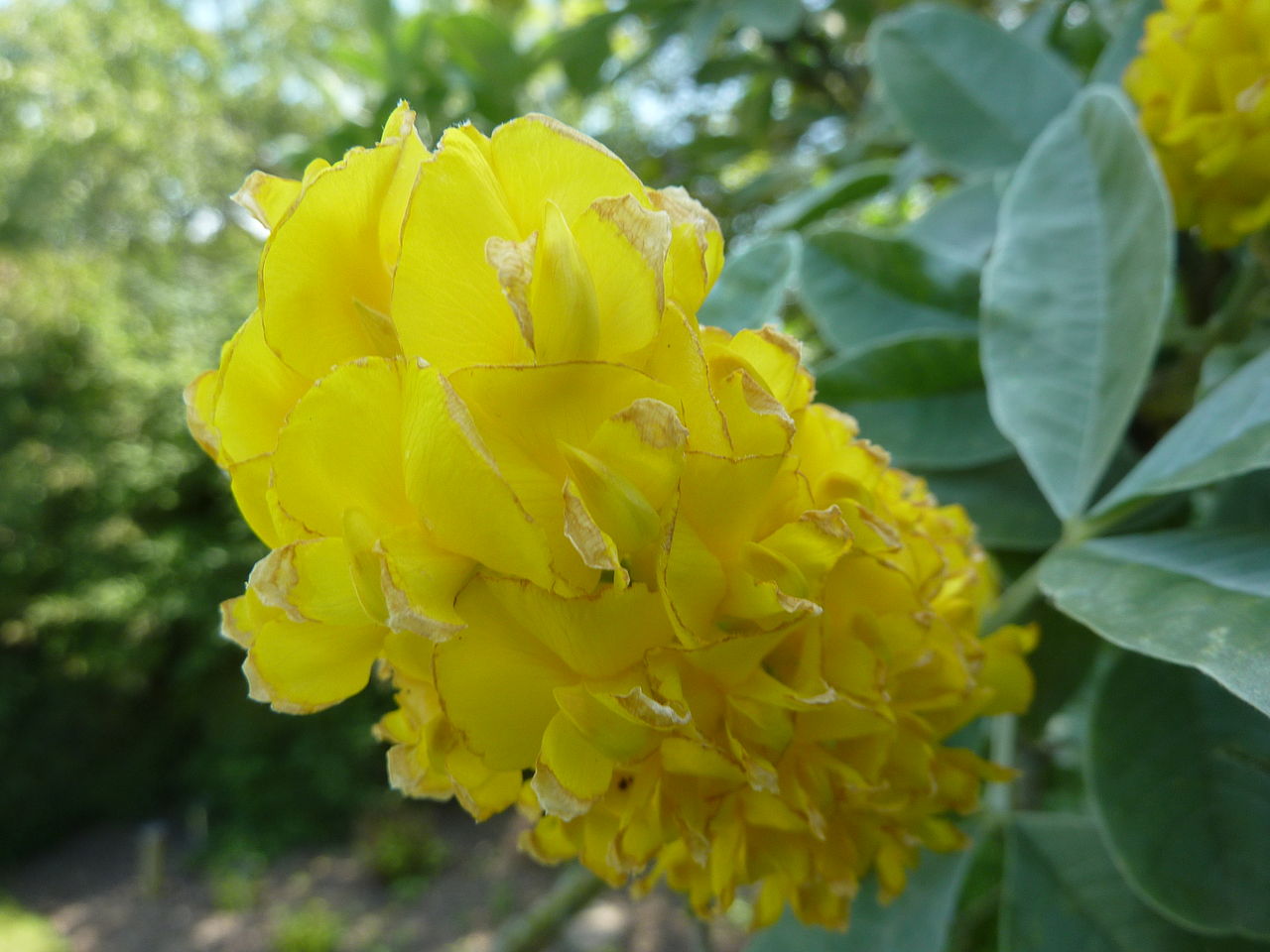
Moroccan Broom, often called Pineapple Broom, is one of the most unusual and delightful flowering shrubs or small trees available for ornamental landscapes. Native to the Atlas Mountains of Morocco, this fast-growing member of the pea family produces spectacular upright spikes of golden-yellow flowers that release a surprisingly sweet pineapple fragrance.
Typically growing 10 to 20 feet tall, Moroccan Broom can be trained as a large shrub or small specimen tree. Its silvery-gray foliage provides year-round interest and creates a beautiful contrast against the brilliant yellow flower clusters that appear in late spring and early summer.
When in bloom, the tree becomes covered with hundreds of flower spikes, transforming it into a glowing beacon of color and fragrance that can be enjoyed from considerable distances.
Landscape Uses- Specimen lawn shrub or tree
- Mediterranean-style gardens
- Fragrant gardens
- Pollinator landscapes
- Courtyard focal points
- Dry-climate gardens
- Estate plantings
- Collector plant collections
Its combination of fragrance, unusual flowers, and silvery foliage makes Moroccan Broom a standout specimen in virtually any landscape setting.
Important Landscape NoteMoroccan Broom requires excellent drainage and performs best in sunny locations. It dislikes wet soils and generally thrives where many other ornamental plants struggle. Providing good air circulation and avoiding overly rich soils helps maintain a compact, attractive form.
Germination Information- Scarify seeds by nicking or lightly sanding the seed coat.
- Soak seeds in warm water for 12-24 hours.
- Sow approximately ¼ inch deep.
- Maintain temperatures between 65-80°F.
- Keep lightly moist but never waterlogged.
- Germination typically occurs within 2-6 weeks.
- Botanical Name: Cytisus battandieri
- Plant Type: Flowering Shrub or Small Tree
- USDA Zones: 8-10
- Sun Exposure: Full Sun
- Mature Height: 10-20 Feet
- Mature Spread: 8-15 Feet
- Growth Rate: Moderate to Fast
- Soil Preference: Well-drained soils
- Water Requirements: Low to Moderate
Moroccan Broom thrives in sandy, rocky, or poor soils and tolerates drought once established. It is particularly well-suited for Mediterranean and xeriscape landscapes where dependable flowering and low maintenance are desired.
Container GrowingYoung plants can be successfully grown in large containers and make attractive patio specimens. Container-grown plants require excellent drainage and should not be overwatered. As plants mature, landscape planting is generally preferred.
Seedman NoteVisitors encountering Moroccan Broom in bloom for the first time are often surprised to discover that the sweet scent drifting through the garden resembles fresh pineapple. This unusual fragrance, combined with the brilliant yellow flowers, makes it one of the most memorable flowering trees a gardener can grow.
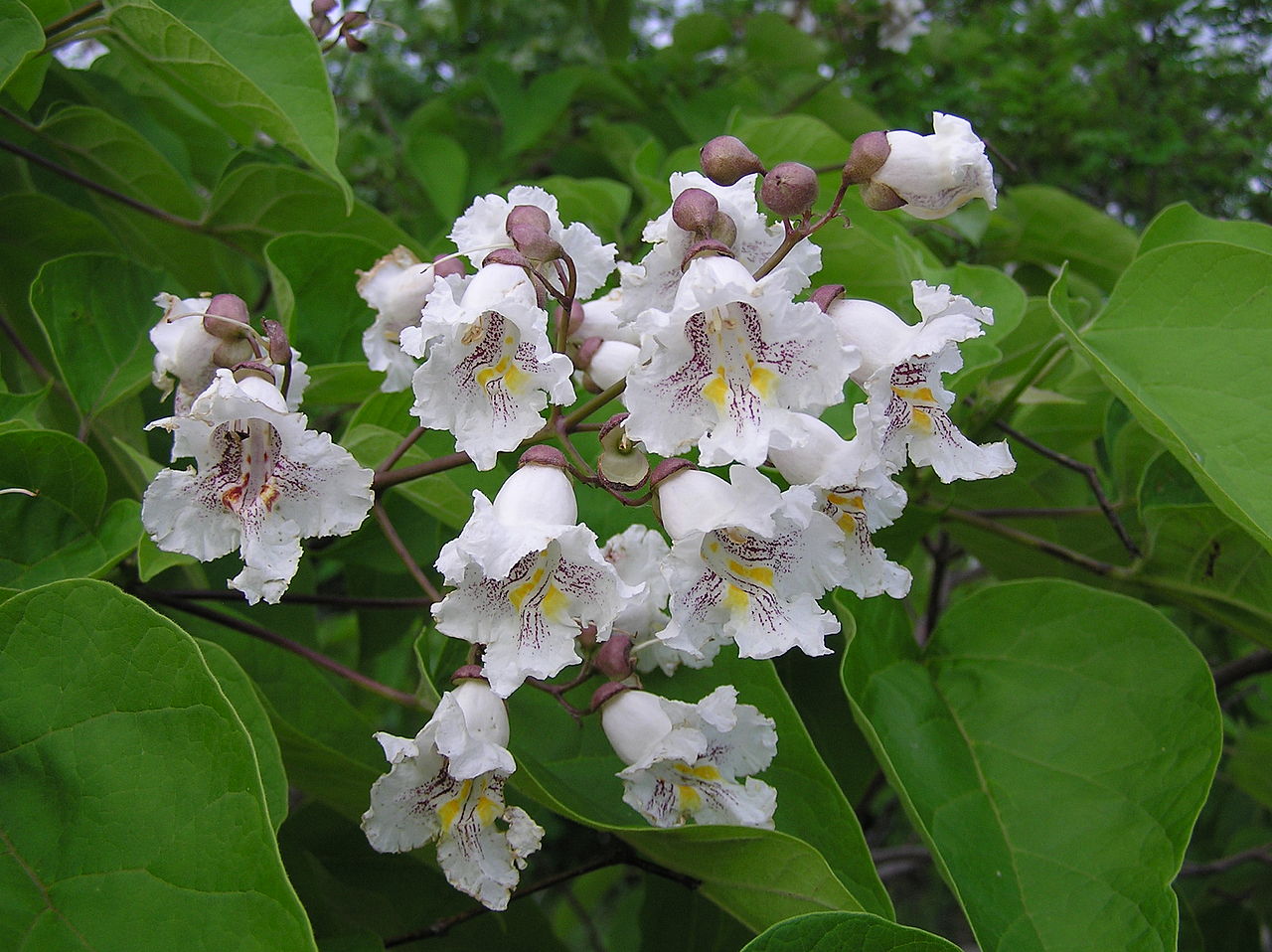
Southern Catalpa, often affectionately known as the Catalpa Worm Tree, is one of the most distinctive and beloved native shade trees of the American South. Famous for its enormous heart-shaped leaves, spectacular orchid-like flowers, and long bean-like seed pods, this fast-growing tree creates a bold statement in the landscape.
Mature specimens typically reach 30 to 60 feet in height with a broad, rounded crown that provides generous shade. During late spring and early summer, large clusters of white flowers decorated with purple and yellow markings cover the canopy. These showy blossoms resemble miniature orchids and attract attention from considerable distances.
Following flowering, the tree produces long, slender seed pods often called "Indian cigars" that may persist well into winter, adding unique ornamental interest.
Landscape Uses- Specimen lawn tree
- Shade tree
- Wildlife gardens
- Fishing properties
- Rural landscapes
- Large yard focal point
- Native plant collections
- Historic landscapes
Its broad canopy, dramatic foliage, and unusual seed pods make Southern Catalpa a memorable specimen tree for spacious landscapes.
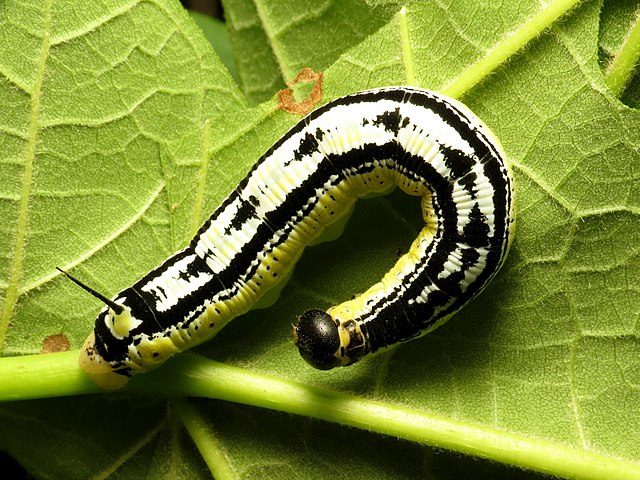
Important Landscape NoteSouthern Catalpa is famous among fishermen because it serves as the host plant for the Catalpa Sphinx Moth caterpillar, commonly called the Catalpa Worm. These caterpillars are considered one of the finest live fishing baits available and have inspired generations of anglers to plant Catalpa trees near ponds and fishing camps.
Germination Information- Seeds generally require no stratification.
- Sow seeds lightly on the soil surface or cover very lightly.
- Maintain temperatures between 65-80°F.
- Keep evenly moist.
- Provide bright light.
- Germination usually occurs within 1-3 weeks.
- Botanical Name: Catalpa bignonioides
- Plant Type: Deciduous Shade Tree
- USDA Zones: 5-9
- Sun Exposure: Full Sun
- Mature Height: 30-60 Feet
- Mature Spread: 25-50 Feet
- Growth Rate: Fast
- Soil Preference: Adaptable to most soils
- Water Requirements: Moderate
Southern Catalpa tolerates clay, loam, sandy soils, heat, humidity, and occasional drought once established. Its adaptability has made it a favorite throughout much of the eastern United States.
Container GrowingSeedlings may be grown in large containers for several years, but the rapid growth and eventual size of Southern Catalpa make landscape planting necessary for long-term success.
Pollinator & Wildlife ValueThe large flower clusters attract bees, butterflies, and numerous pollinating insects. The tree serves as the primary host plant for the Catalpa Sphinx Moth, whose caterpillars provide valuable wildlife food and are highly prized by fishermen.
Birds frequently nest within the broad canopy, while mature trees provide shade and shelter for a wide variety of wildlife.
Historical & Cultural SignificanceIn many rural communities, Catalpa trees were planted specifically to produce Catalpa Worms for fishing bait. Entire family traditions developed around harvesting and preserving the caterpillars for use during fishing season.
Seedman Landscape NoteSouthern Catalpa is one of those trees that always sparks conversation. Between its giant leaves, beautiful flowers, dangling seed pods, and legendary fishing worms, it offers far more character than the average shade tree while providing excellent wildlife value and cooling shade.
Additional Seedman NoteMany Southern fishermen consider Catalpa Worms the ultimate bait for catfish, bream, and bass. Some anglers have maintained family Catalpa trees for generations, not for their flowers or shade, but for the annual harvest of the famous worms. Few landscape trees possess such a unique connection to American outdoor traditions.
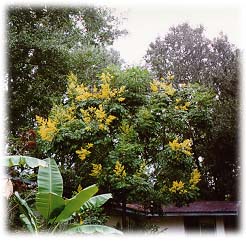
Golden Rain Tree is one of the most colorful and versatile ornamental trees available for modern landscapes. Native to China and Korea, this medium-sized deciduous tree is celebrated for providing multiple seasons of interest through its attractive foliage, brilliant yellow flowers, and distinctive lantern-like seed pods.
Typically reaching 25 to 40 feet in height, Golden Rain Tree develops a rounded, spreading canopy with elegant compound foliage that emerges with bronze tones in spring, matures to rich green during summer, and often turns shades of yellow and gold in autumn.
In midsummer, when many flowering trees have finished blooming, enormous clusters of bright golden-yellow flowers cover the canopy. These blooms are followed by papery pink to salmon-colored seed capsules that resemble Chinese lanterns, extending the ornamental display well into fall.
Few landscape trees provide such a remarkable sequence of seasonal beauty.
Landscape Uses- Specimen lawn tree
- Street tree
- Shade tree for smaller properties
- Pollinator gardens
- Urban landscapes
- Courtyard plantings
- Estate landscapes
- Four-season interest gardens
Golden Rain Tree is especially valuable as a specimen lawn tree where its flowers and colorful seed pods can be appreciated from all sides.
Important Landscape NoteOne of the greatest strengths of Golden Rain Tree is its ability to thrive under challenging urban conditions including heat, drought, air pollution, and poor soils. It remains one of the finest flowering trees for residential landscapes.
Germination Information- Scarify seeds lightly or soak in warm water for 24 hours.
- Cold stratify for 60-90 days for best germination.
- Sow approximately ½ inch deep.
- Maintain temperatures between 65-75°F.
- Keep evenly moist.
- Germination typically occurs within 3-8 weeks after stratification.
- Botanical Name: Koelreuteria paniculata
- Plant Type: Deciduous Flowering Tree
- USDA Zones: 5-9
- Sun Exposure: Full Sun
- Mature Height: 25-40 Feet
- Mature Spread: 25-35 Feet
- Growth Rate: Moderate
- Soil Preference: Adaptable to most soils
- Water Requirements: Low to Moderate
Golden Rain Tree adapts well to clay, sandy, loamy, and even somewhat poor soils. Once established, it demonstrates excellent drought tolerance and performs reliably in a wide range of growing conditions.
Container GrowingYoung specimens can be maintained in large containers for several years and make attractive patio trees. However, mature plants perform best when allowed to develop fully in the landscape.
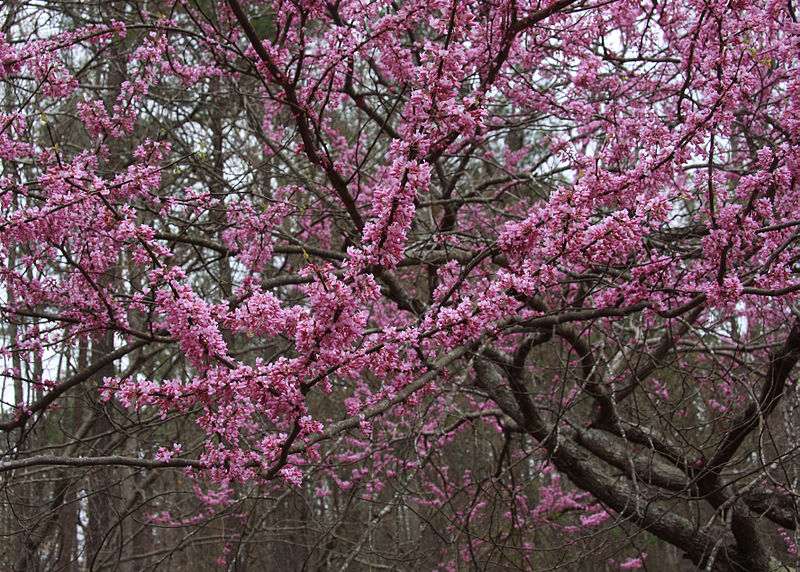
Eastern Redbud is one of North America's most beloved flowering trees and is often considered the unofficial herald of spring. Native throughout much of the eastern United States, this small ornamental tree bursts into bloom before its leaves emerge, covering every branch with thousands of brilliant rosy-pink blossoms.
Typically growing 20 to 30 feet tall with a broad rounded crown, Redbud develops an elegant branching structure that provides year-round beauty. The heart-shaped leaves emerge shortly after flowering, creating a lush canopy of fresh green foliage that often turns golden-yellow in autumn.
One of the tree's most fascinating characteristics is its tendency to produce flowers directly from older branches and even the trunk itself, a botanical trait known as cauliflory.
When planted as a specimen lawn tree, Redbud delivers one of the most spectacular spring displays available in temperate landscapes.
Landscape Uses- Specimen lawn tree
- Spring flowering focal point
- Native plant landscapes
- Woodland gardens
- Pollinator gardens
- Entryway accent tree
- Courtyard plantings
- Small property shade tree
Its manageable size and exceptional spring bloom make Redbud one of the finest ornamental trees for residential landscapes.
Important Landscape NoteEastern Redbud performs best when planted where its spring flowers can be viewed from windows, patios, walkways, or entrances. The brief but spectacular bloom period makes it one of the most anticipated seasonal events in the garden.
Germination Information- Scarify seeds lightly or soak in hot water.
- Cold stratify for 60-90 days.
- Sow approximately ¼ to ½ inch deep.
- Maintain temperatures between 65-75°F.
- Keep evenly moist.
- Germination generally occurs within several weeks after stratification.
- Botanical Name: Cercis canadensis
- Plant Type: Deciduous Flowering Tree
- USDA Zones: 4-9
- Sun Exposure: Full Sun to Partial Shade
- Mature Height: 20-30 Feet
- Mature Spread: 20-35 Feet
- Growth Rate: Moderate
- Soil Preference: Well-drained soils
- Water Requirements: Moderate
Eastern Redbud adapts well to a wide range of soils and conditions. It thrives in woodland edges, open lawns, and mixed ornamental plantings while tolerating both sun and light shade.
Container GrowingYoung Redbud trees can be grown in large containers for several years and make attractive patio specimens. Long-term growth is best achieved in the landscape where roots can fully develop.
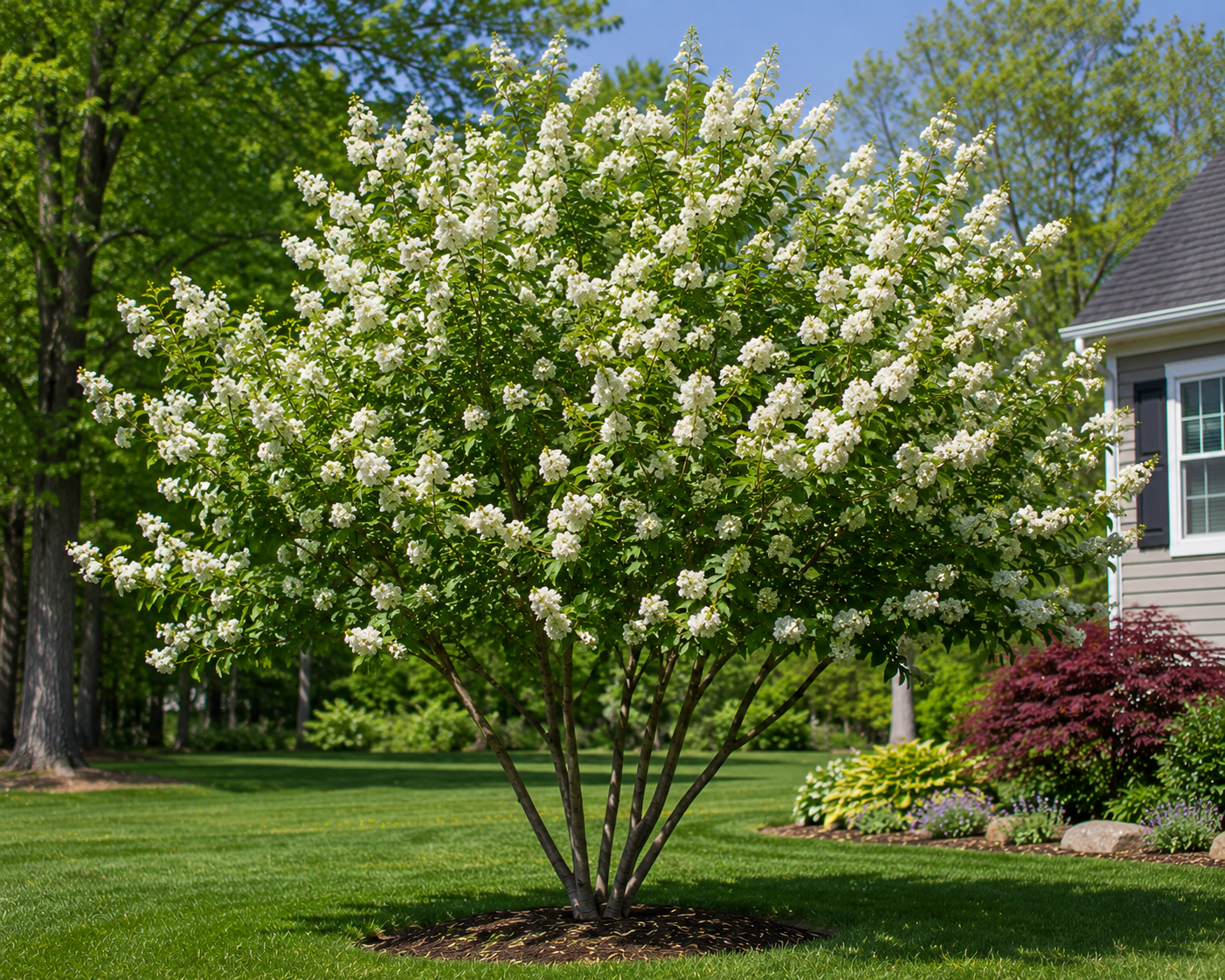
Nannyberry is one of North America's finest native ornamental shrubs and small trees, prized for its exceptional four-season beauty, wildlife value, and edible fruit. Native throughout much of eastern and central North America, this adaptable species develops into a large multi-stemmed shrub or graceful small tree with an attractive rounded crown.
Mature plants typically reach 12 to 20 feet in height, though exceptional specimens may grow larger. In spring, large flat-topped clusters of creamy white flowers cover the branches, creating a beautiful display against the emerging foliage. During summer, the glossy green leaves provide a lush appearance before transforming into rich shades of burgundy, orange, red, and purple in autumn.
By late summer and fall, clusters of blue-black fruits develop, adding ornamental interest while providing valuable food for wildlife.
Its beauty during every season makes Nannyberry one of the most versatile specimen shrubs or small trees available.
Landscape Uses- Specimen lawn shrub or tree
- Native landscapes
- Wildlife gardens
- Pollinator gardens
- Naturalized plantings
- Woodland edge gardens
- Screening and privacy plantings
- Four-season interest landscapes
As a lawn specimen, Nannyberry provides flowers, fruit, fall color, and attractive structure throughout the year.
Important Landscape NoteNannyberry is one of the most adaptable native landscape plants available. It tolerates a wide range of soil conditions, climates, and growing environments while requiring relatively little maintenance once established.
Germination Information- Seeds require both warm and cold stratification.
- Provide approximately 90 days warm stratification followed by 90-120 days cold stratification.
- Sow approximately ½ inch deep.
- Keep evenly moist.
- Germination may be slow and irregular.
- Some seeds may require multiple seasons before sprouting.
- Botanical Name: Viburnum lentago
- Plant Type: Deciduous Shrub or Small Tree
- USDA Zones: 2-8
- Sun Exposure: Full Sun to Partial Shade
- Mature Height: 12-20 Feet
- Mature Spread: 10-18 Feet
- Growth Rate: Moderate
- Soil Preference: Adaptable to most soils
- Water Requirements: Moderate
Nannyberry thrives in moist, fertile soils but adapts remarkably well to clay, loam, sandy soils, and even occasional wet conditions. It performs reliably across a wide geographic range.
Container GrowingYoung plants can be maintained in large containers for several years. Due to their eventual size and long lifespan, permanent landscape planting is recommended for best performance.
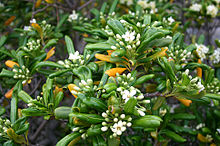
Japanese Mock Orange is one of the most versatile evergreen shrubs and small specimen trees used in warm-climate landscapes. Native to Japan, China, and Korea, this handsome plant is prized for its glossy dark green foliage, naturally rounded growth habit, and highly fragrant spring flowers.
When grown as a specimen lawn plant, Japanese Mock Orange develops into a dense, multi-stemmed shrub or small tree reaching 8 to 15 feet in height and width. The thick, leathery leaves remain attractive throughout the year, providing structure and rich green color even during winter months.
In spring, clusters of creamy white flowers appear at the branch tips. The blossoms release a delightful fragrance often compared to orange blossoms, jasmine, or citrus flowers, filling the surrounding landscape with perfume.
Its year-round beauty and dependable performance make it one of the finest evergreen specimen plants for residential landscapes.
Landscape Uses- Specimen lawn shrub
- Small ornamental tree
- Foundation planting
- Fragrance gardens
- Courtyard landscapes
- Coastal gardens
- Mediterranean-style landscapes
- Evergreen screening
Although commonly used as a hedge, Japanese Mock Orange is equally attractive as a standalone specimen where its natural form and fragrance can be fully appreciated.
Important Landscape NoteThis species tolerates pruning exceptionally well and can be maintained as a compact shrub, formal specimen, or small multi-trunk tree. It is particularly valuable in coastal areas due to its salt tolerance.
Germination Information- Fresh seed generally germinates best.
- Clean seeds before sowing.
- Sow approximately ¼ inch deep.
- Maintain temperatures between 65-75°F.
- Keep evenly moist.
- Germination typically occurs within 4-12 weeks.
- Botanical Name: Pittosporum tobira
- Plant Type: Evergreen Shrub or Small Tree
- USDA Zones: 8-11
- Sun Exposure: Full Sun to Partial Shade
- Mature Height: 8-15 Feet
- Mature Spread: 8-15 Feet
- Growth Rate: Moderate
- Soil Preference: Well-drained soils
- Water Requirements: Low to Moderate
Japanese Mock Orange adapts to a wide variety of soil types and tolerates heat, humidity, drought, wind, and urban conditions once established. It is considered one of the most dependable evergreen landscape plants available.
Container GrowingJapanese Mock Orange performs exceptionally well in large containers and decorative planters. Its dense foliage and manageable growth make it a popular choice for patios, entrances, and courtyard gardens.
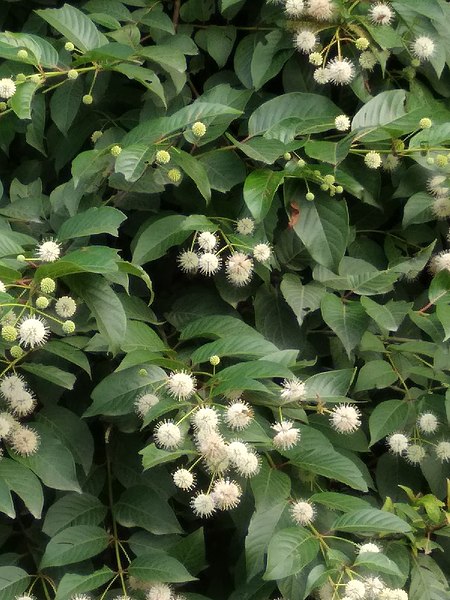
Button Bush is one of North America's most distinctive native flowering shrubs and among the finest plants available for attracting pollinators and wildlife. Native to wetlands, streambanks, pond edges, and lowland habitats throughout much of the United States, this adaptable shrub is immediately recognizable by its unusual globe-shaped flowers.
Typically growing 6 to 12 feet tall and wide, Button Bush develops a rounded, multi-stemmed form with glossy green foliage and an attractive branching structure. During summer, the shrub produces hundreds of unique spherical flower clusters that resemble pincushions or tiny celestial objects suspended among the leaves.
Each flower sphere consists of dozens of fragrant tubular blossoms with protruding styles, creating the distinctive "button" appearance that gives the plant its common name.
As a specimen shrub near lawns, ponds, or naturalized areas, Button Bush provides beauty, wildlife value, and conversation appeal unlike almost any other native plant.
Landscape Uses- Specimen lawn shrub
- Pond and streamside plantings
- Rain gardens
- Native landscapes
- Pollinator gardens
- Wildlife habitat plantings
- Naturalized landscapes
- Wetland restoration projects
Its unusual flowers and exceptional ecological value make Button Bush one of the finest native shrubs available for modern landscapes.
Important Landscape NoteUnlike many ornamental shrubs, Button Bush actually thrives in areas that remain moist or periodically wet. It is one of the best choices for difficult low spots where other landscape plants often struggle.
Germination Information- Cold stratify seeds for 60-90 days.
- Sow seeds on the soil surface or cover very lightly.
- Provide bright light during germination.
- Maintain temperatures between 65-75°F.
- Keep soil consistently moist.
- Germination typically occurs within 2-6 weeks after stratification.
- Botanical Name: Cephalanthus occidentalis
- Plant Type: Deciduous Native Shrub
- USDA Zones: 5-10
- Sun Exposure: Full Sun to Partial Shade
- Mature Height: 6-12 Feet
- Mature Spread: 6-12 Feet
- Growth Rate: Moderate to Fast
- Soil Preference: Moist to Wet Soils
- Water Requirements: Moderate to High
Button Bush excels in moist landscapes but adapts surprisingly well to ordinary garden conditions once established. It is particularly valuable for rain gardens and water features.
Container GrowingYoung plants may be grown in large containers provided adequate moisture is maintained. Because Button Bush naturally prefers moist soils, container-grown plants should never be allowed to dry excessively.
Pollinator & Wildlife ValueFew native shrubs rival Button Bush for pollinator attraction. The fragrant flowers attract honeybees, native bees, butterflies, hummingbird moths, skippers, beneficial insects, and countless other pollinators.
The seeds provide food for waterfowl and songbirds, while the dense branching habit offers nesting sites and shelter for wildlife. It is widely regarded as one of the most valuable native shrubs for ecological landscaping.
Historical & Cultural SignificanceNative American tribes utilized Button Bush for a variety of traditional purposes and recognized its value in wetland environments. Early naturalists were fascinated by its unusual spherical flowers, which remain among the most distinctive blooms produced by any North American shrub.
Today, Button Bush is increasingly appreciated for its importance in pollinator conservation and native habitat restoration projects.
Botanical Facts- Member of the Coffee Family (Rubiaceae).
- Native throughout much of North America.
- Produces unique spherical flower clusters.
- Highly attractive to butterflies and bees.
- Tolerates standing water and periodic flooding.
- One of the best native shrubs for rain gardens.
If your goal is to support pollinators while growing something truly unique, Button Bush deserves a place near the top of your list. Its remarkable flowers, adaptability, and wildlife benefits make it one of North America's most valuable native landscape shrubs.
Additional Seedman NoteDuring peak bloom, a mature Button Bush can become so active with butterflies, bees, and beneficial insects that the entire shrub seems alive with movement. Many native plant enthusiasts consider it one of the single best pollinator plants they have ever grown, and its unusual flowers never fail to attract attention from visitors.
Landscape Rating: ⭐⭐⭐⭐☆ (4/5 Stars)
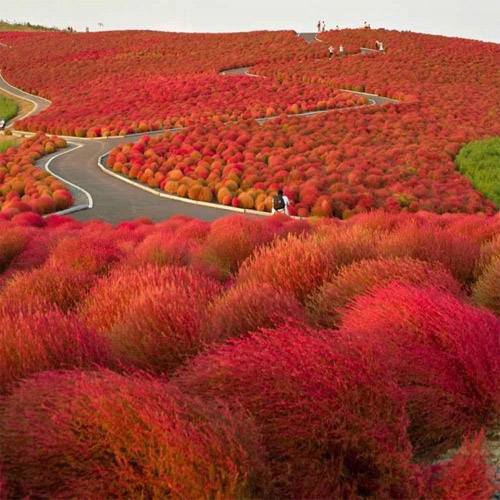
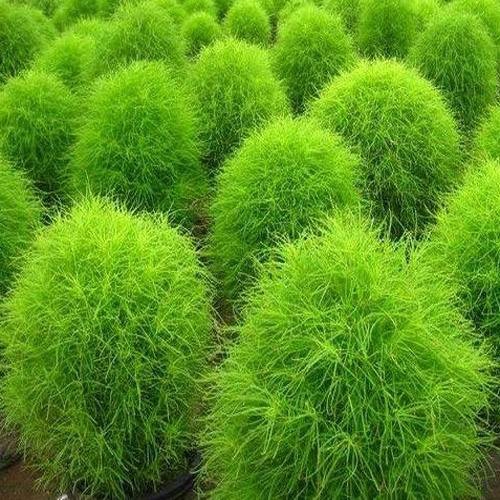
Plant CharacteristicsBurning Bush, also known as Summer Cypress, Mexican Fireweed, or Kochia, is a fast-growing ornamental annual prized for its unique texture, symmetrical shape, and spectacular autumn color transformation. Despite its common name, it is not related to the woody Burning Bush shrub (Euonymus alatus) often found in landscapes.
Throughout spring and summer, Kochia develops into a dense, soft-textured mound of bright green foliage that resembles a miniature evergreen tree or cypress. Plants typically grow 2 to 5 feet tall and nearly as wide, creating attractive specimen accents in lawns, borders, and seasonal landscapes.
As autumn approaches, the foliage undergoes a dramatic transformation, changing from green to brilliant shades of crimson, scarlet, burgundy, and fiery red. This seasonal display is responsible for the plant's popular name and remains its most celebrated feature.
Few annual plants produce such an impressive fall color display.
Landscape Uses- Specimen lawn plant
- Seasonal focal point
- Annual hedge
- Border plantings
- Mass plantings
- Accent plant in flower beds
- Autumn display gardens
- Container gardens
Its naturally rounded form and brilliant fall coloration make Kochia particularly effective as a standalone specimen in seasonal landscapes.
Important Landscape NoteBurning Bush is grown as an annual in most regions. It develops quickly from seed and often reaches full size within a single growing season, providing rapid landscape impact.
Germination Information- Sow seeds on the soil surface or cover very lightly.
- Seeds require light for best germination.
- Maintain temperatures between 65-75°F.
- Keep evenly moist.
- Provide bright light.
- Germination generally occurs within 7-14 days.
- Botanical Name: Kochia trichophylla
- Plant Type: Ornamental Annual
- USDA Zones: Annual in most zones
- Sun Exposure: Full Sun
- Mature Height: 2-5 Feet
- Mature Spread: 2-4 Feet
- Growth Rate: Fast
- Soil Preference: Well-drained soils
- Water Requirements: Low to Moderate
Kochia performs exceptionally well in sunny locations and tolerates heat, drought, poor soils, and windy conditions. Once established, it requires minimal maintenance and remains attractive throughout the growing season.
Container GrowingBurning Bush adapts very well to large containers and decorative planters. Its symmetrical form and seasonal color change make it a popular choice for patios, decks, and seasonal displays.
Pollinator & Wildlife ValueAlthough primarily grown for ornamental foliage, Kochia flowers provide some value to pollinating insects. The dense branching habit may also provide temporary shelter for beneficial insects and small wildlife.
Its greatest contribution to the landscape remains its unique texture and autumn color display.
Historical & Cultural SignificanceKochia originated in Eurasia and has been cultivated as an ornamental plant for generations. Its popularity expanded throughout Europe and North America because of its ease of growth and dramatic fall coloration.
In some regions, related Kochia species have been utilized as forage crops and for erosion control due to their drought tolerance and rapid growth.
Botanical Facts- Member of the Amaranth family (Amaranthaceae).
- Native to Eurasia.
- Often called Summer Cypress due to its shape.
- Foliage turns brilliant red in autumn.
- Highly tolerant of heat and drought.
- One of the fastest-growing ornamental annuals.
Burning Bush is one of the easiest ways to add dramatic autumn color to a landscape in a single growing season. Its attractive green summer appearance followed by fiery red fall foliage creates two completely different looks from one plant.
Additional Seedman NoteAt peak autumn color, large plantings of Kochia can resemble glowing red flames across the landscape. This remarkable transformation has made Burning Bush a favorite among gardeners for well over a century and continues to earn admiration wherever it is grown.
Landscape Rating: ⭐⭐⭐⭐⭐ (5/5 Stars)
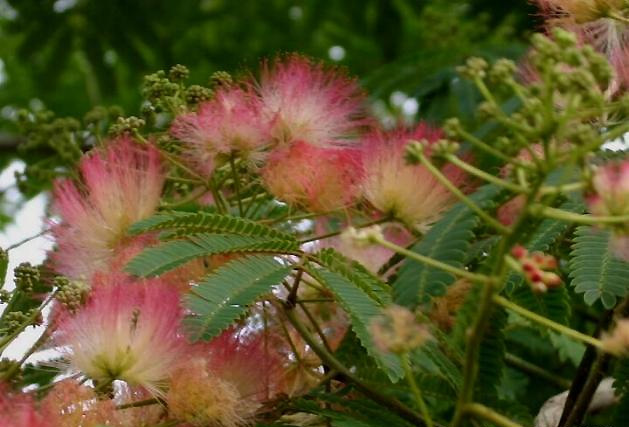
Plant CharacteristicsSilk Tree, commonly known as Mimosa Tree, is one of the most exotic-looking flowering trees that can be grown across much of the United States. Native to Asia and introduced to North America in the eighteenth century, this fast-growing ornamental tree is prized for its graceful umbrella-shaped canopy, fern-like foliage, and unique silky pink flowers.
Mature trees typically reach 20 to 40 feet in height with an equally broad spread. The finely divided foliage resembles that of tropical ferns, creating a soft, airy texture unlike most landscape trees. During summer, the canopy becomes covered with fluffy pink blossoms composed of hundreds of silky stamens that resemble powder puffs or delicate feathers.
The flowers are lightly fragrant and stand out brilliantly against the rich green foliage, creating one of the most distinctive floral displays found in ornamental landscapes.
At night, the leaves fold together, giving the tree a fascinating "sleeping" behavior that adds to its charm.
Landscape Uses- Specimen lawn tree
- Tropical-style landscapes
- Patio shade tree
- Pollinator gardens
- Courtyard plantings
- Fast-growing ornamental tree
- Accent tree for large beds
- Summer flowering focal point
The broad canopy and airy foliage create pleasant filtered shade, making Silk Tree a popular choice for patios and lawn seating areas.
Important Landscape NoteSilk Tree grows rapidly and flowers at a relatively young age. Gardeners looking for quick landscape impact often appreciate its ability to provide shade and blooms within only a few years from planting.
Germination Information- Scarify seeds lightly or nick the seed coat.
- Soak seeds in warm water for 24 hours.
- Sow approximately ¼ to ½ inch deep.
- Maintain temperatures between 70-85°F.
- Keep evenly moist.
- Germination generally occurs within 1-3 weeks.
- Botanical Name: Albizia julibrissin
- Plant Type: Deciduous Flowering Tree
- USDA Zones: 6-9
- Sun Exposure: Full Sun
- Mature Height: 20-40 Feet
- Mature Spread: 20-40 Feet
- Growth Rate: Fast
- Soil Preference: Adaptable to most soils
- Water Requirements: Low to Moderate
Silk Tree adapts well to a variety of soils including clay, loam, and sandy conditions. Once established, it demonstrates excellent heat and drought tolerance.
Container GrowingYoung Silk Trees can be maintained in large containers for several years. Due to their rapid growth and eventual canopy spread, permanent landscape planting is recommended for long-term success.
Pollinator & Wildlife ValueThe nectar-rich flowers attract butterflies, honeybees, native bees, hummingbirds, and numerous beneficial insects. During peak bloom, the tree often becomes one of the most active pollinator plants in the landscape.
The broad canopy also provides shelter and nesting opportunities for songbirds.
Historical & Cultural SignificanceSilk Tree originated in China, Korea, Iran, and other parts of Asia, where it has been cultivated for centuries. It was introduced to Europe and later to North America by the famous French botanist Philippe de Albizzi, whose name became attached to the genus.
In traditional Chinese culture, Silk Tree has long been associated with happiness, love, and emotional well-being. It is sometimes referred to as the "Tree of Happiness."
Botanical Facts- Member of the Legume Family (Fabaceae).
- Native to Asia.
- Leaves fold at night and during rain.
- Produces silky pink powder-puff flowers.
- Capable of fixing nitrogen in the soil.
- One of the most recognizable flowering trees in summer landscapes.
Silk Tree remains one of the easiest ways to add a tropical appearance to temperate landscapes. Its fern-like foliage, umbrella-shaped canopy, and spectacular pink flowers create a dramatic focal point that few other hardy trees can match.
Additional Seedman NoteMany gardeners first fall in love with Silk Tree while watching butterflies drift among its silky pink flowers on a warm summer afternoon. The combination of delicate foliage, fragrant blooms, filtered shade, and constant pollinator activity gives the tree an almost tropical resort-like character, even in regions that experience winter freezes.
Landscape Rating: ⭐⭐⭐⭐⭐ (5/5 Stars)
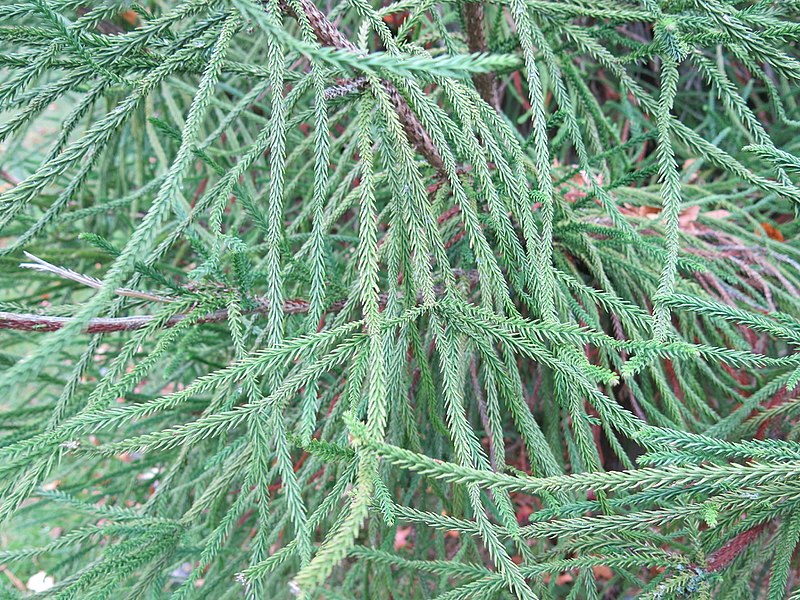
Plant CharacteristicsSacred Japanese Cedar, commonly known simply as Cryptomeria, is one of the most revered and majestic evergreen trees in the world. Native to Japan, where it has been cultivated for over a thousand years, this graceful conifer combines stately beauty, rich cultural significance, and exceptional landscape value.
Mature specimens typically reach 50 to 80 feet in landscape settings, though ancient trees in Japan may exceed 150 feet in height and live for many centuries. The tree develops a strong pyramidal form with soft, feathery foliage that creates a refined appearance unlike traditional pines, spruces, or firs.
The rich green needles often develop attractive bronze or reddish tones during winter, adding seasonal interest. Its reddish-brown bark peels in vertical strips, creating additional texture and visual appeal throughout the year.
As a specimen lawn tree, Sacred Japanese Cedar provides elegance, permanence, and year-round beauty that few evergreens can rival.
Landscape Uses- Specimen lawn tree
- Evergreen focal point
- Japanese-inspired gardens
- Estate landscapes
- Privacy screening
- Park and arboretum collections
- Meditation and reflection gardens
- Historic landscape plantings
Its naturally symmetrical form makes it one of the finest evergreen specimen trees available for large residential landscapes.
Important Landscape NoteCryptomeria performs best where adequate moisture is available and benefits from protection against prolonged drought. Given proper growing conditions, it becomes a magnificent long-lived landscape centerpiece.
Germination Information- Cold stratify seeds for 30-60 days.
- Sow seeds lightly and cover with a thin layer of growing medium.
- Maintain temperatures between 60-70°F.
- Keep evenly moist.
- Provide bright indirect light.
- Germination generally occurs within 2-8 weeks.
- Botanical Name: Cryptomeria japonica
- Plant Type: Evergreen Conifer Tree
- USDA Zones: 5-9
- Sun Exposure: Full Sun to Partial Shade
- Mature Height: 50-80+ Feet
- Mature Spread: 20-35 Feet
- Growth Rate: Moderate
- Soil Preference: Moist, well-drained soils
- Water Requirements: Moderate
Sacred Japanese Cedar thrives in fertile soils with consistent moisture and adapts well to a variety of landscape conditions. It is especially valuable in regions with moderate rainfall and humid summers.
Container GrowingYoung plants may be grown in containers for several years, and dwarf cultivars are popular container specimens. Standard forms eventually require permanent landscape planting due to their impressive mature size.
Pollinator & Wildlife ValueAs a wind-pollinated conifer, Cryptomeria does not attract pollinators in the same way flowering trees do. However, its dense evergreen branches provide excellent year-round shelter and nesting opportunities for birds and other wildlife.
The canopy serves as valuable winter protection for numerous species.
Historical & Cultural SignificanceFew trees possess a richer cultural heritage than Sacred Japanese Cedar. Known in Japan as "Sugi," it has been planted around temples, shrines, palaces, and sacred sites for centuries. Some of the most famous tree-lined avenues in Japan consist of Cryptomeria planted hundreds of years ago.
Many ancient specimens are considered national treasures and are associated with spiritual significance, longevity, and protection. The tree has long symbolized strength, endurance, and reverence in Japanese culture.
Its durable wood has been used for centuries in temples, traditional homes, and fine woodworking.
Botanical Facts- Member of the Cypress Family (Cupressaceae).
- Japan's national tree.
- The only species in the genus Cryptomeria.
- Can live for several centuries.
- Produces attractive reddish peeling bark.
- One of the most important forestry trees in Japan.
For gardeners seeking an evergreen with elegance, history, and unmistakable character, Sacred Japanese Cedar is a truly exceptional choice. Its graceful form and year-round beauty allow it to serve as both a landscape focal point and a living connection to centuries of horticultural tradition.
Additional Seedman NoteSome avenues of Sacred Japanese Cedar planted in Japan during the 1600s still stand today, forming breathtaking corridors of towering trees. Walking beneath these ancient giants is often described as a spiritual experience, and few landscape trees carry such a profound connection to history, culture, and longevity.
Landscape Rating: ⭐⭐⭐⭐⭐ (5/5 Stars)
Plant CharacteristicsBentham's Dogwood is one of the most beautiful and unusual members of the dogwood family. Native to the Himalayan regions of India, Nepal, Bhutan, Myanmar, and southwestern China, this evergreen to semi-evergreen tree combines spectacular flowering displays, attractive foliage, and unique strawberry-like fruits.
Unlike many traditional dogwoods, Cornus capitata develops into a substantial ornamental tree, typically reaching 25 to 50 feet in height with a broad, rounded crown. The tree produces large creamy-white flower bracts that resemble oversized dogwood blossoms and create a striking display during late spring and early summer.
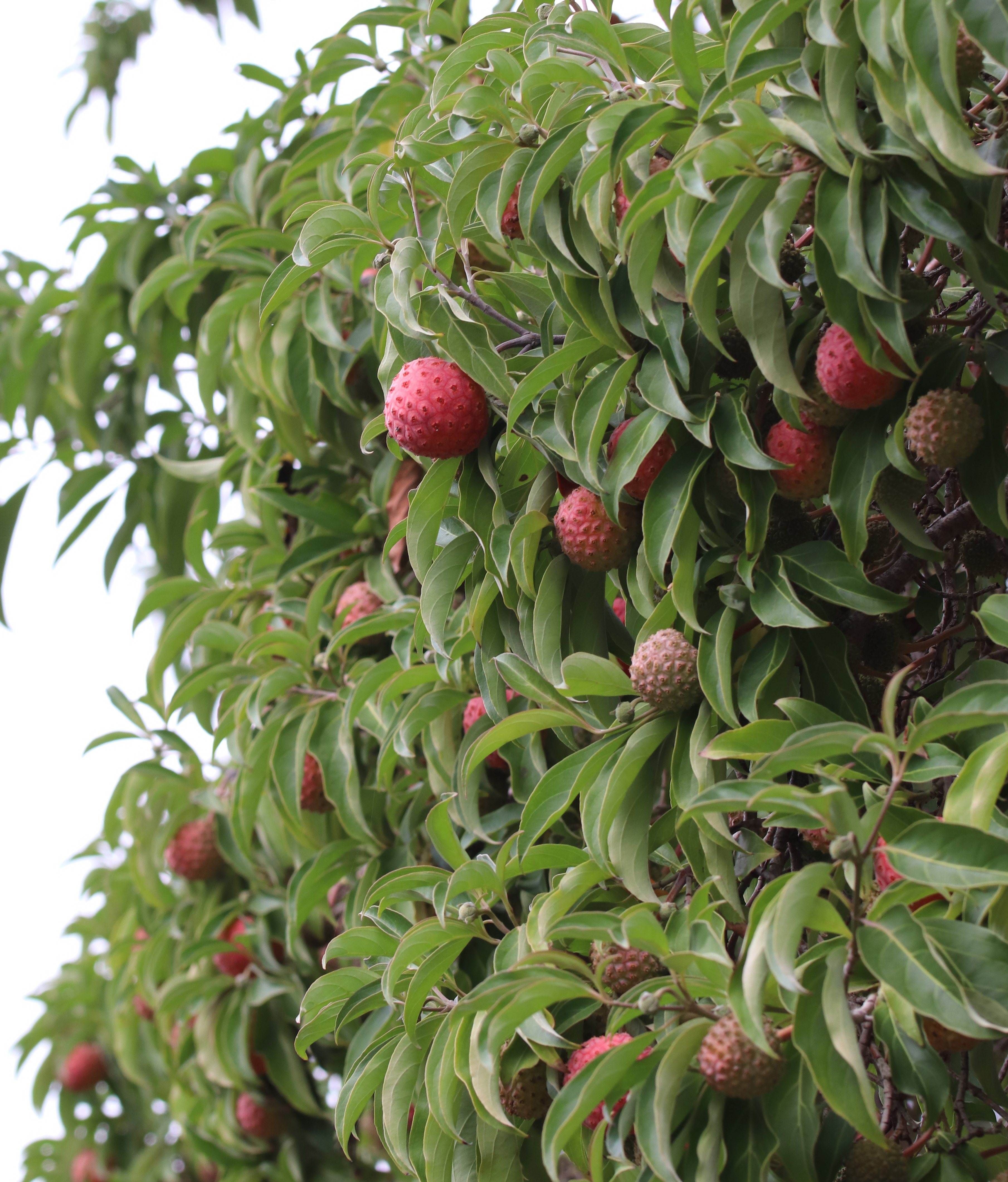
Following flowering, the tree develops unusual spherical fruits that mature to shades of red, orange, and pink. These ornamental fruits resemble small strawberries and often persist long enough to provide additional seasonal interest.
Its combination of flowers, fruit, evergreen foliage, and graceful form makes it one of the most distinctive specimen trees available.
Landscape Uses- Specimen lawn tree
- Flowering focal point
- Estate landscapes
- Woodland gardens
- Asian-inspired gardens
- Botanical collections
- Wildlife landscapes
- Four-season interest plantings
As a specimen lawn tree, Bentham's Dogwood provides beauty across multiple seasons and serves as a true conversation piece.
Important Landscape NoteThis species performs best in climates with moderate summers and adequate moisture. Protection from prolonged drought and extreme heat will help maintain optimum vigor and appearance.
Germination Information- Remove fruit pulp before sowing.
- Cold stratify seeds for 90-120 days.
- Sow approximately ½ inch deep.
- Maintain temperatures between 60-70°F.
- Keep evenly moist.
- Germination may occur over several weeks to several months.
- Botanical Name: Cornus capitata
- Plant Type: Evergreen or Semi-Evergreen Flowering Tree
- USDA Zones: 7-9
- Sun Exposure: Full Sun to Partial Shade
- Mature Height: 25-50 Feet
- Mature Spread: 20-35 Feet
- Growth Rate: Moderate
- Soil Preference: Rich, well-drained soils
- Water Requirements: Moderate
Bentham's Dogwood thrives in fertile soils rich in organic matter. Consistent moisture and good drainage encourage vigorous growth and abundant flowering.
Container GrowingYoung specimens may be maintained in large containers for several years. Due to its eventual size and long lifespan, permanent landscape planting is recommended for mature growth.
Pollinator & Wildlife ValueThe large flowers attract bees, butterflies, and numerous pollinating insects. The colorful fruits are enjoyed by birds and other wildlife, adding ecological value in addition to ornamental appeal.
Mature trees also provide nesting sites and shelter for songbirds.
Historical & Cultural SignificanceFor centuries, Bentham's Dogwood has been admired throughout the Himalayan region where it grows naturally in mountain forests. Its attractive flowers and fruit made it a valued ornamental tree long before its introduction into Western horticulture.
The species was named in honor of the British botanist George Bentham, whose contributions to plant classification helped shape modern botanical science.
Today it remains one of the more unusual and sought-after dogwood species among collectors and botanical gardens.
Botanical Facts- Member of the Dogwood Family (Cornaceae).
- Native to the Himalayan Mountains and southwestern China.
- Produces large creamy-white floral bracts.
- Develops unique strawberry-like fruits.
- Evergreen or semi-evergreen in mild climates.
- One of the largest tree-form dogwoods.
If you're looking for a dogwood that goes beyond the ordinary, Bentham's Dogwood offers something truly special. Its combination of impressive flowers, unusual fruits, evergreen foliage, and elegant form creates a specimen tree that stands apart from more commonly planted dogwood species.
Additional Seedman NoteMany gardeners first become interested in Bentham's Dogwood because of its flowers, but it is often the remarkable fruit that leaves the strongest impression. Hanging among the glossy foliage, the bright strawberry-like fruits can make visitors stop and ask whether the tree is producing flowers, berries, or something entirely different. Few ornamental trees offer such a unique combination of beauty and curiosity.
Landscape Rating: ⭐⭐⭐⭐⭐ (5/5 Stars) Korean Kousa Dogwood is one of the most elegant and reliable flowering trees available for residential landscapes. Native to Korea, Japan, and parts of China, this outstanding ornamental tree is prized for its spectacular floral display, attractive branching structure, colorful fruits, and exceptional disease resistance. Unlike the native flowering dogwood that blooms before leaf emergence, Kousa Dogwood flowers after the foliage has fully developed. During late spring and early summer, the tree becomes covered with hundreds of large white star-shaped bracts that appear to float above the canopy like butterflies resting among the branches. Mature specimens typically reach 15 to 30 feet in height and develop a broad, layered crown with picturesque horizontal branching. The foliage remains attractive throughout summer before turning brilliant shades of crimson, burgundy, scarlet, and purple during autumn. In late summer, unusual raspberry-like fruits develop, adding another season of ornamental interest. Its manageable size and outstanding ornamental qualities make Korean Kousa Dogwood one of the finest specimen trees for residential properties. Kousa Dogwood is generally more resistant to disease and environmental stress than many native flowering dogwoods. This durability has helped make it one of the most popular ornamental trees planted in modern landscapes. Korean Kousa Dogwood thrives in soils rich in organic matter and benefits from consistent moisture during establishment. Once mature, it demonstrates good adaptability and longevity. Young trees perform well in large containers for several years and make excellent patio specimens. Long-term success is best achieved through landscape planting where roots can fully develop. The flowers attract bees, butterflies, and other pollinating insects. The ornamental red fruits are enjoyed by birds and small wildlife, providing an additional food source late in the growing season. The branching structure also offers nesting opportunities and seasonal shelter for birds. Kousa Dogwood has been cultivated in East Asia for centuries and is highly valued in traditional Korean and Japanese gardens. Its graceful branching habit and seasonal beauty made it a favored ornamental tree long before its introduction into Western horticulture. Over time, it became one of the most important flowering landscape trees throughout Europe and North America due to its adaptability and reliable performance. Today it remains one of the most sought-after ornamental dogwoods in the nursery trade. If you're looking for a flowering tree that delivers beauty throughout the entire growing season, Korean Kousa Dogwood is hard to beat. Flowers, fruit, fall color, attractive bark, and graceful branching all combine to create a landscape specimen of exceptional value. Many gardeners consider Kousa Dogwood the perfect small ornamental tree because it offers something beautiful during nearly every season of the year. In spring it flowers, in summer it fruits, in autumn it blazes with color, and during winter its layered branching structure provides architectural interest that continues long after the leaves have fallen. Landscape Rating: ⭐⭐⭐⭐⭐ (5/5 Stars) White Flowering Dogwood is a beautiful ornamental shrub or small tree prized for its elegant white blossoms, colorful stems, attractive foliage, and exceptional four-season landscape appeal. Native to parts of Asia and closely related to several popular dogwood species, Cornus alba has become a favorite in ornamental gardens throughout temperate regions. Typically growing 8 to 15 feet tall and wide, White Flowering Dogwood develops a graceful rounded form with dense branching and rich green foliage. During late spring and early summer, clusters of creamy-white flowers brighten the landscape and create a soft, refined appearance. As the growing season progresses, the plant develops attractive white to bluish-white berries that provide ornamental value and wildlife benefits. Autumn brings outstanding foliage color in shades of burgundy, red, orange, and purple. Perhaps its most famous feature appears in winter, when the bright red stems stand out dramatically against snow, dormant landscapes, and evergreen backgrounds. Its ornamental stems, flowers, berries, and fall color make White Flowering Dogwood one of the most versatile landscape plants available. For the brightest winter stem color, older stems may be periodically pruned to encourage vigorous new growth. Young stems typically display the most vivid red coloration. White Flowering Dogwood adapts to a wide range of growing conditions and performs especially well in moist soils. It tolerates cold winters exceptionally well and remains attractive throughout the year. Young specimens can be successfully grown in large containers for several years. Container-grown plants benefit from regular watering and occasional pruning to maintain shape. The spring flowers attract bees, butterflies, and beneficial pollinators. The berries are consumed by numerous bird species including robins, waxwings, thrushes, and other songbirds. The dense branching structure also provides nesting sites and protective cover for wildlife throughout the year. Cornus alba has been cultivated in ornamental gardens for centuries and has become particularly valued in northern climates due to its exceptional cold hardiness and winter interest. Garden designers frequently utilize the species to provide color during the dormant season when most other landscape plants offer little visual appeal. Its colorful stems have made it a favorite feature in botanical gardens and public landscapes across Europe and North America. White Flowering Dogwood is one of those rare plants that offers something beautiful during every season of the year. Flowers in spring, berries in summer, colorful foliage in autumn, and brilliant red stems in winter combine to create an exceptional landscape specimen. During winter, when snow blankets the landscape and most plants fade into the background, the bright crimson stems of White Flowering Dogwood seem to glow against the white surroundings. This dramatic seasonal display has made the species one of the most widely admired winter-interest plants in ornamental gardening. Landscape Rating: ⭐⭐⭐⭐⭐ (5/5 Stars) Cornelian Cherry is one of the oldest cultivated fruiting dogwoods in the world and among the earliest flowering trees of spring. Native to southeastern Europe and western Asia, this handsome ornamental tree combines brilliant early-season flowers, edible fruit, excellent fall color, and exceptional durability. Typically growing 15 to 25 feet tall with a rounded to vase-shaped crown, Cornelian Cherry develops into a graceful specimen tree suitable for both residential and estate landscapes. Long before most trees awaken from winter dormancy, its branches become covered with thousands of tiny golden-yellow flowers, creating a striking display against the still-bare landscape. Glossy green foliage emerges after flowering and remains attractive throughout summer. By late summer, clusters of bright red, olive-shaped fruits develop, providing both ornamental appeal and edible harvests. The combination of flowers, fruit, fall color, and handsome bark ensures year-round landscape interest. Cornelian Cherry is particularly valuable as a specimen lawn tree where its early spring flowering display can be fully appreciated. Few ornamental trees bloom as early as Cornelian Cherry. In many climates it flowers while snow may still be present, making it one of the first signs that spring is approaching. Cornelian Cherry is highly adaptable and tolerates a wide variety of soil conditions. It demonstrates excellent drought tolerance once established and is remarkably long-lived. Young plants may be maintained in large containers for several years. Due to its eventual size and longevity, permanent landscape planting is recommended for mature specimens. The very early flowers provide valuable nectar and pollen for honeybees, native bees, and other beneficial pollinators emerging from winter dormancy. The bright red fruits are enjoyed by birds and wildlife while also providing a useful harvest for gardeners interested in edible landscapes. Cornelian Cherry has been cultivated for over 2,000 years and was known to the ancient Greeks and Romans. The durable wood was highly prized and used to manufacture spears, tools, and other implements. In many European countries, the fruits continue to be used for preserves, syrups, juices, wines, and traditional foods. Historic references to Cornelian Cherry appear in classical literature dating back to antiquity. The species remains one of the oldest cultivated fruiting ornamental trees still grown today. Cornelian Cherry offers an exceptional combination of ornamental beauty and practical value. Few landscape trees can match its early flowering display while also providing edible fruit, wildlife benefits, and outstanding long-term performance. Long before daffodils, tulips, or most flowering trees begin their seasonal displays, Cornelian Cherry often bursts into bloom, covering its branches with clouds of golden flowers. For centuries, gardeners have treasured this remarkable tree as one of the earliest and most reliable messengers that winter is finally coming to an end. Landscape Rating: ⭐⭐⭐⭐⭐ (5/5 Stars) Black Locust, also known as False Acacia, is one of North America's most valuable and historically important native trees. Native to the Appalachian and Ozark regions of the United States, this fast-growing deciduous tree is admired for its fragrant white flowers, attractive foliage, exceptional durability, and remarkable adaptability. Mature trees typically reach 40 to 80 feet in height with an open, irregular crown that provides filtered shade. The pinnate leaves consist of numerous small leaflets that create a delicate, almost tropical appearance despite the tree's rugged nature. During late spring, long drooping clusters of fragrant white flowers cover the tree. Resembling Wisteria blossoms, these flowers produce a sweet perfume that can be detected from considerable distances and attract large numbers of pollinators. The combination of graceful flowers and durable character makes Black Locust one of the most unique native landscape trees available. When planted as a specimen tree, Black Locust provides fragrant spring blooms, attractive foliage, and a strong architectural presence throughout the year. Black Locust is one of the fastest-growing native hardwood trees and thrives in difficult conditions where many other species struggle. Its nitrogen-fixing ability also helps improve soil quality over time. Black Locust tolerates drought, poor soils, rocky ground, urban conditions, and challenging sites. Once established, it requires very little supplemental care. Young seedlings can be grown in large containers for a limited time. Due to the tree's rapid growth and extensive root system, landscape planting is recommended as soon as practical. The fragrant flowers are among the finest nectar sources available to honeybees and native pollinators. Black Locust honey is highly prized for its light color and delicate flavor. Birds utilize the canopy for nesting and shelter, while numerous wildlife species benefit from the habitat provided by mature trees. Black Locust played a major role in early American history. The wood is among the strongest and most rot-resistant native timbers in North America and was widely used for fence posts, shipbuilding, railroad ties, and structural timbers. George Washington reportedly planted Black Locust at Mount Vernon, and Thomas Jefferson admired the tree's usefulness and beauty. Its remarkable durability made it one of the most valuable trees of colonial America. Black Locust offers a rare combination of beauty and toughness. Its fragrant spring flowers rival many ornamental trees, while its durability, rapid growth, and adaptability make it one of the most practical native shade trees available. Some fence posts made from Black Locust wood have remained in service for over 100 years without treatment. This incredible natural resistance to decay has earned the tree a legendary reputation among farmers, homesteaders, and woodworkers, making it one of the most durable native hardwoods ever grown in North America. Landscape Rating: ⭐⭐⭐⭐⭐ (5/5 Stars) Giant Sequoia is quite simply one of the most awe-inspiring trees on Earth. Native to a narrow band of the western slopes of California's Sierra Nevada Mountains, this legendary conifer produces the greatest volume of wood of any living organism and ranks among the largest and oldest trees in the world. In its native habitat, Giant Sequoias can exceed 250 feet in height and develop trunk diameters greater than 30 feet. Even in cultivated landscapes, mature specimens commonly reach 60 to 100 feet tall and continue growing for generations. The tree develops a magnificent pyramidal form when young, gradually becoming more massive and imposing with age. Its reddish-brown bark can become several feet thick, providing remarkable protection against insects, disease, and even wildfire. As a specimen lawn tree, Giant Sequoia creates an unforgettable focal point and often becomes the defining feature of an entire property. Few trees command attention like a Giant Sequoia. Even relatively young specimens create an impressive sense of permanence and grandeur. Plant Giant Sequoia only where ample room is available for future growth. Although growth is relatively moderate when young, these trees eventually become enormous and can outlive multiple generations of property owners. Giant Sequoia prefers fertile soils with adequate moisture but excellent drainage. Once established, it demonstrates impressive resilience and can adapt to a variety of landscape conditions. Seedlings may be grown in containers for several years, but the species is ultimately destined for permanent landscape planting. Due to its eventual size, long-term container culture is not practical. The dense evergreen canopy provides nesting sites and shelter for birds and wildlife throughout the year. Mature trees contribute valuable habitat while creating cool microclimates beneath their expansive branches. Although wind-pollinated, Giant Sequoias play an important ecological role wherever they are grown. The discovery of Giant Sequoias by early European explorers caused worldwide astonishment. Reports of trees larger than any previously known were initially dismissed as exaggerations until specimens and photographs proved their existence. Many famous Giant Sequoias bear names and have become international landmarks. Some living trees were already centuries old before Columbus reached the Americas. The species remains one of the most celebrated natural wonders in the world and symbolizes endurance, strength, and longevity. Planting a Giant Sequoia is less about gardening and more about creating a legacy. Few landscape trees inspire the same sense of wonder, permanence, and connection to the natural world. The famous "General Sherman Tree" in California's Sequoia National Park is considered the largest tree on Earth by volume. It stands approximately 275 feet tall, contains an estimated 52,000 cubic feet of wood, and is believed to be over 2,000 years old. When you plant a Giant Sequoia, you are growing a descendant of one of nature's greatest achievements—a tree capable of surviving for millennia and becoming a living monument for future generations. Landscape Rating: ⭐⭐⭐⭐⭐ (5/5 Stars) Dawn Redwood is one of the most remarkable trees ever discovered. Once believed to have been extinct for millions of years and known only through fossils, this ancient species was rediscovered alive in a remote valley of central China during the 1940s. Its discovery is considered one of the greatest botanical finds of the twentieth century. Unlike most conifers, Dawn Redwood is deciduous, shedding its soft needle-like foliage each autumn. During spring and summer, the tree develops feathery, bright green foliage arranged in delicate sprays along gracefully arching branches. In autumn, the foliage transforms into beautiful shades of bronze, copper, orange, and cinnamon before falling. Mature trees commonly reach 70 to 100 feet in cultivation and develop a straight trunk with a broad pyramidal crown. The reddish-brown bark becomes increasingly attractive with age, often exfoliating in vertical strips. Its unique combination of redwood ancestry, soft foliage, rapid growth, and seasonal color makes it one of the most impressive specimen trees available. As a specimen lawn tree, Dawn Redwood quickly becomes a focal point and often generates conversation due to its fascinating history and unique appearance. Dawn Redwood is a fast-growing tree and should be planted where its mature size can be accommodated. Given adequate room, it develops into a magnificent landscape specimen capable of living for generations. Dawn Redwood thrives in fertile soils with consistent moisture and performs particularly well near ponds, streams, and low areas where adequate water is available. It adapts surprisingly well to a variety of landscape conditions. Young seedlings can be grown in containers for several years, but their rapid growth eventually requires permanent landscape planting. Large containers may be used temporarily for patio specimens while plants are young. Although wind-pollinated, Dawn Redwood provides valuable wildlife habitat. Birds utilize the branches for nesting and shelter, while mature trees create cooling shade and contribute to ecosystem diversity. The tree's seasonal foliage and branching structure offer year-round habitat benefits for numerous species. Dawn Redwood's rediscovery in China shocked the scientific community. Prior to 1941, Metasequoia was known only through fossil records dating back millions of years. Botanists believed the species had vanished long before humans appeared. After living specimens were identified, seeds were distributed to botanical gardens and universities around the world. Today, many of the mature Dawn Redwoods growing in North America and Europe trace their lineage directly to those original seed collections. The species is often called a "living fossil" because it survived largely unchanged from prehistoric times. Few trees offer the combination of beauty, history, and horticultural significance found in Dawn Redwood. Its soft foliage, rapid growth, stunning fall color, and extraordinary story make it one of the finest specimen trees available for large landscapes. If a botanist had traveled back in time 10 million years, they would have recognized Dawn Redwood forests immediately. The fact that this prehistoric tree survived undetected into modern times is one of the greatest mysteries and success stories in botany. Planting a Dawn Redwood is like planting a living piece of Earth's ancient history right in your own landscape. Landscape Rating: ⭐⭐⭐⭐⭐ (5/5 Stars) Oregon Grape is a handsome evergreen shrub native to western North America and one of the most useful broadleaf evergreens for lawn, woodland, and naturalized landscapes. Its glossy, holly-like leaves provide year-round structure, while bright yellow spring flowers and blue-purple berries add outstanding seasonal interest. Mature plants typically reach 3 to 6 feet tall and wide, forming a dense, rounded shrub with upright stems and leathery compound leaves. The foliage often takes on bronze, burgundy, or purplish tones during cold weather, giving the plant excellent winter color. In spring, clusters of vivid yellow flowers appear above the foliage, creating a cheerful display and providing early nectar for pollinators. These are followed by clusters of dark blue berries that resemble small grapes, giving the plant its common name. Oregon Grape is especially valuable where year-round foliage, wildlife value, and low-maintenance beauty are desired. Oregon Grape performs well in partial shade and is particularly useful beneath high-branched trees, along woodland edges, or in protected lawn borders where many flowering shrubs struggle. Oregon Grape is adaptable and drought tolerant once established. It performs best in well-drained soils with some organic matter and benefits from afternoon shade in hot southern climates. Oregon Grape can be grown successfully in large containers and makes an attractive evergreen patio or entryway plant. Container-grown plants should be watered regularly and protected from extreme drying during summer. The bright yellow spring flowers attract bees, butterflies, and other beneficial pollinators early in the season. The blue-purple berries are eaten by birds and small wildlife, while the dense evergreen foliage provides shelter and protective cover. This combination of flowers, fruit, and cover makes Oregon Grape an excellent wildlife-friendly shrub. Oregon Grape has long been valued by Native American tribes of the Pacific Northwest for food, dye, and traditional uses. The berries were used fresh or processed, while the yellow inner bark and roots were historically used as a natural dye. The plant became strongly associated with the Pacific Northwest and was officially adopted as the state flower of Oregon in 1899. Oregon Grape is one of the finest native evergreen shrubs for gardeners seeking year-round structure, spring flowers, wildlife berries, and winter foliage color. It is tough, attractive, useful, and especially valuable in naturalized landscapes. Few shrubs offer as much seasonal variety in such a compact package. Oregon Grape begins the year with bright yellow flowers, follows with blue-purple fruit, provides glossy evergreen foliage through summer, and finishes with rich winter tones of bronze and burgundy. It is a true four-season native shrub with excellent landscape value. Landscape Rating: ⭐⭐⭐⭐⭐ (5/5 Stars) Fragrant False Indigo is a charming native shrub prized for its compact size, attractive blue-green foliage, fragrant purple flowers, and exceptional toughness. Native to the Great Plains and prairie regions of North America, this hardy species combines ornamental beauty with outstanding drought tolerance and wildlife value. Unlike its larger cousin, False Indigo Bush (Amorpha fruticosa), Amorpha nana remains compact, typically growing only 2 to 4 feet tall and wide. Its finely textured compound leaves create a soft, airy appearance throughout the growing season. During late spring and early summer, upright spikes of deep purple flowers emerge above the foliage. The blossoms are accented by brilliant golden-orange stamens that create a striking color contrast. The flowers are lightly fragrant and highly attractive to pollinators. Its compact habit and long season of interest make Fragrant False Indigo an excellent specimen shrub for smaller landscapes. The shrub's neat size and colorful blooms allow it to fit easily into both formal and informal landscape designs. Fragrant False Indigo thrives in sunny locations and poor soils where many ornamental shrubs struggle. Once established, it requires very little maintenance and exhibits excellent drought tolerance. Fragrant False Indigo performs exceptionally well in sandy, rocky, or gravelly soils and is highly tolerant of heat, drought, and prairie conditions. Its naturally compact size makes Fragrant False Indigo suitable for large decorative containers. Good drainage is essential, and container-grown plants benefit from full sun exposure. The vibrant flowers attract bees, butterflies, native pollinators, and numerous beneficial insects. During bloom season, the shrub becomes a valuable nectar source. The dense branching structure also provides cover for small wildlife and nesting insects. Fragrant False Indigo evolved across the North American prairies where it became adapted to harsh weather, grazing pressure, and periodic drought. Native peoples recognized the value of prairie shrubs such as Amorpha species for various practical and cultural purposes. Today, it remains an important component of prairie restoration projects and native landscape plantings. Fragrant False Indigo offers gardeners a nearly perfect combination of beauty, toughness, and ecological value. Its compact size, colorful flowers, and drought resistance make it one of the finest native shrubs for modern landscapes. Although the individual flowers are tiny, the brilliant golden-orange stamens create a glowing effect against the deep purple flower spikes. When viewed in sunlight, blooming Fragrant False Indigo often appears to shimmer with color, making it one of the most distinctive native shrubs found on the American prairie. Landscape Rating: ⭐⭐⭐⭐⭐ (5/5 Stars) Yellow Elder, also known as Yellow Trumpetbush, is one of the most spectacular flowering shrubs and small trees of the tropical and subtropical landscape. Native to the Americas, this fast-growing species is celebrated for its brilliant golden-yellow trumpet-shaped flowers, long blooming season, and remarkable heat tolerance. Depending upon climate and pruning, Yellow Elder may grow as a large shrub or small ornamental tree, typically reaching 6 to 20 feet in height. Its bright green foliage creates an attractive backdrop for the abundant clusters of trumpet-shaped blooms that often appear from spring through fall and, in frost-free climates, nearly year-round. The vivid yellow flowers create an eye-catching display visible from great distances and add a cheerful tropical character to any landscape. Its long bloom season and brilliant color make Yellow Elder an outstanding focal point in residential and commercial landscapes alike. Yellow Elder performs best in full sun and rewards gardeners with heavier flowering when grown in bright locations. It tolerates heat, drought, and poor soils remarkably well once established. Yellow Elder thrives in heat and sunshine and adapts to sandy, rocky, and average garden soils. Once established, it demonstrates excellent drought tolerance while continuing to flower prolifically. Yellow Elder performs very well in large decorative containers. Container-grown plants provide colorful displays on patios, decks, and entryways and can be moved indoors in colder climates. The trumpet-shaped flowers attract butterflies, honeybees, native bees, and hummingbirds in large numbers. Throughout its bloom season, the shrub serves as a valuable nectar source for beneficial wildlife. Its long flowering period makes it especially important for sustaining pollinator populations during warm weather. Yellow Elder has long been cultivated throughout tropical America and the Caribbean for its ornamental beauty and resilience. In many regions, it has become a signature flowering landscape plant associated with warm climates and colorful gardens. It is the national flower of the Bahamas, where its brilliant yellow blooms symbolize sunshine, beauty, and island heritage. For generations, it has been admired as one of the finest flowering shrubs of the subtropics. Few flowering shrubs can match the nonstop color and tropical beauty of Yellow Elder. Its brilliant flowers, adaptability, and pollinator value make it one of the best warm-climate ornamental plants available. During peak bloom, a mature Yellow Elder can become so heavily covered with golden flowers that the foliage nearly disappears beneath the display. Combined with its attraction to butterflies and hummingbirds, the effect is often compared to having a living bouquet growing directly in the landscape. Landscape Rating: ⭐⭐⭐⭐⭐ (5/5 Stars) Kentucky Coffee Tree is one of North America's most distinctive native shade trees. Native to the Midwest and eastern United States, this remarkable species is known for its bold branching structure, enormous compound leaves, rugged bark, and fascinating historical connection to early settlers. Mature trees typically reach 60 to 80 feet in height with a broad, open crown that provides filtered shade. The huge bipinnate leaves can exceed two feet in length, creating a lush tropical appearance during the growing season despite the tree's excellent cold hardiness. During winter, the tree reveals a striking architectural framework of thick branches and stout twigs, making it attractive even when dormant. Female trees may produce large dark seed pods that add further ornamental interest. Its unique appearance makes Kentucky Coffee Tree one of the most memorable specimen trees available for lawns and parks. The tree's bold texture and open canopy make it particularly effective as a lawn specimen where its unusual form can be fully appreciated. Kentucky Coffee Tree leafs out later than many shade trees in spring and drops its leaves relatively early in autumn. This characteristic allows more sunlight to reach lawns and landscapes during spring and fall. Kentucky Coffee Tree adapts to a wide range of soil types and tolerates drought, urban conditions, heat, and pollution once established. Its toughness has made it increasingly popular as a modern landscape tree. Young seedlings can be grown in containers for several years, but the species ultimately requires permanent landscape planting due to its large mature size and deep root system. The spring flowers attract bees and other pollinating insects. Birds often utilize the tree's branching structure for nesting and shelter, while mature trees contribute significant habitat value to the landscape. The open canopy also allows understory plants and native wildflowers to thrive beneath the tree. The common name comes from early American settlers who roasted and ground the seeds as a coffee substitute. While the raw seeds and pods contain compounds that make them unsuitable for consumption, proper roasting was historically used to create a beverage resembling coffee. Native American tribes were familiar with the tree long before European settlement, and its durable wood was occasionally used for tools and construction. Today, the Kentucky Coffee Tree is valued more for its ornamental beauty and adaptability than its historical use as a coffee substitute. Kentucky Coffee Tree offers a rare combination of toughness, beauty, and uniqueness. Its tropical-looking foliage, strong branch structure, and adaptability make it one of the finest native shade trees for modern landscapes. Many botanists believe Kentucky Coffee Tree once relied on now-extinct Ice Age megafauna, such as mammoths and giant ground sloths, to disperse its large seeds. Today, gardeners and wildlife enthusiasts help continue the survival story of this fascinating "living relic" from North America's prehistoric past. It has been noted that the bruised foliage when sprinkled with sweetened water will attract and kill flies. Landscape Rating: ⭐⭐⭐⭐⭐ (5/5 Stars) English Yew is one of the most elegant, long-lived, and historically significant evergreen trees in the world. Native to Europe, North Africa, and parts of western Asia, this remarkable conifer has been cultivated in gardens, estates, and sacred sites for centuries. Unlike many conifers, English Yew develops dense, rich green foliage that responds exceptionally well to pruning while also forming magnificent natural specimen trees when allowed to grow freely. Mature specimens typically reach 30 to 60 feet in height, though ancient trees can become much larger and broader with age. The soft, dark green needles create a refined texture throughout the year, while female plants produce bright scarlet berry-like arils that contrast beautifully against the evergreen foliage. Its dense branching structure and graceful form make it equally valuable as both a formal landscape plant and a magnificent lawn specimen. When grown as a specimen lawn tree, English Yew develops into a stately evergreen centerpiece that conveys permanence, elegance, and timeless beauty. English Yew is one of the most shade-tolerant conifers available and adapts well to pruning. It can be maintained as a compact specimen or allowed to mature into a large, majestic landscape tree. English Yew prefers fertile, well-drained soils and benefits from protection against standing water. Once established, it becomes highly adaptable and exceptionally long-lived. Young plants perform very well in containers and are frequently used in formal patio gardens. Container-grown specimens should receive regular watering and occasional root pruning as they mature. The dense evergreen canopy provides excellent year-round shelter for birds and wildlife. Female plants produce bright red arils that are consumed by birds, helping disperse seeds throughout the landscape. The tree's dense structure also provides nesting opportunities and winter protection for numerous species. Few trees possess a richer history than English Yew. Ancient specimens have been associated with churches, monasteries, castles, and sacred sites for over a thousand years. Some of the oldest living trees in Europe are English Yews. The wood was historically used to craft the famous English longbows that played a pivotal role in medieval warfare. Entire forests of yew were once managed specifically for bow production. Because of its longevity, English Yew became a symbol of immortality, endurance, and remembrance in many cultures. English Yew is the ultimate evergreen for gardeners seeking elegance, history, and longevity. Whether used as a formal specimen, heritage planting, or lawn focal point, few trees match its combination of beauty and timeless character. Some English Yews growing in churchyards throughout Britain are believed to be over 1,500 years old, with a few specimens estimated at more than 2,000 years of age. These ancient trees were already mature long before the Norman Conquest and continue to thrive today, making English Yew one of the longest-lived and most revered landscape trees on Earth. Landscape Rating: ⭐⭐⭐⭐⭐ (5/5 Stars) Russian Mulberry, more properly known as White Mulberry, is a fast-growing, highly adaptable shade tree valued for its dense canopy, sweet edible fruits, wildlife benefits, and remarkable hardiness. Native to China and widely cultivated throughout Europe, Asia, and North America, this versatile species has become one of the most dependable landscape and homestead trees available. Mature trees typically reach 30 to 60 feet in height with a broad, rounded crown that provides generous summer shade. The bright green leaves vary considerably in shape, sometimes appearing unlobed while others may be deeply lobed on the same tree. During late spring and early summer, trees produce abundant fruits that ripen from green to white, pink, red, purple, or nearly black depending upon the individual tree. The sweet berries resemble elongated blackberries and are highly attractive to birds and wildlife. Its attractive form, edible fruit, and exceptional adaptability make Russian Mulberry an excellent lawn and shade tree. The broad canopy and rapid growth make Russian Mulberry particularly useful where quick shade and wildlife value are desired. Fruiting trees may attract birds during berry season. If fruit drop is a concern near patios or walkways, placement should be carefully considered. Male trees are sometimes planted where fruit production is not desired. Russian Mulberry tolerates drought, heat, wind, urban conditions, poor soils, and a wide range of growing environments. Once established, it becomes one of the easiest shade trees to maintain. Young seedlings can be grown in containers for several years, but permanent landscape planting is recommended due to the tree's rapid growth and eventual size. The spring flowers provide pollen for beneficial insects, while the fruits attract countless bird species, squirrels, and other wildlife. During fruiting season, the tree often becomes one of the busiest wildlife gathering spots in the landscape. Its dense canopy also provides nesting habitat and summer shelter for birds. White Mulberry was introduced throughout the world because its leaves are the preferred food source of the silkworm, the insect responsible for producing silk. Entire industries and trade routes were built around mulberry cultivation and silk production. For centuries, mulberry trees have been grown not only for silk production but also for their fruit, shade, medicinal uses, and ornamental value. In many regions, mature mulberry trees became treasured gathering places on farms and homesteads due to their dependable shade and abundant harvests. Russian Mulberry offers one of the best combinations of shade, wildlife value, fruit production, and toughness available in a single tree. It is an excellent choice for large lawns, homesteads, and naturalized landscapes. Few trees have influenced human history as profoundly as White Mulberry. Entire civilizations built thriving silk industries around its leaves, helping fuel the famous Silk Road trade routes that connected Asia, Europe, and the Middle East. By planting a Russian Mulberry, gardeners are growing a tree whose influence helped shape global commerce for over 2,000 years. Landscape Rating: ⭐⭐⭐⭐⭐ (5/5 Stars) Carob Tree is one of the oldest cultivated trees in the Mediterranean world and remains one of the finest evergreen shade trees for warm climates. Native to the Mediterranean Basin, this attractive species is prized for its dense rounded canopy, glossy evergreen foliage, drought tolerance, and nutritious seed pods. Mature trees typically reach 30 to 50 feet in height with an equally broad, spreading crown. The thick trunk, rugged bark, and massive branching structure give mature specimens an appearance of age and permanence. The dark green leathery leaves remain attractive throughout the year, creating deep, cooling shade beneath the canopy. During late summer and autumn, long chocolate-brown seed pods develop. These sweet pods have been valued for thousands of years as livestock feed, food, and a natural chocolate substitute. Its combination of beauty, durability, and historical significance makes Carob one of the most rewarding specimen trees for lawns and large landscapes. Carob's broad evergreen canopy creates exceptional shade, making it particularly valuable in warm climates where summer cooling is desired. Carob is exceptionally drought tolerant once established and thrives in hot, sunny locations where many other shade trees struggle. It is an excellent choice for water-wise landscapes. Carob thrives in dry climates, rocky soils, and coastal regions. Once established, it is among the most drought-resistant shade trees available and requires very little supplemental irrigation. Young seedlings can be maintained in large containers for several years. Due to its eventual size and extensive root system, permanent landscape planting is recommended for mature specimens. The flowers attract bees and other pollinating insects, while the dense canopy provides nesting and shelter opportunities for birds. The seed pods are occasionally utilized by wildlife and have historically been an important food source for livestock in Mediterranean regions. Carob has been cultivated for over 4,000 years and played an important role in Mediterranean agriculture. Ancient Greeks, Romans, Egyptians, and Middle Eastern civilizations all valued the tree for its nutritious pods and dependable production in dry climates. The seeds of the Carob pod are remarkably uniform in weight. Ancient jewelers used them as a standard measure for precious stones, giving rise to the modern term "carat" used to weigh diamonds and gemstones. Throughout history, Carob pods were consumed fresh, dried, or ground into flour and were often referred to as "St. John's Bread." Few evergreen shade trees combine beauty, history, and resilience as effectively as Carob. Its dense canopy, attractive foliage, edible pods, and exceptional drought tolerance make it one of the finest specimen trees for warm-climate landscapes. The remarkable consistency of Carob seeds helped establish one of the world's most important systems of measurement. Ancient traders discovered that individual seeds varied very little in weight, making them ideal for weighing gold, gemstones, and other valuable items. Today's gemstone "carat" still traces its origins directly back to the humble seeds of the Carob Tree. Landscape Rating: ⭐⭐⭐⭐⭐ (5/5 Stars) Tea Olive is one of the most beloved fragrant landscape plants in the world. Native to China, Japan, and the Himalayan region, this handsome evergreen shrub or small tree is treasured for its glossy foliage, dense growth habit, and extraordinarily fragrant flowers. Mature specimens typically reach 10 to 20 feet in height, although older plants can become even larger under ideal conditions. The rich green leaves remain attractive throughout the year, creating an elegant backdrop for the small cream-white to pale yellow flowers that appear among the foliage. While the blossoms are modest in size, their fragrance is legendary. The scent is often described as a blend of apricot, peach, jasmine, citrus blossoms, and sweet perfume. A single flowering plant can perfume an entire garden. As a specimen lawn tree or shrub, Tea Olive combines year-round beauty with one of the finest fragrances found in the plant kingdom. Tea Olive is particularly effective near entrances, patios, walkways, and seating areas where its remarkable fragrance can be fully appreciated. The flowers may be small and somewhat hidden among the foliage, but their fragrance is powerful. Position plants where air currents can carry the scent through outdoor living spaces. Tea Olive is adaptable and relatively easy to grow. Once established, it tolerates periods of drought and responds well to pruning when shaping is desired. Tea Olive performs exceptionally well in large decorative containers and is frequently grown near patios, courtyards, and entryways where its fragrance can be enjoyed up close. The fragrant flowers attract bees, butterflies, and other pollinating insects. The dense evergreen foliage provides year-round shelter for birds and beneficial wildlife. Its extended flowering season helps support pollinators during periods when fewer plants are blooming. Tea Olive has been cultivated in Asia for over a thousand years and occupies an important place in Chinese and Japanese horticultural traditions. The flowers are highly valued and are often used to scent teas, wines, desserts, and perfumes. In Chinese culture, Osmanthus symbolizes love, romance, nobility, and prosperity. Entire festivals celebrate the flowering season of Tea Olive in some regions. The fragrance of Osmanthus flowers remains one of the most prized scents in perfumery worldwide. If fragrance is your goal, Tea Olive belongs near the very top of the planting list. Few landscape plants can match the intensity and beauty of its perfume while also providing attractive evergreen foliage throughout the year. Many gardeners first notice Tea Olive before they ever see it. On warm autumn afternoons, the sweet fragrance can drift hundreds of feet from the plant, leading visitors to search for the source of the perfume. This remarkable ability to fill an entire garden with fragrance has earned Osmanthus fragrans a reputation as one of the finest scented landscape plants ever introduced into cultivation. Landscape Rating: ⭐⭐⭐⭐⭐ (5/5 Stars) Desert Willow is one of the most beautiful flowering trees of the American Southwest. Native to the deserts and dry washes of Texas, New Mexico, Arizona, Nevada, and northern Mexico, this elegant small tree combines exceptional drought tolerance with a long season of colorful blooms. Despite its common name, Desert Willow is not a true willow. It earns the name from its narrow, willow-like leaves that create a graceful, airy appearance. Mature specimens typically reach 15 to 30 feet in height and develop a rounded canopy supported by attractive twisting trunks and branches. From late spring through fall, the tree produces an abundance of orchid-like trumpet flowers in shades of pink, lavender, rose, purple, or white. These showy blossoms often continue for months, making Desert Willow one of the longest-blooming ornamental trees available. The combination of elegant foliage and continuous flowering makes it a standout specimen for lawns and water-wise landscapes. Its manageable size and spectacular flowering display make Desert Willow ideal for residential landscapes where year-round interest is desired. Desert Willow thrives in hot, sunny locations and actually performs best with minimal supplemental irrigation once established. Excessive watering may reduce flowering and shorten the tree's lifespan. Desert Willow is highly tolerant of heat, drought, poor soils, and reflected sunlight. Once established, it requires little maintenance and performs exceptionally well in dry climates. Young plants may be grown in large containers for several years. Because of its eventual size and root development, permanent landscape planting is recommended for mature specimens. The nectar-rich flowers attract hummingbirds, butterflies, native bees, and numerous beneficial pollinators throughout the growing season. During peak bloom, the tree becomes a hub of pollinator activity. Its long flowering period provides valuable nectar when many other landscape plants have stopped blooming. Desert Willow has long been admired by Native American peoples and early settlers for its beauty and usefulness. Flexible branches were sometimes used for weaving and crafting, while the tree's ability to survive in harsh desert conditions made it a welcome sight near seasonal water sources. Today, it is one of the most widely planted ornamental trees throughout the American Southwest and other arid regions of the world. Few flowering trees offer as much color with as little water as Desert Willow. Its elegant form, extended bloom season, and exceptional drought tolerance make it one of the finest specimen trees for warm, dry climates. Many gardeners are surprised to learn that Desert Willow often flowers continuously from late spring until frost. In favorable climates, a mature tree may remain covered with blooms for six months or more, creating a display that rivals many tropical ornamentals while thriving on a fraction of the water. Landscape Rating: ⭐⭐⭐⭐⭐ (5/5 Stars) Bronze Loquat is a striking evergreen ornamental tree native to southern China and Southeast Asia. Unlike the common fruiting loquat, this species is primarily grown for its spectacular foliage, colorful new growth, fragrant flowers, and elegant tropical appearance. The tree earns its common name from the beautiful bronze, copper, and reddish tones displayed by emerging leaves. As the foliage matures, it transitions to glossy dark green, creating a dramatic contrast between old and new growth throughout the growing season. Mature specimens typically reach 15 to 35 feet in height and develop a rounded canopy with large, leathery leaves that provide year-round structure and texture. The overall effect is lush, tropical, and highly ornamental. During winter and early spring, clusters of creamy white flowers appear, filling the air with a sweet fragrance and adding another season of interest to this handsome landscape tree. Its colorful foliage and tropical appearance make Bronze Loquat one of the finest broadleaf evergreen specimen trees for warm-climate landscapes. The greatest ornamental feature of Bronze Loquat is often its new growth flushes. Position the tree where the colorful bronze foliage can be appreciated up close. Bronze Loquat performs best in fertile, well-drained soils with regular moisture during establishment. Once mature, it demonstrates moderate drought tolerance and excellent landscape durability. Young plants adapt well to large decorative containers and make attractive patio specimens. Container-grown trees benefit from regular watering and occasional feeding. The fragrant flowers attract bees and numerous beneficial pollinators during winter and early spring when fewer nectar sources are available. Birds frequently utilize the dense evergreen canopy for nesting and shelter throughout the year. Bronze Loquat has been cultivated throughout Asia as an ornamental tree for generations. Its handsome foliage and attractive flowers made it a favorite selection for gardens, temple grounds, and estate plantings. While closely related to the edible loquat, Bronze Loquat has earned its reputation primarily through ornamental excellence rather than fruit production. Today, it remains a prized specimen among collectors of unusual evergreen trees. Bronze Loquat offers year-round beauty through its glossy evergreen foliage, colorful new growth, fragrant blooms, and refined tropical appearance. It is one of the finest specimen trees available for gardeners seeking something truly distinctive. Many gardeners first notice Bronze Loquat when a flush of new growth appears. The emerging bronze-colored leaves can glow in sunlight, creating the impression that the tree has been brushed with copper. Combined with its fragrant flowers and evergreen character, this makes Bronze Loquat one of the most elegant ornamental trees available for warm-climate landscapes. Gardenia is one of the most beloved flowering shrubs in the world, celebrated for its exquisite ivory-white blooms and unforgettable fragrance. Native to Asia, this elegant evergreen shrub has been a favorite of gardeners for generations and remains synonymous with beauty, romance, and classic Southern gardens. The glossy dark green foliage provides a rich backdrop for the large, waxy flowers, which resemble miniature roses and release an intoxicating sweet perfume that can fill an entire garden. Blooming from late spring through summer, Gardenias are prized not only for their ornamental beauty but also for their ability to create a truly sensory garden experience. Whether planted as a specimen shrub, foundation planting, or patio accent, Gardenia brings timeless elegance to the landscape. Gardenias thrive in rich, well-draining, slightly acidic soil. Choose a planting location with morning sun and afternoon shade in warmer climates, or full sun in cooler regions. Consistent moisture is important, particularly during active growth and flowering. Mulching around the base helps maintain soil moisture and keeps roots cool during hot weather. Gardenias perform beautifully as foundation plantings, accent shrubs, hedges, or focal points in fragrance gardens. Gardenias typically bloom from late spring through summer, producing large, double flowers that are prized for their beauty and powerful fragrance. Mature plants often produce dozens of blooms at once, creating an unforgettable display. The flowers contrast beautifully with the glossy evergreen foliage and are among the most fragrant blossoms found in ornamental gardening. Few plants can match the elegance and fragrance of Gardenia. Its lustrous evergreen foliage, spectacular white flowers, and heavenly perfume have made it a treasured garden favorite for centuries. Whether planted near a patio, along a walkway, or as a landscape centerpiece, Gardenia rewards gardeners with beauty, fragrance, and timeless charm year after year. Landscape Rating: ⭐⭐⭐⭐⭐ (5/5 Stars) Osage Orange is one of North America's most fascinating and durable native trees. Native to a relatively small region of the south-central United States, this rugged species has become widely planted across the continent due to its exceptional toughness, adaptability, and unique ornamental qualities. Mature trees typically reach 30 to 50 feet in height with a broad, rounded crown and dense branching structure. The glossy green leaves create an attractive canopy throughout summer before turning bright golden-yellow in autumn. Female trees produce large, distinctive green fruits often referred to as "hedge apples" or "horse apples." These unusual fruits can reach the size of grapefruits and possess a uniquely wrinkled surface unlike any other tree fruit in North America. The combination of attractive foliage, rugged form, and unusual fruit makes Osage Orange an unforgettable specimen lawn tree. Its durability and unique appearance make Osage Orange especially valuable in rural landscapes, parks, and large lawns. Female trees produce large fruits that may fall in autumn. Gardeners who enjoy unusual landscape features often consider the fruits one of the tree's most interesting attributes, while others may prefer placement away from sidewalks and driveways. Osage Orange tolerates drought, heat, wind, clay soils, poor soils, urban conditions, and a wide range of environmental challenges. Few trees can match its overall toughness. Seedlings may be grown in containers during their early years, but permanent landscape planting is recommended due to the tree's eventual size and vigorous root system. The flowers attract various pollinating insects, while the dense branching structure provides nesting habitat and cover for birds and wildlife. Historically, the thorny growth habit made Osage Orange one of the most effective living fences ever planted in North America. The tree is named after the Osage Nation, who highly prized its wood. Osage Orange wood was considered one of the finest materials available for crafting bows and was widely traded among Native American tribes. Early settlers planted millions of Osage Orange trees throughout the Midwest and Great Plains as living fences before the invention of barbed wire. Entire property lines and farm boundaries were established using closely planted rows of Osage Orange. Its wood is among the strongest and most rot-resistant of any North American tree. Osage Orange is one of the toughest and most historically important native trees available. Its distinctive fruits, attractive canopy, and remarkable adaptability make it an outstanding specimen for large landscapes and rural properties. Osage Orange wood is so dense and decay-resistant that fence posts cut over 100 years ago are still found standing throughout parts of the Midwest. Native Americans sometimes referred to the tree as "wood worth its weight in gold" because of its unmatched value for bow making. Few North American trees possess such a fascinating combination of beauty, strength, and historical significance. Landscape Rating: ⭐⭐⭐⭐⭐ (5/5 Stars) Firethorn is one of the most colorful and versatile evergreen shrubs available for the landscape. Native to southern Europe and western Asia, this hardy species is prized for its glossy foliage, masses of spring flowers, and spectacular autumn and winter berry displays. Mature plants typically reach 6 to 15 feet in height and width, forming a dense, rounded to arching shrub with attractive dark green foliage. The branches are armed with sharp thorns, which historically made Firethorn a popular security and barrier planting. In spring, the shrub becomes covered with clusters of small white flowers. These are followed by enormous quantities of bright orange, scarlet, or red berries that persist for months and often remain colorful well into winter. As a specimen lawn shrub, Firethorn provides year-round interest and some of the brightest fruit displays found in the landscape. While often used as a hedge, Firethorn also performs beautifully as a standalone specimen where its berries can be fully appreciated. Firethorn produces its best berry displays when grown in full sun. Planting in bright locations encourages heavier flowering, which directly leads to larger fruit crops later in the season. Firethorn adapts to a wide variety of soil types and environmental conditions. Once established, it exhibits good drought tolerance and exceptional landscape durability. Young plants can be grown in large containers and trained into decorative forms. Long-term performance is generally best when planted directly into the landscape. The abundant spring flowers attract bees, butterflies, and beneficial pollinating insects. The bright berries become an important winter food source for songbirds and other wildlife. Its dense thorny branches also provide excellent nesting and protective cover for birds. Firethorn has been cultivated in European gardens for centuries due to its ornamental berries and protective growth habit. It was frequently planted near walls, property boundaries, and estates where beauty and security were equally important. The vivid berries often became a welcome source of color during the darker months of autumn and winter. Today, Firethorn remains one of the world's most widely planted berry-producing landscape shrubs. Firethorn offers one of the finest combinations of evergreen foliage, spring flowers, wildlife value, and winter berries available in a single landscape plant. Few shrubs provide as much year-round interest. During peak berry season, a mature Firethorn can become so heavily covered with fruit that the foliage nearly disappears beneath the brilliant display. The vivid orange-red berries often remain colorful for months, creating one of the most dramatic autumn and winter landscape features available to gardeners. Check out our
Complete Lawn Plant Growing Guide
Contact Us | Privacy Policy | About Us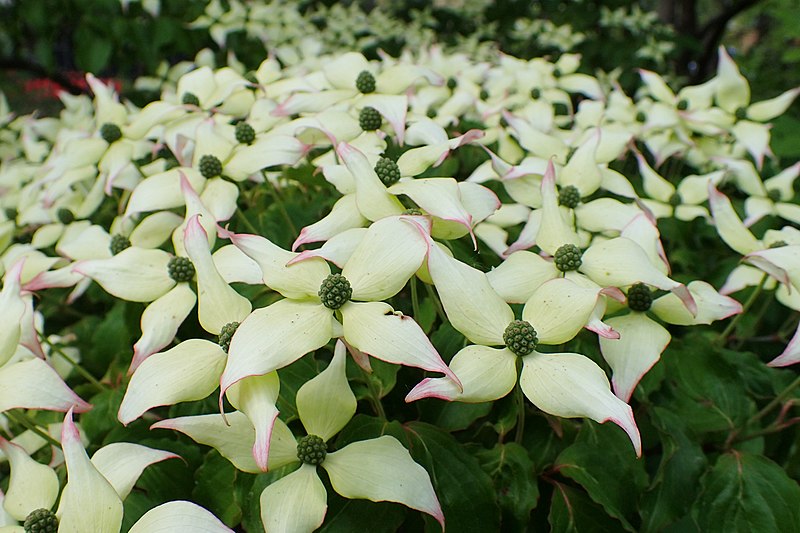
Growing Information
Seedman Landscape Note
Growing Information
Seedman Landscape Note
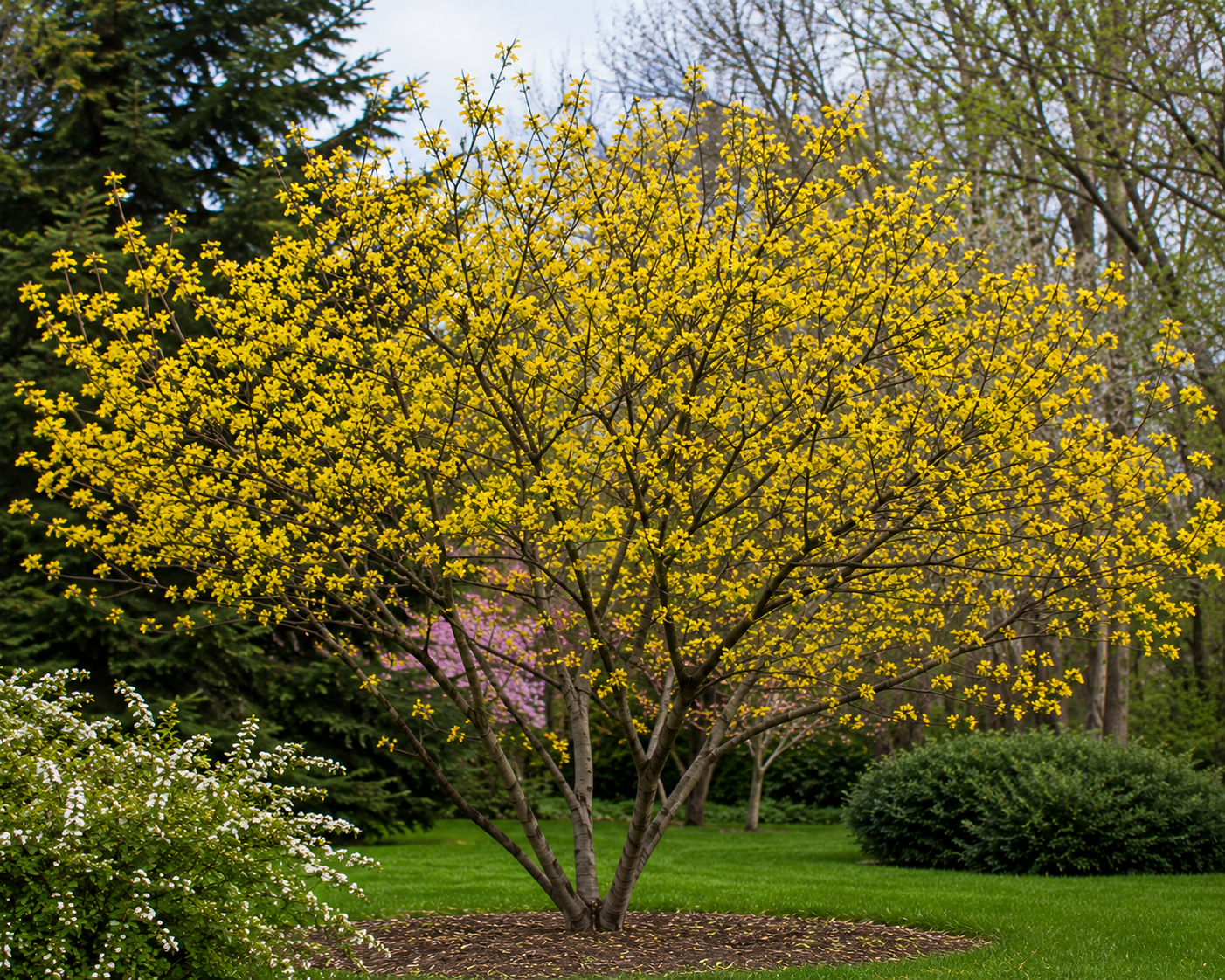
Growing Information
Seedman Landscape Note
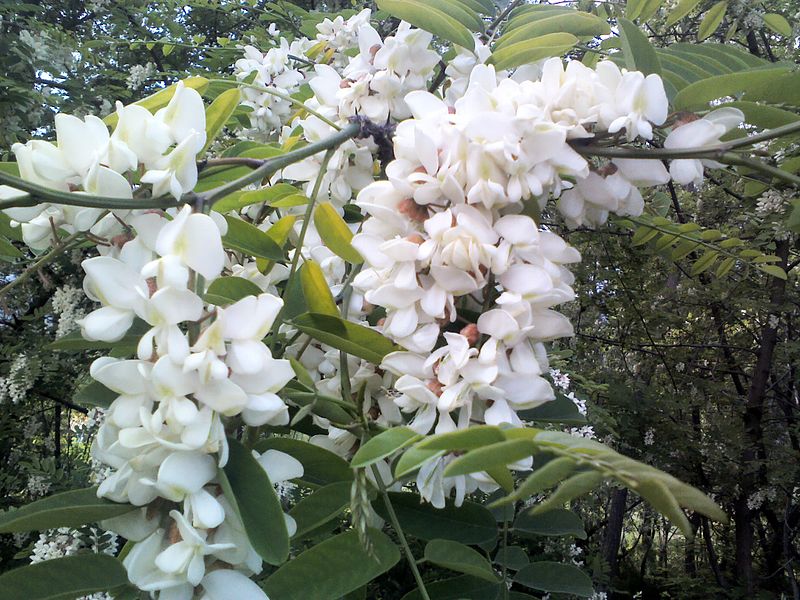
Growing Information
Seedman Landscape Note
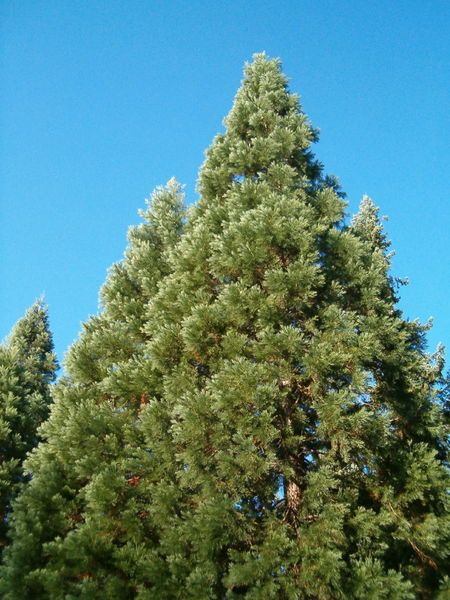
Growing Information
Seedman Landscape Note
By nature, this is a low germinating seed, expect about 15-20 percent germination.
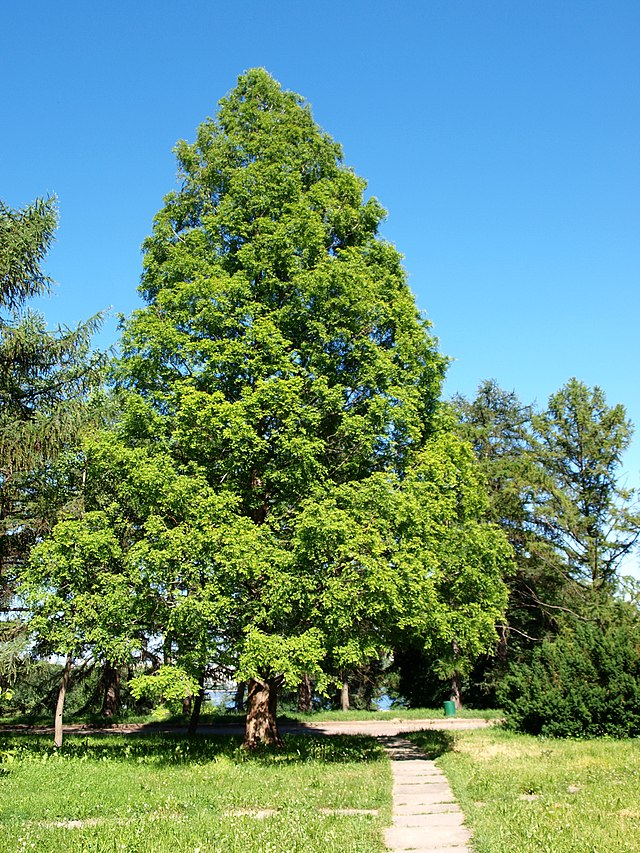
Growing Information
Seedman Landscape Note
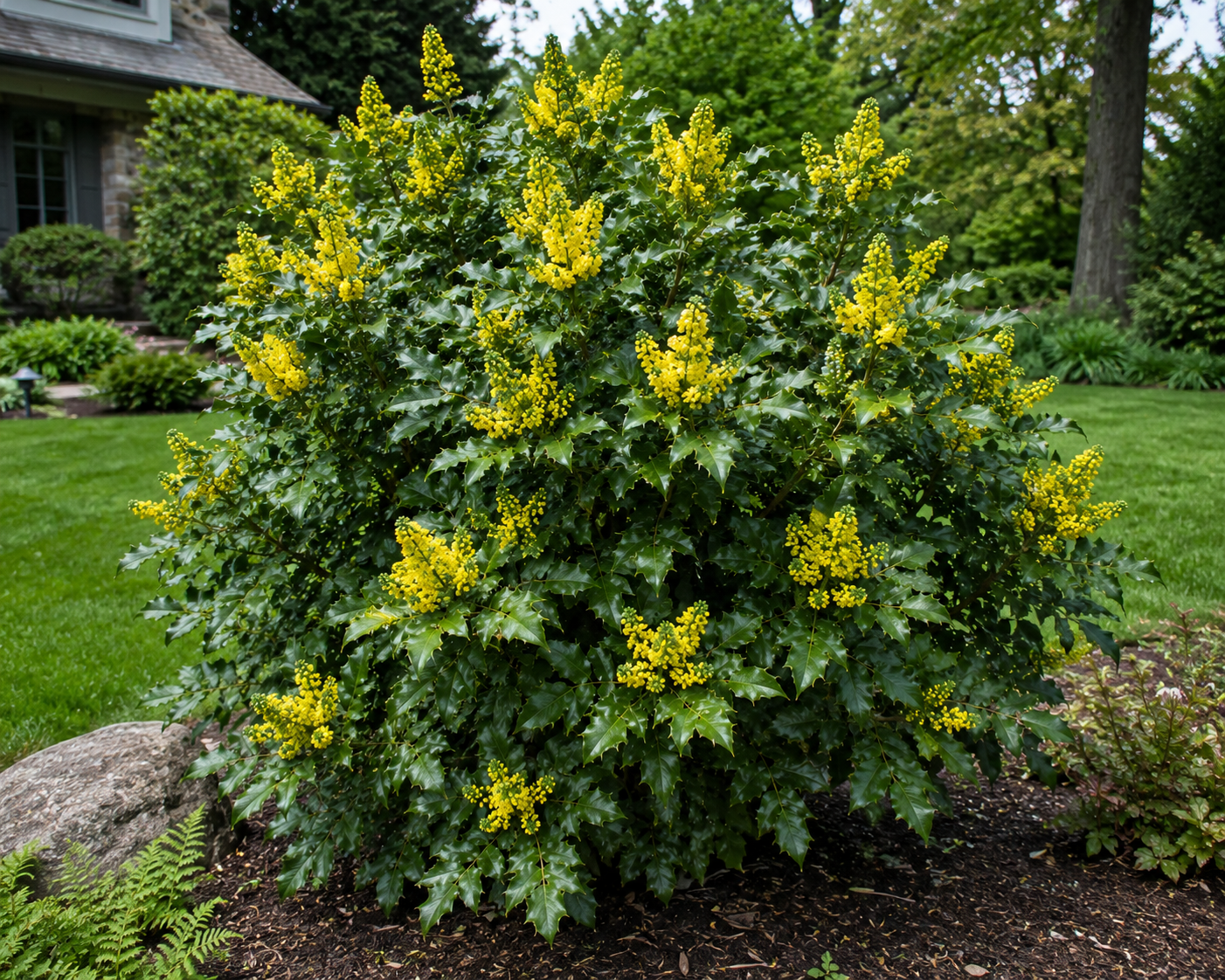
Growing Information
Seedman Landscape Note
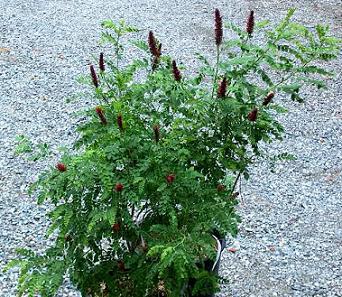
Growing Information
Seedman Landscape Note
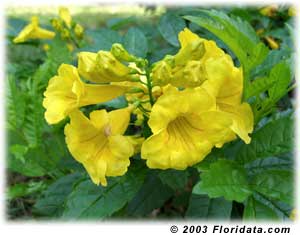
Growing Information
Seedman Landscape Note
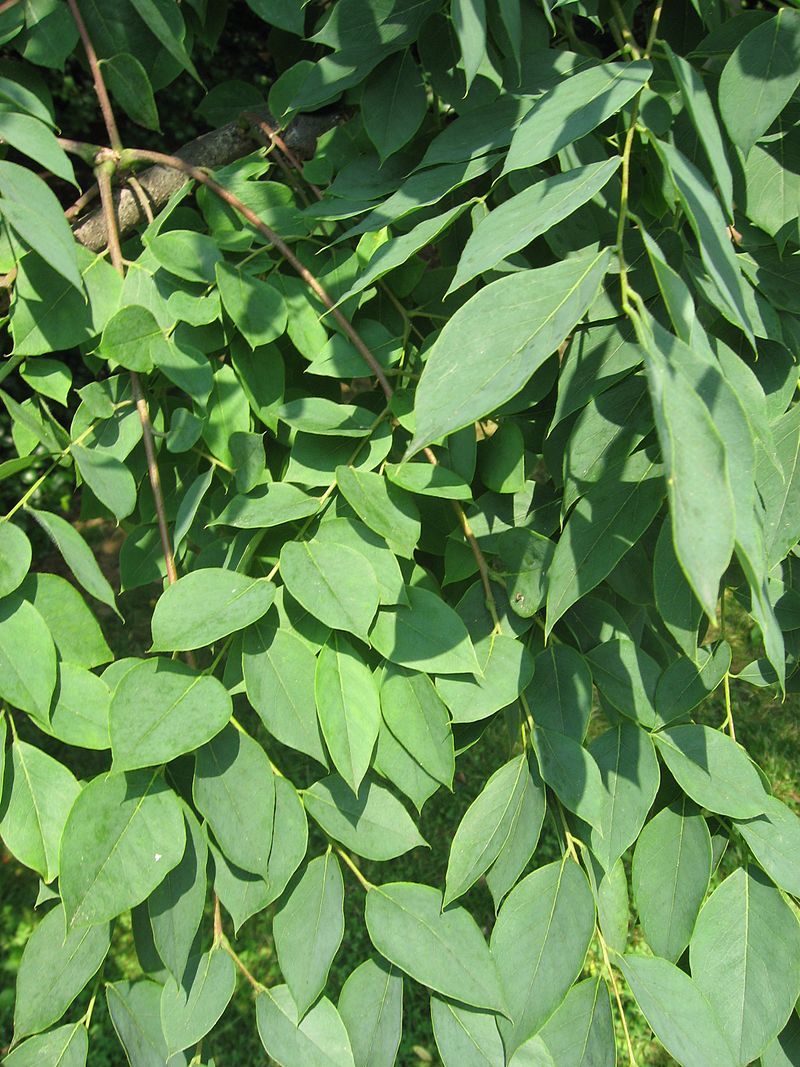
Growing Information
Seedman Landscape Note
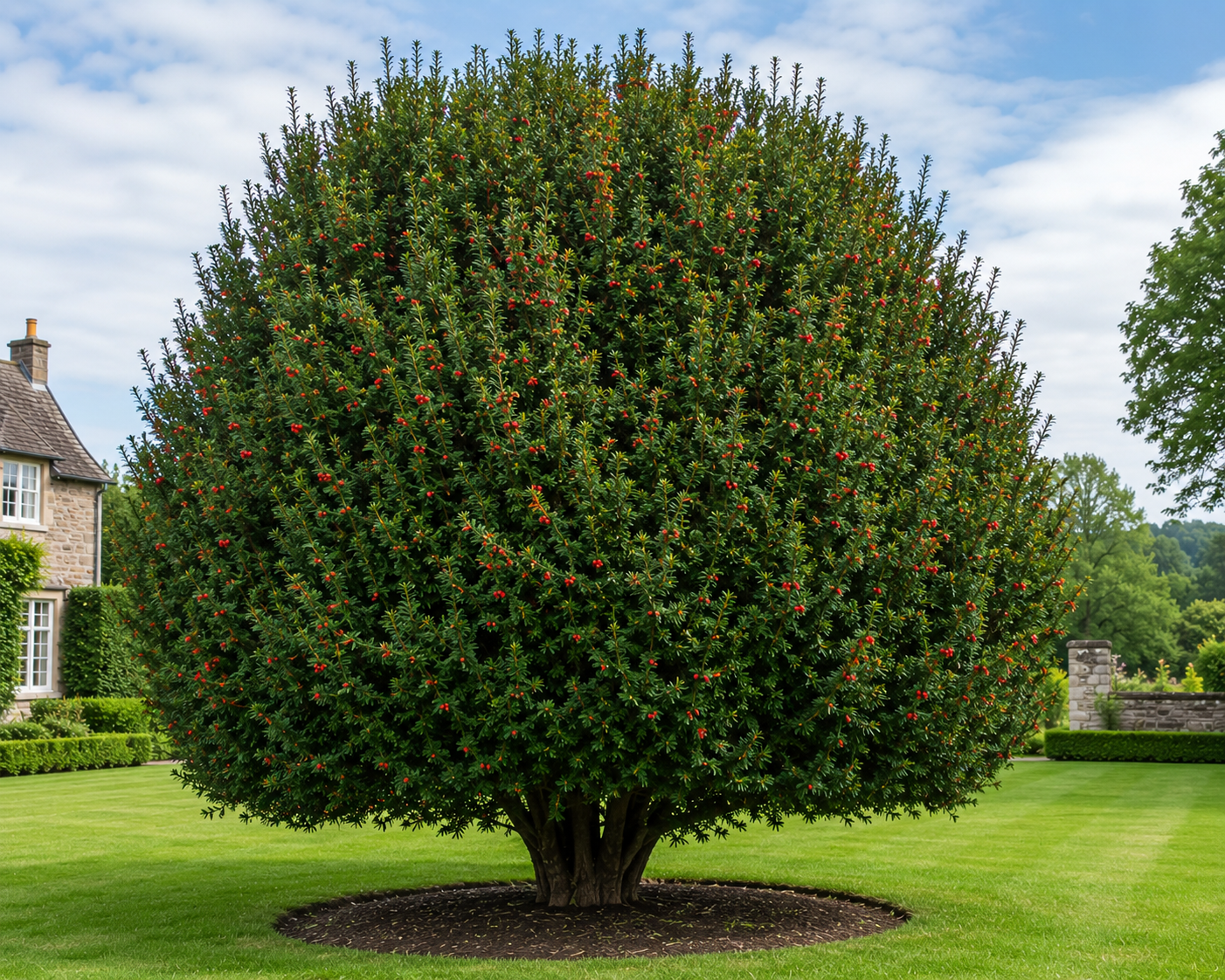
Growing Information
Seedman Landscape Note
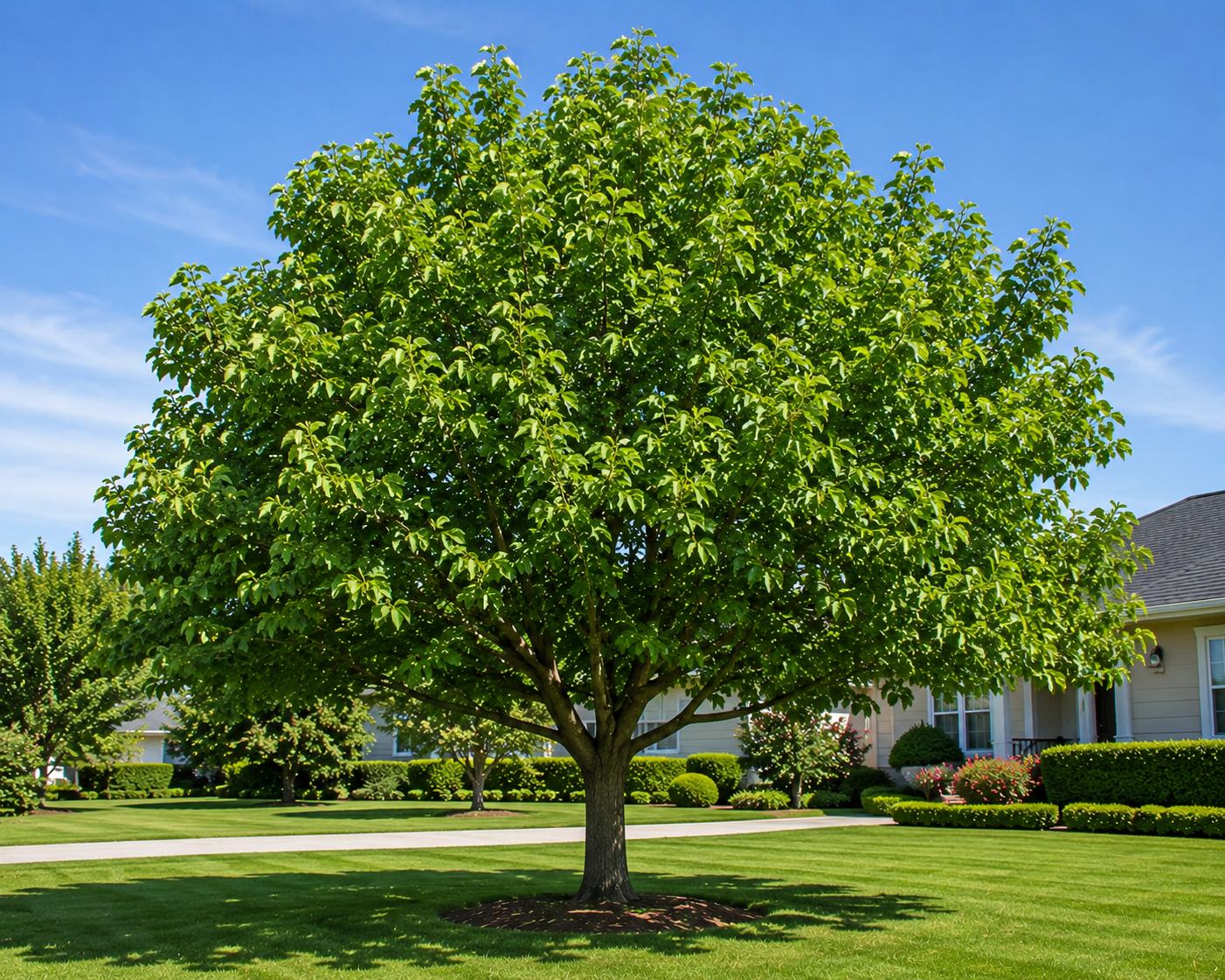
Growing Information
Seedman Landscape Note
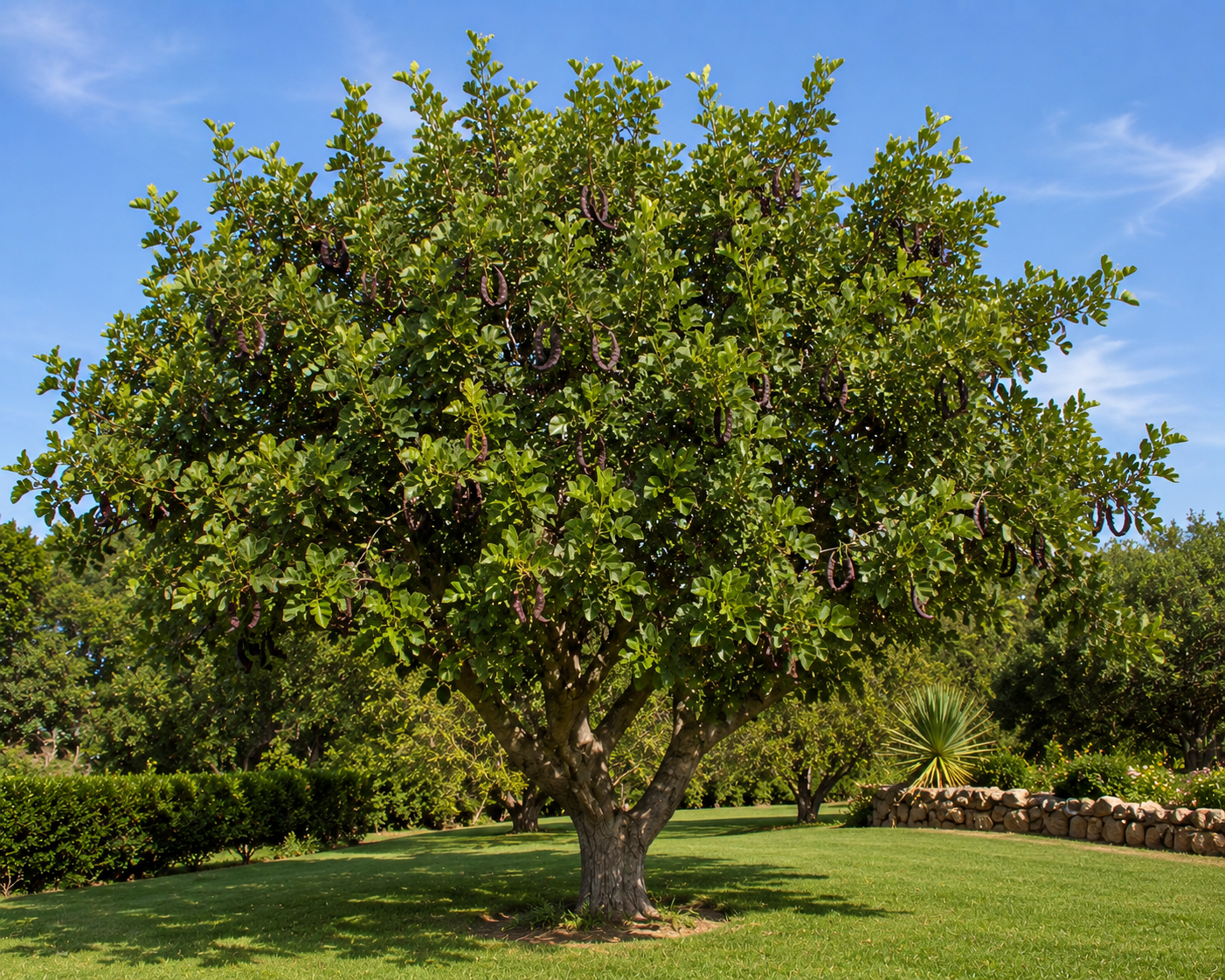
Growing Information
Seedman Landscape Note
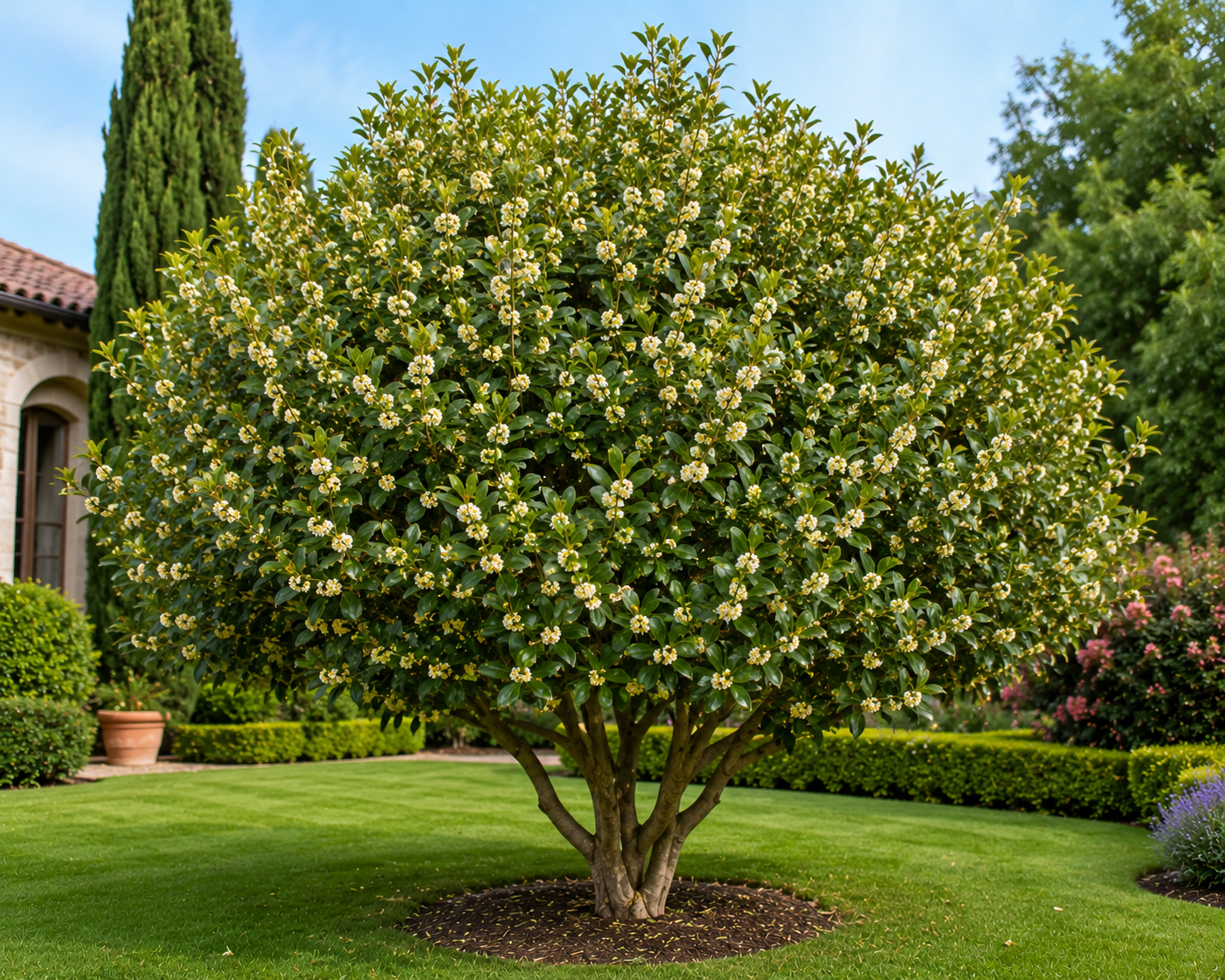
Growing Information
Seedman Landscape Note
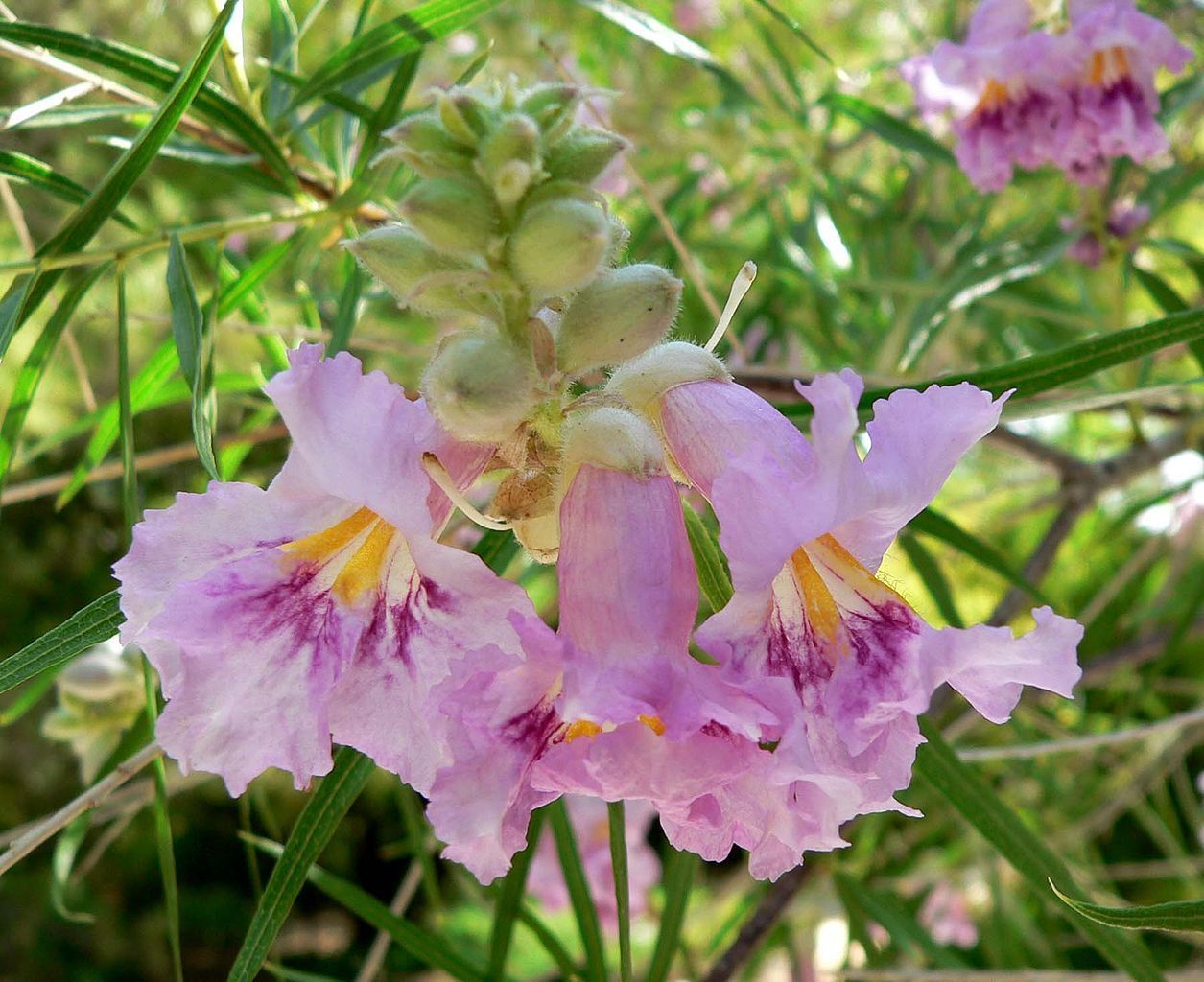
Growing Information
Seedman Landscape Note
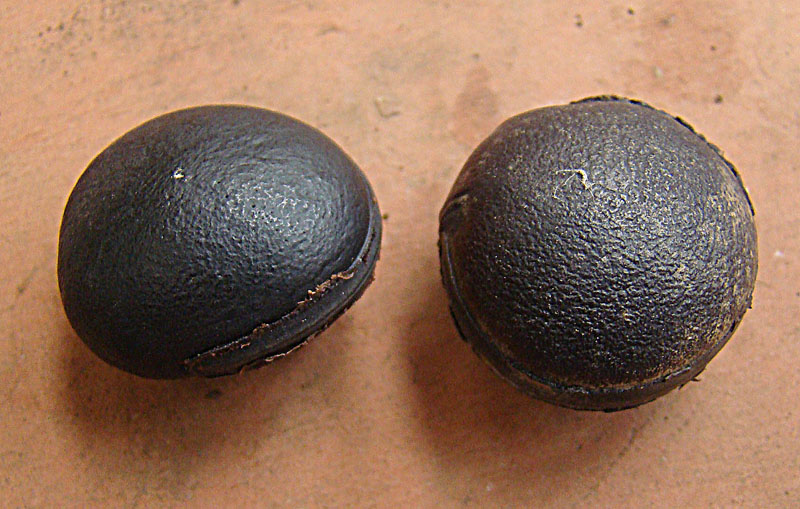
Growing Information
Seedman Landscape Note
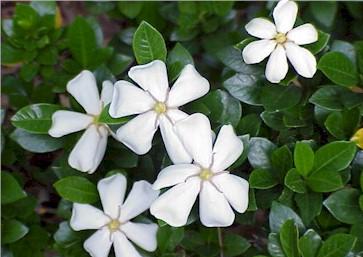
Garden Growing
Growing Information
Flowering
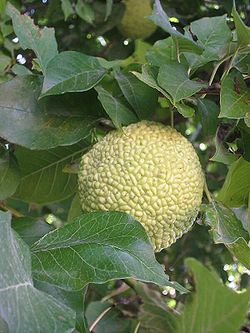
Growing Information
Seedman Landscape Note
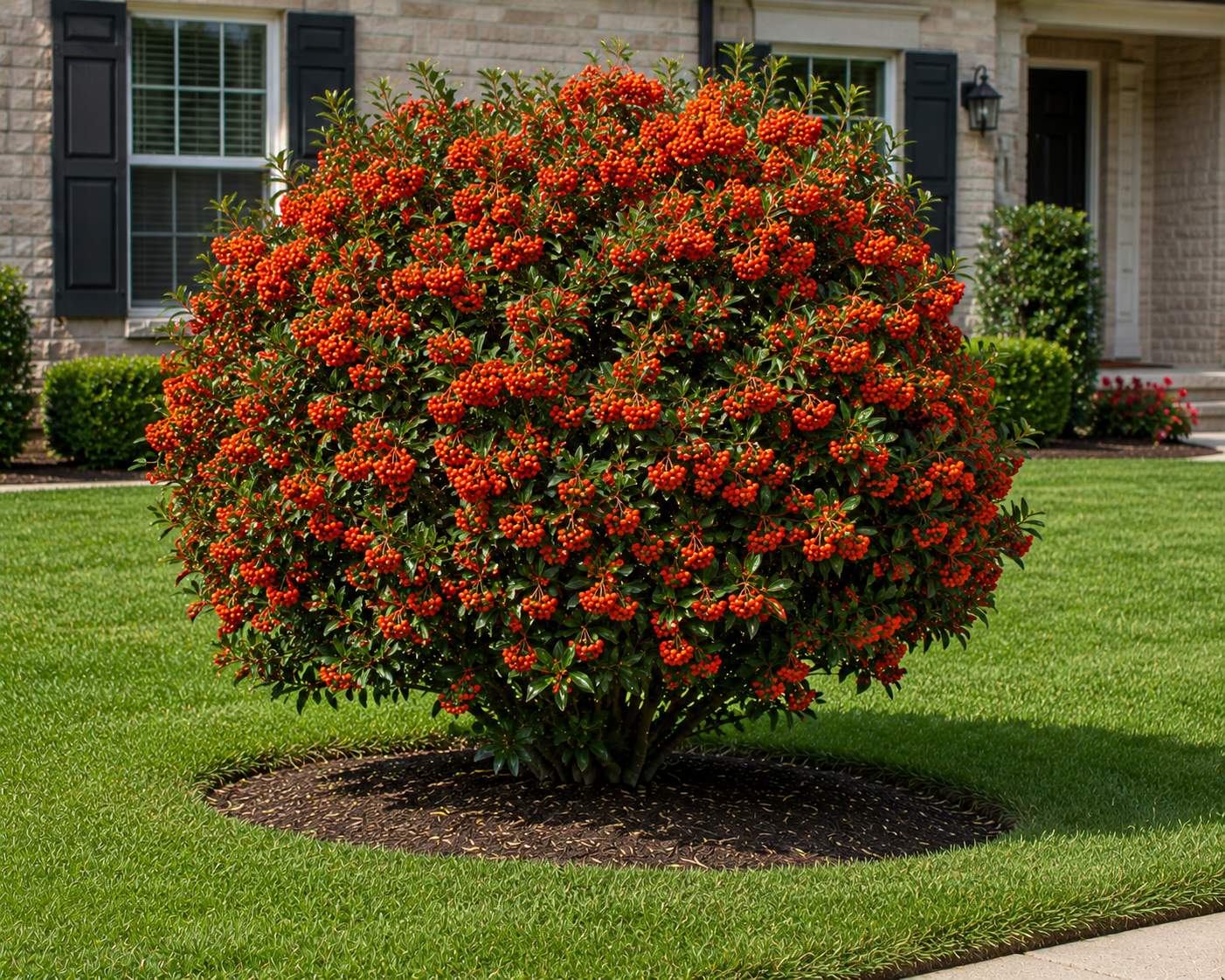
Growing Information
Seedman Landscape Note

Serving gardeners since 1992
State of Mississippi Seedmen's Permit #C-391, Ohio 90152, Minnesota 20086777