
Lemon Catmint Seeds
Like catnip, Catmint attracts cats, and its flowers furnish nectar for hummingbirds and bees.
Thin the seedlings to 12 inches apart and pinch off the growing tips to promote a bushy growth habit. Care of Catmint plants includes trimming the plants back after blooming to encourage a second bloom.
Catmint plants are aggressive and don't need much care, but an application of fertilizer 1 - 2 times during the growing season is beneficial. Give plants lots of space as they will spread. Many gardeners will border them with an edging.
Well-established Catmint plants can be divided in the spring.
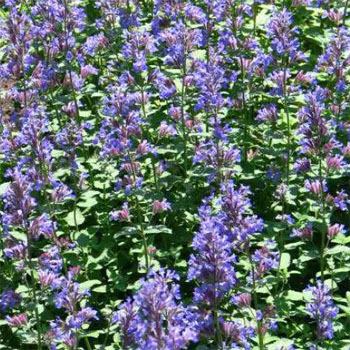
The plants form attractive clumps of soft green foliage and produce spikes of delicate white to pale lavender flowers throughout summer. The blossoms attract bees, butterflies, hummingbirds, and numerous beneficial insects, making Lemon Catnip an excellent addition to pollinator gardens and wildlife-friendly landscapes.
Like traditional catnip, Lemon Catnip is highly attractive to many cats, which enjoy rubbing against the plants and interacting with the aromatic leaves. At the same time, the bright lemon scent makes it appealing to gardeners who appreciate fragrant herbs and tea plants.
The leaves are often used fresh or dried in herbal teas, sachets, potpourris, and fragrant garden plantings. The pleasant lemon aroma blends well with other tea herbs such as chamomile, lemon balm, mint, lavender, and anise hyssop.
Easy to grow and highly adaptable, Lemon Catnip thrives in herb gardens, cottage gardens, pollinator plantings, edible landscapes, and patio containers.
Uses and Benefits- Combines catnip appeal with refreshing lemon fragrance.
- Highly attractive to many cats.
- Excellent herb for teas and herbal blends.
- Wonderful addition to potpourri and sachets.
- Produces attractive summer flowers.
- Excellent pollinator plant for bees and butterflies.
- Attracts hummingbirds and beneficial insects.
- Suitable for herb gardens and cottage gardens.
- Easy to grow and highly productive.
- Excellent container plant.
- Drought tolerant once established.
- Deer and rabbit resistant.
Lemon Catnip is a hardy perennial in USDA Zones 3-9.
Germination Instructions- Start seeds indoors 6-8 weeks before the last frost or sow outdoors after danger of frost has passed.
- Cover seeds lightly with fine soil.
- Maintain temperatures between 65-75°F (18-24°C).
- Keep soil evenly moist during germination.
- Seeds typically germinate in 10-20 days.
- Provide bright light after germination.
- Transplant outdoors after seedlings are well established.
- Plant in full sun to partial shade.
- Prefers well-drained soil.
- Tolerates drought once established.
- Harvest foliage regularly for teas and drying.
- Cut plants back after flowering to encourage fresh growth.
- Allow some flowers to remain for pollinators.
- Excellent for herb gardens, pollinator gardens, and pet-friendly landscapes.
Lemon Catnip grows exceptionally well in containers and patio planters. Container culture is often preferred because it helps manage spreading while keeping plants accessible for harvesting and for household cats. Use a container at least 10-12 inches deep with good drainage for best results.
Combining lemon fragrance, pollinator appeal, herbal usefulness, and irresistible attraction for cats, Lemon Catnip is one of the most entertaining and versatile herbs a gardener can grow. Whether planted for tea, butterflies, beneficial insects, fragrant foliage, or feline enjoyment, this easy-care perennial is sure to become a garden favorite.
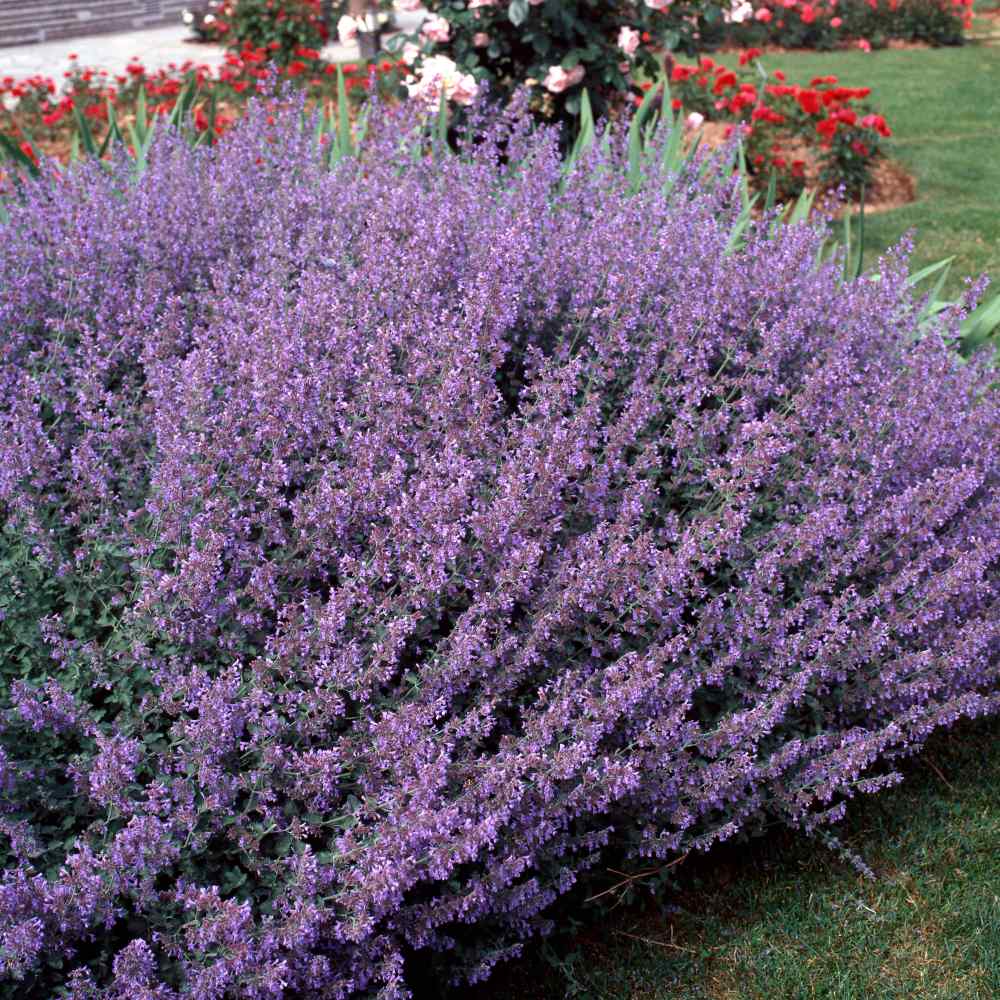
From late spring through summer, Catmint produces an abundance of soft blue-violet flower spikes that create a cloud of color above neat mounds of aromatic foliage. The blooms are highly attractive to bees, butterflies, hummingbirds, and beneficial insects, making Catmint one of the finest plants for pollinator gardens and wildlife-friendly landscapes.
Unlike traditional catnip, which is primarily grown for cats and herbal use, Catmint is valued as an ornamental perennial. Its long blooming season, tidy habit, and carefree nature have made it a favorite in cottage gardens, perennial borders, rock gardens, and container plantings. The fragrant foliage releases a pleasant minty aroma when brushed or crushed.
Many cats are also attracted to Catmint, although usually not as strongly as they are to true Catnip (Nepeta cataria). For cat lovers, this adds an extra layer of enjoyment to an already outstanding garden plant.
Uses and Benefits- Produces masses of lavender-blue flowers.
- Long blooming season from spring through summer.
- Excellent pollinator plant.
- Attracts bees, butterflies, hummingbirds, and beneficial insects.
- Fragrant gray-green foliage.
- Outstanding perennial border plant.
- Excellent groundcover and edging plant.
- Drought tolerant once established.
- Suitable for containers and patio gardens.
- Attractive to many cats.
- Deer and rabbit resistant.
- Low maintenance and easy to grow.
Catmint is a hardy perennial in USDA Zones 3-8.
Germination Instructions- Start seeds indoors 6-8 weeks before the last frost or sow outdoors after danger of frost has passed.
- Cover seeds lightly with fine soil.
- Maintain temperatures between 65-75°F (18-24°C).
- Keep soil evenly moist during germination.
- Seeds typically germinate in 10-20 days.
- Provide bright light after seedlings emerge.
- Transplant outdoors after seedlings become established.
- Plant in full sun for best flowering.
- Prefers well-drained soil.
- Tolerates heat, drought, and poor soils once established.
- Shear plants lightly after the first bloom for repeat flowering.
- Excellent planted along walkways, borders, and garden edges.
- Pairs beautifully with roses, lavender, salvia, and ornamental grasses.
- Allow flowers to remain for pollinators throughout the season.
Catmint performs exceptionally well in containers and patio planters. Use a container at least 10-12 inches deep with good drainage. The cascading habit and continuous bloom make it an excellent choice for decorative containers where its flowers and fragrance can be enjoyed up close.
Combining months of lavender-blue flowers, fragrant foliage, pollinator appeal, drought tolerance, and low-maintenance beauty, Catmint is one of the finest perennial herbs for modern gardens. Whether planted for bees, butterflies, cats, or simply its stunning ornamental display, Catmint delivers reliable beauty year after year.

Contact Us | Privacy Policy | About Us
Serving gardeners since 1992
State of Mississippi Seedmen's Permit #C-391, Ohio 90152, Minnesota 20086777