
Lemon Grass Seeds
It is also great for keeping the mosquitoes away! Makes a wonderful ingredient for hot teas. Made into a tea, it can help with digestive problems. This clump-forming perennial easily is grown from herb seeds, and it resembles an ornamental grass with its aromatic cane-like stems arising from a central base.
The lemon-scented, linear, strap leaves reach 3 feet long, falling over at the tip. The fibrous leaves have a very strong lemon aroma and are the source of Lemon Grass oil that is used to flavor candy, ice cream and pastries.
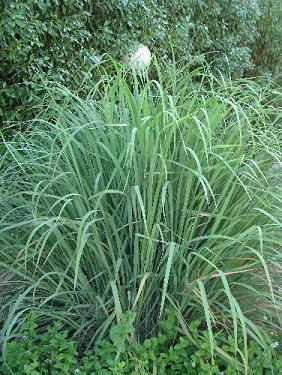
The leaves contain aromatic oils that release an invigorating citrus fragrance when brushed or crushed. Widely used in Asian cuisine, herbal teas, soups, curries, stir-fries, marinades, and beverages, East Indian Lemongrass is considered an essential ingredient in many Thai, Vietnamese, Indian, and Southeast Asian recipes.
In addition to its culinary value, Lemongrass has long been appreciated in herbal traditions and is frequently used in teas, potpourris, sachets, and fragrant garden plantings. The refreshing scent makes it a favorite near patios, walkways, outdoor seating areas, and container gardens where visitors can enjoy its pleasant aroma.
The attractive fountain-like growth habit also gives it considerable ornamental value. Whether planted as a specimen, in mixed herb gardens, or as a dramatic container plant, East Indian Lemongrass provides texture, movement, and tropical appeal throughout the growing season.
Uses and Benefits- Produces highly fragrant lemon-scented foliage.
- Essential herb in Asian cuisine.
- Excellent for soups, curries, teas, and marinades.
- Popular ingredient in herbal tea blends.
- Useful for potpourri and sachets.
- Beautiful ornamental grass-like appearance.
- Excellent tropical accent plant.
- Suitable for containers and patio gardens.
- Fast-growing and highly productive.
- Attractive addition to edible landscapes.
- Traditionally associated with insect-repelling garden plantings.
- Easy to grow in warm conditions.
East Indian Lemongrass is a tender perennial in USDA Zones 9-11. In colder climates it is commonly grown as an annual or overwintered indoors.
Germination Instructions- Start seeds indoors 6-8 weeks before the last frost.
- Press seeds lightly onto the soil surface.
- Cover very lightly or leave exposed, as light aids germination.
- Maintain temperatures between 70-85°F (21-29°C).
- Keep soil evenly moist during germination.
- Seeds typically germinate in 10-21 days.
- Provide bright light after seedlings emerge.
- Transplant outdoors only after all danger of frost has passed.
- Plant in full sun for maximum growth and fragrance.
- Prefers fertile, well-drained soil.
- Water regularly during active growth.
- Feed occasionally during the growing season for vigorous plants.
- Harvest leaves as needed throughout the season.
- Protect from frost and cold temperatures.
- Excellent for herb gardens, tropical gardens, and patio plantings.
East Indian Lemongrass is exceptionally well suited for container culture and often performs better in large pots than in crowded garden beds. Because mature plants can become quite substantial, choose a container at least 12-18 inches deep and wide. Container growing also allows plants to be moved indoors during winter in colder climates.
Combining culinary usefulness, fragrant foliage, ornamental beauty, and tropical character, East Indian Lemongrass is one of the most rewarding herbs for home gardeners. Whether grown for cooking, herbal teas, aromatic landscaping, or patio enjoyment, it provides months of beauty and harvests from a single planting.
These seeds do not germinate above 50% due to imperfect germination, 30-40% rates are typical. We pack over a hundred seeds to a pack, you should get about 25 or more seedlings to germinate per pack.

Contact Us | Privacy Policy | About Us
Serving gardeners since 1992
State of Mississippi Seedmen's Permit #C-391, Ohio 90152, Minnesota 20086777