
Lettuce Seeds
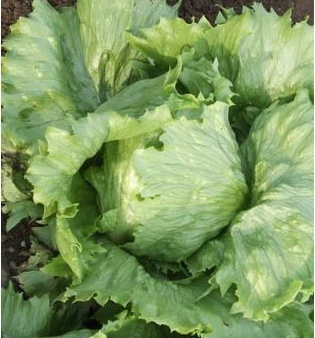
A premium heat-tolerant looseleaf lettuce variety developed to produce crisp, flavorful leaves long after many traditional lettuces have begun to bolt. True to its name, Summertime thrives during the warmer months of the growing season, maintaining excellent texture, slow bolting characteristics, and attractive bright green foliage. Gardeners appreciate its dependable performance during late spring and summer, when finding quality lettuce can often be a challenge. With its vigorous growth, repeated harvest potential, and refreshing flavor, Summertime has become a favorite for home gardens and market growers alike.
Introduction
Growing lettuce through warm weather can be difficult, but Summertime was bred specifically to overcome that challenge. This attractive looseleaf variety produces large, upright rosettes of crisp, tender leaves that remain mild and slow to become bitter even as temperatures rise. Rather than harvesting the entire plant at once, gardeners can repeatedly pick outer leaves over many weeks, allowing continuous production from a single planting.
Why Grow Summertime Lettuce?
- Excellent heat tolerance for extended harvests.
- Slow to bolt during warm weather.
- Crisp, tender leaves with mild flavor.
- Produces abundant harvests over a long season.
- Ideal for cut-and-come-again harvesting.
- Performs well in raised beds and containers.
- Suitable for spring, summer, and early fall planting.
- Beautiful bright green foliage.
- Easy to grow for gardeners of all skill levels.
- Outstanding home garden and market variety.
Flavor Profile
Summertime offers a clean, mild lettuce flavor with just a hint of sweetness and very little bitterness, even during warmer weather. The leaves are crisp and refreshing with a pleasant texture that makes them perfect for fresh salads and sandwiches. Proper watering and regular harvesting help maintain their outstanding eating quality throughout the growing season.
Growing Information
Summertime grows best in fertile, well-drained soil with consistent moisture and full sun to partial afternoon shade in hotter climates. Sow seeds directly outdoors every few weeks for continuous harvests throughout the growing season. While exceptionally heat tolerant, providing afternoon shade during periods of extreme summer heat can further extend production.
- Botanical Name: Lactuca sativa
- Plant Type: Cool-season annual leafy vegetable
- Days to Maturity: 45–55 days
- Plant Height: 10–14 inches
- Plant Spread: 10–12 inches
- Sun Requirements: Full sun to partial shade
- Soil: Rich, fertile, well-drained soil
- Spacing: 8–10 inches between plants
- Water: Consistent moisture for tender leaves
Harvest outer leaves as needed while allowing the center to continue producing. Successive sowings every two to three weeks will provide fresh lettuce throughout much of the growing season.
Harvest & Storage
Begin harvesting young outer leaves once plants become well established, or cut entire plants when mature. Morning harvests provide the crispest leaves. Fresh lettuce stores best in the refrigerator inside a sealed container or plastic bag and is ideally enjoyed within several days for maximum freshness and flavor.
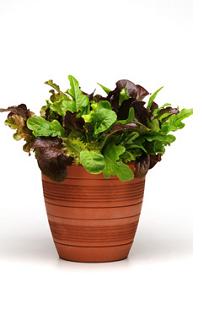
A beautiful blend of time-honored heirloom lettuce varieties that brings exceptional color, texture, and flavor to the vegetable garden and dinner table. Carefully selected to include an assortment of green, red, bronze, frilled, oakleaf, romaine, butterhead, and looseleaf types, this premium mix provides a continuous harvest of tender gourmet greens throughout the growing season. Every planting produces its own unique combination of shapes and colors, making Heirloom Garden Mix as ornamental as it is delicious.
Introduction
For gardeners who enjoy variety, few vegetables are more rewarding than a premium heirloom lettuce blend. Instead of growing a single type of lettuce, Heirloom Garden Mix offers an ever-changing harvest of classic varieties that have been treasured by gardeners for generations. The colorful assortment creates stunning salad bowls while allowing gardeners to experience the remarkable diversity found within one of the world's oldest cultivated vegetables.
Why Grow Heirloom Garden Mix Lettuce?
- Beautiful blend of classic heirloom lettuce varieties.
- Produces a colorful mix of green, red, bronze, and burgundy leaves.
- Wide variety of textures and leaf shapes.
- Excellent for cut-and-come-again harvesting.
- Continuous harvest over many weeks.
- Outstanding flavor diversity in every salad.
- Ideal for raised beds, containers, and traditional gardens.
- Easy to grow in cool weather.
- Excellent for succession planting.
- Adds ornamental beauty to edible landscapes.
Flavor Profile
Each harvest offers a delightful combination of flavors ranging from sweet and buttery to crisp, nutty, and mildly robust. Some varieties contribute delicate sweetness, while others add pleasant richness or subtle bitterness that creates perfectly balanced salads. The diversity of textures—from silky butterhead leaves to crisp romaine and frilly looseleaf types—makes every bowl visually appealing and full of fresh garden flavor.
Growing Information
Heirloom Garden Mix grows best during cool weather in fertile, well-drained soil with consistent moisture. Sow seeds directly outdoors in early spring or late summer for fall harvests. Successive plantings every two to three weeks provide continuous fresh salads throughout the growing season. Partial afternoon shade helps extend production during warmer weather.
- Botanical Name: Lactuca sativa
- Plant Type: Cool-season annual leafy vegetable
- Days to Maturity: 40–60 days depending on variety
- Plant Height: 8–14 inches
- Plant Spread: 8–12 inches
- Sun Requirements: Full sun to partial shade
- Soil: Rich, fertile, well-drained soil
- Spacing: 8–10 inches between plants
- Water: Maintain evenly moist soil
Harvest outer leaves regularly while allowing the centers to continue producing. Baby greens may be harvested just a few weeks after germination for exceptionally tender salads.
Harvest & Storage
Begin harvesting baby greens when leaves reach 3 to 4 inches long, or allow plants to mature for larger harvests. Picking frequently encourages continued production. Fresh lettuce is best harvested during the cool morning hours and stored in the refrigerator inside a sealed container or plastic bag for maximum freshness.
Seedman Notes
Heirloom Garden Mix is an outstanding choice for gardeners who appreciate diversity, beauty, and old-fashioned flavor. Rather than planting a single variety, this carefully blended mix produces colorful harvests that make every salad unique. The combination of heirloom genetics, excellent eating quality, and continuous harvest potential makes this one of our favorite lettuce blends for home gardeners who enjoy fresh salads throughout the season.
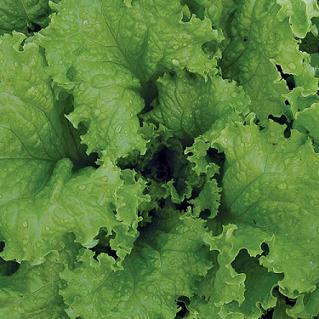
An improved looseleaf lettuce variety bred specifically for exceptional heat tolerance and remarkable resistance to bolting. As its name suggests, SloBolt remains productive long after many traditional lettuce varieties have sent up flower stalks, allowing gardeners to enjoy crisp, fresh salads well into late spring and summer. Its attractive bright green leaves, mild flavor, and dependable performance have made it a favorite among home gardeners, market growers, and anyone looking to extend the lettuce season without sacrificing quality.
Introduction
Few vegetables are as satisfying as freshly harvested lettuce, but rising temperatures often shorten the harvest season. SloBolt was developed to solve that problem by producing vigorous plants that remain leafy, crisp, and flavorful even during periods of warmer weather. This looseleaf variety forms attractive upright rosettes of tender leaves that can be harvested repeatedly using the popular cut-and-come-again method, providing continuous harvests from a single planting.
Why Grow SloBolt Lettuce?
- Exceptional resistance to bolting.
- Excellent heat tolerance for extended harvests.
- Crisp, tender, bright green leaves.
- Mild flavor with very little bitterness.
- Perfect for cut-and-come-again harvesting.
- Long productive harvest season.
- Easy to grow in gardens, raised beds, and containers.
- Ideal for succession planting.
- Reliable performer in a wide range of climates.
- Excellent choice for beginning gardeners.
Flavor Profile
SloBolt produces crisp, refreshing leaves with a pleasantly mild, slightly sweet flavor. Unlike many lettuces that become bitter during warm weather, SloBolt maintains excellent eating quality well into the growing season. The tender leaves have a satisfying crunch that makes them ideal for fresh salads, sandwiches, and wraps.
Growing Information
SloBolt grows best in fertile, well-drained soil with consistent moisture and full sun to partial afternoon shade in warmer climates. Direct sow seeds every two to three weeks for continuous harvests throughout the season. While highly resistant to bolting, regular watering and light afternoon shade during extreme summer heat will further improve leaf quality and extend production.
- Botanical Name: Lactuca sativa
- Plant Type: Cool-season annual leafy vegetable
- Days to Maturity: 45–55 days
- Plant Height: 10–14 inches
- Plant Spread: 10–12 inches
- Sun Requirements: Full sun to partial shade
- Soil: Rich, fertile, well-drained soil
- Spacing: 8–10 inches between plants
- Water: Maintain consistent soil moisture
Harvest outer leaves regularly while allowing the center to continue producing. Frequent harvesting encourages vigorous new growth and extends the productive life of each plant.
Harvest & Storage
Begin harvesting individual outer leaves when they reach usable size or cut entire plants at maturity. Harvesting during the cool morning hours produces the crispest leaves. Store freshly harvested lettuce in the refrigerator inside a sealed container or plastic bag for maximum freshness and use within several days for the finest quality.
Seedman Notes
SloBolt has become one of our most dependable warm-season lettuce varieties because it consistently delivers crisp, mild leaves when many traditional lettuces have already become bitter or gone to seed. Gardeners appreciate its exceptional heat tolerance, long harvest season, and dependable garden performance. If you're looking for a lettuce that keeps producing fresh salads long after spring has passed, SloBolt is an outstanding choice.
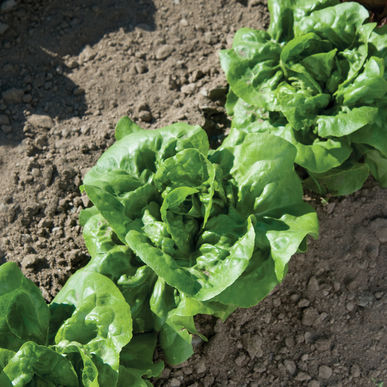
One of the most beloved butterhead lettuce varieties ever introduced, producing compact, loosely folded heads with exceptionally tender, buttery leaves and a sweet, mild flavor. An All-America Selections (AAS) Winner, Buttercrunch has earned its outstanding reputation through decades of dependable garden performance, excellent heat tolerance, and remarkable resistance to bolting. Its crisp outer leaves and creamy-yellow heart make it one of the finest choices for home gardeners seeking premium salad greens throughout the cool growing season.
Introduction
Few lettuce varieties have achieved the popularity of Buttercrunch. Developed at Cornell University and introduced in the 1960s, this improved butterhead combines the delicate texture of traditional Bibb lettuces with greater heat tolerance and stronger garden performance. The attractive heads form a loose rosette of bright green outer leaves surrounding a beautifully blanched, buttery center that is prized by chefs and gardeners alike.
Why Grow Buttercrunch Lettuce?
- All-America Selections (AAS) Winner.
- Classic butterhead variety with exceptional flavor.
- Tender, buttery leaves with crisp outer foliage.
- Slow to bolt and more heat tolerant than many butterhead types.
- Produces compact, attractive heads.
- Excellent for spring and fall gardens.
- Outstanding for raised beds and containers.
- Easy to grow and highly reliable.
- Beautiful presentation for gourmet salads.
- Favorite of home gardeners for over 50 years.
Flavor Profile
Buttercrunch lives up to its name with an exceptionally smooth, buttery texture and sweet, delicate flavor. The tender inner leaves practically melt in your mouth, while the crisp outer leaves provide a refreshing crunch. Unlike stronger lettuce varieties, Buttercrunch remains mild and pleasantly sweet, making it one of the finest salad lettuces available.
Growing Information
Buttercrunch grows best during cool weather in fertile, well-drained soil enriched with organic matter. Sow seeds directly outdoors in early spring or late summer for fall harvests. Although it tolerates warmer temperatures better than many butterhead varieties, providing afternoon shade during periods of intense summer heat will help maintain sweetness and delay bolting.
- Botanical Name: Lactuca sativa
- Plant Type: Cool-season annual leafy vegetable
- Days to Maturity: 55–65 days
- Plant Height: 8–10 inches
- Head Size: 6–8 inches across
- Sun Requirements: Full sun to partial shade
- Soil: Rich, fertile, well-drained soil
- Spacing: 10–12 inches between plants
- Water: Maintain consistent soil moisture
Harvest entire heads when they become full and firm, or begin harvesting outer leaves early for an extended cut-and-come-again harvest. Successive sowings every two to three weeks will provide a continuous supply of fresh lettuce.
Harvest & Storage
Harvest Buttercrunch early in the morning when leaves are at their crispest. Entire heads can be cut at the soil line, or individual outer leaves may be harvested while allowing the center to continue growing. Store unwashed lettuce in the refrigerator inside a sealed container or produce bag, where it will maintain excellent freshness for up to a week.
Seedman Notes
Buttercrunch continues to be one of our most recommended lettuce varieties because it offers everything gardeners want—exceptional flavor, dependable performance, attractive appearance, and remarkable versatility in the kitchen. Its buttery texture and sweet flavor consistently earn praise from gardeners of all experience levels. If you're planting only one butterhead lettuce, Buttercrunch is an excellent choice that has stood the test of time for more than fifty years.
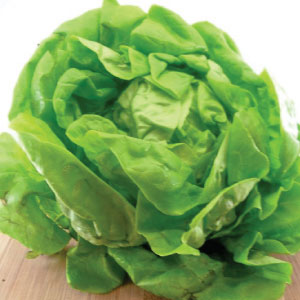
A classic heirloom butterhead lettuce celebrated for its small, compact heads, silky-soft leaves, and exceptionally sweet, buttery flavor. Originally developed in the mid-1800s by John Bibb of Frankfort, Kentucky, this historic variety has remained a favorite among home gardeners, market growers, and chefs for well over a century. Its tender texture, delicate taste, and beautiful emerald-green leaves make Bibb one of the finest gourmet lettuces available for fresh salads and elegant culinary presentations.
Introduction
Few lettuces have earned the lasting reputation of Bibb. Often referred to as "limestone lettuce" because of the fertile limestone soils where it was first grown, Bibb forms attractive loose heads with broad, gently folded leaves surrounding a creamy, blanched center. The leaves remain remarkably tender and succulent, offering a refined eating experience that has made Bibb a standard in fine dining as well as home gardens throughout North America.
Why Grow Bibb Lettuce?
- Historic American heirloom introduced in the 1800s.
- Produces compact, attractive butterhead-style heads.
- Exceptionally tender, buttery leaves.
- Sweet, delicate flavor with virtually no bitterness.
- Ideal for gourmet salads and lettuce wraps.
- Excellent for spring and fall gardens.
- Beautiful presentation in the vegetable garden.
- Suitable for raised beds and containers.
- Easy to grow and highly productive.
- A favorite among chefs and home gardeners alike.
Flavor Profile
Bibb is prized for its rich, buttery texture and mild, sweet flavor that is noticeably more delicate than many crisphead or romaine varieties. The creamy inner leaves are exceptionally soft and almost melt in your mouth, while the outer leaves add just enough crispness to create a wonderfully balanced salad.
Growing Information
Bibb performs best during cool weather in fertile, moisture-retentive, well-drained soil enriched with organic matter. Sow seeds directly outdoors in early spring or late summer for fall harvests. While somewhat more tolerant of warmth than many heirloom lettuces, cool temperatures produce the sweetest flavor and most tender leaves.
- Botanical Name: Lactuca sativa
- Plant Type: Cool-season annual leafy vegetable
- Days to Maturity: 55–65 days
- Plant Height: 6–10 inches
- Head Size: 6–8 inches across
- Sun Requirements: Full sun to partial shade
- Soil: Rich, fertile, well-drained soil
- Spacing: 10–12 inches between plants
- Water: Keep soil evenly moist
Harvest entire heads when they become fully developed, or remove individual outer leaves for an extended harvest period. Succession sowings every two to three weeks provide a steady supply of fresh lettuce throughout the cool growing seasons.
Harvest & Storage
Harvest Bibb during the cool morning hours for maximum crispness and sweetness. Cut entire heads just above the soil line or harvest individual leaves as needed. Store unwashed heads in the refrigerator inside a produce bag or sealed container where they will remain fresh for about one week.
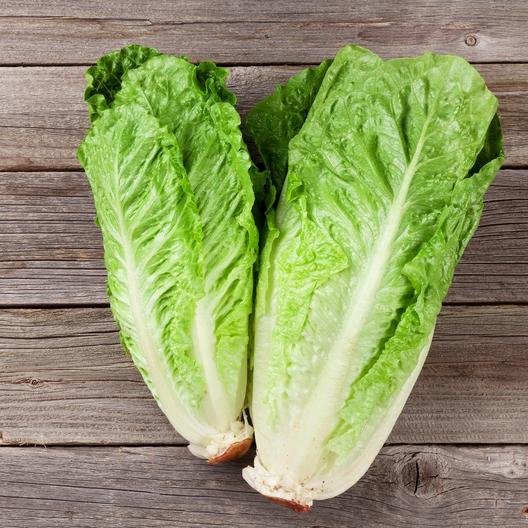
A classic heirloom romaine (Cos) lettuce renowned for its tall, upright heads, crisp texture, and rich, sweet flavor. Introduced in the early 1900s and named after the historic Parris family of Massachusetts, this dependable variety has become one of the world's most popular romaine lettuces. Its dark green outer leaves surround a tightly folded, creamy-white heart that is exceptionally crisp, making Parris White COS a favorite for Caesar salads, sandwiches, and fresh garden harvests. Easy to grow and remarkably reliable, it remains a staple in home gardens around the globe.
Introduction
Few lettuces combine beauty, nutrition, and flavor as successfully as Parris White COS. Often simply called "Parris Island Cos," this variety forms attractive upright heads with broad, crunchy ribs and tender leaves that stay sweet and flavorful throughout much of the growing season. The elegant vertical growth habit makes efficient use of garden space while producing premium-quality heads suitable for everything from everyday meals to gourmet cuisine.
Why Grow Parris White COS Lettuce?
- Classic heirloom romaine variety with over a century of proven performance.
- Produces tall, upright heads with crisp, crunchy leaves.
- Sweet, mild flavor with excellent texture.
- Outstanding choice for Caesar salads.
- More heat tolerant than many traditional lettuce varieties.
- Slow to bolt under favorable growing conditions.
- Excellent disease resistance and dependable yields.
- Suitable for spring, fall, and cool summer production.
- Easy to grow in gardens, raised beds, and containers.
- Excellent for home gardeners and market growers.
Flavor Profile
Parris White COS offers the classic romaine flavor gardeners have enjoyed for generations. The thick center ribs are crisp, juicy, and refreshing, while the tender leaf blades provide a mild sweetness with virtually no bitterness when harvested at peak maturity. The tightly blanched center is especially tender and highly prized for gourmet salads.
Growing Information
Parris White COS thrives in fertile, well-drained soil with consistent moisture and full sun during cool weather. Sow seeds directly outdoors in early spring or late summer for fall harvests. In warmer climates, partial afternoon shade helps extend production by slowing bolting and preserving leaf quality. Successive sowings every two to three weeks provide a steady harvest throughout the growing season.
- Botanical Name: Lactuca sativa
- Plant Type: Cool-season annual leafy vegetable
- Days to Maturity: 65–75 days
- Plant Height: 10–14 inches
- Head Size: 10–12 inch upright romaine heads
- Sun Requirements: Full sun to partial shade
- Soil: Rich, fertile, well-drained soil
- Spacing: 10–12 inches between plants
- Water: Maintain evenly moist soil
Harvest outer leaves individually for an extended harvest or cut the entire head once it reaches full size. Regular watering and cool growing conditions produce the sweetest, crispest lettuce.
Harvest & Storage
Harvest mature heads by cutting them at the soil line during the cool morning hours. Alternatively, remove individual outer leaves while allowing the center to continue producing. Refrigerate harvested heads immediately, where they will remain crisp and fresh for up to two weeks when properly stored.
Seedman Notes
Parris White COS has earned its reputation as one of the finest romaine lettuces ever introduced. Gardeners appreciate its dependable performance, attractive upright heads, and wonderfully crisp texture. Whether you're growing lettuce for everyday sandwiches or authentic Caesar salads, this heirloom variety consistently delivers premium-quality harvests with excellent flavor and impressive garden reliability.
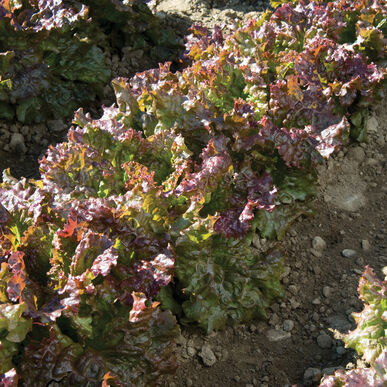
An award-winning looseleaf lettuce prized for its beautiful burgundy-red leaves, crisp texture, and outstanding sweet flavor. An All-America Selections (AAS) Winner, Red Sails combines ornamental beauty with exceptional garden performance, producing large, frilly heads that remain tender and slow to bolt even as temperatures begin to rise. Its striking red coloration and dependable productivity have made it one of the most popular red leaf lettuces for home gardens, market growers, and gourmet chefs alike.
Introduction
If you're looking for a lettuce that is as attractive as it is delicious, Red Sails is hard to beat. The deeply ruffled leaves emerge bright green at the base before developing rich shades of burgundy, bronze, and deep wine-red across the leaf tips. This colorful variety adds instant beauty to vegetable gardens while producing abundant harvests of crisp, tender leaves perfect for fresh salads from spring through early summer and again in the fall.
Why Grow Red Sails Lettuce?
- All-America Selections (AAS) Winner.
- Beautiful burgundy-red looseleaf lettuce.
- Excellent sweet, mild flavor.
- Slow to bolt and more heat tolerant than many leaf lettuces.
- Ideal for cut-and-come-again harvesting.
- Produces continuous harvests over many weeks.
- Adds striking color to salads and vegetable gardens.
- Excellent for raised beds and containers.
- Easy to grow for gardeners of all skill levels.
- Outstanding home garden and market variety.
Flavor Profile
Red Sails offers a pleasantly mild, sweet flavor with virtually no bitterness when harvested during cool weather. The tender leaves are crisp yet delicate, with a refreshing texture that pairs beautifully with other salad greens. The colorful red pigmentation adds both visual appeal and subtle richness to fresh salads.
Growing Information
Red Sails thrives in fertile, well-drained soil with consistent moisture and full sun to partial afternoon shade. Sow seeds directly outdoors in early spring and again in late summer for fall harvests. This variety is noted for its improved resistance to bolting, allowing gardeners to enjoy fresh lettuce longer than many traditional looseleaf varieties.
- Botanical Name: Lactuca sativa
- Plant Type: Cool-season annual leafy vegetable
- Days to Maturity: 45–55 days
- Plant Height: 10–12 inches
- Plant Spread: 10–12 inches
- Sun Requirements: Full sun to partial shade
- Soil: Rich, fertile, well-drained soil
- Spacing: 8–10 inches between plants
- Water: Maintain consistent soil moisture
Harvest outer leaves regularly while allowing the center to continue producing, or harvest entire plants at maturity. Frequent picking encourages vigorous new growth and extends the harvest season.
Harvest & Storage
Begin harvesting baby leaves just a few weeks after germination, or allow plants to develop into full-sized heads before cutting at the base. Harvest during the cool morning hours for maximum crispness. Refrigerate freshly harvested leaves immediately and use within several days for the finest flavor and texture.
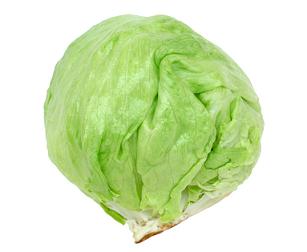
The classic crisphead lettuce famous for its tightly packed, round heads, exceptionally crisp texture, and refreshing mild flavor. For generations, Iceberg has been the standard lettuce for sandwiches, burgers, salads, and countless restaurant dishes. Its dense, pale green heads provide a satisfying crunch that remains crisp even after refrigeration, making it one of the most recognizable and widely grown lettuce varieties in the world. Easy to grow during cool weather and remarkably rewarding at harvest, Iceberg continues to be a favorite among home gardeners and commercial growers alike.
Introduction
When most people think of lettuce, Iceberg is often the first variety that comes to mind. Developed through years of careful selection for dense, compact heads and superior keeping quality, Iceberg produces firm, cabbage-like heads with crisp, juicy leaves that are refreshing and versatile. While it requires slightly more time to mature than looseleaf varieties, the reward is a beautiful, tightly wrapped head that stays fresh remarkably well after harvest.
Why Grow Iceberg Lettuce?
- Produces large, firm, tightly wrapped crispheads.
- Exceptionally crisp, crunchy texture.
- Mild, refreshing flavor.
- Excellent storage life after harvest.
- Perfect for sandwiches, burgers, and salads.
- Beautiful uniform heads.
- Reliable cool-season performer.
- Ideal for home gardens and market production.
- Excellent for succession planting.
- One of the world's most popular lettuce varieties.
Flavor Profile
Iceberg lettuce offers a clean, refreshing flavor that is pleasantly mild and slightly sweet. Its greatest appeal lies in its remarkable crispness and juicy texture, making every bite satisfying without overpowering other ingredients. The tightly folded inner leaves are especially tender while maintaining the signature crunch that has made Iceberg famous.
Growing Information
Iceberg performs best during cool weather in fertile, well-drained soil rich in organic matter. Sow seeds directly outdoors in early spring or late summer for fall harvests. Consistent moisture is essential for producing large, firm heads with excellent texture. Cool growing conditions encourage tight head formation and superior flavor.
- Botanical Name: Lactuca sativa
- Plant Type: Cool-season annual leafy vegetable
- Days to Maturity: 70–85 days
- Plant Height: 8–12 inches
- Head Size: Large, compact crispheads
- Sun Requirements: Full sun
- Soil: Rich, fertile, well-drained soil
- Spacing: 12–15 inches between plants
- Water: Maintain consistently moist soil
Because crisphead lettuces require longer to mature than looseleaf types, avoid allowing plants to experience prolonged heat, which may reduce head quality and encourage bolting. Regular watering and cool temperatures produce the finest harvests.
Harvest & Storage
Harvest entire heads once they become firm and fully developed by cutting them at the soil line. Remove any damaged outer leaves before refrigerating. Iceberg is famous for its excellent keeping quality and can remain fresh for one to two weeks or longer under proper refrigeration.
Seedman Notes
Iceberg remains one of the finest choices for gardeners who enjoy crisp, refreshing lettuce with outstanding versatility. While it requires a little more patience than leaf lettuces, the reward is a beautiful, firm head that stores exceptionally well and provides unmatched crunch for fresh salads and sandwiches. Every vegetable garden should include at least one planting of this timeless classic.
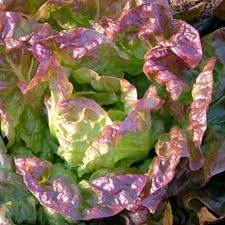
Also known by its French name Merveille des Quatre Saisons, is one of the world's most beautiful and historic heirloom butterhead lettuces. First introduced in France during the late 1800s, this award-winning variety produces compact heads with richly colored bronze-red outer leaves surrounding a tender, bright green heart. Renowned for its exceptional flavor, remarkable adaptability, and ability to perform in both cool and moderately warm weather, Marvel of Four Seasons has remained a favorite among gardeners, chefs, and heirloom seed enthusiasts for well over a century.
Introduction
Few lettuces can match the elegance and history of Marvel of Four Seasons. Its stunning foliage transitions from emerald green centers to deep mahogany-red outer leaves, creating one of the most ornamental vegetables found in the garden. Beyond its beauty, this classic French heirloom delivers an outstanding buttery texture and sweet, delicate flavor that has earned it a permanent place in gourmet kitchens around the world. Whether grown for fresh salads or simply admired in the garden, Marvel of Four Seasons is truly a remarkable variety.
Why Grow Marvel of Four Seasons Lettuce?
- Classic French heirloom dating back to the 1800s.
- Beautiful bronze-red and emerald green butterhead lettuce.
- Sweet, buttery flavor with tender leaves.
- Performs well in spring, fall, and mild summer weather.
- More heat tolerant than many traditional butterhead varieties.
- Outstanding ornamental value in vegetable gardens.
- Excellent for raised beds and containers.
- Highly productive and dependable.
- Perfect for gourmet salads and fresh harvests.
- A favorite among heirloom vegetable collectors.
Flavor Profile
Marvel of Four Seasons offers an exceptionally refined flavor with a pleasant sweetness and buttery texture that is characteristic of premium butterhead lettuces. The creamy inner leaves are especially tender, while the colorful outer leaves provide a delicate crispness with virtually no bitterness when harvested during cool weather.
Growing Information
Marvel of Four Seasons thrives in fertile, well-drained soil with consistent moisture and full sun to partial afternoon shade. It performs exceptionally well during spring and fall but also tolerates warmer conditions better than many heirloom butterhead lettuces. Succession sowings every two to three weeks provide continuous harvests throughout the growing season.
- Botanical Name: Lactuca sativa
- Plant Type: Cool-season annual leafy vegetable
- Days to Maturity: 55–65 days
- Plant Height: 8–10 inches
- Head Size: 8–10 inches across
- Sun Requirements: Full sun to partial shade
- Soil: Rich, fertile, well-drained soil
- Spacing: 10–12 inches between plants
- Water: Maintain evenly moist soil
Harvest whole heads once fully formed, or remove individual outer leaves for an extended harvest. Consistent watering helps maintain tender leaves and prevents bitterness during warmer weather.
Harvest & Storage
Harvest during the cool morning hours for maximum crispness and sweetness. Entire heads may be cut at the soil line, or outer leaves harvested individually while allowing continued growth from the center. Refrigerate immediately after harvest for best quality, where heads will remain fresh for about one week.
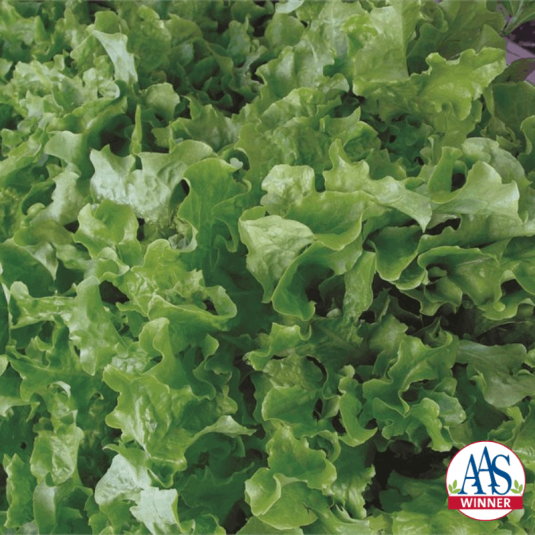
A classic heirloom looseleaf lettuce celebrated for its deeply lobed, oakleaf-like leaves, tender texture, and exceptionally sweet, mild flavor. An All-America Selections (AAS) Winner, this highly productive variety has been a favorite of home gardeners for decades because of its vigorous growth, outstanding bolt resistance, and ability to provide continuous harvests using the cut-and-come-again method. Its attractive bright green foliage adds beauty to the vegetable garden while producing an abundance of crisp, delicious leaves throughout the growing season.
Introduction
Salad Bowl is one of the easiest and most rewarding lettuces to grow. Instead of forming a tight head, it produces a graceful rosette of deeply cut, finely lobed leaves that resemble the leaves of an oak tree. Gardeners can harvest individual leaves over many weeks, allowing each plant to continue producing fresh growth throughout the season. The result is a dependable supply of premium-quality lettuce with very little effort.
Why Grow Salad Bowl Lettuce?
- All-America Selections (AAS) Winner.
- Classic heirloom looseleaf lettuce.
- Beautiful deeply lobed oakleaf-style foliage.
- Excellent sweet, mild flavor.
- Outstanding cut-and-come-again production.
- Slow to bolt and heat tolerant.
- Produces abundant harvests over many weeks.
- Perfect for raised beds, containers, and gardens.
- Very easy to grow.
- Excellent for beginning gardeners.
Flavor Profile
Salad Bowl offers an exceptionally mild, sweet flavor with virtually no bitterness under proper growing conditions. The tender leaves are crisp yet delicate, making them ideal for fresh salads where their pleasant texture and refreshing taste can be fully appreciated. Regular harvesting encourages even more tender new growth throughout the season.
Growing Information
Salad Bowl thrives in fertile, well-drained soil with consistent moisture and full sun to partial afternoon shade. Sow seeds directly outdoors in early spring and continue planting every two to three weeks for a continuous harvest throughout the growing season. Its natural resistance to bolting allows production to continue longer than many traditional looseleaf varieties.
- Botanical Name: Lactuca sativa
- Plant Type: Cool-season annual leafy vegetable
- Days to Maturity: 45–50 days
- Plant Height: 8–12 inches
- Plant Spread: 10–12 inches
- Sun Requirements: Full sun to partial shade
- Soil: Rich, fertile, well-drained soil
- Spacing: 8–10 inches between plants
- Water: Maintain evenly moist soil
Harvest individual outer leaves as needed while allowing the center of the plant to continue producing. Frequent harvesting encourages vigorous regrowth and extends the harvest season significantly.
Harvest & Storage
Begin harvesting baby leaves within a few weeks of germination, or allow plants to reach full size before harvesting mature leaves. Morning harvests provide maximum crispness and freshness. Refrigerate harvested leaves immediately in a sealed container or produce bag for several days of excellent quality.
Seedman Notes
Salad Bowl continues to be one of our favorite looseleaf lettuces because it consistently produces abundant harvests with minimal effort. Gardeners appreciate its attractive foliage, sweet flavor, and remarkable ability to keep producing throughout the season. Whether you're planting a traditional vegetable garden, raised bed, or decorative edible landscape, Salad Bowl delivers beautiful harvests that are every bit as enjoyable to look at as they are to eat.
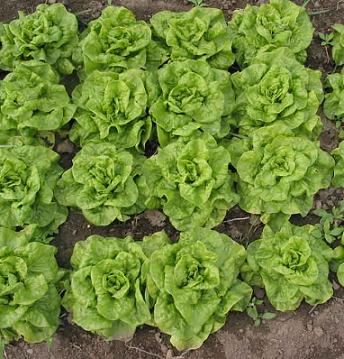
One of the oldest and most charming heirloom butterhead lettuces still grown today. Dating back to the mid-1800s, this miniature variety produces perfectly formed, softball-sized heads with tender, buttery leaves and a delightfully sweet flavor. Its compact size makes it ideal for small gardens, raised beds, containers, and window boxes, while its quick maturity allows gardeners to enjoy fresh homegrown lettuce in just a few short weeks. Despite its diminutive size, Tom Thumb delivers gourmet quality that has delighted gardeners for generations.
Introduction
Named after the famous tiny character from European folklore, Tom Thumb lives up to its reputation by producing one of the smallest mature lettuce heads available. Each compact head features soft, bright green leaves wrapped around a creamy-yellow center that is exceptionally tender and mild. Its ornamental appearance makes it equally at home in flower beds, kitchen gardens, patio containers, and decorative edible landscapes.
Why Grow Tom Thumb Lettuce?
- Historic heirloom dating back to the 1800s.
- Produces adorable miniature butterhead lettuce heads.
- Perfect for containers, raised beds, and small gardens.
- Quick maturing and highly productive.
- Sweet, buttery flavor with tender leaves.
- Excellent choice for children's gardens.
- Beautiful ornamental appearance.
- Ideal for succession planting.
- Perfect for individual salads and gourmet servings.
- Easy to grow for gardeners of every skill level.
Flavor Profile
Tom Thumb offers a wonderfully mild, buttery flavor with a delicate sweetness that has made butterhead lettuces famous. The tender inner leaves are exceptionally soft and succulent, while the outer leaves provide just enough crispness to create an enjoyable texture. The flavor remains clean and refreshing with very little bitterness when harvested during cool weather.
Growing Information
Tom Thumb grows best in cool weather with fertile, well-drained soil and consistent moisture. Because of its compact growth habit, it is especially well suited for containers, window boxes, patio planters, and intensive raised bed gardening. Sow seeds directly outdoors in early spring or late summer for fall harvests. Successive sowings every two to three weeks provide continuous harvests throughout the growing season.
- Botanical Name: Lactuca sativa
- Plant Type: Cool-season annual leafy vegetable
- Days to Maturity: 45–55 days
- Plant Height: 5–7 inches
- Head Size: 4–6 inches across
- Sun Requirements: Full sun to partial shade
- Soil: Rich, fertile, well-drained soil
- Spacing: 6–8 inches between plants
- Water: Maintain evenly moist soil
Its small mature size allows closer spacing than larger lettuce varieties, making Tom Thumb ideal for maximizing production in limited garden space. Harvest whole heads when fully formed or remove individual outer leaves for a longer harvest period.
Harvest & Storage
Harvest compact heads once they become firm and fully developed. Morning harvests provide maximum crispness and sweetness. Refrigerate immediately after harvest, where heads will remain fresh for up to one week when properly stored.
Seedman Notes
Tom Thumb is proof that great things truly do come in small packages. Its compact heads, exceptional flavor, and charming appearance make it one of the most enjoyable lettuces to grow, especially where space is limited. Whether planted in patio pots, raised beds, or traditional vegetable gardens, this delightful heirloom consistently produces beautiful gourmet lettuce with very little effort. It's one of those timeless varieties that never goes out of style.
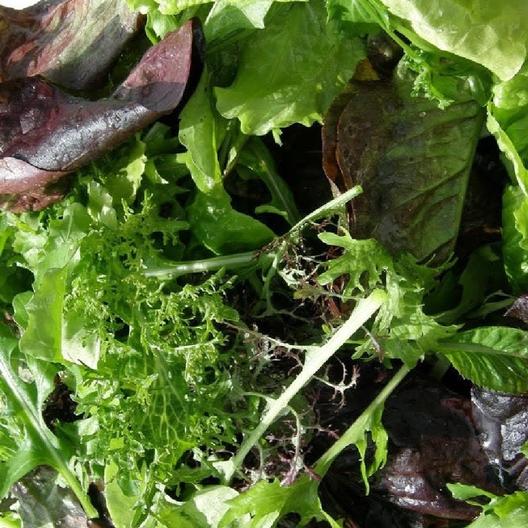
A carefully selected mixture of premium lettuce varieties designed to produce colorful, flavorful, and beautifully textured salads straight from the garden. Combining an assortment of looseleaf, butterhead, romaine, oakleaf, and red leaf lettuces, this blend offers a wonderful balance of sweet, buttery, crisp, and mildly nutty flavors in every harvest. The vibrant mix of green, bronze, burgundy, and deep red foliage creates restaurant-quality salads while providing gardeners with continuous cut-and-come-again harvests throughout the growing season.
Introduction
Rather than growing a single lettuce variety, Gourmet Salad Blend allows gardeners to enjoy an exciting assortment of textures, colors, and flavors from one planting. Every harvest is slightly different, creating fresh salads that are as visually stunning as they are delicious. Whether grown in raised beds, containers, kitchen gardens, or market gardens, this premium blend produces abundant harvests that keep the salad bowl full from early spring through fall.
Why Grow Gourmet Salad Blend?
- Premium mixture of carefully selected lettuce varieties.
- Beautiful combination of green, bronze, burgundy, and red leaves.
- Wide range of textures from buttery to crisp.
- Excellent blend of mild, sweet, and refreshing flavors.
- Ideal for cut-and-come-again harvesting.
- Produces continuous harvests over many weeks.
- Perfect for raised beds, containers, and traditional gardens.
- Outstanding choice for gourmet home salads.
- Easy to grow and highly productive.
- Excellent for beginning and experienced gardeners alike.
Flavor Profile
Gourmet Salad Blend offers an exceptional range of flavors in every harvest. Sweet butterhead leaves combine with crisp romaine, tender looseleaf, colorful red leaf, and delicate oakleaf varieties to create balanced salads with refreshing texture and outstanding taste. The result is a fresh, restaurant-quality salad blend that requires no additional mixing.
Growing Information
Gourmet Salad Blend grows best in fertile, well-drained soil with consistent moisture and full sun during cool weather. In warmer climates, partial afternoon shade helps extend harvests. Sow seeds directly outdoors every two to three weeks for continuous production throughout spring and fall. Frequent harvesting encourages vigorous new growth and prolonged productivity.
- Botanical Name: Lactuca sativa
- Plant Type: Cool-season annual leafy vegetable blend
- Days to Maturity: 30–50 days for baby greens; 45–60 days for mature leaves
- Plant Height: 8–14 inches
- Plant Spread: 8–12 inches
- Sun Requirements: Full sun to partial shade
- Soil: Rich, fertile, well-drained soil
- Spacing: Thin to 8–10 inches between mature plants
- Water: Keep soil evenly moist for tender growth
Harvest individual outer leaves or trim entire plantings about an inch above the growing point for repeated cut-and-come-again harvests. Regular harvesting encourages continuous production throughout the season.
Harvest & Storage
Baby greens may be harvested when only a few inches tall, while mature leaves can be picked individually or harvested all at once. Morning harvests produce the crispest greens. Refrigerate immediately after harvesting, where leaves remain fresh for several days when stored in a sealed container or produce bag.
Seedman Notes
Gourmet Salad Blend is one of our favorite lettuce mixtures because it takes the guesswork out of creating beautiful salads. Instead of growing multiple individual varieties, one sowing produces an impressive assortment of colors, textures, and flavors that rival the finest restaurant salad mixes. Its dependable production, outstanding appearance, and continuous harvest potential make it an excellent addition to every home vegetable garden.

Contact Us | Privacy Policy | About Us
Serving gardeners since 1992
State of Mississippi Seedmen's Permit #C-391, Ohio 90152, Minnesota 20086777