
Beyond its practical uses, loofah plants are attractive, fast-growing vines that can provide a living screen, and the plant's yellow flowers attract pollinators like bees and butterflies.
The Loofah Gourd is a member of the Cucurbitaceae ( Gourd ) family. The Loofah is spelled several different ways, i.e., Lofah, Luffa or Lufa. It's commonly known as the Washrag Gourd. It is the only plant known that can be raised and used as a sponge.
The sponges are very versatile in that they can be used for bathing, washing dishes or scrubbing. The Loofah is widely used for bathing to invigorate the skin as well as gift giving and crafts.
It is a very fast growing annual that produce vines up to twelve feet or more. I have seen them grow over 20 ft. high in trees and produce dozens of gourds per plant.
When fully matured, you can peel off the dried and crisp outer shell to expose the fibrous sponge. To clean your Loofah you wash it in clean water and then soak it in a solution of bleach and water and allow to dry in the sun. Loofah sponges will last a long time if washed and allowed to dry after each use.
Here are some helpful links on growing and harvesting the loofa sponge:
How to grow natural loofa sponges.
How to harvest your luffa and turn them into sponges.
Loofah Seeds
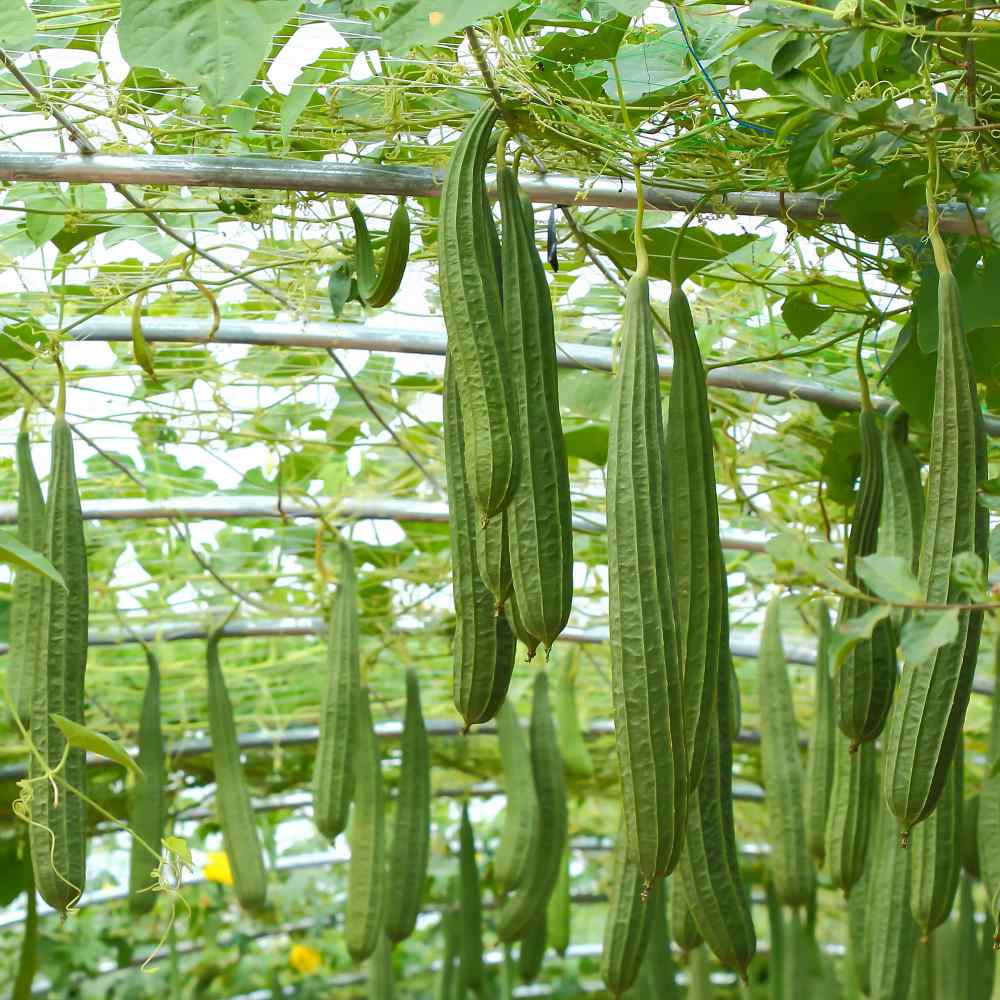
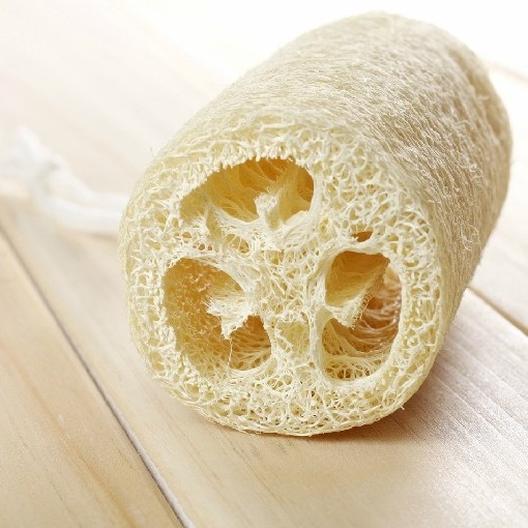
The Common Luffa Sponge is one of the most fascinating and useful plants a gardener can grow. Producing long cucumber-like fruits that transform into natural sponges when mature, this remarkable vine has provided environmentally friendly cleaning and bathing products for centuries.
Many people are surprised to learn that the familiar "loofah" sponge found in bath and beauty stores is not harvested from the ocean at all—it comes from a plant. The mature fruits of Luffa cylindrica develop a dense network of fibrous tissue that remains after the fruit is peeled and cleaned, creating the natural sponge used around the world.
Young fruits may be harvested while tender and eaten much like zucchini or summer squash. The mild flavor makes them popular in many Asian and tropical cuisines. If allowed to fully mature, the fruits dry on the vine and develop the strong fibrous interior that gives luffa its commercial value.
Historical Tidbit: Luffa has been cultivated for thousands of years throughout Asia, Africa, and tropical regions of the world. Before the invention of synthetic sponges, dried luffa fruits were widely used for bathing, dishwashing, cleaning, filtering, and even as packing material. During World War II, luffa fibers were investigated for use in filters and industrial applications.
The name "loofah" is derived from Arabic and Egyptian names for the plant, reflecting its long history of cultivation and use.
Uses:
- Natural bath sponges
- Kitchen cleaning sponges
- Exfoliating skin scrubbers
- Craft projects
- Biodegradable cleaning products
- Edible young fruits
- Educational garden projects
Growing Information:
- Botanical Name: Luffa cylindrica
- Plant Type: Annual climbing vine
- Days to Edible Harvest: 50–70 days
- Days to Sponge Maturity: 120–150 days
- Sun Exposure: Full sun
- Vine Length: 15–30 feet
- Fruit Length: Commonly 12–24 inches
- Planting Depth: 1 inch
- Spacing: 36–48 inches
- Support Recommended: Trellis, fence, or arbor
Germination: Sow outdoors after all danger of frost has passed and soil temperatures exceed 70°F. Seeds generally germinate within 7–14 days. In northern climates, starting seeds indoors 3–4 weeks early is recommended because the fruits require a long growing season to fully mature into sponges.
Harvesting for Sponges: Allow fruits to remain on the vine until they begin turning brown and feel lightweight. Remove the outer skin, shake out the seeds, and wash the remaining fiber thoroughly. Once dried, the natural sponge is ready for use.
Fun Fact: A single mature luffa can produce dozens of seeds and a sponge that may last for months. Because they are completely biodegradable, luffa sponges are becoming increasingly popular as eco-friendly alternatives to synthetic products.
Seedman's Notes: Common Luffa Sponge is one of those rare plants that never fails to amaze visitors. Watching a cucumber-like fruit transform into a useful household sponge seems almost magical. Whether grown for bathing, cleaning, crafting, or simply the novelty of harvesting your own natural sponges, Luffa is one of the most rewarding and memorable plants in the garden.
Here are some helpful links on growing and harvesting the loofa sponge:How to grow natural loofa sponges.
How to harvest your luffa and turn them into sponges.
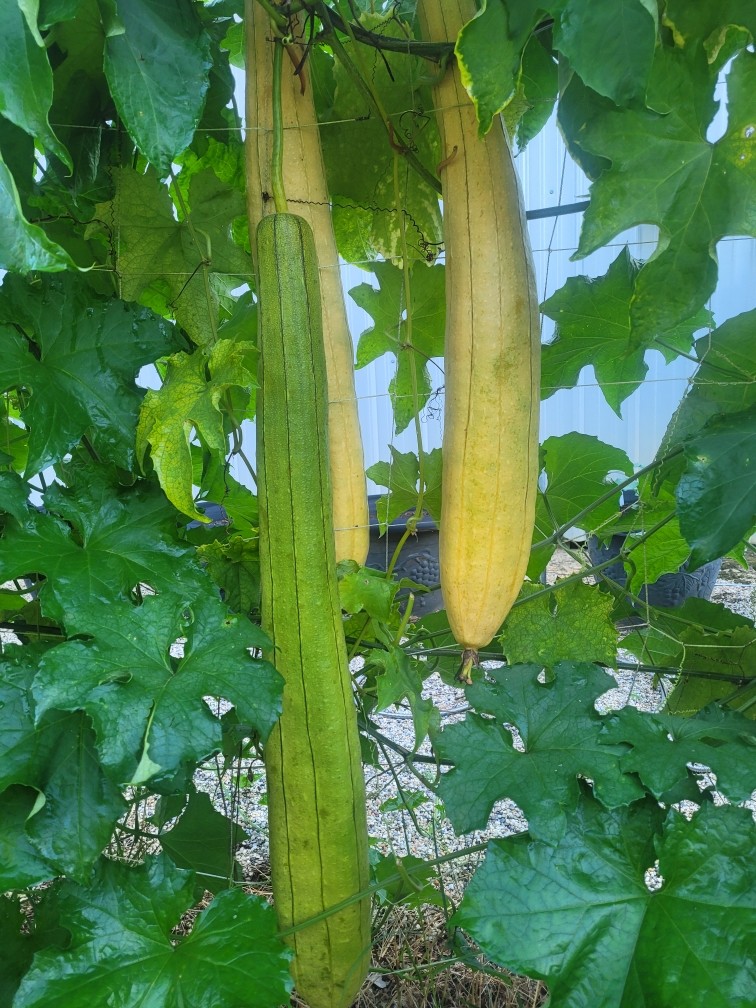
Oriental Extra Long Loofah (Luffa acutangula), also known as Ridged Gourd, Chinese Okra, Silk Gourd, or Angled Luffa, is one of Asia's oldest and most productive vegetable crops. This vigorous climbing vine produces striking, dark green fruits that commonly reach 24 to 36 inches in length, with distinct longitudinal ridges running the full length of each fruit. While many people associate loofahs with natural bath sponges, Oriental Extra Long Loofah is grown primarily as a delicious gourmet vegetable. Harvested while young and tender, its mild flavor and silky texture have made it a staple ingredient throughout China, Japan, Thailand, Vietnam, India, and many other parts of Asia for centuries.
If you're looking for a vegetable that combines beauty, productivity, and outstanding culinary value, Oriental Extra Long Loofah deserves a place in your garden. Once summer heat arrives, the vines grow with astonishing speed, quickly climbing fences, cattle panels, pergolas, or trellises with lush green foliage. Bright golden-yellow blossoms soon follow, attracting bees from sunrise until late afternoon before giving way to remarkably long fruits that seem to grow larger almost overnight. A healthy planting can continue producing heavily until frost, making this one of the most rewarding warm-season vegetables for gardeners who enjoy abundant harvests.
Unlike the common sponge loofah, this species is prized primarily for its exceptional eating quality. When harvested young, the flesh is tender, juicy, and almost creamy in texture. If left too long on the vine, however, the interior gradually develops coarse fibers as the fruit matures, so frequent harvesting is the secret to enjoying its finest flavor.
Why Grow Oriental Extra Long Loofah?
- Produces spectacular fruits often reaching 2 to 3 feet in length.
- Excellent warm-weather vegetable for long summer seasons.
- Mild, delicate flavor that absorbs seasonings beautifully.
- Extremely productive once vines begin flowering.
- Perfect for vertical gardening on trellises and fences.
- Large yellow blossoms attract abundant pollinators.
- Easy to grow in hot, sunny climates.
- An outstanding choice for gardeners who enjoy Asian vegetables.
- Beautiful ornamental vine as well as an excellent food crop.
- Continues producing until frost with regular harvesting.
Flavor Profile
Young Oriental Extra Long Loofah has a wonderfully mild flavor that falls somewhere between zucchini, cucumber, and tender summer squash. The flesh remains soft, succulent, and almost silky when harvested before the seeds begin to enlarge. Because of its delicate flavor, it readily absorbs garlic, ginger, soy sauce, curry spices, sesame oil, and countless other seasonings, making it exceptionally versatile in the kitchen.
Culinary Uses
Throughout Asia, Oriental Extra Long Loofah is considered a premium summer vegetable. Slice it into stir-fries, curries, soups, noodle dishes, vegetable medleys, or steamed side dishes. It may also be grilled, sautéed, stuffed, or simmered in broths where it absorbs surrounding flavors while maintaining its tender texture. Many gardeners compare its versatility to zucchini, but with a smoother texture and more delicate flavor. Harvest fruits while still young—generally 12 to 18 inches long—for the finest eating quality.
Nutritional Value
Oriental Extra Long Loofah is naturally low in calories while providing dietary fiber, Vitamin C, Vitamin A, potassium, magnesium, manganese, and numerous beneficial antioxidants. Its high moisture content makes it especially refreshing during the hottest months of summer while contributing valuable nutrients to healthy meals.
Growing Information
This tropical vine thrives in full sunshine and warm soil. Plant after all danger of frost has passed and nighttime temperatures remain consistently warm. Rich soil amended with compost produces vigorous vines capable of climbing 15 to 20 feet or more. Because the fruits become exceptionally long, growing them vertically on sturdy trellises allows gravity to help produce straighter, cleaner fruits while improving air circulation and simplifying harvest.
- Botanical Name: Luffa acutangula
- Plant Type: Warm-season annual vine
- Days to Maturity: 70–90 days
- Vine Length: 15–20 feet
- Fruit Length: 24–36 inches
- Sun Requirements: Full sun
- Soil: Rich, fertile, well-drained soil
- Spacing: 24–36 inches between plants
- Water: Deep, regular watering during hot weather
Regular harvesting encourages the vines to continue flowering and setting fruit. The more frequently young fruits are picked, the heavier the plants will produce throughout the remainder of the season.
Harvest & Storage
Harvest fruits while they are still glossy, tender, and before the seeds begin to harden. Most gardeners find the finest quality when fruits measure between 12 and 18 inches long, although they may be harvested even smaller. Fresh fruits keep well in the refrigerator for approximately one week. If left to fully mature, the interior gradually develops fibrous tissue that resembles traditional loofah sponge material.