
Lovage Seeds
Lovage is a terrific culinary herb and has a light, savory flavor similar to a cross between celery and anise. The leaves, stems and seeds of this plant are all edible. Leaves can be added directly to stews and soups, while stems can be blanched like vegetables or cut to create hollow natural straws which are perfect for savory drinks like Bloody Marys. The seeds can be ground into a great natural salt substitute.
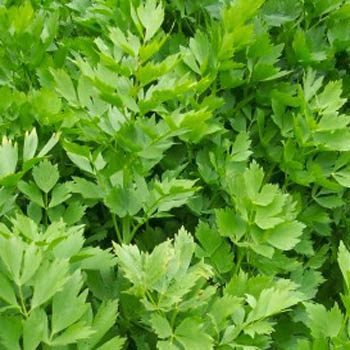
Growing into impressive clumps of lush green foliage, Lovage can reach 4 to 6 feet in height in favorable conditions, making it one of the largest herbs commonly grown in home gardens. Its bold architectural presence adds height and texture to herb gardens, edible landscapes, and cottage gardens while providing an abundant harvest throughout the growing season.
The flavorful leaves are widely used in soups, stews, broths, salads, vegetable dishes, sauces, and herbal seasonings. The hollow stems may be used much like celery, while the seeds are valued as a seasoning for breads, pickles, and spice blends. Historically, Lovage has also been cultivated in monastery gardens and traditional herb gardens throughout Europe.
During summer, mature plants produce large umbels of yellow-green flowers that attract bees, butterflies, hoverflies, and other beneficial insects. These blooms are followed by aromatic seeds that can be harvested for culinary use or future planting.
Uses and Benefits- Bold celery-like flavor with hints of parsley and anise.
- Leaves, stems, seeds, and roots are all useful.
- Excellent for soups, stews, broths, and sauces.
- Produces abundant harvests year after year.
- Attracts bees, butterflies, and beneficial insects.
- Beautiful architectural plant in herb gardens.
- Traditional herb with centuries of culinary use.
- Excellent companion plant for edible landscapes.
- Produces aromatic seeds for seasoning.
- Cold hardy perennial.
- Suitable for large containers.
- Low maintenance once established.
Lovage is a hardy perennial in USDA Zones 4-8.
Germination Instructions- Start seeds indoors 6-8 weeks before the last frost or sow outdoors in early spring.
- Fresh seed generally germinates best.
- Sow seeds approximately 1/4 inch deep.
- Maintain temperatures between 65-75°F (18-24°C).
- Keep soil evenly moist during germination.
- Seeds typically germinate in 14-28 days.
- Provide bright light after seedlings emerge.
- Transplant carefully to avoid disturbing roots.
- Plant in full sun to partial shade.
- Prefers rich, fertile, well-drained soil.
- Water regularly during dry periods.
- Harvest leaves throughout the growing season.
- Allow some flower stalks to mature for seed production and pollinator support.
- Divide mature plants every few years to maintain vigor.
- Excellent near vegetable gardens and kitchen gardens.
Lovage can be grown successfully in containers, but because of its eventual size and deep root system, a large container is recommended. Choose a pot at least 14-18 inches deep and equally wide. Large containers help support vigorous growth and provide ample room for root development. Container-grown plants are ideal for patios, decks, and kitchen gardens where fresh herbs can be harvested conveniently.
Combining outstanding culinary value, impressive size, pollinator appeal, and remarkable productivity, Lovage is one of the most rewarding perennial herbs available. A single mature plant can provide years of harvests, making it a favorite among cooks, homesteaders, and herb gardening enthusiasts.

Contact Us | Privacy Policy | About Us
Serving gardeners since 1992
State of Mississippi Seedmen's Permit #C-391, Ohio 90152, Minnesota 20086777