
Malabar Spinach Seeds
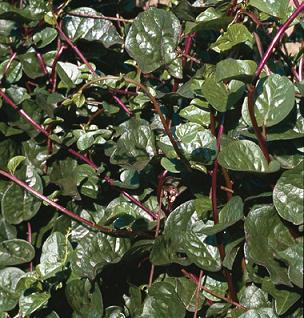
Red Malabar Spinach (Basella rubra var. Rubra) is a striking tropical heirloom vine grown for its glossy, succulent leaves, vivid ruby-red stems, and exceptional heat tolerance. Despite its common name, Malabar spinach is not a true spinach but an entirely different species that thrives when ordinary spinach wilts in the summer heat. Native to tropical Asia, this beautiful climbing vegetable produces tender, nutritious leaves continuously throughout the hottest months of the year, making it an invaluable addition to summer gardens where traditional leafy greens struggle. Both ornamental and highly productive, Red Malabar Spinach is equally at home climbing a garden trellis or enhancing an edible landscape.
Introduction
For gardeners frustrated by spinach bolting as temperatures rise, Red Malabar Spinach offers the perfect warm-weather solution. Once summer arrives, the vigorous vines begin climbing rapidly, producing an abundance of thick, glossy leaves supported by brilliant crimson stems that create one of the most attractive edible vines in the garden. The contrast between the deep green foliage and vibrant red stems is spectacular, making this plant as beautiful as many ornamental vines while supplying a continuous harvest of fresh greens until frost.
Unlike cool-season spinach, Red Malabar Spinach actually thrives during periods of intense heat and humidity. The warmer the weather becomes, the more vigorously the vines grow, rewarding gardeners with months of dependable harvests long after traditional leafy greens have disappeared.
Flavor Profile
Red Malabar Spinach has a pleasantly mild flavor with subtle earthy notes similar to spinach, Swiss chard, and young beet greens. The thick, succulent leaves develop a slightly silky texture when cooked, making them especially well suited for soups, curries, stir-fries, and sautés. Young leaves may also be enjoyed fresh in salads where their tender texture adds interest and freshness.
Culinary Uses
Throughout Asia, Africa, and the tropics, Malabar spinach is prized as both a fresh salad green and a cooked vegetable. The tender leaves may be harvested continuously for salads, smoothies, sandwiches, stir-fries, curries, soups, omelets, pasta dishes, and casseroles. The succulent stems are also edible when young, while the dark purple berries have traditionally been used as a natural food coloring in some cultures. Because the leaves retain their texture during cooking, they perform exceptionally well in recipes requiring extended simmering.
Nutritional Value
Red Malabar Spinach is rich in Vitamins A, C, and K, along with calcium, magnesium, iron, potassium, folate, and dietary fiber. The dark green leaves are packed with antioxidants, while the brilliant red stems contain natural pigments that contribute additional beneficial phytonutrients. Its combination of nutrition and summer productivity makes it one of the healthiest leafy vegetables for hot climates.
Growing Information
Red Malabar Spinach flourishes in warm temperatures and should be planted only after all danger of frost has passed. Rich, fertile soil combined with full sun and regular watering encourages vigorous vine growth. Providing a sturdy trellis, fence, or arbor allows the vines to climb naturally while improving air circulation and making harvesting easier.
- Botanical Name: Basella rubra var. Rubra
- Plant Type: Warm-season annual climbing vine
- Days to Maturity: 60–75 days
- Vine Length: 8–12 feet
- Sun Requirements: Full sun to partial shade
- Soil: Rich, fertile, well-drained soil
- Spacing: 12–18 inches between plants
- Water: Keep soil consistently moist
Harvest young leaves and tender shoot tips regularly to encourage branching and continuous production. Frequent harvesting results in fuller plants and significantly larger overall yields.
Harvest & Storage
Begin harvesting individual leaves once the vines become well established. Young shoot tips are especially tender and make excellent cooking greens. Fresh leaves are best used soon after harvest but may be refrigerated for several days. Regular harvesting encourages vigorous new growth throughout the growing season.

Contact Us | Privacy Policy | About Us
Serving gardeners since 1992
State of Mississippi Seedmen's Permit #C-391, Ohio 90152, Minnesota 20086777