
Marjoram Seeds
It is normally grown as an annual.
This plant will add ascetic and fragrant qualities to wherever you choose to cultivate it. Marjoram can be grown in your garden or indoors as a potted plant and works well as a hanging plant as well. Marjoram has a rather wide pH range, but prefers a level from 6.5 to 7.5. Marjoram enjoys a lot of sun, so be sure you keep your indoor plant near a window, or supply it with sufficient fluorescent lights.
Marjoram seeds should be planted a quarter of an inch under loose and well drained soil and should take about 1-2 weeks to germinate, it is also easy to start a new plant by root division of an existing one. Water your marjoram regularly, making sure not to over water. Carefully allow the dirt to become dry between waterings. Marjoram grows well with most other plants and should be ready to be harvested about 3 months after being planted.
Once the plants are at least 4 inches tall, pick fresh leaves as needed. The best time to do this is just before the plant flowers, when the flavors of the leaf are at their peak.
Though resilient to most diseases, marjoram occasionally falls prey to aphids or spiders, and may develop root rot when kept too moist. Bees, birds, and butterflies are known to be attracted to marjoram, making it a good herb to have around.
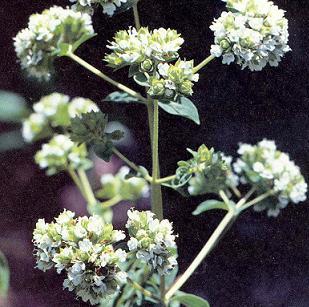
The compact plants form attractive mounds of soft gray-green foliage that release a pleasant spicy-sweet aroma when touched. Throughout summer, small white to pale pink flowers appear, attracting bees, butterflies, and other beneficial pollinators. Its tidy growth habit and fragrant foliage make Sweet Marjoram equally useful as both a culinary herb and an ornamental garden plant.
In the kitchen, Sweet Marjoram is widely used to flavor soups, stews, sauces, poultry, fish, vegetables, stuffing, egg dishes, sausages, and herbal vinegars. It is often considered an essential herb for Mediterranean cuisine and blends beautifully with thyme, basil, rosemary, sage, and oregano.
For generations, Sweet Marjoram has also been appreciated in herbal gardens, potpourris, and fragrant plantings. Its pleasant scent and ease of cultivation have made it one of the most popular herbs for container gardening and kitchen herb collections.
Uses and Benefits- Classic Mediterranean culinary herb.
- Sweet, mild flavor compared to oregano.
- Excellent for soups, sauces, poultry, and vegetables.
- Produces highly aromatic foliage.
- Beautiful compact growth habit.
- Attracts bees, butterflies, and beneficial insects.
- Excellent herb for drying and storage.
- Suitable for herb gardens and edible landscapes.
- Wonderful container herb.
- Useful in potpourri and fragrant garden plantings.
- Easy to grow and highly productive.
- Excellent companion plant in kitchen gardens.
Sweet Marjoram is a tender perennial in USDA Zones 9-11 and is commonly grown as an annual in colder climates.
Germination Instructions- Start seeds indoors 6-8 weeks before the last frost or sow outdoors after danger of frost has passed.
- Press seeds lightly onto the soil surface.
- Do not cover deeply, as light aids germination.
- Maintain temperatures between 65-75°F (18-24°C).
- Keep soil evenly moist during germination.
- Seeds typically germinate in 7-14 days.
- Provide bright light after seedlings emerge.
- Plant in full sun for best flavor and fragrance.
- Prefers well-drained soil.
- Avoid overwatering once established.
- Harvest frequently to encourage bushy growth.
- Cut stems before flowering for maximum flavor.
- Excellent for herb gardens, patio planters, and kitchen gardens.
- Can be dried easily for year-round use.
Sweet Marjoram is exceptionally well suited for containers and patio planters. Its naturally compact growth habit makes it ideal for herb pots, window boxes, and kitchen gardens. A container 8-12 inches deep with good drainage will support vigorous growth and provide a continuous harvest throughout the season.
Combining delightful fragrance, culinary excellence, pollinator appeal, and easy maintenance, Sweet Marjoram remains one of the finest herbs for home gardeners. Whether grown for fresh cooking, drying, pollinator support, or ornamental beauty, this classic herb is a rewarding addition to any garden.

Contact Us | Privacy Policy | About Us
Serving gardeners since 1992
State of Mississippi Seedmen's Permit #C-391, Ohio 90152, Minnesota 20086777