
Cantaloupes and Melon Seeds
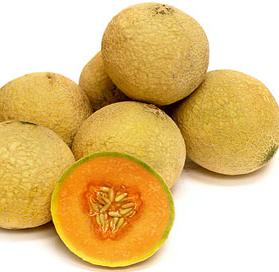
A premium personal-sized cantaloupe that produces exceptionally sweet, aromatic fruits packed with old-fashioned melon flavor. Bred for today's home gardeners, this vigorous hybrid develops compact, round melons weighing approximately 2 to 4 pounds—perfect for one or two servings without waste. Beneath the heavily netted rind lies deep salmon-orange flesh that is remarkably juicy, fragrant, and rich in natural sugars. With excellent disease resistance, dependable yields, and compact fruit size, Sugar Cube F1 has quickly become one of the finest small cantaloupes available.
Flavor Profile
Sugar Cube is exceptionally sweet with rich tropical notes, intense cantaloupe aroma, and incredibly juicy salmon-orange flesh. Its fine-grained texture practically melts in your mouth while delivering outstanding sweetness that rivals the finest farmers market melons. Harvested fully vine-ripened, the flavor is truly outstanding.
Growing Information
- Botanical Name: Cucumis melo
- Plant Type: Warm-season annual vine
- Fruit Size: 2–4 pounds
- Flesh Color: Deep Salmon Orange
- Rind: Heavy Tan Netting
- Sunlight: Full sun
- Soil: Rich, fertile, well-drained soil
- Soil pH: 6.0–6.8
- Days to Harvest: Approximately 75–80 days
Sow seeds directly after all danger of frost has passed, or start indoors 3 to 4 weeks early for transplanting. Space plants 24–36 inches apart with ample room for vines to spread. Provide consistent moisture during early growth, reducing irrigation slightly as fruits approach maturity to maximize sweetness. Sugar Cube performs well in traditional gardens, raised beds, black plastic mulch, and sturdy trellises with fruit support.
Harvest & Storage
Harvest when the melons develop a rich fragrance and naturally "slip" from the vine with gentle pressure. Fully vine-ripened fruits develop maximum sweetness and aroma. Refrigerate after harvest for several days of peak freshness, although the finest flavor is enjoyed soon after picking.
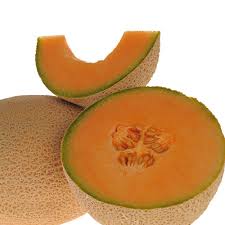
A premium western shipper-type cantaloupe developed for exceptional fruit size, rich flavor, and dependable garden performance. Producing large, beautifully netted melons with deep salmon-orange flesh, this outstanding hybrid delivers the sweet, juicy taste that gardeners expect from a first-class cantaloupe. Vigorous vines, excellent disease resistance, and strong yields make Yuma Grande an excellent choice for home gardens, market growers, and anyone looking to harvest beautiful, flavorful melons throughout the summer.
Flavor Profile
Yuma Grande produces exceptionally sweet, juicy flesh with the rich aroma and full-bodied cantaloupe flavor that defines a premium muskmelon. The deep orange flesh is firm yet tender, with a smooth texture that melts in your mouth. When harvested fully vine-ripened, the fruits develop outstanding sweetness balanced by refreshing juiciness.
Growing Information
- Botanical Name: Cucumis melo
- Plant Type: Warm-season annual vine
- Fruit Weight: 4–6 pounds
- Fruit Shape: Round to Slightly Oval
- Flesh Color: Deep Salmon Orange
- Rind: Heavy Tan Netting
- Sunlight: Full Sun
- Soil: Rich, fertile, well-drained soil
- Soil pH: 6.0–6.8
- Days to Harvest: Approximately 82–85 days
Sow seeds directly outdoors after all danger of frost has passed and soil temperatures reach at least 70°F, or start indoors 3 to 4 weeks before transplanting. Space plants 24 to 36 inches apart with 5 to 6 feet between rows to allow the vigorous vines room to spread. Consistent watering during vine growth is essential, but reducing irrigation slightly as fruits mature encourages maximum sugar production and richer flavor. Black plastic mulch and drip irrigation can further improve yields and fruit quality.
Harvest & Storage
Harvest when fruits develop a rich cantaloupe fragrance and naturally slip from the vine with gentle pressure. This "full-slip" stage indicates peak sweetness and flavor. Refrigerate harvested melons for several days of excellent storage while maintaining outstanding eating quality. Fully vine-ripened fruits provide the finest flavor.
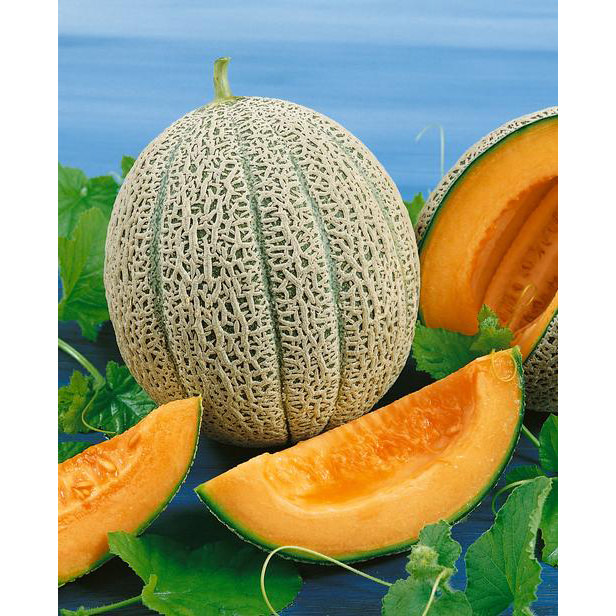
One of America's most beloved heirloom cantaloupes, treasured by gardeners since the 1920s for its exceptional sweetness, rich aroma, and dependable production. This classic variety produces beautifully netted, round fruits weighing 3 to 5 pounds with thick, deep salmon-orange flesh that is incredibly juicy and flavorful. Introduced during the golden age of home gardening, Hale's Best Jumbo quickly earned a reputation as one of the finest home garden cantaloupes ever developed, and it continues to be a favorite nearly a century later.
Flavor Profile
Hale's Best Jumbo produces exceptionally sweet, aromatic flesh with rich, old-fashioned cantaloupe flavor. The deep orange flesh is firm yet tender, incredibly juicy, and filled with fragrant tropical notes. Fully vine-ripened fruits develop remarkable sugar content that makes every bite refreshing and satisfying.
Growing Information
- Botanical Name: Cucumis melo
- Plant Type: Warm-season annual vine
- Fruit Weight: 3–5 pounds
- Fruit Shape: Round
- Flesh Color: Deep Salmon Orange
- Rind: Heavy Netting
- Sunlight: Full Sun
- Soil: Rich, fertile, well-drained soil
- Soil pH: 6.0–6.8
- Days to Harvest: Approximately 85–90 days
Sow seeds directly outdoors after all danger of frost has passed and soil temperatures have warmed above 70°F, or start indoors 3 to 4 weeks before transplanting. Space plants 24 to 36 inches apart with ample room for the vigorous vines to spread. Consistent moisture during early vine growth encourages healthy plants, while slightly reducing irrigation as fruits mature helps concentrate sugars for maximum sweetness. Full sun is essential for producing the finest quality melons.
Harvest & Storage
Harvest fruits when they develop a rich, sweet fragrance and naturally slip from the vine with gentle pressure. This "full-slip" stage signals peak ripeness and maximum sugar content. Refrigerate harvested melons for several days of excellent storage, although their finest flavor is enjoyed soon after picking.
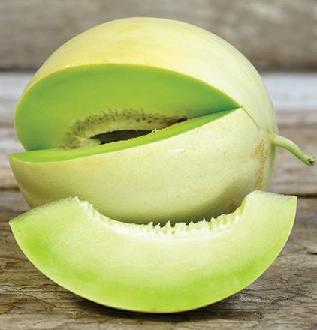
An improved honeydew variety developed by Texas A&M University to produce exceptionally sweet, smooth-skinned fruits with outstanding heat tolerance and dependable yields. This premium open-pollinated melon produces beautiful creamy-white to pale yellow rinds surrounding thick, emerald-green flesh that is incredibly juicy, crisp, and refreshingly sweet. Bred specifically for superior performance in hot climates while maintaining excellent flavor, TAM Honey Dew has become a favorite among southern gardeners and melon enthusiasts throughout the country.
Flavor Profile
TAM Honey Dew offers an exceptionally sweet, delicate flavor with subtle floral notes and a wonderfully crisp yet melting texture. The pale green flesh is incredibly juicy and refreshing without being overpowering. Fully vine-ripened fruits develop rich sweetness balanced by a clean, refreshing finish that makes honeydew one of the most enjoyable melons during the heat of summer.
Growing Information
- Botanical Name: Cucumis melo var. inodorus
- Plant Type: Warm-season annual vine
- Fruit Weight: 5–7 pounds
- Fruit Shape: Round to Slightly Oval
- Flesh Color: Emerald Green
- Rind: Smooth Creamy White Turning Pale Yellow at Maturity
- Sunlight: Full Sun
- Soil: Rich, fertile, well-drained soil
- Soil pH: 6.0–6.8
- Days to Harvest: Approximately 85–90 days
Sow seeds directly outdoors after all danger of frost has passed and soil temperatures have warmed above 70°F, or start indoors 3 to 4 weeks before transplanting. Space plants 24 to 36 inches apart with 5 to 6 feet between rows. Consistent watering during vine development encourages vigorous growth, while slightly reducing irrigation as fruits approach maturity helps maximize sweetness. Full sun and warm temperatures produce the finest quality melons.
Harvest & Storage
Unlike cantaloupes, honeydew melons do not naturally slip from the vine when ripe. Harvest when the rind changes from greenish-white to creamy ivory or pale yellow and develops a slight waxy feel. The blossom end should yield slightly to gentle pressure, and the fruit should emit a light, sweet fragrance. TAM Honey Dew stores exceptionally well under refrigeration, often maintaining excellent quality for two to three weeks.
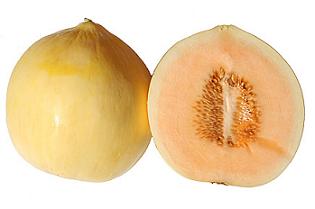
A classic heirloom winter melon prized for its enormous fruits, exceptional sweetness, and outstanding storage life. Unlike muskmelons and cantaloupes, Casaba develops a thick golden-yellow rind with creamy white flesh that becomes sweeter after harvest. Large fruits often weigh 8 to 12 pounds, with some growing even larger under ideal conditions. Its crisp, juicy texture and mild honey-like flavor have made Golden Beauty one of the finest heirloom Casaba melons for generations of gardeners.
Flavor Profile
Golden Beauty offers a delicate, honey-sweet flavor with subtle pear and tropical fruit notes. The creamy white flesh is crisp, juicy, and refreshing with a smooth texture that becomes even sweeter as the fruit fully matures. Unlike strongly aromatic cantaloupes, Casabas have a milder fragrance but reward growers with wonderfully refined flavor.
Growing Information
- Botanical Name: Cucumis melo var. inodorus
- Plant Type: Warm-season annual vine
- Fruit Weight: 8–12 pounds
- Fruit Shape: Oval to Slightly Elongated
- Flesh Color: Creamy White
- Rind: Bright Golden Yellow with Deep Ridges
- Sunlight: Full Sun
- Soil: Rich, fertile, well-drained soil
- Soil pH: 6.0–6.8
- Days to Harvest: Approximately 95–110 days
Sow seeds outdoors after all danger of frost has passed and soil temperatures reach at least 70°F, or start indoors 3 to 4 weeks before transplanting. Allow 3 to 4 feet between plants and 6 feet between rows, as the vigorous vines require plenty of room to spread. Maintain even moisture during vine growth and fruit development, then reduce watering slightly as harvest approaches to maximize sweetness. Long, warm growing seasons produce the finest quality fruits.
Harvest & Storage
Unlike cantaloupes, Casaba melons do not slip from the vine when ripe. Harvest when the rind develops a rich golden-yellow color and the blossom end softens slightly under gentle pressure. The fruit should feel heavy for its size and develop a mild sweet aroma. Golden Beauty is famous for its excellent storage life, often keeping for several weeks—and sometimes much longer—under cool, dry conditions while maintaining outstanding quality.
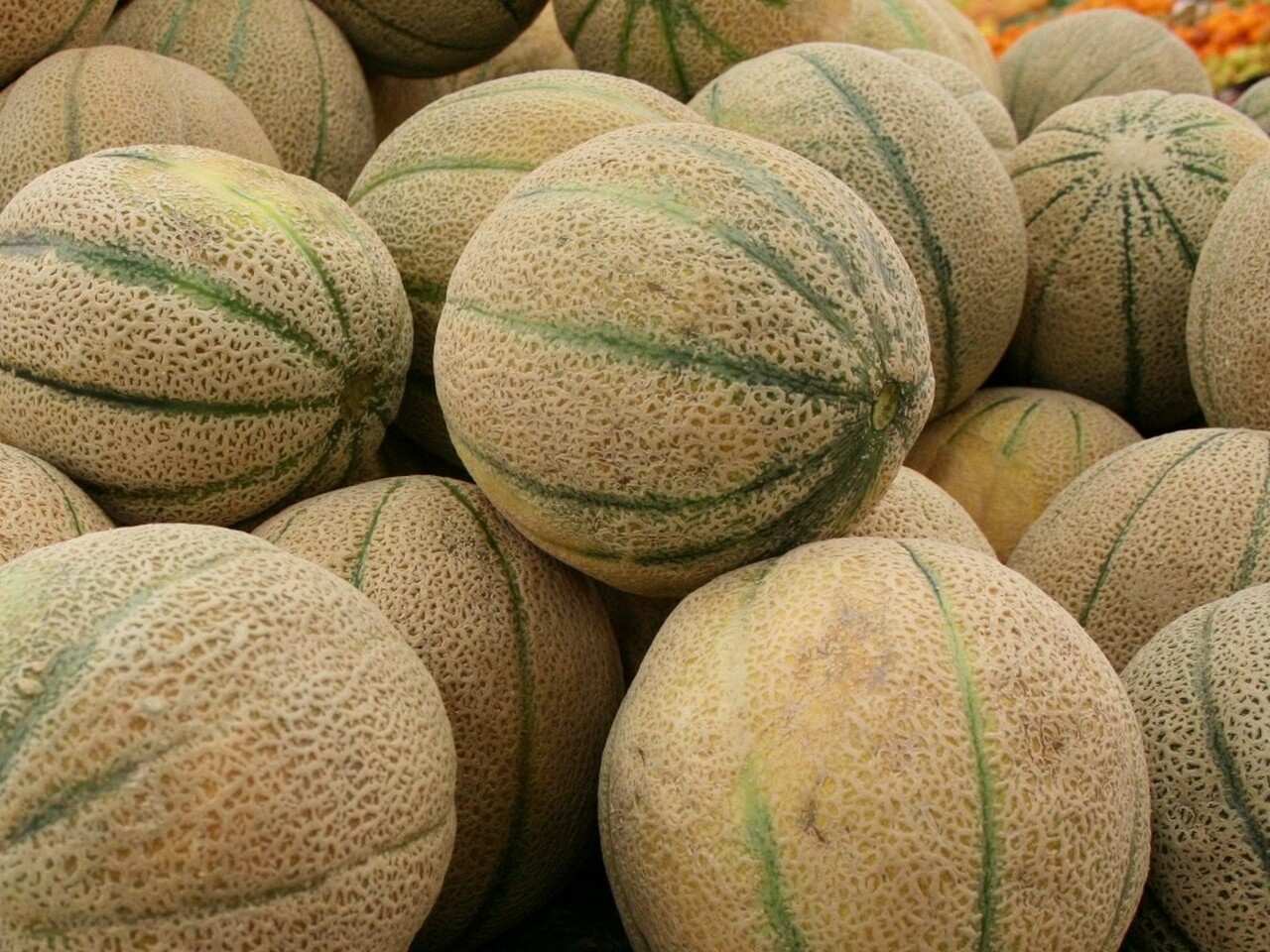
An award-winning heirloom muskmelon introduced by Cornell University in the 1940s and celebrated for its exceptional sweetness, rich aroma, and dependable garden performance. An All-America Selections Winner, this classic variety produces beautifully netted, round fruits weighing 5 to 7 pounds with thick, deep salmon-orange flesh that is remarkably juicy and flavorful. Combining vigorous vines, reliable yields, and old-fashioned cantaloupe taste, Iroquois has remained one of the finest home garden melons for generations.
Flavor Profile
Iroquois delivers classic old-fashioned cantaloupe flavor with exceptional sweetness, rich tropical aroma, and wonderfully juicy salmon-orange flesh. The texture is firm yet tender, providing the perfect balance between crispness and melt-in-your-mouth juiciness. Fully vine-ripened fruits develop an intense fragrance that signals peak sweetness.
Growing Information
- Botanical Name: Cucumis melo
- Plant Type: Warm-season annual vine
- Fruit Weight: 5–7 pounds
- Fruit Shape: Round
- Flesh Color: Deep Salmon Orange
- Rind: Heavy Tan Netting
- Sunlight: Full Sun
- Soil: Rich, fertile, well-drained soil
- Soil pH: 6.0–6.8
- Days to Harvest: Approximately 85–90 days
Sow seeds directly outdoors after all danger of frost has passed and soil temperatures have warmed above 70°F, or start indoors 3 to 4 weeks before transplanting. Space plants 24 to 36 inches apart with 5 to 6 feet between rows to accommodate the vigorous vines. Provide regular watering during vine growth and fruit development, reducing irrigation slightly as harvest approaches to encourage maximum sugar production. Full sun is essential for developing premium-quality melons.
Harvest & Storage
Harvest when the melons develop a rich fragrance and naturally slip from the vine with gentle pressure. This "full-slip" stage indicates maximum sweetness and peak eating quality. Refrigerate fruits after harvest for several days of excellent storage, although the finest flavor is always enjoyed shortly after picking.
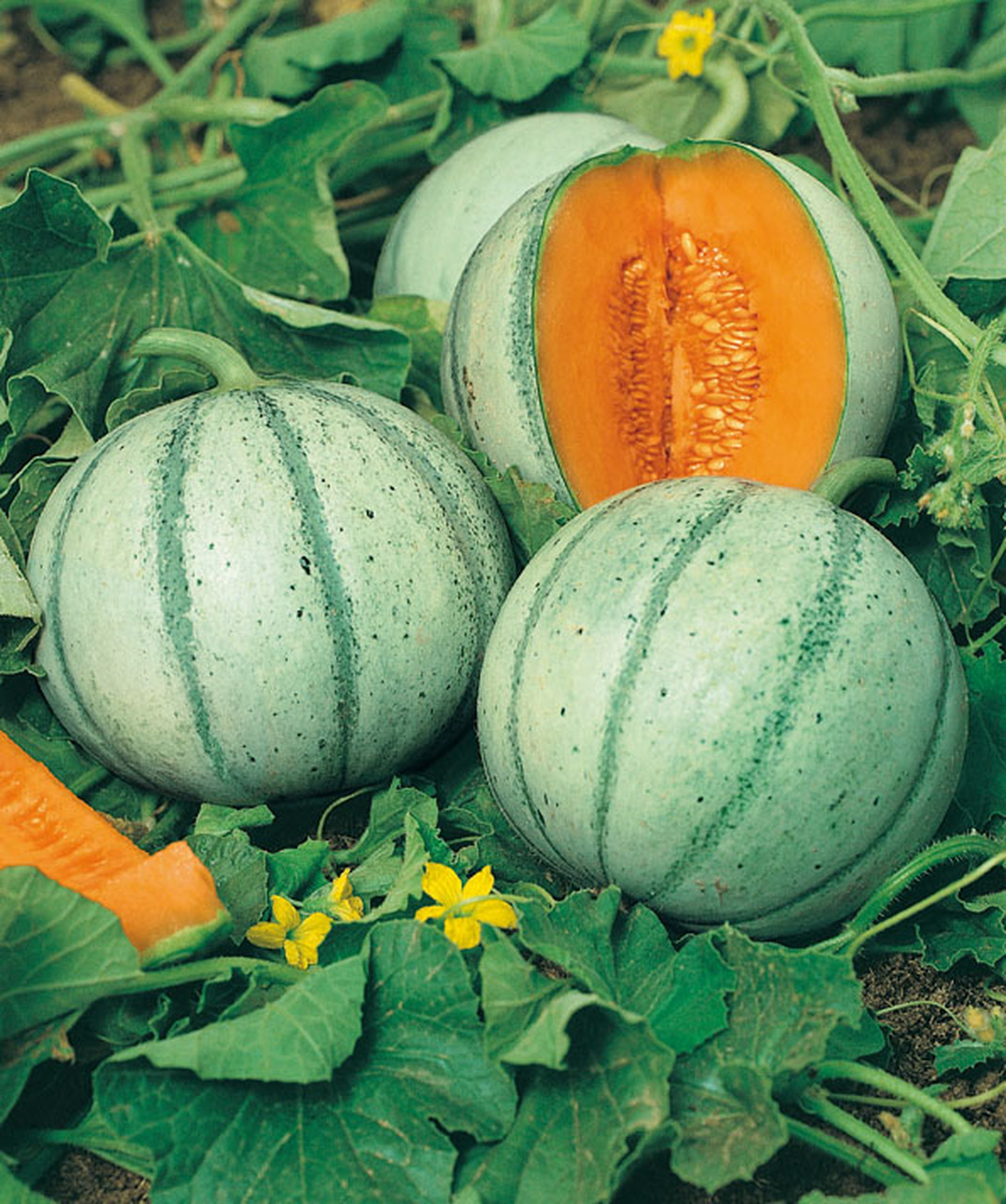
A premium eastern shipping-type cantaloupe developed for exceptional sweetness, vigorous vines, and dependable garden performance. This outstanding hybrid produces large, beautifully netted fruits with thick, deep salmon-orange flesh that is remarkably juicy and aromatic. Combining excellent disease resistance with strong yields and uniform fruit size, Aspire F1 has become an excellent choice for home gardeners and market growers seeking commercial-quality melons with outstanding fresh flavor.
Flavor Profile
Aspire F1 offers rich, classic cantaloupe flavor with exceptional sweetness, deep tropical aroma, and incredibly juicy salmon-orange flesh. The texture is firm yet smooth, providing excellent slicing quality while remaining tender enough to melt in your mouth. Fully vine-ripened fruits develop an intense fragrance that signals peak flavor.
Growing Information
- Botanical Name: Cucumis melo
- Plant Type: Warm-season annual vine
- Fruit Weight: 4–6 pounds
- Fruit Shape: Round to Slightly Oval
- Flesh Color: Deep Salmon Orange
- Rind: Heavy Tan Netting
- Sunlight: Full Sun
- Soil: Rich, fertile, well-drained soil
- Soil pH: 6.0–6.8
- Days to Harvest: Approximately 80–85 days
Sow seeds outdoors after all danger of frost has passed and soil temperatures reach at least 70°F, or start indoors 3 to 4 weeks before transplanting. Space plants 24 to 36 inches apart with 5 to 6 feet between rows to accommodate vigorous vine growth. Maintain consistent moisture during early growth and fruit development, reducing irrigation slightly as fruits near maturity to encourage maximum sugar production. Plenty of sunshine and warm weather produce the finest quality melons.
Harvest & Storage
Harvest when fruits develop their characteristic rich fragrance and naturally separate from the vine with gentle pressure. This "full-slip" stage indicates peak ripeness, sweetness, and aroma. Refrigerate harvested melons for several days of excellent storage while maintaining superb flavor and texture.
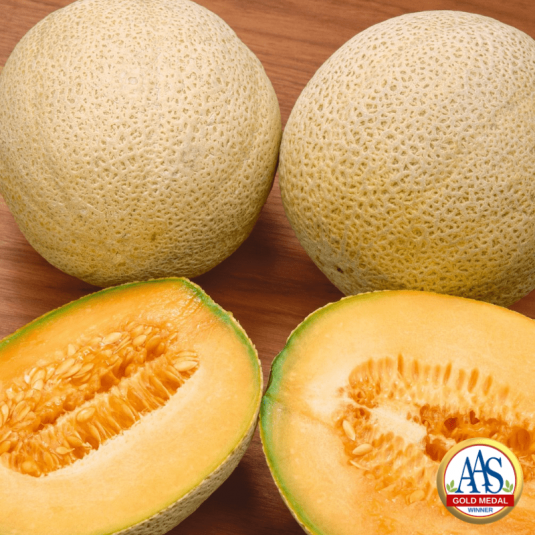
One of America's finest heirloom cantaloupes, renowned for its exceptional sweetness, heavy netted rind, and thick, deep orange flesh. Introduced during the early twentieth century as an improvement over older muskmelon varieties, Honey Rock quickly earned a reputation for producing remarkably flavorful fruits with dependable yields. The medium-sized melons typically weigh 3 to 5 pounds and offer rich aroma, outstanding sugar content, and juicy flesh that makes every summer harvest something special.
Flavor Profile
Honey Rock lives up to its name with exceptionally sweet, honey-rich flavor and a wonderfully fragrant aroma. The deep salmon-orange flesh is firm, incredibly juicy, and bursting with classic old-fashioned cantaloupe taste. Fully vine-ripened fruits develop remarkable sweetness balanced by refreshing acidity, creating one of the finest flavored heirloom melons available.
Growing Information
- Botanical Name: Cucumis melo
- Plant Type: Warm-season annual vine
- Fruit Weight: 3–5 pounds
- Fruit Shape: Round
- Flesh Color: Deep Salmon Orange
- Rind: Heavy Tan Netting
- Sunlight: Full Sun
- Soil: Rich, fertile, well-drained soil
- Soil pH: 6.0–6.8
- Days to Harvest: Approximately 80–85 days
Sow seeds directly outdoors after all danger of frost has passed and soil temperatures have warmed above 70°F, or start indoors 3 to 4 weeks before transplanting. Space plants 24 to 36 inches apart with 5 to 6 feet between rows to allow the vigorous vines room to spread. Maintain even soil moisture during vine growth and fruit development, then reduce watering slightly as harvest approaches to concentrate sugars and enhance flavor. Plenty of sunshine is essential for producing premium-quality melons.
Harvest & Storage
Harvest when the fruits develop their rich fragrance and naturally slip from the vine with gentle pressure. This "full-slip" stage indicates maximum sweetness and peak eating quality. Refrigerate harvested melons for several days of excellent storage, although they are at their absolute best when enjoyed shortly after picking.

An exceptional hybrid muskmelon developed to produce enormous, beautifully netted fruits without sacrificing the rich sweetness and aroma that gardeners expect from premium cantaloupes. Vigorous vines produce impressive melons commonly weighing 8 to 12 pounds, with thick, deep salmon-orange flesh that is remarkably juicy, firm, and intensely flavorful. Combining outstanding fruit size, excellent disease resistance, and dependable yields, SuperBig F1 is an outstanding choice for gardeners who want truly impressive harvests along with exceptional eating quality.
Flavor Profile
SuperBig F1 delivers rich, old-fashioned cantaloupe flavor with exceptional sweetness and an intense tropical fragrance. The deep orange flesh is thick, juicy, and wonderfully smooth, providing a perfect balance of sweetness and refreshing acidity. Fully vine-ripened fruits develop outstanding sugar content that rivals the finest heirloom cantaloupes.
Growing Information
- Botanical Name: Cucumis melo
- Plant Type: Warm-season annual vine
- Fruit Weight: 8–12 pounds
- Fruit Shape: Round to Slightly Oval
- Flesh Color: Deep Salmon Orange
- Rind: Heavy Tan Netting
- Sunlight: Full Sun
- Soil: Rich, fertile, well-drained soil
- Soil pH: 6.0–6.8
- Days to Harvest: Approximately 85–90 days
Sow seeds directly outdoors after all danger of frost has passed and soil temperatures have warmed above 70°F, or start indoors 3 to 4 weeks before transplanting. Space plants 30 to 36 inches apart with 6 feet between rows to provide ample room for the vigorous vines and large developing fruits. Consistent watering during vine growth encourages healthy plants, while reducing irrigation slightly as fruits mature helps concentrate sugars and maximize sweetness. Fertile soil enriched with compost produces the finest yields.
Harvest & Storage
Harvest when the fruits develop a rich cantaloupe aroma and naturally slip from the vine with gentle pressure. This "full-slip" stage signals peak ripeness and maximum sweetness. Refrigerate harvested melons for several days of excellent storage, although the finest flavor is always enjoyed fresh from the garden.
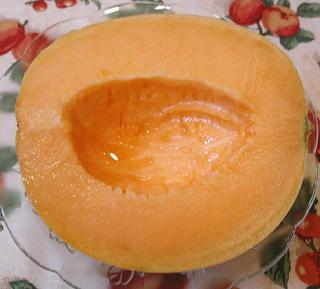
Combines the refreshing sweetness of traditional honeydew melons with the rich color and tropical flavor of premium cantaloupes. This outstanding specialty melon produces smooth, creamy-white rinds that ripen to a soft golden hue, surrounding thick, vibrant orange flesh that is exceptionally sweet, juicy, and aromatic. The vigorous vines produce generous harvests of medium to large fruits that offer the best qualities of both melon types—honeydew's crisp texture and outstanding keeping quality paired with the deep orange flesh and rich flavor of a cantaloupe.
Flavor Profile
The rich orange flesh is exceptionally sweet with delicate honey notes, hints of tropical fruit, and a refreshing finish. The texture is firm, crisp, and incredibly juicy, combining the refreshing qualities of honeydew with the rich sweetness often associated with premium cantaloupes. Fully ripened fruits develop an outstanding aroma and remarkable sugar content.
Growing Information
- Botanical Name: Cucumis melo var. inodorus
- Plant Type: Warm-season annual vine
- Fruit Weight: 5–7 pounds
- Fruit Shape: Round to Slightly Oval
- Flesh Color: Deep Orange
- Rind: Smooth Creamy White Turning Pale Gold at Maturity
- Sunlight: Full Sun
- Soil: Rich, fertile, well-drained soil
- Soil pH: 6.0–6.8
- Days to Harvest: Approximately 85–95 days
Sow seeds directly outdoors after all danger of frost has passed and soil temperatures reach at least 70°F, or start indoors 3 to 4 weeks before transplanting. Space plants 24 to 36 inches apart with 5 to 6 feet between rows. Maintain consistent moisture during vine growth and fruit development, reducing irrigation slightly as harvest approaches to maximize sweetness. Full sunshine and warm growing conditions produce the finest quality fruits.
Harvest & Storage
Unlike cantaloupes, Orange Flesh Honey Dew does not naturally slip from the vine when ripe. Harvest when the rind changes from greenish-white to creamy ivory or pale golden yellow and develops a slightly waxy appearance. The blossom end should yield slightly to gentle pressure and produce a mild, sweet fragrance. These melons store exceptionally well under refrigeration, often remaining fresh for several weeks.
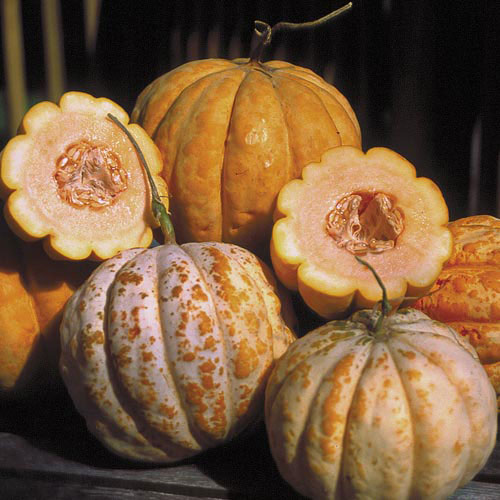
A classic French heirloom cantaloupe celebrated for its refined sweetness, rich fragrance, and exceptional gourmet quality. Its name translates to "Delight of the Table," a fitting description for a melon that has graced European gardens and markets for generations. Producing attractive, lightly ribbed fruits with beautifully aromatic salmon-orange flesh, this elegant variety offers an unforgettable balance of sweetness, juiciness, and old-world flavor. It is an excellent choice for gardeners who appreciate heirloom varieties and chefs seeking one of the finest dessert melons ever developed.
Flavor Profile
The flesh is exceptionally sweet with a rich floral aroma and delicate honey-like undertones. Deep salmon-orange in color, it is juicy, smooth, and wonderfully tender without becoming soft or watery. Fully vine-ripened fruits develop an intoxicating fragrance and complex sweetness that rivals the finest French market melons.
Growing Information
- Botanical Name: Cucumis melo
- Plant Type: Warm-season annual vine
- Fruit Weight: 2½–4 pounds
- Fruit Shape: Round to Slightly Flattened
- Flesh Color: Deep Salmon Orange
- Rind: Lightly Netted with Distinct Ribs
- Sunlight: Full Sun
- Soil: Rich, fertile, well-drained soil
- Soil pH: 6.0–6.8
- Days to Harvest: Approximately 80–90 days
Sow seeds directly outdoors after all danger of frost has passed and soil temperatures have warmed above 70°F, or start indoors 3 to 4 weeks before transplanting. Space plants 24 to 36 inches apart with 5 to 6 feet between rows. Provide consistent moisture during vine growth and fruit development, reducing irrigation slightly as harvest approaches to concentrate sugars. Rich soil, warm temperatures, and full sunshine produce the finest flavored melons.
Harvest & Storage
Harvest when fruits develop a rich perfume and naturally separate from the vine with gentle pressure. This "full-slip" stage indicates peak ripeness and maximum sweetness. While the fruits will store for several days under refrigeration, they are best enjoyed shortly after harvest when their aroma and flavor are at their peak.
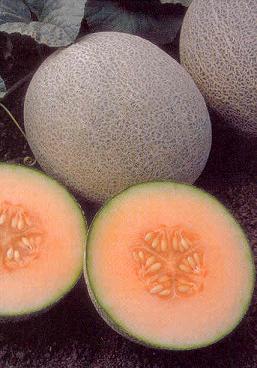
Ambrosia F1 Hybrid Melon has earned its reputation as one of the sweetest and most flavorful cantaloupes available to home gardeners. Named after the mythical "food of the gods," this premium hybrid consistently produces beautifully netted fruits with exceptionally thick, deep salmon-orange flesh that is remarkably juicy, fragrant, and rich in natural sugars. Vigorous vines, excellent disease resistance, and dependable yields make Ambrosia one of the most popular modern cantaloupes for home gardens, farmers markets, and gourmet kitchens alike.
Flavor Profile
Ambrosia produces exceptionally sweet, aromatic flesh with rich tropical flavor and a smooth, buttery texture. The deep salmon-orange flesh is incredibly juicy while remaining firm enough to slice beautifully. Fully vine-ripened fruits develop remarkable sugar content and an intense cantaloupe fragrance that fills the garden as harvest time approaches.
Growing Information
- Botanical Name: Cucumis melo
- Plant Type: Warm-season annual vine
- Fruit Weight: 5–6 pounds
- Fruit Shape: Round to Slightly Oval
- Flesh Color: Deep Salmon Orange
- Rind: Heavy Tan Netting
- Sunlight: Full Sun
- Soil: Rich, fertile, well-drained soil
- Soil pH: 6.0–6.8
- Days to Harvest: Approximately 82–86 days
Sow seeds directly outdoors after all danger of frost has passed and soil temperatures have warmed above 70°F, or start indoors 3 to 4 weeks before transplanting. Space plants 24 to 36 inches apart with 5 to 6 feet between rows to allow vigorous vines to spread freely. Provide regular watering throughout vine growth and fruit development, then reduce irrigation slightly during the final stages of ripening to encourage maximum sweetness. Rich soil and full sunshine produce the highest quality harvests.
Harvest & Storage
Harvest when fruits develop their characteristic rich fragrance and naturally separate from the vine with gentle pressure. This "full-slip" stage indicates peak ripeness, maximum sugar content, and optimum flavor. Refrigerate harvested melons for several days of excellent storage, although their finest flavor is enjoyed soon after harvest.
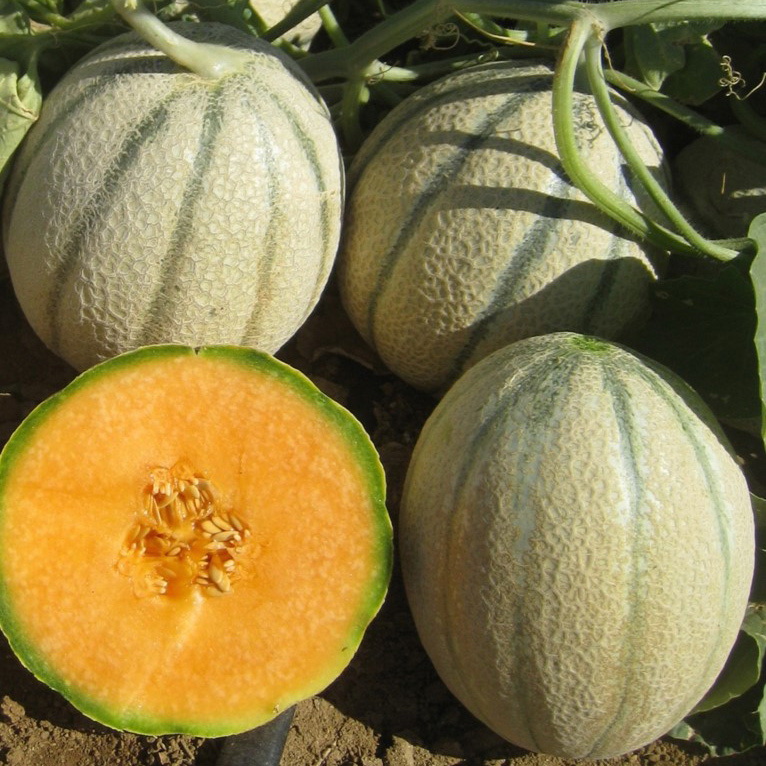
A premium hybrid cantaloupe developed to deliver exceptional sweetness, vigorous growth, and dependable harvests of beautifully netted fruits. Producing medium to large melons with thick, deep salmon-orange flesh, this outstanding hybrid combines rich old-fashioned cantaloupe flavor with modern disease resistance and outstanding garden performance. The vigorous vines yield uniform, attractive fruits packed with juicy sweetness, making Sweet America F1 an excellent choice for home gardeners, market growers, and anyone who appreciates truly vine-ripened melons.
Flavor Profile
Sweet America lives up to its name with remarkably sweet, juicy flesh and an intense cantaloupe aroma. The deep orange flesh is smooth, firm, and richly flavored with tropical notes that develop fully as the fruit ripens on the vine. Every bite delivers the classic refreshing taste that makes homegrown cantaloupes so memorable.
Growing Information
- Botanical Name: Cucumis melo
- Plant Type: Warm-season annual vine
- Fruit Weight: 4–6 pounds
- Fruit Shape: Round to Slightly Oval
- Flesh Color: Deep Salmon Orange
- Rind: Heavy Tan Netting
- Sunlight: Full Sun
- Soil: Rich, fertile, well-drained soil
- Soil pH: 6.0–6.8
- Days to Harvest: Approximately 82–85 days
Sow seeds directly outdoors after all danger of frost has passed and soil temperatures have warmed above 70°F, or start indoors 3 to 4 weeks before transplanting. Space plants 24 to 36 inches apart with 5 to 6 feet between rows to allow the vigorous vines room to spread. Maintain even soil moisture throughout vine growth and fruit development, reducing irrigation slightly as harvest approaches to encourage maximum sugar production. Full sunshine and fertile soil produce the sweetest harvests.
Harvest & Storage
Harvest when fruits develop a rich cantaloupe fragrance and naturally separate from the vine with gentle pressure. This "full-slip" stage signals peak ripeness and maximum sweetness. Refrigerate harvested melons for several days of excellent storage, though they are always at their finest when enjoyed shortly after picking.
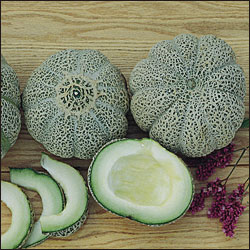
One of the most distinctive and historic heirloom muskmelons ever introduced to American gardens. First offered in the United States during the mid-1800s, this charming variety is instantly recognized by the unusual raised "button" or "turban" at the blossom end of each fruit. Beneath its beautifully netted rind lies thick, emerald to deep salmon-colored flesh (depending on strain) that is exceptionally sweet, juicy, and richly aromatic. Compact, productive vines and early maturity have made Jenny Lind a treasured favorite of home gardeners for well over 150 years.
Flavor Profile
Jenny Lind produces exceptionally sweet, juicy flesh with rich old-fashioned muskmelon flavor and a delightful floral aroma. The flesh is smooth, tender, and refreshing with hints of honey and tropical fruit. Fully vine-ripened melons develop an intense fragrance that has delighted gardeners for generations.
Growing Information
- Botanical Name: Cucumis melo
- Plant Type: Warm-season annual vine
- Fruit Weight: 1½–3 pounds
- Fruit Shape: Round with Distinctive Raised Blossom-End Button
- Flesh Color: Emerald Green to Deep Salmon Orange (depending on strain)
- Rind: Lightly Ribbed with Fine Netting
- Sunlight: Full Sun
- Soil: Rich, fertile, well-drained soil
- Soil pH: 6.0–6.8
- Days to Harvest: Approximately 70–80 days
Sow seeds directly outdoors after all danger of frost has passed and soil temperatures have warmed above 70°F, or start indoors 3 to 4 weeks before transplanting. Space plants 24 to 36 inches apart with 5 to 6 feet between rows. Consistent watering during vine growth encourages vigorous plants, while reducing irrigation slightly during the final stages of ripening helps maximize sweetness. Its relatively early maturity makes Jenny Lind an excellent choice for northern gardens.
Harvest & Storage
Harvest when fruits become highly fragrant and naturally separate from the vine with gentle pressure. This "full-slip" stage indicates maximum sweetness and flavor. Refrigerate harvested melons for several days, although the finest eating quality is enjoyed immediately after harvest while the fragrance is at its peak.
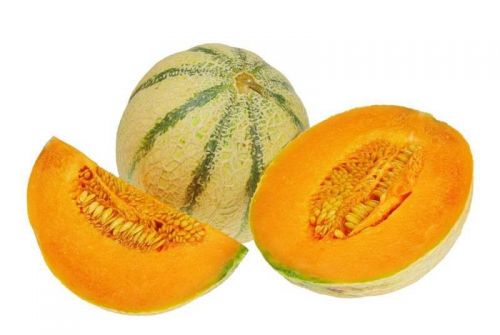
The legendary French gourmet cantaloupe that has long been considered the gold standard of dessert melons. Originating in the Poitou-Charentes region of western France during the early 1900s, this elegant heirloom produces small, beautifully ribbed fruits with smooth gray-green skin accented by darker green sutures. Beneath its attractive exterior lies deep salmon-orange flesh that is incredibly sweet, fragrant, and silky smooth. Revered by chefs and gourmet gardeners around the world, Charentais offers one of the richest, most complex melon flavors ever developed.
Flavor Profile
Charentais offers an extraordinarily rich, sweet flavor with delicate floral notes, hints of honey, tropical fruit, and an almost buttery finish. The deep orange flesh is remarkably juicy yet velvety smooth, producing an elegant balance of sweetness and fragrance that has made this variety famous throughout Europe. Many melon enthusiasts consider Charentais to be the finest tasting melon in the world.
Growing Information
- Botanical Name: Cucumis melo var. cantalupensis
- Plant Type: Warm-season annual vine
- Fruit Weight: 2–3 pounds
- Fruit Shape: Round
- Flesh Color: Deep Salmon Orange
- Rind: Smooth Gray-Green with Prominent Green Ribs
- Sunlight: Full Sun
- Soil: Rich, fertile, well-drained soil
- Soil pH: 6.0–6.8
- Days to Harvest: Approximately 78–85 days
Sow seeds directly outdoors after all danger of frost has passed and soil temperatures exceed 70°F, or start indoors 3 to 4 weeks before transplanting. Space plants 24 to 36 inches apart with 5 to 6 feet between rows. Maintain consistent moisture throughout vine growth, then reduce watering slightly as fruits near maturity to concentrate sugars. Warm days, cool nights, and full sunshine produce the finest flavored melons.
Harvest & Storage
Harvest when the fruit develops an intense perfume and begins to separate naturally from the vine. Charentais should be harvested fully ripe, as its remarkable flavor develops only at peak maturity. Unlike commercial shipping melons, Charentais is best enjoyed within a few days of harvest while its aroma and sweetness are at their absolute peak.
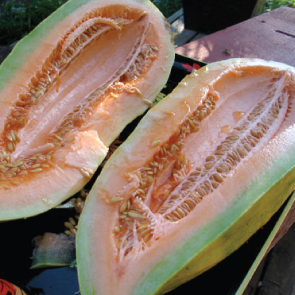
Banana Cantaloupe is one of the most unusual and fascinating heirloom melons ever introduced to the home garden. Dating back to the late 1800s, this remarkable variety produces enormous elongated fruits that resemble oversized bananas, often growing 18 to 24 inches long and weighing 5 to 9 pounds or more. Beneath its smooth golden-yellow rind lies thick, deep salmon-orange flesh that is exceptionally sweet, juicy, and richly aromatic. Combining unique appearance with outstanding eating quality, Banana Cantaloupe remains a favorite among heirloom enthusiasts and gardeners looking to grow something truly memorable.
Flavor Profile
Banana Cantaloupe produces wonderfully sweet, juicy flesh with rich tropical aroma and classic muskmelon flavor. The deep orange flesh is smooth, tender, and bursting with honey-like sweetness balanced by refreshing acidity. Fully vine-ripened fruits develop an intense fragrance that announces harvest time throughout the garden.
Growing Information
- Botanical Name: Cucumis melo
- Plant Type: Warm-season annual vine
- Fruit Weight: 5–9 pounds
- Fruit Length: 18–24 inches
- Fruit Shape: Long, Banana-Shaped
- Flesh Color: Deep Salmon Orange
- Rind: Smooth Golden Yellow
- Sunlight: Full Sun
- Soil: Rich, fertile, well-drained soil
- Soil pH: 6.0–6.8
- Days to Harvest: Approximately 90–95 days
Sow seeds directly outdoors after all danger of frost has passed and soil temperatures exceed 70°F, or start indoors 3 to 4 weeks before transplanting. Space plants 30 to 36 inches apart with 6 feet between rows to allow the vigorous vines ample room to spread. Consistent watering during vine growth promotes healthy development, while reducing irrigation slightly as fruits ripen encourages higher sugar content. Rich soil, warm temperatures, and full sunshine produce the finest quality melons.
Harvest & Storage
Harvest when the fruits develop a rich, sweet aroma and the rind turns a beautiful golden-yellow. Mature fruits should feel heavy for their size and yield slightly to gentle pressure near the blossom end. Refrigerate harvested melons for several days of excellent eating quality, although their finest flavor is enjoyed shortly after harvest.
A beloved heirloom muskmelon developed specifically for northern gardens and shorter growing seasons. Introduced by the University of Minnesota in the 1940s, this compact variety produces abundant crops of perfectly sized personal melons weighing approximately 1½ to 2 pounds. Beneath its finely netted rind lies thick, deep salmon-orange flesh that is remarkably sweet, juicy, and fragrant. Its early maturity, dependable productivity, and outstanding flavor have made Minnesota Midget one of the finest cantaloupes for home gardeners across North America.
Flavor Profile
Minnesota Midget delivers exceptionally sweet, aromatic flesh with classic old-fashioned cantaloupe flavor. The deep orange flesh is smooth, tender, and remarkably juicy, with rich honeyed sweetness and a refreshing tropical finish. Fully vine-ripened fruits develop an intense fragrance that rivals much larger melon varieties.
Growing Information
- Botanical Name: Cucumis melo
- Plant Type: Warm-season annual vine
- Fruit Weight: 1½–2 pounds
- Fruit Shape: Round
- Flesh Color: Deep Salmon Orange
- Rind: Fine Tan Netting
- Sunlight: Full Sun
- Soil: Rich, fertile, well-drained soil
- Soil pH: 6.0–6.8
- Days to Harvest: Approximately 65–70 days
Sow seeds directly outdoors after all danger of frost has passed and soil temperatures have warmed above 70°F, or start indoors 3 to 4 weeks before transplanting. Space plants 18 to 24 inches apart with 4 to 5 feet between rows. The compact vines require less space than most cantaloupes, making this variety ideal for raised beds and smaller gardens. Consistent watering during vine growth encourages healthy development, while reducing irrigation slightly as fruits ripen enhances sweetness.
Harvest & Storage
Harvest when the fruits develop a rich cantaloupe aroma and naturally slip from the vine with gentle pressure. This "full-slip" stage signals peak ripeness and maximum sweetness. Refrigerate harvested melons for several days, although they are at their very best when enjoyed fresh from the garden.
Oriental Melons
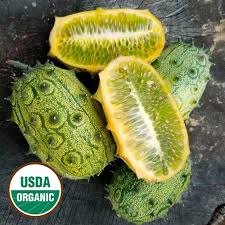
Also known as Kiwano, African Horned Melon, Horned Cucumber, or Blowfish Fruit, is one of the most exotic and eye-catching fruits a gardener can grow. Native to the Kalahari Desert region of southern Africa, this vigorous annual vine produces striking bright orange fruits covered with dramatic spines or "horns." Slice one open to reveal brilliant emerald-green, jelly-like flesh filled with edible seeds that offer a refreshing blend of cucumber, kiwi, banana, and lime flavors. Both highly ornamental and surprisingly delicious, Jelly Melon is a true conversation piece in the vegetable garden.
Why Grow This Variety
Jelly Melon is unlike anything else in the garden. The vigorous vines produce dozens of unusual fruits that remain attractive for months after harvest thanks to their exceptionally long storage life. The ornamental fruits are equally suited for fresh eating, decorative displays, and gourmet cooking. Heat tolerant, drought tolerant once established, and relatively easy to grow, Jelly Melon thrives during the hottest months of summer when many other crops begin to decline.
Flavor Profile
The translucent green flesh has a refreshing, mildly sweet flavor often described as a blend of cucumber, kiwi, lime, banana, and melon. The jelly-like pulp is juicy and crisp with edible seeds that provide a pleasant texture. Chilled fruits are especially refreshing during hot summer weather.
Growing Information
- Botanical Name: Cucumis metuliferus
- Plant Type: Warm-season annual vine
- Fruit Size: 4–6 inches long
- Fruit Weight: 8–16 ounces
- Rind Color: Green maturing to Brilliant Orange
- Flesh Color: Emerald Green
- Sunlight: Full Sun
- Soil: Fertile, well-drained soil
- Soil pH: 6.0–7.0
- Days to Harvest: Approximately 110–120 days
Sow seeds outdoors after all danger of frost has passed and soil temperatures reach at least 70°F, or start indoors 3 to 4 weeks before transplanting. Space plants 24 to 36 inches apart with sturdy trellises or allow vines to spread across the ground. The vines can easily grow 10 to 15 feet long under favorable conditions. Regular watering during establishment promotes vigorous growth, while mature plants tolerate periods of summer heat remarkably well.
Harvest & Storage
Harvest fruits after they turn from green to a rich golden-orange color. Mature fruits continue to ripen after harvest and possess one of the longest storage lives of any melon, often keeping for several months at room temperature without refrigeration. The longer the fruit matures, the sweeter and more complex its flavor becomes.
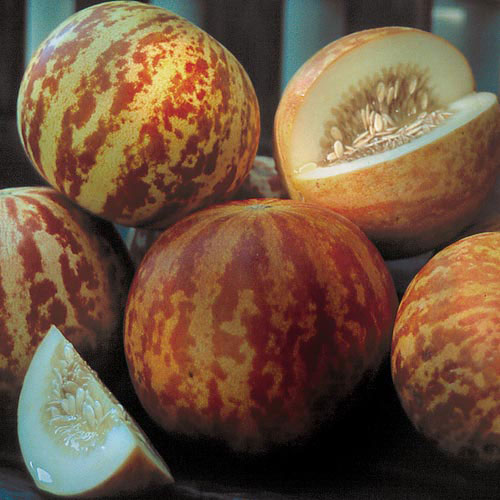
Tigger Melon is one of the most beautiful and distinctive heirloom melons ever grown. Native to Armenia and cultivated for centuries throughout the Middle East before becoming popular in Europe and North America, this remarkable variety produces small oval fruits with brilliant golden-orange skin dramatically striped with bright scarlet-red markings that resemble a tiger's coat. Beneath its colorful exterior lies crisp, creamy-white flesh with a wonderfully refreshing flavor that blends notes of honeydew, pear, cucumber, and tropical fruit. Equally prized for its ornamental beauty and delicious taste, Tigger Melon is certain to become one of the highlights of any summer garden.
Why Grow This Variety
Tigger Melon combines breathtaking appearance with excellent garden performance. The vigorous vines produce abundant harvests of attractive personal-sized fruits that ripen to vivid orange with bold crimson striping. Its exceptional ornamental value makes it as much a conversation piece as a food crop, while the crisp, refreshing flesh offers a unique flavor unlike traditional cantaloupes or honeydews. It is an outstanding heirloom for gardeners who enjoy growing unusual vegetables with rich history and exceptional beauty.
Flavor Profile
Tigger Melon offers a light, refreshing sweetness with delicate notes of honeydew, pear, cucumber, and tropical fruit. The creamy-white flesh is crisp, juicy, and mildly aromatic with a clean finish that makes it especially refreshing during hot summer weather. The flavor becomes sweeter as fruits reach full maturity on the vine.
Growing Information
- Botanical Name: Cucumis melo
- Plant Type: Warm-season annual vine
- Fruit Weight: 1–2 pounds
- Fruit Size: 5–7 inches long
- Fruit Shape: Oval
- Flesh Color: Creamy White
- Rind: Golden Orange with Brilliant Scarlet Stripes
- Sunlight: Full Sun
- Soil: Rich, fertile, well-drained soil
- Soil pH: 6.0–6.8
- Days to Harvest: Approximately 80–90 days
Sow seeds directly outdoors after all danger of frost has passed and soil temperatures exceed 70°F, or start indoors 3 to 4 weeks before transplanting. Space plants 24 to 36 inches apart with 5 to 6 feet between rows. The vigorous vines appreciate rich soil, consistent moisture during early growth, and full sunshine. Slightly reducing irrigation as fruits mature encourages maximum sweetness and vibrant coloration.
Harvest & Storage
Harvest when the fruits develop their brilliant orange background color with vivid red striping and emit a pleasant fruity aroma. Mature fruits should feel heavy for their size and yield slightly at the blossom end. Refrigerate after harvest for the best eating quality, although they are at their sweetest when enjoyed shortly after picking.

Contact Us | Privacy Policy | About Us
Serving gardeners since 1992
State of Mississippi Seedmen's Permit #C-391, Ohio 90152, Minnesota 20086777