
Bee Balm ( Monarda ) Seeds
It is deer resistant, easy to grow and will attract pollinators like bees, butterflies and hummingbirds to your garden. We have noticed that hummingbirds in particular seem to love this plant when in full bloom.
Pick bee balm flowers in summer as they appear. You can cut whole stems of bee balm to enjoy the flowers in a vase. Pick flowers for drying just before they open. You can also use fresh flowers as a garnish for green salads, fruit salads, cakes, or preserves. The aromatic leaves serve as a substitute for mint and can be dried for tea. Dried leaves and flowers are also useful in sachets and potpourri.
Grows best in full sun but will tolerate light shade. Plants thrive in any moist soil that is rich in organic matter such as manure, compost, or leaf mold.
Fertilize in the spring with a good all purpose plant food.
Be sure to allow for good air circulation around plants to prevent attacks from powdery mildew which is a common ailment for this plant if packed in too tight with other plants.
You can stimulate a second flowering in the same year by cutting the flowers right after they finish blooming.
In the fall, prune the plants to within an inch of the ground. Plants should be divided every 3 years to keep them looking tidy. Dig up the root clump in the early spring, discard the older, inner portions, divide the remaining parts and re-plant the new divisions 12 to 15 inches apart.
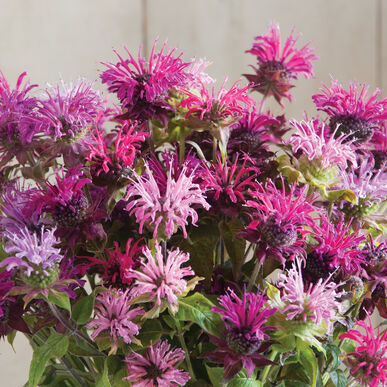
Produces a dazzling display of vibrant blooms in shades of red, rose, pink, lavender, and white, creating a spectacular show of color from mid-summer into early fall. This improved mixture combines the beauty of traditional Bee Balm with a compact, well-branched habit that performs exceptionally well in garden beds, pollinator plantings, and even large containers.
Few flowers can match Bee Balm's ability to attract wildlife. The unusual, shaggy blossoms are irresistible to bees, butterflies, hummingbirds, and other beneficial pollinators, transforming the garden into a lively habitat filled with activity. The nectar-rich flowers provide an important food source during the heat of summer when many other plants have finished blooming.
In addition to its pollinator value, Bee Balm is prized for its fragrant foliage, long-lasting flowers, and usefulness as a cut flower. The colorful blooms make excellent additions to fresh bouquets and cottage garden arrangements. Plants form attractive clumps that provide months of color and garden interest.
As a member of the mint family, Bee Balm has a pleasant aromatic fragrance and has long been grown in herb gardens, pollinator gardens, and traditional cottage landscapes. The colorful flowers create a dramatic display whether planted in borders, mass plantings, meadow gardens, or decorative containers.
Uses and Benefits- Produces vibrant flowers in shades of red, pink, lavender, rose, and white.
- One of the best flowers for attracting hummingbirds.
- Excellent nectar source for bees and butterflies.
- Provides long-lasting summer color.
- Outstanding cut flower for fresh bouquets.
- Suitable for pollinator gardens and wildlife habitats.
- Fragrant foliage adds additional garden interest.
- Excellent for cottage gardens and perennial borders.
- Beautiful in large patio containers.
- Useful in naturalized and meadow-style plantings.
- Easy to grow and dependable year after year.
Bee Balm is a hardy perennial in USDA Zones 4-9.
Germination Instructions- Start seeds indoors 6-8 weeks before the last frost or sow outdoors after danger of frost has passed.
- Sow seeds on the surface of the soil and press lightly into place.
- Do not cover deeply, as light aids germination.
- Maintain temperatures of 65-75°F (18-24°C).
- Keep soil consistently moist during germination.
- Seeds typically germinate in 10-21 days.
- Transplant seedlings after they have developed several true leaves.
- Plant in full sun to partial shade.
- Prefers fertile, moisture-retentive, well-drained soil.
- Provide good air circulation around plants.
- Deadhead spent blooms to extend flowering.
- Divide mature clumps every few years to maintain vigor.
- Excellent for pollinator gardens and hummingbird plantings.
With its brilliant colors, fragrant foliage, long blooming season, and unmatched ability to attract hummingbirds, bees, and butterflies, Bee Balm Panorama Mix is one of the finest flowers for creating a vibrant, wildlife-friendly garden.
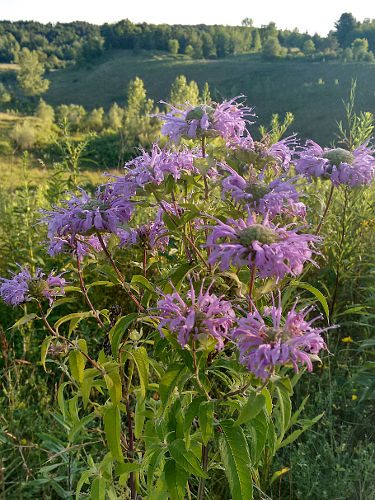
Sometimes called Mint Leaf Bee Balm, this native to eastern North America and the plains, and it is easy to grow from seeds and it multiplies quickly.
It can be found naturally along riverbanks and enjoys this rich, organic, moist soil. However, it will grow in average soil as well. Full sun is best, but light shade is tolerated. Plants tend to spread more quickly in the shade. Most Monarda herbs multiply rapidly either by underground stems or freely sowing their own flower seed. In order to keep plants healthy and vigorous, they should be divided at least every three years in the spring. Deadheading spent blooms will prolong the bloom time.
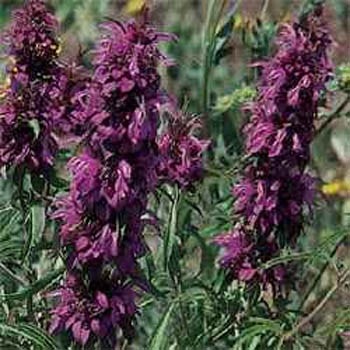
Also known as Lemon Bee Balm or Purple Horsemint, is one of the most striking and useful members of the Monarda family. This beautiful annual wildflower produces unique tiers of lavender-purple flower bracts topped with clusters of nectar-rich blooms that create an eye-catching display from summer through fall.
The aromatic foliage releases a delightful citrus fragrance when brushed or crushed, making Lemon Mint a favorite for herb gardens, pollinator plantings, cottage gardens, and patio containers. The combination of colorful flowers and lemon-scented leaves provides months of beauty, fragrance, and wildlife activity.
Few plants can rival Lemon Mint's ability to attract pollinators. The blossoms are highly attractive to bees, butterflies, hummingbirds, and other beneficial insects, making it an outstanding choice for wildlife-friendly gardens. During peak bloom, plants often become a focal point of pollinator activity.
Native to the central and southern United States, Lemon Mint is heat tolerant, drought resistant once established, and well adapted to a wide range of growing conditions. Its upright growth habit and colorful flower spikes make it equally impressive in containers, borders, meadow plantings, and naturalized landscapes.
Uses and Benefits- Produces distinctive lavender-purple flower clusters.
- One of the best flowers for attracting bees and butterflies.
- Highly attractive to hummingbirds.
- Fragrant lemon-scented foliage.
- Excellent pollinator and wildlife plant.
- Useful companion plant in vegetable and herb gardens.
- Beautiful cut flower for fresh arrangements.
- Suitable for dried flower displays.
- Excellent for native wildflower gardens.
- Thrives in containers and patio gardens.
- Tolerates heat and summer drought.
- Historically used in herbal tea blends.
Lemon Mint is typically grown as an annual in all USDA Zones, although it readily reseeds in favorable conditions.
Germination Instructions- Sow seeds indoors 6-8 weeks before the last frost or directly outdoors after danger of frost has passed.
- Press seeds lightly into the soil surface.
- Do not cover deeply, as light aids germination.
- Maintain temperatures between 65-75°F (18-24°C).
- Keep soil lightly moist during germination.
- Seeds typically germinate in 10-21 days.
- Provide bright light after seedlings emerge.
- Plant in full sun for best flowering.
- Prefers well-drained soil.
- Drought tolerant once established.
- Excellent for pollinator gardens and native plantings.
- Deadheading can extend the flowering season.
- Allow some flowers to mature if reseeding is desired.
Combining beautiful purple blooms, fragrant lemon-scented foliage, exceptional pollinator value, and outstanding heat tolerance, Lemon Mint is one of the finest wildflowers for creating a colorful, wildlife-friendly garden. Whether planted in containers, borders, or meadow-style plantings, it delivers months of beauty and activity throughout the growing season.

Contact Us | Privacy Policy | About Us
Serving gardeners since 1992
State of Mississippi Seedmen's Permit #C-391, Ohio 90152, Minnesota 20086777