
Jim's Moringa Seed Page
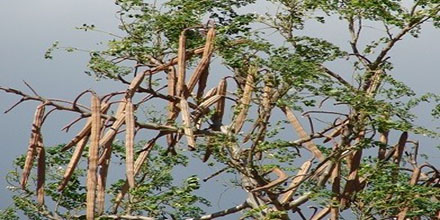
Moringa oleifera, commonly known as the Horseradish Tree, Drumstick Tree, Ben Oil Tree, or Miracle Tree, is one of the most useful and versatile plants ever cultivated. Native to the foothills of the Himalayas in northern India, it has spread throughout tropical and subtropical regions of the world where it is prized for its exceptional nutritional value, rapid growth, and remarkable drought tolerance. Under favorable conditions, young trees may grow 10 to 15 feet during their first year and eventually reach 25 to 40 feet in height, making them an excellent choice for warm-climate food forests, edible landscapes, and permaculture gardens.
Nearly every part of the tree has a practical use. The tender leaves are harvested year-round and eaten fresh in salads or cooked like spinach. Rich in protein, calcium, potassium, iron, vitamins A and C, and other essential nutrients, moringa leaves have become an important food source in many developing countries where they help supplement diets lacking fresh vegetables. The immature seed pods, commonly called "drumsticks," are widely used in curries, soups, and vegetable dishes throughout India, Southeast Asia, and Africa, while the flowers are edible and may be cooked or added to salads. Even the young seeds can be cooked, and mature seeds may be roasted much like peanuts or pressed to produce a premium edible oil known as Ben Oil, valued for its mild flavor, stability, and resistance to rancidity.
Moringa has earned worldwide recognition as an important crop in regions where food security is a continuing challenge. Because the tree continues producing nutritious foliage during periods of drought when many other vegetables fail, it provides a dependable source of vitamins, minerals, and protein for families throughout Africa, Asia, and other tropical regions. Dried moringa leaf powder is frequently added to soups, porridges, sauces, and baked foods to improve nutrition, particularly for children, nursing mothers, and communities where malnutrition remains a serious concern. This remarkable ability to produce abundant, highly nutritious food under difficult growing conditions has led many organizations to promote moringa as a sustainable crop for improving food security.
One of the tree's most fascinating characteristics is the remarkable ability of its mature seeds to help clarify muddy water. When dried seeds are shelled, crushed into a fine powder, and mixed into turbid water, naturally occurring proteins act as coagulants, causing suspended particles and many bacteria to clump together into larger particles that settle to the bottom. This simple process has been used in many rural communities where conventional water treatment chemicals are unavailable or prohibitively expensive. While this traditional treatment greatly improves water clarity and reduces many contaminants, properly treated water should still be disinfected or boiled before drinking whenever its safety is uncertain.
Beyond its value as a food crop, moringa has numerous agricultural and household uses. The leaves make highly nutritious livestock feed, the seed cake remaining after oil extraction is used as fertilizer and soil conditioner, the flowers provide an excellent nectar source for honeybees, and the tree itself serves as an attractive ornamental and shade tree. Its rapid growth and ability to thrive in hot, dry climates have made it increasingly popular with gardeners interested in self-sufficiency, edible landscaping, and sustainable agriculture.
Moringa is easy to grow from seed in frost-free climates. Sow seeds directly outdoors after all danger of frost has passed and soil temperatures have warmed, planting them about 1 inch deep in well-drained soil. Germination typically occurs within 7 to 14 days. Young plants grow rapidly in full sun and require surprisingly little care once established. Although highly drought tolerant, regular watering during the first growing season encourages faster growth and more abundant leaf production. In colder climates, moringa may be grown as a fast-growing annual or in large containers that can be protected from freezing temperatures during winter.
Whether grown for its highly nutritious leaves, edible pods, beneficial seeds, ornamental beauty, or its remarkable history as one of the world's most valuable multipurpose trees, Moringa oleifera is truly one of nature's most extraordinary plants. Few other species can match its combination of rapid growth, outstanding nutritional value, drought resistance, and practical usefulness, making it a fascinating and rewarding addition to gardens throughout warm regions of the world.

Contact Us | Privacy Policy | About Us
Serving gardeners since 1992
State of Mississippi Seedmen's Permit #C-391, Ohio 90152, Minnesota 20086777