
Onion Seeds
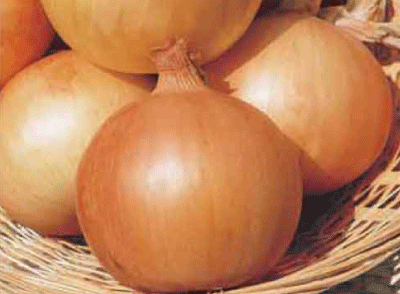
One of America's most famous sweet onions, developed by Texas A&M University to produce exceptionally large, mild, juicy bulbs with very little pungency. Named for its ideal planting date of October 15 ("10-15"), this celebrated short-day variety has become the standard sweet onion for Southern gardens. Producing beautiful golden-yellow bulbs that often approach one pound or more, Texas Grano 1015Y is prized for its crisp texture, outstanding sweetness, and versatility in the kitchen.
Introduction
If you enjoy sweet onions like Vidalia®, you'll love Texas Grano 1015Y. This variety was specifically bred to combine large bulb size, excellent disease resistance, and remarkably mild flavor. Its high sugar content and low pungency make it perfect for eating fresh, while vigorous plants produce dependable harvests throughout the southern growing regions. It's no surprise that Texas SuperSweet has become one of the most widely grown short-day onions in America.
Flavor & Culinary Uses
Texas Grano 1015Y is celebrated for its crisp, juicy texture and outstanding sweetness with very little bite. It's exceptional sliced thick onto hamburgers and sandwiches, chopped into fresh salads, grilled whole, roasted, sautéed, or caramelized. Because of its naturally mild flavor, it's also one of the best onions for eating fresh without overpowering other ingredients. :contentReference[oaicite:2]{index=2}
Growing Information
Texas Grano 1015Y is a short-day onion that performs best in the southern United States, where mild winters allow bulbs to develop properly. Plant in fertile, well-drained soil with full sun and consistent moisture. Like most sweet onions, it is best enjoyed fresh rather than stored for extended periods.
- Botanical Name: Allium cepa
- Plant Type: Short-day bulb onion
- Days to Maturity: 100–110 days
- Bulb Size: Large, often 1 pound or more
- Sun Requirements: Full sun
- Spacing: 4–6 inches
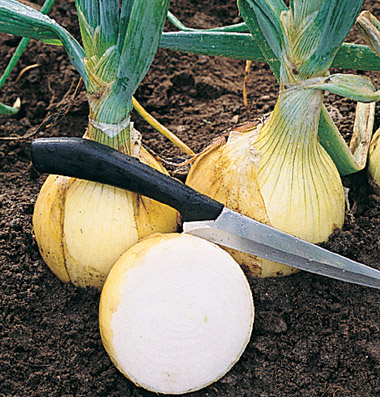
A legendary Scottish heirloom famous for producing enormous, globe-shaped onions with exceptionally sweet, mild flavor. Introduced in the late 1800s and named after the distinctive granite island of Ailsa Craig off the coast of Scotland, this exhibition-quality variety has become a favorite among home gardeners and competitive growers alike. Its impressive size, tender white flesh, and outstanding sweetness make it one of the finest onions for fresh slicing and summer harvests.
Introduction
If you've ever admired giant onions at a county fair or garden show, there's a good chance they were Ailsa Craig. Under good growing conditions, these beautiful golden onions commonly reach 2 to 5 pounds, with exceptional specimens growing even larger. Despite their impressive size, the bulbs remain remarkably mild and juicy, making them perfect for fresh eating. Their dependable performance and outstanding flavor have kept this heirloom in gardens around the world for well over a century.
Flavor & Culinary Uses
Ailsa Craig is prized for its crisp, juicy flesh and remarkably mild sweetness. Thick slices are delicious on hamburgers, sandwiches, salads, and fresh vegetable trays. The bulbs are equally excellent grilled, roasted, caramelized, or used in soups and casseroles. Because of their high sugar content and low pungency, they're among the finest onions for eating fresh.
Growing Information
Ailsa Craig is a long-day onion that performs best in northern and intermediate growing regions where long summer days encourage maximum bulb development. Plant in fertile, loose, well-drained soil with full sun and consistent moisture. Rich soil and regular watering are the keys to producing the giant bulbs this variety is famous for. Harvest when the tops naturally fall over and cure bulbs thoroughly before storing.
- Botanical Name: Allium cepa
- Plant Type: Long-day bulb onion
- Days to Maturity: 105–120 days
- Bulb Size: Very large, often 2–5 pounds
- Sun Requirements: Full sun
- Spacing: 4–6 inches
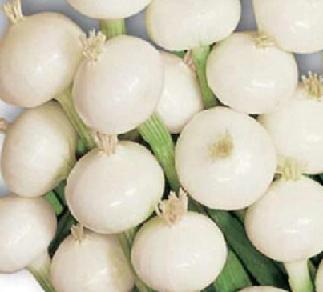
A classic Italian heirloom prized for its small, perfectly round white bulbs and exceptionally sweet, mild flavor. Often called the "Pickling Onion," Barletta has long been considered the gold standard for home pickling, producing uniform pearl-sized onions that are as attractive as they are delicious. Beyond pickling, these crisp little onions are excellent fresh, roasted whole, or served alongside gourmet meals, making Barletta one of the most versatile onions a gardener can grow.
Introduction
Barletta has delighted gardeners for generations with its dependable harvests of beautiful snow-white bulbs. The compact plants mature quickly and produce dozens of perfectly shaped onions that require little trimming or preparation. While famous for homemade pickled onions, Barletta is equally enjoyable harvested young as green onions or allowed to mature into sweet pearl onions that add elegance to countless recipes.
Flavor & Culinary Uses
Barletta offers a crisp texture and remarkably mild, sweet flavor with very little sharpness. It is the premier choice for pickling, but is also outstanding roasted whole, glazed, grilled, creamed, or added to stews and vegetable dishes. Young plants may be harvested as scallions, while mature pearl onions make elegant additions to holiday meals and gourmet recipes.
Growing Information
Barletta grows best in fertile, well-drained soil with full sun and consistent moisture. It matures quickly and performs well in a wide range of climates. Sow directly in the garden or start indoors for earlier harvests. Closely spaced plants produce the small pearl onions this variety is famous for, while slightly wider spacing allows bulbs to grow somewhat larger.
- Botanical Name: Allium cepa
- Plant Type: Bulb onion
- Days to Maturity: 90–100 days
- Bulb Size: Small pearl onion
- Sun Requirements: Full sun
- Spacing: 2–4 inches
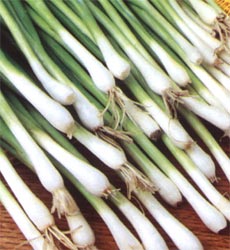
A premium Japanese bunching onion renowned for its long, slender white stalks, crisp texture, and exceptionally mild flavor. Unlike bulb-forming onions, Ishikura grows as a non-bulbing variety, producing elegant, thick white stems topped with lush green leaves that are harvested much like scallions. Highly productive, cold hardy, and remarkably easy to grow, this heirloom has become a favorite among gardeners and chefs for its continuous harvests and outstanding versatility in the kitchen.
Introduction
Ishikura is one of the finest bunching onions available for home gardens. Instead of forming a bulb, the plant directs its energy into producing long, tender white shanks and fresh green tops that can be harvested over an extended season. The upright plants are attractive, vigorous, and capable of producing multiple harvests, making them an excellent choice for gardeners who enjoy having fresh onions available whenever they're needed.
Flavor & Culinary Uses
Ishikura has a mild, sweet onion flavor that is less pungent than traditional bulb onions. Both the white stalks and green tops are edible and delicious fresh in salads, sandwiches, tacos, baked potatoes, and dips. They are equally excellent in stir-fries, soups, omelets, noodle dishes, grilled recipes, and countless Asian-inspired meals where their delicate flavor enhances rather than overpowers other ingredients.
Growing Information
Ishikura thrives in fertile, well-drained soil with full sun and regular moisture. Sow seeds directly in the garden from early spring through late summer for successive harvests. Plants may be harvested individually or allowed to continue growing for larger stalks. Hilling soil around the stems as they develop produces longer, tender white shanks prized by chefs and home gardeners alike.
- Botanical Name: Allium fistulosum
- Plant Type: Perennial bunching onion (commonly grown as an annual)
- Days to Maturity: 60–70 days
- Plant Height: 18–24 inches
- Sun Requirements: Full sun
- Spacing: 2–4 inches
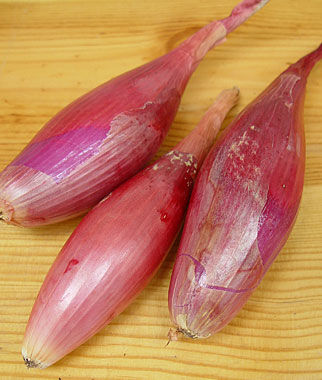
A beautiful Italian heirloom celebrated for its distinctive elongated shape, vibrant reddish-purple skin, and exceptionally sweet, mild flavor. Originating in the fertile gardens of southern Italy, this gourmet onion has become a favorite among chefs and home gardeners alike. Its crisp white flesh, attractive appearance, and outstanding versatility make Red Torpedo an excellent choice for fresh eating, grilling, roasting, and specialty culinary dishes.
Introduction
Unlike the familiar round onion, Red Torpedo produces elegant, football-shaped bulbs that taper gracefully at each end. The striking red skin and elongated form make it one of the most attractive onions in the garden and on the dinner table. Easy to grow and highly productive, this heirloom develops excellent sweetness while maintaining a crisp texture that makes it ideal for both fresh and cooked dishes.
Flavor & Culinary Uses
Red Torpedo is prized for its crisp, juicy texture and delicate sweetness. Thin slices are delicious on sandwiches, burgers, salads, and charcuterie boards, while the elongated bulbs grill and roast beautifully, becoming even sweeter as they cook. They are also excellent for caramelizing, pickling, sautéing, and adding rich flavor to Mediterranean and Italian recipes.
Growing Information
Red Torpedo grows best in fertile, well-drained soil with full sun and consistent moisture. Plant in early spring in northern regions or during fall in areas suited to overwintering onions. Keep beds free of weeds and provide regular watering during bulb development. Harvest once the tops naturally begin to fall and allow bulbs to cure thoroughly before storage.
- Botanical Name: Allium cepa
- Plant Type: Bulb onion
- Days to Maturity: 100–110 days
- Bulb Size: Medium to large, elongated
- Sun Requirements: Full sun
- Spacing: 4–6 inches
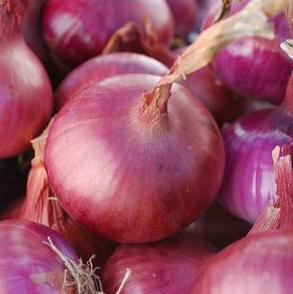
One of America's oldest and most respected heirloom onions, dating back to the early 1800s. Originally developed near Wethersfield, Connecticut, this historic variety became the standard red storage onion for generations of farmers and home gardeners. Its large, flattened globe-shaped bulbs feature deep purplish-red skin, crisp white flesh tinged with red, and a rich, full-bodied onion flavor. Renowned for its excellent keeping qualities, Red Wethersfield remains a favorite for gardeners who value dependable harvests and long winter storage.
Introduction
For well over two centuries, Red Wethersfield has earned its place as one of the finest heirloom onions ever introduced. The vigorous plants produce large, attractive bulbs that mature uniformly and store exceptionally well after curing. While many sweet onions are intended for immediate use, Red Wethersfield was bred to provide flavorful onions throughout the winter months, making it an essential crop for traditional kitchen gardens and homesteads.
Flavor & Culinary Uses
Red Wethersfield offers a rich, well-balanced onion flavor that is stronger than sweet onions while remaining pleasantly mild when cooked. Fresh slices add color and flavor to salads, sandwiches, and burgers, while the bulbs are outstanding for sautéing, roasting, soups, stews, casseroles, and caramelizing. Its excellent storage qualities make it a dependable all-purpose kitchen onion throughout the year.
Growing Information
Red Wethersfield performs best in fertile, well-drained soil with full sun and regular moisture during the growing season. Plant in early spring in northern regions or according to your local onion-growing season. Allow the tops to fall naturally before harvesting, then cure bulbs thoroughly in a warm, well-ventilated location to maximize storage life.
- Botanical Name: Allium cepa
- Plant Type: Bulb onion
- Days to Maturity: 100–115 days
- Bulb Size: Large, flattened globe
- Sun Requirements: Full sun
- Spacing: 4–6 inches
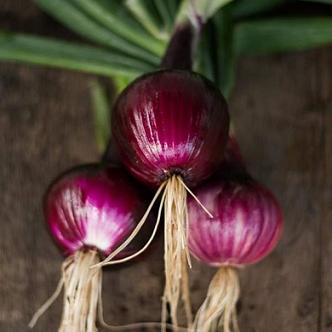
A classic American heirloom introduced in 1873 and widely regarded as one of the finest red storage onions ever developed. Producing large, globe-shaped bulbs with glossy deep burgundy-red skin and crisp, pink-tinged white flesh, this dependable long-day variety has earned a reputation for outstanding yields, rich flavor, and excellent keeping quality. For well over a century, Southport Red Globe has remained a favorite among home gardeners, market growers, and anyone looking for a dependable onion that stores well through the winter.
Introduction
Southport Red Globe was developed in Southport, Connecticut, during the late 1800s and quickly became one of America's most popular red onions. Its uniform round bulbs mature with beautiful dark burgundy skins that make an attractive addition to both the garden and the kitchen. Vigorous plants produce dependable harvests season after season, while the firm bulbs cure well for long storage, making this an excellent choice for gardeners who want homegrown onions available long after harvest.
Flavor & Culinary Uses
Southport Red Globe offers a full-bodied onion flavor that is rich without being overly pungent. Fresh slices add beautiful color to salads, sandwiches, and burgers, while the firm bulbs are equally excellent for roasting, grilling, sautéing, soups, stews, casseroles, and caramelizing. Its firm texture also makes it an excellent choice for pickling and long-term kitchen use. :contentReference[oaicite:1]{index=1}
Growing Information
This long-day onion performs best in northern and intermediate growing regions where long summer days promote large bulb development. Plant in fertile, well-drained soil with full sun and consistent moisture. Harvest once the tops naturally fall over, then cure the bulbs thoroughly in a warm, airy location before placing them into storage for maximum keeping quality.
- Botanical Name: Allium cepa
- Plant Type: Long-day bulb onion
- Days to Maturity: 100–110 days
- Bulb Size: Large, globe-shaped
- Sun Requirements: Full sun
- Spacing: 4–6 inches
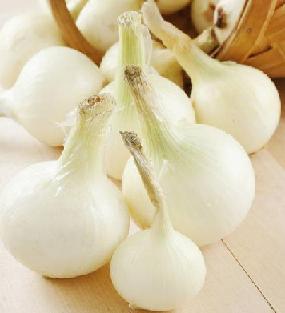
A classic American heirloom introduced in the late 1800s and prized for its large, globe-shaped white bulbs, crisp texture, and excellent storage qualities. Developed in Southport, Connecticut, this dependable long-day variety became a favorite among market gardeners and home growers for its uniform bulbs, reliable yields, and clean, mild flavor. Its snowy white flesh and attractive appearance make it equally well suited for fresh eating, cooking, and long-term storage.
Introduction
Southport White Globe has earned its reputation as one of the finest white onions ever developed. The vigorous plants produce handsome, firm bulbs with bright white skin and solid white flesh that cures exceptionally well after harvest. Whether you're growing onions for the kitchen or storing a winter supply, this heirloom offers the dependable performance and quality that has kept it popular for well over a century.
Flavor & Culinary Uses
Southport White Globe offers a pleasantly mild yet full onion flavor with crisp, juicy flesh. Fresh slices are excellent on sandwiches, hamburgers, tacos, and salads, while the bulbs perform beautifully when grilled, roasted, sautéed, or caramelized. They are also outstanding in soups, stews, casseroles, salsas, and homemade onion rings, making this one of the most versatile white onions you can grow.
Growing Information
This long-day onion grows best in fertile, well-drained soil with full sun and consistent moisture throughout the growing season. Plants develop large, firm bulbs during the long days of summer. Harvest after the tops naturally fall over, then cure thoroughly in a warm, airy location before storing in a cool, dry place for extended keeping quality.
- Botanical Name: Allium cepa
- Plant Type: Long-day bulb onion
- Days to Maturity: 100–110 days
- Bulb Size: Large, globe-shaped
- Sun Requirements: Full sun
- Spacing: 4–6 inches
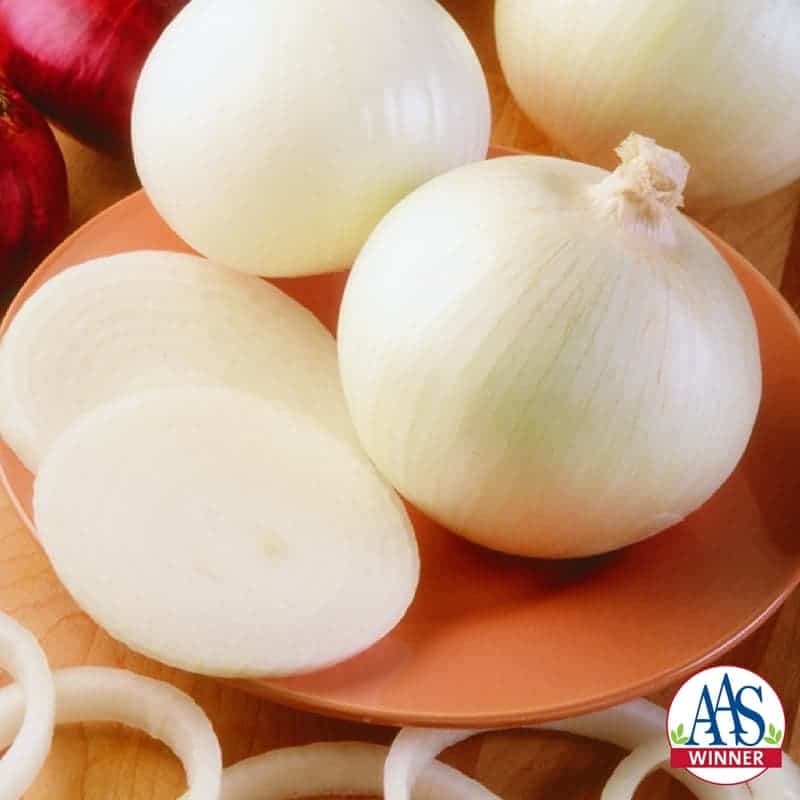
An award-winning white onion renowned for its exceptionally sweet flavor, crisp texture, and impressive bulb size. An All-America Selections winner, this premium variety produces large, globe-shaped white onions with remarkably low pungency, making them one of the finest fresh-eating onions available. Whether sliced onto sandwiches, tossed into salads, or grilled to perfection, Super Star consistently delivers gourmet quality straight from the garden.
Introduction
Super Star has quickly earned a reputation as one of the sweetest white onions ever introduced. Vigorous plants produce large, uniform bulbs with smooth white skin and sparkling white flesh that remains crisp and juicy. Unlike many white onions that can be quite sharp, Super Star is exceptionally mild, making it perfect for gardeners who enjoy eating onions fresh without the overpowering bite found in stronger varieties.
Flavor & Culinary Uses
Super Star is prized for its incredibly sweet, crisp flavor that makes it ideal for eating raw. Thick slices are outstanding on hamburgers, sandwiches, salads, tacos, and fresh vegetable platters. It is equally delicious grilled, roasted, sautéed, caramelized, or added to soups and casseroles. Its mild flavor enhances dishes without overpowering other ingredients, making it one of the most versatile onions you can grow.
Growing Information
Super Star grows best in fertile, well-drained soil with full sun and regular moisture throughout the growing season. Provide consistent watering during bulb development for maximum size and sweetness. Harvest once the tops naturally fall over, then cure bulbs in a warm, airy location before storing. While excellent for short-term storage, its outstanding flavor makes it best enjoyed fresh.
- Botanical Name: Allium cepa
- Plant Type: Bulb onion
- Days to Maturity: 100–110 days
- Bulb Size: Large, globe-shaped
- Sun Requirements: Full sun
- Spacing: 4–6 inches
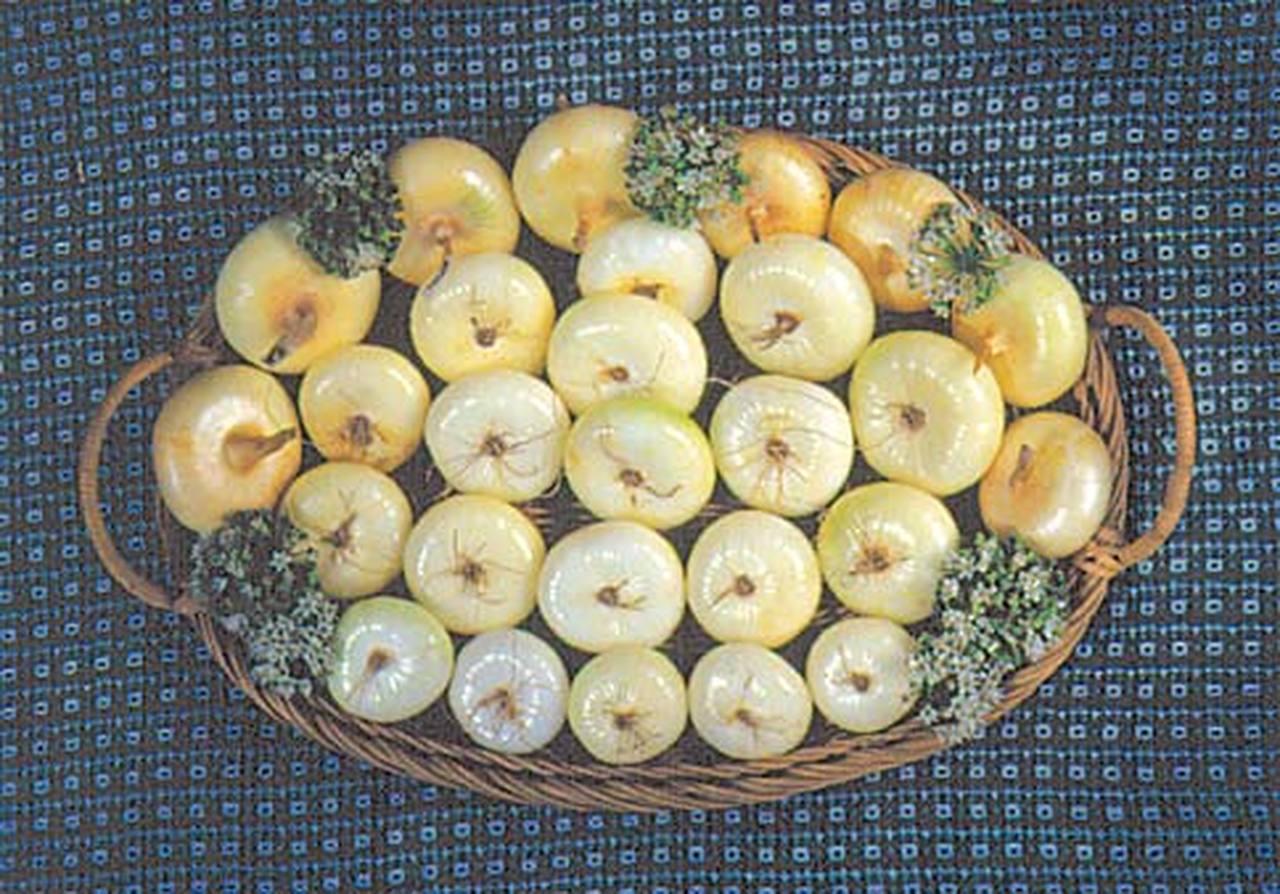
A treasured Italian heirloom celebrated for its distinctive flattened, saucer-shaped bulbs, rich golden-yellow skin, and exceptionally sweet flavor. Originating near the town of Boretto in northern Italy, this gourmet onion has been prized for generations because of its high natural sugar content and outstanding cooking qualities. Its compact, uniform bulbs caramelize beautifully, making Cipollini one of the finest onions for roasting, grilling, and classic Italian cuisine.
Introduction
Cipollini Borretana stands apart from ordinary onions with its unique flattened shape and remarkable sweetness. The attractive bulbs mature with smooth golden skins surrounding crisp white flesh that becomes wonderfully rich and buttery when cooked. Compact plants are highly productive, producing numerous uniform onions that are equally at home in the home garden or gourmet kitchen.
Flavor & Culinary Uses
Cipollini Borretana is famous for its rich sweetness and tender texture. Fresh bulbs have a mild, pleasant flavor, while roasting or grilling transforms them into deliciously sweet, caramelized onions with exceptional depth of flavor. They are outstanding roasted whole, glazed, grilled, sautéed, caramelized, pickled, or served alongside roasted meats and vegetables. Their small, uniform size also makes them ideal for gourmet presentations.
Growing Information
Grow Cipollini Borretana in fertile, well-drained soil with full sun and regular moisture throughout the growing season. Plants produce best when kept weed-free and evenly watered during bulb formation. Harvest once the tops naturally fall over, then cure thoroughly in a warm, well-ventilated area before storing.
- Botanical Name: Allium cepa
- Plant Type: Bulb onion
- Days to Maturity: 100–110 days
- Bulb Size: Small to medium, flattened
- Sun Requirements: Full sun
- Spacing: 4–6 inches
One of America's most celebrated sweet onions, famous for its enormous bulbs, crisp white flesh, and remarkably mild, juicy flavor. Originally developed from French Italian sweet onions brought to Washington State by a French soldier in the late 1800s, Walla Walla Sweet has become an icon among gourmet onions. Its exceptional sweetness and tender texture make it a favorite for fresh eating, while its impressive size and dependable production have earned it a loyal following among home gardeners across the country.
Introduction
Few onions enjoy the reputation of Walla Walla Sweet. The large, globe-shaped bulbs develop beautiful golden straw-colored skins surrounding crisp, snow-white flesh with almost no sharp bite. Their naturally high sugar content makes them one of the sweetest onions available, perfect for gardeners who enjoy harvesting premium-quality produce straight from the garden. Although these onions are best enjoyed fresh rather than stored for long periods, their outstanding flavor more than makes up for their shorter storage life.
Flavor & Culinary Uses
Walla Walla Sweet is prized for its incredibly mild, juicy flavor that allows it to be eaten raw with very little pungency. Thick slices are outstanding on hamburgers, sandwiches, salads, and fresh vegetable trays. It is equally delicious grilled, roasted, caramelized, or baked whole. Its natural sweetness also makes it an excellent choice for onion rings, soups, and countless gourmet recipes.
Growing Information
Walla Walla Sweet is a long-day onion that performs best in northern regions with long summer daylight hours. Plant in fertile, loose, well-drained soil with full sun and consistent moisture throughout the growing season. Rich soil and regular watering encourage maximum bulb size. Harvest after the tops naturally fall over and cure briefly before enjoying these sweet onions while fresh.
- Botanical Name: Allium cepa
- Plant Type: Long-day bulb onion
- Days to Maturity: 105–120 days
- Bulb Size: Large to extra large
- Sun Requirements: Full sun
- Spacing: 4–6 inches
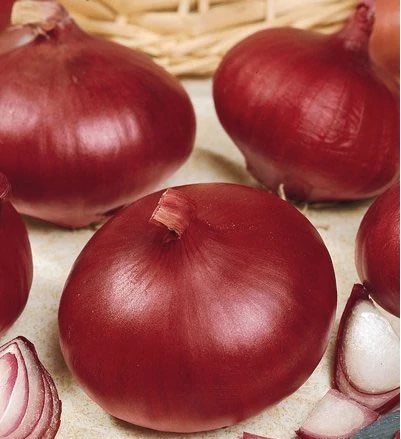
An outstanding red onion variety prized for its large, globe-shaped bulbs, rich burgundy-red skin, and crisp, mildly sweet flesh. Combining beautiful garden appearance with excellent eating quality, Red Burgundy produces dependable harvests of attractive onions that are equally suited for fresh slicing, grilling, cooking, and colorful culinary presentations. Its vibrant color and balanced flavor make it a favorite among home gardeners looking for a dependable all-purpose red onion.
Introduction
Red Burgundy develops handsome, uniform bulbs with glossy deep red outer skins surrounding firm white flesh highlighted by attractive reddish-purple rings. The vigorous plants are easy to grow and produce generous yields under a wide range of garden conditions. Whether harvested for summer meals or cured for later use, this variety offers excellent quality and dependable performance season after season.
Flavor & Culinary Uses
Red Burgundy offers a crisp texture with a pleasantly mild, slightly sweet flavor that is flavorful without being overpowering. Thick slices are excellent on hamburgers, sandwiches, tacos, and salads, while the bulbs also perform beautifully when grilled, roasted, sautéed, or caramelized. Their attractive red color makes them especially popular in fresh salsas, relishes, pasta salads, and vegetable trays.
Growing Information
Grow Red Burgundy in fertile, well-drained soil with full sun and regular moisture throughout the growing season. Keep beds free of weeds to encourage maximum bulb development. Harvest after the tops naturally fall over, then cure bulbs thoroughly in a warm, airy location before storing in a cool, dry place.
- Botanical Name: Allium cepa
- Plant Type: Bulb onion
- Days to Maturity: 100–110 days
- Bulb Size: Large, globe-shaped
- Sun Requirements: Full sun
- Spacing: 4–6 inches
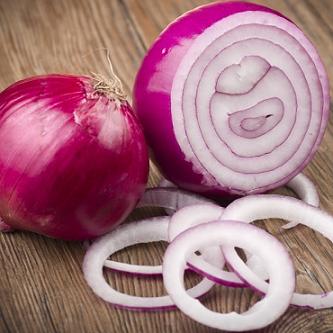
A legendary Southern heirloom prized for its deep red bulbs, bold flavor, and exceptional storage ability. Originally developed for the warm climates of the Gulf Coast, this dependable short-day variety thrives where many northern onions struggle. Producing medium-sized, flattened globe-shaped bulbs with rich burgundy-red skin and firm white flesh accented by red rings, Red Creole has long been a favorite among Southern gardeners for its reliability, excellent keeping quality, and outstanding flavor.
Introduction
Red Creole has earned a well-deserved reputation as one of the finest storage onions for Southern gardens. The vigorous plants mature into firm, attractive bulbs that resist spoilage and remain usable for months after harvest when properly cured. Its adaptability to warm climates and dependable production have made it a staple in home gardens throughout the South for generations.
Flavor & Culinary Uses
Red Creole offers a rich, robust onion flavor with just the right balance of sweetness and pungency. Its crisp texture makes it excellent for slicing onto sandwiches, adding to salads, tacos, and burgers, while its firm flesh holds up beautifully in soups, stews, stir-fries, roasting, grilling, and caramelizing. Its excellent storage quality also makes it a dependable all-purpose onion for year-round cooking.
Growing Information
Red Creole performs best in fertile, well-drained soil with full sun and regular moisture. As a short-day variety, it is especially well suited to Southern growing regions where mild winters encourage strong bulb development. Harvest once the tops naturally fall over, then cure thoroughly in a warm, dry, well-ventilated area before placing into storage.
- Botanical Name: Allium cepa
- Plant Type: Short-day bulb onion
- Days to Maturity: 100–110 days
- Bulb Size: Medium, flattened globe
- Sun Requirements: Full sun
- Spacing: 4–6 inches
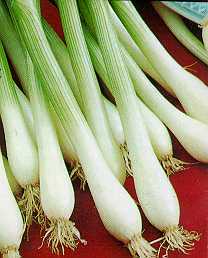
A traditional Japanese bunching onion prized for its long, slender white stalks, crisp texture, and mild, sweet flavor. Unlike bulb-forming onions, Tokyo Long develops thick, tender stems with lush green tops that can be harvested continuously throughout the growing season. Fast growing, highly productive, and exceptionally cold hardy, this versatile heirloom has become a favorite among home gardeners for fresh salads, stir-fries, soups, and countless everyday recipes.
Introduction
Tokyo Long is one of the easiest onions to grow and one of the most rewarding. The upright plants quickly produce long white shanks topped by dark green leaves that remain tender and flavorful over an extended harvest period. Because the plants do not form large bulbs, gardeners can enjoy fresh onions whenever needed by harvesting individual plants while allowing the remaining rows to continue growing.
Flavor & Culinary Uses
Tokyo Long has a clean, mild onion flavor that is sweeter and less pungent than most bulb onions. Both the white stems and green tops are excellent chopped into salads, baked potatoes, omelets, tacos, and sandwiches, or added to soups, stir-fries, noodle dishes, and Asian-inspired recipes. The tender stalks also grill beautifully and make an excellent garnish for countless meals.
Growing Information
Tokyo Long grows best in fertile, well-drained soil with full sun and regular moisture. Sow seeds directly in the garden from early spring through late summer for continuous harvests. For extra-long white stems, gradually hill soil around the base of the plants as they grow. Harvest individual plants as needed or allow them to reach full size for maximum yield.
- Botanical Name: Allium fistulosum
- Plant Type: Non-bulbing bunching onion
- Days to Maturity: 60–70 days
- Plant Height: 18–24 inches
- Sun Requirements: Full sun
- Spacing: 2–4 inches
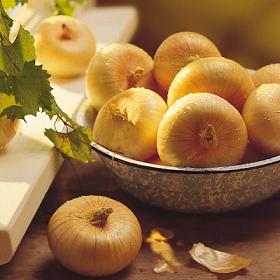
Vidalia Onion is America's most famous sweet onion, celebrated for its exceptionally mild flavor, crisp texture, and remarkable sweetness. Grown from specially selected short-day onion varieties, Vidalia-type onions produce large, golden-skinned bulbs with juicy white flesh that can be enjoyed raw with almost no sharp bite. Their outstanding flavor has made them a favorite of home gardeners and chefs alike, earning a reputation as one of the finest fresh-eating onions in the world.
Introduction
Few vegetables are as instantly recognizable as the Vidalia onion. Large, attractive bulbs develop beneath healthy green tops and mature into sweet, tender onions that are perfect for summer harvests. Their naturally low sulfur content gives them a uniquely mild flavor, making them ideal for fresh eating while still performing beautifully when grilled, roasted, or caramelized.
Flavor & Culinary Uses
Vidalia onions are prized for their remarkable sweetness and crisp texture. Thick slices are outstanding on hamburgers, sandwiches, salads, and vegetable trays, while whole bulbs become incredibly sweet when grilled, roasted, or baked. They are also excellent in onion rings, soups, casseroles, salsas, relishes, and countless everyday recipes where a mild onion flavor is desired.
Growing Information
Vidalia-type onions are short-day varieties that perform best in the southern United States. Plant in fertile, well-drained soil with full sun and consistent moisture throughout the growing season. Rich soil and even watering encourage large, sweet bulbs. Harvest after the tops naturally fall over and cure briefly before enjoying. Because of their high sugar content, sweet onions are best used fresh rather than stored for extended periods.
- Botanical Name: Allium cepa
- Plant Type: Short-day bulb onion
- Days to Maturity: 100–110 days
- Bulb Size: Large, globe-shaped
- Sun Requirements: Full sun
- Spacing: 4–6 inches
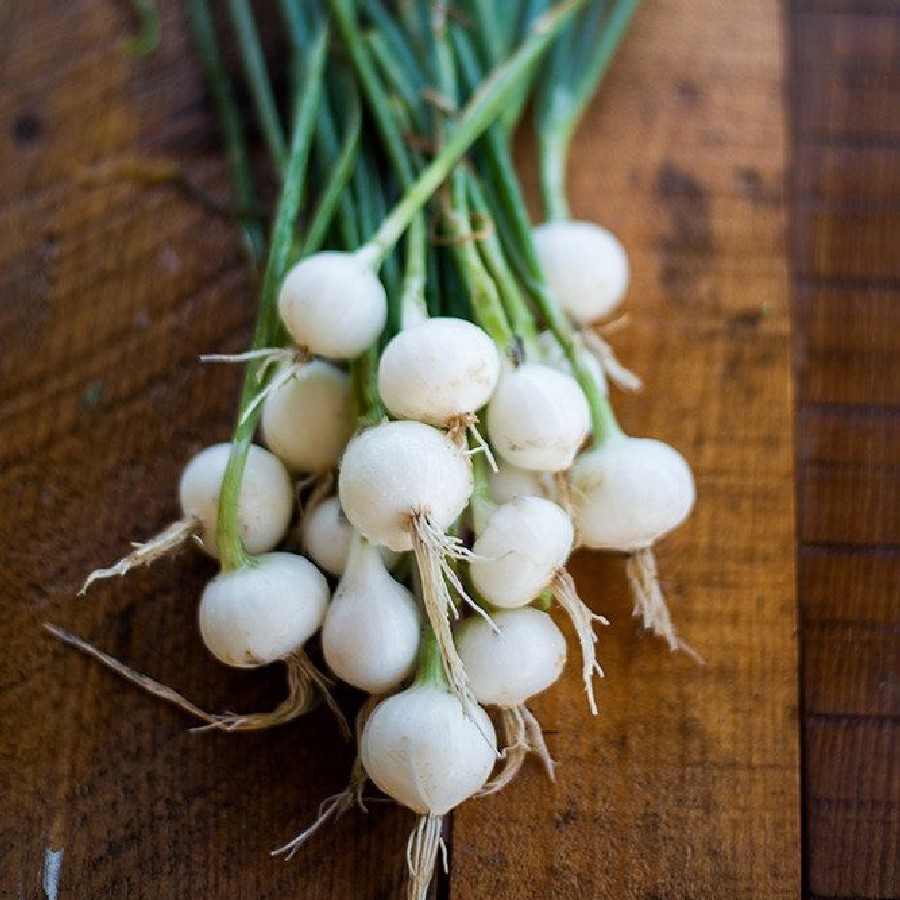
A classic heirloom pearl onion prized for its small, perfectly round white bulbs, exceptionally mild flavor, and outstanding versatility in the kitchen. Long favored by home gardeners and market growers, this dependable variety produces beautiful snow-white onions that are ideal for pickling, creaming, roasting, and fresh eating. Its quick growth, uniform bulbs, and excellent flavor have made Crystal White Wax a garden favorite for generations.
Introduction
Crystal White Wax produces attractive compact plants that mature into smooth, pearl-sized bulbs with brilliant white skins and crisp white flesh. The onions develop uniformly, making harvesting and preserving easy. Whether picked young as bunching onions or allowed to mature into full-sized pearl onions, this heirloom delivers dependable yields and exceptional quality season after season.
Flavor & Culinary Uses
Crystal White Wax has a crisp texture and pleasantly sweet, mild flavor with very little pungency. The small bulbs are exceptional for homemade pickled onions, but they're equally delicious roasted whole, glazed, grilled, creamed, or added to soups, stews, and vegetable dishes. Young plants may also be harvested as tender green onions for fresh salads and sandwiches.
Growing Information
Grow Crystal White Wax in fertile, well-drained soil with full sun and regular moisture. Sow seeds directly in the garden or start indoors for earlier harvests. Close spacing encourages the production of uniform pearl onions, while slightly wider spacing allows bulbs to grow somewhat larger. Harvest once the tops begin to fall naturally and cure briefly before use or storage.
- Botanical Name: Allium cepa
- Plant Type: Bulb onion
- Days to Maturity: 90–100 days
- Bulb Size: Small pearl-sized
- Sun Requirements: Full sun
- Spacing: 2–4 inches
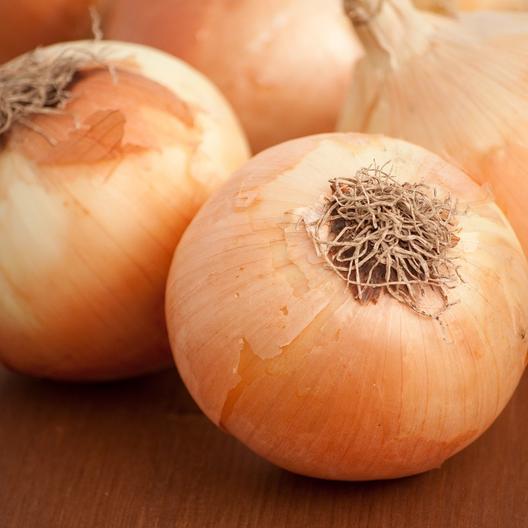
A classic heirloom renowned for producing enormous golden-yellow bulbs with crisp, juicy flesh and a pleasantly mild, sweet flavor. For generations, this dependable variety has been a favorite of home gardeners because of its impressive size, excellent yields, and outstanding versatility in the kitchen. Whether enjoyed fresh, grilled, roasted, or cooked into hearty family meals, Yellow Sweet Spanish remains one of the finest large onions you can grow.
Introduction
Yellow Sweet Spanish produces handsome globe-shaped bulbs that commonly reach one pound or more under good growing conditions. The vigorous plants develop strong tops that support large, firm onions with attractive golden skins surrounding crisp white flesh. Easy to grow and highly productive, this variety has earned its place as one of the most dependable onions for both home gardens and market growers.
Flavor & Culinary Uses
Yellow Sweet Spanish offers a crisp, juicy texture with a pleasantly sweet flavor that is mild enough for fresh eating while still providing excellent onion character when cooked. Thick slices are delicious on hamburgers, sandwiches, and salads, while the large bulbs are perfect for grilling, roasting, caramelizing, stuffing, soups, stews, casseroles, and homemade onion rings.
Growing Information
Grow Yellow Sweet Spanish in fertile, well-drained soil with full sun and consistent moisture throughout the growing season. Rich soil and regular watering encourage the development of the giant bulbs this variety is known for. Harvest once the tops naturally fall over, then cure thoroughly in a warm, well-ventilated location before storing.
- Botanical Name: Allium cepa
- Plant Type: Bulb onion
- Days to Maturity: 105–115 days
- Bulb Size: Very large, often 1–2 pounds or more
- Sun Requirements: Full sun
- Spacing: 4–6 inches
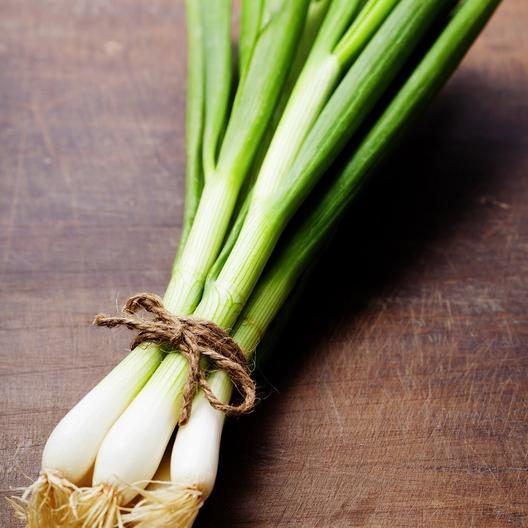
Evergreen Bunching Onion is one of the most dependable and productive green onions a gardener can grow. This classic heirloom produces clusters of long, slender white stalks topped with crisp, dark green leaves, delivering continuous harvests throughout the growing season. Unlike bulb-forming onions, Evergreen Bunching remains tender and mild, making it an excellent choice for gardeners who enjoy fresh onions for everyday cooking. Its vigorous growth, cold hardiness, and ability to regrow after harvesting have made it a favorite for generations.
Introduction
Evergreen Bunching Onion is prized for its ability to provide a steady supply of fresh onions from spring through fall. The upright plants form attractive clumps rather than large bulbs, allowing gardeners to harvest individual stalks as needed while the remaining plants continue producing. Its adaptability, reliability, and rapid regrowth make it one of the easiest vegetables to maintain in the garden.
Flavor & Culinary Uses
Evergreen Bunching Onion has a mild, sweet onion flavor that is less pungent than traditional bulb onions. The white stalks and green tops are delicious chopped into salads, soups, omelets, stir-fries, baked potatoes, tacos, noodle dishes, and countless everyday recipes. They also make an attractive garnish and can be grilled or sautéed whole for a fresh garden side dish.
Growing Information
Grow Evergreen Bunching Onion in fertile, well-drained soil with full sun and regular moisture. Sow seeds directly from early spring through late summer for continuous harvests. Plants mature quickly and may be harvested individually or cut just above the soil, allowing many plants to regrow for additional harvests. In mild climates, established plants often overwinter and continue producing the following season.
- Botanical Name: Allium fistulosum
- Plant Type: Non-bulbing bunching onion
- Days to Maturity: 60–70 days
- Plant Height: 12–18 inches
- Sun Requirements: Full sun
- Spacing: 2–4 inches

Contact Us | Privacy Policy | About Us
Serving gardeners since 1992
State of Mississippi Seedmen's Permit #C-391, Ohio 90152, Minnesota 20086777