
Oregano Seeds
Mainly used dry, the flavor is strong enough to stand up to bold flavors like tomatoes, onion, garlic and beef. Interestingly, the oil is often a little known ingredient in men's colognes. A must-have herb for the kitchen, Oregano is readily established from herb seeds for the kitchen garden.
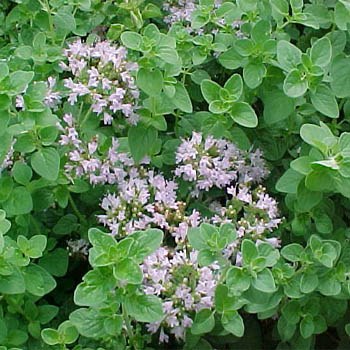
The plants form attractive mounds of fragrant green foliage that release a rich, spicy aroma when brushed or harvested. During summer, clusters of delicate pink to lavender flowers appear above the foliage, attracting bees, butterflies, and numerous beneficial insects. The flowers add ornamental value while supporting pollinator populations throughout the growing season.
Oregano is perhaps best known for its culinary uses. The leaves are widely used fresh or dried in pizza sauces, pasta dishes, soups, stews, meats, vegetables, marinades, breads, and herb blends. Dried oregano is considered one of the most important herbs in Italian, Greek, and Mediterranean cooking.
Beyond its culinary appeal, Oregano is an excellent ornamental herb. Its drought tolerance, compact growth habit, and long-lasting flowers make it equally suitable for rock gardens, cottage gardens, pollinator plantings, and container gardens.
Uses and Benefits- Classic Mediterranean culinary herb.
- Essential seasoning for pizza and pasta sauces.
- Excellent fresh or dried.
- Produces highly aromatic foliage.
- Attracts bees, butterflies, and beneficial insects.
- Beautiful summer flowers.
- Drought tolerant once established.
- Excellent herb for drying and storage.
- Suitable for edible landscapes.
- Useful in herb gardens and kitchen gardens.
- Excellent container plant.
- Deer and rabbit resistant.
Oregano is a hardy perennial in USDA Zones 4-9.
Germination Instructions- Start seeds indoors 6-8 weeks before the last frost or sow outdoors after danger of frost has passed.
- Press seeds lightly onto the soil surface.
- Do not cover deeply, as light aids germination.
- Maintain temperatures between 65-75°F (18-24°C).
- Keep soil evenly moist during germination.
- Seeds typically germinate in 7-14 days.
- Provide bright light after seedlings emerge.
- Plant in full sun for best flavor.
- Prefers well-drained soil.
- Tolerates heat and drought once established.
- Harvest frequently to encourage bushy growth.
- Cut stems before flowering for strongest culinary flavor.
- Allow some flowers to bloom for pollinators.
- Excellent companion plant in vegetable and herb gardens.
Oregano thrives in containers and patio planters. Its compact growth habit, drought tolerance, and continual harvest potential make it one of the easiest herbs to grow in pots. Choose a container at least 8-12 inches deep with excellent drainage. Regular harvesting encourages dense, productive growth throughout the season.
Combining culinary excellence, fragrant foliage, pollinator value, and easy maintenance, Oregano is one of the most useful herbs any gardener can grow. Whether planted for cooking, pollinators, ornamental beauty, or drought-tolerant landscaping, Oregano provides years of dependable performance and abundant harvests.
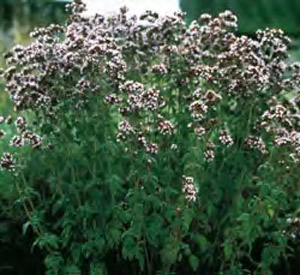

Perfect for hanging baskets, borders and rock gardens. Attractive when dried and used in floral arrangements. Heat and drought tolerant. Annual. Height: 8-10". Spread: 12-14".
Protection Information : US PVPAF.
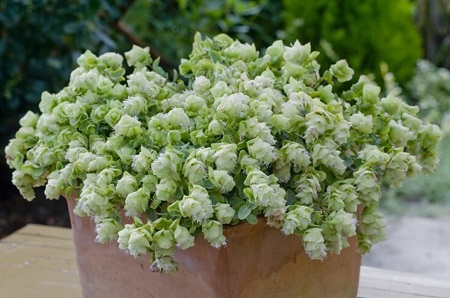
A distinctive ornamental oregano grown primarily for its remarkable flowers and foliage rather than for culinary use. Native to rocky areas of Turkey and the Caucasus region, this compact perennial forms attractive mounds of rounded, blue-green to gray-green leaves, usually reaching about 8 to 12 inches tall. In summer, slender stems carry cascading clusters of overlapping, hop-like bracts, often pale green to rosy pink, with tiny flowers emerging between them. The unusual combination of silvery foliage and dangling ornamental flower clusters makes this species an outstanding choice for rock gardens, raised beds, containers, trough gardens, and sunny border edges.
Grow Origanum rotundifolium in full sun and exceptionally well-drained soil. Once established, plants are drought tolerant and perform especially well in gravelly, rocky, or lean soils where excessive moisture does not collect around the roots. It is generally suited to approximately USDA Zones 5-9, although winter survival is greatly influenced by drainage; cold, wet soil can be more damaging than low temperatures themselves. The flowering stems are also attractive for cutting and drying, while the small flowers can draw bees and other beneficial insects. Avoid overly rich soil and heavy fertilization, which can encourage softer growth at the expense of the compact form and attractive foliage.
Sow the very small seeds on the surface of a moist, well-drained seed-starting mix, pressing them gently into the medium without deeply covering them. Provide light, consistent moisture, and temperatures around 65-70°F until germination, which commonly takes approximately 10-21 days but may occasionally be slower. Once seedlings are established, gradually reduce moisture and provide plenty of light and air circulation.
Seedman Notes: This is not the oregano to choose primarily for the herb garden—it is an ornamental treasure. Its cascading, hop-like flower clusters look especially impressive spilling over rocks, stone walls, raised beds, or the rim of a decorative container. The flowering stems also dry beautifully, making Origanum rotundifolium an unusual plant that can provide interest in the garden as well as in dried arrangements.

Contact Us | Privacy Policy | About Us
Serving gardeners since 1992
State of Mississippi Seedmen's Permit #C-391, Ohio 90152, Minnesota 20086777