
Our list of Ornamental Grasses from around the World
We highly recommend you start your ornamental grass seeds inside and then transplant them outside as "plugs". To create a plug, find a plug starting nursery flat that has at least 50-72 cells in the flat, fill the flat with a good seed starting mix, plant 5-7 grass seeds in cell. Once the grass seedlings are a couple inches tall, or have become root bound in the cell, it is time to plant outside. This will greatly increase your success rate and give you healthy, vigorous grass crops in about half the time of starting them outside.
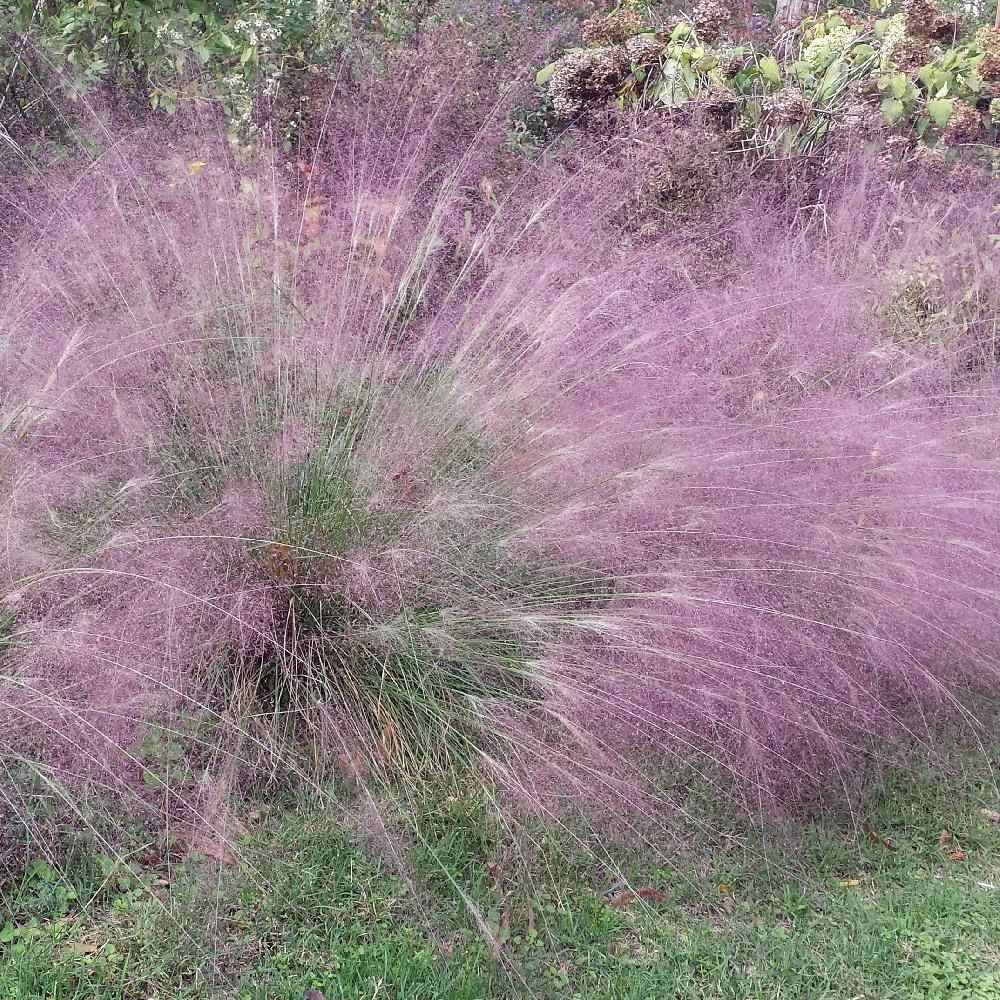
Cloud Grass is one of North America's most enchanting native ornamental grasses, producing vast airy clouds of delicate pinkish-purple flowers that seem to float above the foliage like colorful mist. Native to prairies, open woodlands, roadsides, and sandy soils throughout much of the eastern and central United States, this graceful warm-season grass is prized for its remarkable late-summer display and exceptional drought tolerance.
When in bloom, mature plants develop hundreds of fine flowering stems that create a soft, hazy cloud hovering above the foliage. The effect is so striking that gardeners often stop to admire it from across the landscape, especially when illuminated by morning or evening sunlight.
Plant Characteristics- Botanical Name: Eragrostis spectabilis
- Common Names: Cloud Grass, Purple Lovegrass, Tumblegrass
- Plant Type: Warm-Season Native Ornamental Grass
- Mature Height: 18 to 30 inches
- Mature Spread: 18 to 36 inches
- Growth Rate: Moderate
- USDA Zones: 4 to 9
- Sun Exposure: Full Sun
- Soil Requirements: Well-drained soil; tolerates poor sandy soils
Cloud Grass is exceptionally well suited for container gardening. Its compact foliage and spectacular cloud-like flower display create a dramatic centerpiece for patios, decks, and garden courtyards.
- Use containers at least 12 to 16 inches deep.
- Provide excellent drainage.
- Use a quality potting mix.
- Place in full sun for maximum flowering.
- Allow flower stems to remain through autumn for continued beauty.
Container-grown plants often produce the same breathtaking floral cloud effect seen in landscape plantings.
Its soft texture and colorful blooms combine beautifully with coneflowers, black-eyed Susans, blazing stars, and other prairie wildflowers.
Germination Information- Sow seeds on the soil surface or lightly cover.
- Maintain temperatures between 70°F and 85°F.
- Keep evenly moist during germination.
- Provide bright light.
- Germination typically occurs within 10 to 21 days.
Seedlings establish readily and begin forming attractive clumps during their first growing season.
Growing Information- Plant in full sun.
- Tolerates drought exceptionally well.
- Thrives in poor soils.
- Requires little supplemental fertilizer.
- Cut back old growth in late winter.
Cloud Grass often performs best in soils that are too lean and dry for many traditional garden plants.
Cloud Grass is generally considered highly deer resistant and is often left untouched by browsing animals.
This species is exceptionally drought tolerant once established and performs beautifully in hot, dry conditions where many ornamentals struggle.
During peak bloom, the flower panicles become so numerous that the foliage beneath can nearly disappear from view. From a distance, mature plants often resemble floating pink-purple clouds suspended just above the ground, creating one of the most unusual displays found among ornamental grasses.
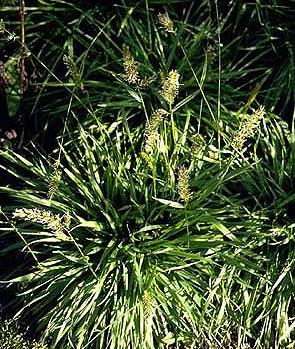
Sweet Vanilla Grass is a charming ornamental grass treasured for its delicate appearance and remarkable fragrance. Native to Europe, Asia, and parts of North Africa, this graceful grass has naturalized across much of North America and has been appreciated for centuries for its sweet vanilla-like scent. The fragrance comes from a natural compound called coumarin, which becomes especially noticeable when the foliage is dried or freshly cut.
Its fine-textured foliage, airy flowering stems, and delightful fragrance make it an excellent choice for containers, cottage gardens, pollinator plantings, and sensory gardens.
Plant Characteristics- Botanical Name: Anthoxanthum odoratum
- Common Names: Sweet Vanilla Grass, Sweet Vernal Grass
- Plant Type: Cool-Season Ornamental Grass
- Mature Height: 12 to 24 inches
- Mature Spread: 8 to 18 inches
- Growth Rate: Moderate
- USDA Zones: 3 to 9
- Sun Exposure: Full Sun to Partial Shade
- Soil Requirements: Moist, well-drained soil
Sweet Vanilla Grass performs exceptionally well in containers where its fine texture and fragrant foliage can be appreciated up close.
- Use a container at least 10 to 12 inches deep.
- Choose a quality well-draining potting mix.
- Keep soil consistently moist but not soggy.
- Place where the fragrance can be enjoyed near patios, walkways, or seating areas.
- Trim spent flower stems for a tidy appearance.
Container-grown plants often become attractive mounded specimens with soft, flowing foliage.
Germination Information- Sow seeds on the soil surface or lightly cover.
- Maintain temperatures between 60°F and 70°F.
- Keep soil consistently moist.
- Provide bright light.
- Germination typically occurs within 10 to 21 days.
Spring and fall sowings often produce the best results.
Growing Information- Grow in full sun to light shade.
- Prefers evenly moist soil.
- Tolerates cool temperatures well.
- Remove old foliage in late winter or early spring.
- Divide clumps every few years if desired.
This species is generally easy to grow and requires little maintenance once established.
A fragrant, easy-to-grow ornamental grass that combines graceful beauty with a sweet vanilla scent enjoyed for centuries.
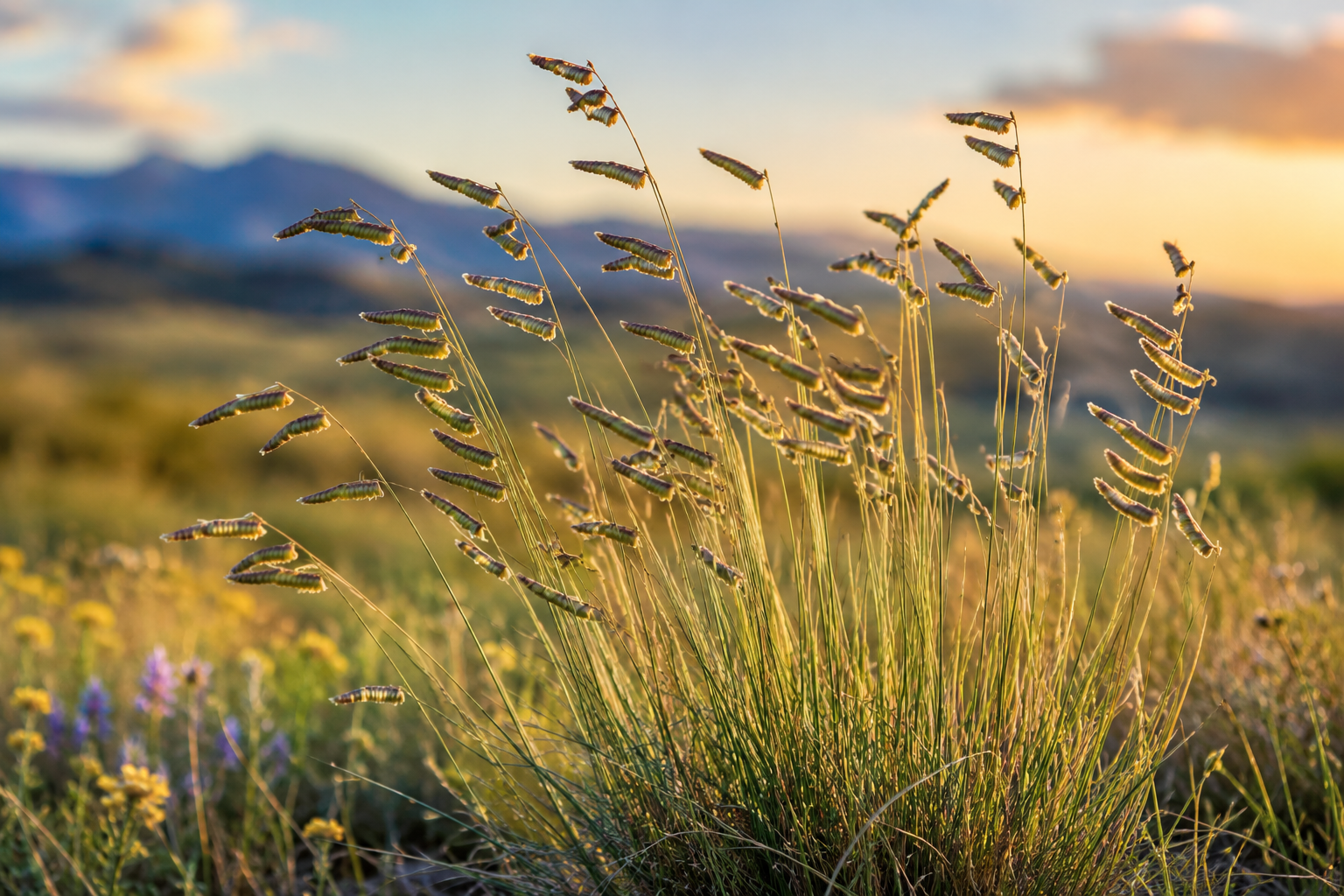
Side-Oats Grama is one of North America's most beautiful native prairie grasses and serves as the official state grass of Texas. Named for its distinctive oat-like seed spikelets that dangle from one side of the flowering stems, this hardy warm-season grass combines ornamental beauty, wildlife value, drought tolerance, and historical importance. Native to prairies, open woodlands, and grasslands throughout much of the United States, Mexico, and Central America, it has become a favorite choice for naturalistic gardens and ornamental container plantings.
Its graceful seed heads sway in the slightest breeze, creating movement and texture that few ornamental grasses can match.
Plant Characteristics- Botanical Name: Bouteloua curtipendula
- Common Names: Side-Oats Grama, Sideoats Grama
- Plant Type: Warm-Season Native Ornamental Grass
- Mature Height: 18 to 36 inches
- Mature Spread: 12 to 24 inches
- Growth Rate: Moderate
- USDA Zones: 3 to 10
- Sun Exposure: Full Sun
- Soil Requirements: Well-drained soil; tolerant of poor soils
Side-Oats Grama performs surprisingly well in containers, where its unique seed heads can be appreciated up close.
- Use containers at least 12 inches deep.
- Provide excellent drainage.
- Use a quality potting mix with added coarse sand if desired.
- Allow the soil surface to dry slightly between waterings.
- Place in full sun for best flowering and strongest growth.
Its compact size makes it particularly suitable for patios, decks, and pollinator container gardens.
Germination Information- Sow seeds on the soil surface or lightly cover.
- Maintain temperatures between 70°F and 85°F.
- Keep evenly moist during germination.
- Germination typically occurs within 10 to 21 days.
- Seedlings establish quickly in warm conditions.
- Plant in full sun.
- Requires little supplemental water once established.
- Tolerates heat and drought exceptionally well.
- Cut back old growth in late winter or early spring.
- Avoid overly rich soils which may reduce flowering.
Once established, Side-Oats Grama is one of the easiest ornamental grasses to maintain.
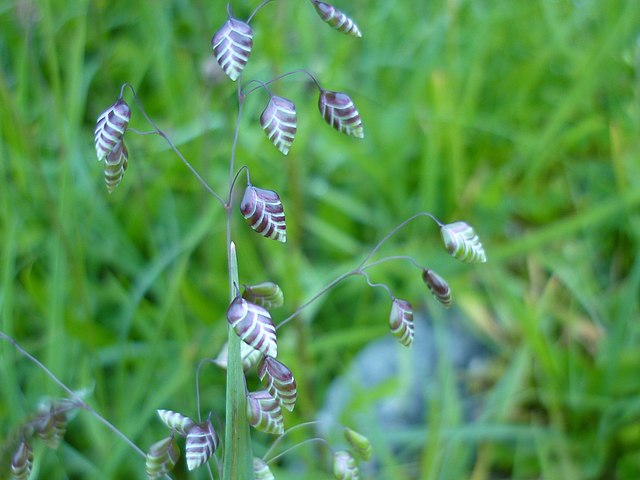
Perennial Quaking Grass is one of the most charming and recognizable ornamental grasses in cultivation. Native to Europe, western Asia, and parts of North Africa, this graceful perennial is treasured for its delicate heart-shaped seed heads that dance and shimmer in the slightest breeze. The dangling flower clusters appear almost suspended in midair, creating a soft, sparkling effect that has delighted gardeners for centuries.
Its compact size, elegant movement, and unique seed heads make Briza media an excellent choice for containers, cottage gardens, rock gardens, meadow plantings, and dried flower arrangements.
Plant Characteristics- Botanical Name: Briza media
- Common Names: Perennial Quaking Grass, Quaker Grass, Totter Grass
- Plant Type: Cool-Season Ornamental Grass
- Mature Height: 12 to 24 inches
- Mature Spread: 12 to 18 inches
- Growth Rate: Moderate
- USDA Zones: 4 to 9
- Sun Exposure: Full Sun to Partial Shade
- Soil Requirements: Well-drained soil
Perennial Quaking Grass is exceptionally well suited for container culture. Its compact size and graceful seed heads create an elegant display on patios, balconies, and garden terraces.
- Use containers at least 10 to 12 inches deep.
- Plant in a well-draining potting mix.
- Water regularly during active growth.
- Provide full sun for best flowering.
- Leave seed heads intact for extended ornamental interest.
The delicate flower stems sway beautifully in containers where they can be viewed at eye level.
Germination Information- Sow seed on the soil surface or lightly cover.
- Maintain temperatures between 60°F and 70°F.
- Keep evenly moist during germination.
- Provide bright light.
- Germination typically occurs within 10 to 21 days.
Fall and spring sowings often produce the strongest plants.
Growing Information- Grow in full sun to partial shade.
- Prefers average, well-drained soil.
- Tolerates light drought once established.
- Remove old foliage in late winter.
- Allow seed heads to remain for ornamental effect.
This species is remarkably easy to grow and often performs well with minimal maintenance.
The seed heads of Quaking Grass are so sensitive to movement that they can tremble from the slightest breeze, passing insect, or even vibrations in the air. This constant motion creates a sparkling effect that few other ornamental grasses can match.
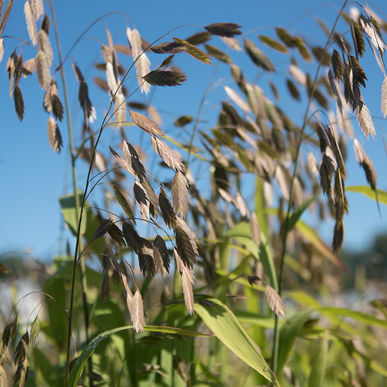
Northern Sea Oats is one of North America's most graceful native ornamental grasses and is widely admired for its distinctive dangling seed heads that resemble flattened oat kernels. Native to woodlands, streambanks, and shaded river valleys throughout the eastern and central United States, this elegant grass combines beauty, wildlife value, and adaptability in a way few ornamental grasses can match.
Its unique seed heads emerge green in summer before maturing to bronze and tan, providing months of visual interest. Even in winter, the dried seed heads continue to add movement and texture to the landscape.
Plant Characteristics- Botanical Name: Chasmanthium latifolium
- Common Names: Northern Sea Oats, River Oats, Inland Sea Oats, Wood Oats
- Plant Type: Warm-Season Native Ornamental Grass
- Mature Height: 24 to 48 inches
- Mature Spread: 18 to 36 inches
- Growth Rate: Moderate to Fast
- USDA Zones: 4 to 9
- Sun Exposure: Full Sun to Partial Shade
- Soil Requirements: Adaptable; prefers moist, well-drained soil
Northern Sea Oats grows surprisingly well in large containers and can become a dramatic focal point when its arching seed heads spill outward above the foliage.
- Use containers at least 14 to 16 inches deep.
- Provide regular moisture during active growth.
- Use quality potting soil with good drainage.
- Place in morning sun or partial shade in warmer climates.
- Leave seed heads intact for fall and winter interest.
Its elegant movement makes it especially attractive on patios, porches, and shaded garden terraces.
Northern Sea Oats is one of the few ornamental grasses that performs exceptionally well in partial shade.
Germination Information- Sow seed approximately 1/8 inch deep.
- Maintain temperatures between 65°F and 75°F.
- Keep evenly moist during germination.
- Germination generally occurs within 14 to 30 days.
- Cold stratification may improve germination rates.
Seedlings establish readily and often develop into attractive clumps within their first growing season.
Growing Information- Plant in full sun to partial shade.
- Water regularly during establishment.
- Tolerates occasional drought once mature.
- Cut back old growth in late winter.
- Allow seed heads to remain for seasonal interest and wildlife value.
This adaptable native grass performs well across a broad range of growing conditions.
Northern Sea Oats is generally considered moderately deer resistant. Mature plants are often ignored once established.
Although naturally found in moist woodland environments, established plants exhibit good drought tolerance and recover quickly when rainfall returns.
The dangling seed heads are so distinctive that many gardeners can identify Northern Sea Oats from across a landscape. When backlit by morning or evening sunlight, the translucent seed heads appear to glow like dozens of tiny lanterns suspended above the foliage.
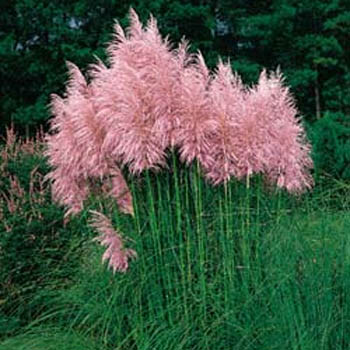
Pink Pampas Grass is one of the most dramatic ornamental grasses available, producing magnificent feathery plumes in soft shades of blush pink that rise high above graceful arching foliage. Native to the grasslands of South America, pampas grass has become famous worldwide for its impressive size, elegant texture, and spectacular late-season display.
The pink-flowering forms are especially prized because they combine the bold architectural presence of traditional pampas grass with a softer, more romantic appearance. When illuminated by morning or evening sunlight, the plumes seem to glow with shades of rose, silver, and champagne.
Plant Characteristics- Botanical Name: Cortaderia selloana
- Common Names: Pink Pampas Grass, Pink Feather Pampas Grass
- Plant Type: Warm-Season Ornamental Grass
- Mature Height: 6 to 10 feet
- Mature Spread: 4 to 8 feet
- Growth Rate: Fast
- USDA Zones: 7 to 11
- Sun Exposure: Full Sun
- Soil Requirements: Well-drained soil
While Pink Pampas Grass is most impressive when grown in the landscape, young plants can be successfully grown in large decorative containers for patios and garden displays.
- Use containers at least 20 to 24 inches in diameter.
- Provide excellent drainage.
- Use a quality potting mix.
- Place in full sun.
- Water regularly during establishment.
Because of its eventual size, long-term landscape planting is generally recommended.
Landscape Uses- Specimen plantings
- Large borders
- Privacy screens
- Coastal landscapes
- Mediterranean gardens
- Drought-tolerant landscapes
- Cut flower gardens
Its towering plumes create a dramatic focal point and provide structure throughout much of the year.
Germination Information- Sow seeds on the soil surface.
- Do not deeply cover the seed.
- Maintain temperatures between 70°F and 80°F.
- Keep evenly moist during germination.
- Germination typically occurs within 14 to 28 days.
Provide bright light throughout the germination process for best results.
Growing Information- Plant in full sun.
- Provide good drainage.
- Water regularly until established.
- Tolerates drought once mature.
- Cut back old foliage in late winter or early spring.
- Wear gloves when handling mature plants, as leaf edges can be sharp.
Established plants are exceptionally durable and require little maintenance.
Deer ResistancePink Pampas Grass is generally considered highly deer resistant. Its coarse foliage and sharp leaf margins discourage browsing.
Drought ToleranceOnce established, pampas grass demonstrates excellent drought tolerance and performs well in hot, sunny climates.
During the Victorian era, pampas plumes became highly fashionable as indoor decorations. Large feather-like plumes were commonly displayed in elegant homes and public buildings throughout Europe and North America.
By the early twentieth century, pampas grass had become one of the world's most recognizable ornamental grasses and remains a landscape favorite today.
Botanical Facts- The species name honors German naturalist Friedrich Sellow.
- Mature plumes may reach 2 to 3 feet in length.
- Individual plants can live for decades.
- The foliage forms dense fountain-shaped clumps.
- Plumes often persist well into winter.
A mature Pink Pampas Grass in full bloom can produce dozens of large plumes that sway gracefully in the breeze. In strong backlighting, the silky pink flowers can appear almost luminous, creating one of the most spectacular displays found among ornamental grasses.
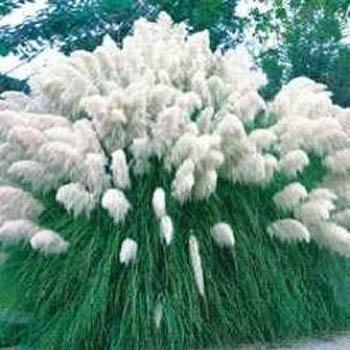
White Pampas Grass is one of the most iconic ornamental grasses in the world, famous for its enormous silky-white plumes that rise dramatically above dense fountains of arching foliage. Native to the vast Pampas region of Argentina, Uruguay, and southern Brazil, this majestic grass has been a landscape favorite for over a century and remains one of the most striking plants available for creating bold visual impact.
When mature, the towering plumes sway gracefully in the breeze and catch sunlight in a way that few other plants can match. Their elegant appearance has made White Pampas Grass a symbol of classic garden beauty and one of the most recognizable ornamental grasses ever cultivated.
Plant Characteristics- Botanical Name: Cortaderia selloana
- Common Names: White Pampas Grass, Pampas Grass
- Plant Type: Warm-Season Ornamental Grass
- Mature Height: 6 to 12 feet
- Mature Spread: 5 to 8 feet
- Growth Rate: Fast
- USDA Zones: 7 to 11
- Sun Exposure: Full Sun
- Soil Requirements: Well-drained soil
Young plants can be grown successfully in large decorative containers, though mature specimens are best suited to landscape planting because of their eventual size.
- Use containers at least 24 inches in diameter.
- Provide excellent drainage.
- Use a rich, well-draining potting mix.
- Place in full sun.
- Water regularly until established.
Container-grown plants can provide several seasons of dramatic foliage and plume production before requiring more space.
Few plants can match the dramatic presence of White Pampas Grass as a focal point in the landscape.
Germination Information- Sow seed on the soil surface.
- Do not deeply cover the seed.
- Maintain temperatures between 70°F and 80°F.
- Keep evenly moist.
- Germination typically occurs within 14 to 28 days.
Bright light is beneficial throughout the germination process.
Growing Information- Plant in full sun.
- Provide excellent drainage.
- Water regularly during establishment.
- Highly drought tolerant once mature.
- Cut back old foliage in late winter or early spring.
- Use gloves when handling mature foliage.
Once established, Pampas Grass is exceptionally resilient and requires little maintenance.
One of the most drought-tolerant ornamental grasses available, White Pampas Grass thrives in hot sunny locations where many other landscape plants struggle.
Historical and Cultural TidbitsThe grass takes its name from the famous Pampas region of South America, an immense fertile plain known for cattle ranching, gauchos, and vast grasslands stretching to the horizon.
During the late Victorian period, pampas plumes became one of the most fashionable decorative elements in Europe and North America. Large white plumes were commonly displayed in parlors, hotels, and public buildings.
Botanical Facts- The species name honors German botanist Friedrich Sellow.
- Mature plumes may exceed 3 feet in length.
- Individual plants can live for decades.
- The foliage forms dense evergreen to semi-evergreen clumps.
- The plumes often persist throughout winter.
White Pampas Grass is one of the most popular ornamental grasses for dried floral arrangements. The plumes retain their beauty for months and are widely used in home décor, weddings, and commercial floral displays.
Interesting FactA mature Pampas Grass plant in full bloom can produce dozens of giant plumes simultaneously. On sunny autumn afternoons, the white plumes often appear almost luminous, glowing against the landscape like giant feathered torches.
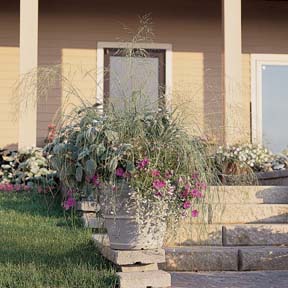
Wind Dancer Lovegrass is one of the most graceful native ornamental grasses available, producing clouds of delicate, airy flower panicles that seem to float above the foliage like a soft mist. Native to the southeastern United States, this elegant selection of Elliott's Lovegrass is prized for its fine texture, exceptional movement, and ability to create a dreamy, almost ethereal effect in the landscape.
As summer progresses, thousands of tiny flowers emerge on slender branching stems, creating a shimmering haze that dances with every breeze. The effect is so captivating that the plant earned its fitting name, "Wind Dancer."
Plant Characteristics- Botanical Name: Eragrostis elliottii 'Wind Dancer'
- Common Names: Wind Dancer Lovegrass, Elliott's Lovegrass
- Plant Type: Warm-Season Native Ornamental Grass
- Mature Height: 24 to 36 inches
- Mature Spread: 18 to 30 inches
- Growth Rate: Moderate
- USDA Zones: 5 to 10
- Sun Exposure: Full Sun
- Soil Requirements: Well-drained soil
Wind Dancer performs exceptionally well in decorative containers, where its fountain-like habit and airy flower clouds can be appreciated up close.
- Use containers at least 12 to 16 inches deep.
- Provide excellent drainage.
- Use a quality potting mix.
- Place in full sun for best flowering.
- Allow the delicate seed heads to remain through fall for maximum beauty.
Container-grown specimens often become living fountains of motion, adding elegance to patios, decks, and garden terraces.
Its airy texture blends beautifully with coneflowers, black-eyed Susans, salvias, and other native perennials.
Germination Information- Sow seeds on the soil surface or lightly cover.
- Maintain temperatures between 70°F and 80°F.
- Keep evenly moist during germination.
- Provide bright light.
- Germination typically occurs within 10 to 21 days.
Seedlings establish readily and quickly develop into attractive clumps.
Growing Information- Plant in full sun.
- Tolerates heat and humidity extremely well.
- Requires little supplemental water once established.
- Cut back old growth in late winter.
- Thrives in average to poor soils.
This native grass often performs best in conditions that would challenge many more demanding ornamental plants.
Drought ToleranceOnce established, this grass exhibits excellent drought tolerance and remains attractive during periods of summer heat and dry weather.
Modern landscape designers increasingly favor native grasses such as Wind Dancer because they provide beauty while supporting local wildlife and requiring fewer resources than many traditional ornamentals.
A mature Wind Dancer plant can produce thousands of tiny flowers held on extremely fine branching stems. When illuminated by morning or evening sunlight, the entire plant often appears surrounded by a glowing cloud of sparkling mist.
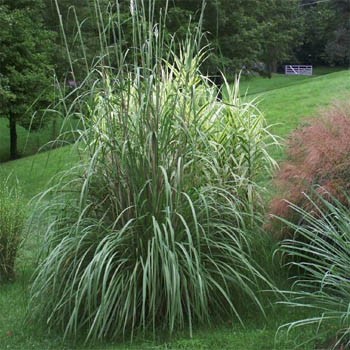
Giant Bent Awn Plume Grass is one of the most spectacular ornamental grasses available, producing towering flower plumes that rise dramatically above massive fountains of graceful foliage. Native to the Mediterranean region and parts of western Asia, this magnificent grass has become a favorite among landscape designers seeking dramatic height, movement, and year-round architectural interest.
Often compared to Pampas Grass, Ravenna Grass offers a more upright and refined appearance. Mature plants can produce dozens of enormous silver-white plumes that sway elegantly above the foliage, creating one of the most impressive displays in the ornamental garden.
Plant Characteristics- Botanical Name: Erianthus ravennae
- Common Names: Giant Bent Awn Plume Grass, Ravenna Grass, Hardy Pampas Grass
- Plant Type: Warm-Season Ornamental Grass
- Mature Height: 8 to 12 feet
- Mature Spread: 4 to 6 feet
- Growth Rate: Fast
- USDA Zones: 5 to 9
- Sun Exposure: Full Sun
- Soil Requirements: Well-drained soil
While young plants may be grown in large containers for several seasons, Giant Bent Awn Plume Grass eventually becomes too large for long-term container culture and is best suited for landscape planting.
- Use containers at least 24 inches in diameter.
- Provide excellent drainage.
- Use a rich, well-draining potting mix.
- Place in full sun.
- Transplant to the landscape as the plant matures.
Young container specimens can still provide impressive ornamental value before reaching their full size potential.
Germination Information- Sow seeds on the soil surface or lightly cover.
- Maintain temperatures between 70°F and 85°F.
- Keep evenly moist during germination.
- Provide bright light.
- Germination generally occurs within 14 to 30 days.
Warm temperatures and consistent moisture encourage rapid seedling development.
Growing Information- Plant in full sun.
- Provide good drainage.
- Tolerates heat and drought exceptionally well.
- Cut back old growth in late winter.
- Requires very little maintenance once established.
This species thrives in hot summer conditions and often becomes more impressive with age.
Ravenna Grass is generally considered highly deer resistant. The coarse foliage is rarely browsed by deer.
Once established, Giant Bent Awn Plume Grass exhibits outstanding drought tolerance and performs exceptionally well in challenging summer conditions.
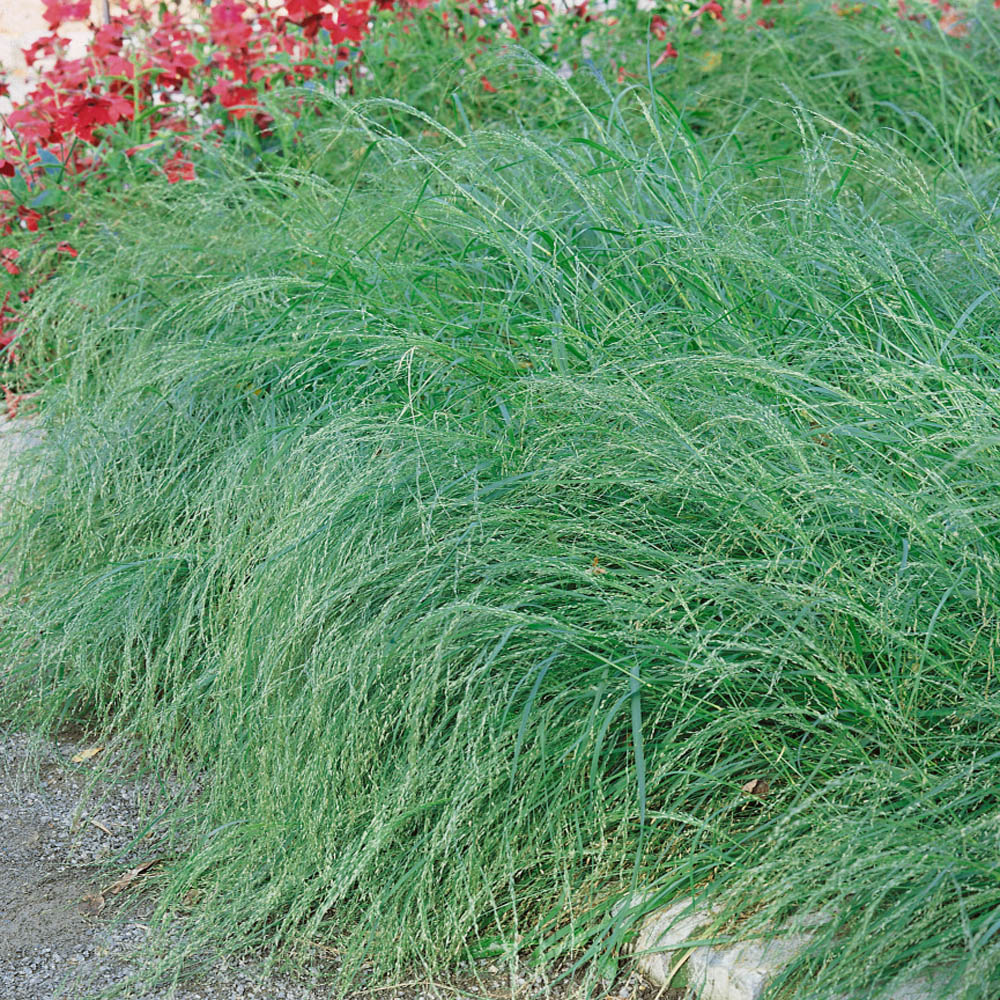
Weeping Love Grass is one of the most graceful ornamental grasses available, admired for its elegant fountain-like form and remarkable ability to create movement in the landscape. Native to southern Africa, this warm-season grass produces dense mounds of fine-textured foliage that arch outward in all directions, creating the appearance of a living green waterfall.
As summer progresses, delicate flowering stems emerge above the foliage, adding a soft haze of color and texture. The combination of graceful foliage and airy flower panicles makes Weeping Love Grass one of the most visually soothing grasses in the ornamental garden.
Plant Characteristics- Botanical Name: Eragrostis curvula
- Common Names: Weeping Love Grass, African Love Grass
- Plant Type: Warm-Season Ornamental Grass
- Mature Height: 2 to 4 feet
- Mature Spread: 3 to 5 feet
- Growth Rate: Fast
- USDA Zones: 5 to 10
- Sun Exposure: Full Sun
- Soil Requirements: Well-drained soil
Weeping Love Grass performs exceptionally well in large containers where its cascading foliage can be appreciated from all sides.
- Use containers at least 16 to 20 inches deep.
- Provide excellent drainage.
- Use a quality potting mix.
- Place in full sun for best growth.
- Allow the foliage to arch naturally over the edges of the container.
Its graceful form makes it one of the finest ornamental grasses for patios, decks, and garden courtyards.
Germination Information- Sow seeds on the soil surface or lightly cover.
- Maintain temperatures between 70°F and 85°F.
- Keep evenly moist during germination.
- Provide bright light.
- Germination generally occurs within 7 to 21 days.
Seedlings establish quickly and develop attractive clumps during their first growing season.
Growing Information- Plant in full sun.
- Tolerates poor soils.
- Requires little supplemental watering once established.
- Highly heat tolerant.
- Cut back old growth in late winter.
This species thrives under conditions that challenge many traditional landscape plants.
Weeping Love Grass is generally considered highly deer resistant and is frequently planted in areas where browsing pressure is a concern.
One of the most drought-tolerant ornamental grasses available, Weeping Love Grass remains attractive through extended periods of heat and dry weather.
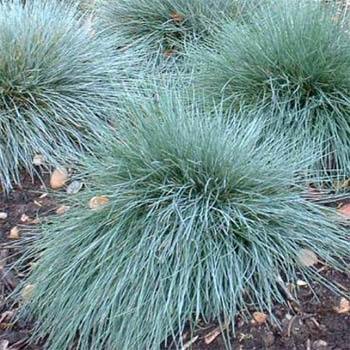
Elijah Blue Fescue is one of the most popular ornamental grasses in the world, celebrated for its striking powder-blue foliage and perfectly rounded mound-like growth habit. This compact evergreen grass brings year-round color and texture to the garden and is especially valued for its ability to provide cool blue tones that contrast beautifully with flowering perennials, shrubs, and stonework.
Unlike many ornamental grasses that are grown primarily for their flowers, Elijah Blue is prized mainly for its stunning foliage color. Its silvery-blue leaves create a neat, symmetrical mound that remains attractive through much of the year, making it one of the finest grasses for containers, borders, and rock gardens.
Plant Characteristics- Botanical Name: Festuca glauca 'Elijah Blue'
- Common Names: Elijah Blue Fescue, Blue Fescue
- Plant Type: Cool-Season Ornamental Grass
- Mature Height: 8 to 12 inches
- Mature Spread: 10 to 14 inches
- Growth Rate: Moderate
- USDA Zones: 4 to 8
- Sun Exposure: Full Sun
- Soil Requirements: Well-drained soil
Elijah Blue is one of the finest ornamental grasses for container culture. Its compact size and intense foliage color make it ideal for decorative pots, patio displays, and mixed container arrangements.
- Use containers at least 8 to 12 inches deep.
- Provide excellent drainage.
- Use a well-draining potting mix.
- Place in full sun for the richest blue coloration.
- Avoid overly wet soils, especially during winter.
Its cool blue color pairs beautifully with purple flowers, silver foliage plants, and warm-colored blooms such as rudbeckias and coreopsis.
Germination Information- Sow seed on the soil surface or lightly cover.
- Maintain temperatures between 65°F and 75°F.
- Keep evenly moist during germination.
- Provide bright light.
- Germination typically occurs within 10 to 21 days.
Seedlings develop quickly and begin forming attractive mounds during their first growing season.
Growing Information- Plant in full sun.
- Provide excellent drainage.
- Tolerates drought once established.
- Remove dead foliage in spring if necessary.
- Divide mature clumps every few years to maintain vigor.
Elijah Blue performs best in relatively lean soils and does not require heavy fertilization.
Elijah Blue Fescue is generally considered highly deer resistant and is frequently used in landscapes where browsing pressure is a concern.
Once established, Elijah Blue exhibits excellent drought tolerance and thrives in hot, dry conditions where many traditional perennials struggle.
The brilliant blue color of Elijah Blue is not actually produced by blue pigments. Instead, it results from microscopic wax coatings on the leaves that reflect light in a way that creates the plant's famous silvery-blue appearance.
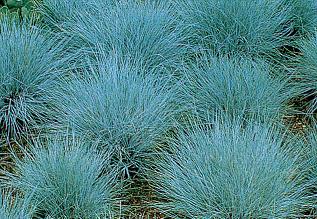
Glaucantha Fescue is a beautiful blue-gray ornamental grass prized for its compact growth habit, exceptional drought tolerance, and striking steel-blue foliage. Native to the dry grasslands and rocky slopes of Europe, this hardy fescue brings year-round texture and color to gardens while requiring very little maintenance.
Its finely textured foliage forms dense, rounded mounds that provide an attractive architectural element in containers, rock gardens, and border plantings. The cool blue coloration creates a dramatic contrast against green foliage plants and brightly colored flowers, making Glaucantha one of the most versatile ornamental grasses available.
Plant Characteristics- Botanical Name: Festuca valesiaca 'Glaucantha'
- Common Names: Glaucantha Fescue, Blue Sheep Fescue
- Plant Type: Evergreen Ornamental Grass
- Mature Height: 8 to 14 inches
- Mature Spread: 10 to 18 inches
- Growth Rate: Moderate
- USDA Zones: 4 to 8
- Sun Exposure: Full Sun
- Soil Requirements: Well-drained soil
Glaucantha is exceptionally well suited for container culture. Its compact size and attractive foliage make it ideal for decorative pots, trough gardens, and patio displays.
- Use containers at least 8 to 12 inches deep.
- Provide excellent drainage.
- Use a well-draining potting mix.
- Place in full sun for best foliage color.
- Avoid consistently wet soil.
Its neat, symmetrical growth habit allows it to remain attractive throughout the year with minimal maintenance.
The blue-gray foliage provides a striking contrast against stone, brick, and flowering perennials.
Germination Information- Sow seed on the soil surface or lightly cover.
- Maintain temperatures between 65°F and 75°F.
- Keep evenly moist during germination.
- Provide bright light.
- Germination typically occurs within 10 to 21 days.
Seedlings establish quickly and soon begin forming dense rounded clumps.
Growing Information- Plant in full sun.
- Requires excellent drainage.
- Tolerates poor soils.
- Drought tolerant once established.
- Comb out dead foliage in spring if necessary.
Overly rich soils may reduce the intensity of the blue foliage color.
This species evolved in dry grasslands and exhibits outstanding drought tolerance once established, making it an excellent choice for water-wise landscapes.
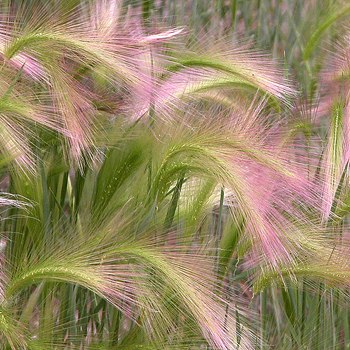
Foxtail Barley is one of the most eye-catching ornamental grasses in the world, producing silky, feathery seed heads that shimmer in shades of silver, pink, rose, and lavender. Native to North America and parts of northern Asia, this elegant cool-season grass creates a dazzling display that seems to glow when illuminated by sunlight.
The long, delicate awns surrounding each seed head catch even the slightest breeze, creating constant movement and sparkle. During peak bloom, entire plantings can resemble clouds of pink silk floating above the foliage, making Foxtail Barley one of the most photographed native grasses.
Plant Characteristics- Botanical Name: Hordeum jubatum
- Common Names: Foxtail Barley, Squirrel Tail Barley, Foxtail Grass
- Plant Type: Cool-Season Ornamental Grass
- Mature Height: 18 to 30 inches
- Mature Spread: 12 to 24 inches
- Growth Rate: Fast
- USDA Zones: 3 to 9
- Sun Exposure: Full Sun
- Soil Requirements: Adaptable; tolerates poor soils
Foxtail Barley performs exceptionally well in containers, where its colorful seed heads can be appreciated at close range.
- Use containers at least 10 to 14 inches deep.
- Provide good drainage.
- Use a quality potting mix.
- Place in full sun for best flowering.
- Allow seed heads to remain for maximum ornamental effect.
Its compact size and spectacular blooms make it an excellent choice for patio and deck displays.
Its colorful seed heads create beautiful contrast with native wildflowers and other ornamental grasses.
Germination Information- Sow seeds approximately 1/8 inch deep.
- Maintain temperatures between 60°F and 75°F.
- Keep evenly moist during germination.
- Provide bright light.
- Germination generally occurs within 7 to 14 days.
Seedlings establish rapidly and often produce flowering stems during their first season.
Growing Information- Plant in full sun.
- Tolerates poor and alkaline soils.
- Requires minimal fertilizer.
- Water regularly during establishment.
- Tolerates heat, cold, and drought once established.
Foxtail Barley is remarkably adaptable and thrives under a wide range of growing conditions.
Foxtail Barley is generally considered moderately deer resistant, especially after the seed heads mature.
Drought ToleranceOnce established, Foxtail Barley demonstrates excellent drought tolerance and continues to perform well during periods of limited rainfall.
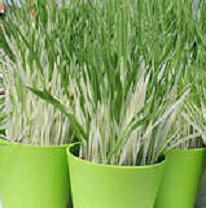
Variegated Cat Grass is both an attractive ornamental plant and a favorite treat for cats. Featuring striking green-and-cream striped foliage, this decorative form of barley combines beauty and function, offering pet owners an attractive container plant that cats can safely nibble, rub against, and enjoy throughout the growing season.
Unlike many ornamental grasses grown solely for landscape value, Variegated Cat Grass serves a dual purpose. It provides fresh greenery that many cats instinctively seek while also creating a handsome display on patios, porches, windowsills, and indoor growing areas.
Plant Characteristics- Botanical Name: Hordeum vulgare variegata
- Common Names: Variegated Cat Grass, Variegated Barley Grass, Cat Barley
- Plant Type: Cool-Season Ornamental Grass
- Mature Height: 12 to 24 inches
- Mature Spread: 8 to 16 inches
- Growth Rate: Fast
- USDA Zones: Annual in most regions
- Sun Exposure: Full Sun to Partial Shade
- Soil Requirements: Average, well-drained soil
Variegated Cat Grass is ideally suited for container culture and is often grown specifically in pots where cats can safely access it.
- Use containers at least 6 to 10 inches deep.
- Provide good drainage.
- Use a quality potting mix.
- Place in bright light or partial sun.
- Keep soil evenly moist for continuous growth.
Many gardeners maintain multiple containers and rotate them as cats enjoy the foliage.
Indoor GrowingThis grass performs exceptionally well indoors near bright windows and is one of the easiest ornamental grasses to grow as a houseplant. Fresh growth is typically available within just a few weeks of sowing.
- Place near a sunny window.
- Maintain moderate moisture.
- Provide good air circulation.
- Trim occasionally to encourage fresh growth.
Many cats instinctively seek grasses and often enjoy chewing the tender foliage. While scientists continue to study the exact reasons, grass consumption may aid digestion and help satisfy natural behavioral instincts inherited from wild ancestors.
Variegated Cat Grass provides a safe alternative to houseplants that may be unsuitable or potentially harmful for pets.
Germination Information- Sow seeds approximately 1/4 inch deep.
- Maintain temperatures between 65°F and 75°F.
- Keep soil consistently moist.
- Provide bright light.
- Germination usually occurs within 3 to 7 days.
This is one of the fastest-growing grasses available from seed.
Growing Information- Plant in full sun to partial shade.
- Keep evenly watered.
- Harvest or trim foliage as needed.
- Produces fresh growth rapidly.
- Can be succession planted throughout the year.
Frequent sowings ensure a constant supply of fresh grass for both ornamental display and feline enjoyment.
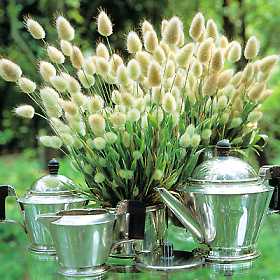
Hare's Tail Grass is one of the most charming and whimsical ornamental grasses grown in gardens today. Native to the Mediterranean region, this delightful grass is famous for its soft, fluffy flower heads that closely resemble the tails of rabbits. The silky seed heads emerge pale green before maturing to creamy white and buff tones, creating an irresistible display that appeals to gardeners, florists, children, and wildlife enthusiasts alike.
Compact, easy to grow, and exceptionally attractive in containers, Hare's Tail Grass brings texture, movement, and a touch of playfulness to any garden setting. It is equally valued as a fresh garden plant and as one of the finest grasses for dried floral arrangements.
Plant Characteristics- Botanical Name: Lagurus ovatus
- Common Names: Hare's Tail Grass, Bunny Tail Grass, Rabbit Tail Grass
- Plant Type: Cool-Season Ornamental Grass
- Mature Height: 12 to 24 inches
- Mature Spread: 8 to 12 inches
- Growth Rate: Fast
- USDA Zones: 7 to 11 (often grown as an annual elsewhere)
- Sun Exposure: Full Sun
- Soil Requirements: Well-drained soil
Hare's Tail Grass is exceptionally well suited for container gardening. Its compact size and adorable flower heads make it a favorite for patio pots, balcony gardens, and decorative mixed containers.
- Use containers at least 8 to 12 inches deep.
- Provide excellent drainage.
- Use a quality potting mix.
- Place in full sun for best flowering.
- Allow flower heads to mature for dried arrangements.
Container-grown plants often produce abundant flower spikes and remain attractive throughout the growing season.
Its soft flower heads provide a delightful contrast to bold flowers and broad-leaved plants.
Germination Information- Sow seed on the surface or lightly cover.
- Maintain temperatures between 65°F and 75°F.
- Keep evenly moist during germination.
- Provide bright light.
- Germination usually occurs within 7 to 14 days.
Seedlings grow rapidly and often begin flowering within a few months.
Growing Information- Plant in full sun.
- Provide well-drained soil.
- Water moderately.
- Avoid over-fertilization.
- Harvest flower heads before heavy weather if drying is desired.
This grass thrives with minimal care and often self-sows gently in favorable climates.
Cut Flower and Dried Arrangement ValueFew ornamental grasses rival Hare's Tail Grass for dried floral use. The silky flower heads retain their shape and texture for months, making them popular in wreaths, bouquets, craft projects, and decorative arrangements.
Among ornamental grasses, Hare's Tail Grass may be the most universally loved. Its fluffy flower heads, easy-care nature, container adaptability, and usefulness in dried arrangements make it a delightful addition to gardens of every size.
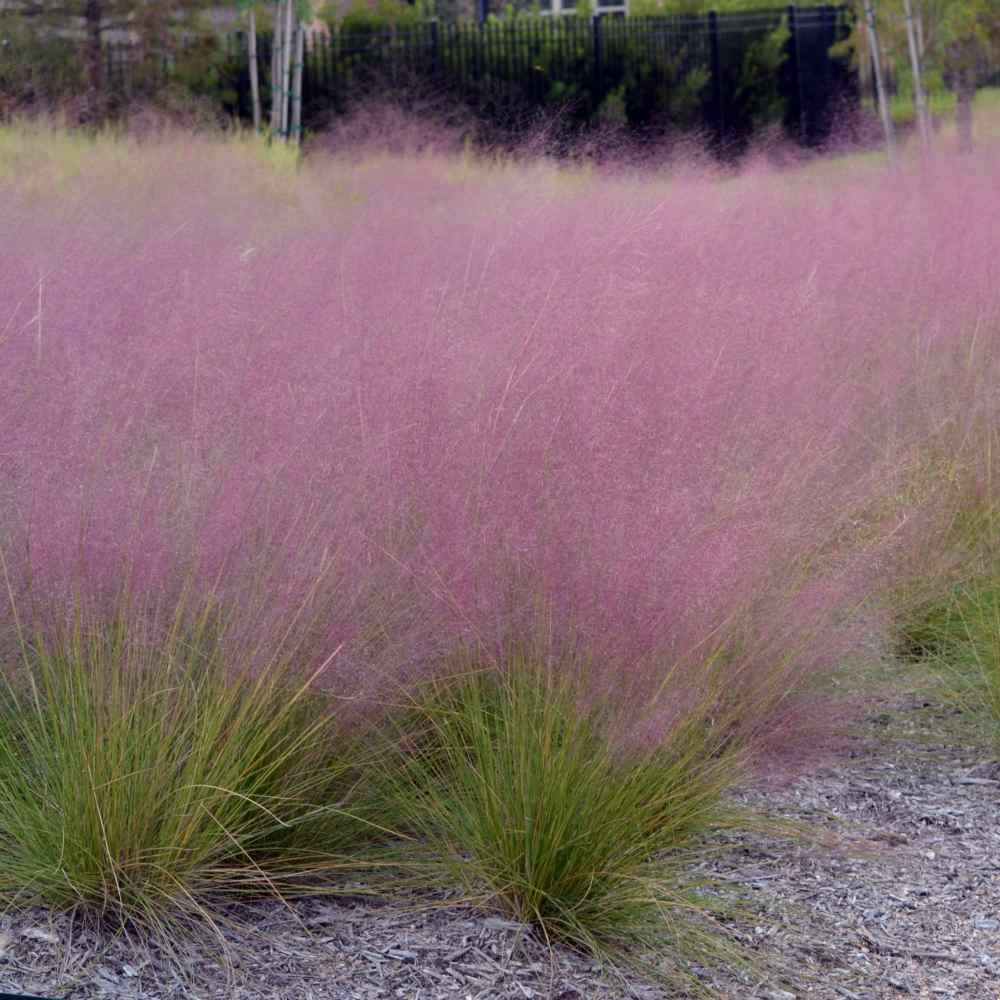
Pink Cloud Muhly Grass is one of the most breathtaking ornamental grasses available, famous for producing enormous clouds of airy pink flowers that seem to float above the foliage like rosy mist. Native to the southeastern United States, this stunning selection transforms from a modest green grass during summer into a spectacular display of pink color in autumn.
When in full bloom, mature plants appear wrapped in a soft pink haze that glows in morning and evening sunlight. Few ornamental grasses can rival the dramatic beauty of Pink Cloud, and even fewer can create such a memorable display with so little maintenance.
Plant Characteristics- Botanical Name: Muhlenbergia capillaris 'Pink Cloud'
- Common Names: Pink Cloud Muhly Grass, Pink Muhly Grass
- Plant Type: Warm-Season Native Ornamental Grass
- Mature Height: 3 to 4 feet
- Mature Spread: 3 to 4 feet
- Growth Rate: Moderate
- USDA Zones: 6 to 10
- Sun Exposure: Full Sun
- Soil Requirements: Well-drained soil
Pink Cloud performs beautifully in large decorative containers, where its spectacular autumn display can be enjoyed up close on patios, porches, and decks.
- Use containers at least 16 to 20 inches deep.
- Provide excellent drainage.
- Use a quality potting mix.
- Place in full sun.
- Allow flower plumes to remain through fall and winter.
Container-grown plants often become striking focal points when the pink flowers emerge.
Mass plantings are especially spectacular, creating vast drifts of pink that can be visible from considerable distances.
Germination Information- Sow seed on the soil surface or lightly cover.
- Maintain temperatures between 70°F and 80°F.
- Keep evenly moist during germination.
- Provide bright light.
- Germination generally occurs within 10 to 21 days.
Seedlings establish readily and develop into attractive clumps during their first growing season.
Growing Information- Plant in full sun.
- Requires excellent drainage.
- Tolerates heat and humidity exceptionally well.
- Drought tolerant once established.
- Cut back old foliage in late winter.
Pink Cloud thrives in conditions that challenge many traditional ornamental plants, including heat, drought, and poor soils.
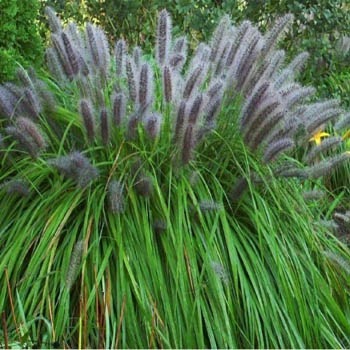
Moudry Fountain Grass is one of the finest late-season ornamental grasses available, prized for its elegant fountain-shaped habit and striking dark flower plumes that emerge nearly black before aging to rich shades of bronze and silver. Native to eastern Asia, this outstanding selection combines graceful movement, exceptional garden performance, and dramatic autumn interest.
Unlike many fountain grasses that produce tan or cream-colored flower spikes, Moudry is famous for its unusually dark bottlebrush plumes. These distinctive flower heads create a stunning contrast against the rich green foliage and make the plant a standout feature in both containers and landscape plantings.
Plant Characteristics- Botanical Name: Pennisetum alopecuroides var. viridescens 'Moudry'
- Common Names: Moudry Fountain Grass, Black Flowering Fountain Grass
- Plant Type: Warm-Season Ornamental Grass
- Mature Height: 24 to 36 inches
- Mature Spread: 24 to 36 inches
- Growth Rate: Moderate to Fast
- USDA Zones: 5 to 9
- Sun Exposure: Full Sun
- Soil Requirements: Adaptable, well-drained soil
Moudry performs exceptionally well in decorative containers where its fountain-like habit and dramatic flower spikes can be appreciated up close.
- Use containers at least 14 to 18 inches deep.
- Provide excellent drainage.
- Use a quality potting mix.
- Place in full sun.
- Leave flower plumes intact through winter for extended interest.
Its compact size makes it ideal for patios, entryways, and mixed container displays.
Its dark flower spikes pair beautifully with coneflowers, salvias, black-eyed Susans, and autumn-blooming perennials.
Germination Information- Sow seeds on the soil surface or lightly cover.
- Maintain temperatures between 70°F and 80°F.
- Keep evenly moist during germination.
- Provide bright light.
- Germination generally occurs within 10 to 21 days.
Young plants establish quickly and develop into attractive clumps during their first season.
Growing Information- Plant in full sun for best flowering.
- Tolerates a wide range of soils.
- Water regularly during establishment.
- Drought tolerant once mature.
- Cut back old foliage in late winter or early spring.
Moudry is exceptionally easy to grow and requires very little maintenance once established.
Moudry Fountain Grass is generally considered deer resistant and is frequently used in landscapes where browsing pressure is a concern.
Once established, Moudry demonstrates excellent drought tolerance while continuing to produce abundant flower spikes throughout late summer and autumn.
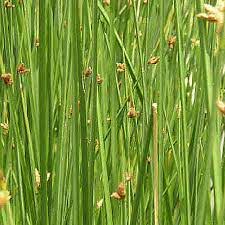
Chairmaker's Rush is a fascinating wetland plant that combines ornamental beauty with a rich history of practical human use. Native to marshes, lake shores, wetlands, and coastal habitats across much of North America, Europe, and Asia, this distinctive rush forms dense clumps of upright green stems that add strong architectural interest to gardens and water features.
For centuries, its durable stems were harvested and woven into chair seats, baskets, mats, and household items, earning the plant its memorable common name. Today, gardeners appreciate Chairmaker's Rush for its unique appearance, wildlife value, and adaptability to water gardens and decorative containers.
Plant Characteristics- Botanical Name: Scirpus pungens
- Common Names: Chairmaker's Rush, Three-Square Bulrush, Common Three-Square
- Plant Type: Perennial Rush
- Mature Height: 2 to 4 feet
- Mature Spread: 2 to 4 feet
- Growth Rate: Moderate
- USDA Zones: 4 to 10
- Sun Exposure: Full Sun to Partial Shade
- Soil Requirements: Moist to Wet Soil
Unlike many ornamental grasses, Chairmaker's Rush thrives in consistently moist conditions and is exceptionally well suited for water-garden containers, pond margins, and decorative aquatic plantings.
- Use large containers without drainage holes when possible.
- Keep soil consistently moist or shallowly submerged.
- Use heavy loam-based planting mixes.
- Position in full sun for best growth.
- Excellent for patio water features and aquatic displays.
A decorative container placed near a pond or water garden can showcase the plant's distinctive upright stems beautifully.
Germination Information- Sow seed on the soil surface.
- Do not deeply cover seeds.
- Maintain temperatures between 65°F and 80°F.
- Keep constantly moist.
- Germination generally occurs within 14 to 30 days.
Young seedlings appreciate consistently wet conditions during establishment.
Growing Information- Plant in moist to wet soils.
- Tolerates shallow standing water.
- Requires little maintenance.
- Remove old stems in late winter if desired.
- Spreads gradually by underground rhizomes.
Once established, Chairmaker's Rush becomes a durable and long-lived feature of wetland gardens.
Chairmaker's Rush is generally considered deer resistant due to its tough, fibrous stems.
Unlike many ornamental grasses, Chairmaker's Rush thrives in wet soils and shallow standing water. It is an excellent choice for difficult sites where excess moisture limits the use of traditional landscape plants.
For hundreds of years, the tough stems of Chairmaker's Rush were harvested and woven into chair bottoms, basketry, floor mats, and household goods. Before modern synthetic materials became available, rush weaving was a valuable practical skill throughout many rural communities.
Indigenous peoples across North America utilized bulrushes and rushes for weaving, construction materials, and various household purposes long before European settlement.
The tradition of rush-bottom chairs became especially popular in Europe and colonial America, giving rise to the common name "Chairmaker's Rush."
If you gently roll a stem between your fingers, you can feel its unique triangular shape. This three-sided stem structure is one of the easiest ways to distinguish Chairmaker's Rush from many other wetland plants.
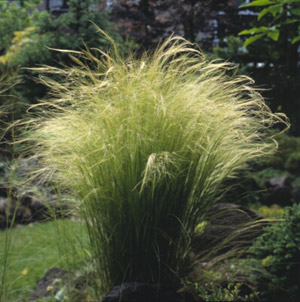
Angel Hair Grass is one of the most graceful and elegant ornamental grasses ever introduced into gardens. Native to the dry grasslands of Mexico, Texas, New Mexico, and parts of South America, this remarkable species forms soft fountains of thread-like foliage that move with the slightest breath of wind.
The extremely fine leaves and silky flowering stems create the illusion of flowing hair, giving rise to its popular common name. During summer and autumn, the plant develops delicate golden seed heads that shimmer in sunlight and create an almost magical effect in the garden.
Among ornamental grasses, few species produce as much movement, texture, and visual softness as Angel Hair Grass.
Plant Characteristics- Botanical Name: Stipa tenuissima
- Common Names: Angel Hair Grass, Mexican Feather Grass, Pony Tails Grass
- Plant Type: Perennial Ornamental Grass
- Mature Height: 18 to 30 inches
- Mature Spread: 18 to 24 inches
- Growth Rate: Moderate
- USDA Zones: 6 to 10
- Sun Exposure: Full Sun
- Soil Requirements: Well-drained soil
Angel Hair Grass is exceptionally well suited for container culture. Its graceful cascading habit allows it to spill naturally over the edges of decorative pots, creating a soft, flowing appearance.
- Use containers at least 12 to 16 inches deep.
- Provide excellent drainage.
- Use a well-draining potting mix.
- Place in full sun for best flowering.
- Avoid overwatering.
Container-grown specimens often become striking focal points because of their constant movement and texture.
Germination Information- Sow seed on the soil surface or lightly cover.
- Maintain temperatures between 65°F and 75°F.
- Keep lightly moist during germination.
- Provide bright light.
- Germination generally occurs within 10 to 21 days.
Seedlings establish quickly and begin developing their characteristic fine-textured foliage early in life.
Growing Information- Plant in full sun.
- Requires excellent drainage.
- Tolerates drought exceptionally well.
- Comb through foliage in spring to remove old growth.
- Avoid heavy fertilization.
Angel Hair Grass often performs best in relatively lean soils where many other plants struggle.
Angel Hair Grass is generally considered highly deer resistant and is rarely damaged by browsing animals.
Native to arid regions, Angel Hair Grass exhibits excellent drought tolerance once established and is frequently used in water-wise landscapes.
Historical and Cultural TidbitsThis species evolved across dry grasslands and open plains where strong winds constantly shaped its growth. Its flexible stems allow it to survive conditions that would damage more rigid plants.
As drought-tolerant landscaping became increasingly popular during the late twentieth century, Angel Hair Grass emerged as one of the most widely planted ornamental grasses in North America and Europe.
Landscape architects particularly value its ability to introduce movement and softness into modern garden designs.
Botanical Facts- The species name tenuissima means "very fine" or "extremely slender."
- Individual leaves can be thinner than a sewing thread.
- Flowering stems often turn brilliant gold as they mature.
- The plant remains attractive through much of the year.
- Its foliage can move in breezes too gentle to affect most other plants.
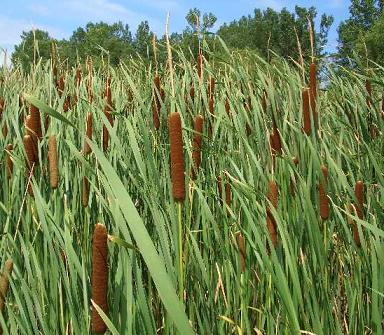
Narrow Leaf Cattail is one of the most recognizable wetland plants in the world, admired for its distinctive cigar-shaped flower spikes and elegant upright foliage. Native to wetlands, marshes, ponds, lakeshores, and slow-moving waterways across Europe, Asia, and North America, this remarkable plant combines ornamental beauty, wildlife value, and centuries of practical human use.
Its slender leaves and graceful growth habit give it a more refined appearance than the common broadleaf cattail, making it especially attractive for water gardens and naturalized aquatic landscapes.
For thousands of years, cattails have provided food, shelter, weaving materials, and wildlife habitat, earning them a reputation as one of the most useful plants in nature.
Plant Characteristics- Botanical Name: Typha angustifolia
- Common Names: Narrow Leaf Cattail, Lesser Bulrush, Narrowleaf Reedmace
- Plant Type: Aquatic Perennial
- Mature Height: 4 to 8 feet
- Mature Spread: 2 to 5 feet
- Growth Rate: Fast
- USDA Zones: 3 to 10
- Sun Exposure: Full Sun
- Soil Requirements: Wet soil or shallow water
Unlike traditional ornamental grasses, Narrow Leaf Cattail thrives in water gardens and aquatic containers. It can be grown successfully in large tubs, pond baskets, and decorative water features.
- Use large aquatic containers.
- Plant in heavy loam soil.
- Maintain 2 to 12 inches of water above the soil.
- Provide full sun.
- Divide periodically to control spread.
For patio water gardens, a decorative container filled with water can create an impressive display of upright foliage and distinctive flower spikes.
Germination Information- Sow seed on the soil surface.
- Do not deeply cover seed.
- Maintain temperatures between 70°F and 85°F.
- Keep constantly moist.
- Provide bright light.
- Germination generally occurs within 14 to 30 days.
Seedlings establish best when grown in consistently wet conditions.
Growing Information- Plant in wet soils or shallow water.
- Provide full sun for maximum growth.
- Tolerates seasonal flooding.
- Spreads through underground rhizomes.
- Cut back old growth in late winter if desired.
Once established, Narrow Leaf Cattail is extremely durable and can persist for decades.
The fluffy seed heads also provide nesting material used by birds throughout the breeding season.
Mature cattails are generally resistant to deer browsing due to their tough fibrous foliage.
This species thrives in standing water and saturated soils, making it ideal for sites where most ornamental plants cannot survive.
Early settlers often relied upon cattails as an important source of practical materials before manufactured goods became readily available.
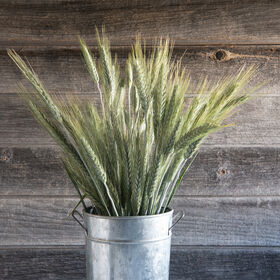
Silver Tip Wheat is an exceptionally attractive ornamental grain prized for its elegant silver-tipped seed heads, graceful growth habit, and outstanding value in both fresh and dried floral arrangements. Derived from triticale, a hybrid of wheat and rye, this unique ornamental selection combines the beauty of traditional grain crops with the hardiness and vigor that have made triticale an important agricultural plant around the world.
As the plants mature, the developing seed heads take on a striking silvery sheen that catches sunlight beautifully, creating a shimmering display unlike that of ordinary wheat. Whether grown in containers, ornamental borders, cutting gardens, or decorative grain displays, Silver Tip Wheat brings both beauty and historical interest to the landscape.
Plant Characteristics- Botanical Name: Triticosecale spp.
- Common Names: Silver Tip Wheat, Ornamental Triticale
- Plant Type: Cool-Season Ornamental Grain
- Mature Height: 24 to 48 inches
- Mature Spread: 6 to 12 inches
- Growth Rate: Fast
- USDA Zones: Grown as an annual in most regions
- Sun Exposure: Full Sun
- Soil Requirements: Average, well-drained soil
Silver Tip Wheat performs surprisingly well in containers and decorative planters, where the elegant seed heads create a unique architectural display.
- Use containers at least 10 to 12 inches deep.
- Provide good drainage.
- Use a quality potting mix.
- Plant several seeds together for a fuller display.
- Place in full sun for strongest growth.
Container-grown specimens are particularly attractive on patios and decks where the silver seed heads can be viewed up close.
Germination Information- Sow seeds 1 inch deep.
- Maintain temperatures between 55°F and 75°F.
- Keep soil evenly moist.
- Provide full sun after emergence.
- Germination typically occurs within 5 to 10 days.
Seedlings establish rapidly and quickly develop into vigorous plants.
Growing Information- Plant in full sun.
- Provide moderate moisture.
- Tolerates a wide range of soil conditions.
- Requires little maintenance.
- Harvest seed heads when fully mature for dried arrangements.
Silver Tip Wheat is easy to grow and rewards gardeners with a striking ornamental display throughout the season.
Cut Flower and Dried Arrangement ValueSilver Tip Wheat is exceptionally valuable for dried floral arrangements. The seed heads maintain their shape and coloration long after harvest and are frequently used in wreaths, harvest displays, centerpieces, and rustic decorations.
And check out our Complete Ornamental Grass Growing Guide

Contact Us | Privacy Policy | About Us
Serving gardeners since 1992
State of Mississippi Seedmen's Permit #C-391, Ohio 90152, Minnesota 20086777