
The Seedman Garden-to-Pantry Project
Grow, Harvest, Cure, Dry & Store Food From Your Own Garden
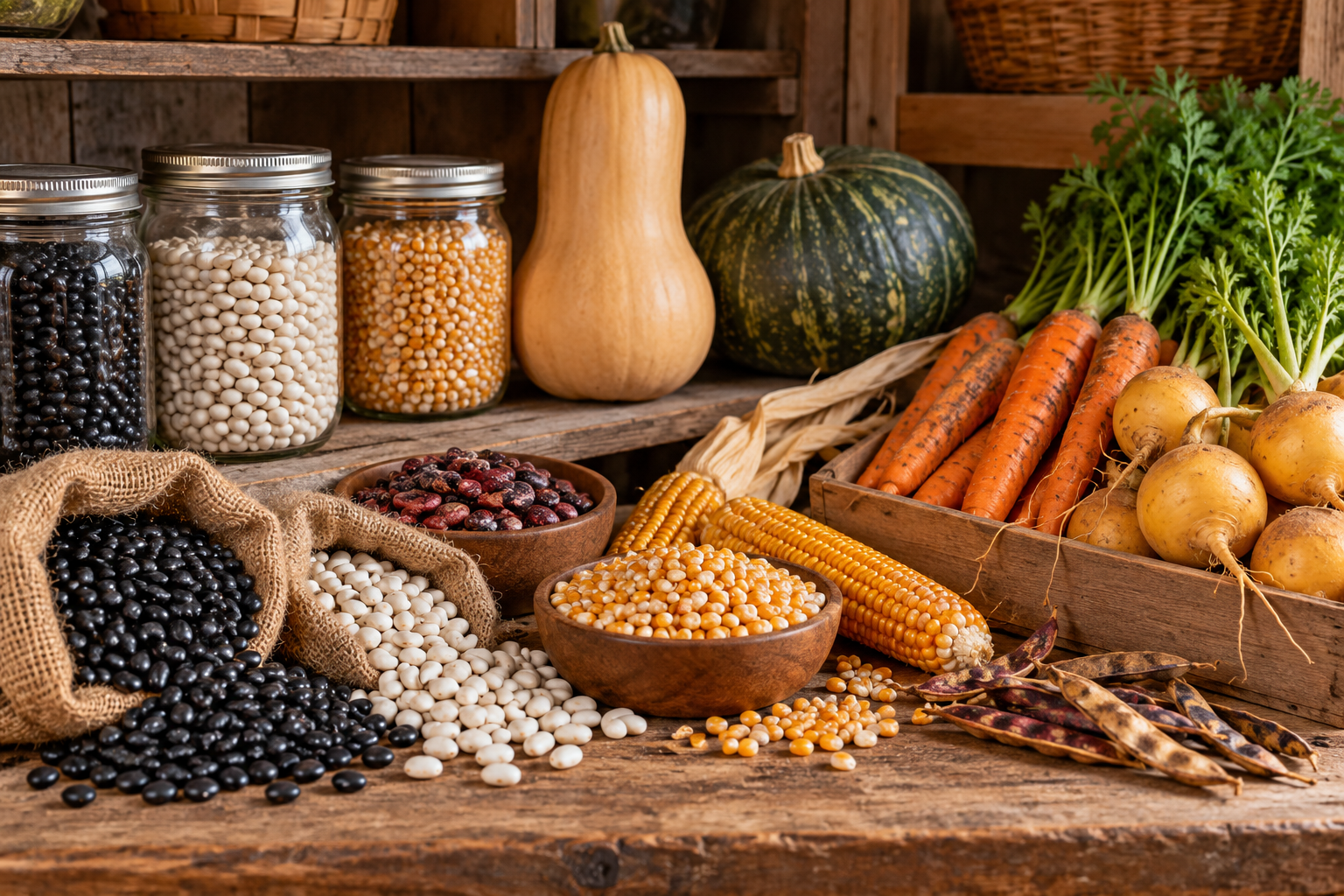
A pantry garden is about more than growing vegetables for tonight's supper. It is about choosing crops that can be harvested at full maturity and carried forward into the weeks and months ahead. This project brings together eight useful crops that demonstrate several traditional ways of keeping a garden harvest: drying and shelling beans, drying popcorn for storage, curing winter squash, and holding root crops under cool, humid conditions.
Plant → Grow → Harvest → Cure or Dry → Shell or Trim → Store → Cook → Enjoy
The goal is not to turn a home garden into a warehouse. Even a modest planting can teach the complete journey from seed packet to pantry shelf. A jar of beans you shelled yourself, popcorn dried on the cob, a cured winter squash waiting for a cold evening, or carrots lifted from storage in winter all give the gardener something fresh vegetables cannot: the satisfaction of extending the harvest well beyond the growing season.
Eight Crops, Several Ways to Store a Harvest
The selections below were chosen for what they teach as much as for what they produce. Black Turtle, Navy and Scarlet Runner beans demonstrate dry-seed storage; Dynamite Popcorn shows how grain moisture matters; Waltham Butternut and Sweet Mama Kabocha demonstrate curing and whole-fruit storage; Golden Ball Turnip and Imperator 58 Carrot introduce the very different cool, humid conditions preferred by stored roots.
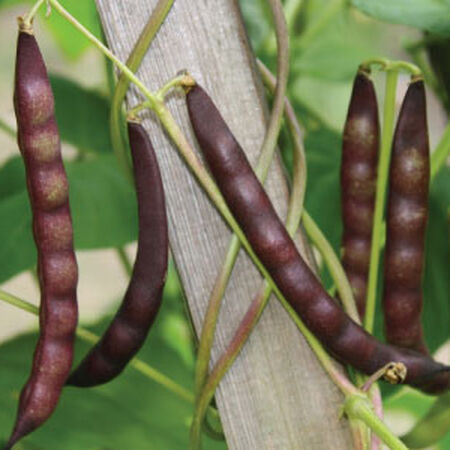
Black Turtle Soup Bean is a classic dry bean with small, glossy black seeds and a rich, hearty flavor that makes it especially useful for soups, stews, bean dishes and pantry cooking. For this project, the important lesson begins after the plants have finished producing fresh pods: allow the pods to mature and dry as fully as weather permits, then harvest before prolonged rain or pod shattering damages the crop.
After harvest, spread or hang the pods in a dry, well-ventilated place until they are thoroughly crisp. Shell the beans, remove chaff and damaged seed, and allow the cleaned beans additional drying time before storage. Once completely dry, store in clean, airtight food-safe containers in a cool, dark, dry location.
Garden-to-Pantry Role: This is our straightforward introduction to the dry-bean process: mature the seed on the plant, finish drying under cover, shell, clean and store. It is one of the simplest ways to see how a green garden plant becomes a shelf-stable kitchen staple.
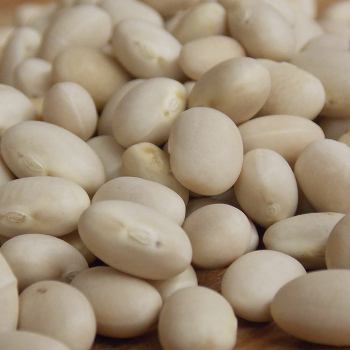
Navy Pole Bean produces the familiar small white dry beans long associated with baked beans, soups and traditional pantry meals. Unlike a bush dry bean, the climbing plants also demonstrate how a vertical crop can produce a useful storage harvest from a relatively small footprint when given a sturdy trellis or other support.
For pantry use, leave pods on the vines until they become dry and papery. If wet weather threatens, mature pods can be picked and finished under cover with good air circulation. Shell only when the pods are crisp, sort the beans carefully, and continue drying the shelled beans before placing them into airtight storage.
Garden-to-Pantry Role: Navy beans show why dry beans were such dependable pantry foods long before refrigeration. Stored whole and dry, they take little shelf space and can later become soups, baked beans, casseroles and many other substantial dishes.
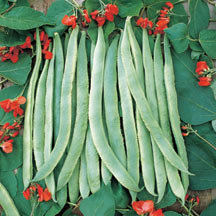
Scarlet Runner Bean is both ornamental and useful, producing vigorous climbing vines, brilliant scarlet flowers and large beans. It also gives this project an unusual lesson because the crop can be harvested at several stages: young pods can be eaten fresh, developing beans can be used as fresh shell beans, or the pods can be left to mature for a dry-bean harvest.
For pantry storage, allow selected pods to mature until they are dry and brittle. Harvest before repeated rain or hard frost, finish drying under cover if necessary, then shell and sort the beans. Large beans can retain internal moisture longer than they appear to from the outside, so give them adequate drying time before sealing them in storage containers.
Garden-to-Pantry Role: Scarlet Runner teaches the gardener to make a harvest decision. Eat the crop now as a fresh bean, or leave part of it on the vine and let time transform it into a dry pantry crop for later meals.
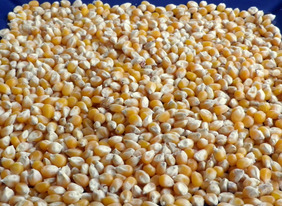
Dynamite Popcorn turns one of the most familiar snack foods into a complete garden-to-pantry experience. The ears are allowed to mature fully on the stalk, then harvested and dried until the kernels reach the moisture level needed for reliable popping. Once properly conditioned, the kernels can be shelled and stored for movie nights and winter snacks.
Let the ears mature until the husks and plants are dry, then harvest and continue drying the ears in a protected, well-ventilated location. Popcorn generally performs best when the kernels contain roughly 13 to 14.5 percent moisture: too much moisture can reduce storage quality, while kernels that become excessively dry may pop poorly. A grain moisture meter is the most dependable way to check a larger home harvest.
Garden-to-Pantry Role: Popcorn introduces an important storage lesson that appearance alone cannot always provide. A kernel may look dry while its internal moisture still determines both keeping quality and how well it pops.
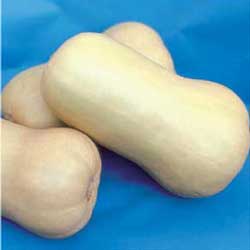
Waltham Butternut is a classic winter squash with tan skin, deep orange flesh and the rich, sweet flavor that has made butternut one of the most useful storage vegetables. Unlike summer squash, it is harvested fully mature and then cured so the rind can harden and minor surface injuries can heal before the fruits go into storage.
Harvest mature squash with a short section of stem attached, handling the fruits carefully to avoid cuts and bruises. Cure sound fruits in a warm, dry, well-ventilated place, then move them to cooler, dry storage with good air circulation. Do not store damaged fruit with the main crop; use it promptly and inspect stored squash regularly.
Garden-to-Pantry Role: Waltham Butternut demonstrates that some vegetables become better storage crops through curing rather than drying. The whole fruit becomes its own protective package, ready for soups, roasting, baking and winter meals.
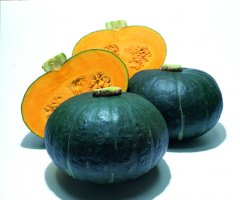
Sweet Mama is a Japanese kabocha-type winter squash valued for dense, sweet flesh and a hard protective rind. Its compact, substantial fruits make an excellent pantry crop, and the flavor and texture can improve after harvest as the squash completes its curing and resting period.
Allow fruits to reach full maturity before cutting them from the vine, leaving the stem attached whenever possible. Handle carefully, cure in warmth with good ventilation, and then store sound fruits in a cool, dry place where air can circulate around them. Check the crop periodically and remove any fruit showing soft spots or decay.
Garden-to-Pantry Role: Sweet Mama lets the gardener compare two storage squashes side by side. Both rely on mature rinds and careful curing, but each brings a different texture, flavor and kitchen use to the winter pantry.
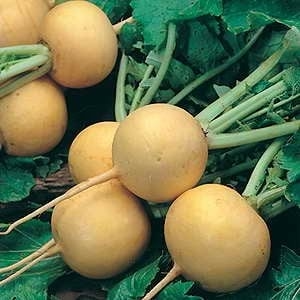
Golden Ball is an old-fashioned yellow-fleshed turnip valued for its mild, sweet, slightly nutty flavor and useful keeping quality. Harvested young it is an excellent table vegetable, but allowing roots to reach good storage size gives the gardener a traditional cool-season crop that can be held for later use.
Lift roots carefully before severe freezing damages them. Remove the leafy tops close to the crown without cutting into the root, brush away loose soil, and set aside any bruised or damaged roots for immediate use. Unlike beans and popcorn, storage turnips should not be dried hard; they keep best under cold, humid conditions that limit shriveling while discouraging decay.
Garden-to-Pantry Role: Golden Ball marks the transition from dry pantry storage to root-cellar storage. The lesson is important: a condition that keeps dried beans safe would cause roots to shrivel, while the humidity roots prefer would be unsuitable for dry grain and beans.
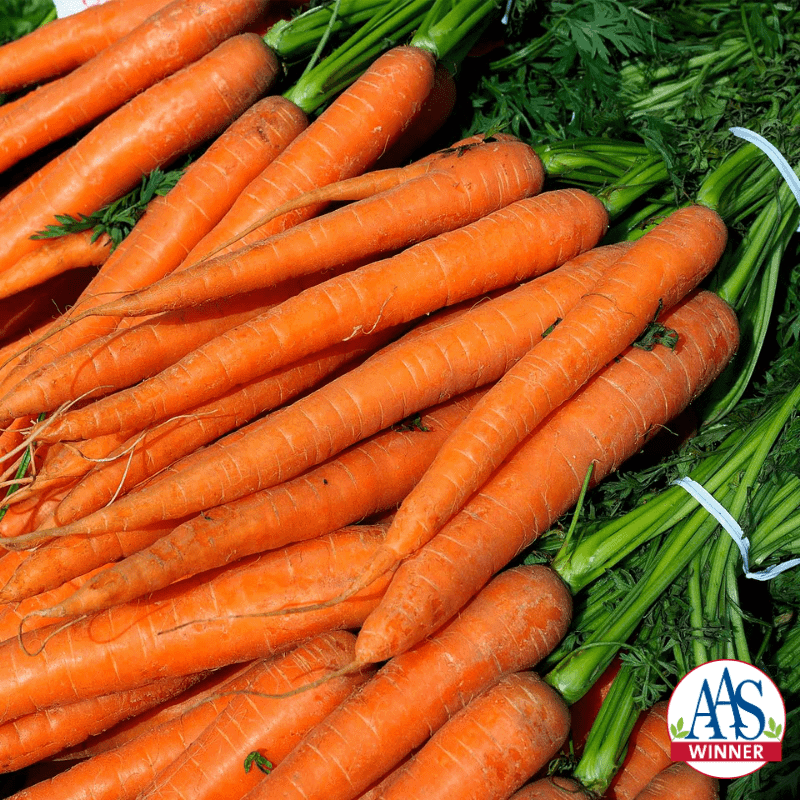
Imperator 58 is a classic long orange carrot with crisp, sweet flesh and excellent keeping quality. Its substantial 8 to 10 inch roots make it especially suitable for this project because a fall planting can provide both fresh garden carrots and roots held for later meals.
Harvest mature carrots carefully so the roots are not cut or bruised. Remove the leafy tops promptly because attached foliage continues to draw moisture from the root. Sort out damaged carrots for immediate use and keep sound roots cold and humid. In suitable root-cellar conditions, carrots are commonly packed so they retain moisture without sitting in free water or becoming wet enough to encourage rot.
Garden-to-Pantry Role: Imperator 58 completes the project by showing the opposite side of food storage from dried crops. The objective is not to remove all moisture from the carrot, but to keep the living root cold, crisp and protected from moisture loss.
The Garden-to-Pantry Reference Guide
1. Start With the Storage Method, Not Just the Crop
A successful pantry harvest begins by recognizing that these crops do not all want the same treatment. Dry beans and popcorn must lose moisture before storage. Winter squash needs a sound mature rind and a curing period. Carrots and turnips remain moist living roots and need cold, humid storage. Keeping these groups separate is one of the most important lessons in the entire project.
2. Dry Beans: Wait for Full Seed Maturity
Beans intended for dry storage should remain on the plant until the pods are tan, papery and dry whenever weather permits. If autumn rain threatens, mature pods can be harvested and finished in a dry sheltered place. Good air circulation is more important than high heat. When pods are crisp, shell the beans and remove chaff, damaged seed and anything showing mold or insect injury.
3. Give Shelled Beans Time to Finish Drying
Freshly shelled beans may still contain more internal moisture than expected. Spread them in a shallow layer in a dry, protected location and allow additional time before sealing them into containers. Beans that are not thoroughly dry can mold in storage. Once dry, use clean food-safe jars or containers with tight-fitting lids and keep them cool, dark and dry.
4. Popcorn: Drying Is Part of the Recipe
Leave popcorn ears on the stalk until mature and dry, then finish drying under cover if necessary. For reliable popping, kernel moisture matters; roughly 13 to 14.5 percent is a useful target range. A grain moisture meter removes much of the guesswork. Before shelling an entire crop, test-pop a small sample. If the kernels are chewy or fail to expand well, moisture may need adjustment.
5. Winter Squash: Harvest Mature and Handle Gently
Storage squash should be fully mature with a firm rind. Cut rather than pull the fruits from the vine and leave part of the stem attached. Avoid carrying squash by the stem. Cuts, bruises and broken stems shorten storage life, so damaged fruits belong in the kitchen first rather than in the long-term storage group.
6. Cure Before Storing Winter Squash
Curing allows the rind to harden and helps minor surface injuries heal. Keep freshly harvested sound squash warm, dry and well ventilated during the curing period, then move it to cooler, dry storage. Exact curing needs differ somewhat among squash types, so the condition of the fruit matters more than following a single rule for every variety.
7. Roots Need a Different Kind of Pantry
Carrots and turnips should remain crisp rather than becoming dry. Remove tops after harvest, sort carefully, and keep only sound roots for longer storage. Their ideal environment is cold and humid, such as suitable root-cellar or refrigerated conditions. Containers or packing materials can help limit moisture loss, but roots should never be sealed away wet or stored in standing moisture.
8. Never Store Damaged Produce With the Best Produce
A bruise, cut, soft spot or patch of decay can turn into a larger problem in storage. Sort at harvest and again before putting food away. Use imperfect but wholesome produce promptly and reserve the soundest specimens for longer keeping. Check stored squash and roots periodically rather than forgetting about them until winter.
9. Label Everything
A simple label should include the crop, variety and harvest or storage date. If you grow the project more than once, those labels become valuable records. You may discover that one location in your home keeps squash better, that one bean dries earlier, or that your fall carrots remain crisp longer under a particular storage method.
10. Keep a Pantry Garden Notebook
Record planting date, harvest date, approximate yield, drying or curing time, storage location and the date when you use the last of the crop. After only one season, you will have a practical guide tailored to your own garden and home rather than a generic storage chart.
A Simple Pantry Harvest Plan
- Black Turtle Soup Bean: dry, shell and store whole for soups and bean dishes.
- Navy Pole Bean: dry on the vine, shell and store for baked beans and soups.
- Scarlet Runner Bean: compare fresh, shell-bean and fully dried harvest stages.
- Dynamite Popcorn: mature on the stalk, dry carefully, shell and test-pop before storage.
- Waltham Butternut: harvest mature, cure and store whole for winter cooking.
- Sweet Mama Kabocha: cure and rest the mature fruit, then enjoy its dense sweet flesh later.
- Golden Ball Turnip: remove tops and store cold and humid rather than dry.
- Imperator 58 Carrot: harvest carefully, trim tops and protect roots from moisture loss.
Food Storage Safety
Store only clean, sound produce and discard food showing mold, rot, off odors or other signs of spoilage. Keep dry foods genuinely dry and protect them from insects and rodents. The methods on this page concern traditional dry storage, curing and cold root storage; they are not substitutes for tested home-canning or other preservation procedures. If you decide to can, pickle or otherwise preserve part of the harvest, use a current tested recipe from a reliable food-preservation authority.
Seedman Notes: The pleasure of a pantry garden is that harvest day is not the end of the project. A bean pod becomes a jar of soup beans, a dry ear becomes a bowl of popcorn, a squash cures on the shelf, and a carrot waits for a winter meal. Each crop teaches a different method, but together they show one of gardening's oldest and most satisfying skills: carrying the abundance of one season forward into the next.
For over a thousand more unique seed varieties, all in stock and ready to ship, visit our Seed Catalog Index Page .

Contact Us | Privacy Policy | About Us
Serving gardeners since 1992
State of Mississippi Seedmen's Permit #C-391, Ohio 90152, Minnesota 20086777