
Papaya Seeds from around the World
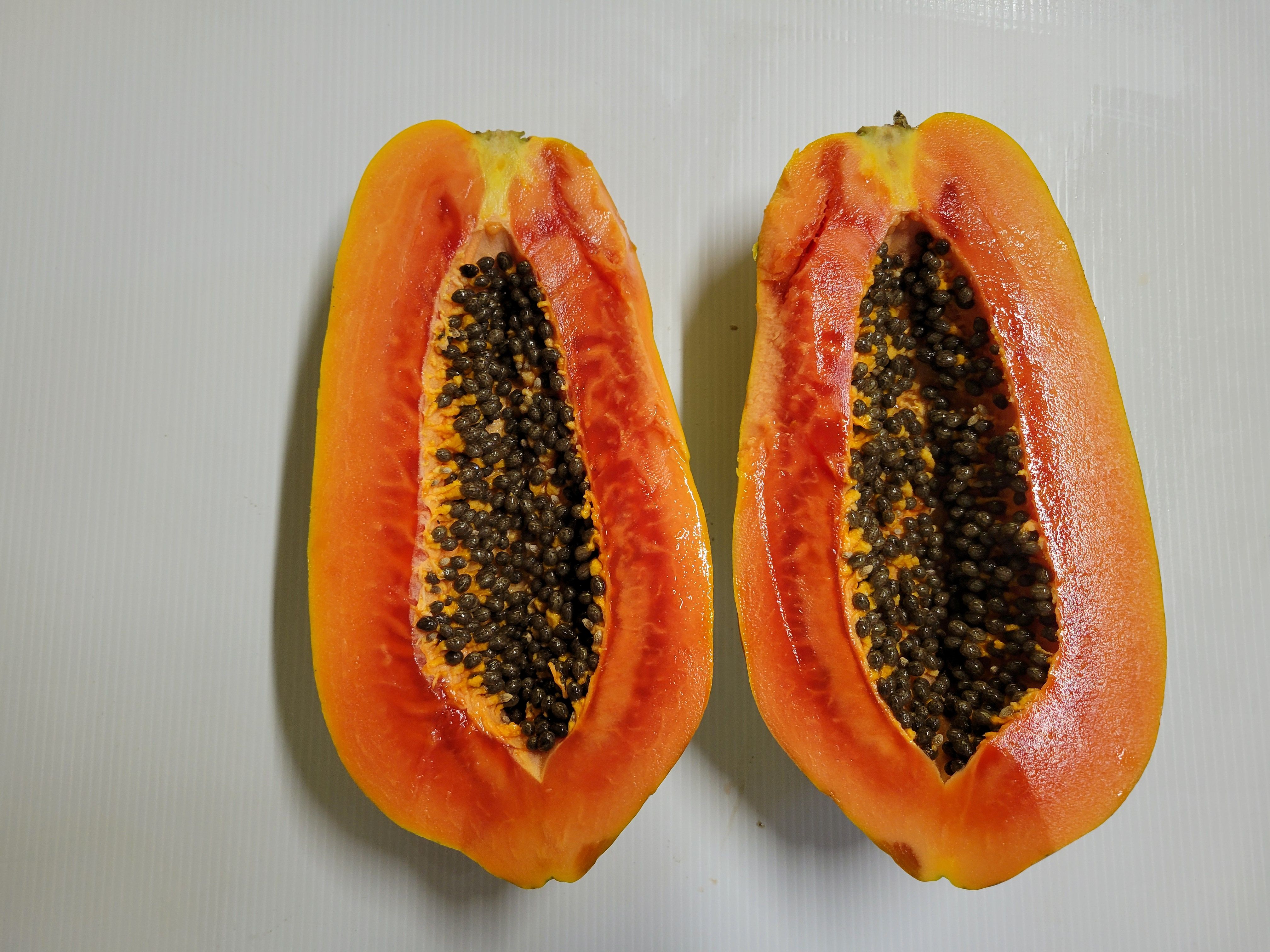
This is is a variety grown in Mexico and very popular at grocery stores and fruit stands there. The fruits are slightly larger than Hawaiian Solo varieties, often getting in the 3-4 pound range compared to 2-3 pounds for the HS variety, but still small enough for the solo description. It is not nearly as well known as other commercial varieties grown in the region which are much larger fruits, but should be tried by any Papaya lover. We love the softer flesh for fruit salads, smoothies, and juices, and is great for eating fresh.
The fruits have smooth golden to yellow skin, rich orange to salmon-colored flesh with a little marbling, sweet tropical flavor, and fragrant aroma. As noted, we love the flavor of these and they are productive growers.
Plant Characteristics
- Botanical Name: Carica papaya
- Common Name: Mexican Solo Papaya
- Plant Type: Tropical fruit-bearing herbaceous tree
- Mature Height: 8 to 15 feet outside, 7-12 feet in containers.
- Growth Rate: Extremely fast
- USDA Zones: 9b to 11
- Fruit Color: Golden-yellow skin with deep orange flesh
- Fruit Weight: Typically 3 to 4 pounds
Papaya seeds germinate readily under warm conditions.
- Sow seeds approximately 1/4 inch deep.
- Maintain temperatures between 75 and 90°F.
- Keep soil consistently moist.
- Provide bright light after emergence.
- Use a well-drained growing medium.
- Germination typically occurs within 2 to 6 weeks.
Thrives in full sun and fertile, well-drained soils rich in organic matter.
Regular watering and fertilization encourage rapid growth and continuous fruit production.
Excellent drainage is critical, as papayas are sensitive to standing water and poorly drained soils.
Under ideal conditions, fruit production often begins within the first year from seed.
Container GrowingThis Papaya performs well in large containers of 20 gallons or larger.
Container-grown plants require regular feeding, consistent watering, and protection from frost.
Large patio specimens can produce surprisingly abundant harvests while adding a dramatic tropical appearance.
Fruit InformationThe fruits contain smooth, sweet flesh with a rich tropical aroma and relatively small seed cavity.
The flavor is often described as a blend of melon, peach, mango, and honey-like sweetness.
Excellent for fresh eating, fruit salads, smoothies, juices, and desserts.
Nutritional ValueRich in Vitamin C, Vitamin A, potassium, folate, antioxidants, and digestive enzymes.
The fruit is considered one of the healthiest tropical foods and is enjoyed worldwide as part of a nutritious diet.
Red Maradol Improved Hybrid Papaya is one of the world's most popular commercial papaya varieties, prized for its exceptionally large fruit, deep salmon-red flesh, outstanding sweetness, and vigorous growth. Originating from breeding work in Cuba and later refined throughout tropical America, Red Maradol has become the standard by which many modern papayas are judged.
This improved hybrid produces heavy yields of large, elongated fruits that commonly weigh between 3 and 10 pounds. The rich red-orange flesh is sweet, aromatic, and nearly fiber-free, making it ideal for fresh eating, smoothies, fruit salads, desserts, and tropical beverages.
Its rapid growth and ability to produce fruit within the first year make Red Maradol one of the most rewarding tropical fruit plants available from seed.
Plant Characteristics- Botanical Name: Carica papaya
- Common Names: Red Maradol Papaya, Improved Hybrid Papaya
- Plant Type: Fast-growing tropical fruit plant
- Mature Height: 8 to 15 feet
- Growth Rate: Extremely fast
- USDA Zones: 9b to 11
- Flower Color: Creamy white to pale yellow
- Bloom Time: Year-round in tropical climates
- Fruit Size: Typically 3 to 10 pounds
- Flesh Color: Deep salmon-red to orange-red
Red Maradol Papaya is ideal for tropical fruit gardens, edible landscapes, poolside plantings, greenhouse cultivation, patio containers, and backyard orchards.
Its large tropical leaves create an instant island atmosphere while the colorful fruits add ornamental value.
Germination InformationPapaya seeds germinate readily under warm conditions.
- Sow approximately 1/4 inch deep.
- Maintain temperatures between 75 and 90°F.
- Keep soil consistently moist.
- Germination generally occurs within 2 to 6 weeks.
Warm temperatures dramatically improve germination speed and success.
Growing InformationRed Maradol thrives in full sun and fertile, well-drained soil rich in organic matter.
Papayas dislike standing water and perform best when planted in raised beds or well-drained sites.
Regular watering and feeding encourage rapid growth and heavy fruit production.
Under favorable conditions, plants may begin flowering within six to nine months from seed.
Container GrowingRed Maradol can be successfully grown in large containers of 20 gallons or larger.
Container-grown plants require excellent drainage, regular fertilization, and protection from freezing temperatures.
Large decorative containers can create an attractive tropical patio feature while still producing fruit.
Fruit InformationThe large fruits contain sweet, juicy flesh with rich tropical flavor and very little fiber.
The flavor is often described as a blend of melon, peach, mango, and tropical citrus.
Fully ripe fruit is excellent fresh, while green fruit may be cooked and used similarly to squash.
Nutritional ValuePapayas are rich in Vitamin C, Vitamin A, potassium, folate, antioxidants, and digestive enzymes.
The papain enzyme found in papaya has been used for centuries as a natural meat tenderizer and digestive aid.
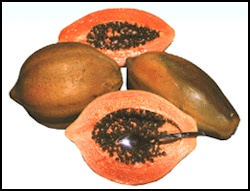
Tainung No. 2 Papaya is one of the finest papaya hybrids developed in Taiwan and is highly regarded for its excellent fruit quality, attractive appearance, reliable production, and adaptability to a wide range of growing conditions. Developed through Taiwan's extensive papaya breeding programs, this improved variety combines vigorous growth with sweet, richly colored flesh and exceptional market appeal.
The fruits are typically elongated and uniform in shape, ripening to a beautiful golden-yellow exterior with deep orange-red flesh inside. The flavor is sweet, aromatic, and smooth, making it a favorite for fresh eating, fruit salads, smoothies, and tropical desserts.
Its rapid growth, early fruit production, and dependable yields have made Tainung No. 2 one of the most widely planted papaya hybrids throughout Asia and many tropical regions worldwide.
Landscape UsesTainung No. 2 is ideal for tropical fruit gardens, edible landscapes, greenhouse growing, patio plantings, poolside gardens, and small home orchards.
Its large deeply cut leaves and colorful fruits create an attractive tropical appearance even when not actively fruiting.
Germination InformationPapaya seeds germinate readily when provided warmth and moisture.
- Sow seeds approximately 1/4 inch deep.
- Maintain temperatures between 75 and 90°F.
- Keep soil evenly moist.
- Provide bright light after emergence.
- Use a well-drained seed starting mix.
- Germination generally occurs within 2 to 6 weeks.
Tainung No. 2 performs best in full sun and fertile, well-drained soil.
Regular watering and fertilization encourage rapid growth and heavy fruit production. Good drainage is essential, as papayas dislike wet feet and standing water.
Under favorable conditions, plants often begin flowering and setting fruit within the first year.
Container GrowingThis variety can be grown successfully in large containers of at least 20 gallons.
Container-grown plants require regular feeding, excellent drainage, and protection from frost.
Large decorative containers can create an attractive tropical specimen while still producing fruit.
Fruit InformationThe fruits feature smooth, sweet flesh with a pleasant tropical aroma and relatively small seed cavity.
The flavor is rich and balanced, often described as a blend of melon, mango, peach, and tropical citrus notes.
Excellent for fresh consumption, juices, smoothies, fruit salads, and desserts.
Nutritional ValuePapayas are rich in Vitamin C, Vitamin A, folate, potassium, antioxidants, and digestive enzymes.
The papain enzyme found naturally in papaya has long been valued for aiding digestion and tenderizing meats.
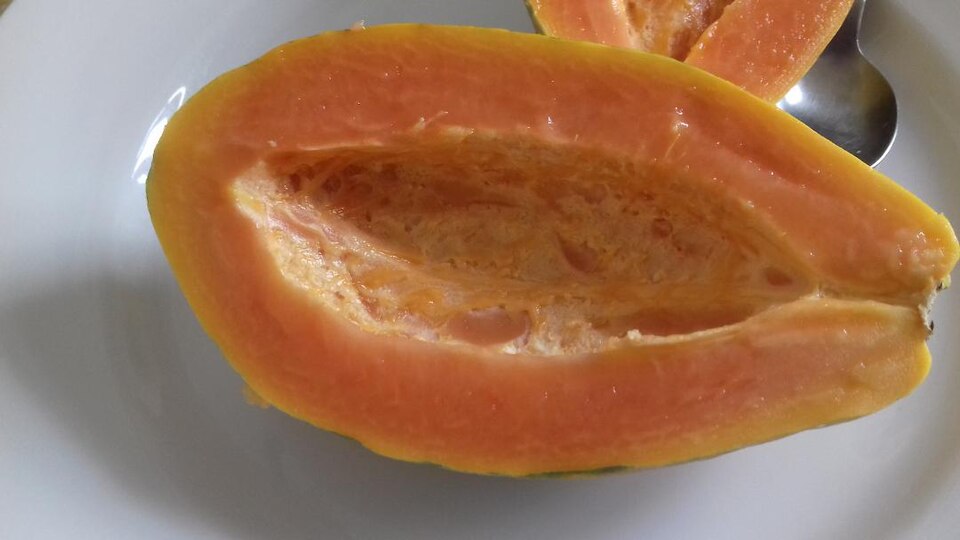

A fast-growing tropical fruit plant valued for its sweet, refreshing fruit and dramatic ornamental appearance. Plants develop a tall, usually unbranched trunk crowned by enormous, deeply lobed leaves that immediately create a lush tropical effect. The fruits develop directly along the upper trunk beneath the foliage and mature into attractive papayas with tender, juicy flesh and a sweet tropical flavor. Under warm conditions, papayas grow remarkably quickly and can begin flowering and producing fruit at a surprisingly young age, making Honeydew an especially rewarding choice for gardeners who enjoy growing unusual edible plants from seed.
Grow Honeydew Papaya in full sun, warmth, and rich, well-drained soil with regular moisture and feeding during active growth. Papayas perform best in frost-free climates, generally USDA Zones 10-11, although they can be grown as large container specimens and moved to protection in colder regions. Excellent drainage is essential because papaya roots are particularly sensitive to prolonged waterlogging. Seed-grown papayas may produce male, female, or bisexual flowers, so growing several plants and retaining the best fruiting specimens greatly improves the likelihood of successful production. Plants appreciate protection from strong winds because their large leaves and relatively soft trunks can be damaged during storms.
Sow seeds approximately ¼ inch deep in a warm, moist, well-drained seed-starting medium and maintain temperatures around 75-85°F. Germination commonly begins within two to several weeks, although individual seeds may emerge at different times. Once seedlings are established, provide strong light and avoid allowing them to become root-bound; papayas grow rapidly when warmth, moisture, and nutrition are plentiful.
Seedman Notes: Papaya is technically a giant herb rather than a true woody tree, and few edible plants provide such a dramatic tropical appearance so quickly. Honeydew Papaya is an excellent choice for warm-climate fruit gardens, edible landscapes, patios, and tropical collections. Growing several seedlings is recommended, both to improve pollination prospects and to allow selection of the strongest plants with the best fruit characteristics.
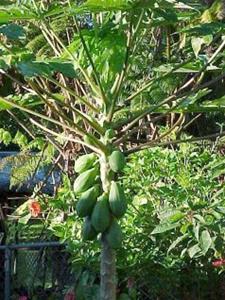
Waimanolo Papaya is one of Hawaii's most celebrated papaya varieties, renowned for its sweet flavor, rich orange flesh, attractive fruit shape, and dependable productivity. Developed through breeding efforts in Hawaii, this exceptional variety has earned a reputation among tropical fruit enthusiasts for producing delicious, high-quality fruit that is perfect for fresh eating.
The fruits are typically pear-shaped to elongated, ripening to a beautiful golden-yellow exterior while developing deep orange flesh that is smooth, juicy, and richly flavored. Waimanolo combines the tropical sweetness of premium Hawaiian papayas with vigorous growth and reliable production, making it a favorite for both home gardens and commercial plantings.
Its outstanding flavor and attractive fruit have helped establish it as one of the finest papaya selections originating from the Hawaiian Islands.
Plant Characteristics- Botanical Name: Carica papaya
- Common Name: Waimanolo Papaya
- Plant Type: Tropical fruit-bearing herbaceous tree
- Mature Height: 8 to 15 feet
- Growth Rate: Extremely fast
- USDA Zones: 9b to 11
- Flower Color: Creamy white
- Fruit Shape: Pear-shaped to elongated
- Fruit Color: Golden-yellow skin with deep orange flesh
- Fruit Weight: Approximately 1 to 4 pounds
Waimanolo Papaya is ideal for tropical fruit gardens, edible landscapes, greenhouse cultivation, poolside plantings, and patio containers.
The large deeply lobed leaves create an instant tropical appearance while colorful fruits add ornamental value throughout the growing season.
Germination InformationPapaya seeds germinate readily when provided with warmth and moisture.
- Sow seeds approximately 1/4 inch deep.
- Maintain temperatures between 75 and 90°F.
- Keep soil evenly moist but not saturated.
- Provide bright light after emergence.
- Use a well-drained growing medium.
- Germination typically occurs within 2 to 6 weeks.
Waimanolo thrives in full sun and fertile, well-drained soil rich in organic matter.
Regular watering and fertilization encourage rapid growth, flowering, and fruit production.
Good drainage is essential, as papayas are highly susceptible to root problems in poorly drained soils.
Under favorable tropical conditions, fruit production may begin within the first year.
Container GrowingWaimanolo Papaya adapts well to large containers of 20 gallons or larger.
Container-grown plants benefit from regular feeding, excellent drainage, and protection from freezing temperatures.
Large patio specimens can be both ornamental and productive.
Fruit InformationThe fruits contain sweet, juicy orange flesh with a pleasant tropical aroma and relatively small seed cavity.
The flavor is often described as rich, smooth, and less musky than some larger papaya varieties.
Excellent for fresh eating, fruit salads, smoothies, juices, and desserts.
Nutritional ValueWaimanolo Papayas are rich in Vitamin C, Vitamin A, potassium, folate, antioxidants, and digestive enzymes.
The fruits are highly valued as a nutritious tropical food and are often enjoyed as part of a healthy diet.
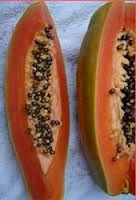
Bella F1 Hybrid Papaya is a modern improved papaya selection bred to combine vigorous growth, uniform fruit production, exceptional sweetness, and outstanding garden performance. As an F1 hybrid, Bella benefits from hybrid vigor, producing strong plants with excellent productivity, attractive fruit quality, and dependable performance under a wide range of growing conditions.
The fruits develop a beautiful golden-yellow exterior surrounding deep orange-red flesh that is sweet, juicy, and richly flavored. Bella F1 is prized by home gardeners and tropical fruit enthusiasts for its early bearing habit, heavy yields, and consistent fruit quality.
Its combination of beauty, productivity, and outstanding eating quality makes Bella F1 one of the most desirable hybrid papayas available to gardeners seeking premium tropical fruit.
Plant Characteristics- Botanical Name: Carica papaya Hybrid
- Common Name: Bella F1 Hybrid Papaya
- Plant Type: Tropical fruit-bearing herbaceous tree
- Mature Height: 8 to 15 feet
- Growth Rate: Extremely fast
- USDA Zones: 9b to 11
- Flower Color: Creamy white
- Fruit Shape: Oval to elongated
- Fruit Color: Golden-yellow skin with deep orange-red flesh
- Fruit Weight: Approximately 2 to 6 pounds
Bella F1 is ideal for tropical fruit gardens, edible landscapes, greenhouse cultivation, poolside gardens, patio containers, and backyard orchards.
Its large tropical foliage and colorful fruits create an attractive focal point while providing delicious harvests.
Germination InformationPapaya seeds germinate readily when provided with warmth and moisture.
- Sow seeds approximately 1/4 inch deep.
- Maintain temperatures between 75 and 90°F.
- Keep soil consistently moist.
- Provide bright light after germination.
- Use a well-drained seed-starting mix.
- Germination generally occurs within 2 to 6 weeks.
Warm soil temperatures greatly improve germination speed and success.
Growing InformationBella F1 performs best in full sun and fertile, well-drained soil rich in organic matter.
Regular watering and fertilization encourage rapid growth, early flowering, and heavy fruit production.
Excellent drainage is essential, as papayas are sensitive to waterlogged soils.
Under favorable tropical conditions, fruit production often begins within 8 to 12 months from seed.
Container GrowingBella F1 can be successfully grown in large containers of 20 gallons or larger.
Container-grown plants require regular feeding, excellent drainage, and protection from freezing temperatures.
Large decorative containers can produce attractive and productive patio specimens.
Fruit InformationThe fruits feature smooth, richly colored flesh with a sweet tropical flavor and pleasant aroma.
The flavor is often described as a blend of melon, mango, peach, and tropical citrus notes.
Excellent for fresh eating, smoothies, juices, fruit salads, and tropical desserts.
Nutritional ValueBella F1 Papayas are rich in Vitamin C, Vitamin A, folate, potassium, antioxidants, and digestive enzymes.
The fruit provides excellent nutritional value while remaining low in calories and naturally refreshing.
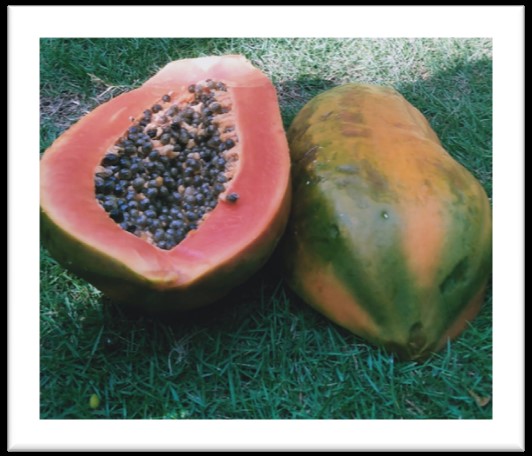
Red Nemesis F1 Papaya is an advanced hybrid selection bred for exceptional fruit quality, vigorous growth, outstanding productivity, and richly colored red-orange flesh. This premium F1 hybrid combines the benefits of hybrid vigor with attractive fruit presentation, excellent flavor, and reliable garden performance.
The fruits develop smooth golden-yellow skin as they ripen, revealing striking deep red-orange flesh that is sweet, juicy, and aromatic. Red Nemesis F1 is valued for its uniform fruit size, attractive appearance, early production, and dependable yields, making it an excellent choice for both home gardeners and tropical fruit enthusiasts.
Its combination of beauty, flavor, and productivity places it among the finest modern papaya hybrids available from seed.
Plant Characteristics- Botanical Name: Carica papaya Hybrid
- Common Name: Red Nemesis F1 Papaya
- Plant Type: Tropical fruit-bearing herbaceous tree
- Mature Height: 8 to 15 feet
- Growth Rate: Extremely fast
- USDA Zones: 9b to 11
- Flower Color: Creamy white
- Fruit Shape: Oval to elongated
- Fruit Color: Golden-yellow skin with deep red-orange flesh
- Fruit Weight: Approximately 2 to 6 pounds
Red Nemesis F1 is ideal for tropical fruit gardens, edible landscapes, greenhouse cultivation, poolside gardens, patio containers, and small orchards.
The large tropical leaves and colorful fruit clusters create a dramatic focal point while providing abundant harvests.
Germination InformationPapaya seeds germinate readily when provided warmth and moisture.
- Sow seeds approximately 1/4 inch deep.
- Maintain temperatures between 75 and 90°F.
- Keep soil evenly moist.
- Provide bright light after emergence.
- Use a well-drained growing medium.
- Germination generally occurs within 2 to 6 weeks.
Fresh seed and warm temperatures provide the most reliable germination.
Growing InformationRed Nemesis F1 thrives in full sun and fertile, well-drained soil rich in organic matter.
Regular watering and fertilization encourage rapid growth, abundant flowering, and heavy fruit production.
Good drainage is essential, as papayas are sensitive to standing water and root diseases.
Plants often begin producing fruit within 8 to 12 months from seed under favorable conditions.
Container GrowingRed Nemesis F1 can be grown successfully in large containers of 20 gallons or larger.
Container-grown plants require regular feeding, excellent drainage, and frost protection during cold weather.
Large decorative containers can produce highly ornamental and productive patio specimens.
Fruit InformationThe fruits feature thick, richly colored flesh with a sweet tropical flavor and pleasant fragrance.
The flavor is often described as a blend of melon, mango, peach, and tropical citrus with enhanced sweetness.
Excellent for fresh eating, smoothies, fruit trays, juices, desserts, and tropical recipes.
Nutritional ValueRed Nemesis F1 Papayas are rich in Vitamin C, Vitamin A, potassium, antioxidants, folate, and digestive enzymes.
The deep orange-red flesh indicates high levels of beneficial carotenoids and antioxidants.
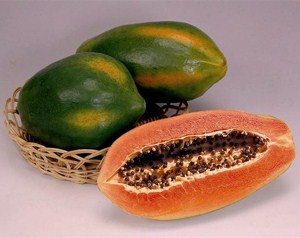
Red Lady Papaya is widely considered one of the most successful and widely grown papaya hybrids ever developed. Renowned for its rapid growth, early fruit production, exceptional sweetness, and impressive yields, Red Lady has become the preferred papaya variety for commercial growers and home gardeners throughout tropical and subtropical regions worldwide.
This vigorous hybrid produces large, attractive fruits with golden-yellow skin and rich salmon-red to deep orange flesh. The flesh is exceptionally sweet, smooth, aromatic, and nearly fiber-free, making it ideal for fresh eating and a wide variety of culinary uses.
Its combination of productivity, disease tolerance, and outstanding fruit quality has made Red Lady the benchmark by which many modern papaya varieties are measured.
Plant Characteristics- Botanical Name: Carica papaya
- Common Name: Red Lady Papaya
- Plant Type: Tropical fruit-bearing herbaceous tree
- Mature Height: 8 to 15 feet
- Growth Rate: Extremely fast
- USDA Zones: 9b to 11
- Flower Color: Creamy white
- Fruit Shape: Oval to elongated
- Fruit Weight: Typically 3 to 6 pounds
- Flesh Color: Deep orange-red to salmon-red
Red Lady is ideal for tropical fruit gardens, edible landscapes, greenhouse cultivation, patio containers, poolside gardens, and backyard orchards.
The dramatic tropical foliage and heavy fruit clusters create an attractive ornamental display while providing abundant harvests.
Germination InformationRed Lady seeds germinate readily under warm conditions.
- Sow seeds approximately 1/4 inch deep.
- Maintain temperatures between 75 and 90°F.
- Keep soil consistently moist.
- Provide bright light after emergence.
- Use a well-drained growing medium.
- Germination generally occurs within 2 to 6 weeks.
Fresh seed and consistent warmth produce the best results.
Growing InformationRed Lady thrives in full sun and fertile, well-drained soils rich in organic matter.
Regular watering and fertilization encourage rapid growth and heavy fruit production.
Excellent drainage is essential, as papayas are sensitive to waterlogged conditions.
Under favorable conditions, plants often begin flowering within six to eight months and fruit shortly thereafter.
Container GrowingRed Lady adapts well to large containers of 20 gallons or larger.
Container-grown plants require regular fertilization, excellent drainage, and frost protection.
Large patio specimens can remain highly productive while adding a dramatic tropical appearance.
Fruit InformationThe fruits feature thick, sweet flesh with excellent texture and rich tropical aroma.
The flavor is often described as a blend of melon, peach, mango, and honey-like sweetness.
Excellent for fresh eating, smoothies, fruit salads, juices, desserts, and tropical recipes.
Nutritional ValueRed Lady Papayas are rich in Vitamin C, Vitamin A, potassium, folate, antioxidants, and digestive enzymes.
The deep orange-red flesh contains valuable carotenoids and other beneficial plant compounds.
To see the results for yourself, we advise using it on some plants and not on others and see the difference.
Note: We only ship this product to addresses inside the USA. The following ingredients are used in making Jim's Plant Growth Stimulator:
Gibberellic Acid
Gibberellic Acid is EPA approved, and is commercially used to grow most fruits and vegetables we eat.
B1 Vitamins and Plant Hormones
Micronutrients
Other ingredients
Each 8 ounce bottle of JPG01 Plant Growth Stimulator makes 16 gallons spray-on solution, you can also use a drench and pour it around the base of the plant if you prefer. The bottle comes with a 1/2 ounce measuring spoon, simply mix a half ounce of plant growth stimulator with a gallon of water and spray onto the plants, or drench the soil around the plant. :
Ordinarily papaya flourishes on all type of well drained soils, even at a height of 3,000 ft above sea level. However for commercial purpose, light sandy loam and loam well drained alkaline soil is ideal. Papaya can be grown on raised rows in low lying areas. Seed rate: figure about 2,000 seeds per acre to acount for transplant loss and to aquire a spacing of mature plants 8 ft. apart.
Seed treatment: Prior to planting, make a weak solution of fungicide/water ( any brand of gardening fungicide will do ) and soak seeds in it for 5 minutes.
For small scale use:
Start seeds in trays using good grade potting soil. Treat soil with fungicide before
planting. Transplant seedlings in late afternoon to avoid shock.
Nursery Practice:
Prepare nursery beds of 15 ft. x 3 ft. Apply and work in a lot of well decomposed cow
manure 20 days before sowing.
Make ½" deep furrows at distance of 1½" apart. Sow seeds giving a spacing of ½". Fill
the furrows with1:1 mixture of dry crumbled leaves and soil. Cover the beds with black
polythene sheet or straw. Spray water regularly to maintain the top bed moisture, remove
top cover; and lightly irrigate to maintain constant moisture. One or two times spray with
mild fungicide solution. When the seedligs grow to a height of 2", transplant them to a
separate bed at a distance of 6"x6" or transfer into small perforated polythene bags filled
with 1:1 sieved soil and cow dung ensuring that the plant depth does not exceed 1½".
When the plant attains 4-6" height, it will be ready to transfer into actual field.
Caution: Transplanting into polythene should be done under shady conditions
and be kept for at least two days under shade.
INFO ON GROWING PAPAYA
Julian W. Sauls
Extension Horticulturist
http://aggie-horticulture.tamu.edu/extension/homefruit/papaya/papaya.html
Papaya is native to Central America and is grown in tropical and warmer subtropical areas worldwide. It is a large herbaceous plant, usually with a single, straight trunk which can reach to 30 feet. The leaves are large (up to 3 feet in diameter) and deeply lobed, borne on hollow petioles 2 feet or more in length. The older leaves abscise as new leaves emerge, producing a palm-like form to the plant. The flowers and fruit arise from buds on the trunk at the base of the leaves.
Because of its tropical appearance and abundant fruit, papaya is in considerable demand for use in protected landscape settings throughout coastal and southern Texas.
Climate
Papaya thrives best under warm, humid conditions. It is generally intolerant of strong winds and cold weather. Temperatures just below freezing can kill small plants to the ground--larger plants that are not killed outright will normally produce suckers to regenerate the plant and bear fruit within a year.
Limited commercial plantings in the lower Rio Grande Valley rarely survive more than a few years because of freezing temperatures.
Soil and Site Selection
Papayas are adapted to practically any well drained soil. The plant is shallow rooted and will not tolerate excessive wetness or standing water. Raised beds can partly overcome drainage problems.
Although papayas thrive best in full sun, some concession can be made to protection from wind or cold weather. Close to the south or southeast side of the house is the warmest location in most residential sites. Some wind protection provided by other plantings or structures is helpful.
Varieties
Papayas are generally grown from seed so there are few true varieties. The Hawaiian Solo, Blue Solo and more recent types are fairly uniform and are closest to varietal status. Consequently, most papayas are types rather than varieties, so fruiting characteristics are better considered in groups.
Papaya is polygamous, with three primary sex types: female, male and bisexual. There are some cases where plants produce more than one kind of flower at the same time. Bisexuals are usually preferred for home plantings, but most types available in Texas are male or female. Because sex determination prior to flowering is practically impossible, two to four seedling plants are grown together until flowering to assure females for fruit production and males for pollination.
Fruit types range from small to medium round and medium to large oblong. Flesh color is mostly yellow, although there are some orange to red types.
Female flowers are borne along the trunk and can be identified by that location and the presence of a miniature papaya fruit inside the base of the flower petals. Male flowers are borne in long sprays that originate along the trunk. Each spray is much-branched with inch-long, trumpet-shaped, male flowers. Bisexual types are practically identical to the females, but have male stamens surrounding the miniature fruit inside the flower petals.
Propagation and Planting
Most papayas are grown from seed because of the impracticality of vegetative propagation methods in nursery production. Seeds are extracted from fully ripe fruit, washed to remove gelatinous material and planted several per pot of soil or potting medium.
Germination is accomplished in approximately two weeks under full sunlight. The plants can be set out as soon as they are large enough (about 1 foot tall) to survive with minimal care. The pots of plants should be spaced 8 to 10 feet apart. Papaya seedlings should begin flowering in five to six months, at which time they can be thinned to a single female or bisexual plant at each site. In the absence of bisexual plants, one male plant is needed for every eight to ten females.
Cuttings may be rooted to preserve a particularly desirable selection. However, branching must be induced by girdling or decapitation in order to provide the suckers for rooting.
Seed can be obtained from papaya fruit purchased at the local supermarket. If the fruit is from Hawaii, the chances are good that the resulting seedlings will be mostly bisexual. For nursery production of papaya seedlings with a high percentage of female or bisexual flowers, controlled pollination between desirable parents is essential.
Pollination
Pollination is accomplished by covering an unopened flower (female or bisexual) with a small paper bag until it opens, then transferring pollen from a bisexual (or male) flower onto the protected stigma, and re-covering the pollinated flower for several days. The resultant fruit should be marked so that its seed can be collected at maturity.
In colder areas where overwinter survival is questionable, seedlings can be developed in late fall and carried through the winter in greenhouses. After frost danger passes in spring, these seedlings can be planted outdoors to provide fruit until the next killing frost.
Culture
Weed and grass control within 3 to 4 feet of the papaya is essential for optimum growth and fruiting. Cultivation for weed control should be quite shallow, as the papaya's roots are concentrated near the soil surface. The use of organic mulches is highly recommended. Fertilizer at the rate of one-quarter pound of ammonium sulfate (21-0-0) per plant should be applied monthly after planting, increasing to one half pound six months after establishment.
Irrigation should be applied to thoroughly wet the soil periodically as needed through the year. Avoid standing water following irrigation. A fluctuating irrigation regime may retard growth and cause poor fruit set.
Because papayas rapidly reach 10 to 15 feet or more, cold protection of the top is difficult. Protection of the lower portion of the trunk may permit the plant to regrow from sprouts in the event of freeze damage.
Production, Maturity and Use
Well-tended papayas should produce fruit within a year of planting, with mature plants capable of producing 100 to 200 pounds of papayas per year. Fruit can be ripened off the plant after appearance of a yellow tinge at the apical end, but the fruit attains best quality if harvest is delayed until the fruit is completely yellow.
The most common use of papaya is fresh in slices or chunks and in fruit compotes. A thick juice can be prepared by blending diced papaya with a little water. Papaya can also be sliced and dried. Green papaya is sometimes cooked and eaten like squash. Papaya is a prime source of papain enzyme (meat tenderizer), so green fruit chunks and leaves can be wrapped around meat or fowl before cooking to enhance tenderness and flavor.
Disease and Insect Pests
Root rots can cause rapid death of papaya plants. The only solution is to set new plants in a better location with better drainage or use raised beds. Watering must be done with care.
Virus diseases are quite common and uncontrollable. They normally cause vein-clearing and yellow mottling of the leaves. Other symptoms include distortion of leaf growth accompanied by stunting, poor set and the presence of various greasy-appearing or yellow rings on leaves and fruit. Infected plants should be removed and destroyed.
Anthracnose appears on the fruit as irregular, water-soaked spots that later enlarge, darken and become sunken in the rind. Copper sprays have been of limited effect in severe situations, but would not be expected to be of much use under normal conditions in Texas.
Common whitefly is about the only insect pest which has affected papaya in Texas, leading to sooty mold on the foliage and fruit. Sweetpotato whitefly also is reported to favor papaya. The safest control is through spraying with a soapy water solution.
Tip burn and marginal necrosis (browning) of the leaves is caused by saline soil and water conditions common in much of Texas. Symptoms are usually more severe on older leaves and during the summer.
The information given herein is for educational purposes only. Reference to commercial products or trade names is made with the understanding that no discrimination is intended and that no endorsement by the Cooperative Extension Service is implied.
Educational programs conducted by the Texas Agricultural Extension Service serve people of all ages regardless of socioeconomic level, race, color, sex, religion, handicap or national origin.

Contact Us | Privacy Policy | About Us
Serving gardeners since 1992
State of Mississippi Seedmen's Permit #C-391, Ohio 90152, Minnesota 20086777