
Seeds for growing patio and tub plants
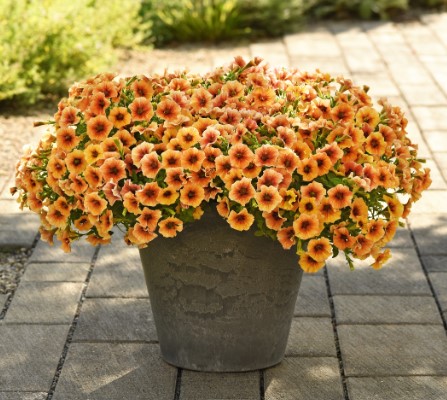
An exciting new seed-grown Petchoa combining the flower power and vigorous garden performance of petunias with the brilliant colors associated with calibrachoa. Nectarine produces glowing flowers in warm orange and yellow tones, but one of its most unusual characteristics is its ability to change appearance with growing conditions. Flowers produced under greenhouse conditions show rich orange coloring with warm yellow undertones, while plants moved outdoors develop an attractive soft rose overlay. The result is a constantly changing blend of nectarine-orange, yellow and rosy shades. Plants remain low at approximately 6 to 10 inches tall while spreading 20 to 28 inches, creating a full, mounded and trailing display ideal for hanging baskets, patio containers, window boxes and mixed combination planters.
Grow Caliburst Nectarine in full sun to partial sun with fertile, well-drained soil and consistent moisture. Its controlled spreading habit provides the fullness gardeners expect from a premium vegetative Petchoa while offering the convenience of growing plants from seed. Caliburst is also notably cold durable, allowing plants to perform well during cool early-spring conditions and then continue flowering through summer and into fall. Regular feeding is beneficial for container-grown plants because their long flowering season requires considerable nutrition. With its 20 to 28-inch spread, Nectarine is particularly well suited to hanging baskets where stems can mound over the center and gradually trail over the edges, and it also combines beautifully with contrasting blue, purple, white or deep burgundy flowers.
Caliburst Nectarine is supplied as pelleted seed for easier handling and accurate sowing. Sow pellets on the surface of a fine, moist seed-starting medium without covering them, since light is important for germination. Maintain temperatures around 70-75°F and keep the pellets consistently moist until they have completely dissolved and germination occurs, generally in approximately 7-10 days. Seedlings are typically ready for transplanting in about 4-6 weeks.
Seedman Notes: Caliburst represents an important development in Petchoa breeding because the series brings a plant previously associated primarily with vegetative propagation into a dependable seed-grown form. Nectarine may be one of the most interesting colors yet—the flowers actually change character as growing conditions change, shifting from glowing orange and yellow toward a beautiful rose-overlaid nectarine blend outdoors. For hanging baskets and premium patio containers, this should be a real attention getter.
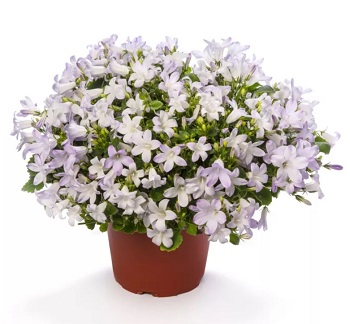
A compact, free-flowering bellflower prized for its abundance of crisp white, bell-shaped blooms held above fresh green foliage. Plants develop a neat, rounded, mounding habit and become covered with flowers during their main blooming period, creating a clean and elegant display. The bright white flowers are especially effective along pathways and border edges, where they provide contrast against darker foliage and brightly colored companions. Its naturally compact growth also makes Clockwise White an excellent choice for patio containers, window boxes, rock gardens, mixed planters, and small-space gardens.
Grow Clockwise White in full sun to partial shade in fertile, well-drained soil with reasonably consistent moisture. In areas with hot summers, some afternoon shade can help protect the foliage and flowers from excessive heat and prolong the display. Good drainage is important, particularly during cool or wet weather, and container-grown plants should never be allowed to remain in waterlogged soil. Removing faded flowers helps maintain the plant's tidy appearance and can encourage additional blooming. The numerous bell-shaped flowers also attract bees and other beneficial pollinators, making this compact Campanula useful in both ornamental and pollinator-friendly plantings.
Sow the extremely small seeds on the surface of a fine, moist, well-drained seed-starting medium and press them gently into place without covering, as light assists germination. Maintain temperatures around 65-70°F and keep the medium evenly moist without saturating it. Germination commonly begins in approximately 14-28 days, although some seedlings may take longer.
Seedman Notes: Clockwise White is particularly attractive when several plants are grouped together, producing a mound of green foliage sprinkled with brilliant white bells. Its compact size makes it easy to tuck into places where taller Campanulas would be unsuitable, and the neutral white flowers combine beautifully with almost any other garden color. It is also an excellent candidate for decorative containers where the flowers can be enjoyed up close.
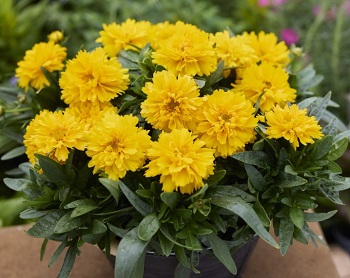
A cheerful, long-blooming perennial featuring masses of rich golden-yellow, semi-double to double flowers held above attractive green foliage. The extra petals give the blooms a fuller, almost pompon-like appearance compared with traditional single-flowered Coreopsis, creating an especially bright display in sunny gardens. Plants generally develop into compact, bushy clumps about 18 to 24 inches tall and bloom heavily through the summer, often continuing into early fall when spent flowers are removed. SunGlobe is an excellent choice for perennial borders, cottage gardens, mass plantings, pollinator gardens, cutting gardens, and sunny containers.
Grow SunGlobe in full sun and well-drained soil for the most compact plants and greatest flower production. Once established, Coreopsis grandiflora tolerates heat and periods of dry weather well and generally performs better in moderately fertile soil than in heavily enriched ground. Regular deadheading encourages additional flowering and helps keep plants attractive throughout the season; lightly cutting plants back after the first major flush can also encourage fresh growth and another display of blooms. SunGlobe is generally suitable for USDA Zones 4-9, and its bright flowers attract bees, butterflies, and other beneficial pollinators while also providing useful stems for informal summer bouquets.
Sow seeds in a moist, well-drained seed-starting medium, pressing them gently into the surface and covering only very lightly. Maintain temperatures around 65-75°F with consistent moisture and good light; germination commonly occurs in approximately 10-21 days. Established seedlings can be transplanted outdoors after danger of severe frost has passed, or seed may be direct sown where plants are to grow once conditions are suitable.
Seedman Notes: SunGlobe is one of those dependable flowers that can make a sunny planting look brighter with very little effort. Its fuller golden blooms provide considerably more visual impact than many single-flowered Coreopsis selections, yet the plants retain the easy
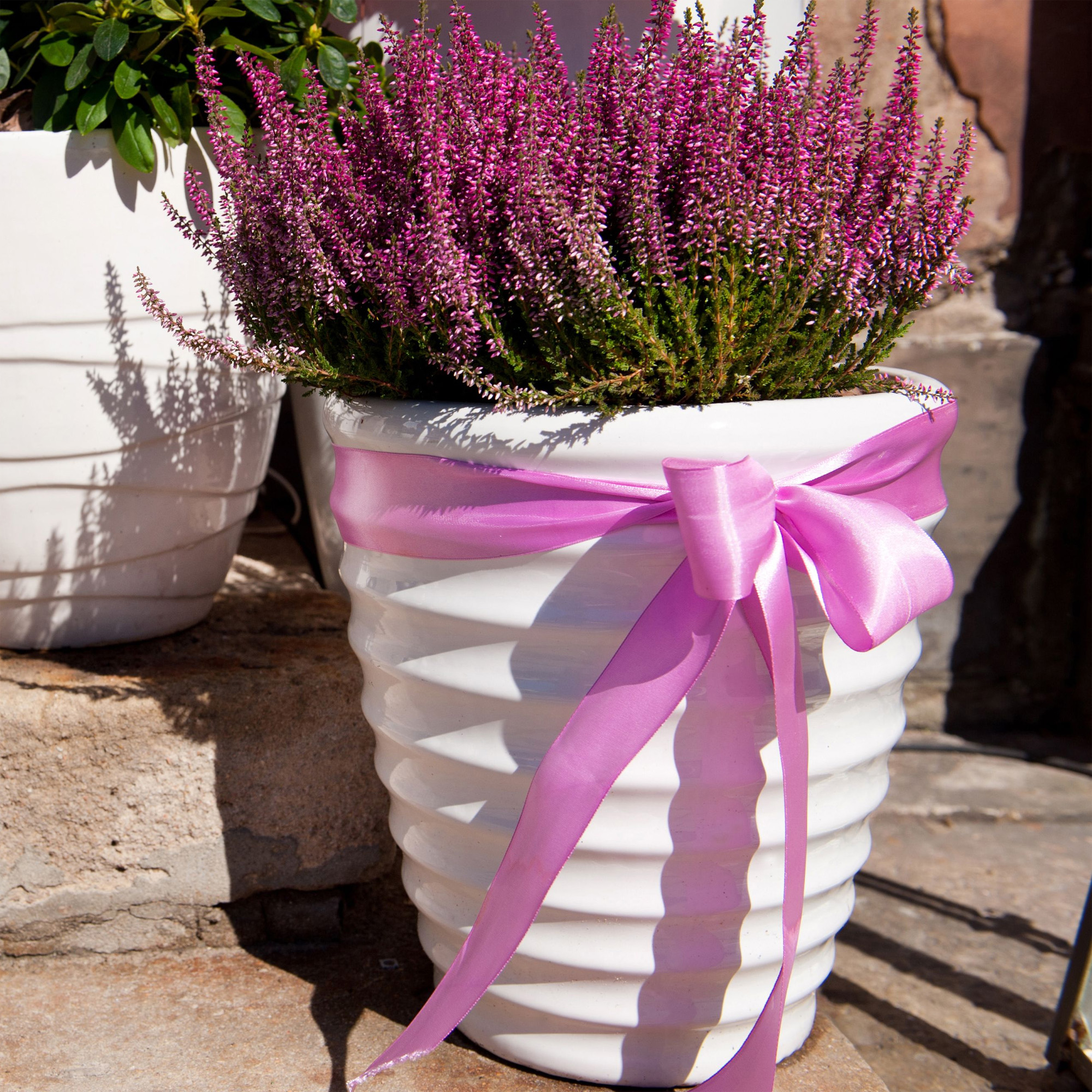
Heathers grow in nutrient poor, well-draining, acidic soils, in a bright sunny location. Calluna vulgaris will do very poorly in alkaline soils. When planting in the ground, space out the plants about 24 inches apart. Plant out in early fall or spring.
At spring, pruning of the dead dry stems produces fresher looking plants, cut the old stems off close to the ground. It is recommended to mulch before the onset of winter to protect from damage caused by the cold temperatures and wind.
Heather seeds are very small and should be surface sown and the soil needs to remain moist, with watering best done from below if possible.
Grows to about 24-36 inches tall. Normally takes about 28-35 days to germinate in 50-72 degree soil.
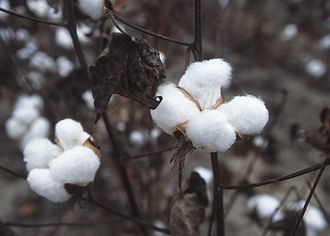
It makes an attract tub plant with beautiful blossoms that attracts bees and butterflies, it is widely used in dry arrangements. Cotton is easily grown in a tub, it makes a very attractive patio plant.
Cannot ship to GA, SC, CA, TX, LA, MS, VA or FL. Some other southeastern states require a waiver or permit; contact your extension agency for more information.
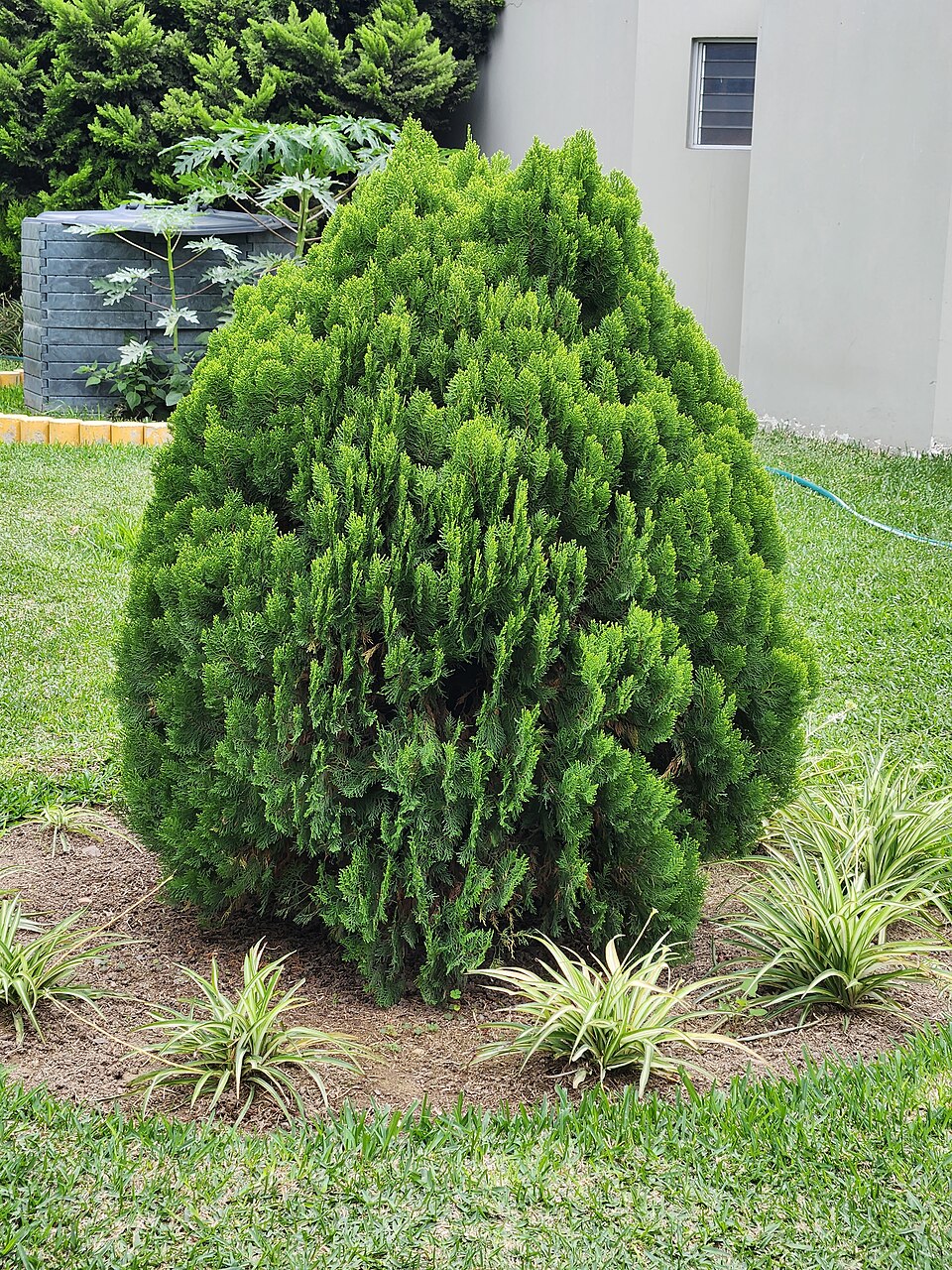
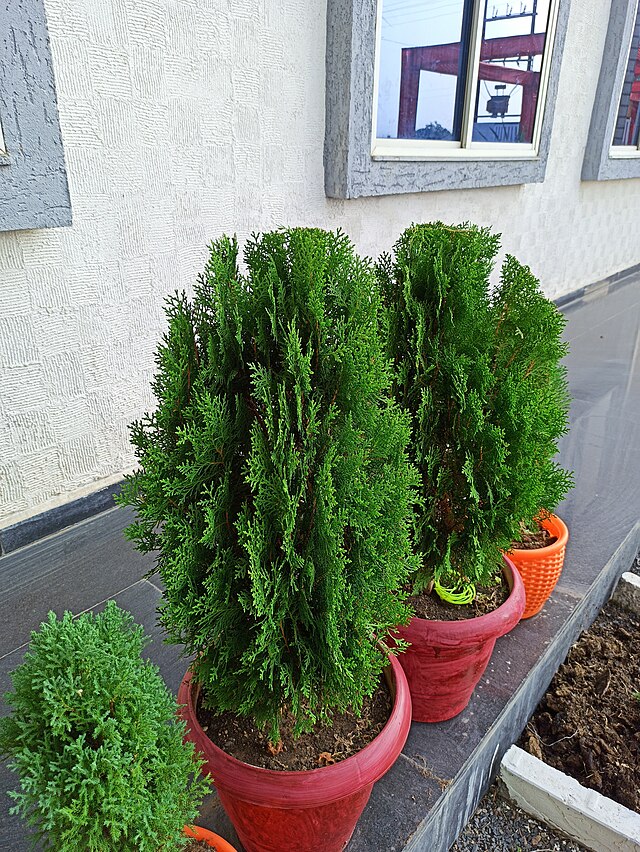
Discover the unique beauty and versatility of Platycladus orientalis 'Compacta', Dwarf Oriental Arborvitae, a stunning evergreen that enhances any landscape with its dense, pyramidal form. This cultivar is celebrated for its compact structure and adaptability, making it the perfect choice for a variety of garden applications, from hedges to standalone specimens. Native to the diverse regions of China, Korea, and the Russian Far East, this hardy evergreen thrives in USDA Zones 6 to 9, reaching an impressive height of 8-12 ft with a spread of 5-8 feet.
Optimally grown in fertile, well-drained soil with medium moisture, Dwarf Oriental Arborvitae flourishes in full sun to part shade. It appreciates good air circulation and withstands a range of conditions, except for wet, boggy sites. Notably, its scale-like leaves release a distinctive aroma when bruised, offering an additional sensory dimension to your garden space. Over time, the foliage transitions to a darker green and may bronze in winter, adding seasonal interest. Despite its rugged nature, this shrub is susceptible to common pests like bagworms and spider mites but can remain healthy with proper care. Ideal for creating living privacy screens, accentuating foundations, or enhancing garden designs, Dwarf Oriental Arborvitae promises lasting beauty and utility for your outdoor sanctuary.
Seeds need 60 days cold stratification before sowing.
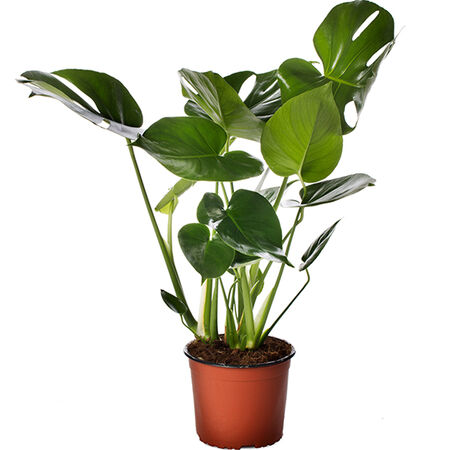
Seed Germination: Plant at least 2-3 seeds per pot. Bottom heat is helpful. Takes 14-28 days to germinate.
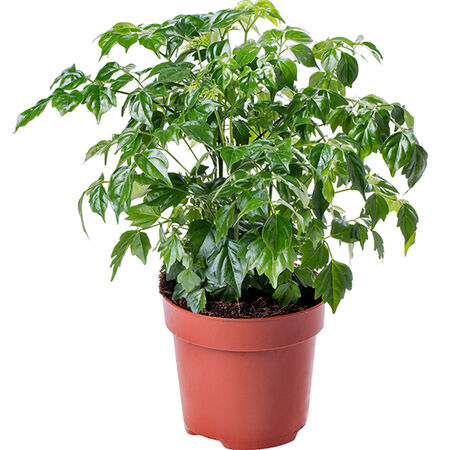
It makes great impact with lots of attractive, fresh green leaves, that stay glossy even in the dry air of heated homes. great for air purification indoors.
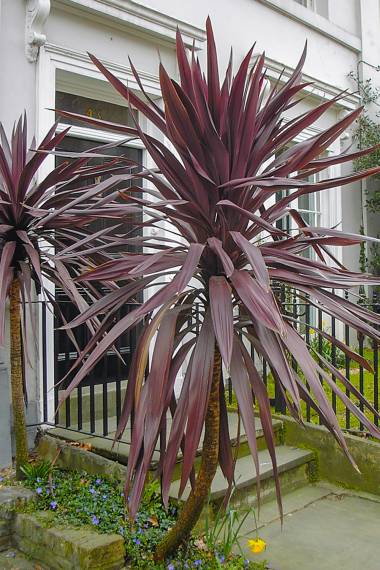
Sun loving drought tolerant plant for patio, container or outside. Ornamental bark and striking foliage for all year round color and screening. Will stay smaller in container, will grow to about 12 feet outside when mature. This palm-like sub-tropical tree makes a striking focal plant with its fountain of arching bright burgundy and reddish-bronze sword-like leaves. For a more graceful plant, cut back when young to force multiple trunks. Mature plants bear clusters of small, starry, fragrant white flowers in late spring.
Also recognized as Cordyline australis 'Atropurpurea', this is a popular, naturally occurring cultivar which is purple leaved and slightly shorter than the original species.
Great inside or patio plant, or can be grown full time outdoors in zones 9-10.
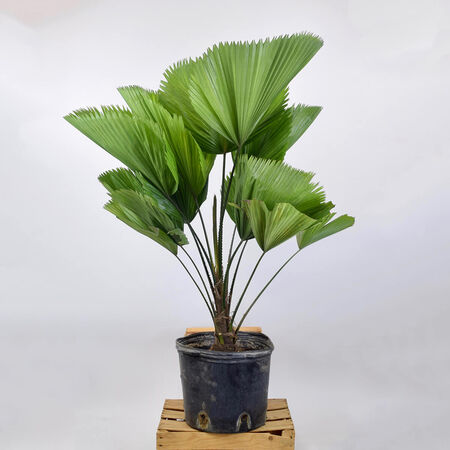
This elegant palm is great for small yards and can also grow indoors in containers in cooler climates, makes a wonderful patio plant. This is a very attractive, slow growing palm that can get up to 6-8 feet tall outdoors in warm climates, with a spread of 4 feet wide. It has a single slender trunk, 4-5 inches in diameter that takes years to develop.
The Ruffled Fan Palm is known for its unique palmate, or fan-shape leaves, with attractive splitting patterns that make it stand out in any environment. Leaves are circular, luscious green, glossy, ruffled, hence the name Ruffled Fan Palm, about 22 inches in diameter, with notched tips.
It grows best in partial shade and should not be exposed to full sun. Also, make sure to protect it from high winds to avoid frond damage. It needs a lot of water with good drainage. It can tolerate cold down to 30F when mature.
Seed Germination: These seeds inherently have a low germination rate, expect 30-40 percent in most cases.
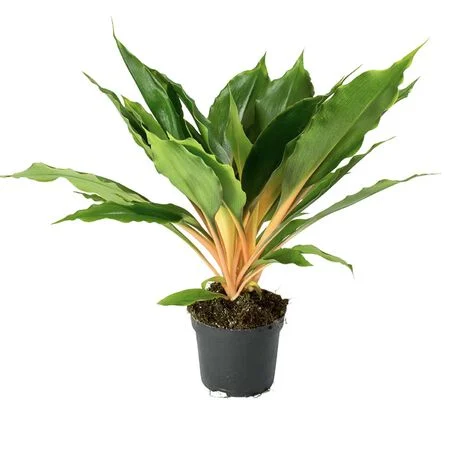
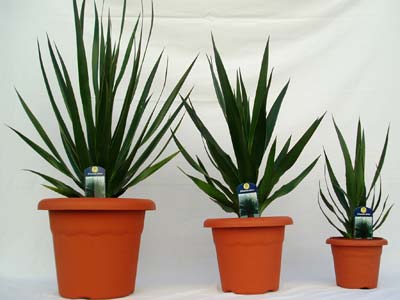
In South Africa an extract is prepared from its roots to drive away evil spirits, a real bonus feature for an ornamental plant!
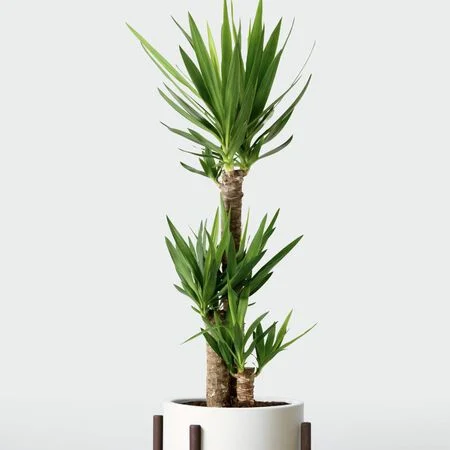
Seed Germination: Can take 4-8 weeks to germinate so patience is needed. Plant 1/2" below soil and keep soil 60-70F.
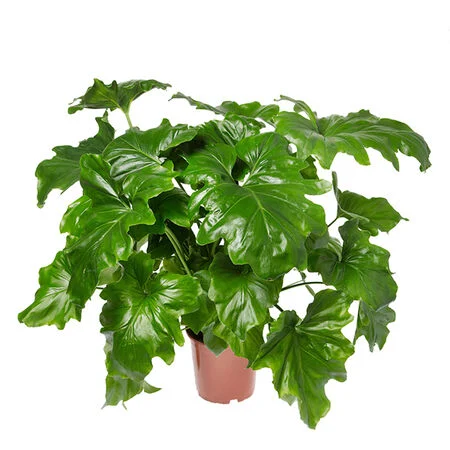
Incredible indoor or outdoor plant that can fill about any unused space in your home, including patios, gardens, shrubs, and so much more.
Outdoors, this large-leaved, easily grown philodendron makes a dramatic, tropical statement wherever it is used in the landscape, eventually developing a 3- to 4-foot-long, tree-like trunk and a spread of 8 to 10 feet. The deeply divided, usually drooping, medium green leaves grow up to three feet long and 12 to 18 inches wide, appearing on long, smooth petioles.
Indoors, this is a very popular plant used for modern interior design for homes. You will find it in many places like hotels lobbies, main entrances, corporate lobbies and offices. As a houseplant, it is very low maintenance, offers a tropical appearance, helps filter indoor air pollution and helps decorate any type interior.
Can be grown in hanging baskets when young, then transferred to pots as it matures. Can be used on patios during warm seasons, then brought inside as a house plant during the winter.
And since it thrives in high humidity and low light, you can even grow it in your bathroom, one of the few plants that can be used for this.
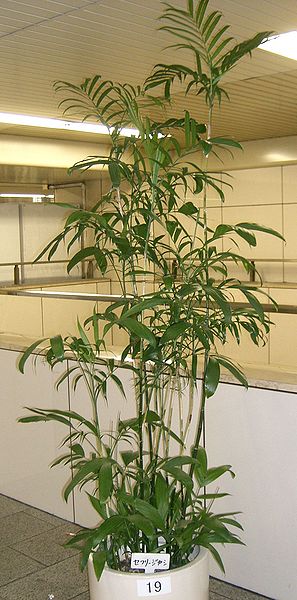

A shade loving palm particularly suited to growing in pots either indoors or on patios and verandas. Named 'Bamboo Palm' due to its multi-stemmed growth habit, resembling that of bamboo. A great air-purifying plant for indoor spaces and offices.
It can be grown outside in zone 9 and higher, but is most commonly found as houseplant or patio plant.
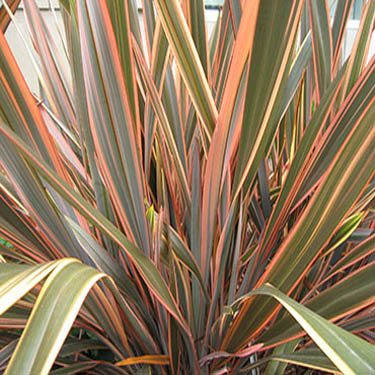
Many gardeners know New Zealand Flax as a large and often colorful spiky plant that makes an arresting focal point in the garden or in containers.
Phormium Tenax has sword-like leaves that shoot up from the base of the plant and new hybrids are now available in shades of yellow, pink, red and bronze.
Hummingbirds love to feed on these nectar-rich blossoms. Phormiums are salt tolerant making them ideal for planting in coastal areas.
Can be raised as a patio or container plant about anywhere, or outside in the garden in zones 7-10.
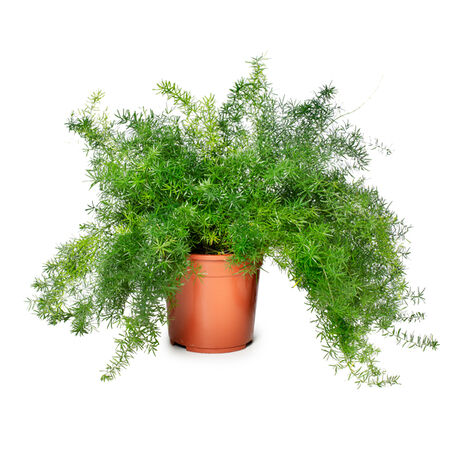
Seed Germination: Plant at least 2-3 seeds per pot. Bottom heat is helpful. Takes 14-30 days to germinate.
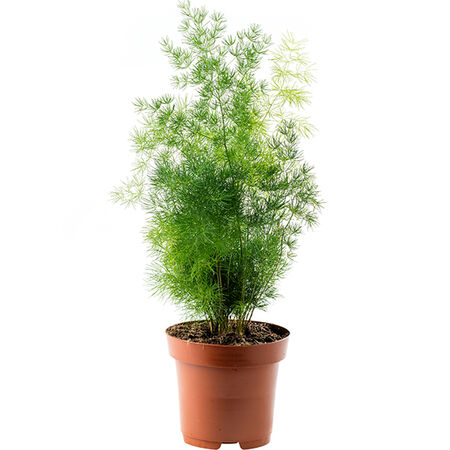

A finely textured subtropical foliage plant, with a bushy, compact habit. This Asparagus had strong woody stems and fluffy green tufts. It has tiny, bright green, needle-like foliage. Can be used as an ornamental houseplant or as filler foliage in cut flower bouquets. Great at cleaning air within the home. It is commonly known as Ming fern, Dill fern or Asparagus fern.
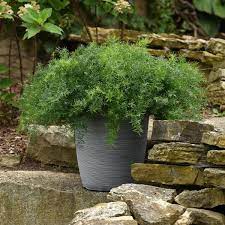
In zones 9 to 11 (very tropical areas) it can be used in the landscape year around. In zones 7 to 8, it may be root hardy and come back the following year. In all other zones, it will have to be used as a summer annual, similar to Petunias and Impatiens.
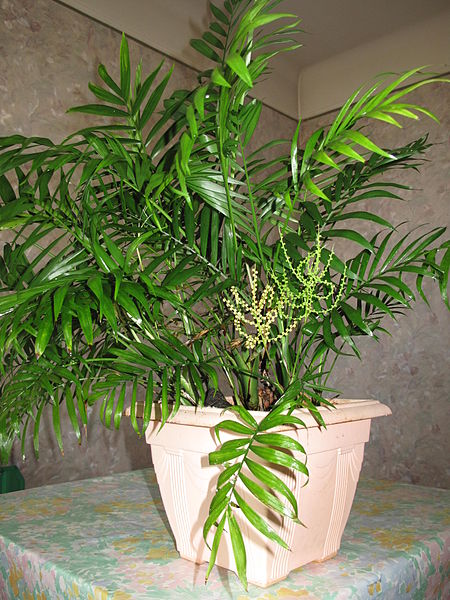
It is used in gardens in sub-tropical climates, such as the Southeastern United States, and in tropical areas, growing to 6-7 feet tall inside, ( may reach about 12 feet outside in zones 9 and higher ) with slender, cane-like stems.
It is often cultivated in temperate regions as a houseplant, where it grows to 6 feet tall with very slow growth, tolerating low levels of humidity and light, though it prefers medium to high humidity and bright indirect light.
It is a versatile and almost no-maintenance plant that is able to grow in most indoor and outdoor conditions. These plants are not tolerant of frost and must be kept indoors in winter in non-tropical climates.
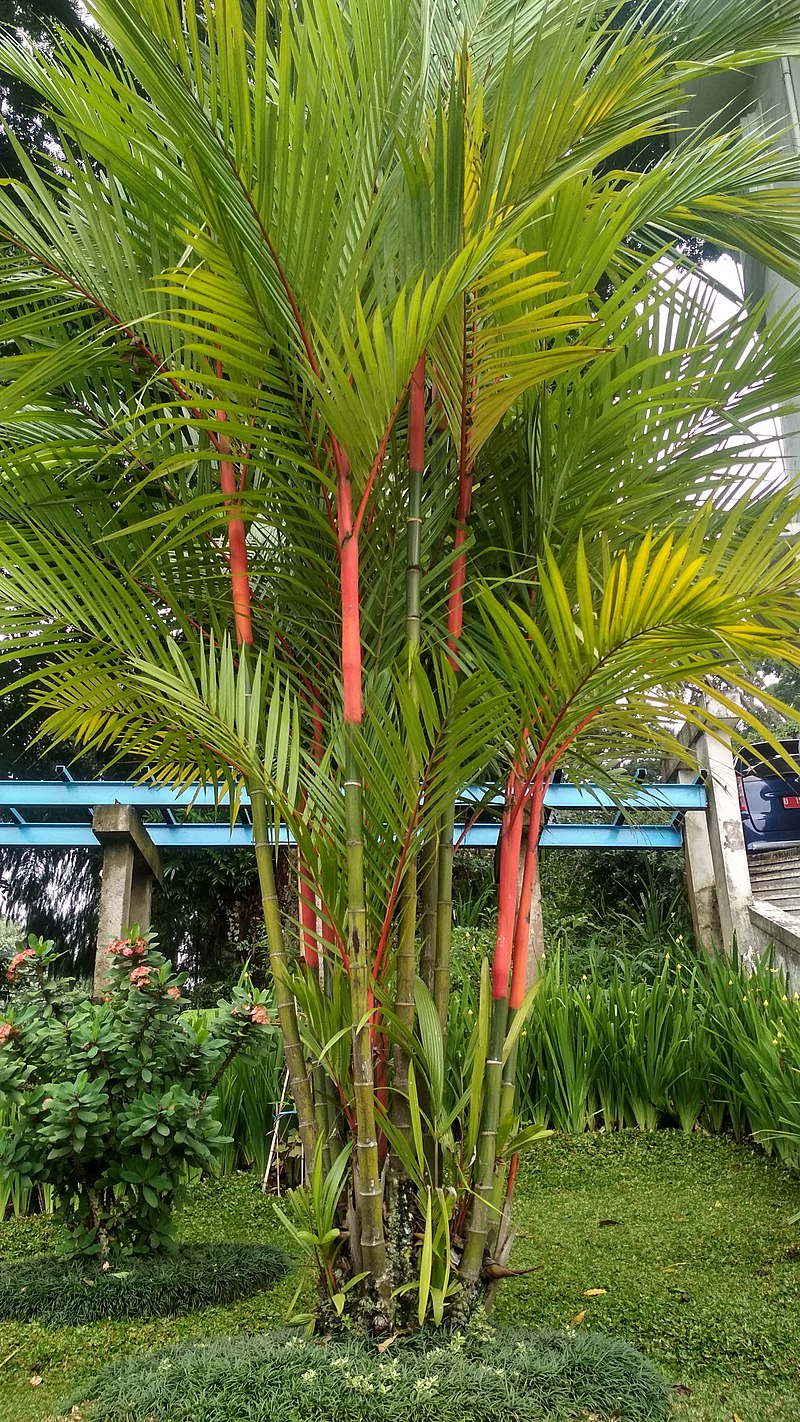

It makes a good houseplant if grown in small tubs and a great patio plant if brought in during cold weather, it does not like tempeatures below 50 degrees. Zones 10b and higher outside, most commonly grown as houseplant or patio plant in cooler zones.
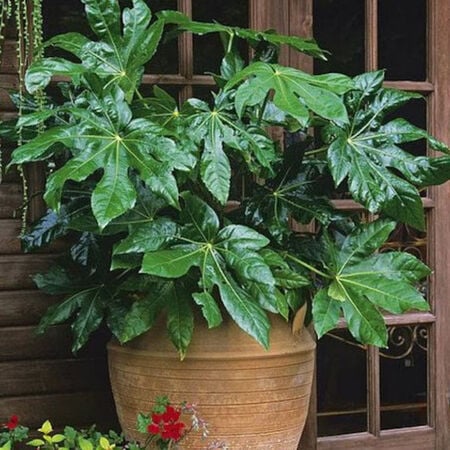

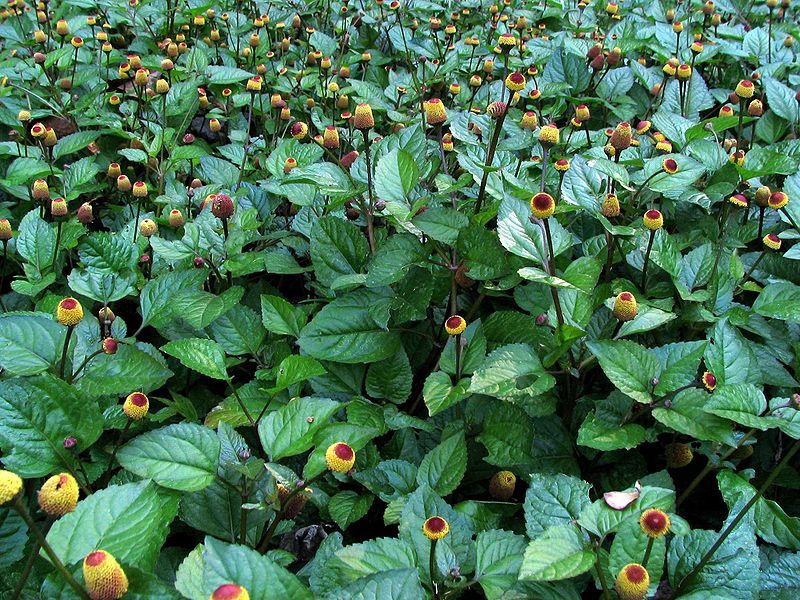
It has edible flowers, which have a spicy and citrus-like flavor, can be used as a garnish on ice cream and drinks.
Commonly known as toothache plant. Contains a natural analgesic which numbs the tongue and gums, relieving toothache pain. This numbing sensation arises from chewing either the flowers or leaves.
The full, mounding habit is perfect for containers and bed plantings. Heat tolerant.
A fast growing annual plant reaching 12-15 inches tall in about 90-100 days.
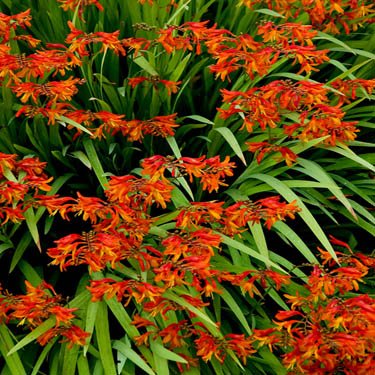
Crocosmia grow well in the flower garden and in containers on patios or decks. You should experience few problems with your Crocosmia. Use insecticide or fungicide, only if a problem occurs. Crocosmia are tough when it come to winter temperatures tolerating temperatures down to USDA Zone 5.
Please check out our Complete Patio and Sundeck Plants Growing Guide

Contact Us | Privacy Policy | About Us
Serving gardeners since 1992
State of Mississippi Seedmen's Permit #C-391, Ohio 90152, Minnesota 20086777