
Early Pea Seeds
Useful gardening information
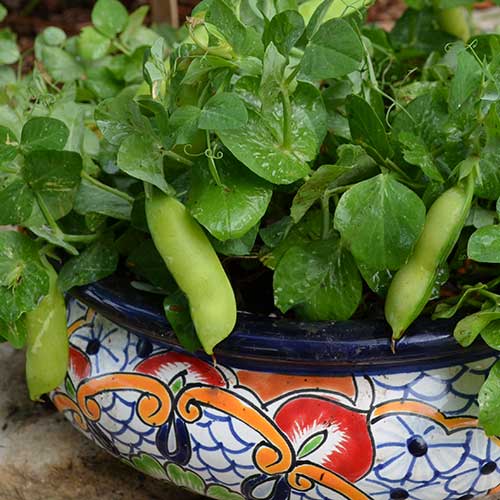
A charming heirloom shelling pea that has delighted gardeners since the mid-1800s. Famous for its naturally dwarf growth habit, this compact variety reaches only 8 to 12 inches tall, making it one of the best peas for containers, raised beds, windowsill planters, and small gardens. Despite its miniature size, Tom Thumb produces an impressive crop of sweet, tender peas with excellent old-fashioned flavor.
Introduction
Tom Thumb proves that great things really do come in small packages. The sturdy, compact plants require little or no support, making them ideal for gardeners with limited space or anyone wanting an easy-to-grow pea. Their neat growth habit also makes them perfect for children's gardens, where young gardeners can easily watch the plants flower, set pods, and mature into delicious harvests.
Why Grow Tom Thumb Peas?
- Classic heirloom dating back to the 1800s.
- Extremely compact plants require little support.
- Perfect for containers and raised beds.
- Produces sweet, tender shelling peas.
- Excellent choice for children's gardens.
- Fast growing and easy to cultivate.
- Ideal for small-space gardening.
- Reliable producer in cool weather.
Flavor & Culinary Uses
Tom Thumb produces tender peas with a sweet, traditional garden flavor that's delicious straight from the pod. Fresh peas are excellent in salads, soups, casseroles, stir-fries, pasta dishes, and vegetable medleys. They also freeze well, allowing gardeners to enjoy their harvest long after the growing season has ended.
Growing Information
Sow seeds directly into fertile, well-drained soil as soon as the ground can be worked in early spring. Tom Thumb thrives during cool weather and appreciates full sun with consistent moisture. Because of its compact growth, plants usually require little or no trellising. Harvest pods regularly to encourage continued production throughout the season.
- Botanical Name: Pisum sativum
- Plant Type: Cool-season shelling pea
- Days to Maturity: 55–60 days
- Plant Height: 8–12 inches
- Sun Requirements: Full sun
- Spacing: 2–3 inches
Seedman Notes
Tom Thumb has remained popular for nearly two centuries because it's one of the easiest peas anyone can grow. We especially recommend it for patio containers, raised beds, and young gardeners planting their very first vegetable garden. Don't let the small plants fool you—they produce surprisingly generous harvests of delicious sweet peas that are hard to stop snacking on while picking.
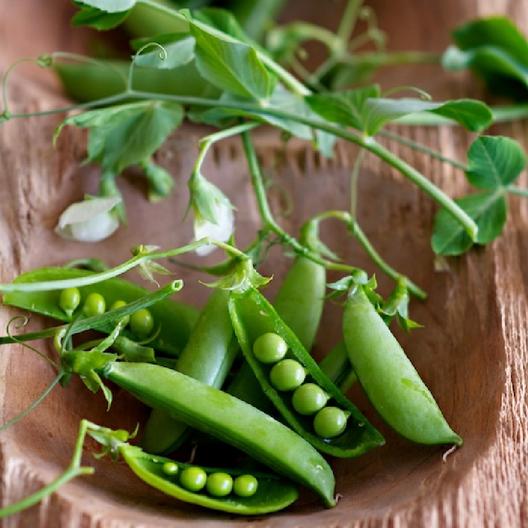
Little Marvel is one of the most popular heirloom shelling peas ever introduced, prized for its compact plants, heavy yields, and exceptionally sweet flavor. Since its introduction in the early 1900s, this dependable variety has become a favorite among home gardeners because it produces large numbers of plump, tender peas on sturdy vines that require only minimal support. Its excellent disease resistance and outstanding eating quality make Little Marvel a true garden classic.
Introduction
Little Marvel combines compact growth with remarkable productivity, making it ideal for gardens of every size. The sturdy plants produce an abundance of well-filled pods containing sweet, tender peas that are perfect for fresh eating or preserving. Because the vines stay relatively short, they are easy to harvest and well suited for raised beds, small gardens, and traditional vegetable rows.
Why Grow Little Marvel Peas?
- Classic heirloom garden favorite.
- Produces heavy yields of sweet shelling peas.
- Compact vines require minimal support.
- Excellent flavor and tender texture.
- Highly productive and dependable.
- Perfect for small gardens and raised beds.
- Outstanding for fresh eating or freezing.
- Easy to grow and beginner friendly.
Flavor & Culinary Uses
Little Marvel produces plump peas with exceptional sweetness and a tender texture that makes them delicious right out of the pod. They are excellent steamed, buttered, added to soups, casseroles, pasta dishes, stir-fries, and vegetable medleys. The peas also freeze beautifully, allowing gardeners to enjoy their harvest long after the growing season has ended.
Growing Information
Sow seeds directly into fertile, well-drained soil as soon as the ground can be worked in early spring. Plants thrive in cool weather with full sun and consistent moisture. While the sturdy vines generally require only light support, a short trellis or pea fence helps keep pods clean and makes harvesting easier. Pick pods regularly to encourage continued production.
- Botanical Name: Pisum sativum
- Plant Type: Cool-season shelling pea
- Days to Maturity: 60–65 days
- Plant Height: 18–24 inches
- Sun Requirements: Full sun
- Spacing: 2–3 inches
Seedman Notes
Little Marvel has earned its reputation as one of the finest home garden peas because it consistently delivers heavy harvests of incredibly sweet peas on manageable vines. It's an excellent choice for gardeners with limited space who don't want to sacrifice production. If you're looking for one dependable shelling pea that has stood the test of time, Little Marvel is always one of our top recommendations.
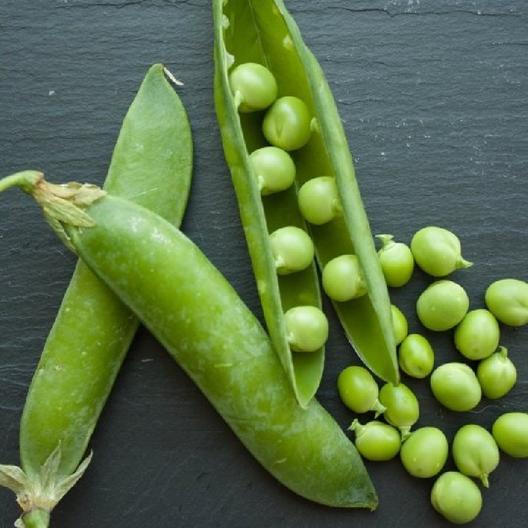
One of America's finest heirloom shelling peas, celebrated for its exceptional sweetness, heavy yields, and long harvest season. Introduced in the early 1900s, this dependable variety produces vigorous vines loaded with long, well-filled pods containing large, tender peas of outstanding quality. Lincoln has remained a favorite among home gardeners for generations because of its excellent flavor, disease tolerance, and ability to continue producing long after many other pea varieties have finished.
Introduction
Lincoln is often considered the benchmark for heirloom shelling peas. The sturdy vines produce an abundance of dark green pods packed with plump, sweet peas that are perfect for fresh eating or preserving. Its extended harvest period means gardeners can enjoy multiple pickings over several weeks, making it one of the most productive pea varieties for the home garden.
Why Grow Lincoln Peas?
- Classic American heirloom variety.
- Produces long pods filled with large peas.
- Exceptionally sweet, tender flavor.
- Long harvest season with heavy yields.
- Reliable performer in cool weather.
- Excellent for fresh eating or freezing.
- Strong, vigorous vines.
- A favorite among home gardeners for generations.
Flavor & Culinary Uses
Lincoln produces large, juicy peas with outstanding sweetness and a rich, fresh garden flavor. They are delicious eaten straight from the pod or lightly steamed with butter. The peas are equally excellent in soups, casseroles, stir-fries, pasta dishes, rice recipes, and vegetable medleys. They also freeze exceptionally well, preserving their sweetness for months after harvest.
Growing Information
Sow seeds directly into fertile, well-drained soil as soon as the ground can be worked in early spring. Lincoln thrives in cool weather with full sun and regular moisture. The vigorous vines benefit from a trellis, fence, or pea netting for support and easier harvesting. Pick pods frequently to encourage continuous flowering and maximize production throughout the season.
- Botanical Name: Pisum sativum
- Plant Type: Cool-season shelling pea
- Days to Maturity: 65–70 days
- Plant Height: 24–30 inches
- Sun Requirements: Full sun
- Spacing: 2–3 inches
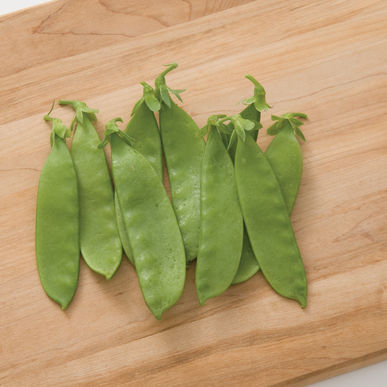
An outstanding early-maturing shelling pea developed to produce abundant harvests of exceptionally large, well-filled pods with outstanding sweetness and tenderness. This vigorous variety combines quick maturity with excellent disease resistance, allowing gardeners to enjoy delicious homegrown peas earlier in the season without sacrificing yield or flavor. Its dependable performance and impressive pod size have made Oregon Giant Early a favorite for both home gardens and market growers.
Introduction
Oregon Giant Early lives up to its name by producing large, attractive pods on vigorous vines that begin yielding early in the season. Each pod is packed with plump, sweet peas that develop excellent flavor while remaining tender. The sturdy plants continue producing over an extended harvest period, providing generous pickings throughout cool spring weather.
Why Grow Oregon Giant Early Peas?
- Early maturing, high-yielding variety.
- Produces large, well-filled pods.
- Sweet, tender peas with excellent flavor.
- Heavy harvests over a long picking season.
- Strong, vigorous vines.
- Excellent disease resistance.
- Outstanding for home gardens and market growers.
- Easy to grow and highly dependable.
Flavor & Culinary Uses
Oregon Giant Early produces large, juicy peas with exceptional sweetness and a tender texture. Freshly shelled peas are delicious eaten straight from the pod or lightly steamed with butter. They are equally excellent in soups, casseroles, stir-fries, pasta dishes, rice recipes, and vegetable medleys. The peas also freeze exceptionally well, preserving their fresh garden flavor for months.
Growing Information
Sow seeds directly into fertile, well-drained soil as soon as the ground can be worked in early spring. Plants thrive during cool weather with full sun and consistent moisture. The vigorous vines benefit from a trellis or pea netting to support the large pods and simplify harvesting. Pick pods frequently once they begin filling to encourage continued production.
- Botanical Name: Pisum sativum
- Plant Type: Cool-season shelling pea
- Days to Maturity: 58–65 days
- Plant Height: 30–36 inches
- Sun Requirements: Full sun
- Spacing: 2–3 inches
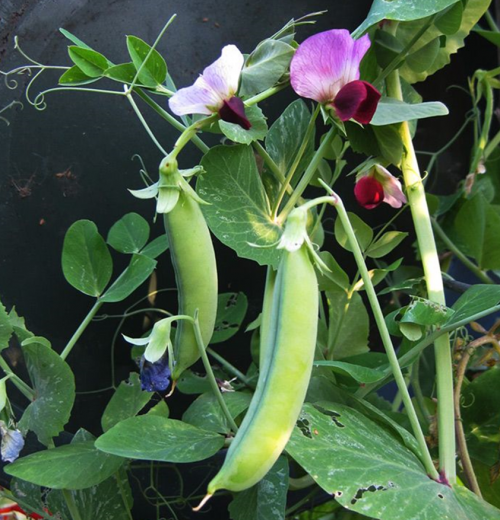
A treasured heirloom snow pea dating back to the 1700s, prized for its beautiful purple blossoms, compact vines, and tender edible pods. This historic variety produces abundant flat pods that are harvested before the peas fully develop, offering a crisp texture and sweet, delicate flavor. Easy to grow and highly ornamental, Dwarf Grey Edible Podded is equally at home in the vegetable garden and the flower border.
Introduction
Dwarf Grey Edible Podded combines beauty with productivity. The compact plants produce striking purple and pink flowers that attract pollinators before giving way to plentiful light green edible pods. Growing just 2 to 3 feet tall, the sturdy vines require only minimal support, making them ideal for raised beds, small gardens, and traditional vegetable plots.
Why Grow Dwarf Grey Edible Podded Peas?
- Historic heirloom dating back over 200 years.
- Beautiful purple and pink blossoms.
- Produces tender, edible snow pea pods.
- Compact vines require minimal support.
- Sweet, crisp flavor.
- Heavy producer over a long harvest period.
- Excellent for fresh eating or cooking.
- Easy to grow and beginner friendly.
Flavor & Culinary Uses
The flat pods are crisp, juicy, and pleasantly sweet when harvested young. They are delicious eaten fresh in salads, served with vegetable trays, or lightly steamed. Dwarf Grey Edible Podded is also excellent in stir-fries, soups, noodle dishes, and sautéed vegetable medleys, where the pods remain tender while retaining their bright flavor and satisfying crunch.
Growing Information
Sow seeds directly into fertile, well-drained soil as soon as the ground can be worked in early spring. Plants thrive in cool weather with full sun and consistent moisture. Although the vines are compact, a short trellis or pea fence helps improve air circulation and makes harvesting easier. Pick pods frequently while young and flat to encourage continuous flowering and maximum production.
- Botanical Name: Pisum sativum
- Plant Type: Cool-season edible-podded (snow) pea
- Days to Maturity: 60–65 days
- Plant Height: 24–30 inches
- Sun Requirements: Full sun
- Spacing: 2–3 inches
Seedman Notes
Dwarf Grey Edible Podded is one of our favorite heirloom peas because it offers something few vegetables can—beautiful flowers followed by delicious harvests. The colorful blossoms brighten the spring garden while the crisp pods keep the kitchen supplied for weeks. If you're looking for a productive heirloom that's as ornamental as it is edible, this old favorite is an outstanding choice.
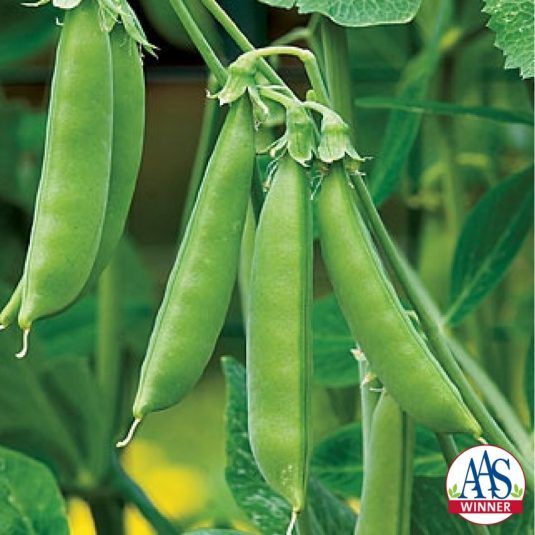
Sugar Snap revolutionized pea gardening by combining the sweetness of English peas with the edible pods of snow peas. This award-winning variety produces thick, plump, crunchy pods that are eaten whole, delivering exceptional sweetness and a satisfying crisp texture. Vigorous vines produce heavy harvests over an extended season, making Sugar Snap one of the most popular and rewarding peas for home gardeners.
Introduction
Sugar Snap quickly became a gardening favorite thanks to its delicious edible pods and outstanding productivity. Unlike traditional shelling peas, there is no need to remove the peas from the pod—simply harvest the plump pods and enjoy them whole. The vigorous climbing vines produce abundant harvests of crisp, juicy pods that are as enjoyable picked fresh from the garden as they are prepared in the kitchen.
Why Grow Sugar Snap Peas?
- Award-winning edible-podded pea.
- Produces thick, crisp, sweet pods.
- No shelling required.
- Heavy yields over a long harvest season.
- Excellent fresh or cooked.
- Vigorous, dependable vines.
- Outstanding for home gardens.
- Easy to grow and highly productive.
Flavor & Culinary Uses
Sugar Snap peas are famous for their exceptionally sweet flavor and crisp, juicy texture. They are delicious eaten fresh right off the vine, added to salads and vegetable trays, or lightly steamed. The pods also excel in stir-fries, pasta dishes, soups, and sautéed vegetable medleys, where they retain their satisfying crunch and natural sweetness.
Growing Information
Sow seeds directly into fertile, well-drained soil as soon as the ground can be worked in early spring. Sugar Snap thrives in cool weather with full sun and consistent moisture. The climbing vines benefit from a sturdy trellis or pea fence for support and easier harvesting. Pick pods frequently once they become full and crisp to encourage continued flowering and maximum production.
- Botanical Name: Pisum sativum
- Plant Type: Cool-season edible-podded (snap) pea
- Days to Maturity: 60–70 days
- Plant Height: 5–6 feet
- Sun Requirements: Full sun
- Spacing: 2–3 inches
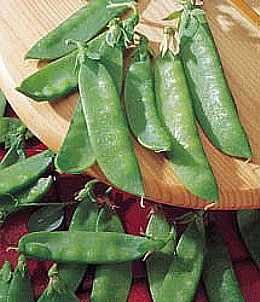
A classic heirloom snow pea renowned for its exceptionally large, broad pods, vigorous climbing vines, and outstanding sweet flavor. This highly productive variety produces an abundance of flat, stringless edible pods that remain tender even as they reach impressive size. Easy to grow and dependable, Mammoth Melting has long been a favorite among gardeners who appreciate generous harvests and excellent eating quality.
Introduction
Mammoth Melting lives up to its name by producing some of the largest edible-podded peas available. The vigorous vines quickly climb a trellis, becoming covered with beautiful white blossoms followed by oversized, bright green pods. Harvested while young and flat, the pods remain crisp, sweet, and completely edible, providing weeks of delicious harvests throughout the cool growing season.
Why Grow Mammoth Melting Peas?
- Classic heirloom snow pea.
- Produces exceptionally large edible pods.
- Sweet, tender, stringless pods.
- Heavy yields over a long harvest season.
- Strong climbing vines.
- Excellent for fresh eating or cooking.
- Outstanding producer for home gardens.
- Easy to grow and highly reliable.
Flavor & Culinary Uses
Mammoth Melting offers crisp, juicy pods with a delicate sweetness and tender texture. The large edible pods are delicious eaten fresh from the garden, sliced into salads, or served with vegetable trays. They are equally outstanding in stir-fries, Asian dishes, soups, pasta recipes, and lightly steamed vegetable medleys, where they retain both their crunch and bright green color.
Growing Information
Sow seeds directly into fertile, well-drained soil as soon as the ground can be worked in early spring. Plants perform best in cool weather with full sun and regular moisture. Because the vigorous vines commonly reach 5 to 6 feet tall, they benefit from a sturdy trellis or pea netting. Harvest pods frequently while they are young, flat, and tender to encourage continued flowering and maximum production.
- Botanical Name: Pisum sativum
- Plant Type: Cool-season edible-podded (snow) pea
- Days to Maturity: 65–70 days
- Plant Height: 5–6 feet
- Sun Requirements: Full sun
- Spacing: 2–3 inches
Seedman Notes
Mammoth Melting is one of those heirloom varieties that continues to impress year after year. The oversized pods are easy to harvest, wonderfully sweet, and incredibly versatile in the kitchen. If you're looking for a snow pea that produces generous harvests on vigorous vines, Mammoth Melting remains one of the finest choices available and a favorite in our own gardens.

Contact Us | Privacy Policy | About Us
Serving gardeners since 1992
State of Mississippi Seedmen's Permit #C-391, Ohio 90152, Minnesota 20086777