
Peppermint Seeds
Peppermint is widely used as a food, flavoring, and disinfectant. As a medicine, peppermint is most well known for its effects on the stomach and intestines. Perhaps you've tried the various "tummy teas" available for stomach upset. Peppermint is a tasty way to relieve gas, nausea, and stomach pain due to an irritable bowel, intestinal cramps, or indigestion.
Peppermint is a carminative - an agent that dispels gas and bloating in the digestive system -- and an antispasmodic capable of relieving stomach and intestinal cramps. Peppermint can be used for too much stomach acid (hyperacidity) and gastroenteritis (nausea and stomach upset that we sometimes call stomach flu), and it is safe for infants with colic.
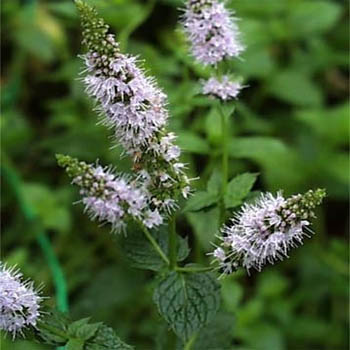
Perfect for patios, decks, balconies, and kitchen gardens, Peppermint thrives in containers where its spreading roots can be easily managed. The lush foliage creates an attractive display while providing a steady harvest of fresh leaves throughout the growing season.
Uses- Fresh or dried leaves for tea.
- Flavoring for desserts, candies, syrups, and beverages.
- Popular ingredient in herbal remedies and aromatherapy.
- Leaves may be used in sachets and potpourri.
- Excellent addition to pollinator gardens when allowed to flower.
- Fresh foliage adds fragrance to patios and outdoor living spaces.
Peppermint is exceptionally well suited to container culture. Use a container at least 10–12 inches wide with quality potting soil. Containers help prevent the plant's vigorous underground runners from spreading throughout the garden.
Place containers where they receive morning sun and afternoon shade in hot climates, or full sun in cooler regions. Keep soil consistently moist but not waterlogged. Regular harvesting encourages dense, bushy growth and provides a continual supply of fresh leaves.
Germination Instructions- Sow seeds on the surface of moist seed-starting mix.
- Do not cover seeds deeply, as light aids germination.
- Maintain temperatures of 65–75°F (18–24°C).
- Keep the soil evenly moist during germination.
- Seeds typically germinate in 10–20 days.
- Transplant seedlings after several sets of true leaves have developed.
- Botanical Name: Mentha piperita-hyb.
- Plant Type: Perennial Herb
- Height: 18–36 inches
- Spread: 18–36 inches or more
- Sun Exposure: Full Sun to Partial Shade
- Water Requirements: Moderate to High
- USDA Zones: 3–9
- Container Size: 10–12 inches minimum diameter
Begin harvesting leaves once plants are well established. The highest concentration of essential oils occurs just before flowering. Leaves may be used fresh, frozen, or dried for year-round enjoyment.
Easy to grow, highly productive, and wonderfully aromatic, Peppermint remains one of the most rewarding herbs for container gardeners, providing beauty, fragrance, and usefulness throughout the season.

Contact Us | Privacy Policy | About Us
Serving gardeners since 1992
State of Mississippi Seedmen's Permit #C-391, Ohio 90152, Minnesota 20086777