
Natural Garden Defense Seeds
Companion Plants, Beneficial Insects & Sustainable Pest Management
Welcome to Natural Garden Defense
Healthy gardens are built through balance, not battles. Long before synthetic pesticides were available, gardeners learned that certain plants could help protect gardens in many different ways. Some attract beneficial insects that prey upon garden pests. Others support pollinators, improve soil health, suppress harmful nematodes, or contain aromatic compounds that have long been valued in traditional gardening.
This collection brings those plants together under one simple idea: work with nature whenever possible. No single plant can eliminate every pest problem, and none should be viewed as a cure-all. But when carefully selected companion plants are combined with healthy soil, good garden sanitation, crop rotation, observation, and plant diversity, they can become valuable partners in creating a healthier and more resilient garden ecosystem.
Some of the plants listed here are supported by extensive scientific research. Others are included because of long-standing horticultural experience, traditional use, or their value in attracting beneficial insects. Throughout this page, we have tried to explain what each plant can realistically contribute so gardeners know what to expect and how each species fits into a broader natural gardening strategy.
Our Philosophy
Natural Garden Defense is not about finding one miracle plant. It is about understanding the different ways plants help gardens defend themselves.
- Beneficial insect plants provide nectar, pollen, and habitat for lady beetles, lacewings, hoverflies, parasitic wasps, and other natural pest controllers.
- Aromatic companion herbs contain essential oils that have been valued for generations and, in some cases, studied for insect-repellent properties.
- Biological control plants help support natural enemies of specific pests, such as Partridge Pea supporting Larra Wasps that hunt mole crickets.
- Botanical insecticide plants demonstrate that nature itself produces powerful compounds that should be understood and used responsibly.
- Soil-supporting plants help improve garden health below ground, where many pest problems begin.
Some plants protect by fragrance. Others by chemistry. Others by attracting nature's own pest controllers. Together, they help create a healthier, more balanced garden.
Explore the Natural Garden Defense Collection
Discover plants that help support beneficial insects, improve garden balance, encourage pollinators, and contribute to sustainable pest management.
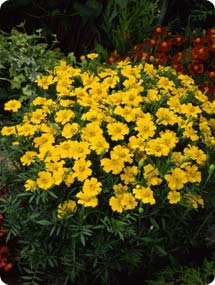
Guardian Gold Marigold (Tagetes patula) is a specialized French marigold developed not only for its brilliant golden-yellow flowers, but also for its remarkable ability to help protect gardens from destructive soil pests. Widely recognized as one of the most effective biological controls for root-knot nematodes, Guardian Gold works beneath the soil surface while providing a vibrant display of cheerful blooms above ground. It is an outstanding companion plant for vegetable gardens, raised beds, and sustainable growing systems where reducing pest pressure naturally is a priority.
Garden Uses:
Guardian Gold is ideal for vegetable gardens, raised beds, borders, containers, companion planting, and pollinator gardens. It is especially valuable when planted near tomatoes, peppers, eggplants, beans, cucumbers, melons, and other crops susceptible to nematode damage. The bright flowers also make attractive edging plants while providing season-long color and beneficial insect activity.
Growing Information:
Sow seeds indoors 4 to 6 weeks before the last frost or directly outdoors after frost danger has passed. Cover seeds lightly with soil and maintain temperatures of 70-75°F. Germination generally occurs within 5 to 10 days. Plants thrive in full sun and well-drained soil and tolerate summer heat exceptionally well. For maximum nematode suppression, plant generously throughout vegetable beds rather than using only a few isolated plants.
Natural Pest Control Benefits:
Guardian Gold is renowned for its superior effectiveness against harmful root-knot nematodes (Meloidogyne species), microscopic soil pests that attack plant roots and reduce crop production. Extensive trials have demonstrated nematode reduction rates approaching 99% when used as part of a proper garden management program. The plant's roots naturally produce bioactive compounds, including thiophenes, that are toxic to many species of harmful nematodes and can significantly reduce both active populations and egg production in the soil.
Unlike chemical nematicides that may require repeated applications, Guardian Gold works naturally as the roots grow throughout the season. Many gardeners and commercial growers use it as a cover crop or companion planting strategy to improve soil health while reducing pest pressure. In numerous situations, it has proven more effective than many traditional chemical control methods.
Early Warning System for Thrips:
Guardian Gold also serves as an effective indicator or "trap plant" for thrips populations. Research has shown that thrips are often attracted to marigolds up to two weeks earlier than they are detected on standard sticky traps. This allows gardeners and growers to identify potential infestations sooner and take corrective action before economically important crops are affected.
Pollinator and Beneficial Insect Value:
While protecting roots below ground, Guardian Gold simultaneously supports beneficial insects above ground. The bright flowers attract bees, butterflies, hoverflies, ladybugs, lacewings, parasitic wasps, and other beneficial predators that help control aphids, whiteflies, caterpillars, and additional garden pests. This dual role makes Guardian Gold one of the most useful companion plants available for organic and sustainable gardening.
Historical Significance:
French marigolds have been used in companion planting programs for decades. Scientific research into their pest-control abilities began in earnest during the twentieth century, leading to the identification of specific varieties with superior nematode-suppressing capabilities. Guardian Gold represents one of the most advanced examples of this breeding effort.
Interesting Facts:
Unlike many companion planting claims that rely primarily on folklore, the nematode-suppressing abilities of French marigolds are supported by extensive scientific research. The roots actively produce compounds that help reduce harmful nematode populations while leaving most beneficial soil organisms unharmed. Few ornamental flowers offer such a powerful combination of beauty and practical garden utility.
Seedman Notes:
Guardian Gold is one of the most valuable companion plants a gardener can grow. Its bright golden blooms provide excellent ornamental value, but its true strength lies beneath the soil. We strongly recommend planting it throughout vegetable gardens where nematodes have been a problem or where preventative protection is desired. Few flowers work harder for the gardener than Guardian Gold.
Quick Facts:
Botanical Name: Tagetes patula
Common Name: Guardian Gold Marigold
Plant Type: Annual
Height: 10-14 inches
Spread: 10-12 inches
Bloom Color: Golden yellow
Light: Full sun
Soil: Well-drained
Bloom Season: Summer until frost
Pollinator Friendly: Excellent
Companion Plant: Outstanding
Nematode Control: Up to 99% reduction in trials
Thrips Monitoring: Excellent trap plant
Heat Tolerance: Excellent
Difficulty: Easy
Rating: ★★★★★
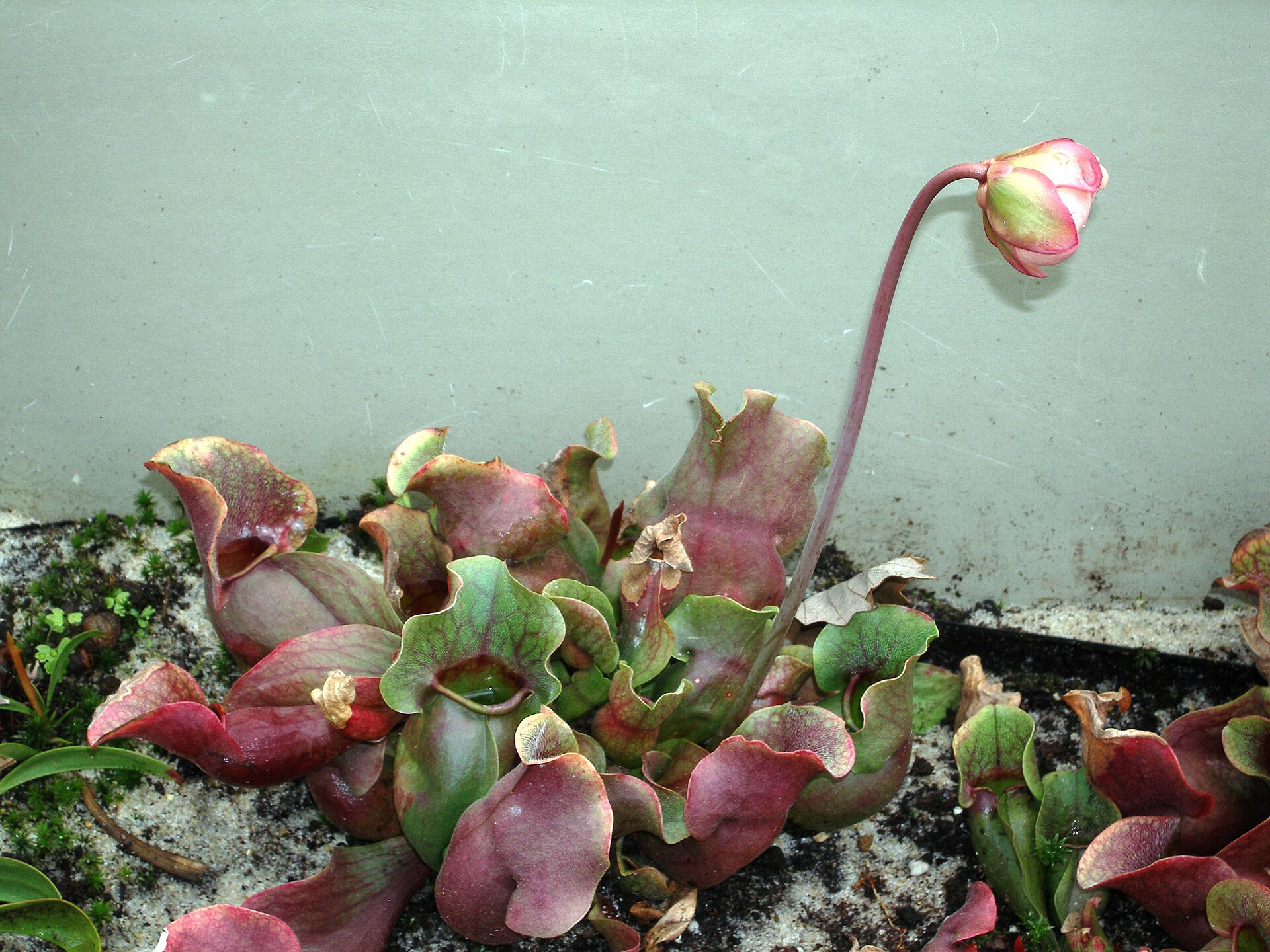

Purple Pitcher Plant (Sarracenia purpurea) is one of North America's most fascinating native carnivorous plants, forming rosettes of stout, beautifully veined pitcher-shaped leaves that may develop rich shades of green, burgundy, red and purple in strong light. Rather than producing ordinary leaves to do all the work, the plant's hollow pitchers collect rainwater and trap insects and other small invertebrates, helping supply nutrients that are scarce in its naturally acidic bog habitat. Mature plants also produce striking nodding flowers on tall leafless stalks in spring, often in deep red to burgundy shades. Unlike tropical carnivorous plants, Purple Pitcher Plant is remarkably cold hardy and occurs naturally from the southeastern United States northward through much of eastern Canada.
Grow Purple Pitcher Plant outdoors in full sun in an acidic, nutrient-poor carnivorous-plant medium such as a mixture of sphagnum peat and silica sand or perlite. Keep the growing medium continually moist to wet during active growth, preferably using rainwater, distilled water or other very low-mineral water. Never fertilize the soil or plant it in ordinary potting mix, as the dissolved minerals and nutrients that benefit most garden plants can damage Sarracenia. It is particularly well suited to bog gardens and undrained containers and is hardy through surprisingly cold winters, approximately USDA Zones 3–8 depending upon provenance. Plants require a natural winter dormancy and should not be treated as tropical houseplants kept warm year-round.
Growing Purple Pitcher Plant from seed requires patience but is especially rewarding. Fresh seed normally benefits from approximately 4–8 weeks of cold, moist stratification to simulate winter conditions. After stratification, surface sow on moist sphagnum peat or a suitable carnivorous-plant mixture, pressing the seeds gently onto the surface without burying them, since light assists germination. Keep the medium consistently wet, provide bright light and warmth, and allow several weeks for germination; seedlings develop slowly and may require several years to reach flowering size. Seedman Notes: Don't feed the pitchers hamburger or fertilizer—this remarkable plant is designed to obtain what it needs on its own. Place it outdoors in plenty of sun, keep its bog medium wet with low-mineral water, and let nature provide the insects. Raising a carnivorous plant from a tiny seed into a mature pitcher-forming specimen takes time, but watching those first miniature pitchers develop makes the wait worthwhile.
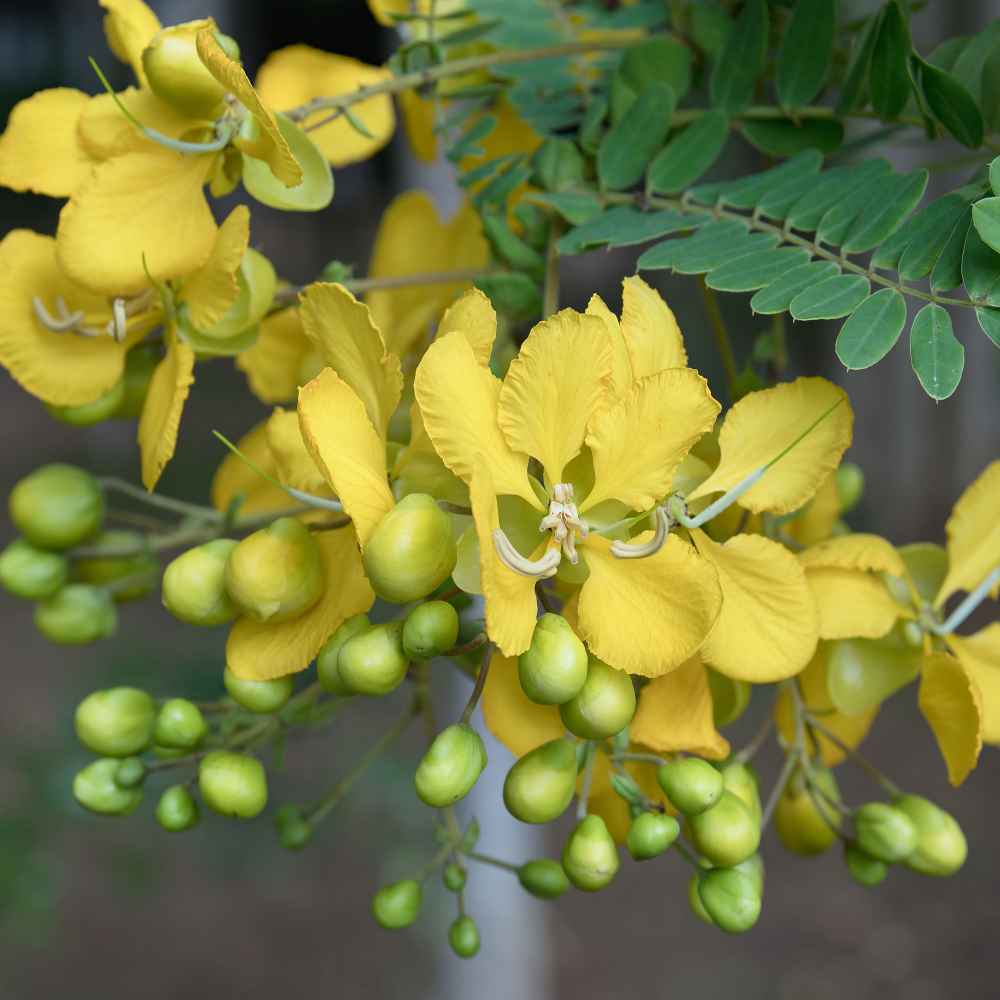
Partridge Pea (Chamaecrista fasciculata) demonstrates one of nature's most elegant methods of garden pest management. Rather than directly repelling insects, this beautiful North American wildflower attracts the beneficial Larra Wasp (Larra bicolor), a harmless native ally that specifically hunts mole crickets. Adult wasps feed on the nectar produced by Partridge Pea while searching for mole crickets, which they use to complete their life cycle. By simply growing this attractive annual, gardeners can help encourage one of nature's most effective biological controls for these destructive lawn and garden pests.
The relationship between Partridge Pea and the Larra Wasp has been extensively studied, particularly in the southeastern United States, where mole crickets can cause serious damage to lawns, vegetable gardens, and turf. Research and extension programs, including those from the University of Florida, have demonstrated that planting nectar sources such as Partridge Pea helps sustain adult Larra Wasps, increasing their ability to locate and parasitize mole crickets naturally. Unlike chemical pesticides, this approach works in harmony with the surrounding ecosystem while posing no threat to people, pets, or beneficial pollinators.
Beyond its value in natural pest management, Partridge Pea is an outstanding pollinator and wildlife plant. Its cheerful yellow flowers bloom throughout the summer, attracting honeybees, native bees, butterflies, and numerous other beneficial insects. As a nitrogen-fixing legume, it also enriches the soil by converting atmospheric nitrogen into forms usable by neighboring plants, making it an excellent choice for wildflower meadows, habitat restoration, erosion control, and sustainable landscapes. Its seeds provide food for bobwhite quail, partridge, and many native songbirds, while several butterfly species rely on the foliage as a larval host plant.
Easy to grow in sunny locations with well-drained or sandy soils, Partridge Pea offers gardeners multiple benefits from a single planting. Whether your goal is reducing mole cricket populations through natural biological control, improving pollinator habitat, rebuilding poor soils, or simply enjoying its bright golden flowers, this remarkable native wildflower proves that one carefully chosen plant can support an entire community of beneficial wildlife while helping maintain a healthier, more balanced garden.
Specifications
- Botanical Name: Chamaecrista fasciculata
- Common Name: Partridge Pea
- Plant Type: Native annual wildflower and nitrogen-fixing legume
- Height: 12–36 inches
- Sun Requirements: Full sun
- Soil Preference: Well-drained sandy or average soils
- Water Requirements: Low to moderate
- USDA Zones: Grown as an annual throughout much of the United States
- Uses: Pollinator gardens, wildlife habitat, prairie restoration, erosion control, biological pest management, cover crop
Natural Properties
- Excellent nectar source for the beneficial Larra Wasp (Larra bicolor), a natural enemy of mole crickets.
- Supports biological control of mole crickets by sustaining adult parasitoid wasps.
- Nitrogen-fixing legume that naturally improves soil fertility.
- Excellent pollinator plant for honeybees, native bees, and butterflies.
- Larval host for Sulphur, Sleepy Orange, Gray Hairstreak, and Ceraunus Blue butterflies.
- Seeds provide valuable food for quail, partridge, and other native birds.
- Useful for erosion control, prairie restoration, and habitat plantings.
Seedman Notes
Partridge Pea is one of our favorite examples of working with nature instead of against it. Rather than relying solely on pesticides, this remarkable native wildflower encourages one of the most specialized biological controls known for mole crickets by supporting the beneficial Larra Wasp. Combined with its outstanding value for pollinators, birds, butterflies, and soil improvement, Partridge Pea earns its place as one of the finest multi-purpose plants available for sustainable gardens and natural landscapes.
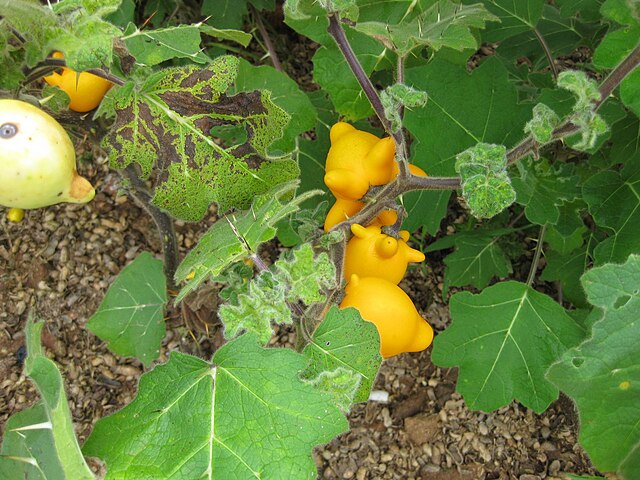
Lady Nipple Fruit (Solanum mammosum) is one of the world's most unusual ornamental plants, prized for its extraordinary bright yellow fruits that resemble a cow's udder, fox's face, or clusters of small bananas. Native to tropical America, this striking member of the nightshade family has become a favorite conversation piece in gardens around the world. Beyond its remarkable appearance, the plant has long been associated with traditional household uses, including its reputation as a natural insect deterrent and its value as a decorative plant during cultural celebrations.
For generations, the mature fruits have been placed in homes and storage areas in parts of Asia and tropical regions where they have traditionally been believed to help discourage cockroaches and certain household insects. The fruits contain naturally occurring steroidal glycoalkaloids, including solanine and related compounds, which contribute to their toxicity and may account for their long-standing use as a natural household repellent. While modern scientific studies remain limited, Lady Nipple Fruit continues to be appreciated as an interesting example of traditional plant-based pest management. The fruit should never be eaten, as both the fruit and foliage are considered poisonous to people and pets.
Aside from its historical household uses, Lady Nipple Fruit is an outstanding ornamental plant. It produces attractive purple star-shaped flowers followed by brilliant golden fruits that remain colorful for many months, making them highly valued for fresh and dried floral arrangements. During Lunar New Year celebrations, the unusual fruits are often displayed as symbols of prosperity, longevity, and good fortune. The shrub grows quickly in warm climates and can also be cultivated as a striking annual in cooler regions.
Whether grown for its fascinating fruit, tropical beauty, or historical reputation as a natural household insect deterrent, Lady Nipple Fruit is unlike any other ornamental plant. Its bold appearance, long-lasting decorative value, and rich cultural history make it an unforgettable addition to botanical collections, conversation gardens, and specialty landscapes.
Specifications
- Botanical Name: Solanum mammosum
- Common Name: Lady Nipple Fruit, Nipplefruit, Cow's Udder Plant, Fox Head Plant
- Plant Type: Tropical perennial grown as an annual in cooler climates
- Height: 3–6 feet
- Sun Requirements: Full sun
- Soil Preference: Well-drained fertile soil
- Water Requirements: Moderate
- USDA Zones: 9–11 (annual elsewhere)
- Uses: Ornamental specimen, novelty plant, floral arrangements, educational gardens, cultural displays
Natural Properties
- Traditionally used in some cultures as a natural household repellent for cockroaches and other crawling insects.
- Contains naturally occurring steroidal glycoalkaloids, including solanine.
- Long-lasting ornamental fruits suitable for fresh and dried floral arrangements.
- Excellent conversation plant because of its unique fruit shape.
- Produces abundant nectar-rich flowers that attract pollinating insects.
- Warning: Fruits and foliage are poisonous if ingested and should be kept away from children, pets, and livestock.
Seedman Notes
Lady Nipple Fruit is one of the most unusual ornamental plants we offer. While its reputation as a natural cockroach deterrent comes primarily from traditional household use rather than extensive scientific research, its remarkable fruits, tropical appearance, and long history in decorative displays make it a fascinating addition to specialty gardens. We recommend growing this plant for its exceptional ornamental value while appreciating the traditional knowledge that has surrounded it for generations.
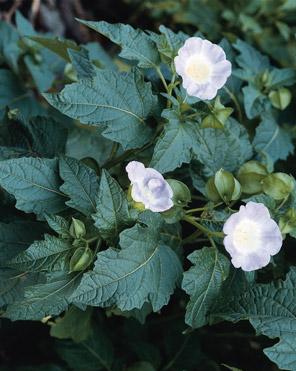
Shoo-Fly Plant (Nicandra physalodes) has earned one of the most memorable common names in the gardening world. For generations, gardeners have grown this fast-growing annual near homes, barns, porches, and greenhouses because of its long-standing reputation as a natural aid in reducing troublesome flying insects. While modern scientific studies have produced mixed results, the plant remains a favorite among gardeners interested in traditional companion planting and environmentally friendly approaches to pest management. Its handsome blue flowers and distinctive lantern-like seed pods make it as ornamental as it is intriguing.
Historically, Shoo-Fly Plant has been planted around greenhouses and vegetable gardens where it was believed to help discourage houseflies and, in some cases, attract whiteflies away from more valuable crops. Although these traditional uses have not been universally confirmed by scientific research, the plant continues to be appreciated as part of integrated garden management, where diverse plantings help support healthier and more balanced ecosystems. Whether acting as a companion plant or simply increasing garden biodiversity, Shoo-Fly Plant remains one of the most interesting ornamental annuals associated with natural pest management.
Beyond its historical reputation, Shoo-Fly Plant is an exceptionally vigorous ornamental. Under warm summer conditions it can reach three to five feet in height within a remarkably short period, producing an abundance of large sky-blue, white-centered, bell-shaped flowers over many weeks. These are followed by attractive papery seed capsules enclosed within decorative five-winged husks that are highly prized in both fresh and dried floral arrangements. The lush green foliage and rapid growth also make it an excellent background plant for cottage gardens and pollinator borders.
Easy to grow from seed in full sun, Shoo-Fly Plant combines beauty, history, and curiosity into one remarkable annual. Whether admired for its striking flowers, unusual lantern-like seed pods, impressive growth rate, or centuries-old reputation as a natural companion plant, it continues to be one of the most distinctive conversation plants available for the home garden.
Specifications
- Botanical Name: Nicandra physalodes
- Common Name: Shoo-Fly Plant
- Plant Type: Fast-growing annual
- Height: 3–5 feet
- Sun Requirements: Full sun to light shade
- Soil Preference: Average, well-drained garden soil
- Water Requirements: Moderate
- USDA Zones: Grown as an annual in all climates
- Uses: Companion planting, ornamental gardens, pollinator gardens, greenhouse borders, cut flowers, dried arrangements
Natural Properties
- Traditionally grown around homes, barns, and greenhouses because of its long-standing reputation as a natural fly deterrent.
- Historically believed to attract whiteflies away from nearby crops, although scientific evidence remains limited.
- Excellent companion plant for gardeners interested in diverse, pollinator-friendly landscapes.
- Produces abundant nectar-rich flowers that attract bees and other beneficial pollinating insects.
- Fast growth provides quick seasonal screening and ornamental impact.
- Decorative papery seed pods are prized for fresh and dried floral arrangements.
Seedman Notes
Shoo-Fly Plant has remained popular with gardeners for well over a century because it combines ornamental beauty with an enduring reputation as a natural companion plant. While its insect-deterring properties are based largely on traditional gardening experience rather than conclusive scientific proof, its vigorous growth, beautiful blue flowers, distinctive lantern-like seed pods, and value to pollinators make it an outstanding addition to sustainable gardens and one of the most interesting annuals we offer.
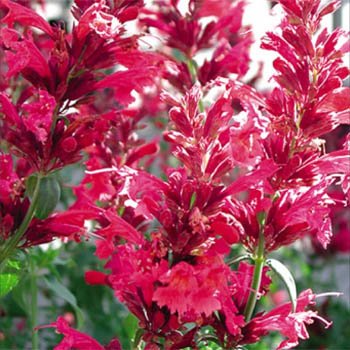
Mosquito Plant (Agastache cana), more commonly known as Hummingbird Mint, is a fragrant perennial treasured for its aromatic foliage, brilliant rosy-purple flower spikes, and exceptional ability to attract hummingbirds, butterflies, and native bees. Native to the high elevations of the southwestern United States and northern Mexico, this drought-tolerant member of the mint family has earned a long-standing reputation among gardeners for both its ornamental beauty and its traditional use as a natural mosquito deterrent.
For generations, gardeners have crushed the pleasantly scented leaves and rubbed them on exposed skin, believing the aromatic essential oils help discourage mosquitoes during outdoor activities. While modern scientific research has not conclusively confirmed its effectiveness as a topical mosquito repellent, the strongly fragrant foliage has made Hummingbird Mint a popular addition to patios, walkways, outdoor seating areas, and herb gardens where aromatic plants are appreciated. Its refreshing mint-like fragrance also adds another dimension of enjoyment to the garden throughout the growing season.
Beyond its traditional reputation, Mosquito Plant is one of the finest pollinator perennials available. From midsummer through autumn, its vibrant flower spikes provide a dependable nectar source for hummingbirds, butterflies, honeybees, bumblebees, and many native pollinating insects. Its excellent drought tolerance, deer resistance, and long blooming season make it particularly valuable in water-wise landscapes, native plant gardens, cottage gardens, and pollinator habitats.
Easy to grow in full sun and well-drained soil, Hummingbird Mint offers beauty, fragrance, and ecological value in equal measure. Whether planted for its colorful flowers, aromatic foliage, traditional association with mosquito deterrence, or its remarkable ability to support beneficial wildlife, this outstanding perennial is a rewarding addition to sustainable gardens throughout much of the country.
Specifications
- Botanical Name: Agastache cana
- Common Name: Mosquito Plant, Hummingbird Mint
- Plant Type: Herbaceous perennial
- Height: 24–36 inches
- Spread: 18–24 inches
- Sun Requirements: Full sun
- Soil Preference: Well-drained soil; tolerant of sandy and rocky soils
- Water Requirements: Low once established
- USDA Zones: 7–10
- Uses: Pollinator gardens, herb gardens, xeriscapes, cottage gardens, patio plantings, perennial borders
Natural Properties
- Highly aromatic foliage rich in naturally occurring essential oils.
- Traditionally used by gardeners as a natural mosquito deterrent when fresh leaves are crushed and rubbed on the skin.
- Outstanding nectar source for hummingbirds, butterflies, honeybees, and native pollinators.
- Long flowering season supports beneficial insects well into late summer and fall.
- Excellent drought tolerance once established.
- Generally resistant to deer and rabbits because of its fragrant foliage.
Seedman Notes
While the mosquito-repelling reputation of Hummingbird Mint comes primarily from traditional gardening experience rather than conclusive scientific testing, its exceptional value as a pollinator plant is beyond question. Few perennials combine such vibrant flowers, aromatic foliage, drought tolerance, and wildlife benefits in one easy-to-grow plant. Whether you're hoping to enjoy its refreshing fragrance, attract hummingbirds, or simply create a healthier garden filled with beneficial insects, Mosquito Plant is an excellent choice for sustainable landscapes.
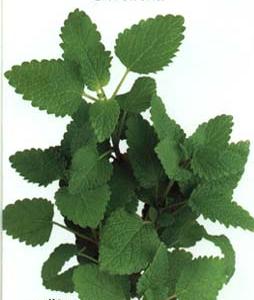
Citronella Balm (Melissa officinalis 'Citronella') combines the refreshing fragrance of lemon balm with a pleasantly citrusy aroma that has made it a favorite among gardeners looking for natural ways to enjoy the outdoors. This attractive perennial herb forms lush clumps of bright green foliage that release an invigorating lemon-citronella scent whenever the leaves are brushed or crushed. Easy to grow and highly aromatic, it is equally at home in herb gardens, patio containers, raised beds, and along garden pathways where its fragrance can be appreciated throughout the season.
The crushed foliage has long been used as a traditional herbal mosquito deterrent. When the leaves are gently rubbed between the hands, they release naturally occurring essential oils rich in fragrant compounds including citronellal and related citrus oils that are known to possess insect-repellent properties. While rubbing fresh leaves on the skin may provide temporary relief from mosquitoes and gnats for some gardeners, the living plant itself should not be expected to create a mosquito-free yard. Instead, Citronella Balm is best viewed as one useful part of a broader natural gardening approach.
Beyond its aromatic qualities, Citronella Balm is an outstanding garden herb. The small white flowers attract honeybees, native bees, butterflies, and numerous other beneficial pollinating insects throughout the summer. Its fragrant foliage makes it a welcome addition to patios, outdoor dining areas, herb gardens, and cottage landscapes, while the leaves may also be harvested for herbal teas, potpourri, sachets, and other traditional household uses.
Whether planted for its refreshing fragrance, pollinator value, culinary uses, or traditional reputation as a natural mosquito deterrent, Citronella Balm is one of the most versatile herbs available to home gardeners. Easy to grow and rewarding year after year, it demonstrates how a single plant can provide beauty, usefulness, and ecological value while contributing to a healthier outdoor environment.
Specifications
- Botanical Name: Melissa officinalis 'Citronella'
- Common Name: Citronella Balm
- Plant Type: Aromatic perennial herb
- Height: 18–30 inches
- Spread: 18–24 inches
- Sun Requirements: Full sun to partial shade
- Soil Preference: Well-drained, fertile soil
- Water Requirements: Moderate
- USDA Zones: 4–9
- Uses: Herb gardens, containers, pollinator gardens, patio plantings, herbal teas, companion planting
Natural Properties
- Highly aromatic foliage containing naturally occurring essential oils including citronellal and related citrus compounds.
- Freshly crushed leaves have been traditionally rubbed on exposed skin as a temporary natural mosquito and gnat deterrent.
- Excellent herb for planting near patios, decks, porches, and outdoor seating areas where its fragrance can be enjoyed.
- Produces nectar-rich flowers that attract honeybees, native bees, butterflies, and other beneficial pollinators.
- Useful culinary and household herb with pleasantly fragrant foliage suitable for teas and potpourri.
- Easy-to-grow perennial that returns year after year in suitable climates.
Seedman Notes
Citronella Balm is one of our favorite aromatic herbs because it offers far more than its pleasant fragrance. While the crushed leaves have a long history of traditional use as a natural mosquito deterrent, we recommend thinking of this herb as part of a complete, pollinator-friendly garden rather than a stand-alone insect control. Combined with its outstanding fragrance, culinary uses, beautiful appearance, and exceptional value to bees and butterflies, Citronella Balm is a wonderful addition to any sustainable landscape.
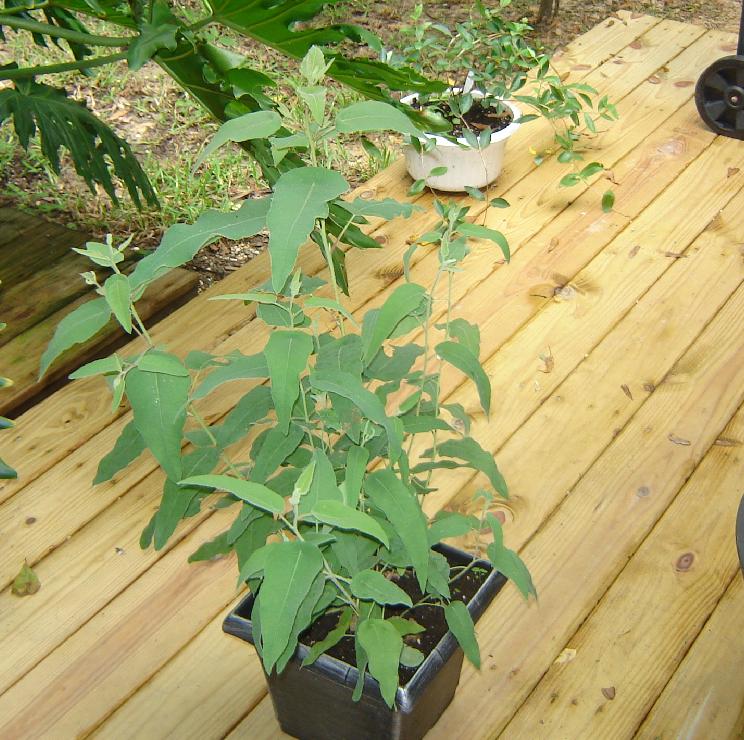
Citrodora Eucalyptus (Eucalyptus citriodora), commonly known as Lemon Eucalyptus or Lemon-Scented Gum, is one of the finest aromatic plants available for patios, decks, porches, and outdoor living areas. Its long, graceful gray-green leaves contain exceptionally high levels of citronellal, releasing a clean lemon-citrus fragrance whenever the foliage is brushed or crushed. Unlike many ornamental plants grown solely for their appearance, Lemon Eucalyptus combines striking beauty with one of the most widely recognized natural insect-repelling fragrances found in the plant kingdom. Easy to grow from seed, it quickly becomes an attractive container specimen that provides fragrance throughout the growing season.
The essential oil extracted from Lemon Eucalyptus has been extensively studied for its insect-repellent properties and is used commercially throughout the world. Rich in citronellal, the foliage produces the familiar fresh fragrance often associated with citronella products, although Lemon Eucalyptus and Citronella Grass are entirely different plants. Simply crushing several fresh leaves releases these aromatic oils immediately. Many gardeners—including us here at Seedman—enjoy keeping container-grown plants beside patios and outdoor seating areas where a few freshly crushed leaves can provide a pleasant citrus aroma while helping discourage mosquitoes, gnats, and other nuisance insects during outdoor activities.
Beyond its aromatic qualities, Citrodora Eucalyptus is an outstanding ornamental container plant. The handsome blue-green foliage provides year-round interest, while the naturally upright branching habit makes it an attractive accent for patios, sunrooms, greenhouses, and bright indoor windows. In frost-free climates it develops into a graceful evergreen tree with small white flowers, while gardeners in colder regions can easily maintain it as a handsome 3 to 5-foot patio specimen by occasional pruning and container culture. The foliage is also excellent for fresh floral arrangements, fragrant bouquets, and dried decorative displays.
Fast-growing, remarkably easy to maintain, and wonderfully fragrant, Citrodora Eucalyptus has become one of our favorite patio plants. Whether grown for its refreshing lemon fragrance, beautiful foliage, container beauty, or traditional use around outdoor living spaces, it offers gardeners a practical and enjoyable way to bring one of nature's finest aromatic plants into everyday life.
Specifications
- Botanical Name: Eucalyptus citriodora (currently classified as Corymbia citriodora)
- Common Name: Citrodora Eucalyptus, Lemon Eucalyptus, Lemon-Scented Gum
- Plant Type: Evergreen tree, commonly grown as a container plant
- Height: 3–5 feet in containers; 60–100 feet outdoors in frost-free climates
- Sun Requirements: Full sun
- Soil Preference: Well-drained soil or quality container mix
- Water Requirements: Moderate; avoid waterlogged soils
- USDA Zones: 8–11 outdoors; container plant elsewhere
- Uses: Patio plant, container specimen, aromatic foliage, greenhouse plant, fragrant cut foliage, Natural Garden Defense collection
Natural Properties
- Leaves are exceptionally rich in citronellal, one of nature's best-known aromatic insect-repelling compounds.
- Freshly crushed foliage releases highly fragrant essential oils traditionally used to help discourage mosquitoes, gnats, and other nuisance insects.
- Essential oil from Lemon Eucalyptus is commercially used worldwide in a variety of insect-repellent products.
- Excellent patio and deck plant where aromatic foliage can be enjoyed throughout the season.
- Outstanding fragrant foliage for fresh floral arrangements and indoor displays.
- Fast-growing, drought tolerant once established, and easily maintained as a handsome container specimen.
Seedman Notes
This is one of our personal favorites here at Seedman. The photograph above shows one of the Lemon Eucalyptus plants growing on our own deck. We purposely keep several container-grown plants beside our patio chairs because simply pulling and gently crushing a few fresh leaves releases an incredible burst of fresh lemon fragrance. Before walking through the woods or working around the farm, we often crush a few leaves and tuck them beneath a cap or into a shirt pocket. While no plant should be considered a complete substitute for commercial insect repellents, we have found Lemon Eucalyptus to be one of the most enjoyable and useful aromatic plants we grow. Combined with its handsome appearance and ease of culture, it has earned a permanent place on our patio every year.
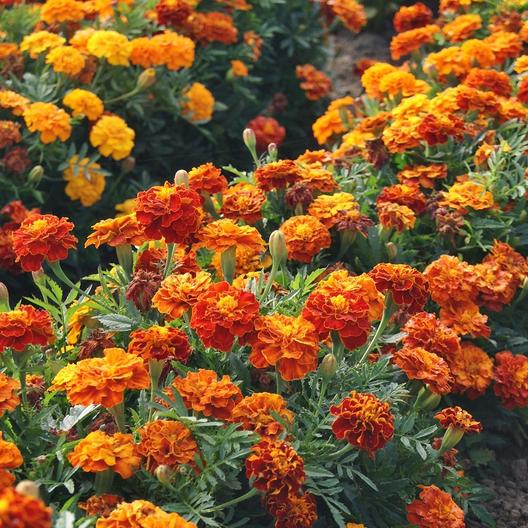

Sparky French Marigold Mix (Tagetes patula) is one of our favorite bedding plants, and if we could recommend just one marigold for the home garden, this would probably be it. Unlike many traditional marigolds, Sparky produces an abundance of unusually shaped, wide, wavy-petaled blooms in brilliant shades of deep orange and golden yellow that resemble a spectacular summer sunset. Compact, vigorous, and incredibly floriferous, each plant can produce dozens of cheerful flowers continuously from early summer until the first hard frost, making it one of the longest-blooming annuals available.
French Marigolds have earned their reputation as valuable companion plants through generations of successful gardening. Their aromatic foliage and roots contain naturally occurring compounds that have been studied for their ability to help suppress certain species of soil-dwelling plant-parasitic nematodes, while the brightly colored flowers attract numerous beneficial pollinating insects and tiny parasitic wasps that contribute to a healthier garden ecosystem. Although no marigold should be viewed as a cure-all for insect problems, they remain one of the finest companion plants for vegetable gardens, flower borders, and raised beds because they contribute to greater biodiversity and natural balance.
Sparky is equally impressive as an ornamental. Growing just 10 to 12 inches tall, these compact plants become covered with up to fifty brilliant two-inch flowers at one time, creating a dazzling display of color throughout the growing season. Their tidy habit makes them perfect for borders, edging, containers, hanging baskets, vegetable gardens, and mass plantings where their vivid blooms provide months of dependable color with very little maintenance.
Easy to grow from seed and remarkably tolerant of summer heat, Sparky French Marigold is one of those rare plants that combines outstanding ornamental beauty with practical garden benefits. Whether planted to brighten a landscape, support beneficial insects, or simply enjoy one of the easiest annual flowers to grow, Sparky proves that beautiful gardens and healthy gardens often go hand in hand.
Specifications
- Botanical Name: Tagetes patula
- Common Name: Sparky French Marigold Mix
- Plant Type: Annual
- Height: 10–12 inches
- Spread: 8–12 inches
- Sun Requirements: Full sun
- Soil Preference: Well-drained average garden soil
- Water Requirements: Moderate
- USDA Zones: Grown as an annual in all climates
- Uses: Borders, containers, companion planting, vegetable gardens, pollinator gardens, mass plantings
Natural Properties
- Roots produce naturally occurring compounds that have been shown to help suppress certain species of plant-parasitic nematodes.
- Bright flowers attract bees, hoverflies, parasitic wasps, and numerous other beneficial insects.
- Strong aromatic foliage has long been valued in traditional companion planting.
- Excellent companion plant for vegetable gardens, raised beds, and flower borders.
- Provides continuous nectar and pollen throughout the growing season.
- Long bloom period helps support beneficial insects from summer until frost.
Seedman Notes
If we planted only one French Marigold, it would be Sparky. We've always admired its incredible flower production, unusual bloom shape, and vivid sunset colors that simply don't quit until frost. While marigolds have earned a well-deserved reputation as companion plants, we think their greatest strength is how many benefits they provide at once—beautiful flowers, pollinator support, beneficial insect habitat, and healthier garden diversity. Plant a generous border around your vegetable garden or flower beds, and you'll quickly understand why Sparky has remained one of our personal favorites.
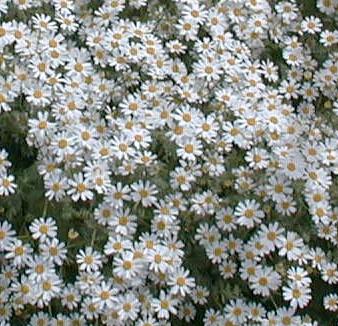
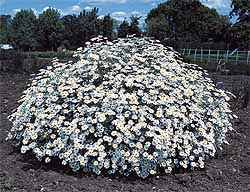
Jackpot Tansy (Tanacetum niveum) is one of the most spectacular flowering perennial tansies available, combining finely textured silver-gray foliage with an astonishing display of brilliant white daisy-like blooms. Introduced from England, this exceptional variety forms an attractive mound of aromatic ferny foliage that becomes almost completely hidden beneath hundreds of cheerful flowers during early summer. Unlike Common Tansy, Jackpot is a well-behaved garden perennial that offers all of the ornamental charm without becoming invasive, making it an excellent choice for borders, containers, and pollinator gardens.
Like other members of the tansy family, Jackpot has long been appreciated for its pleasantly aromatic foliage. For centuries, gardeners have grown tansies around homes, gardens, and outdoor living areas because their naturally fragrant leaves were traditionally believed to help discourage certain nuisance insects. While modern scientific studies show that aromatic plants work best as one part of a diverse, healthy landscape rather than as stand-alone insect repellents, Jackpot remains an excellent companion plant whose fragrant foliage contributes another layer of diversity to sustainable gardens.
From early through midsummer, plants become covered with an incredible display of bright white flowers, often producing several hundred to over a thousand blooms at one time. These nectar-rich blossoms attract bees, butterflies, hoverflies, and numerous other beneficial insects while providing months of outstanding garden color. If trimmed after the first flush of bloom, Jackpot often rewards gardeners with a second flowering in autumn. The silvery foliage remains attractive long after flowering, adding texture and contrast to mixed borders and container plantings.
Easy to grow, remarkably floriferous, and attractive throughout the growing season, Jackpot Tansy is an outstanding perennial for gardeners seeking beauty and function in the same plant. Whether admired for its elegant silver foliage, masses of white blooms, pollinator value, or traditional reputation as an aromatic companion plant, it is one of the finest ornamental tansies available for modern gardens.
Specifications
- Botanical Name: Tanacetum niveum
- Common Name: Jackpot Tansy
- Plant Type: Hardy perennial
- Height: 18 inches the first year, often 30–36 inches when established
- Spread: 24–36 inches
- Sun Requirements: Full sun
- Soil Preference: Well-drained average garden soil
- Water Requirements: Moderate
- USDA Zones: 5–9
- Uses: Borders, containers, pollinator gardens, perennial beds, cut flowers, companion planting
Natural Properties
- Aromatic foliage has long been valued in traditional companion planting.
- Traditionally grown around gardens because its fragrant leaves were believed to help discourage certain nuisance insects.
- Produces abundant nectar-rich flowers that attract bees, butterflies, hoverflies, and other beneficial pollinating insects.
- Excellent companion plant for diversified, pollinator-friendly landscapes.
- Non-invasive perennial unlike Common Tansy (Tanacetum vulgare).
- Outstanding long-season ornamental value with exceptional flower production.
Seedman Notes
Jackpot is one of those rare plants that earns its place in the garden even without its traditional reputation as a companion plant. We were first attracted by the extraordinary number of flowers it produces, but quickly came to appreciate its handsome silver foliage, tidy growth habit, and ability to attract countless beneficial pollinating insects. If you're looking for a perennial that combines ornamental beauty with the philosophy of Natural Garden Defense, Jackpot Tansy is an outstanding choice that demonstrates how healthy gardens can also be incredibly beautiful.
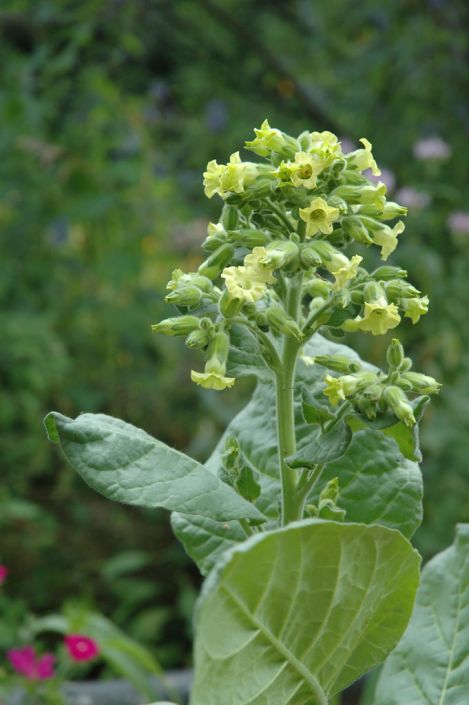
Mountain Tobacco (Nicotiana attenuata) is one of North America's most remarkable native tobaccos, valued for centuries by Indigenous peoples for ceremonial, cultural, and practical purposes. This graceful annual produces slender stems topped with attractive yellow-green tubular flowers above soft gray-green foliage, creating an elegant ornamental plant that blends beautifully into native gardens and wildflower plantings. While its delicate appearance suggests otherwise, Mountain Tobacco is naturally rich in nicotine, one of the plant kingdom's most effective natural defensive compounds.
Long before the development of modern pesticides, gardeners commonly relied upon tobacco as a natural source of insect control. Dried tobacco leaves were ground into tobacco dust or steeped to produce tobacco teas that were applied to ornamental plants and garden crops. The naturally occurring nicotine found in the leaves acts as a powerful insect neurotoxin, and for many decades tobacco dust was a standard product found in garden centers throughout North America. Although commercial nicotine-based insecticides have largely disappeared because of modern safety standards, Mountain Tobacco remains an interesting reminder of one of gardening's oldest natural pest management tools.
Beyond its historical value, Mountain Tobacco is an attractive ornamental that performs well in sunny locations with well-drained soil. The flowers are visited by hummingbirds and several native pollinating insects, while the plant itself serves as an important component of native western ecosystems. Its compact size makes it suitable for wildflower gardens, native landscapes, educational gardens, and collections illustrating traditional Indigenous and historical horticultural practices.
Today, Mountain Tobacco is appreciated as much for its fascinating history as for its ornamental beauty. Whether grown to explore the history of natural gardening, to preserve an important native species, or simply to enjoy its graceful flowers, it offers gardeners a unique opportunity to cultivate one of the plants that helped shape the early history of organic pest management.
Specifications
- Botanical Name: Nicotiana attenuata
- Common Name: Mountain Tobacco
- Plant Type: Native annual
- Height: 2–3 feet
- Sun Requirements: Full sun
- Soil Preference: Well-drained soil
- Water Requirements: Moderate
- USDA Zones: Grown as an annual
- Uses: Native gardens, educational gardens, ornamental plantings, historical collections
Natural Properties
- Leaves contain naturally occurring nicotine, a compound the plant produces to defend itself against insect feeding.
- Historically used as the source of tobacco dust and tobacco teas for natural insect control.
- An important plant in the history of traditional and early commercial horticultural pest management.
- Flowers provide nectar for hummingbirds and several native pollinating insects.
- Excellent educational plant demonstrating one of nature's own chemical defense systems.
Seedman Notes
Mountain Tobacco has long been one of our favorite historical garden plants. Years ago, tobacco dust was a common sight in garden centers, and many experienced gardeners relied upon it as a natural insecticide before modern products became widely available. Here on our own farm, we've found that finely powdered dried leaves can provide good knockdown of late-season stink bugs when used carefully around garden plants, particularly when we prefer to avoid conventional pesticides near vegetables close to harvest. Because nicotine is a powerful naturally occurring insecticide, we recommend handling the plant with care and viewing it as part of gardening history rather than as a substitute for modern, labeled pest-control products.
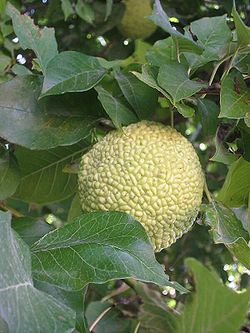

Osage Orange (Maclura pomifera) is one of North America's most remarkable native trees, valued for its legendary wood, brilliant yellow fall foliage, thorny natural hedges, and unusual grapefruit-sized green fruits known as hedge apples. For more than a century, homeowners have placed these distinctive fruits in basements, barns, crawl spaces, and around foundations because of their long-standing reputation for discouraging spiders and household insects. While the folklore surrounding hedge apples has been debated for generations, modern scientific research has revealed that the fruits contain naturally occurring compounds with genuine insect-repellent potential.
Researchers studying Osage Orange have identified several aromatic compounds within the fruit, including elemol, that demonstrate significant insect-repellent activity under laboratory conditions. Studies have shown purified elemol to be effective against mosquitoes and other insects, with some tests reporting repellency comparable to conventional products. Although simply placing whole fruits around a home has produced inconsistent scientific results, the discovery of these naturally occurring compounds has confirmed that the centuries-old reputation of Osage Orange was based upon more than simple folklore. Today the tree continues to attract interest as a source of naturally derived insect-repellent chemistry.
Beyond its fascinating chemistry, Osage Orange is an outstanding landscape tree with an equally impressive history. Before barbed wire was invented, its dense thorny branches formed nearly impenetrable living fences across the American prairie. During the 1930s it became one of the signature trees planted throughout the Great Plains Shelterbelt Project to reduce wind erosion and protect farmland. Its exceptionally dense yellow-orange wood is among the strongest and most rot-resistant native hardwoods in North America and has long been prized for fence posts, tool handles, and some of the finest traditional archery bows ever crafted.
Easy to grow and highly adaptable, Osage Orange thrives in poor soils, drought, heat, and difficult growing conditions where many other trees struggle. Whether planted as an ornamental specimen, wildlife tree, historical landscape, or simply to appreciate one of nature's most interesting examples of plant chemistry, it remains one of America's most distinctive native trees.
Natural Properties
- Fruits contain naturally occurring compounds including elemol that have demonstrated insect-repellent activity in scientific studies.
- Research continues to investigate Osage Orange as a potential source of naturally derived insect-repellent compounds.
- The traditional practice of placing whole hedge apples around homes remains popular, although scientific studies have produced mixed results.
- Excellent wildlife and shelterbelt tree.
- Outstanding drought tolerance and adaptability.
- Historically one of America's most important living hedge plants.
Seedman Notes
Osage Orange is one of those fascinating plants where traditional gardening and modern science unexpectedly meet. For generations people placed hedge apples around homes hoping they would discourage insects. While simply placing the fruits around a room has not consistently proven effective in scientific studies, researchers have since identified naturally occurring compounds within the fruit that genuinely possess insect-repellent properties. We think that's a wonderful reminder that old gardening traditions sometimes contain more truth than first meets the eye, even if modern research helps explain them in a different way.
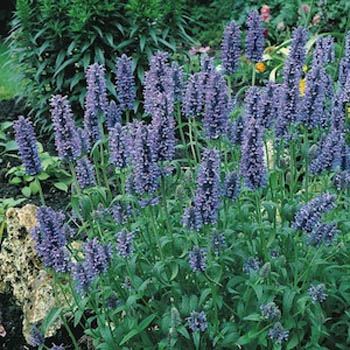
Catnip (Nepeta cataria) is far more than a favorite treat for cats—it is one of the most scientifically studied aromatic herbs for natural insect deterrence. A hardy perennial in the mint family, Catnip produces soft gray-green foliage rich in fragrant essential oils and attractive spikes of white flowers lightly spotted with lavender. Easy to grow and remarkably adaptable, it has long been cultivated in herb gardens for culinary, medicinal, and ornamental purposes. Today it is equally appreciated for its exceptional value to pollinators and the naturally occurring compounds found within its aromatic leaves.
The secret behind Catnip's remarkable reputation is nepetalactone, the primary essential oil produced in its foliage. Numerous scientific studies have demonstrated that this naturally occurring compound possesses significant insect-repellent properties against mosquitoes and several other nuisance insects. The greatest concentration of fragrance is released when the fresh leaves are gently crushed, making Catnip a popular herb for planting near patios, walkways, and outdoor seating areas. While the living plant itself should not be expected to eliminate mosquitoes from an entire yard, the aromatic foliage has earned Catnip a well-deserved reputation as one of nature's most effective insect-repelling herbs.
Beyond its insect-repelling qualities, Catnip is an outstanding pollinator plant. Its long-lasting blooms provide nectar for honeybees, native bees, butterflies, and numerous other beneficial insects throughout the summer months. The vigorous plants are drought tolerant once established, easy to grow in a wide range of soils, and readily fit into herb gardens, pollinator borders, cottage gardens, and containers. Of course, many cats find the fragrant foliage irresistible, making it equally popular with gardeners and their feline companions.
Whether grown for its traditional herbal uses, scientific interest, pollinator value, or aromatic foliage, Catnip remains one of the most versatile herbs available to home gardeners. Few plants combine ornamental beauty, wildlife value, and documented natural insect-repelling properties as successfully as this classic garden favorite.
Specifications
- Botanical Name: Nepeta cataria
- Common Name: Catnip
- Plant Type: Hardy perennial herb
- Height: 24–36 inches
- Spread: 18–30 inches
- Sun Requirements: Full sun to partial shade
- Soil Preference: Well-drained average garden soil
- Water Requirements: Low to moderate
- USDA Zones: 3–9
- Uses: Herb gardens, pollinator gardens, companion planting, patio containers, herbal teas, natural garden defense
Natural Properties
- Leaves contain nepetalactone, one of the best-studied naturally occurring insect-repellent compounds.
- Freshly crushed foliage releases aromatic essential oils traditionally used to help discourage mosquitoes and other nuisance insects.
- Research has demonstrated repellency against mosquitoes, flies, cockroaches, termites, and several additional insect species.
- Excellent nectar source for honeybees, native bees, butterflies, and other beneficial pollinators.
- Drought tolerant and exceptionally easy to grow in a wide range of climates.
- A favorite enrichment plant for domestic cats due to its naturally occurring aromatic compounds.
Seedman Notes
Catnip is one of the cornerstone plants in our Natural Garden Defense collection because it combines outstanding scientific research with centuries of traditional herbal use. The same aromatic oils that make the plant irresistible to many cats are responsible for its well-documented insect-repelling properties. Here at Seedman, we recommend thinking of Catnip as another valuable partner in creating a healthier outdoor environment. Plant it near patios, herb gardens, or seating areas where the fragrant foliage can be enjoyed, gently crush a few leaves to release the essential oils when desired, and let the flowers support the bees, butterflies, and other beneficial insects that every healthy garden needs.
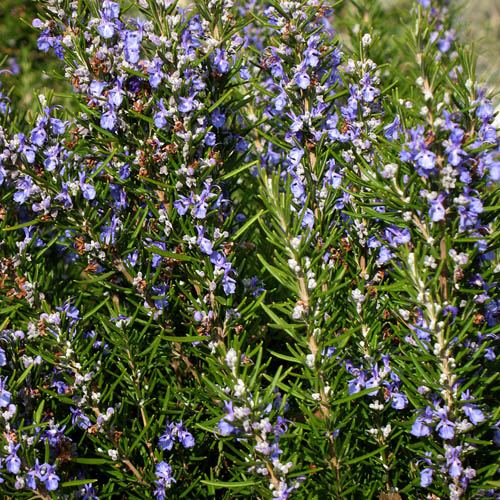
Rosemary is a classic Mediterranean herb prized for its fragrant, needle-like leaves and rich, savory flavor. This attractive evergreen herb is excellent for seasoning poultry, meats, roasted vegetables, breads, soups, and herbal blends. Its upright, woody growth also makes it a beautiful container plant for patios, porches, herb gardens, and sunny windowsills.
Rosemary grows best in full sun and well-drained soil. Once established, plants are drought tolerant and prefer slightly dry conditions rather than wet soil. In warm climates, rosemary can be grown outdoors year-round, while gardeners in colder areas often grow it in containers and bring it indoors during winter.
Small blue to lavender flowers may appear on mature plants, attracting bees and other beneficial pollinators. With its evergreen foliage, pleasant fragrance, and culinary value, rosemary is one of the most useful and rewarding herbs to grow.
Hardiness Zones:Rosemary is generally hardy in USDA Zones 8-11. In colder zones, grow as an annual or in a container that can be moved indoors before freezing weather.
Germination Instructions:- Start seeds indoors 8-10 weeks before the last expected frost.
- Sow seeds lightly on the surface or cover very thinly with seed-starting mix.
- Keep soil warm, around 70-75°F, and lightly moist but never soggy.
- Germination is naturally slow and uneven, often taking 14-28 days or longer.
- Provide bright light once seedlings emerge.
- Transplant outdoors after all danger of frost has passed and plants are well established.
- Plant in full sun for best flavor and growth.
- Use well-drained soil or a container mix with good drainage.
- Avoid overwatering; rosemary dislikes wet roots.
- Trim regularly to encourage bushy growth.
- Harvest sprigs as needed for fresh use, or dry leaves for later use.
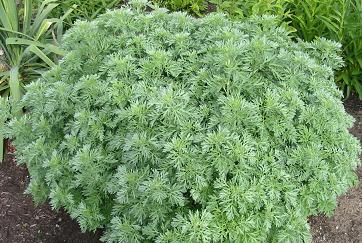
Wormwood (Artemisia absinthium) is one of the oldest and most respected aromatic herbs in the world, valued for centuries for its striking silver-gray foliage, intensely fragrant leaves, and remarkable natural chemistry. A hardy perennial native to Europe and western Asia, Wormwood forms attractive mounds of finely divided foliage that provide beautiful contrast in herb gardens, perennial borders, and cottage landscapes. While many gardeners recognize Wormwood as the famous herb historically associated with the European beverage Absinthe, its long history as a natural companion plant and insect-deterring herb is equally fascinating.
The aromatic foliage contains naturally occurring compounds including thujone, absinthin, and other essential oils that give Wormwood its distinctive fragrance and intensely bitter character. For generations, dried leaves and fresh sprigs were placed in cupboards, wardrobes, animal bedding, and around homes to help discourage moths, fleas, flies, and other nuisance insects. Modern research continues to investigate the insect-repellent properties of Wormwood's essential oils, supporting many of its traditional uses. While the living plant should not be expected to eliminate insect problems on its own, it remains one of the classic aromatic herbs grown as part of an integrated approach to natural gardening.
Beyond its practical uses, Wormwood is an exceptionally attractive ornamental perennial. Its soft silver foliage provides outstanding texture throughout the growing season and complements flowering perennials with contrasting color and form. During midsummer, airy sprays of small yellow flowers appear above the foliage, while the aromatic leaves continue to provide fragrance long after flowering has ended. Once established, Wormwood is highly drought tolerant and thrives in sunny, well-drained locations where many other perennials struggle.
Easy to grow and remarkably long-lived, Wormwood offers beauty, history, and practical value in one elegant plant. Whether appreciated for its silvery foliage, historical significance, aromatic qualities, or traditional role as a companion herb, it remains one of the finest perennial herbs for gardeners interested in sustainable landscapes and the rich history of natural garden defense.
Specifications
- Botanical Name: Artemisia absinthium
- Common Name: Wormwood
- Plant Type: Hardy perennial herb
- Height: 24–48 inches
- Spread: 24–36 inches
- Sun Requirements: Full sun
- Soil Preference: Well-drained soil; tolerates poor, dry soils
- Water Requirements: Low once established
- USDA Zones: 4–9
- Uses: Herb gardens, perennial borders, companion planting, dried arrangements, historical gardens
Natural Properties
- Highly aromatic foliage containing naturally occurring compounds including thujone and absinthin.
- Traditionally used to help discourage moths, fleas, flies, ants, and certain other nuisance insects.
- Essential oils have demonstrated insect-repellent activity in numerous laboratory studies.
- Excellent drought tolerance once established.
- Beautiful silver-gray foliage provides outstanding ornamental contrast throughout the growing season.
- Long valued as one of the classic companion herbs in traditional gardens.
Seedman Notes
Wormwood has earned its reputation over centuries of practical gardening rather than passing fads. Long before modern insect repellents existed, gardeners relied on its intensely aromatic foliage in homes, storage areas, and around the garden because of its distinctive fragrance and naturally occurring plant compounds. Today, we appreciate Wormwood not only for its fascinating history but also for its elegant silver foliage, drought tolerance, and proven place among the classic aromatic herbs that help build a naturally balanced garden ecosystem.
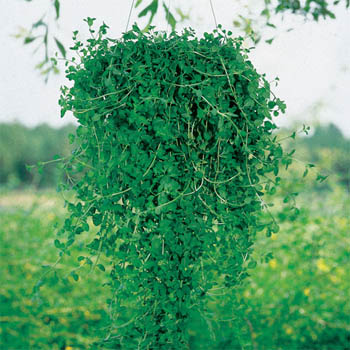
Pennyroyal (Mentha pulegium) is one of the oldest aromatic herbs associated with natural insect deterrence. A low-growing member of the mint family, it forms an attractive carpet of rich green foliage covered with charming lavender flowers during summer. For centuries, gardeners have grown Pennyroyal around homes, walkways, and herb gardens where its pleasantly fragrant leaves release a refreshing mint-like aroma whenever they are brushed or crushed. Its creeping growth habit also makes it an excellent ground cover for sunny locations.
The secret behind Pennyroyal's long-standing reputation lies in its highly aromatic foliage, which contains naturally occurring essential oils rich in pulegone. These fragrant oils have been studied for their insect-repellent properties and have traditionally been used to help discourage mosquitoes, gnats, fleas, and ticks. Fresh sprigs have long been carried by gardeners, tucked into hats or pockets while working outdoors, or planted along frequently used garden paths where the foliage releases its pleasant fragrance when brushed. While Pennyroyal should not be viewed as a complete substitute for modern insect repellents, it remains one of the classic herbs associated with natural garden defense.
Beyond its aromatic qualities, Pennyroyal is a beautiful and useful garden plant. The dense mat of foliage helps suppress weeds while providing nectar-rich flowers that attract bees and other beneficial pollinators. Its compact growth makes it especially valuable for herb gardens, rock gardens, pathway edges, containers, and between stepping stones where the fragrant leaves can be enjoyed throughout the growing season.
Easy to grow and remarkably versatile, Pennyroyal combines ornamental beauty with one of the richest histories of any aromatic herb. Whether appreciated for its attractive ground-cover habit, fragrant foliage, traditional insect-deterring reputation, or value in pollinator gardens, it remains an excellent addition to sustainable landscapes built around healthy garden diversity.
Specifications
- Botanical Name: Mentha pulegium
- Common Name: Pennyroyal
- Plant Type: Hardy perennial herb
- Height: 6–12 inches
- Spread: Spreading ground cover
- Sun Requirements: Full sun to partial shade
- Soil Preference: Moist, well-drained soil
- Water Requirements: Moderate
- USDA Zones: 5–9
- Uses: Ground cover, herb gardens, pathway edging, companion planting, containers
Natural Properties
- Highly aromatic foliage rich in naturally occurring pulegone and related essential oils.
- Traditionally grown to help discourage mosquitoes, gnats, fleas, and ticks.
- Freshly crushed leaves release a strong mint-like fragrance valued by generations of gardeners.
- Excellent aromatic ground cover for pathways and herb gardens.
- Flowers provide nectar for bees and other beneficial pollinating insects.
- One of the classic companion herbs in traditional European and American gardens.
Seedman Notes
Pennyroyal has earned its place in our Natural Garden Defense collection through centuries of traditional use and the naturally aromatic compounds found within its foliage. We enjoy planting it where visitors can brush against the fragrant leaves while walking through the garden, releasing its refreshing minty scent. As with many aromatic herbs, we encourage gardeners to think of Pennyroyal as one valuable component of a healthy, balanced landscape rather than a stand-alone solution for insect problems. Note: While the growing plant is an excellent ornamental herb, concentrated pennyroyal essential oil is quite different from the living plant and should be handled with appropriate caution, particularly around children and pets.
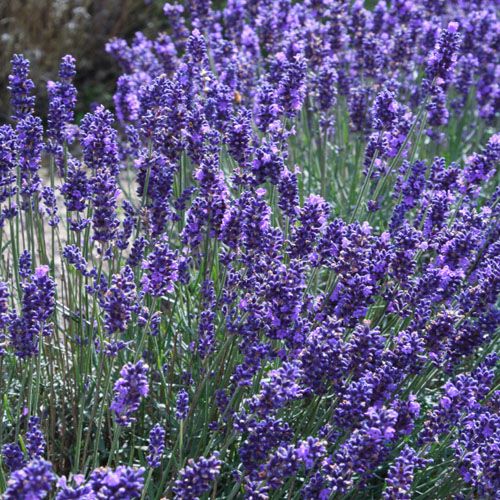
True Lavender (Lavandula angustifolia) is one of the world's most beloved aromatic herbs, treasured for its intoxicating fragrance, graceful purple flower spikes, and remarkable versatility. Native to the sunny hillsides of the Mediterranean, this hardy perennial forms compact mounds of narrow gray-green foliage topped with elegant lavender-blue blooms throughout the summer. Equally at home in herb gardens, cottage landscapes, pollinator borders, containers, and patio plantings, True Lavender combines timeless beauty with centuries of practical use.
The fragrant flowers and foliage owe their delightful scent to naturally occurring essential oils rich in compounds such as linalool and linalyl acetate, which have been widely studied for their aromatic and insect-repellent properties. For generations, gardeners have planted Lavender near walkways, patios, and entrances where the fragrant foliage can be enjoyed throughout the growing season. Dried flower stems have traditionally been placed in closets, drawers, and linen cabinets to help discourage clothes moths while naturally scenting clothing and household linens. Although Lavender should not be expected to eliminate insect problems by itself, its aromatic oils make it one of the classic companion herbs for sustainable gardens.
Beyond its fragrance, True Lavender is one of the finest pollinator plants available. The long-lasting flower spikes attract honeybees, native bees, butterflies, and numerous other beneficial insects throughout the blooming season, making it an outstanding addition to wildlife-friendly landscapes. Once established, the plants are exceptionally drought tolerant and thrive in sunny, well-drained locations where many other perennials struggle during hot summer weather.
Easy to grow, beautifully fragrant, and attractive throughout much of the year, True Lavender offers gardeners an exceptional combination of ornamental beauty, ecological value, and traditional usefulness. Whether grown for its flowers, aromatic foliage, pollinator benefits, dried bouquets, or centuries-old reputation as a naturally fragrant companion plant, it remains one of the finest herbs for creating healthy, sustainable gardens.
Specifications
- Botanical Name: Lavandula angustifolia
- Common Name: True Lavender, English Lavender
- Plant Type: Hardy perennial herb
- Height: 18–30 inches
- Spread: 18–24 inches
- Sun Requirements: Full sun
- Soil Preference: Well-drained soil; prefers slightly alkaline conditions
- Water Requirements: Low once established
- USDA Zones: 5–9
- Uses: Herb gardens, pollinator gardens, cottage gardens, containers, dried flowers, sachets, culinary and aromatic uses
Natural Properties
- Highly aromatic flowers and foliage rich in naturally occurring essential oils including linalool and linalyl acetate.
- Traditionally planted around homes and gardens because of its pleasantly fragrant, insect-deterring aroma.
- Dried flower stems have long been placed in closets and drawers to help discourage clothes moths while naturally scenting linens and clothing.
- Outstanding nectar source for honeybees, native bees, butterflies, and other beneficial pollinators.
- Excellent drought tolerance once established.
- One of the finest aromatic companion herbs for sustainable landscapes.
Seedman Notes
True Lavender has remained a favorite of gardeners for centuries because it offers so many benefits from a single planting. Few herbs can match its combination of breathtaking fragrance, beautiful flowers, pollinator value, drought tolerance, and traditional household uses. We especially enjoy harvesting the flower stems for drying, where they continue to perfume closets, drawers, and indoor arrangements long after the growing season has ended. Combined with its long history as an aromatic companion plant, True Lavender has earned its place as one of the cornerstone plants in our Natural Garden Defense collection.
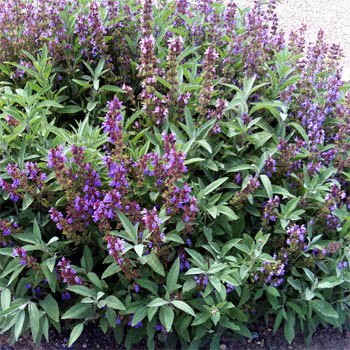
Common Sage (Salvia officinalis) has been treasured for thousands of years as one of the world's finest culinary and medicinal herbs, but it also holds an honored place among traditional companion plants. This attractive evergreen perennial forms compact mounds of soft gray-green aromatic foliage that provide beauty throughout the year while producing spikes of lavender-blue flowers that brighten the garden in late spring and early summer. Equally at home in herb gardens, vegetable gardens, containers, and perennial borders, Sage combines ornamental beauty with remarkable practical value.
The strongly aromatic foliage contains naturally occurring essential oils rich in compounds such as thujone, camphor, and cineole, which contribute to Sage's distinctive fragrance and have been widely studied for their insect-repellent properties. For generations, gardeners have planted Sage alongside vegetables, herbs, and ornamental flowers as a companion plant while enjoying its pleasantly fragrant foliage around patios and garden paths. Although no single herb should be expected to eliminate insect problems entirely, Sage has earned a well-deserved reputation as one of the classic aromatic herbs used in sustainable gardening.
Beyond its traditional role in companion planting, Sage is one of the most useful herbs a gardener can grow. Its flavorful leaves are indispensable for seasoning poultry, stuffing, sausages, soups, and roasted vegetables, while the beautiful nectar-rich flowers attract honeybees, bumblebees, butterflies, and numerous native pollinators. Once established, Sage is highly drought tolerant and thrives in sunny, well-drained locations where many other herbs struggle, making it an excellent choice for water-wise landscapes.
Easy to grow, wonderfully fragrant, and productive for many years, Sage offers gardeners an outstanding combination of culinary usefulness, ornamental appeal, pollinator value, and traditional garden wisdom. Whether grown for fresh herbs, beautiful flowers, aromatic foliage, or its long history as a companion plant, Sage continues to earn its reputation as one of the essential herbs for naturally balanced gardens.
Specifications
- Botanical Name: Salvia officinalis
- Common Name: Common Sage, Garden Sage
- Plant Type: Evergreen perennial herb
- Height: 18–30 inches
- Spread: 18–24 inches
- Sun Requirements: Full sun
- Soil Preference: Well-drained soil
- Water Requirements: Low once established
- USDA Zones: 5–9
- Uses: Culinary herb, herb gardens, companion planting, pollinator gardens, containers, perennial borders
Natural Properties
- Highly aromatic foliage rich in naturally occurring essential oils including thujone, camphor, cineole, and borneol.
- Traditionally grown as a companion plant because of its fragrant foliage and long history in natural gardening.
- Essential oils have demonstrated insect-repellent and insecticidal activity in numerous scientific studies.
- Produces nectar-rich flowers that attract honeybees, bumblebees, butterflies, and other beneficial pollinators.
- Excellent drought tolerance once established.
- Long-lived perennial providing year-round fragrance and culinary harvests.
Seedman Notes
Sage is one of those remarkable herbs that seems to do everything well. It flavors countless recipes, attracts beneficial pollinators, tolerates heat and drought, and has been valued as a companion plant for generations because of its wonderfully aromatic foliage. While we don't recommend relying on Sage alone for insect control, it fits perfectly into the philosophy of Natural Garden Defense by contributing fragrance, biodiversity, and ecological balance to the garden. Combined with herbs such as Rosemary, Lavender, Catnip, and Lemon Eucalyptus, it becomes an important part of a naturally healthy landscape.
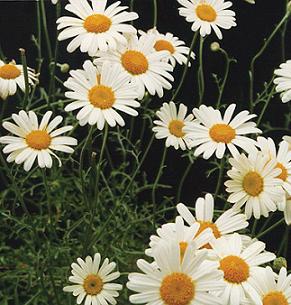
Pyrethrum Plant (Tanacetum cinerariifolium), also known as the Dalmatian Chrysanthemum, is one of the most important insect-control plants ever cultivated. This attractive perennial produces masses of cheerful white daisy-like flowers with bright golden centers that brighten gardens throughout late spring and summer. Hardy, easy to grow, and exceptionally ornamental, it has been cultivated for generations not only for its beauty but also because its flowers contain one of nature's most remarkable insect-control compounds—pyrethrins.
The dried flower heads are the natural source of pyrethrins, a group of botanical compounds that have been used around the world for well over a century as natural contact insecticides. Pyrethrins act quickly on many insect pests by disrupting their nervous systems while breaking down rapidly in sunlight and the environment, leaving very little long-term residue. Because of this unique combination of effectiveness and rapid biodegradability, pyrethrum remains one of the most widely used botanical insecticides in home gardens, agriculture, and public health programs throughout the world.
Beyond its remarkable chemistry, Pyrethrum is an excellent ornamental perennial. The graceful white flowers attract pollinators when left in bloom and provide an attractive display in borders, cottage gardens, and cutting gardens. Once harvested and properly dried, the flower heads have traditionally been powdered or processed as the source of natural pyrethrum products. Because pyrethrins are broad-spectrum contact insecticides, they should always be used thoughtfully to minimize exposure to beneficial insects, making careful timing and selective application important parts of responsible natural gardening.
Easy to grow and beautiful throughout the season, Pyrethrum offers gardeners an extraordinary opportunity to grow one of history's most important natural insect-control plants. Whether admired for its lovely flowers, fascinating chemistry, or historic contribution to sustainable pest management, it has earned its place as one of the cornerstone plants in our Natural Garden Defense collection.
Specifications
- Botanical Name: Tanacetum cinerariifolium
- Common Name: Pyrethrum Plant, Dalmatian Chrysanthemum
- Plant Type: Hardy perennial
- Height: 18–30 inches
- Spread: 18–24 inches
- Sun Requirements: Full sun
- Soil Preference: Well-drained soil
- Water Requirements: Moderate
- USDA Zones: 4–9
- Uses: Natural Garden Defense, ornamental borders, cutting gardens, pollinator gardens, botanical insecticide source
Natural Properties
- Flowers are the natural commercial source of pyrethrins, one of the world's best-known botanical insecticides.
- Pyrethrins provide rapid contact control of many insect pests.
- Naturally biodegradable and break down quickly in sunlight, reducing long-term environmental persistence.
- Historically used in dusts, sprays, and powders for home gardens and agriculture.
- Broad-spectrum activity means applications should be timed carefully to avoid unnecessary exposure to beneficial insects.
- Beautiful ornamental flowers suitable for borders, cottage gardens, and cutting gardens.
Seedman Notes
Few plants have had a greater influence on natural pest management than Pyrethrum. Long before many modern insecticides were developed, gardeners relied on the dried flowers of this remarkable daisy as one of nature's most effective botanical insecticides. We especially appreciate that pyrethrins break down rapidly after use, making them an important tool in integrated pest management when applied thoughtfully and responsibly. While our philosophy at Seedman is always to encourage healthy soils, beneficial insects, and natural garden balance first, Pyrethrum demonstrates that nature itself has also provided highly effective tools for those occasions when direct intervention becomes necessary.
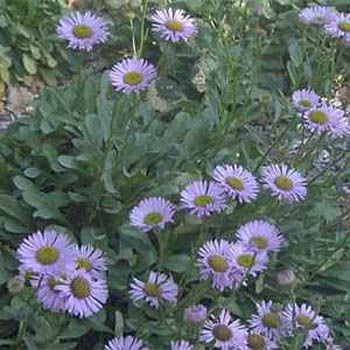
Fleabane Daisy (Erigeron speciosus) is a beautiful North American wildflower prized for its cheerful blue to violet daisy-like blooms, long flowering season, and rich history in traditional gardens. Growing 16 to 24 inches tall, this hardy perennial produces masses of colorful flowers with bright golden centers that attract a wide variety of bees, butterflies, and other beneficial insects throughout the summer. Equally at home in wildflower meadows, perennial borders, pollinator gardens, and naturalized landscapes, Fleabane combines ornamental beauty with centuries of fascinating folklore.
The unusual common name "Fleabane" dates back to Roman times, when people believed that dried plants placed around homes or among bedding helped discourage fleas and other nuisance insects. This long-standing tradition continued throughout Europe and North America for generations, making Fleabane one of history's best-known companion plants. Modern scientific evidence supporting these traditional uses is limited, but the aromatic foliage and historical association with natural pest management continue to make Fleabane an interesting addition to gardens celebrating traditional horticultural practices.
Today, Fleabane is appreciated primarily as an outstanding pollinator plant. Its abundant nectar-rich flowers attract native bees, butterflies, hoverflies, and numerous other beneficial insects that contribute to a healthier, more diverse garden ecosystem. The long bloom period provides an important food source during the growing season while the attractive flowers brighten borders, cottage gardens, prairie plantings, and natural landscapes.
Easy to grow and dependable year after year, Fleabane Daisy offers gardeners a wonderful combination of ornamental beauty, wildlife value, and gardening history. Whether grown for its colorful flowers, pollinator benefits, or its fascinating connection to centuries of traditional companion planting, it remains a rewarding perennial that celebrates the rich heritage of natural gardening.
Specifications
- Botanical Name: Erigeron speciosus
- Common Name: Fleabane Daisy
- Plant Type: Hardy perennial
- Height: 16–24 inches
- Spread: 18–24 inches
- Sun Requirements: Full sun to partial shade
- Soil Preference: Well-drained average garden soil
- Water Requirements: Moderate
- USDA Zones: 3–8
- Uses: Pollinator gardens, perennial borders, cottage gardens, wildflower meadows, naturalized plantings
Natural Properties
- Historically associated with flea deterrence, giving rise to its common name "Fleabane."
- Long valued as a traditional companion plant in European and North American gardens.
- Produces abundant nectar-rich flowers that attract bees, butterflies, hoverflies, and other beneficial insects.
- Excellent pollinator plant supporting biodiversity throughout the growing season.
- Long blooming season provides valuable nectar resources for beneficial insects.
- Outstanding ornamental perennial for sustainable, wildlife-friendly landscapes.
Seedman Notes
Fleabane reminds us that many garden traditions have fascinating stories behind them. While modern research has not confirmed all of the insect-repelling claims once associated with this plant, its historical role in companion planting and its unquestionable value to pollinators make it well worth growing. We think Fleabane represents exactly what Natural Garden Defense is all about—a beautiful plant that contributes to a healthier garden by supporting beneficial insects while preserving the rich history of traditional gardening.
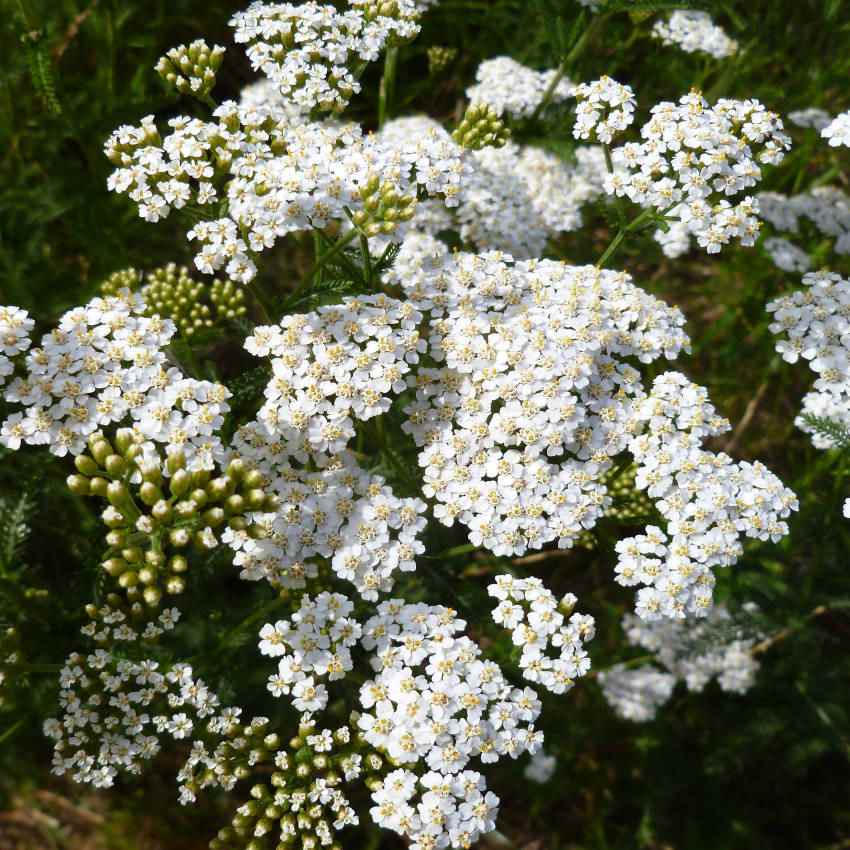
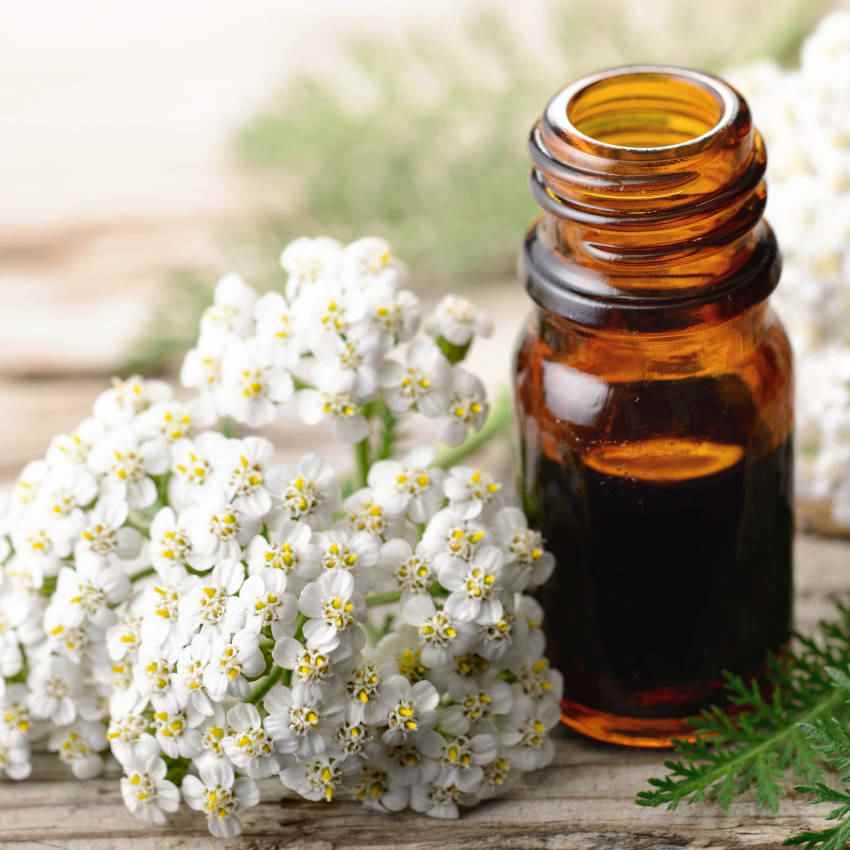
White Yarrow (Achillea millefolium) is one of the finest beneficial insect plants a gardener can grow. This hardy perennial has been cultivated for centuries for its beautiful flat-topped clusters of pure white flowers, attractive fern-like foliage, and remarkable ability to attract the beneficial insects that help keep gardens naturally balanced. Blooming over an extended season, White Yarrow provides a dependable source of nectar and pollen while adding graceful beauty to borders, wildflower gardens, pollinator plantings, and natural landscapes.
Unlike many plants in the Natural Garden Defense collection that rely on aromatic oils or naturally occurring insect-repelling compounds, White Yarrow protects gardens in a different way—it attracts nature's own pest controllers. Its nectar-rich flower clusters are favorites of hoverflies, parasitic wasps, lady beetles, lacewings, soldier beetles, and numerous other predatory insects whose larvae feed on aphids, caterpillars, scale insects, and many other common garden pests. Because the flowers are composed of hundreds of tiny florets grouped together, they provide an easily accessible food source for even the smallest beneficial insects that many flowers cannot support.
Beyond its ecological value, White Yarrow is an exceptionally durable and attractive perennial. The finely divided, aromatic foliage remains handsome throughout the growing season, while the long-lasting flower heads make excellent fresh or dried cut flowers. Once established, the plants tolerate heat, drought, and poor soils with ease, making them outstanding choices for cottage gardens, prairie plantings, pollinator meadows, perennial borders, and water-wise landscapes.
Easy to grow and dependable for many years, White Yarrow demonstrates how beautiful flowers can also become valuable partners in natural pest management. Rather than repelling harmful insects directly, it helps create a healthier garden by supporting the beneficial insects that naturally keep many pest populations in balance. It is truly one of the cornerstone plants of any sustainable landscape.
Specifications
- Botanical Name: Achillea millefolium
- Common Name: White Yarrow
- Plant Type: Hardy perennial
- Height: 18–36 inches
- Spread: 18–24 inches
- Sun Requirements: Full sun
- Soil Preference: Well-drained soil; thrives in average to poor soils
- Water Requirements: Low once established
- USDA Zones: 3–9
- Uses: Pollinator gardens, beneficial insect plantings, perennial borders, prairie gardens, cut flowers, dried flowers, companion planting
Natural Properties
- One of the finest insectary plants for attracting beneficial predatory insects.
- Provides nectar for hoverflies whose larvae consume large numbers of aphids.
- Excellent nectar source for tiny parasitic wasps that naturally help control many common garden pests.
- Supports lady beetles, lacewings, soldier beetles, native bees, butterflies, and numerous other beneficial insects.
- Long flowering season provides continuous nectar throughout much of the growing season.
- Highly drought tolerant once established and exceptionally valuable in sustainable landscapes.
Seedman Notes
White Yarrow perfectly represents the philosophy behind our Natural Garden Defense collection. It doesn't rely on strong fragrances or botanical insecticides—instead, it recruits nature's own helpers. By attracting hoverflies, lady beetles, lacewings, parasitic wasps, and countless other beneficial insects, Yarrow becomes a living support system for your garden's natural defenses. We consider it one of the very best companion flowers for vegetable gardens, orchards, and pollinator plantings, proving that one of the most effective forms of pest management is simply giving beneficial insects a reason to stay.
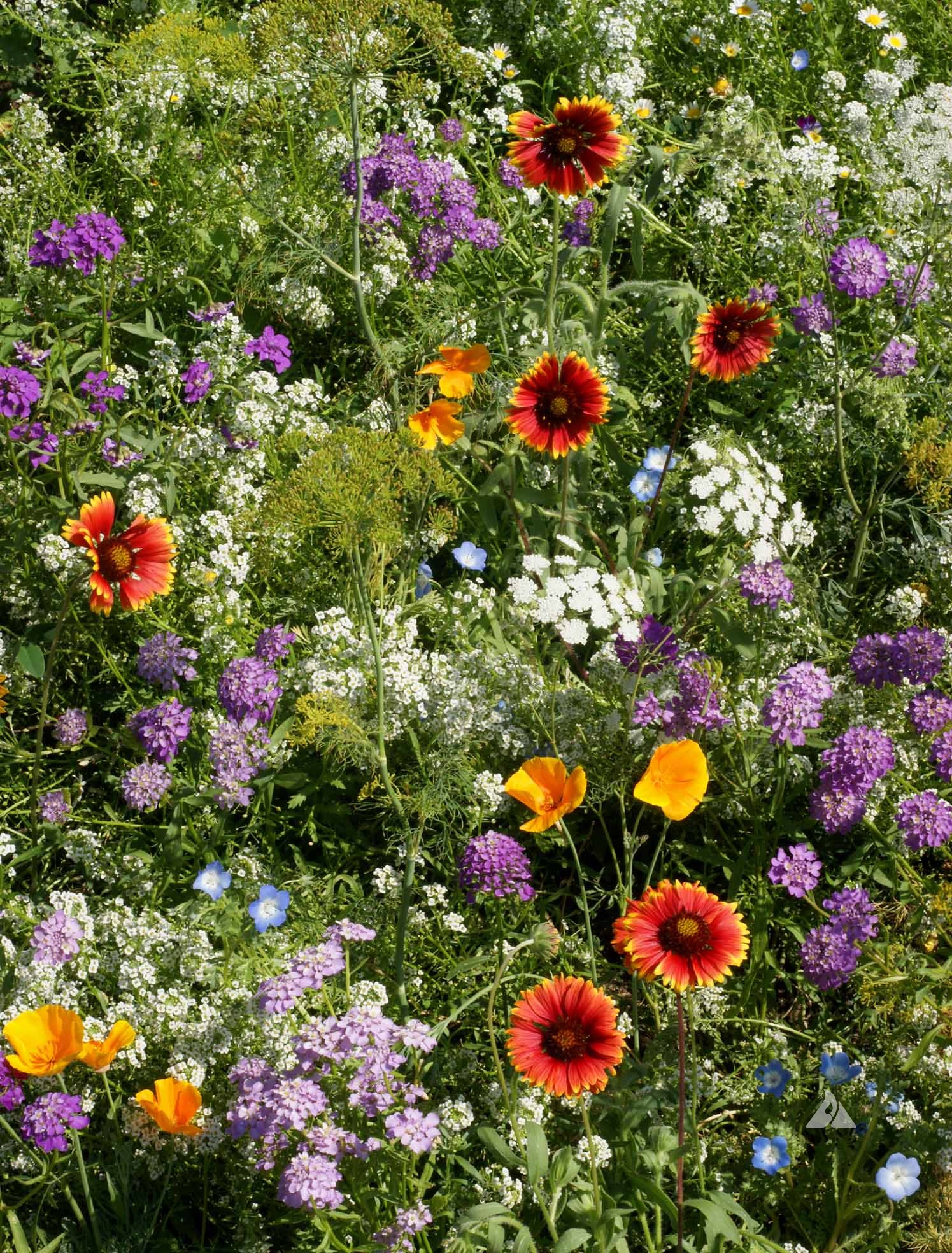
Beneficial Insect Mix is the cornerstone of a naturally balanced garden. Rather than relying upon a single companion plant, this carefully selected blend combines seventeen flowers and herbs that bloom over an extended season, providing nectar, pollen, shelter, and habitat for many of the beneficial insects that help keep garden pests under natural control. From the first blossoms of spring until the final flowers of autumn, this colorful mixture works continuously to support the tiny allies every healthy garden depends upon.
The flowers in this carefully balanced mixture attract an impressive diversity of beneficial insects including lady beetles, lacewings, hoverflies, syrphid flies, parasitic wasps, native bees, butterflies, and numerous other pollinating and predatory insects. Many of these beneficial species feed upon or parasitize aphids, thrips, mites, caterpillars, whiteflies, and other common garden pests, reducing the need for chemical intervention while encouraging a naturally balanced ecosystem. By supplying nectar throughout the growing season, the mix helps beneficial insects remain in your garden long after pest populations begin to develop.
Beyond its ecological value, Beneficial Insect Mix creates a spectacular display of flowers from early spring through fall. The carefully selected blend combines annuals and perennials with varying heights, bloom times, colors, and flower shapes to produce an ever-changing landscape filled with continuous color and movement. The result is not only beautiful to look at but also one of the most productive wildlife plantings you can establish around a vegetable garden, orchard, vineyard, or flower border.
Our favorite way to use this mixture is remarkably simple. Each spring, as soon as the soil can be worked, we sow a narrow strip completely around the outside of our vegetable garden. Throughout the season, this living border becomes alive with bees, butterflies, hoverflies, lacewings, and countless other beneficial insects that naturally move into the garden to help maintain balance. It's one of the easiest improvements we've ever made—and one we would recommend to every gardener interested in sustainable growing.
Specifications
- Product: Beneficial Insect Mix
- Plant Type: Annual and perennial wildflower blend
- Height: Mixed species from 12 inches to 5 feet
- Sun Requirements: Full sun
- Soil Preference: Average, well-drained garden soil
- Bloom Season: Early spring through fall
- Coverage: 1-ounce packet plants approximately 150 square feet
- Uses: Vegetable gardens, orchards, vineyards, pollinator gardens, beneficial insect habitat, wildlife plantings
Natural Properties
- Provides continuous nectar and pollen for beneficial insects throughout the growing season.
- Attracts lady beetles, lacewings, hoverflies, parasitic wasps, native bees, butterflies, and numerous predatory insects.
- Helps support natural biological control of aphids, thrips, mites, caterpillars, whiteflies, and many other common garden pests.
- Creates long-term habitat that encourages beneficial insects to remain in the garden.
- Produces outstanding pollinator habitat while adding season-long color.
- One of the most effective ways to increase biodiversity in home gardens.
Contains
Baby Blue Eyes, Bergamot, Bishop's Flower, Black-Eyed Susan, California Poppy, Candytuft, Cilantro, Dill, Dwarf Cosmos, Fennel, Gayfeather, Globe Gilia, Indian Blanket, Lance-Leaved Coreopsis, Purple Prairie Clover, Rockcress, and Shasta Daisy.
Seedman Notes
If there is one product that best represents the philosophy of our Natural Garden Defense collection, this is it. Instead of relying on a single plant, this carefully selected blend creates an entire ecosystem that welcomes the beneficial insects every healthy garden needs. We've planted strips of this mix around our own gardens for years, and the difference in pollinator activity is remarkable. Healthy gardens aren't created by eliminating insects—they're created by attracting the right insects. That's exactly what this mixture was designed to do.
Building a Natural Garden Defense System
The strongest gardens are not protected by one remarkable plant alone. They are protected by diversity. A border of beneficial insect flowers, a few aromatic herbs near sitting areas, companion plants in vegetable beds, and pollinator habitat around the garden can all work together to reduce pest pressure while making the landscape more beautiful and alive.
For gardeners just getting started, we especially recommend beginning with a few cornerstone choices. Plant Beneficial Insect Mix or White Yarrow to attract natural pest controllers, add Catnip, Lavender, Rosemary, or Lemon Eucalyptus for aromatic foliage, and use specialized plants such as Guardian Gold Marigold, Partridge Pea, or Pyrethrum where their particular strengths fit your garden.
Natural Garden Defense works best when it is part of good gardening practice: healthy soil, crop rotation, careful watering, regular observation, and respect for the beneficial insects that keep pest populations in balance. Our goal is not to promise miracle cures, but to help gardeners understand the many ways plants can contribute to a healthier, more resilient garden with fewer chemical inputs.
For additional growing information, please visit our Complete Pest Repellent Plant Growing Guide.

Contact Us | Privacy Policy | About Us
Serving gardeners since 1992
State of Mississippi Seedmen's Permit #C-391, Ohio 90152, Minnesota 20086777